Author: Igor

  • The Ultimate Guide to Keeping Your Trees Healthy and Beautiful

    We all want to have beautiful and healthy trees on our property, but it can be difficult to know how to keep them that way. Trees are living organisms that require regular care and maintenance, just like any other living creature. In this article, we’ll help you understand the basics of tree care, so you can keep your trees looking great and healthy. In this article, we will discuss how to tell if your trees are sick, why it’s important to regularly maintain your trees, some tips for homeowners to care for their trees, when you should hire a professional arborist, and the benefits of using a certified arborist for more complicated jobs. So, let’s get started and learn all about keeping your trees healthy and beautiful!

    Signs of a Sick Tree

    Healthy trees are the foundation of any vibrant landscape, so it’s important to keep a close eye on them. Knowing the signs of tree sickness can help you catch any issues early and help you take steps to keep your trees in tip-top shape.

    Signs of a sick tree can include wilted or discolored leaves, dead wood in the upper part of the tree, changes in the texture or color of the bark, and significant dieback of branches. If your tree is producing abnormally small or misshapen fruits and seedlings, this can also be a sign that something is wrong. Additionally, if the roots, trunk, and trunks of the tree are exposed due to soil erosion or a lack of mulching, this could also be a sign that something is wrong.

    If you notice any of these signs, it’s important to take steps to diagnose and treat the issue right away. Remember, healthy trees are the foundation of any vibrant landscape.

    The Importance of Regular Tree Maintenance

    Speak to an arborist who can regularly come to your place to assess tree health, perform necessary pruning, and ensure your landscape stays safe and well-maintained. Regular tree maintenance is a key factor in keeping your trees healthy and beautiful. Trees require regular pruning, trimming, and fertilization to stay strong and healthy. Pruning helps control the growth of the tree and can help prevent dangerous limbs from drooping into power lines or overhanging houses. Trimming branches removes dead, damaged, or diseased wood that can weaken the tree. Fertilization helps trees absorb nutrients from the soil and can help them grow and thrive. Regularly maintaining your trees can help detect any signs of sickness or damage early, allowing you to quickly take action and keep your tree healthy and aesthetically pleasing.

    DIY Tree Care Tips

    Taking care of your trees doesn’t have to be a daunting task. With a few simple tips and regular maintenance, homeowners can keep their trees looking healthy and beautiful. Here are a few tips for DIY tree care:

    • Prune and trim branches regularly: Pruning and trimming your tree’s branches keep them healthy and strong. It is important to pay attention to branch angles, so that they don’t grow into each other and cause structural damage.
    • Inspect for pests and diseases: It is important to inspect your trees regularly for signs of pests and diseases, such as discoloration or unusual growth patterns. If any of these signs are present, it’s best to call in a professional arborist.
    • Monitor soil moisture: Make sure to check your tree’s soil moisture levels often. If the soil is too dry or too wet, it can lead to a weakened root system.
    • Apply fertilizer: Fertilizing your trees on a regular basis will help ensure that they are getting the nutrients they need to grow. Make sure to use an organic fertilizer, as synthetic fertilizers can be damaging to the environment.

    Following these simple tips can help keep your trees healthy and looking great. However, if you are ever unsure or need help with more complex projects, it’s best to call in a professional arborist.

    When to Call in a Professional Arborist

    It’s crucial to trust a skilled professional when dealing with your trees. Don’t take the situation lightly and seek professional assistance. If you notice any of the signs of a sick tree mentioned above, it’s time to call in an arborist who is also a tree doctor Salt Lake City. An arborist is an expert in tree care and can diagnose and address any issues you may be having with your trees. An arborist can also provide advice on how to care for your trees as well as give you recommendations for tree maintenance. If you require tree care services like pruning or removal, it’s best to hire a certified arborist. They have the training and equipment necessary to handle these tasks safely and efficiently.

    Benefits of Hiring a Certified Arborist

    Hiring a certified arborist has many advantages. Certified arborists are trained professionals who understand trees inside and out. They know how to diagnose and address any issues with a tree and can help you keep your trees healthy and beautiful.

    An ISA Certified Arborist in Roswell GA, or elsewhere, can help you with more complex jobs that require specialized equipment and techniques. They can also provide advice on tree planting, tree pruning, and fertilization. They can also provide insight into potential issues with your trees, such as pest infestations, disease, and damage from storms. Ultimately, they can help you maintain the health and longevity of your trees, making them a valuable asset to your home.

    Conclusion

    It is important to keep your trees healthy and beautiful. By following the tips and advice provided in this article, you can keep your trees looking great and ensure that they remain healthy for years to come. To keep your trees healthy, it’s essential to perform regular maintenance. Check for signs of sickness, do some DIY tree care and hire a certified arborist when needed. Taking steps to ensure your trees stay healthy and beautiful will provide many benefits to you, your home, and the environment.


  • The Importance of Regular Vision Check-ups

    Introduction: The necessity of regular vision check-ups

    Good vision is essential to living life to the fullest. Yet, many of us take our eyesight for granted and forget to have regular vision check-ups. These check-ups are essential for maintaining healthy eyesight and detecting any potential issues early on. But why are regular vision check-ups so important?

    Regular vision check-ups are essential for keeping your eyes healthy and for detecting any potential problems early on. An eye expert can discover many problems like astigmatism, cataracts, and signs of chronic diseases during an eye examination. In many cases, these conditions can be treated and managed if caught early enough. Additionally, these check-ups are also beneficial for ensuring that you’re wearing the right vision correction, preventing eye strain, and improving your overall eye health.

    Signs that suggest you need to visit an eye specialist

    If you’re experiencing eye strain, frequent headaches, blurred vision, eye irritation, difficulty reading small text, or seeing floaters or flashes of light, it might be time to schedule an appointment with an eye doctor St George Utah.

    If any of these symptoms have been recurring, it’s a good idea to book an appointment with an eye specialist. This can help in identifying the exact cause of the problem and finding out the most effective treatment plan. For example, if you’re suffering from refractive difficulties or other vision impairments, consider consulting with refractive lens exchange surgeons to get more information and guidance. Early intervention and professional advice can be advantageous in maintaining correct eye health and preventing further complications.

    How often should you get your eyes checked?

    Visiting your eye specialist for regular check-ups is an important part of maintaining healthy eyesight. But how often should you go? The frequency of check-ups generally depends on your age, health, and any ongoing eye issues.

    For children, it is generally recommended to have their vision checked early in life. Then, depending on their age, they should continue to have their eyes checked every 1-2 years. Adults aged 18-60 should have their eyes checked every 2-4 years, while adults aged 61 and above should have regular check-ups every 1-3 years.

    For those with certain eye diseases such as glaucoma, macular degeneration, or diabetic retinopathy, regular eye check-ups are extremely important. These individuals should talk to their eye specialist about the ideal frequency of check-ups for them.

    The difference between ophthalmologists and optometrists

    When visiting an eye specialist, it’s important to be aware of the professional qualifications of your practitioner. Ophthalmologists and optometrists each have their own set of training and expertise. Ophthalmologists are medical doctors who specialize in diagnosing and treating diseases and conditions of the eye. They can prescribe medications, perform surgeries, and provide treatment for conditions like glaucoma and macular degeneration. Optometrists provide vision care by conducting eye exams, diagnosing vision problems, and correcting vision using glasses and contact lenses. They cannot diagnose or treat serious eye conditions but can refer patients to ophthalmologists for further treatment.

    Regardless of whether you’re seeing an optometrist or ophthalmologist, it is important to make sure that your eye specialist is licensed and experienced. Do your research and find the best and most qualified eye specialist for your needs.

    What happens during a comprehensive eye exam?

    A comprehensive eye exam is an important part of maintaining good vision. During the exam, a trained eye care professional will assess your vision and eye health.

    Your eye specialist will start by asking you about any vision problems or concerns you may have. They may also ask you about your family’s eye health history. After that, they will assess your near and far vision with a series of tests. They may also use machines to measure the pressure in your eye, check the health of your retina, and measure the curvature of your cornea.

    Your eye specialist may also use special drops to dilate your pupils and allow them to more closely examine the inside of your eyes. Additionally, they may use a retinal camera to take digital images of the back of your eye to detect any signs of problems. After the exam, the eye specialist may provide you with a prescription for eyeglasses or contact lenses.

    Calling an Eye Specialist: Finding the right one for you

    Once you understand the importance of regular vision check-ups, you may be wondering how to find the right eye specialist. When looking for an eye specialist, it is important to find one who is highly qualified and who you can trust with your eye health. Your primary care doctor can provide a referral to an ophthalmologist or optometrist.

    Other resources, such as online reviews, personal referrals, or the American Academy of Ophthalmology, can also be used to find an eye specialist. It is also important to research the credentials of the eye specialist and to ensure that they take your insurance. Before visiting your eye specialist, make sure to bring a list of questions related to your vision health. This will help ensure that you have the most comprehensive and up-to-date information regarding your eye health.

    Conclusion: Making vision care a priority

    It’s essential to make vision care a priority when it comes to protecting your eyesight. Regular vision check-ups are important for detecting signs of disease or conditions that can damage your vision. By having regular exams with an eye specialist, you can ensure that your eyes are functioning optimally. In addition, you can also learn more about how to best care for your eyes to maintain good vision for years to come. So don’t put off scheduling your next vision check-up. Make your eye health a priority today.

  • Kick-Start A Photography Career

    Making a living from photography is a dream for many people. The issue is that most of them have no idea how to start. With that in mind, we think it’s vital that everyone makes use of the latest technology. In this article, you’re going to learn about some of the ways in which you could begin to make a profit from your images. We’ll start with something any photographer can do right now, and finish with a way to improve your portfolio and make lots of valuable contacts. Becoming a professional photographer isn’t as difficult as it once was. Anyone with the right talents could make a fortune these days, mainly thanks to the rise of the internet. Considering all that, let’s begin.


    Image credit

    Sell images on stock photo websites

    There are many different websites dedicated to stock photos these days. Anyone who wants to make money from those domains just needs to open an account and upload some images. News companies and bloggers around the world use services of that nature when they release a new article. The paid images on stock photo websites are usually of a much higher quality than anything available under creative commons. That means any organization worth its salt is going to spend money to make their articles look more appealing. If you want to make the most money, you should search for trends on those sites. Uploading images related to business or marketing is usually a wise move. That is because there are thousands of blogs covering those subjects.

    Launch a website to sell your services/images

    Alongside the stock photo sites, you should also launch a personal web portal that displays your work. That is if you don’t like the idea of registering on freelance sites. You can use it to gain clients and to showcase your abilities. Maybe you want to focus on a particular photography niche? Well, you just need to mention that on your site. Also, make sure you publish a contact page that contains all your details. That way any interested parties can get in touch with the click of a button. When you’re site is operational, you should promote it using social media and Google Adwords for the best results. Just make sure you get the targeting options right, so you don’t waste your investment. There are guides online that will show you how to do that.

    Choose the right niche

    Choosing a niche is always a wise move for new professional photographers. It will help you to carve out a business in the industry. Some of the most popular niches include real estate photographywedding, band, or product photography. Also, it’s much easier to market your services to people if you select one of those specialist services during the early days. That is because Facebook will allow you to target people based on life events. So, you can push your ads towards individuals who’ve just got engaged for example. You could also target those in bands or who attend live music gigs. You get the idea, right? It just makes your life easier while you’re still finding your feet.

    Now you know how to kick-start your photography career, we hope you see lots of new websites appearing online. At the end of the day, making money out of something you love is satisfying. So, you should work hard to achieve your goals. We just hope the information on this page will help to simplify the process.

  • Anglepoise + Paul Smith

    Anglepoise + Paul Smith

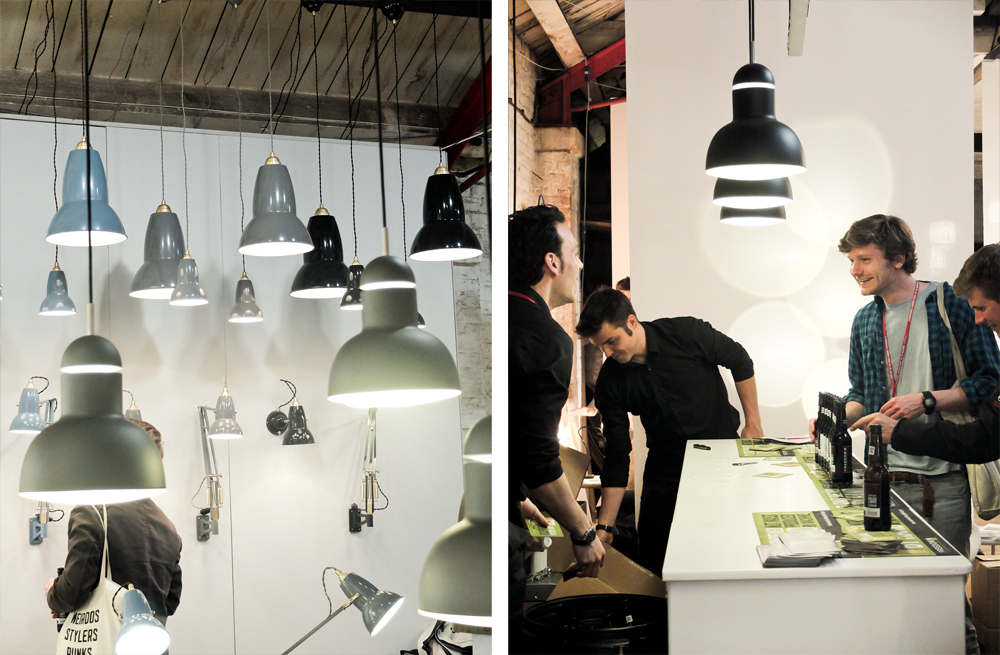
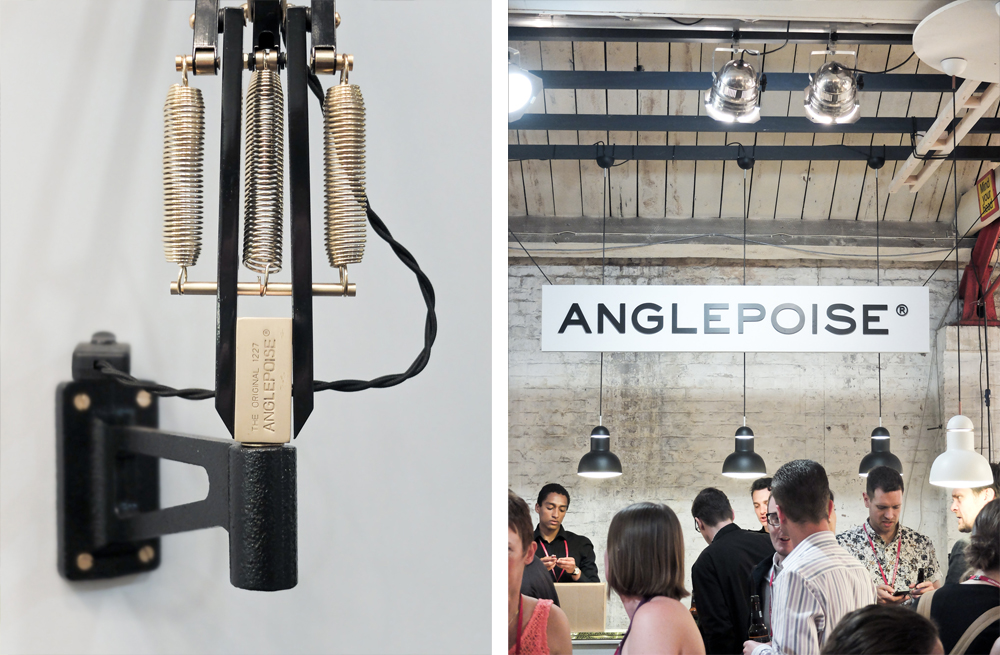
    Last Tuesday we attended the launch of the collaboration between iconic British design companies Anglepoise and Paul Smith. Taking place during Clerkenwell Design Week, this exciting new product was presented along two new lamp ranges, the Type 75 Maxi Collection and the Original 1227 Brass Collection.

    The Anglepoise + Paul Smith is a stunning new interpretation of the iconic Type 75 table lamp, where all the pieces of this original model designed by Sir Kenneth Grange are reinterpreted in a complimentary combination of colours.

    The Anglepoise + Paul Smith will be available to pre-order on both the Anglepoise and Paul Smith websites mid-August and in Paul Smith shops and selected retailers from 13th September 2014.

    Thanks to our newest contributor Jess Maddock for attending and documenting the event.

    www.anglepoise.com | www.paulsmith.co.uk

  • Staying connected through care packages

    Staying connected with our friends and family has become even more important now during this difficult time. But how do we stay connected when we’re forced to live apart from one another during this enforced lockdown? 

    COVID-19 has changed social norms completely in just a few short months. Shaking hands used to be seen as common courtesy and it’s now an almost taboo interaction and the concept of remaining 2 metres apart from one another at all times (social distancing) has become almost second-nature to many of us already.

    Whilst we might be quite literally apart for the foreseeable future, there are ways we can reach out and keep those friendship and familial connections strong. Many people have taken to sending care packages and we think that’s a remarkable idea. But what to include in your care package?

    Image via Unsplash

    A heartfelt message – Whether it’s through a simple note or a personalised card, the first thing you should consider when putting together your care package is what you actually want it to say. The best care packages are those that begin with a message and then build the items around that message, so try to put a little more thought into it than just “thinking of you.”

    Something personal – Everybody loves a fancy gift but is there anything you could send that only you could send? Perhaps a memento of a wonderful memory you share or a funny little trinket that points to an in-joke that only the two of you would understand? It’s these kinds of personal flourishes that really elevate a care package from good to great.

    Yum yum – Yes, we’re all eating and drinking a lot more during the lockdown, but just because we’re indulging a little more than usual, we shouldn’t have to settle for junk. There are thousands of online outlets offering everything from craft beer and coffee to homemade cakes. And by adding some of this artisanal wonder to your COVID care package, you’ll be helping local business too, so that’s always a plus.

    Hobby fuel – Most of us have more time on our hands right now than we know what to do with and for those of us with hobbies, that means we’ve been spending a lot more time on them. If your recipient has a hobby, consider adding something to the care package that could help fuel that hobby. Whether they are into knitting, painting plastic models or brewing their own beer, there is always some small thing to consider.

    Keeping it light – We all need to allow ourselves to laugh a little right now. Because what’s the alternative? Consider the sense of humour of your care package recipient and add something that you know they would find funny. Maybe something a little risqué or perhaps something oddly specific that only they would find amusing? And what coronavirus care package would be complete without a roll of toilet paper?