Author: Igor

  • What To Do When Your Blog Takes Off

    So, you’ve been working hard on your blog, gaining fans, followers, readers, and you’re making some money – your blog has finally taken off. So what do you do now? Well, the work is not over, now the key is to keep it going and to build on your success, so how do you do this? What are the next steps, and what should you do once your blog takes off?

    Image by kalhh from Pixabay 

    Celebrate

    First of all, you need to recognise what you have achieved and celebrate. You have worked hard; you’ve done a good job and achieved your goal. This isn’t something that should go uncelebrated, and while it’s good to be looking forward and working on the next step, you also need to celebrate your achievements along the way and give yourself a pat on the back. Enjoy yourself, kick back and relax, treat yourself and then get back to the hard work again.

    Use your platform for good

    Now that you have a platform – a little corner of the internet, that is yours, use it for a good cause. Whether you want to raise awareness for something close to your heart or you can help out local causes by using your connections and giving them a voice, do whatever it is you can to make a difference and support those who need it. 

    Invest back into your business

    Now that you’re making money off your blog, it’s easy to want to spend it and enjoy your earnings. However, the smartest thing to do now would be to invest back into your business. Upgrading equipment, investing in a cheap VPS so that your readers have a better experience on your site or learning about how to take your blog to the next step are all beneficial ways to spend your money and put back into your business. 

    Create a maintenance plan

    Even if you’re not ready to look at the next step just yet, then it’s important that you create a maintenance plan to keep your blog going at the level it is now. 

    Diversify

    What else can you do now? Could you teach other people how to have a successful blog? Could you host talks and workshops that people will pay for? Is there anything relating to your blog and what you talk about that you could sell? For example, if your blog focuses on mental health, could you sell bags and mugs with positive messages on? Could you write a book? Could you start vlogging? There are plenty of options which complement blogs, and having a successful blog makes them a lot easier to do. 

    Get help

    If you do feel like taking a break or easing off a bit so that you can work on something else, then try getting some help to keep your blog ticking over. There are plenty of writers and content agencies out there who could write blogs for you so that your site is kept up to date, but it also frees up your time. 
  • How To Save Money On Cross-Country Travel

    A spontaneous road trip, or a last-minute weekend getaway might sound exciting but if you’re traveling cross-country on a budget then a bit of planning and preparation is essential. Below, some of the top tips for how to save money when traveling cross-country are outlined:

    Image: Pexels

    Research your cross-country travel options ahead of time

    Spending a little time researching the most cost-effective ways to travel can save you some serious money. There are several different ways to get across the country, and the best option will depend on where exactly you’re going, how long you have to get there, and whether you want the flexibility to stop along the way. 

    Trains are often a lot cheaper if you book them well in advance, and most train networks offer rail passes for discounted fares or unlimited travel on certain trains. For example, in the UK you can purchase railcards that give up to 30% off fares and around Europe an Interrail pass allows travel across multiple countries for one fixed price.

    Rail passes can cost quite a lot, so it’s important to work out how much you’ll use it to ensure you’re saving money. Overnight trains are also a good way to travel and not have to worry about paying for accommodation. Try using Seat 61 to find the best train options for your cross-country travel. 

    Traveling by coach is a slower, but often cheaper way to travel cross-country. Especially if you book weeks or months in advance – prices will usually go up significantly (or seats will sell out) closer to the date.

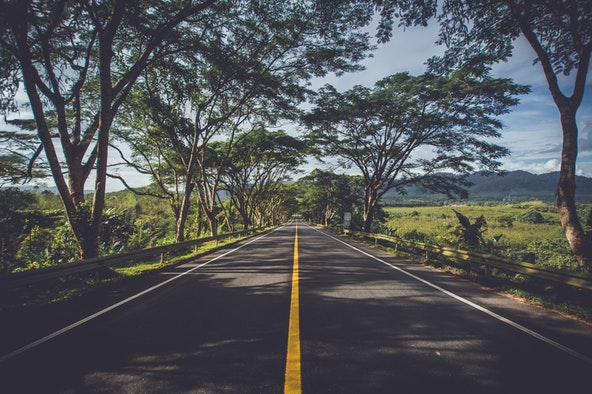
    For cross-country travel driving usually offers the most flexibility. You have complete control over your route and can make stops whenever you want, but it can cost a lot in fuel. The best way to save money driving cross-country is by planning out your route before you leave, and to travel with someone so you can split costs.

    If you’re making frequent long-distance drives then a fuel card is a good way to manage fuel costs. Use a site like iCompario to find a suitable fuel card that can be used to fill up at a fixed, competitive weekly price at a number of petrol stations along your trip. Fuel cards that offer access to a cross-border network also make it easier to travel around Europe.

    Plan your route

    Once you’ve decided how you’re going to travel, plan out your route and make reservations. It’s worth checking out if there are any holidays or festivals planned that might affect bus or train times. If you choose to drive, check for roadworks, closures, and avoidable tolls that could affect your driving route.

    You should also plan out any places that you want to stop off on the way. Use travel guides, and online research to figure out which tourist attractions are really worth a visit, and look up free things to do. 

    Pack food for the trip

    However you decide to travel, you’re likely to need something to eat while you’re on the road. To save money it’s best to avoid petrol station snacks, or buying food on the train. Prepare some meals and snacks for your trip so that you stay well-fed without wasting money on overpriced sandwiches or unhealthy fast food. A refillable water bottle will also save you some money.

    Book your accommodation in advance 

    If you’re going to spend a few days traveling then try to plan out where you’ll stop overnight and book up accommodation in advance to get a better deal. If you do end up needing somewhere to crash last minute, use a comparison site such as Travel Supermarket to find the best price for a room. 

    You could also consider hiring a campervan or taking a tent with you to really cut down the cost of accommodation on your cross-country trip.

    Budget for your trip

    Planning out your trip ahead of time is a good way to save money, but it’s all too easy when you’re traveling to lose track of what you’re spending day to day. It’s a good idea to set a daily budget and monitor exactly how much money you spend. Keeping an eye on your spending will stop you from splashing out on treats or unnecessary souvenirs – a budgeting app can be really handy for reducing the stress of budgeting.   

    A little bit of planning and preparation is all it really takes to save money when you’re travelling cross-country. Follow these tips to keep your travel costs low and have a fun, stress-free trip.  

  • Relaxing Activities to Reduce Your Stress Levels

    Stress is a common emotion. The majority of us experience it at some point or another. From an evolutionary perspective, stress is actually really useful. It helps to alert us to potentially dangerous situations and can trigger our fight or flight response. But at the same time, many of us now experience stress without a justified cause. So, it’s important to acknowledge experiences of stress and to tackle them. Of course, if your stress feels unbearable, and seems to be set off without any logical cause, you may need to reach out to a doctor who could diagnose underlying mental health conditions, such as anxiety. They will then be able to guide you on a journey that helps to treat your condition – perhaps with medication, therapy or a combination of the two – and will help to ease your symptoms and provide you with a better quality of life. If you are battling depression, then it’s best to consult a doctor to get started with a treatment like TMS. But if your stress is low-level and simply situational or circumstantial, you may want to try out some of the following stress-busting activities!

    Photo Source

    Try Practicing Mindfulness

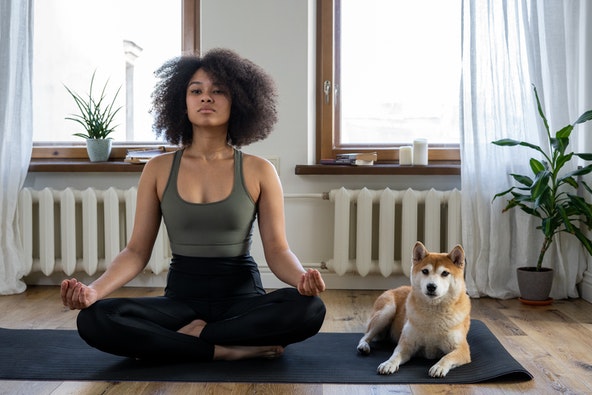
    By now, the vast majority of us are familiar with mindfulness. It’s by no means a new practice (it has been around for centuries), but the past few years have seen it gain extreme popularity in the Western world, so you may know others who practice mindfulness, you may have read about it, or you may have even given it a try yourself. If you haven’t tried mindfulness yet, now is a good time to get started. Put simply, mindfulness is a practice that focuses on being aware of everything that’s going on around you, but allowing you to let it pass without judgement. This helps you to simply observe the world at peace. It can be great for your mindset and can help to alleviate feelings of stress. To get started, you don’t really need anything in particular. Just a comfortable place to sit without distraction. There are plenty of online tutorials and apps out there. These will help to teach you the basics and can guide you through the journey until you’re comfortable practicing mindfulness independently.

    Engage With Arts and Crafts

    Some arts and crafts projects are consuming and all-encompassing and can help you to take your mind off things. Some arts and crafts projects help you to relax and are something simple that you can do while you watch TV or simply look out of the window. Which you opt for is entirely up to you, but both can offer comfort during stressful times. There are so many options that you may need to go through a little process of trial and error until you find what’s right for you. But some popular options include knitting, macrame, collage, kits from vizuarts.com, water colours, oil painting and more.

    Exercise

    Exercise may not be the first thing on your mind when you’re feeling stressed. But various studies have found that exercise can actually be effective in alleviating feelings of stress and managing stress. When you exercise, your body reduces production of the stress hormone cortisol. It is also more likely to release feel good hormones and chemicals, such as serotonin, helping to lift your mood. There are plenty of types of exercise out there, so find the best for you. Some people enjoy going for a jog or a run out in the fresh air. Some people prefer calming forms of exercise, such as yoga. Some feel released with dance. Experiment with different options until you find something that suits you. It’ll also help to keep you physically healthy, so it’s a win-win option all round!

    Take a Bath

    Most people find taking a warm bath relaxing. You can add different products to make the bath smell nice and then you can sink in, soak and relax. This is a simple pleasure, as long as you have a bathtub, and can really help to ease you up.

    It’s important to keep an eye on your mental health, so always note experiences of stress and see if you can find a cause and a healthy way to deal with things. You’re never alone and there’s plenty of support out there – from medical support to family and friends, helplines, support groups and more. These are just a few calming ventures that can get the ball rolling and actively reduce your stress levels. Try them out and see if they work for you!

  • Navigating the Claim Process: What to Do After a Car Accident?

    A car accident can be a traumatic and overwhelming experience, leaving individuals unsure of what steps to take next. Understanding how to navigate the claim process is essential for ensuring a smooth resolution to such incidents. In this article, we will provide you with a comprehensive guide on what to do after a car accident, outlining the crucial steps you should follow to protect your rights, document the incident, and navigate the insurance claim process successfully.

    Image via Unsplash

    Ensure Safety First

    Before anything else, prioritize your safety and the safety of others involved. Move your vehicle to a safe location, if possible, and turn on the hazard lights. Check for injuries and immediately call emergency services if anyone requires medical attention.

    Contact the Authorities

    Even in minor accidents, it’s crucial to involve the police. Contact the local authorities and request that an officer comes to the scene. The police report will provide an official record of the accident, which can be invaluable during the claims process.

    Gather Information

    Collecting information from the accident scene is essential for filing an insurance claim. Exchange contact details, insurance information, and driver’s license numbers with all parties involved. Additionally, gather contact information from any witnesses present. Take pictures of the scene, including vehicle damage, skid marks, and road conditions, as visual evidence can be vital for supporting your claim.

    Document the Incident

    To strengthen your case, document all relevant details about the accident. Write down the date, time, and location of the incident, as well as the weather conditions. Include a thorough description of how the accident occurred, including the direction of travel, any traffic signals or signs, and the estimated speed of vehicles involved. The more detailed your documentation, the better equipped you’ll be when dealing with insurance companies.

    Notify Your Insurance Company 

    Having car insurance not only offers peace of mind but also fulfils legal requirements in many jurisdictions, where it is mandatory to carry a minimum to a premium level of car insurance coverage to drive legally on public roads.

    When an accident happens, you should promptly report the accident to your insurance company, providing them with accurate and detailed information. Be prepared to answer any questions they may have and cooperate fully throughout the claims process. Failure to notify your insurer in a timely manner may result in the denial of your claim.

    Seek Medical Attention

    Even if you don’t immediately feel injured, it’s important to seek medical attention after a car accident. Some injuries, such as whiplash or internal trauma, may not manifest symptoms immediately. Medical documentation will not only ensure your well-being but also provide evidence of injuries sustained, which can strengthen your claim.

    Preserve Evidence

    Preserving evidence is crucial when filing an insurance claim. Keep copies of all documents related to the accident, including medical bills, repair estimates, and correspondence with insurance companies. Maintain a detailed record of all conversations and interactions throughout the claim process.

    Consult an Attorney

    In more complex cases or if you encounter difficulties during the claims process, consider consulting a reputable attorney specializing in personal injury or car accident cases. They can provide valuable guidance, negotiate with insurance companies on your behalf, and ensure your rights are protected.

    Take the case of a tragic loss: when an accident results in death, it is often the family who must navigate the legal process. In such situations, reaching out to a Philadelphia wrongful death lawyer can make a significant difference. These attorneys are experienced in handling complex claims, negotiating with insurance companies, and guiding families through every step to ensure their rights are fully protected.

    Cooperate with the Investigation

    Insurance companies will conduct their own investigations into the accident. Cooperate fully and honestly throughout this process. Provide requested information promptly and avoid exaggerating or misrepresenting the facts. Deceptive practices can lead to the denial of your claim and potential legal consequences.

    Follow Through on the Claim

    Finally, stay engaged and persistent throughout the claims process. Follow up with your insurance company and any other involved parties regularly. Keep track of deadlines and comply with any requests for additional information promptly. Your commitment to the process will help ensure a fair and timely resolution.

    Conclusion

    Experiencing a car accident can be a challenging and emotionally taxing situation. However, by adhering to the steps outlined in this guide, you can effectively navigate the claim process, safeguard your rights, and improve the likelihood of a favourable resolution. It is important to take prompt action, maintain comprehensive documentation, and communicate clearly throughout the claims process. Remember, your proactive involvement and cooperation are crucial in achieving a smooth and satisfactory outcome.


  • Stand Out From the Crowd: How to Get Your Business Noticed

    When you have a brilliant business idea and have been hard at work creating your products, your next step is to make sure that your products get noticed and receive the attention that they deserve. The question is, how do you get your business noticed and start selling your products? If you are looking for ways to market your company and get your products out there, these ideas will help you to do just that:

    Image Pexels CC0 License

    Know Your Market

    If you want to get your business noticed, you need to know who you want it to be seen by – who is your target audience? Having a target audience in mind is crucial, as this forms the basis of your marketing strategy. Knowing who you want to reach will make it easier to identify the best methods of reaching them, and getting your brand noticed by them.

    Work on Your Brand

    Does your brand have a strong identity? If not, it is beneficial to try and establish one. Creating a brand is all about thinking about what your business stands for and the values that your company holds. Having an identifiable brand makes it far easier to market your products and will make them far more appealing to your target audience.

    Your business’s brand is what makes it stand out from competing products, and adds value beyond the tangible value of the product itself. Consumers will pay significantly more for a product if created by a brand that appeals to them. This is why many people will happily pay far more for designer products; the brand’s equity adds value beyond the value of the product itself.

    When creating a brand, you will need to think carefully about what you want the brand to say about your business and then build the brand around this. For example, do you want your brand to communicate that your business is environmentally friendly, or perhaps that you are a maker of luxury products? You will need to use your branding to communicate this visually via your logo, and packaging, etc.

    Once your logo and packaging have been created, you will have the perfect visual representation of your brand. One of the main benefits of building a strong brand is that it is easier to build up brand awareness, as your brand will be easy to identify. A strong brand with high levels of brand awareness will ensure that your business gets noticed and stands out from competing brands.

    Build the Best Website

    Your website is an essential tool when trying to get your business noticed. But merely having a website is not enough; your site needs to work alongside your branding to raise awareness of your products and to encourage your target audience to purchase them.

    A successful website consists of several elements, each of which has a vital part to play. Firstly, you need to ensure that your site is well-designed from a technical point of view so that it offers an excellent user experience (UX). Your website also needs to be search engine optimized so that it ranks highly on the search engine results page (SERPS) and can be found by your customers.

    Your website also needs to be visually appealing so that you can convert visitors to your site into customers. Designing an attractive website is not easy, so it is wise to get some help from a website designer to help you achieve a professional-looking website that will impress visitors.

    As well as creating a site that is attractive to look out, it is crucial that your website showcases your products in the best possible way. In the absence of being able to view your products in person, your website needs to provide all the information that your potential customers need to buy your items. Product photography is crucial here, so it is a wise idea to hire an experienced freelance photographer to capture the best images of your products.

    A visually appealing, easy to navigate site will help to increase your conversion rates.

    Start Networking

    Networking is an often overlooked way of gaining exposure for your business. Networking is an excellent way of meeting like-minded business owners and to make contacts that could potentially become customers. Networking is incredibly useful for getting your business noticed and can throw up opportunities that you have never considered in the past. It is wise to have business cards to take along to networking events so that you can exchange details with your new contacts.