Author: Igor

  • A Scandinavian Midsummer

    A Scandinavian Midsummer

    Last Tuesday we attended the press preview of A Scandinavian Midsummer, a pop-up exhibition and cafe organised by designjunction before their event at London Design Festival in September.

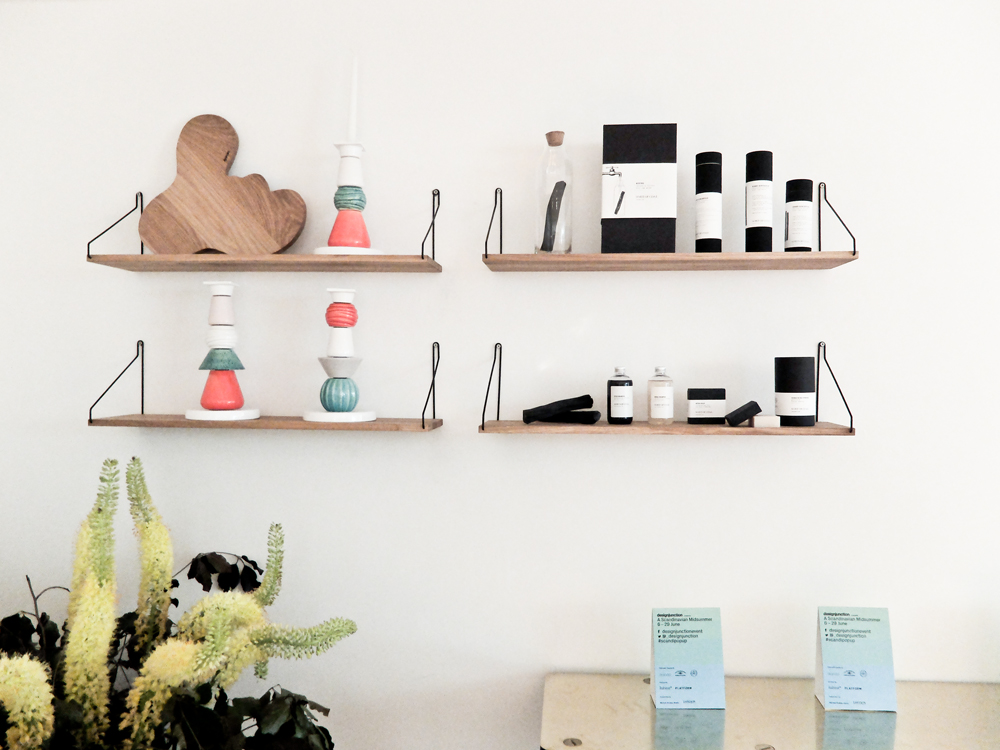
    Running until Sunday 29th June, designjunction have transformed Habitat’s Platform gallery on King’s Road into an impressive Scandinavian midsummer experience, showcasing the latest products from leading Danish, Swedish, Finnish and Norwegian brands.

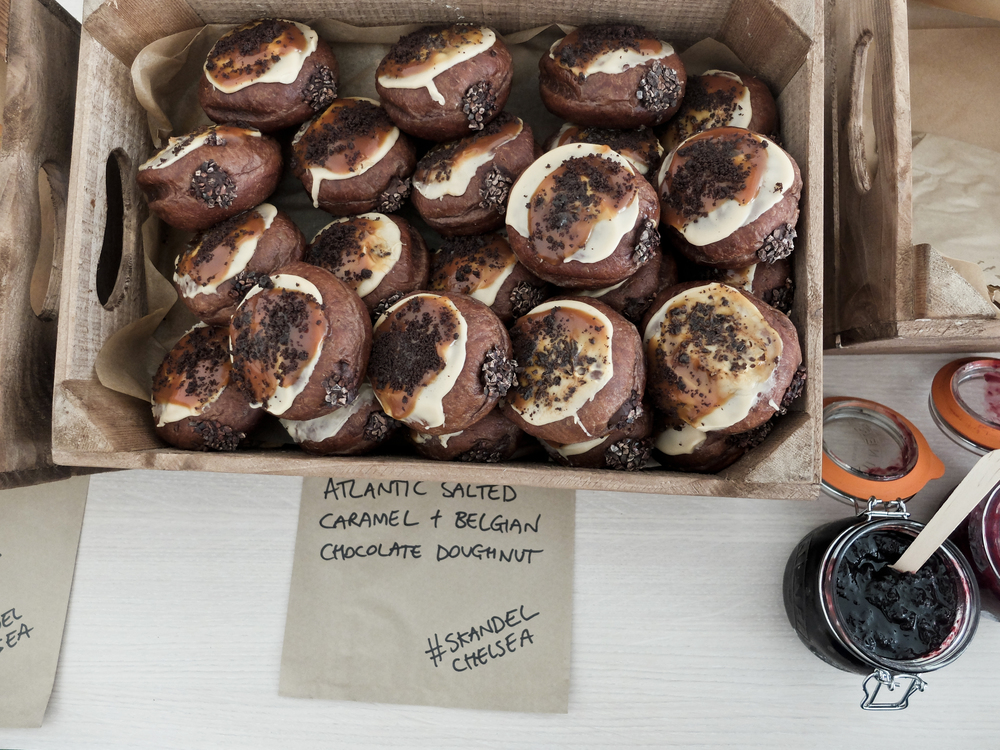
    If you’re visiting the gallery in June you’ll be able to enjoy great artisan coffee and Scandinavian delicacies provided by Skandel, as well as flower arranging workshops organised by Flor Unikon every Saturday of the month.

    Thanks to our London-based contributor Jess Maddock for attending and documenting the event.

    More information about A Scandinavian Midsummer:

    www.thedesignjunction.co.uk/london/habitat/

  • What Does it Take to Become an Automotive Designer?

    Getting into automotive design is a great way to transform your love of automobiles into a very lucrative and rewarding career. However, you should know that it’s not an easy career path, and only a few make it. But, if you sincerely think you have the skills, passion, and determination needed, then this is definitely something you could consider. Let’s take a look at what it takes to become an automotive designer.

    The Skills

    No matter how much you love and think you know about cars, there is a certain set of skills that you’ll actually need if you want to have a chance. First, you will need to have strong maths and science skills. You also need to have an eye for aesthetics, and good spatial reasoning skills. Problem solving will also be needed, as you’ll have to know how to reconcile design elements with technical limitations. Automotive designers also need to be creative, with good communication skills as they’ll usually work as part of a team.

    Education and Experience

    Know that you’ll most likely need a bachelor’s degree in product or automotive design to work as an automotive designer. You should also know that there are things that you can do to develop basic skills before you start. 

    One of the options, for instance, would be to work in body repair or start your own body repair shop. Those who have body repair experience are often able to see possible design issues better than those who’ve never been on the ground, as they have extensive knowledge of common design flaws in vehicles.

    If you decide to start your own shop, it would be wise that you start informing yourself on operating costs, and things like motor trade insurance, for instance. You can do some online research to compare a multitude of different suppliers and help you find the best deals on motor trade insurance. You can apply directly from the linked site the minute you find a quote. They’ll also allow you to take out a policy over the phone, and will facilitate the whole process for you.

    Finding Employment

    There are many things that you could do to get a position as a designer once you complete your studies. One of the ways is to find an internship. Someone may end up seeing your work and consider you for a starting position. If you want to stand out, ask pertinent questions, always complete your tasks and try to network with your peers. 

    Another thing you should do is build a portfolio with some of your designs. You want to make your design specific to different brands, and show that you understand their corporate look. You have to be aware of the different styles and design types of every company, and show that your designs could actually work for them.

    Working as an automotive designer could be like a dream come true for anyone with a genuine love for automobiles. Make sure that you look at what will be required of you, and inform yourself as to what the job actually entails before you embark on your path.

  • Lisbon City Guide

    Often described by its natural light and sun, Lisbon has more to offer than the world knows. Portugal is the jewel of the Atlantic Ocean, and all the country benefits from it. In previous times it was an open door to the world and the discoveries, that had the starting point in the capital. Lisbon is the place to go if you are looking for tasty and various food, between grilled meat, sew or fresh fish, straight from the fish markets and shops.

    From the finest restaurants, until the quickest snack houses or ‘tascas’, as Portuguese people call it, you better be sure you will lick your lips. Delicious food comes with quality wine. There are vineyards a bit all over the country and Portugal is proud of its wine, either white or red. Otherwise, if you prefer to drink a cocktail or something fresher, you can always try a ‘caipirinha’, a drink that takes cachaça as alcohol, mixed with lime juice and ice.

    Brazil is the origin country of this drink, but the close bond of Portugal with Brazil brought the drink beyond the ocean. Whatever you feel like doing, you can do it in Lisbon. If you are already more curious about this place and drooling just by thinking of the food, check out the following suggestions to make sure you don’t miss a thing during your holidays.
    Chiado – Bairro Alto

    The secrets of past and present Lisbon are a bit all over the city, but if there are places you should visit and see by yourself the trace of time, is Chiado and Bairro Alto. Chiado is Lisbon’s commercial and cultural heart, a place where you can find both contemporary and old-style shopping. Since the early nineteenth century, artists of Portugal walked on this street and enjoyed the cafés of the district. Example of that is the café place, ‘A Brasileira’, where Fernando Pessoa (the statue you can take pictures with outside) and Almada Negreiros, both writers, spent their time. São Roque church is one of the monuments you can visit in this area and the sightseeing point of São Pedro de Alcântara is also mandatory, as it offers a beautiful view perspective. As you go down the Chiado, you can visit libraries and discover a bit more about Portuguese literature. Largo do Carmo is a square that still holds the traces of a past convent of the fourteenth century. Definitely a stopping point to history lovers. From this place, a walk away links to the top of the Elevator of Santa Justa, the 45-meter lift that links Chiado to the Baixa, downtown.

    Bairro Alto is the trendiest district of Lisbon, also known as the bohemian one, is home to artists, designers, antique shops, bars, and esplanades. Peaceful by day, it is turned into the spotlight of the city during the night. There you have traditional fado houses and fuzzy bars. All for different kinds of tastes.

    Alfama and Castelo

    Alfama didn’t stop in time but the way it looks tells something else. As the city’s oldest quarter, Alfama holds the daily life of many Lisboetas (citizens of Lisbon) with its rustic charm that is unchanged for centuries. This place of Lisbon houses long staircases, tiny squares, and labyrinth alleyways down the highest hill of Lisbon, under the magnificent Castelo de São Jorge (Saint George’s Castle). Alfama’s medieval origins are still quite evident with the cramped little houses and winding alleys.

    This place can lead to no other direction but the castle. Castelo de São Jorge sits on the site of a past fortress that was used by the Romans, Visigoths, and Moors. In 1147 this place was conquered by the Portuguese first king, remaining a royal residence until the 16th century. The biggest earthquake of Portugal history happened in 1755 and destroyed most part of the city, including the castle. Nowadays, the castle is a place for beautiful promenades and gardens. The city view is, of course, the best part of this majestic site.

    Arch of Rua Augusta and Terreiro do Paço square

    The Arch of the Rua Augusta is one of the most famous sightseeings of Lisbon. Walking down the tree-lined Avenue of Liberty, past the historic Rossio square, that leads to Terreiro do Paço, the old market, and trade square, you can climb the iconic arch and appreciate the view. Facing north you can see from downtown to the Castle and in between. If you face south, you will see the Tejo river and Terreiro do Paço square. If you want a good point to watch a sunset, this one will make your wonders.

    Belém

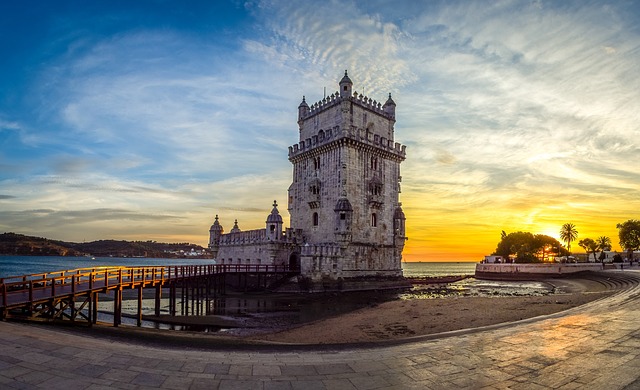
    Belém is the mesmerizing place to tribute Portugal’s Age of Discoveries. Its waterfront monuments evoke ostentatious and legendary nautical adventures lived by the Portuguese people. The open spaces of Belém are well known by the Portuguese citizens, as well as the most famous ‘pastel de nata’ shop. Antiga Confeitaria is the name of the place that sells the unique custard tarts, that can make you wait in long queues. A very worth waiting line. In Belém you can visit the Jerónimos Monastery, the Monument of Discoveries, the wind rose mosaic, the Belém Tower and art museums.

    Not so far from Lisbon, you have other green parks and astonishing beaches to enjoy the sun and the sea air. If you are a nature person, you can choose between forests and sea site. If you are a person who loves history, there are plenty of monuments to visit. If you love food and wine, Lisbon will conquer your taste. If you just love to be lost and discover a city by yourself, Lisbon promises you to always find a way back to where you wish to go next.

    Portugal is a country full of secret and majestic places. If you like sports, Lisbon is a city known for football – the European one, not America’s NFL! Benfica and Sporting Lisbon are the top clubs of the capital and this is probably a topic you want to avoid, since it can trigger quite some ignited debates. Nonetheless, football apart, people are welcoming and friendly, and they try their best to communicate with the tourists. The best tips ever for you to receive will always come from the locals.

    Author: Ines Marinho

  • Space-saving tips when smart-packing for your next holiday

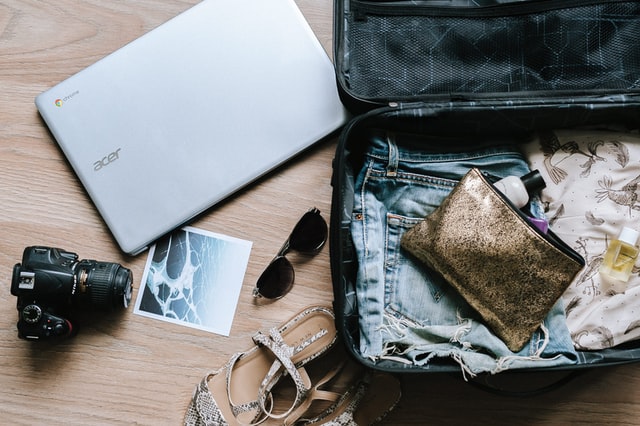
    We all get excited before a summer trip away, and want to pack absolutely everything to make sure it’s the best holiday ever. But even though it can be hard to do, it’s a good idea to pack light for a number of reasons. Firstly, it saves the hassle of lugging a giant suitcase around airports, streets and hotel foyers. It saves you having to check it in (with the endless waiting in that zigzag queue), plus having to locate it at the other end on that giant conveyor belt that always seems to leave your bag till last. Finally, it saves you money, as checking in luggage normally costs extra. 

    So how best to pack light? Here are a few tips…

    Image via Unsplash

    Make a list

    Yes, it might sound boring, but if you can separate essentials from desirables, then it’ll focus your mind on what you really need. The likes of passports, important documents, enough clothes to last you (and no more) are all must-pack items. Then if there’s space left over, you can throw in a few ‘nice to have’ things as well.

    Go miniature

    There are small versions of just about anything you can think of – miniature bottles of shampoo, tiny tubes of toothpaste, travel towels instead of normal towels. You could even bring a kids’ toothbrush to save a couple of inches of space. And when it comes to clothes, if you’re going somewhere warm, packing light women’s summer skirts can save space, as you can use them for going to the beach in the day and going out at night when worn with a smart top.

    Pack inside your shoes

    You should only take one spare pair of shoes. And you can make the most of their bulky, awkward shape by filling them with smaller items like socks and toiletries.

    Roll your clothes up

    This is a far more efficient shape than folding your clothes for squeezing as much as possible into your bag, and it prevents creasing too.

    Wear the bulk

    Any discomfort on the flight over caused by wearing your heavy jumper and coat when landing in 30-degree midday heat will be mitigated by the fact that you can just hop off the plane and head straight for the hotel, rather than waiting for checked-in luggage to arrive. 

    Underwear

    Place this inside the cups of your bras in your bag. It’ll also help your bras to keep their shape regardless of what cup size you have.

    Say bye bye to little bags

    As much as we love to have everything compartmentalised, putting the likes of toiletries and make-up in separate bags uses up space. Your main bag might have several pockets to help you out here, or at the very least there’ll be a little corner available somewhere. If you’re worried about spillage, wrap bottles in cling film.

    Packing light makes your whole trip less arduous and more free. You’ll soon realise that you never actually needed all that extra make-up or those additional clothes in the first place.

  • Four Great Things To Do To Prepare For A Trip to France

    Going to France is exciting, and it can be hard to keep yourself occupied in the run-up to your trip. Here are four great things to do to prepare for a trip to France.

    Image Credit

    1. Do your research

    There are so many things to see, do and experience in France and you’ll want to do your research before you go. Check out your local tourist office for details on the exact area you’re visiting. You can also do plenty of searching online, looking for sights you’d like to see or events you don’t want to miss. 

    Don’t forget about social media and forums, as these can help you find hidden gems that only the locals know about. This is an excellent way of truly experiencing the area you’re staying in.

    Research and chatting online is also a great way of keeping the buzz of anticipation going as you approach your destination date. And you never know, you might meet someone you can meet up with when you get there.

    2. Plan your trip

    Once you’ve done your research, organising it all into some sort of plan is ideal. You only have limited time on holiday, and you’ll want to be sure you make the most of it. 

    An itemised itinerary isn’t for everyone, but giving yourself a general idea of what you want to see and do while you’re there is a must.

    Planning your trip refers to anything from checking your passports are valid to arranging for someone to come in and feed the cat. The last thing you want is to get stuck abroad with an expired passport. You can also make shopping lists and notes of things you need to do at the last minute, such as a trip to the pharmacy.

    3. Learn French

    If you’re heading for France, you’ll need to brush up on your French. You can try to Learn French with Memrise or pick up a phrasebook from your local bookstore. Several apps can keep you occupied while you’re waiting for your trip to France to come around. 

    Learning French is really easy, and even if you weren’t that good at it at school, it doesn’t mean you can’t grasp it now. Planning a trip to France really helps you find the motivation to learn the language. You needn’t be fluent, and you don’t have to pass an exam, so there’s no pressure.

    4. Experiment with French Cuisine

    There’s no need to wait until your trip to start eating delicious French food. Plan some French-inspired dinners in the run-up to your holiday and get inspired for your trip to France. Whether it’s garlic, frites, or even escargot, there will be something French for you.

    If you’re planning a trip to France, make sure you check out these four things to do before your trip. Don’t forget to check your passport details, and spend some time exploring French words and phrases, as well as foods. Good luck with your planning, and enjoy your holiday to France.