Author: Igor

  • Things to Do in Athens

    Only a few cities in the world can rival Athens in historical significance. It’s a land full of historical landmarks and has played a pivotal role in developing Western civilisation. Indeed, Athens is a marvellous city to explore, giving you plenty of things to enjoy. If you’re travelling to Greece soon and want to spend some time in Athens, here are some of the best things to do in this incredible ancient city.

    Image via Unsplash

    Explore the Acropolis


    Your visit to Greece will not be complete without a visit to the Acropolis, the most significant symbol of Ancient Greece. Athens is one of the world’s oldest cities, and the Acropolis has been rising in the city for more than 2,500 years. As one of the world’s greatest architectural marvels, the Acropolis is one of those sights you should not miss in Athens.

    As the symbol of democracy, the Parthenon is the most famous ancient ruin in the Acropolis. It dominates the hill of the Acropolis, dating back to the 5th Century BC. Aside from the Parthenon, you will find many other archaeological wonders in the Acropolis, such as the Odeon of Herodes Atticus theatre and the Temple of Athena Nike, built in honour of the goddess Athena and the Nike Goddess. 

    The other temples worth exploring in the Acropolis are the Erechtheion Temple, Propylea Temple of Nike, the sanctuary of Asclepius, and the Dionysus Theatre. Make sure you also visit the Acropolis Museum, which houses ancient relics and artefacts, including those discovered on the hill. Head to the top-floor glass atrium, where you’ll find the Parthenon frieze.

    Walk through Plaka


    The historic neighbourhood of Plaka lies in the centre of Athens and is full of great attractions to explore, including those with significant historical value. Strolling in its beautiful, cobbled stone streets is something you should not miss in Athens.

    Also called the “Neighbourhood of the Gods,” Plaka lies at the north-eastern slope of the Acropolis and stretches towards Syntagma Square. The pedestrian-friendly street is home to a plethora of souvenir stalls, tavernas, and cafes. You will also come across many historical sites, including ancient houses and churches dating back to the 11th Century. Shopping is a fun activity in Plaka. It is the perfect place to visit if you want to buy some souvenirs. Check out the shops selling hand-painted icons, antiques, wood carvings, and other crafts made by the local artists of Athens.

    Hit the Beach 


    If you’re visiting Athens in summer, you should visit one of its beaches, where you can enjoy sunbathing or swimming. The Greek capital is home to beautiful sandy beaches with crystal clear waters, with most of them easily accessible from the city centre.

    Vravrona Beach is one of the most popular beaches in Athens and is only 7 miles from the airport. With some of Athens budget friendly hotels nearby, this makes it a convenient place to stay. It’s worth visiting if you have several hours to kill before taking your next flight. The beach is also near the sanctuary of goddess Artemis, so you might as well check this archaeological site when going to this beach. 

    If you want to experience ultimate luxury on your beach holiday in Athens, check out Astir Beach, which lies in the suburb of Vouliagmeni. Offering a range of superb services, including free Wi-Fi and comfortable sun loungers, Astir Beach is an ideal spot for a relaxing beach holiday in Athens. However, all these luxurious amenities come with a price. You will have to pay 80 euros per pair of sun loungers, and it’s twice the price if it’s a weekend.

    If you have worked out some appetite after a day of exploring Plaka, grab a seat at one of the tavernas along Kydatheneon and Adrianou streets. These are the main pedestrian roads and where you’ll find some of the best eateries in Athens, serving authentic Greek food.

    Climb Mount Lycabettus


    At 277 metres tall, Lycabettus Hill is Athen’s highest point and where you can enjoy the city’s most panoramic views. Getting to the top requires walking via a circular path, which is a test of endurance, but the breathtaking views will make your efforts well worth it.

    If you don’t want to take the rigorous climb, you can opt for the funicular, which will take you to the top in less than five minutes and run every 30 minutes. But since the funicular operates inside a tunnel, you can’t enjoy the magnificent views as you climb to the top of the hill. The best time to climb Lycabettus Hill is during sunset when Athens looks even more magnificent as the temples in the Acropolis are illuminated.

    Once you get to the top of Lycabettus Hill, you will find the beautiful white church of Agios Georgios. There’s a viewing platform in front of the church, where you can marvel at Athens’ sprawling views, stretching out into the vast Aegean Sea. You will also find an upscale restaurant called Orizontes restaurant, which has spectacular views, especially at night. Since it’s a popular restaurant, a reservation is required when dining at this restaurant.

    Hit the Night Life of Psiri


    If you want to experience the vibrant nightlife of Athens, head to the neighbourhood of Psiri. It’s one of the city’s oldest neighbourhoods but has a less touristy feel than the more popular Plaka. But when night time comes, the neighbourhood is transformed into a bustling district with bars, clubs, and restaurants coming to life.

    Designated as the nightlife district of Athens, Psiri is the go-to area for wild parties. Some bars and nightclubs have the music turned up very loud. There is a wide range of bars and restaurants in the area, from the Ouzo bars serving mezes with alcoholic drinks to the traditional tavernas.

    If you find the neighbourhood very noisy, you can look for quieter spots further along the street. There are also excellent restaurants in Psiri that serve traditional Greek specialities and some international dishes. There’s also an area in the neighbourhood lined with stalls selling local arts and crafts, souvenir items, and many other things.


  • Safety Meets Innovation: The Modern Advancements in Playground Equipment Design

    Playgrounds have always held a special place in the hearts of children and parents alike. These vibrant spaces of imagination, exploration, and laughter are where friendships are forged, physical skills are honed, and memories are created. Over the years, playground equipment has evolved from simple swing sets and slides to complex structures that blend safety and innovation seamlessly. In this age of technological advancement, the modern playground is a testament to the harmonious marriage of cutting-edge design and the utmost concern for children’s safety. They allow children to grow and develop as they get older. 

    The Evolution of Playground Safety

    Safety has always been a main priority in playground designs, but the definition of safety has expanded far beyond traditional measures. In the past, playground safety often meant having padded surfaces under equipment and ensuring there were no sharp edges. However, the modern approach is a holistic one that considers not only physical safety but also psychological, social, and emotional well-being.

    Impact-Absorbing Surfaces: The days of hard asphalt or concrete under playground equipment are long gone. Modern playgrounds feature impact-absorbing surfaces like rubber mulch, artificial turf, and poured-in-place rubber. These surfaces reduce the risk of injuries from falls while providing a comfortable and accessible play environment for children of all abilities. If you’re looking for inspiration and more information about these surfaces, you can try services from turfresh like their TurfSpray.

    Age-Appropriate Zones: Designing playgrounds with age-appropriate zones is another innovation that contributes to safety. Children have different developmental needs and capabilities at various stages of their growth. By segmenting play spaces, designers can create areas that cater specifically to infants, toddlers, preschoolers, and older children, minimizing the risk of collisions and ensuring each age group can engage in activities suitable for their abilities and ages. 

    The Technological Frontier

    Innovation has revolutionized every aspect of our lives, and playground design is no exception. The incorporation of technology has opened up exciting possibilities for enhancing play experiences while maintaining safety.

    Augmented Reality (AR) Play: Augmented reality has made its way to the playground, transforming ordinary structures into interactive wonderlands. With the use of AR apps and devices, children can embark on virtual treasure hunts, solve puzzles, and learn in an engaging and dynamic way. This integration of technology encourages physical activity while fostering cognitive development and creativity.

    Smart Play Equipment: Smart technology is making its mark on playgrounds, offering features like interactive panels that teach children about the environment, sensors that detect overcrowding or unsafe conditions, and even play equipment that adapts to individual preferences. These innovations not only make play more engaging but also contribute to safety by providing real-time monitoring and data-driven insights.

    Inclusivity at the Core

    Modern playgrounds aim to be inclusive spaces where every child, regardless of ability, can participate fully in play. Inclusivity isn’t just an added feature—it’s a fundamental aspect of innovative playground design.

    Adaptive Equipment: Advancements in design have led to the creation of adaptive play equipment that caters to children with disabilities. Inclusive swings, wheelchair-accessible ramps, sensory-rich panels, and quiet areas offer a truly enriching play experience for all children, fostering a sense of belonging and understanding from an early age.

    Sensory Play: Sensory play has gained prominence as an essential component of playground design. Features like textured surfaces, musical elements, and interactive water play not only engage children’s senses but also offer therapeutic benefits. For children with sensory processing disorders, these features can be particularly valuable, creating a safe and enjoyable environment where they can explore and engage with their surroundings.

    Sustainability and Eco-Friendly Design

    As global awareness of environmental issues grows, so does the emphasis on sustainable playground design. From materials to energy efficiency, innovation in playgrounds now extends to eco-friendly practices.

    Recycled Materials: Playground equipment manufacturers are increasingly utilizing recycled materials in their designs. Structures made from recycled plastics, sustainable wood, and repurposed metals not only reduce the environmental impact but also set an example of responsible consumption and waste reduction for young generations.

    Natural Integration: Modern playgrounds are being designed with a greater emphasis on blending in with the natural environment. Elements like climbing rocks, tree-inspired structures, and nature-themed play areas connect children with the outdoors, fostering a sense of appreciation for nature while promoting physical activity.

    Collaboration and Community Involvement

    Innovation in playground design goes beyond technological features and sustainable materials—it involves collaboration with communities and the people who will use the space.

    Community Input: Designers are increasingly involving local communities, parents, and children in the design process. This collaboration ensures that the playground meets the specific needs and preferences of the people who will use it, creating a sense of ownership and pride within the community.

    Flexible Design: Modern playgrounds are designed with flexibility in mind. Structures can be expanded, modified, or rearranged to accommodate changing play trends, community preferences, and evolving safety standards. This adaptability ensures that the playground remains relevant and engaging for years to come. They are also made to suit different age groups. 

    The evolution of playground equipment design is a testament to the remarkable ways innovation and safety can coexist. Today’s playgrounds are more than just spaces for physical activity—they are environments that foster creativity, inclusivity, and community engagement. As technology continues to advance and our understanding of child development deepens, the possibilities for innovative playground design are limitless. By prioritizing safety, embracing technological advancements, promoting inclusivity, and incorporating sustainable practices, we are shaping a new era of playgrounds that will inspire and delight children for generations to come.

  • Freytag Anderson

    Freytag Anderson

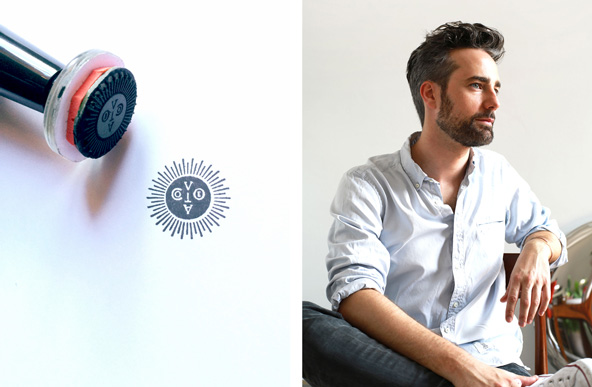
    Founded by Daniel Freytag and Greig Anderson, Freytag Anderson is a design studio based in Glasgow and working with people all over the world. Our contributor Morgane Bigault visited their studio and chatted with Daniel and Greig about how they started their company, the influence of their workspace in their work and where they draw inspiration from.

    www.freytaganderson.com

    Photographs & interview by Morgane Bigault.

    future-positive-freytag-anderson-6-low

    Could you tell us about your backgrounds?

    Daniel Freytag: I’m a designer, photographer and serial idealist. I’m creative director and co-founder at Freytag Anderson, an award-winning branding and design studio. My work as a designer has taken me all over the world – allowing me to see some interesting things and meet some great people along the way.

    When I’m not designing I work on other creative ventures such as curating Editions of 100 (an online print store by a global community of designers), setting up a children’s app business with my wife (junoberry.com) or most recently, working on a publishing concept, for customized children’s books.

    I grew up in the small village of Bühlertal on the edge of the Schwarzwald in Germany. Since then, I’ve lived and worked in Dubai, New York, Sydney, Seoul and London. I recently moved back to Scotland where I now live with my family on the West Coast regularly dipping back into the big smoke!

    Greig Anderson: I’m creative director and co-founder of Freytag Anderson, originally from Aberdeen, and educated in Glasgow. I’m a brand and design professional with over 11 years’ experience working locally and internationally with a wide variety of clients.

    My main interest lies in brand creation and visual identity systems and my work has seen me gain experience across a variety of studio environments in both Glasgow and Sydney, from boutique brand studios to multi-disciplinary agencies and experiential environment practices. This variety has allowed me to work across a diverse range of projects from the launch materials of Virgin Mobile Australia, global digital campaigns for Dell EMEA/Latin America to branding and launching a variety of new-to-market whisky, vodka and beer products.

    Alongside my commercial work I also write about design for leading industry blog FormFiftyFive and I am involved in the design debate through social media. I have an obsession with Instagram and anything with two wheels and pedals.

    future-positive-freytag-anderson-5-low

    How did your career as a duo came up?

    We both spent time living and working in Sydney (but not at the same time) and made some mutual friends. When we got back to Glasgow we met up and shared studio space. We found we had a common design aesthetic/process, so it made sense to start working together on a few projects. Out of this came Freytag Anderson – it was really pretty straightforward – the hardest thing was coming up with the studio name – that took months!

    Was it hard to find clients at first?

    Because we had both come from running our own independent studios (Berg/Effektive), we already had a good online profile and several clients. This made things a lot easier as we had a substantial body of work to promote the new studio, allowing us to hit the ground running. Overall the transition to Freytag Anderson was pretty quick – we found working with two heads much more productive and satisfying.

    future-positive-freytag-anderson-2-low

    When did you move in to your studio and why did you choose this location?

    Our first studio was tiny – literally a shoebox. We were therefore very keen to work in a larger space. This would also allow us to create a shared working environment where we could collaborate with other designers and friends. This was a crucial part of our business strategy – we didn’t want the stress of employing people full-time but equally understood the benefits from working with other like-minded individuals.

    At the time the Southblock building was a new creative space in the city centre. Run by WASPS, the building caters for commercial creative businesses and art-based practices. It was perfect for our needs and aspirations as a studio. There are also many other studios in the building, which gives the place a real creative buzz, something we find inspiring and exciting.

    Does the workspace influence your creativity?

    Absolutely – creativity is all about doing new things, going out on a limb and experimenting. Having the right workspace is critical to this – but more importantly, you need to surround yourself with the right people. People that inspire you.

    future-positive-freytag-anderson-1-low

    What does Glasgow mean to you? What are your favourite places in this city?

    Glasgow is a vibrant, energetic city. It’s a hard, funny, honest place where folk aren’t afraid to speak their minds. When I think of Glasgow I think of the old adage “A hard life makes for quality”. It’s a great place to be a creative person; it keeps you on your toes and allows you the freedom to explore.

    In terms of favourite places, although a relatively small city, Glasgow is very diverse – leafy West-End with its bohemian vibe, universities, cafés, galleries and bars – Ashton Lane is a definite favourite down there. The Merchant City to the east of the city centre (where our studio is based) is fast becoming a creative hub for all things art and design. Great coffee shops, bars, shops and galleries add to the creative vibe and encourage a lot of pop-up events and festivals in the area. It feels like there is something happening and it’s great to be part of it.

    You do client work. Could you give us an insight into how you approach each particular client, as they are very different, going from a wine company to an art gallery?

    Our design process is all about getting to know people and their businesses. People are at the heart of design. As designers we understand people, communicate with them, and create for them. It’s the best thing about being a designer.

    We like our clients, often becoming friends beyond the project. Getting to know them well is crucial as ultimately our design thinking and executions need to speak for them, whether it’s a logo, product or website.

    We work with people all over the world doing all sorts of things. I can’t think of another industry where you’re learning about craft beer one week and the next you’re into server systems and data management. For us it’s this variety that keeps things fresh and interesting. It’s learning about new things that gets us out of bed in the morning.

    future-positive-freytag-anderson-3-low

    You have been awarded Scottish Design Agency of The Year. What is the project you are the most proud of?

    That’s hard to say. We’re proud of all of our projects in different ways. I’d say the work we did with Fyne Ales Craft Brewery stands out. It was a collaborative project with our studio mate Matt Burns where we were asked to design a beer label for their limited editions beer, 48 Miles Later. What made it a great project is that we saw the brewing process from start to finish: meeting the brewers, brewing the beer and ultimately seeing the bottles in the pub. The project was also recognized by the industry and awarded both Best Packaging as well as the prestigious Chairman’s Award at the Scottish Design Awards.

    You describe your work process as listening, questioning, exploring and researching. Where do you draw your inspiration from?

    Our inspiration and ideas come from experiences, from the world around us, from the things we see and people we meet. As designers we watch, listen and observe – we’re compulsive hoarders of interesting things. The more we experience, the more we accumulate, thereby creating a rich visual vocabulary. The better the vocabulary the better the ideas.

    future-positive-freytag-anderson-4-low

    What would you say is the Freytag Anderson signature?

    I guess we try to keep things simple. Whether that’s running the project or creating the work. We believe in reducing any design work to the essential elements, stripping out the superfluous. As Dieter Rams says: “Good design is as little design as possible.” We think simple is good.

    What is your next big goal?

    We don’t really have one. We want to continue to develop our studio and the work that we produce. We are excited by new challenges and experiences and every day can be different. We feel lucky to be able to run our own studio and work directly with our clients. Ultimately, we want to continue to do good work and get paid (well) for it.

    future-positive-freytag-anderson-7-low

    Save

  • Leipzig Instants

    Leipzig Instants

    Last week we travelled to Leipzig to work on a new City Guide. Leipzig Region invited us to stay in this Eastern Germany city for three days and we had an amazing time discovering its many creativity hubs and great cultural offer. Here’s a selection of images we shared on our Instagram profile during our trip – just a little preview of some of the places you will find in our city guide, which we will publish really soon!

    future-positive-leipzig-2
    City views from Panorama Tower

    future-positive-leipzig-6
    Museum der bildenden Künste

    future-positive-leipzig-5
    Design and stationery shop Das rote Paket

    future-positive-leipzig-3
    Spinnerei, a former cotton mill now home to many galleries and studios

    future-positive-leipzig-1
    Plagwitz, the most creative neighbourhood in the city

    future-positive-leipzig-7
    The interiors of Asian fusion restaurant Ping Ping

    future-positive-leipzig-4
    Café Fleischerei, an old butcher shop turned into a café and bistro

    Save

  • How to Move Your Business to London?

    When it comes to doing business, there’s no denying London is one of the best places you can do it. Known to have the fastest internet speeds in the UK, the city is perfect for modern businesses looking to get ahead.

    However, if you want to move your business to London, there’s a lot of factors you’ll need to consider. Here, you’ll discover some of the basic things you’ll want to look into before considering a move to the capital.

    Image via Unsplash

    Choose your destination carefully

    London is a large city, and different areas provide different opportunities for businesses. This means before you make the move, you’re going to need to make sure you’re choosing the best location.

    Canary Wharfe for example, is a leading choice for financial related businesses. These once busy docks were redeveloped during Margaret Thatcher’s reign, and today many major businesses are based here. Media businesses on the other hand, would do well in the West End.

    So, think about the type of business you run and where it will be best placed in the capital. Once you’ve found your ideal location, you can use a company such as GVA to find the right premises.

    Consider the costs

    It’s crucial you consider the cost of the relocation before deciding whether or not it’s doable. London may be the business hub of the UK, but it’s also the most expensive city. It’s not uncommon for the costs of doing business to be double, if not triple what you’d pay elsewhere in the UK. Can your business afford the additional costs?

    One of the main reason’s companies moving to London fail, is because they didn’t calculate the true costs of doing business in the capital. If you don’t have any savings in place, you may need to secure a loan to fund the move.

    Employing staff

    To ensure your business becomes successful, you’re going to need to ensure you’re hiring the right staff. Will any of your current employees be able to move to London? If not, you have two main options. You can either let staff work remotely if possible, or you can look for additional staff who are already based in London.

    If you do need to find new employees, it’s worth considering freelancers. Not only do freelancers offer great value for money, but it also gives you employment flexibility. If your needs change, you can stop using the freelancer’s services at any time.

    These are some of the main things you’ll need to consider before moving a business to London. It’s going to be a costly and potentially challenging move so it’s crucial you prepare well ahead of time. The more you prepare, the more likely it is your business move will be a success.