Author: Igor

  • Small Bodies of the Solar System

    Small Bodies of the Solar System

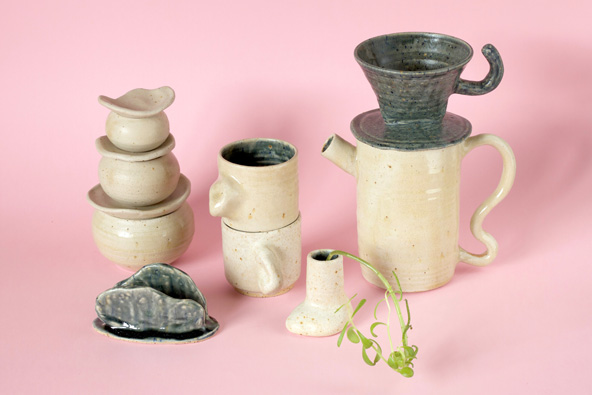
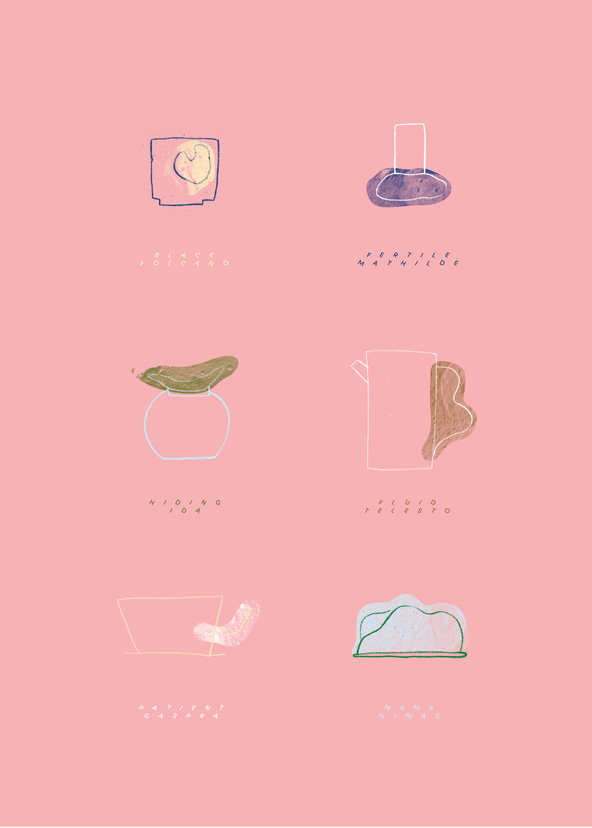
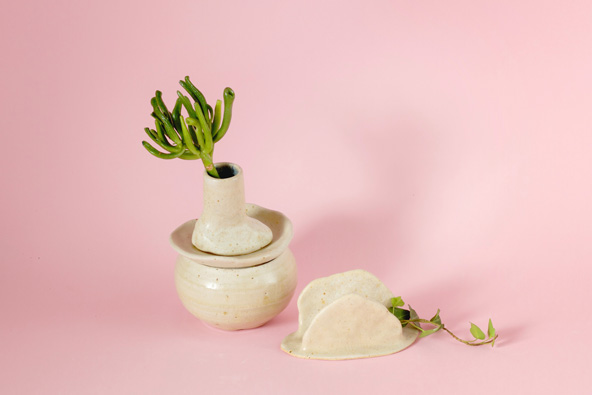
    We’ve talked about the work of Antwerp-based designer Stephanie Specht before here on our blog. She has now collaborated with artist and designer Lilit Asiryan and potter Thomas Salzer to create Small Bodies of the Solar System, a capsule collection of tableware and graphics inspired by fluid shapes and everyday functionality.

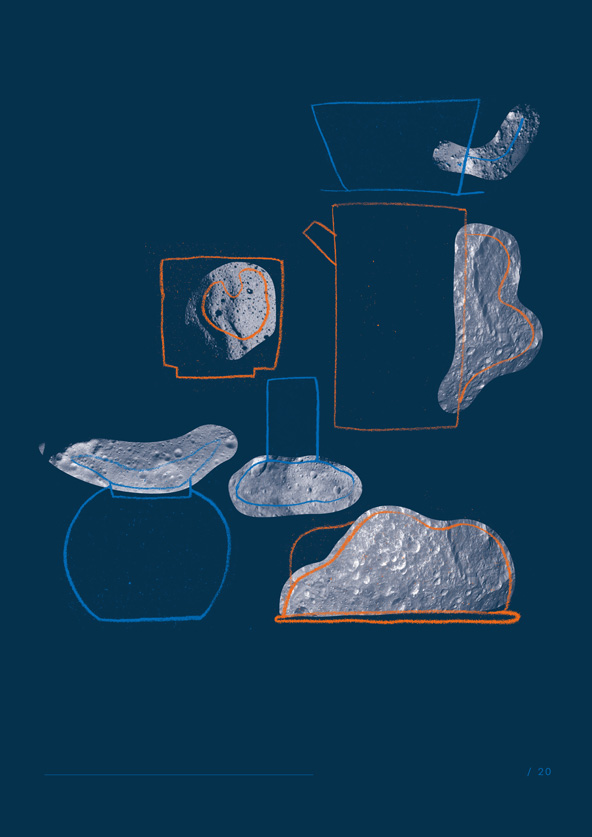
    The pieces reflect the creative clash of ideas between the three of them, mingling timeless craft with free artistry drawing inspiration from space and nature. All pieces are made using clay from Swedish soil, taking inspiration from the the shape of moons and asteroids present in the solar system.

    The mix of craft, art, graphics and illustration reflect the three artists’ creative heritage.  The collection includes jugs, cups, coffee pots, letter holders and posters, and every piece is one of a kind and produced in a very limited edition.

    Small Bodies of the Solar System will be presented at Studio Specht in Antwerp on June the 17th and the collection will be available to purchase on the website below.

    ‪www.asiryan.com

    Future-Positive-Bodies-Solar-System-3-low Future-Positive-Bodies-Solar-System-4-low Future-Positive-Bodies-Solar-System-1-low Future-Positive-Bodies-Solar-System-5-low Future-Positive-Bodies-Solar-System-2-low

  • Estefania Clotti

    Estefania Clotti

    Estefania Clotti is an Argentinian artist creating colourful drawings and paintings filled with different characters and inspired by social reality and her own platonic universe. We chatted with Estefania to find out more about her work, background and future plans.

    www.facebook.com/DibujosdeEcloT

    Future-Positive-Estefania-Clotti-3-low

    Please introduce yourself and tell us a little bit about your background and education.

    My name is Estefania Clotti and I was born in Rosario, Argentina. I studied Cinema and Animation, but I think my ‘big education’ took place at high school where I learned about the different languages of art. I also find important the education I received from the workshops, drawing and painting classes – they had a great influence on my work.

    Future-Positive-Estefania-Clotti-5-low

    When did you become interested in drawing?

    I started drawing when I was studying cinema. Back then, I started to do the storyboards and concepts for shots and I realised that it was the thing I liked the most about my course. After that, I attended animation school and never stopped drawing and creating animated short films.

    Future-Positive-Estefania-Clotti-4-low

    How would you describe your work?

    I consider my work ‘free’ and with no prejudices or, at least, that’s what I try to communicate with it. Lines, points… everything comes from experimentation. I like to play with it and change the pencils and paints; use different materials such as wood, cardboard and paper; try different formats from big to tiny; experiment with fanzines, animations, comics.. everything in the graphic world inspires me and allows me to constantly develop my work.

    Future-Positive-Estefania-Clotti-1-low

    What inspires your illustrations?

    I have two sources of inspiration that sometimes merge, but typically I get inspired by social reality, which I associate with cleaner lines with very little colour and the second inspiration is more introspective and related to my platonic, ideal world, with lots of colour and invented characters.

    Future-Positive-Estefania-Clotti-6-low

    Is there any project you’re working on at the moment? What are your future plans?

    I’m currently working on an animation and a series of large format paintings and drawings. The idea is to display them in different locations across the city. In the future I’d like to publish a book with all my works.

    Future-Positive-Estefania-Clotti-2-low

  • How To Enjoy The Holiday Of A Lifetime (With Kids)

    1. Get the Family Involved

    Everyone in the family, including the kids, will enjoy that long-awaited holiday even more when they have a hand in organising it. Excitement levels tend to skyrocket right from the start of the planning process when the kids help out. Your research should start with matching your budget to the ideal vacation – but make sure to ask the kids about their dream holiday. Start with destination and accommodation options. Don’t forget about a Moses basket for the hotel if you’ve got very little ones, either. They’re nice and portable and easy to fit around hotel beds to make sure that you can keep an eye on your infant.

    2. Research is Key

    If you want to enjoy the holiday of a lifetime then research is going to be key – spending time doing the research will ensure happy children – and make that holiday even more fun for the parents involved. While doing that essential research, keep an eye out for destinations that have something to offer every member of the family we highly recommend the Isle of Wight. Find the sweet spot between children’s activities and days where you can simply relax and go exploring – and enjoy a wonderful meal. The decision whether to enjoy a short or long-haul destination is important – and make sure that you get all the required inoculations if you are venturing further afield.  

    3. Embrace the Admin

    So that research has paid off, great, but now it’s time to make sure that you and your family can actually get to your holiday destination. In years past, minors could simply travel on a parent’s passport – but times have changed and today children require a passport of their own (and this includes babies). If your child is under 16 and on your passport, you should be OK). Passport applications take time to process – so apply early, delays are part and parcel of the experience. While you’re dealing with the essential paperwork – make sure that you have signed up with a reputable family travel insurance provider. 

    4. As the Boy Scouts say – Be Prepared

    For many parents in the UK, the mere thought of dragging a child to an airport is enough to cause an attack of the vapors – and a commitment to staying at home (at least until the child reaches 18). However, in reality, there’s nothing to worry about – just be prepared. Prepare easy-to-carry snacks and pack toys and games to ensure your child is kept busy until touchdown at your vacation destination. Let your child’s attention span be your guide – sometimes those old favorite games such as ‘spot the landmark’ (spot the airline check-in desk, or the plane with your carriers livery are great to start off) are perfect – and you can play a new one every half hour, so there’s no chance of boredom setting in.

    5. That Essential ‘Plan B’

    If there is one thing that gives parents nightmares it is the thought of a child becoming lost while on holiday. Prepare for the unexpected and discuss a plan with your children if you should get separated. If they have a mobile phone, ensure that your number and the number of an alternate are on speed dial. The good old-fashioned neon wristband is a great idea, especially for the much younger members of the family. Place a note in their bah with your details and other essential information, such as the contact details and physical address of the hotel where you will be based. At the start of every day agree am easy to reach, well-known gathering spot where you can meet in case you are separated.  

    6. Preparing for the Day

    Some of the experiences that your children will enjoy at the vacation destination will be new and interesting – that’s wonderful, but there are also dangers that they may not be aware of. For instance, if you are traveling from a colder climate the effects of the tropical sun can be devastating if you are not prepared. Ensure that the kids stay hydrated and slathered in an effective, high-factor sunscreen. Try and keep to the shade – this is even more important for babies. Also, remember not to cover cots and strollers to create shade, temperatures under these covers can climb incredibly quickly.

    7. Embrace Happiness and Health

    Most parents have embraced the concept of ‘being prepared’. If a child should fall ill make sure that you have common treatments like Calpol (or other ‘child-safe’ medication) at hand. A small first aid kit with the basics is also essential – those cuts and bruises will be along shortly to enliven your holiday experience. Always carry the numbers for emergency services at your destination – and be aware of where the nearest A&E department is located (make sure your ‘Maps’ function on your mobile works in the country that you are visiting). It’s worth noting that chemists can usually be relied on to provide great advice on childhood illness no matter where you are.

  • A R Ceramics

    A R Ceramics

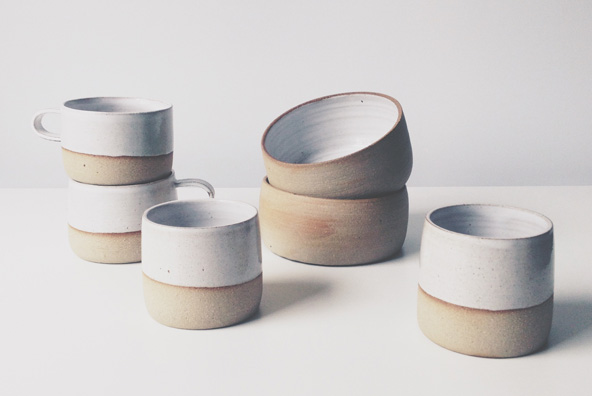
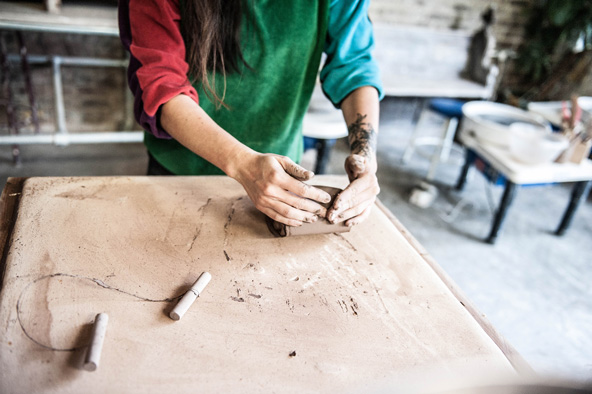
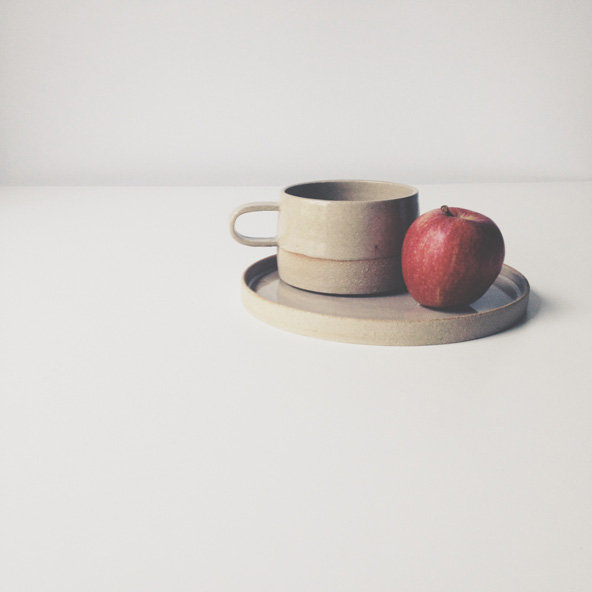
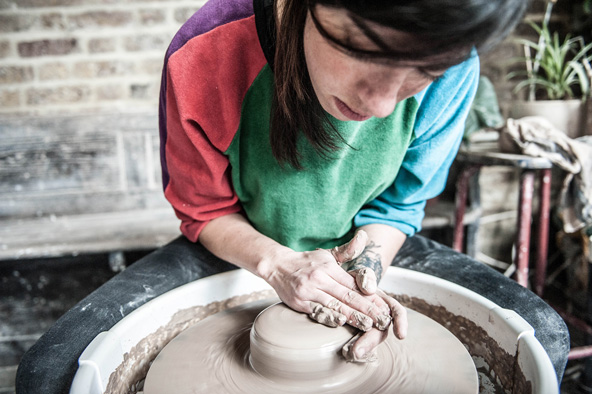
    A R Ceramics was founded by Andrea Roman, a Mexican product designer currently based in East London. Andrea’s pieces are hand thrown over the wheel and then trimmed, fired, glazed and fired again. We chatted with Andrea to find out more about what attracted her to ceramics, sources of inspiration and her ceramics subscription service The Breakfast Club.

    Studio images by Sabrina Dallot Seguro
    www.arceramics.co.uk

    Future-Positive-AR-Ceramics-1-low

    Could you please tell us a little bit about yourself and your background?

    I’m Mexican and I’ve lived in London since 2013. I studied Product Design specialising in Ceramics. When I arrived in London I found an amazing shared member studio called Turning Earth, there I learnt how to throw on the potters wheel and started experimenting with local clays and shapes.

    Future-Positive-AR-Ceramics-3-low

    What attracted you to ceramics?

    The ability to create something functional and durable in a short period of time and all the possibilities clay involves. I just find hand made objects much more meaningful, we live in the era of mass consumption and mass disposal, I think creating these meaningful objects help people to treasure their daily-use products for a longer time.

    Future-Positive-AR-Ceramics-5-low

    Where do you draw inspiration from to create your pieces?

    I like to play with textures, I love when my pieces become a resemblance of their ‘muddy’ origin: sand, rocks, dirt and mud.

    Future-Positive-AR-Ceramics-2-low

    Please tell us about The Breakfast Club Membership.

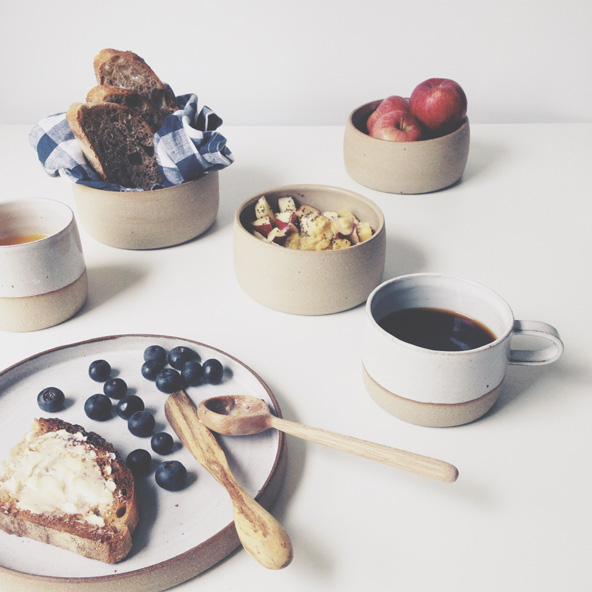
    I came up with this idea to offer people a more affordable way to get a hand-thrown table set. I consider it’s important to take the time to enjoy small details from everyday life and breakfast is one of those moments that people tend to skip or rush. I hope the set from The Breakfast Club inspires people to take it slow and share this moment with the ones they love, using these pieces on a daily basis, becoming part of their daily rituals.

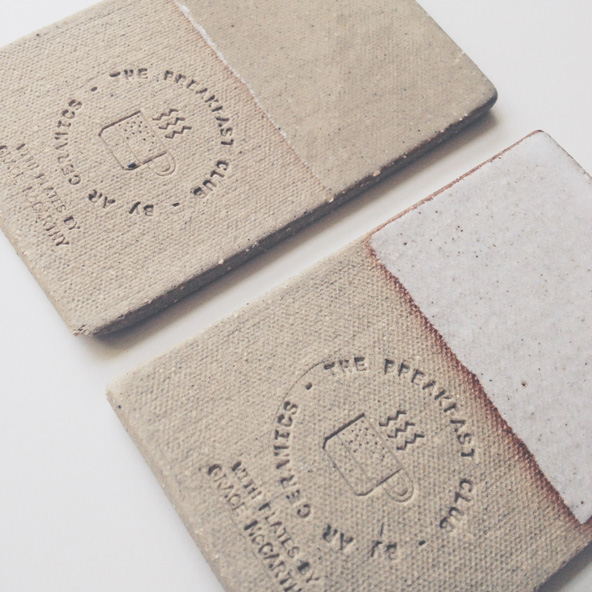
    Sometimes ceramics can become really introspective and in a way it is a job that isolates you, so for the second edition of The Breakfast Club I decided to invite a very talented designer working in the same studio as I do, Grace McCarthy, to do a sort of collaboration and include her beautiful hand-thrown plates to the Breakfast Club collection. So far, it’s been definitely much more fun to work as a team.

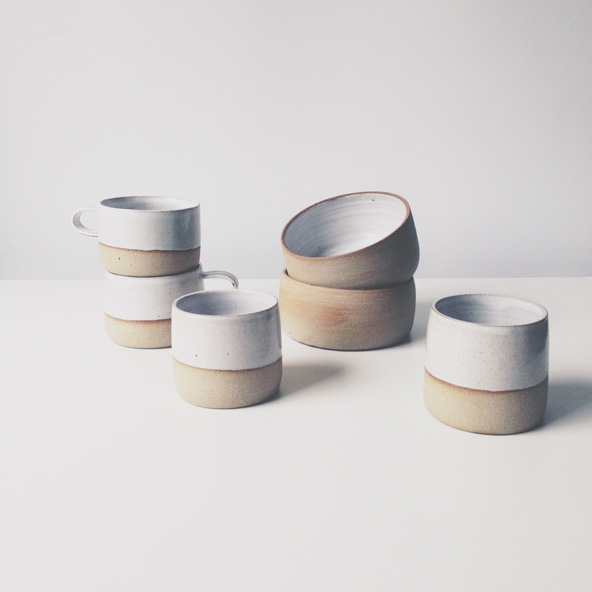
    The entire table set consists of 16 pieces: 4 tumblers, 4 cups, 4 bowls and 4 flat plates. You pay £84 each month during a 4 month period. I plan to do it once every year, this year was the second edition actually. Each year there are only 6 memberships available, so in a sort of way it becomes a very special way of purchasing something and creating a close relationship between maker and customer.

    Future-Positive-AR-Ceramics-4-low

    What other projects are you working on at the moment?

    Small commissions for wedding presents, throwing new pieces for my stockists, and on a very exciting project. I’ve been commissioned to develop a dinner set for 12 people that bends into an architectural residence project in Whistler, Canada. The project is fascinating, the site had a big rock in it, instead of destroying the rock to start building the house, the architects decided to leave the rock and develop the design around it, making the rock the main appeal. I’m now in the process of developing the correct clay shades and textures for this project and I’ll start soon the next stage which will be the developing of shapes. Can’t wait!

    Future-Positive-AR-Ceramics-6-low

  • How to Find Financial Assistance for Fire Victims

    Here we will go over how fire victims can find financial assistance. 

    When a house fire occurs, the last thing a person or family should have to do is worry about how they will survive now that their home and personal belongings have been destroyed. Luckily, many charitable organizations and government agencies understand the importance of quickly receiving help when these disasters happen.

    Keep reading for information on who to contact after a house fire.

    Charitable Organizations

    Non-profit charitable organizations operate for the benefit of the public or a specific cause. These organizations provide financial and emotional assistance to individuals that live in poverty or are suffering the ramifications of disasters such as severe weather, house fires, and more.

    Some charitable organizations include:

    • Red Cross
    • Salvation Army
    • Local churches
    • United Way
    • YMCA

    House fire victims can visit or call any of these organizations to seek help with housing, food, clothing, counseling, and financial assistance. If you contact a location that does not have resources available, they will point you toward other organizations that may be able to help.

    You don’t have to be a member of these organizations to receive help.

    U.S. General Services Administration

    The U.S. General Services Administration is an independent agency of the United States government that was established in 1949 to help support the function of federal agencies.

    This administration can also provide help to fire victims through food assistance, financial support, housing, TANF (temporary assistance for needy families), survivor benefits, and more. Survivor benefits would be approved for house fire victims that lost a family member in the disaster.

    You can visit the U.S. General Services Administration website to find information and apply for assistance.

    FEMA

    FEMA is the Federal Emergency Management Agency of the United States States Department of Homeland Security. FEMA withholds a responsibility to assist individuals and communities during and after devastation hits.

    FEMA is generally known as the agency that brings food, water, clean-up crews, environmental testing, and other tools to an area after hurricanes, chemical spills, earthquakes, and other natural disasters occur. Few individuals are aware that FEMA will help survivors of small-scale catastrophes such as house fires.

    Upon contacting this agency, you will be provided food, financial, and housing assistance.

    On FEMA’s website, you can learn how to prevent fires, respond during an active fire, and the steps you should take after a fire has occurred.

    Insurance

    When a house fire occurs, the most useful resource at your disposal is home or renters insurance.

    Homeowners’ and renters’ insurance both cover the damages related to accidental fires, wildfires, and other house fires. The monetary value of the home and personal property are reimbursed through insurance, and the individual is provided temporary housing in a hotel.

    In the case of a house fire, your home insurance responds the same way an auto insurance company would. You are placed in a temporary home until repairs are made, or the home is replaced. Visit HotelEngine.com for more information on obtaining hotel assistance after a house fire. 

    Even the most basic policy covers house fires, and providers will only deny a claim where evidence proves the fire was set intentionally via a police report. Individuals that receive a claim approval are quickly provided a reimbursement check totaling an average of %70 of the dwelling and personal property costs. Some insurance providers also supply financial assistance for additional living expenses while waiting for a new home.

    211

    211 is a special telephone number (United States and Canada) that can be called when information and referrals are needed for health and human services in addition to social assistance programs.

    Upon calling the number, you will receive lists of agencies and organizations in your area that can assist with a house fire.

    If you need immediate food, you will be given a list of local food pantries.

    If you need mental health services, you will receive a list of free or low-cost providers and support groups. 

    If you need clothing, churches and charities that give free supplies and clothes will be listed. 

    If you need housing, a list of shelters and housing options will be provided.

    211 is a useful resource for those who do not know where to begin looking for help after a house fire or other disaster occurs.