Author: Igor

  • How You Can Turn Your Musical Hobby Into A Career

    Photo via Pexels

    If you love music and you’re good at playing a musical instrument, singing, or DJing, chances are you’ve thought about quitting your day job and turning your musical hobby into a career. The truth is that making serious money that’s enough to live on with music can be difficult: however, for a lucky few, it is possible. Here are some tips on how you could make your dream a reality.

    Ask Yourself Some Questions

    First of all, ask yourself what exactly you want from this enterprise. If your only goal is to sell out stadiums, you may have to take a deep breath and get more realistic. If you’d like to chip away at making a career from singing or DJing and you’re happy to play local gigs, at parties, and you’re not completely sold on giving up your day job just yet, you’ve got a much bigger chance of achieving your goals. Figure out what exactly you want from turning professional. If you want to be on a stage entertaining people, this is very possible. If you want to become a millionaire, you need to think again: are you doing this because you love music, or because it seems like a pathway to fame and fortune?

    Photo via Pexels

    Improve Your Skills

    It may sound simple, but it’s important to make sure that you’re as good as you possibly can be. If you sing, go to a singing teacher to learn techniques that will ensure that you don’t injure your vocal cords. If you play an instrument, keep practising and studying so that you’re as good as you possibly can be. There will be a lot of competition out there, so you need to ensure that you’re at the absolute top of your game.

    Build Yourself A Team

    If you think of yourself as a creative, you may not be great at aspects of your job like booking gigs, booking travel and hotels, publicising yourself, and the general nitty-gritty logistics of making sure that you’re making money. If you have the spare cash, it’s a good idea to hire a manager who will be able to help you make smart business decisions and who can make your life a lot easier.

    Photo via Pexels

    Consider Branding

    It’s time to start thinking of yourself as a brand rather than a person. You are turning your hobby into a business, which means that you need to think like a businessperson as well as an artist. If you have a good team around you, they will be able to help with this. But you need to think about what exactly you’re providing for audiences that other people can’t provide. If you’re doing local gigs, how can you provide a better service than other local musicians? A lot of musicians who have made it big have onstage quirks that have helped them to stand out from the rest. For example, Ed Sheeran played huge venues by himself with a loop pedal that helped him create a big sound that filled the whole room, and that also enabled him to save money on paying a band. Hire a graphic designer to sort out a logo for yourself, and make sure that you have CDs that you can sell at the end of each show. Companies like Pure Music can ensure that your CDs look professional so that people want to buy them – you don’t want to have a product that looks like you made it yourself in your garage!

    Beyond artwork and design, think about the practical side of producing and delivering those CDs or other physical formats. Working with specialists in packaged media production can help you select appropriate formats, finishes and secure replication methods so your merchandise looks and feels professional. Many providers offer short-run options and reliable fulfillment, which means you won’t need excessive inventory yet can still get stock to gigs quickly. Factoring these production and distribution choices into your merchandise planning will protect your investment and improve fan experience.


    Be A Professional

    If music is your hobby, you can take it up whenever you feel like, and when the muse doesn’t strike, it’s perfectly okay to leave the songwriting for another day or to put your guitar back into its case. But if you have decided to go pro, this is no longer an option. Your music is your job and what pays your bills, so even if you can’t think of any ideas or you don’t feel like making any music, you need to put your head down and get on with it.

    It’s important that you can adjust to knowing each genres. Each musician should begin with learning the evolution of music.

    Photo by Pexels

    Learn To Network

    No matter what freelance career you’re interested in, networking will almost certainly be a key part of it. Getting jobs is often about who you know – and how will you get work if people don’t know that you’re actively looking for it? Talk to people who run open mic nights, befriend other musicians who might be on the same bill as you, and use social media platforms to support people and talk to them. Don’t spam everyone with links to your music – rather, use sites like Twitter and Facebook to find out about local venues and performers and to interact with them so that you can gently promote yourself.

    Think About Money

    Being self-employed is a completely different way of living, particularly if you’re used to the company you work for taking your taxes out of your salary each month. Even if you haven’t given up that job just yet, you need to make sure that you’re paying taxes on the money that you’re earning from your music. If you can’t figure out how to pay your taxes at the end of the tax year, hire an accountant who will be able to help you out, because it’s vital that you pay the correct amount. Otherwise, you may have to pay a huge amount next year that you’re unprepared for, leaving you in a difficult financial situation. Put aside a suitable percentage of your income from your music career so that you won’t find yourself in a pickle when it comes to paying your taxes. You could also consider setting up a business bank account for yourself so that you can keep everything separate and your professional and personal funds don’t get confusingly mixed up. This also means that you won’t end up dipping too far into your own savings.

    Do Some Research

    It sounds like a simple piece of advice. But it’s often overlooked. Never underestimate the power a bit of research can do.

    In our modern times, pretty much every question you have can be answered via a quick Google search. The same goes when turning your musical hobby into a career. You can seek advice from people who’ve made their hobby a career. You’ll be able to hear about people’s successes and their failures, so you avoid the same pitfalls they fell into. Plus, the internet is a great way to market yourself. So you can use this resource to research all the best ways to sell yourself as a fledgling musician online. Use blogs and news resources from companies or other creatives who work in the industry. Their advice is like gold dust. Head to www.singularsound.com/blogs/news as a start to your musical journey. 

    No matter how much you love music, it’s clear that there are lots of things that you’ll have to learn to do before you make it a career. Thankfully, if you’re business savvy and determined, it’s a very possible thing to do.

  • Fashion That Makes A Statement: Are You Brave Enough?

    There are many ways to get your word across in this day and age, especially with social media right at our fingertips. However, fashion has always been a method by which people choose to make a statement, whether it’s through studious-looking Carrera glasses or hard-wearing Birkenstock boots. Whether it be to show off their personality, a style they choose to follow, or even to help a good cause, it’s an extremely creative way of doing so and most importantly, it gets noticed! Focusing on fashion that’s created to support a good cause is a great way of having clothes you love while also helping out a cause you’re passionate about. So, to help raise awareness even further, here are some fashion statements for a good cause for you to try out!

    Photo by rawpixel.com from Pexels

    Taaluma Totes

    Taaluma Totes takes wool and cotton from all around the world and brings it back to the U.S. where disabled adults are employed to craft each tote. The purchase of each tote then goes back into the country where the fabric is from as a micro-loan to farmers and small business owners there. Whenever they can, they pay the loan back and the repayment funds the purchase of more fabrics, creating an economic flow in that country and creating a wonderful product along the way!

    You Don’t Want This Life

    You don’t want this life run themselves on a premise of overcoming adversity, hard work, and creativity which is expressed in what we choose to wear. The brand represents how you feel about what you want in life and how you want to get there. A brilliant way of sparking conversation and making people cherish what they have too. View You Don’t Want This Life today to see their range and learn more about them.

    Gandy’s Flip Flops

    Two brothers from the UK create this firm when their family of six was travelling in Sri Lanka and their family was killed by a tsunami. Being made orphans at the age of 15 and 17, they were inspired to help other parent-less children around the world, especially those affected by tsunamis and the devastating effects that are left behind. Enter Gandy’s Flip Flops. They’ve already managed to build orphanages in India and Sri Lanka!

    Chakra Bracelets

    Did you know that over 6 million people in the UK alone live with anxiety? That’s a staggering amount of people! Anxiety is a mental illness that causes you to feel scared, alone, experience heart palpitations, cold sweats, and many more symptoms. Anxiety can completely take over a person’s life if not treated properly, and many people choose to wear Chakra bracelets in support of those who suffer, or to show that they are fighting the disease.

    There are many ways that you can support a good cause and if you’re into your fashion like us, you might consider fashion that makes a statement. Are you brave enough?

  • Bring Out Your Creative Side With A Side Hustle

    If you have managed to forge out a successful career with your creative side, then well done you. We hope you find continued success. However, many of us are stuck with 9 to 5 jobs that rarely touch upon the creative side of our lives, be we photographers, artists, writers, or one of the many other creative types that exist in our world today. We need to pay the bills, after all.

    However, if you’re looking to spend more time with your creative passion, and make money while doing so, then it makes sense to take on a side hustle. Not only will this give you the incentive to put your skills to good use, but it will also give you something to add to your resumé; useful, especially if you later want to move into a career that allows you the scope to fully use your creative talents.

    Here then are some ideas that we hope you find useful.

    For photographers

    (image credit)

    You can forge out a career as a photographer in many ways. You could open your own photo studio, work as a photojournalist, or take on any one of these interesting careers. However, if you aren’t ready or wanting to commit to a full-time position, then you can still make money on the side.

    You could advertise your services online for photo shoots. You don’t need to own your own photo studio, as some clients prefer location and outdoor shoots. They might even want you to come to their home or business premises. Still, you could always rent a professional studio if this was needed, so check the linked article for some useful advice. Types of photo shoot include family portraits, pet photos, and headshots (perhaps for those looking to get into acting or modelling). With your own website acting as a portfolio, and with a marketing push to get your website noticed online, you might one day take this up as a full-time career once word gets around about what you can offer.

    Make money from your work online. You could sell prints of your work from your own website, or you could use popular websites such as Etsy and ImageKind to sell your work. You might want to check out Clickasnap too, which offers free photo sharing for photographers and pays out when your photos are viewed. And considering many people need to use stock photos for their blogs and websites, you might also make a passive income by submitting your pics to stock photography sites such as Flickr and ShutterStock.

    For jewelry designers

    Jewelry designers can also leverage their craft to increase their income. By designing unique pieces that appeal to specific markets, designers can establish themselves as experts in their niche market and secure a steady income. Etsy, eBay or your own personal website provide jewelry designers an avenue for selling their designs globally. Additionally, boutique stores or art galleries often seek unique artisanal pieces as an additional revenue stream. Custom design services allow customers to customize pieces specifically to their tastes and requirements, offering unique selling points while charging premium fees for personalized services. Russian Shungite jewelry has gained significant traction through online platforms and custom design services; you could utilize various materials, styles, and techniques in creating jewelry lines that stand out in the market.

    For artists

    (image credit)

    Forging a career as an artist is easy(ish) once you become well known after selling your work in galleries, and there are many other careers that can be obtained if you have an art degree or relevant experience. But if you’re looking for a side-hustle, there are options open to you.

    You could sell merchandise with your art. Using the print-on-demand services of websites such as Printful and Zazzle, you can upload images of your art to create your own custom-made merchandise that is sold on their sites. These include t-shirts, business cards, home decor items, and more. A portion of your profit will go to these sites, but you will still make money from the endeavour, and you won’t have to worry about packing and shipping costs, as they will take care of that for you.

    You could earn an income selling prints of your work. This is also something to keep in mind if you’re a photographer, as by digitizing your work with a scanning tool or graphic design program, you could turn your work into high-quality posters that would make a lovely addition to people’s homes. You could then sell these from your personal website, or use sites such as Etsy or Sellfy. You can also connect your site to these websites, so if anybody likes what they see, they will be able to connect with you and see what else you have to offer.

    For writers

    (image credit)

    Sure, you could make money by becoming a journalist or writing a best-selling novel, but until you do (if these ideas even interest you at all), you can still make a bit of money on the side.

    You could work part-time as a freelance writer. Now, you won’t make big bucks as a freelance writer, especially if you’re only working when you have spare time, but you will get to practice your craft, and this could one day net you a well-paid and full-time gig that will enable you to earn real money. By visiting sites such as Upwork and PitchWhiz, you will be able to advertise your services and search through the myriad of clients who are looking for a freelance writer for blog or ghost-writing purposes.

    You could create your own blog. Why write for other people’s blogs when you could write content for your own? Okay, so you could still do both, but if you want an online presence of your own, your blog could work as both a showcase of your writing talents and as a means to make money. You can find out more about monetizing your blog here. Unlike guest writing for others, you can write what you want on your blog, within reason and good taste, and you can also support other aspiring writers by giving them the platform to guest write articles for your site.

    Finally

    To be honest, we have barely touched the surface of the side-hustles that are available to you, so use our suggestions as a springboard for what could be possible for you, and then continue your research online. No matter what your creative passion is, you are sure to find a money-making idea that will supplement your regular income. And let us know if you have any other ideas for our readers too, especially if you are already making money on a part or full-time basis. We should all be supportive of each other, after all.

    Take care, and thanks for reading.


  • Newspaper Club, Print’s Not Dead

    Newspaper Club, Print’s Not Dead

    Since 2009, Glasgow-based printing company Newspaper Club has been helping people self-publish their work on newsprint. Inspired by newspapers’ history and tradition, the team behind Newspaper Club decided to open the industry up for non-traditional publishers in order to see how this medium adapts to the 21st century.

    Working with all types of clients – from students and photographers to tech companies like Facebook and MailChimp – Newspaper Club has printed more than 12 million newspapers for thousands of customers all around the world.

    We chatted with Newspaper Club’s CEO Anne Ward and the rest of the team to find out more about their services and they’re also offering 20% off the first order (up to a discount of £100 and until 30 November 2017) to all our readers using the code FUTURE20 at checkout.

    www.newspaperclub.com

    Photos by Newspaper Club.

    When and how did your love for print begin?

    In childhood! Most of us are old enough to have grown up in a pre-digital world, surrounded by books, newspapers, notebooks and all kinds of printed goodness. It’s a medium with an evocative feel and a rich heritage. We want to help print have a bright future too.

    Can you tell us about what made you start Newspaper Club?

    Yes, we felt that rumours of print’s death had been greatly exaggerated. When we used the slogan ‘Print’s Not Dead’ it really resonated with people and it became clear there were a lot of people who were keen to print their own newspapers.

    Our first newspaper was a design project (which won Design of the Year in 2010). Getting this printed proved how difficult it was for small designers and publishers to get a newspaper printed. There’s a lot of technical knowledge required, which can be intimidating and many big printers won’t take on small jobs. We wanted to make newsprint accessible to everyone and have worked ever since to make newspaper printing easier.

    Can you tell us about the different services you offer at Newspaper Club?

    Our main service is printing newspapers to order. You design ’em, we print ’em! You can use software like InDesign, or our own free design software to make your newspaper.

    You can print one copy or thousands, and choose from three handy formats: minis, tabloids and broadsheets. Our business is totally online so you can order 24/7 and we’ll ship just about anywhere in the world. We offer clear guidance and friendly support, so we’re always here to help.

    You’ve worked with some big names in the digital industry like Facebook and MailChimp, how can print support or enrich digital content?

    A few years ago Wired said Newspaper Club is “what happens when the internet gets hold of a printing press.” We think digital and print can work really well together, and it’s exciting to see customers experiment with that dynamic.

    MailChimp use The Chimpington Post as a recruiting tool. It’s a friendly format that lends itself well to MailChimp’s voice, and they clearly had a lot of fun with the design. As a piece of print, it still feels very of the web.

    We printed a lovely broadsheet for Zendesk when they launched their rebrand last year. It was a great way to showcase their playful new visuals in a big format, something that people could flip through and interact with off the screen.

    And then there’s a project like Printed Web, which is literally bits of the internet turned into a newspaper by designer and teacher Paul Soulellis. He’s published 5 issues with contributions from hundreds of artists – the newspapers are moving into the MoMA Library later this year!

    What are your plans for the upcoming months?

    The good news is our business is booming at the moment! We’re expanding our team, looking at some new products and generally thinking about how we can help more people get their first newspaper off to print.

  • Seven Corporate Photography Tips You Didn’t Know You Needed

    Photography is expressive, and whether you are trying to capture the essence of people or nature in your photos, you want to spark an interest in the person viewing your photographs. It’s an art, and getting it right depends greatly on what the subject of the photograph is doing. One of the many photography topics out there is corporate photography: photographing events for businesses as a way to propel them forward and engage new customers. The thing is, corporate photography isn’t as compelling as other topics, like travel photography or portraits. As the person holding the camera, it’s up to you to make sure that your photographs are interesting, eye-catching and compelling enough to bring in new customers.

    The good news is that this is entirely possible. Corporate photography may not be as exciting to be involved in as landscape photography, where you are snapping beauty and nature in its raw form, but you can still take beautiful shots that make a difference to the business that you are working with, as well as your portfolio. All you need are some great tips to avoid capturing a blend of suits. Let’s take a look!

    Image Source

    Creative Angles Are A Must

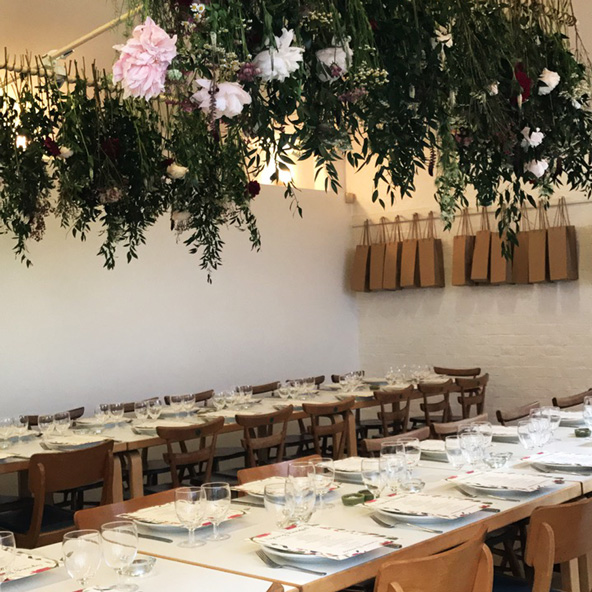
    There are only so many ways you can take corporate photographs at an event, but when you are charged with photographing a sit-down event, you need to get creative. If you allow yourself to move around, you can catch exciting angles and perspectives, so the shots are less uniform and more vibrant. The photos that you take aren’t just about the subjects; it’s the way that you capture those subjects. So, if there are large floral arrangements at the corporate event, shoot between them with the focus being on the guests but with the added drama of the flowers, too. The event you shoot has to be looked at as if you were the outsider, taking what you want to see and getting a rounded impression of the entire day.

    Have Fun

    “Corporate event” doesn’t invoke images of fun and frolics, but that doesn’t mean that you can’t have fun with the subjects of your photographs. That’s the exciting part about capturing people; landscapes can’t pose the way people can. You’ll get a lot of business owners asking you for “grip and grin” shots, were guests are holding their drinks and stopping for a smile, but that doesn’t mean you can’t take candids, as well. Taking those shots that are posed are great for the main article on a website, or with famous people associated with your business. However, if you’re at dinner, you want to be as creative as possible so that your photos will last. Take candids of staff laughing, smiling at each other in a relaxed and natural way.

    Watch Overhead Lighting

    Corporate dinners and larger events have the potential to take place in an environment that is filled with overhead fluorescent lighting. Conference halls and event meeting rooms are notorious as being places that are brightly lit. Balancing the colour settings on your camera is essential when you go into these places, and a white balance can even out the fluorescence. Bouncing light off the walls can help you to create a more natural colour feel in the photos.

    Image Source

    Map Your Shots

    When you are in a corporate event, you need to map the shots of the notable speakers early. No one wants to stand around and pose for shots, so you need to be quick and discreet about getting the “absolute must” subjects into the photos. Liaise with a business owner ahead of time, so that you have a list of the shots that are essential before the end of the event. Ask for help from others who can point out the right people to you so that you know you are getting the right shots of the right people before the more relaxed shots can begin.

    Use Natural Lighting

    Most corporate events take place in the evening, but when you are dealing with an event in the middle of the day, you should ensure to capture as much natural lighting as possible and avoid the flash of the camera. You want to produce as many images that look natural rather than it being a clear photograph. This is going to come with the right equipment, too. If there’s an evening event, and no natural lighting, consider the way that the event guests stand. Anyone standing facing the camera head-on will be hit with a red-eye in the photos, but ensuring your subjects are standing side-on slightly will reduce that and still look a little more natural.

    Know “Why”

    You’re taking photos at an event, and these photos are only going to tell the story that you want to convey if you know what the pictures are going to be used for. Are they going on social media? Are they making the body of the business website? There has to be clarity because, without it, you can’t take the best possible photographs. The way you shoot the photos will dictate whether they are suitable for things like Instagram squares or web banners on a corporate website. These things must be considered, as well as the background details – you don’t want to incorporate seasonal imagery into photos that are designed to last all year on a website.

    Faces Can Be Distracting

    Corporate photographs are mostly designed and planned to capture faces. These are faces of industry bigwigs or of people in the company itself, and while faces are essential in corporate photography, they can be distracting. As part of an event, you must catch the bigger picture in your image, and when you want to draw out the professional side of the event, allowing the subjects to blur in the photo can make all the difference.

    Corporate photography doesn’t have to be stuffy or boring; it can be as fun as you would like it to be. Take the time and capture the shots that will be the most compelling, and you can shoot an event successfully.