Author: Igor

  • 5 Pergola Add-Ons and Accessories To Consider Installing

    A pergola can be a beautiful addition to any backyard, providing shade and style. But a plain pergola structure alone doesn’t necessarily make for an ideal outdoor living space. To create a pergola setting you’ll really enjoy, it’s important to think about enhancing the space with useful accessories and add-ons. The right pergola attachments can transform the space from basic to extraordinary. They allow you to customize both the form and function of your pergola to perfectly suit your needs and lifestyle.

    A homeowner might consider aiming for a 12×20 pergola – large enough to be highly usable without occupying too much backyard space. The best 12×20 pergola accessory options to consider that can take your outdoor oasis to the next level are listed below.

    1. Pergola Curtains

    One of the best pergola accessories you can add is curtains. Pergola curtains allow you to control the amount of shade and privacy your pergola provides. On sunny days, you can draw the curtains to provide cooling shade. On cooler days when you want light and warmth, you can open the curtains fully or partially. Curtains also allow you to divide your pergola into different functional spaces or hide things like pool equipment. Many types of curtains are available, including burlap, canvas, mesh screens, and solar shade screens.

    2. Arbor and Vine Plantings

    For natural shading and beauty, plant climbing vines or arbors at your pergola posts. Plants like grapes, wisteria, jasmine, and passionfruit vines can form stunning flowering displays along your pergola structure. You can also plant arbors like climbing roses or clematis to adorn the posts and beams. The plants will grow up and overhead across your pergola, providing natural dappled shade. Be sure to research the best plants for your climate.

    3. Pergola Lighting

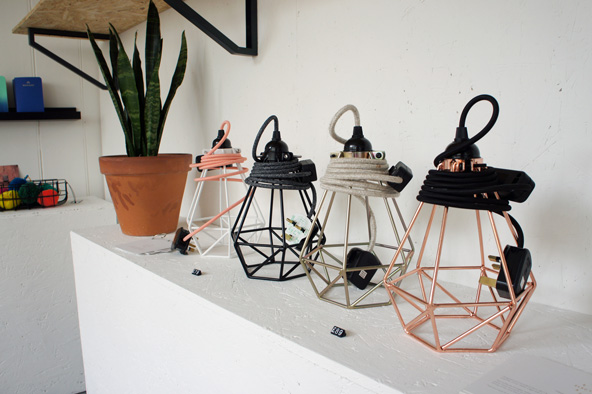
    One of the best ways to enhance evening enjoyment of your pergola is to add lighting. String lights or lanterns hung from your pergola beams create a magical glow for evening dinners, parties, or relaxing. For more ambient light, install recessed ceiling lights or post-mounted lights on your pergola posts. Go for elegant fixtures that complement your pergola style, or playful options like hanging wire sphere lights. Consider LED lights for brightness, efficiency and longevity.

    4. Overhead Fans

    On hot and humid days, overhead ceiling fans can make sitting in your pergola much more comfortable. High-powered outdoor ceiling fans can circulate the air and make it feel noticeably cooler. Most outdoor ceiling fans are designed to withstand weather exposure and have protective coverings over motor housings. They have adjustable fan speed and pitch settings to control airflow. Install overhead fans centered within your pergola to maximize comfort.

    5. Storage Solutions

    Add functionality to your pergola by incorporating storage solutions. Install shelving, cabinetry or racks on your pergola posts or underside of beams to hold items like gardening tools, pool towels, cushions and more. For larger storage needs, you can attach an outdoor cabinet to a pergola post. A cabinet with doors keeps items concealed yet easily accessible. For a built-in look, add a recessed storage box inside the pergola structure. Storage solutions help reduce clutter and give everything a place.

    With the right combination of accessories, your pergola can provide shade, beauty, and functionality for years to come.  Choose pergola add-ons that appeal to your unique style and needs. With creative accessories, the possibilities are endless! Transform your basic pergola into your ideal outdoor living space.

  • Meet the Graduate: Alannah Cooper

    Meet the Graduate: Alannah Cooper

    Alannah Cooper is a Fashion Communication graduate from Heriot-Watt University in Scotland. We talked to Alannah to find out more about her course, her final project ‘Teran’ and how it feels to graduate in 2017.

    www.alannaheileen.com

    Photographs taken from ‘Teran’.


    Can you tell us about yourself and your course?

    I grew up in the Orkney Islands in the very north of Scotland. It is very cold and windy there but you get to see a lot of beautiful things, like waves crashing into cliffs and the Aurora Borealis (known locally as the ‘merry dancers’). I spent a lot of time cutting pictures out of magazines and sticking them to my bedroom wall, as well as painting and charity shopping.

    Then I moved to the Scottish Borders to study Fashion Communication at Heriot-Watt University, where I spent even more time cutting pictures out of magazines, painting and charity shopping. My course included a broad mix of subjects, such as photography, graphic design, journalism, styling, events and marketing. It suited me well because I loved doing everything and was initially unsure what I specifically wanted to pursue as a career. By the end of the course, each one of us had found our own individual handwriting and was able to demonstrate it within our work. I was very fortunate to receive the Bernat Klein Award and Watt Club Medal from my university, as well as being awarded the Fashion Photography Award at Graduate Fashion Week. In January, I will begin a Masters in Fashion Communication and Promotion at Central Saint Martins, where I will be focussing on image-making.


    Can you tell us more about your final project?

    I created a publication titled ‘Teran’, which focussed on rural out-migration within youths. It’s common for young people to be encouraged to leave their home following school to attend university and pursue career ambitions but I questioned whether creatives could be missing out on unique and interesting opportunities where they lived. Whilst reading poetry written by my great grandfather’s cousin, Robert Rendall, I could see my own personal experiences of growing up in Orkney – as opposed to picturing his own stories. I decided to use these poems to inspire each editorial, in an attempt to show my own interpretation.

    I made a conscious decision to include no makeup or retouching and to use only natural light. I cast people who weren’t models professionally but I felt were interesting and beautiful. The clothes were all second hand, vintage or borrowed because there are no high street shops in Orkney and I wanted to stay true to that. I interviewed some really interesting people who were having successful creative careers in the islands, such as the Cathedral Stonemason, who as a 24-year old woman was likely to be the first female in the position, and had taken such an interesting creative career path.


    How has your course and school prepared you for life after graduating?

    My course was quite demanding, which I think helped me to build a strong work ethic. I think having a balance of internships/jobs as well as academic learning was really important, because I gained experience and skills through working but refined my knowledge and expertise within university. My course gave me the room to experiment, make mistakes and figure out what worked for me. I learned in depth about ethics, sustainability and a number of other important issues within the industry, which has shaped my perspective dramatically. I have left university feeling very aware of my responsibility to create positive change within fashion.


    How does a graduate feel in 2017?

    Personally, 2017 has been a very surreal year because I went from showing my work to mostly friends and family to exhibiting my work in London and being interviewed by ELLE magazine. I am feeling really excited about creating new work and motivated to improve my abilities. I’ve been reading a lot, trying to see as much art as possible and exploring topics that could be interesting subjects for editorials. After this year, I really believe that if I work hard enough and am persistent, I can achieve my goals.

    If you’ve graduated in 2017 and would like to be featured on our blog, please send us an email to hello@thefuturepositive.com with some information about yourself and your graduation project.

  • The New Mediterranean

    The New Mediterranean

    A shared love for plants, handmade products, natural materials, Henri Matisse and the organic shapes found in the Mediterranean architecture and landscapes are just some of the elements that connect a new wave of Barcelona-based creatives and collaborators who are influencing current fashion and art trends. We’ve selected some clothing and accessories brands, shoemakers, illustrators and jewellery labels that represent the aesthetics and values of what we have called ‘The New Mediterranean’.

    Paloma Wool


    Image via Paloma Wool Instagram

    Founded by artist and designer Paloma Lanna, Paloma Wool is described as a “a project on photography, clothing and other experiments”. Paloma Wool’s products are locally made in Barcelona, often collaborating with artists to create items ranging from clothing and jewellery to bags and art books. Paloma also explores “the space or ideas that are created around the act of getting dressed” through art installations and performances in which she also collaborates with other local creatives like art director and photographer Carlota Guerrero, known for her work with Solange.

    www.palomawool.com

    LEVENS

    Image via LEVENS Instagram

    Actress Mar del Hoyo is behind LEVENS, a jewellery label founded in 2016. Mar creates ceramic earrings inspired by her fascination for nature and femininity. All LEVENS’ products are handmade, with differences in shape and colour which make them unique. In fact, these ‘imperfections’ are part of the ethos behind this project: “Imperfect pieces that arise from a manual movement, almost intuitive, in which the simplicity of forms and materials are a sign of identity”.

    www.levensjewels.com

    About Arianne

    Image via About Arianne Instagram

    About Arianne was one of the first Stories we published on our website. The founders of About Arianne, Ariadna Guirado and Ernest Vidal, have been creating women’s shoes 100% made in Spain since 2010 and have also recently started to design bags. From their shop/studio in Barcelona’s Poble Nou, Ariadna and Ernest produce slow-fashion centred around three values: quality, comfort and design. About Arianne’s shoes and bags are inspired by classic lines and silhouettes which are reinterpreted with a contemporary vision, creating unique and timeless pieces.

    www.aboutarianne.com

    Tana Latorre

    Image via Tana Latorre Instagram

    Tana Latorre is an artist and one of the close friends and collaborators of Paloma Wool – she has illustrated clothing and worked together on other art projects with the label’s founder Paloma Lanna. Born in Nairobi, Tana lives in Barcelona and her minimalist drawings of female silhouettes and faces have been reinterpreted by other artists like sculptor Diego Cabezas and the Berber women behind Anou, a project connecting artists with artisans in Morocco.

    www.instagram.com/tanalatorre

    Matagalan Plantae

    Image via Matagalan Plantae Instagram

    Born in Costa Rica, Carolina Spencer moved to Barcelona in 2004 and worked as a florist before starting Matagalan Plantae in 2013 as a project exploring the relationship between plants and pots, and their connection to the city. Caroline saw the plant and its container as just one object, and wanted to replace the traditional plastic pot with ceramic vases made by hand in Cataluña in order to create a plant/pot combination more aesthetically pleasing.

    www.matagalan.club

    Ölend

    Image via Ölend Instagram

    Fran Rios, Adriana Dumon and Antonio Longás started Ölend with the idea of creating backpacks for themselves, and their friends liked them so much that they decided to start making them on demand. Ölend’s backpacks and bags are inspired by travelling, challenges and mountaineers from the 40’s and 50’s. They are handmade 100% in Barcelona, using only the highest quality materials and sometimes even customised based on the clients’ preferences.

    www.olend.net

  • Mairi Timoney

    Mairi Timoney

    Mairi Timoney is an artist working and living in Edinburgh. Her work is inspired by architecture, interiors and landscapes, and has been shown in The Whitechapel Gallery in London, The National Gallery of Modern Art and The Royal Scottish Academy in Edinburgh. We chatted with Mairi to find out more about how she first got interested in art, the common elements in her work and the projects she’s currently working on.

    www.mairitimoney.com

    Can you introduce yourself and tell us a little bit about your background and education?

    My name is Mairi, I’m a Scottish Artist currently living and working in Edinburgh. I studied Painting and then continued to study a Masters in Graphic Design at Edinburgh College of Art. My work takes a lot of elements from both disciplines and since graduating I have continued to develop my practice and personal style.

    Do you remember the first artwork you created?

    I remember drawing my dream house when I was about 5. I’m not sure if I’d really call it a piece of artwork but it’s definitely my first memory of loving to make and draw.

    How do you describe your work? What are some of the common elements we can find in your pieces?

    Within my practice I mainly focus on making multi media images that portray fictional places and scenes that I build through a mixture of collage and painting. I like to collect imagery and materials from various sources to piece together visuals which are both aesthetically and compositionally engaging. I also enjoy juxtaposing different media to consider surface, space, pattern and colour whilst the overlaying imagery allows me to explore my interest in place and narrative. The fragmented landscapes which appear in my work come from an attraction to unfamiliar surroundings, quiet landscapes, architecture and the lives and stories of the people that inhabit these spaces.

    Where do you draw inspiration from?

    I’m always inspired by architecture, interiors and landscapes that I see in day to day life or when I travel. The structures and colour combinations give me ideas to include in new pieces and I always try to take photographs that I can use later. I also find creative blogs and magazines really useful for finding inspiring new projects, as well as being able to look at the work of my favourite artists and designers too.

    What are some of the projects you’re working on?

    I recently started a year long Artist in Residence position based in a school in Edinburgh called George Watson’s College. Here I will have the opportunity to run workshops and teach pupils in the Art & Design department whilst also having time to focus on my own practice. I am provided with materials and a new studio space to work in and I plan to spend my time developing a body of work which I will exhibit in a solo show next July.

  • The Complexities of Co-Parenting and Strategies for Success: A Comprehensive Guide

    Navigating the world of co-parenting can often be a daunting journey, particularly in the aftermath of a divorce or separation. It demands a heightened level of understanding, patience, and unwavering dedication from both parents to ensure that the child’s best interests are consistently met. This comprehensive guide aims to delve into the intricacies of co-parenting, offering pivotal insights and practical advice to aid parents in maneuvering through this challenging yet rewarding landscape.

    Unpacking the Fundamentals of Co-Parenting

    Co-parenting is a joint parenting arrangement where both parents take on an active role in their child’s everyday life. The primary objective of this arrangement is to guarantee that the child maintains consistent, meaningful contact with both parents. While achieving this balance may not always be straightforward, it is entirely feasible with open dialogue, mutual respect, and ample patience.

    Effective Communication: The Cornerstone of Successful Co-Parenting

    In any co-parenting relationship, effective communication is paramount. This involves discussing everything from daily routines and school activities to major life decisions such as educational choices and healthcare matters. It is crucial that both parents feel acknowledged and respected in these conversations, fostering an environment conducive to mutual decision-making.

    Addressing the Challenges of Co-Parenting: From Differing Styles to Scheduling Conflicts

    While co-parenting can have significant benefits for the child, it can also bring about various challenges for parents. These can range from reconciling differing parenting styles to managing conflicting schedules, and even handling complex emotions.

    Navigating Differing Parenting Styles

    One substantial challenge in co-parenting is reconciling differing parenting styles. It’s vital for parents to find common ground that respects each individual’s approach while also prioritizing the child’s needs and well-being.

    Overcoming Scheduling Conflicts

    Scheduling conflicts are another common challenge in co-parenting arrangements. To overcome this, parents should strive for flexibility and open communication, always keeping the best interest of the child in mind.

    The Risk of Parental Alienation in Co-Parenting Scenarios

    Among the issues that can surface in co-parenting situations is parental alienation Nevada. This occurs when one parent intentionally or unintentionally undermines or sabotages the relationship between the other parent and the child. Being aware of this issue and taking preventative measures is critical to preserving a healthy co-parenting environment.

    Identifying Signs of Parental Alienation

    Parental alienation can exhibit itself in numerous ways. Some signs include the child expressing unjustified hatred or fear towards one parent, the alienating parent interfering with communication or visitation rights, or the child expressing guilt about spending time with the other parent. Recognizing these signs early on can help mitigate potential damage and guide appropriate action.

    Practical Strategies for Successful Co-Parenting

    Despite these challenges, successful co-parenting can be achieved with the right strategies. Here are a few practical tips:

    • Maintain open and respectful communication: Regular check-ins and discussions about the child’s activities and well-being can foster a healthy co-parenting relationship.
    • Prioritize the child’s needs above all else: The child’s happiness, security, and overall well-being should always be the primary focus in any decision-making process.
    • Be flexible and willing to compromise: Co-parenting requires adaptability. Be open to adjusting schedules or revisiting arrangements to accommodate changes in circumstances.
    • Seek professional help if necessary: If conflicts escalate or signs of parental alienation appear, don’t hesitate to seek help from professionals such as counselors or family law experts.

    Conclusion

    Co-parenting necessitates substantial effort and understanding from both parents. While there may be hurdles along the way, keep in mind that the ultimate aim is to ensure your child feels loved and secure. With patience, empathy, and commitment, a successful co-parenting arrangement can certainly be realized. Remember, the journey might be tough at times, but the rewards of seeing your child thrive in a stable, loving environment are immeasurable.