
Author: Igor

  • Free Yourself To Live Your Best Life

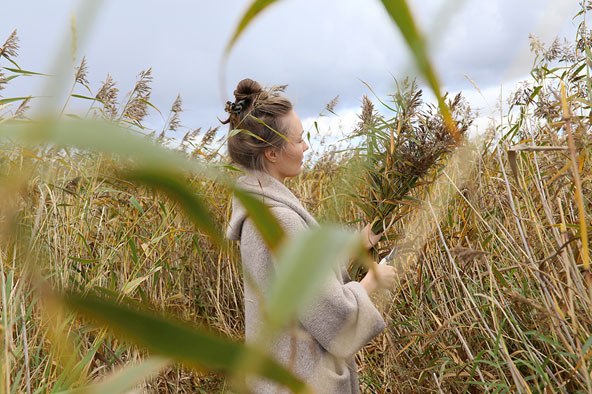
    If you’ve been struggling to live the life you want to live lately, you’ve got to ask yourself why. Why is it that you feel you can’t do what you want? What do you want to do that you’re being held back from? These are both important questions and as soon as you know what the answer is, you’re going to be able to make waves in your life. In this article, we’re going to be taking a look at some of the things that you can do in order to free yourself and live your best life. If you want to know more about this topic, keep reading down below.

    Credit Link – CC0 Licence

    Be On Your Own

    The first thing that we’re going to suggest is that you learn to be on your own. If you’re not happy, then you may not be happy in the relationship that you’re in right now either. It’s best for you and the person you are with if you let this go now, rather than dragging it out. This is of course, unless you are in love with them and they can understand your need to be alone for a little while. If this is the case, then there is no need to break up as you go and have your freedom.

    However, for a lot of people, they don’t know how to be on their own and that is hindering their life. You wouldn’t think of being alone though if you wanted to be with your partner as much as you think you do. If you’ve decided to be on your own and you’re married, make sure that you have all the necessary things such as the form e divorce paper. 

    Travel The World

    If you want to live your best life then we highly recommend traveling the world to some degree. It’s a once in a lifetime experience that not everyone gets, so you would be silly to turn down such an opportunity. Choose the places that you want to go. Go and experience something new, see how other cultures live and so on. There is always something for you to find when you’re in another part of the world, so get looking!

    Live For You

    The final thing that we’re going to suggest is that you start living for you. A lot of the time, you find that the reason you feel trapped and like you can’t live your best life is because you’re not really living for you. There might be others in your life that you are more focused on making happy to the detriment of yourself. We know that it is difficult, but you need to stop doing this as much as you can, and learn to live for yourself first. You are the only one who can control you, so start doing it.

    We hope that you have found this article helpful, and now see some of the best things that you can do to free yourself and live your best life. Take the leap of faith that you need to, and get ready to experience new things.

  • Pop the Balloon: Crafting the Perfect Gender Reveal Moment

    The moment when a balloon pops to shower a spectrum of pink or blue is not just another event; it’s a heartwarming celebration of life and the revelry of impending parenthood. Gender reveal parties have transformed from simple gatherings into events that mirror the excitement and joy of adding a new member to the family. You’re ready to plan this extraordinary occasion, and this article is your confidante on the journey to creating an unforgettable gender reveal party.

    The Prelude to the Party: Opting for Accurate Prenatal Testing

    Before the balloons and fanfare, it’s crucial to start with the fundamental detail—the gender of your baby. Deciding on a prenatal gender test sets the stage for authenticity and surprise. While there are various options out there, you might consider a reliable provider like AlphaBiolabs USA for this service. Opting for a test from AlphaBiolabs can offer peace of mind, ensuring that your reveal is based on trusted results. Remember, the accuracy of this initial step is what makes your gender reveal moment truly genuine and jubilant.

    Mastering Gender Reveal Party Etiquette

    As you embark on this adventure, knowing the subtle etiquette can make your gender reveal as smooth as the fondant on a perfectly baked cake. It’s all about the suspense—the secret must be kept under wraps until the grand reveal. Create an environment that’s welcoming for all of your guests and ensure that the main event is accessible to everyone, with no small print attached. Keep in mind the day is about fun but also about making everyone feel a part of your joyous occasion.

    Timing the Big Reveal to Perfection

    The drumroll to the big reveal is as crucial as the reveal itself. Strategically plan your reveal to coincide with a moment when you have everyone’s undivided attention. Is it when glasses are raised for toasts or just as the backyard barbecue gets sizzling? Whichever you choose, make sure it’s a time when the excitement will be at its peak and the energy is just right for an eruption of cheers.

    Choosing Your Balloon Reveal Arsenal

    Your balloon selection is not just about color; it’s about setting the stage for a spectacle. Imagine biodegradable balloons that respect the planet or colossal ones that promise an even bigger spectacle. The palette is yours to paint—will it be a classic pink or blue, or perhaps a surprise hue that breaks the mold? Let the balloons reflect your unique spirit.

    Gender Reveal Photography: Tips for the Perfect Shot

    When the balloon bursts and the confetti flies, you’ll want to capture the explosion of emotion and color. Enlist a trusted friend or a professional to snap photos from multiple angles. The key is to be ready before, during, and after the balloon pops—these moments are as fleeting as they are precious.

    Prioritizing Safety in Balloon Reveals

    While excitement is high, safety must take the helm. Choose materials that are harmless and setups that stand firm against a gust of laughter or a wave of anticipation. Remember, a safe celebration is a celebration that’s remembered for all the right reasons.

    Crafting Memorable Party Favors and Thank-Yous

    As the confetti settles and your guests depart with smiles, send them off with a token of appreciation that echoes the spirit of your celebration. Whether it’s a custom keepsake that sparks memories of the day or a heartfelt note, these small gestures of gratitude will leave a lasting impression on your loved ones.

  • Aimée Wilder

    Aimée Wilder

    Aimée Wilder’s love for design and textiles started at a young age whilst exploring the fashion showrooms where her parents worked. In 2009 Aimée launched her own brand in New York City, first translating her artwork into wallpaper and later expanding into home textiles, hand-made rugs, pillows and other products.

    We chatted with Aimée to find out more about her childhood, her design process and the inspiration behind her latest collection, Phantasmagoria.

    www.aimeewilder.com

    future-positive-aimee-wilder-7-low-2

    Do you remember how your passion for textiles and design started?

    I went to work with my parents a lot on my days off from school, or when there were circumstances like doctor appointments or something else where I needed to be in Manhattan with my parents at the end of the day. I guess maybe I was sort of playing “hooky”— what you in the UK call playing truant.

    My father was a denim manufacturer; They made some of the first acid-washed and studded denim. I was enamoured by the clothing and details whenever he would bring me in. I also loved going to my mom’s office. She also worked in fashion and travelled a lot for different dress companies that had amazing dresses adorned with patterns, such as florals and embellishments.

    My parents worked across the street from one another on Broadway in the Garment District, so I would often jump between their offices having lunch with whomever was free before heading to the art department of my mom’s office. She worked in a studio environment where artists and designers worked on graphic design, photography, fashion design, illustration, pattern making, and more. Endless art and design supplies were at my fingertips: old Polaroid cameras, film, watercolour paints, markers, paper, cardstock, and long counter height tables and stools where I could spread out and get to work. It was like a dream. All of the designers were busy working, but sometimes I could help develop Polaroids by shaking them, or stapling packets for presentations. Usually I would get to have some play time of my own, so it was like a hands-on art education.

    future-positive-aimee-wilder-3-low

    Can you take us briefly through your design process? How does an idea in your head transform into a print or pattern?

    While ideas are always coming in and I love the idea of lists, I am bad at making them; so I usually just go with the flow of how I’m feeling on the day. I don’t design well under pressure and like to create what feels most natural. My process can take a while because I have myriad files with concepts not fully developed, and most of the time I have to work on a deadline. When I have time to develop new work, I dig through my files to see where I left off. If I am starting something new I might draw something on scratch paper or I’ll start with an inspiration image such as a magazine tear, web image, or photograph. I’ll create a file with a name that resonates and start adding more inspiration images from various sources. One source of inspiration that influenced my last collection was wild animals. It helps me to collage images into a layout or repeat. Then I decide if I want to develop the concept further.

    My tool of choice is a computer mouse. I never got used to a stylus. I was dysgraphic as a child, having trouble holding a pen properly. I also had a problem with depth perception. My hand-eye coordination didn’t work the same way with a pen and paper as it did with something such as 2D video games, and writing was difficult. By comparison, with a computer and a mouse I am able to draw in a completely different process using the pen tool — with it’s points and curves — to create artwork. Dysgraphia for me was a temporary developmental difference due to some difficulty focusing, likely due to borderline hypothyroidism. With the aide of the computer, I was able to develop as an artist, through software such as Photoshop and Illustrator.

    future-positive-aimee-wilder-5-low

    Where do you draw inspiration from?

    Travelling is a huge part of where I draw inspiration because I see and experience new things. What you get to see when you are in different parts of the world is always different from what you have access to at home. From the way places and spaces are decorated, to the general feel of the culture and colours of the city, there is always inspiration to be found. Both locally and while travelling I find inspiration through research both online and in books, new and vintage magazines, and in physical places like museums, interiors of restaurants, retail spaces, public spaces, and hotels.

    Shopping for clothing and homewares is also a way to find inspiration. I collect a lot of fashion items, textiles, and other home goods for research purposes. The way a material feels, or looks when printed, or how it’s constructed is something we can reference when we are specifying a product for production. Additionally, the way well-designed places look and feel help me to think of how I want to use colour and design in my line.

    I love historic textiles and they play a large part in my inspiration as well. I’ve always been inspired by graphic design and find that elements of typography and iconography appear in my work. When I am developing artwork, a lot of times the individual designs merge into a story. Most recently I am finding specific words as inspiration and I am working with language to define another upcoming collection in a similar way that we did with Phantasmagoria.

    future-positive-aimee-wilder-2-low

    Can you tell us a little bit about your latest collection, Phantasmagoria?

    Phantasmagoria was made out of extremely detailed large format designs. They came together as a group into a menagerie of a dream state where wild things happen, extraordinary things, and so this collection came from a dream after starting on some of the designs that were culminating. For instance, we were working on a cheetah pattern where we added cheetah faces that had a psychedelic feel to it, heavily influenced by psychedelic art and vintage animal print textiles. At the same time, we were working on detailed natural designs and botanicals. We had a cactus design with thousands of prickly points and the cactuses were actually quite large and created on a larger scale for wallpaper (2 feet by 3 feet). Jungle Dream has very large elements with nocturnal animals. I had a recurring dream that these cheetahs were chasing me in the night and that I’d be chased from a jungle into a cactus desert into a galaxy swirling above me and then all of a sudden, I’d be immersed in a sea of cheetah spots and cheetah faces. It was definitely trippy! This collection makes me really excited for the next one, where I’ve been thinking about the flow state of balance and flourishing, known as Eudaimonia. Phantasmagoria was relative to where I was at the time having to adjust to some changes, whereas this new collection is going to be about balance.

    future-positive-aimee-wilder-4-low

    Your designs are printed on a wide variety of products, from wallpaper to most recently rugs. What products would you like to explore or where would you like to see your prints?

    I plan to continue to develop my home line, and also expand into fashion, but in a practical way where the items carry over from season to season with good shapes, but new fabrics and prints. I dream of making delicious cashmere sweaters, overcoats, dresses, children’s clothing, bedding, indoor/outdoor tiles, jacquard woven fabrics, upholstery, and I also imagine some of my designs being transferred into children’s toys. Lots of possibilities! What matters most to me is that I am creating products that are meaningful, that I would want for myself if I saw them in a store or online. The products must have practical use. I love quality items that last.

    future-positive-aimee-wilder-1-low

    What are your plans for the upcoming months?

    They’ve been a bit adjusted due to knee surgery I had about three months ago. When I was 14, I busted my ACL while skiing but it didn’t affect me until years later when my knee collapsed in lacrosse at school. I opted out of surgery because of the long recovery time, but went through rehab… enough to return to playing sports. Earlier this year my knee finally gave out in yoga while practising handstands and I knocked cartilage off my femur into my knee joint. I had two allografts, one for the ACL with a donor hamstring tendon, and the other was a soft tissue graft of bone and cartilage to my femur. I’m so grateful for the technology, and the donors—allograft is a graft made from donor material. In retrospect, I highly recommend taking care of these issues immediately—don’t be afraid! This recovery period is teaching me patience, allowing me to really concentrate on the healing process, which ultimately is helping restore my creative energy, thus finding balance.

    Now that I’m on the road to recovery, travelling is on the agenda! In February, my guy Stewart and I will travel to Argentina and Brazil. We’ll be starting off in Buenos Aires, then visiting the jungle and waterfalls of Iguazu, and will explore the bird park across the border in Brazil. I’m excited about the tropical birds for a possible collection, and am considering booking a trip to Holbox Island in Mexico to see Flamingos feeding nearby in late April. Argentina, and Latin America in general, have an exuberant colour palette, textiles and patterns, which I am looking forward to seeing.

    In early April, I’ll be travelling to the Milan Furniture Fair (Salone Internazionale del Mobile di Milano) with dear friend and art director, Jason. We are scouting to see about exhibiting there the following year. After a few days in Milan, we are going on a road trip around Northern Italy and Switzerland for inspiration.

    A trip to Scotland is planned for the summer, where Stewart is originally from. His grandmother lives in a stone house in Nairn that she’s been living in for over 95 years, and I’m excited to see all the castles and landscapes. A trip to the River Findhorn and the Isle of Skye (where whiskey is made) is on the itinerary. We are travelling through Iceland, so we want to try to see Vik, Black Sand Beach, and drive to the Golden Circle, as well as to the Blue Lagoon. We are also excited to see Reykjavik!

    Save

    Save

    Save

    Save

    Save

  • The Entangled Web of Medical Evaluations: Unraveling the Complexity

    The intricate world of medical evaluations is often akin to a complex maze that can be tough to navigate. From the labyrinthine corridors of the legal system to the intricate complexities of medical diagnoses, the path to obtaining solid independent medical evaluations (IMEs) can be daunting. Ensuring the medical opinions you receive are reliable, thorough, and timely is crucial in many legal and insurance proceedings.

    The Crux of the Matter: IMEs and Expert Witnesses

    To understand the importance of IMEs, let’s first conceptualize what they are. IMEs are evaluations performed by an independent physician or medical professional to verify the nature and extent of an individual’s injury or illness. Often, these are requested in legal and insurance contexts to provide an impartial assessment of the medical conditions in question.

    On the other hand, expert witnesses are medical professionals who testify in court based on their expertise in a particular field. Their role is to support or refute the evidence presented, providing the court with clear, concise medical insights.

    Traversing the Medical Maze: The Need for Reliable Expertise

    Reliable IME services can transform the complex maze of medical evaluations into a straight path. These services bridge the gap between the medical and legal worlds, providing access to qualified, experienced professionals who offer unbiased, well-informed medical assessments.

    Moreover, such services often have a vast network of physicians across various specialties, from orthopedic surgery and neurology to pediatrics and dermatology. This ensures that no matter the nature of your case, you’ll have access to an expert precisely suited to your needs.

    The Path to Efficiency: Turnaround Times and Quality Assurance

    One critical factor when selecting IME services is the turnaround time. Legal and insurance proceedings often operate on strict timelines, and delays can have significant consequences. The best services offer rapid scheduling and quick report turnaround times, ensuring you receive your expert medical assessment promptly.

    Quality assurance is another essential consideration. The final report is not just a mere document; it’s a crucial piece of evidence that can significantly impact your case. As such, ensuring the highest quality of the report is non-negotiable. Services that run rigorous internal quality assurance checks are, therefore a preferable choice.

    The Human Element: Comprehensive Support and Easy Coordination

    At the heart of any good service are the people who run it. Comprehensive support from dedicated case managers, easy invoicing systems, and 24/7 phone support can make the process smoother. Furthermore, services that offer travel coordination for virtual and in-person exams add another level of convenience.

    The List of Benefits: Summarizing the Advantages

    1. Access to a wide network of medical professionals across various specialties
    2. Rapid scheduling and quick report turnaround times
    3. Rigorous internal quality assurance checks for high-quality reports
    4. Comprehensive support from dedicated case managers
    5. Easy invoicing systems and travel coordination for exams

    The Finishing Line: Final Thoughts

    The world of medical evaluations doesn’t have to be as complicated as a labyrinth. With the right IME services, you can easily navigate this maze, ensuring you receive reliable, timely, and high-quality medical assessments for your case. So, the next time you face the intricate web of medical evaluations, remember the importance of choosing the right services to guide you through.

  • Preparing Your Garden for Winter

    Preparing your garden for winter is an essential task for any gardener. Winter weather can be harsh and damaging to your plants, soil, and structures. By taking the time to prepare your garden before winter arrives, you can protect your plants and ensure a healthy and vibrant garden come springtime. In this article, we will discuss the importance of preparing your garden for winter and provide tips and advice on how to do so effectively.

    Winter weather can have a detrimental impact on your garden if it is not properly prepared. Freezing temperatures can damage plant roots, causing them to die or become weakened. Snow and ice can weigh down branches and cause them to break. 

    Preparing your garden for winter is crucial to ensure the survival and health of your plants. By taking the time to prepare, you can minimize the risk of damage and increase the chances of a successful growing season in the following year. Preparing your garden for winter also allows you to assess the needs of your garden and make any necessary adjustments or improvements.

    Assessing Your Garden’s Needs Before Winter Arrives

    Before winter arrives, it is important to assess the needs of your garden. This includes evaluating the health of your plants, identifying any areas that need improvement, and determining what steps need to be taken to protect your garden during the winter months.

    Start by inspecting your plants for any signs of disease or pest infestation. Remove any diseased or infested plants to prevent the spread of pests or diseases. Take note of any areas that may need additional soil amendments or fertilization.

    Next, evaluate the drainage in your garden. Poor drainage can lead to waterlogged soil, which can be damaging to plant roots. Consider adding drainage channels or improving the soil structure to ensure proper drainage.

    Finally, assess the overall layout and design of your garden. Are there any areas that need to be redesigned or improved? Take this opportunity to make any necessary changes or additions to your garden before winter arrives.

    Clearing Out Debris and Dead Plants from Your Garden

    Clearing out debris and dead plants from your garden is an important step in preparing for winter. Dead plants can harbor pests and diseases, which can spread to healthy plants. Additionally, debris can block sunlight and prevent air circulation, which can lead to fungal growth and other issues.

    Start by removing any dead or dying plants from your garden. This includes annuals that have finished blooming and any perennials that have died back for the season. Cut back any dead or damaged branches from trees and shrubs.

    Next, clear out any fallen leaves, twigs, or other debris from your garden beds. Rake up leaves and dispose of them properly. Consider composting leaves and other organic matter to create nutrient-rich compost for your garden.

    Finally, remove any weeds from your garden beds. Weeds can compete with your plants for nutrients and water, so it is important to keep them under control. Pull weeds by hand or use a garden hoe to remove them.

    Protecting Your Garden’s Soil and Roots from Freezing Temperatures

    Freezing temperatures can be damaging to your garden’s soil and roots. When water in the soil freezes, it expands, which can cause the soil to crack and damage plant roots. Additionally, freezing temperatures can lead to soil erosion and nutrient leaching.

    To protect your garden’s soil and roots from freezing temperatures, consider adding a layer of mulch. Mulch acts as an insulating barrier, helping to regulate soil temperature and prevent freezing. It also helps to retain moisture in the soil, which is important during the winter months when precipitation may be limited.

    Choose a mulch that is appropriate for your garden. Organic mulches, such as wood chips or straw, are a popular choice as they break down over time and add nutrients to the soil. Inorganic mulches, such as gravel or landscape fabric, can also be used but do not provide the same benefits as organic mulches.

    Apply a layer of mulch around the base of your plants, taking care not to pile it up against the stems or trunks. This can lead to rot and other issues. Aim for a thickness of 2-3 inches for most plants, but adjust as needed for larger or smaller plants.

    Choosing the Right Mulch for Your Garden

    Choosing the right mulch for your garden is an important step in preparing for winter. Mulch provides a range of benefits, including weed suppression, moisture retention, and temperature regulation. By choosing the right mulch for your garden, you can maximize these benefits and ensure the health and vitality of your plants.

    When choosing a mulch, consider the specific needs of your garden. Organic mulches, such as wood chips or straw, are a popular choice as they break down over time and add nutrients to the soil. They also help to suppress weeds and retain moisture in the soil.

    Inorganic mulches, such as gravel or landscape fabric, can also be used but do not provide the same benefits as organic mulches. They do not break down over time and do not add nutrients to the soil. However, they can be more effective at suppressing weeds and can provide a clean and tidy appearance to your garden.

    Consider the aesthetic appeal of the mulch as well. Choose a mulch that complements the overall design and style of your garden. Dark-colored mulches, such as black or brown, can provide a natural and cohesive look. Light-colored mulches, such as white or tan, can create a bright and airy feel.

    Pruning Trees and Shrubs to Promote Healthy Growth in Spring

    Pruning trees and shrubs before winter is an important step in promoting healthy growth in the spring. Pruning helps to remove dead or damaged branches, improve air circulation, and shape the overall structure of the plant.

    If you are wondering about ‘how to prune shrubs?’, start by inspecting your trees and shrubs for any dead or damaged branches. Dead branches should be pruned back to the main stem or trunk. Damaged branches should be pruned back to healthy wood.

    Next, consider the overall shape and structure of your trees and shrubs. Prune any branches that are crossing or rubbing against each other. Remove any branches that are growing towards the center of the plant, as this can lead to poor air circulation and increased risk of disease.

    When pruning, make clean cuts just above a bud or lateral branch. Avoid leaving stubs, as this can lead to disease and decay. Use sharp pruning shears or loppers to make clean and precise cuts.

    Preparing Your Lawn for Winter: Mowing, Fertilizing, and Aeration

    Preparing your lawn for winter is an important step in maintaining a healthy and vibrant lawn. By taking the time to mow, fertilize, and aerate your lawn before winter arrives, you can ensure that it will be able to withstand the harsh conditions and bounce back quickly in the spring.

    Start by mowing your lawn to a shorter height than usual. This helps to prevent snow mold and other fungal diseases from developing during the winter months. Aim to mow your lawn to a height of around 2 inches.

    Next, consider fertilizing your lawn. Fall is an ideal time to apply a slow-release fertilizer that will provide nutrients to your lawn throughout the winter months. Look for a fertilizer that is specifically formulated for fall or winter use.

    Finally, consider aerating your lawn. Aeration helps to alleviate soil compaction and improve water and nutrient absorption. Use a lawn aerator to create small holes in your lawn, allowing air, water, and nutrients to reach the roots.

    Protecting Your Garden’s Structures and Hardscaping from Winter Damage

    Winter weather can be damaging to your garden’s structures and hardscaping. Snow and ice can cause structures to collapse or become damaged. Freezing temperatures can cause cracks in concrete or stone surfaces.

    To protect your garden’s structures and hardscaping from winter damage, consider taking the following steps:

    • Inspect your structures for any signs of damage or weakness. Repair or reinforce as needed.
    • Remove any snow or ice from structures to prevent excessive weight and stress.
    • Consider covering delicate structures, such as trellises or arbors, with burlap or other protective material.
    • Apply a sealant or protective coating to concrete or stone surfaces to prevent cracking and damage.

    Preparing Your Garden’s Water Features for Winter

    Winter weather can be damaging to your garden’s water features. Freezing temperatures can cause water to freeze and expand, leading to cracked pipes, pumps, and other components. Additionally, snow and ice can cause damage to fountains, ponds, and other water features.

    To prepare your garden’s water features for winter, consider taking the following steps:

    • Drain and clean any fountains or ponds before winter arrives. Remove any debris or plants that may be present.
    • Disconnect and drain any hoses or pipes that are connected to your water features.
    • Consider using a pond heater or de-icer to prevent water from freezing completely.
    • Cover your water features with a protective cover or tarp to prevent snow and ice from accumulating.

    Final Steps: Storing Tools and Equipment, and Planning for Spring Planting

    As winter approaches, it is important to properly store your tools and equipment to ensure their longevity and functionality. Clean and dry your tools before storing them to prevent rust and damage. Consider sharpening blades and oiling moving parts to keep them in good working condition.

    In addition to storing tools and equipment, it is also a good time to start planning for spring planting. Take this opportunity to research and select new plants for your garden. Consider the specific needs of each plant, such as sunlight requirements and soil conditions. Create a planting schedule and make a list of any supplies or materials that you will need.

    Storing and Caring for Garden Tools

    Winter is the time to give your garden tools some TLC to ensure they are ready for use when spring arrives. Proper storage and care of your garden tools will help extend their lifespan and save you money in the long run. Here are some tips to help you store and care for your garden tools during the winter months.

    • Clean Your Tools

    Before storing your garden tools, make sure to clean them thoroughly. Dirt and debris can cause rust and damage to your tools over time. Use a wire brush or steel wool to remove any rust or dirt from the metal parts of your tools. For wooden handles, use sandpaper to smooth out any rough spots and wipe them down with a damp cloth.

    • Oil Your Tools

    Once your garden tools are clean and dry, it’s time to oil them. This will help prevent rust and keep them in good condition. Use a light oil such as mineral oil or linseed oil and apply a thin coat to the metal parts of your tools. For wooden handles, use a wood preservative to keep them from drying out and cracking.

    • Store Your Tools Properly

    Proper storage is crucial to the longevity of your garden tools. Store them in a dry place such as a shed or garage to protect them from moisture. Make sure to keep them out of reach of children and pets. You can also use a tool rack or pegboard to keep your tools organized and easily accessible.

    • Winterize Your Tools

    Winterizing your garden tools will help protect them from the harsh winter weather. Drain any water from hoses and sprinklers and store them in a dry place. For gas-powered tools such as lawnmowers and leaf blowers, add a fuel stabilizer to the gas tank to prevent the fuel from breaking down over time.

    Conclusion

    Preparing your garden for winter is an essential task for any gardener. By taking the time to assess your garden’s needs, clear out debris, protect your soil and roots, prune trees and shrubs, prepare your lawn, protect structures and hardscaping, and prepare your water features, you can ensure a healthy and vibrant garden come springtime. Additionally, properly storing tools and equipment and planning for spring planting will set you up for success in the following year. Don’t wait until it’s too late – take action now and prepare your garden for winter.