Tag: vintage

  • Cover & Couch

    Cover & Couch

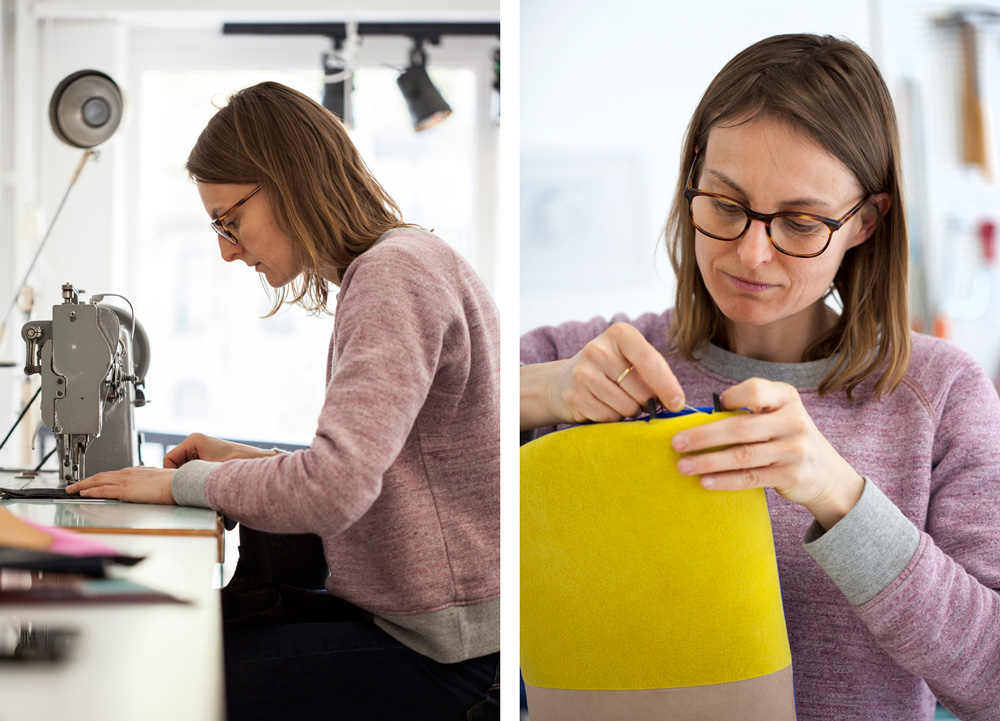
    Cover & Couch is an Antwerp-based upholstery studio founded by Sophie Doore 5 years ago, working with vintage dealers, interior architects and private clients. Sophie also designs her own line of cushions focusing on geometrical patterns, inspired by the rich and bold colours of the high quality fabrics she uses.

    In September last year, Sophie relocated her studio to the top floor of design store City Furniture in  an upcoming neighbourhood for vintage design in Antwerp’s city centre. We caught up with Sophie to find out how her love for upholstery started, her favourite projects and future plans.

    www.covercouch.tumblr.com

    Find out more about Antwerp in our Antwerp City Guide.

    Future-Positive-Cover-Couch-1 Future-Positive-Cover-Couch-3

    How did you become interested in upholstery?

    Feeling the need to work with my hands, I always wanted to do something connected to restoration. While working in an Art bookshop, design books also captured my attention. Thanks to my job in a small weaving house, I began to appreciate the beauty of fabrics. Enrolling in an upholstery course was an impulsive decision. It was worth a try, not really knowing where it would lead me, but it was much better than what I expected.

    How did Cover & Couch start?

    During my studies I was already getting some orders. Upholstery is often associated with an old fashioned or a dusty workspace and I wanted to get rid of that image. I’ve been slowly building up my business for almost 6 years – mostly through word of mouth. Since September last year I’ve been working in a bigger studio in the centre of Antwerp, collaborating with a vintage dealer. My studio is above the shop. I work for private clients, vintage dealers, interior architects, designers, etc. I like working alone, interspersed with visits by clients.
    Future-Positive-Cover-Couch-2

    Tell us about your process. How do you choose your fabrics, come up with a design, etc.?

    It’s a new challenge each time. That’s what makes it so interesting.

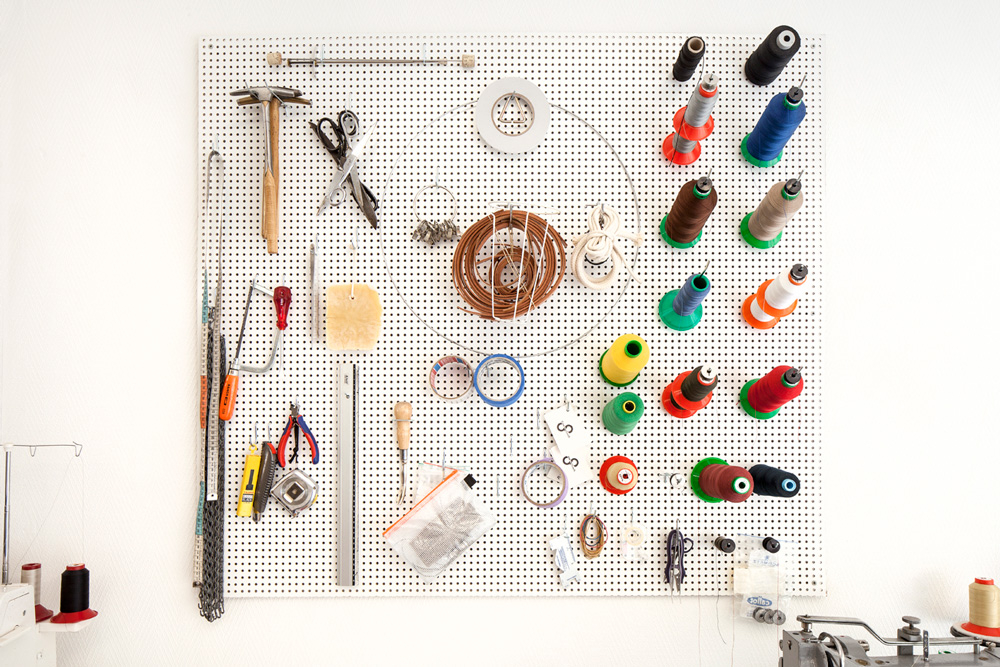
    First, I discuss the project with the client. Considering their preferences, their interior, their budget, etc. I have a wide range of high quality fabric samples. I try to advise as best as possible and I take a lot of detailed photos of the old upholstery before taking it off. I also like to do the necessary research if the old upholstery is no longer available.

    Then, with respect for the original design, the reconstruction commences. I can apply classic methods where natural fibres are shaped by hand stitching. Other (modern) designs need to be redone with foam possessing the correct density for shape and comfort. During this process it’s very important that I respect the proportions and keep a meticulous eye on details. Every action influences the final result and I get really inspired when I see a piece growing closer to what I have in mind, custom made.

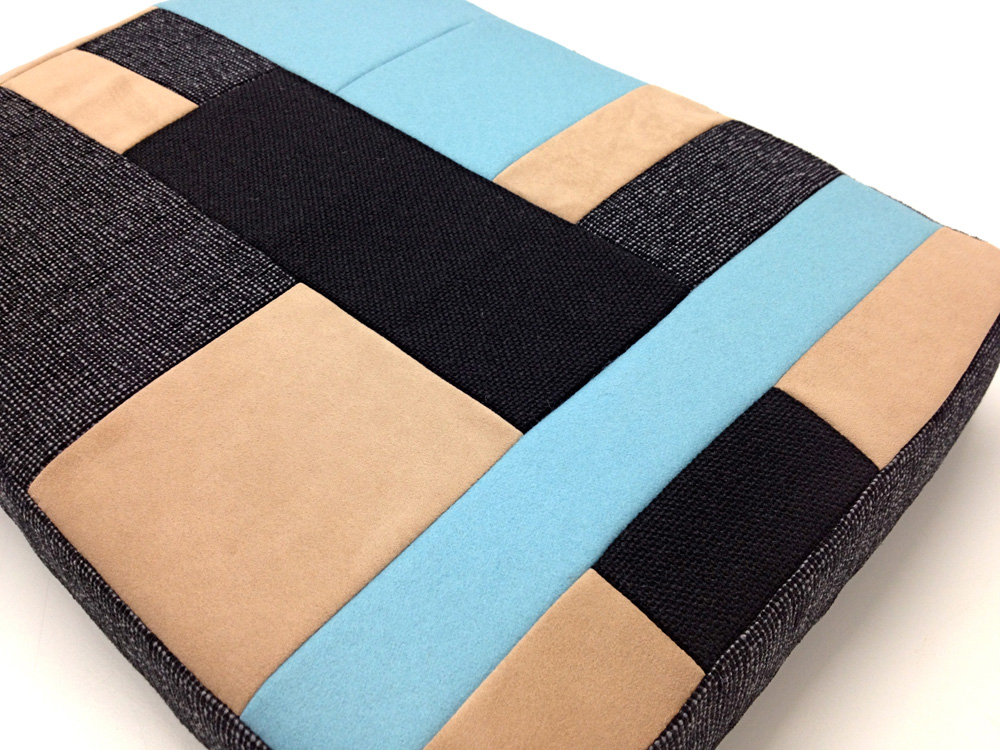
    The fabrics themselves can also be my inspiration. I combine colours and textures into geometrical patterns. This resulted in a collection of cushions and I named them after people who inspire me: (Gio) Ponti, Gunta (Stölzl), Tapio (Wirkkala).
    Future-Positive-Cover-Couch-4

    Is there any particular type of furniture or furniture from a specific time period that inspires you the most?

    I would say mid-century. I must admit that I have a chair obsession – even an abandoned broken chair can catch my attention. I recently found a Pierre Paulin Oyster chair in the street!

    What are your favourite projects you’ve worked on?

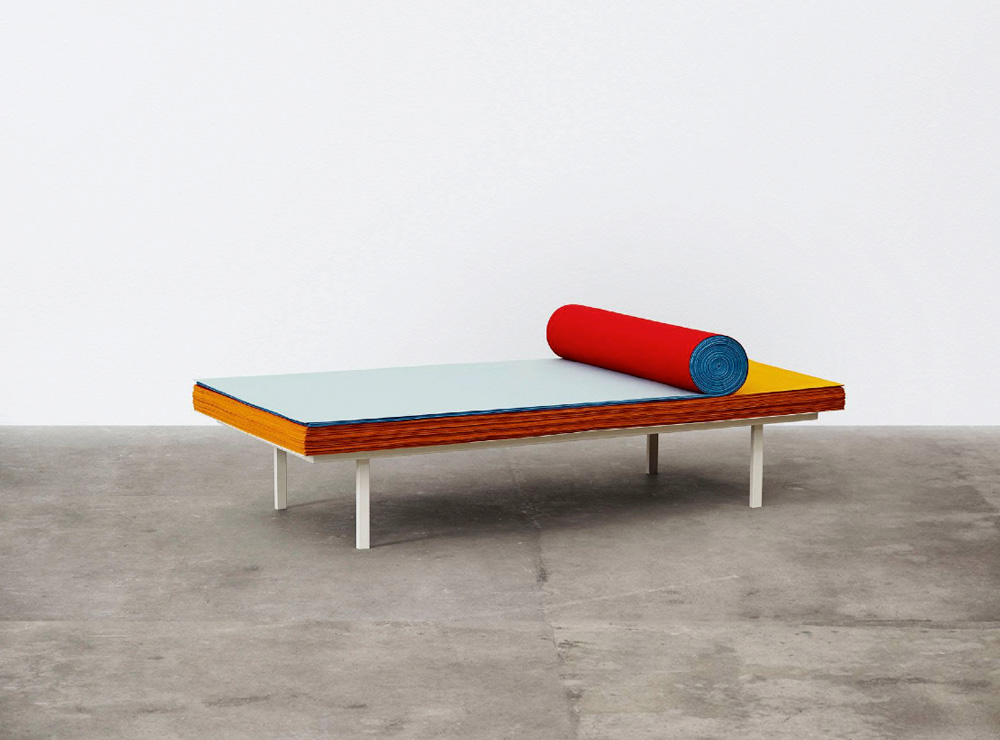
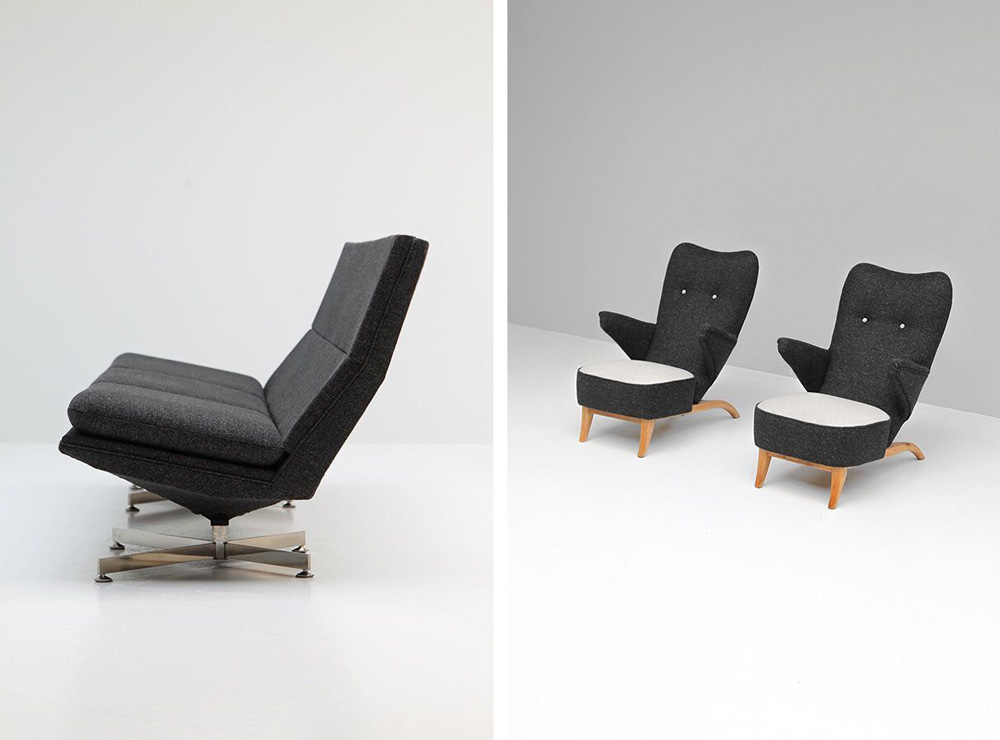
    The Penguin chairs for City Furniture and the Daybed for Muller van Severen/Kvadrat (both pictured below). I was involved from the inception of the project. It’s a very clear design although the 60 pieces Divina fabric were cut and placed/rolled by hand.

    What are Cover & Couch’s future plans?

    Improving my business and setting up an e-commerce platform for my cushions – a new collection is coming up soon. I’m experimenting with silkscreens on fabric and leather and more prototyping would be great.
    Future-Positive-Cover-Couch-6 Future-Positive-Cover-Couch-5
    Studio images and portraits of Sophie by Ilse Liekens
    Chair images by City Furniture
  • Insecta Shoes

    Insecta Shoes

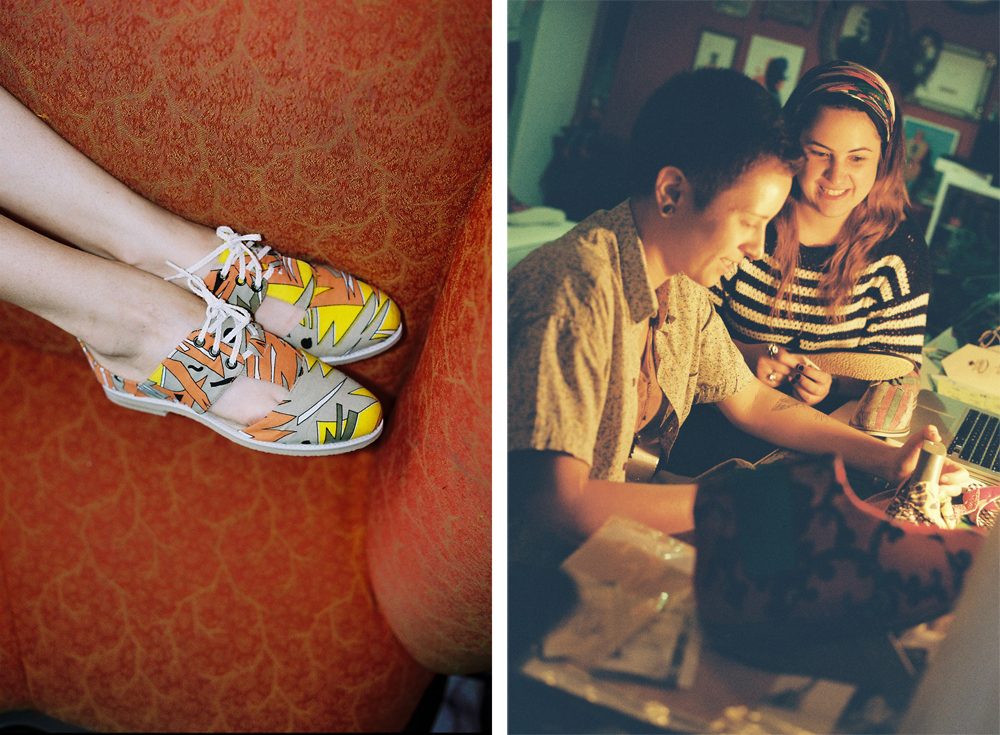
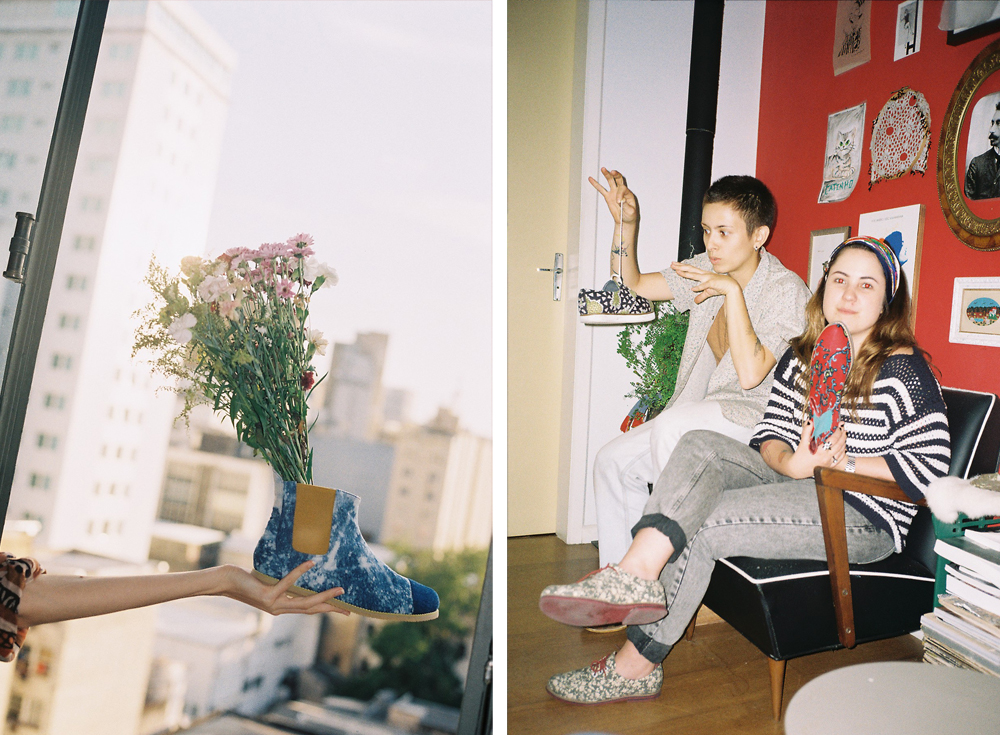
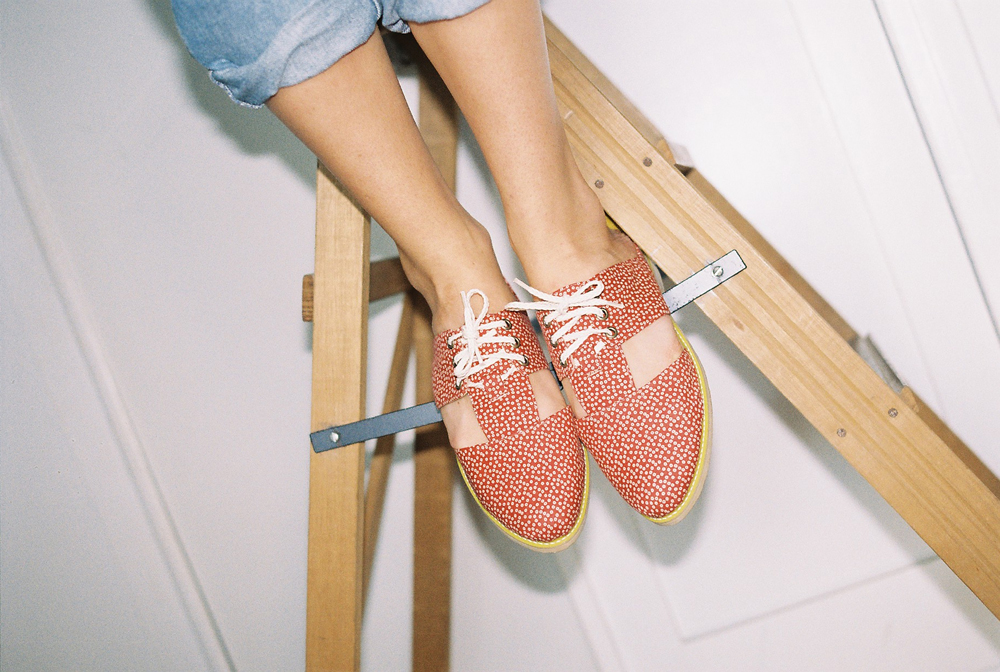
    Pamela Magpali and Barbara Mattivy are the founders of Insecta Shoes, a Brazilian shoe label transforming fabrics and prints from vintage clothing into vegan footwear.

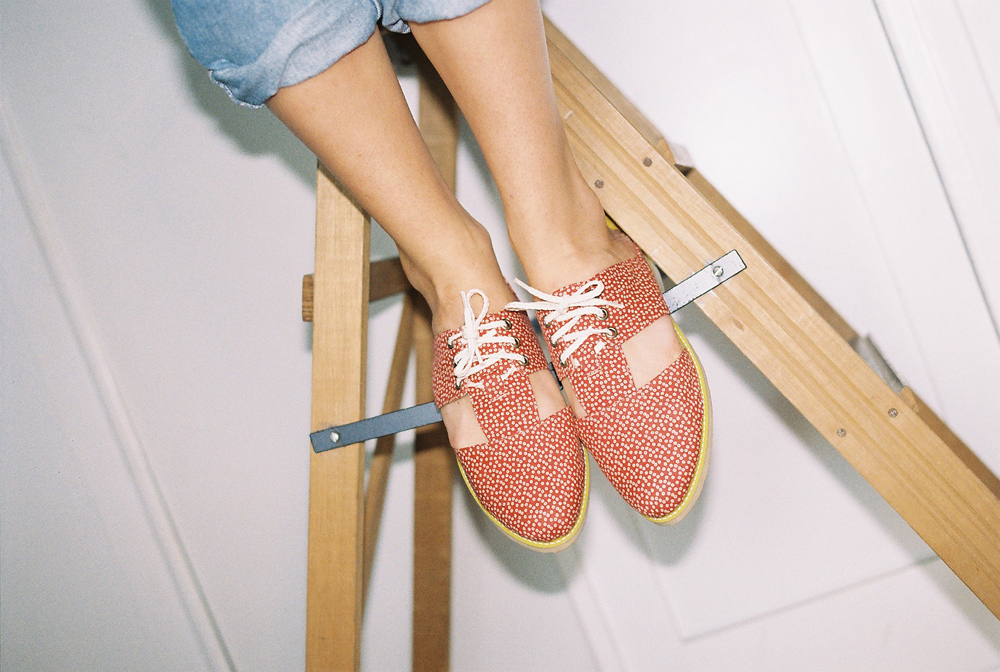
    Insecta Shoes‘ Oxford shoes and Chelsea boots are made in Brazil, handcrafted in limited numbers and every single model is unique.

    To find out more about this innovative enterprise, we asked its founders about their background, the manufacturing process and the future of Insecta Shoes.

    Photos by Miguel Soll

    What made you start your own shoe label? What was your background before Insecta?

    I worked in fashion and digital marketing for years, and also ran an online vintage store. Pamela is a shoe designer and she had her own shoe label for one year. One day we met and we both loved each other products, so we talked about creating a collaboration between both brands. I had some really over sized vintage shorts and blazers that had amazing prints but I never had the time to adjust the sizes, so she suggested we could make shoes out of these clothes. I absolutely loved the idea, and that is how our 1st collaboration was born. Everything sold very well, and we did a second one, that was even a bigger hit.

    I was moving to Canada and needed someone to help me manage my business in Brazil, so we partnered and created Insecta Shoes. We launched in January 2014 and everything is going super well. We’re growing organically but pretty fast, which is great but scary at the same time.

    We’re interested in knowing a little more about the process you follow to design and manufacture your shoes. could you tell us about it?

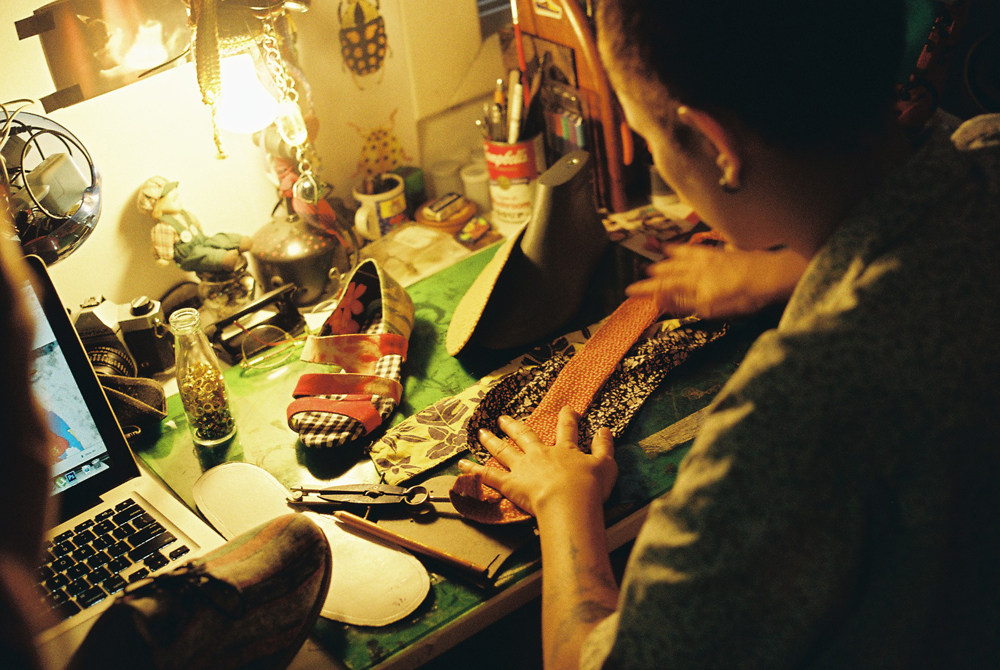
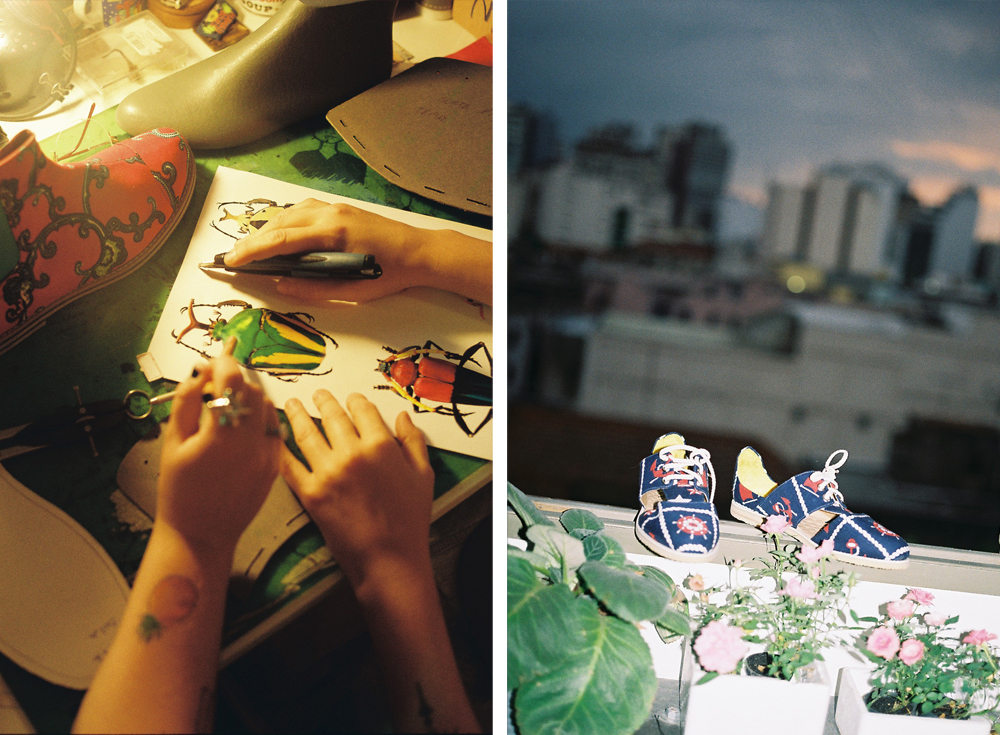
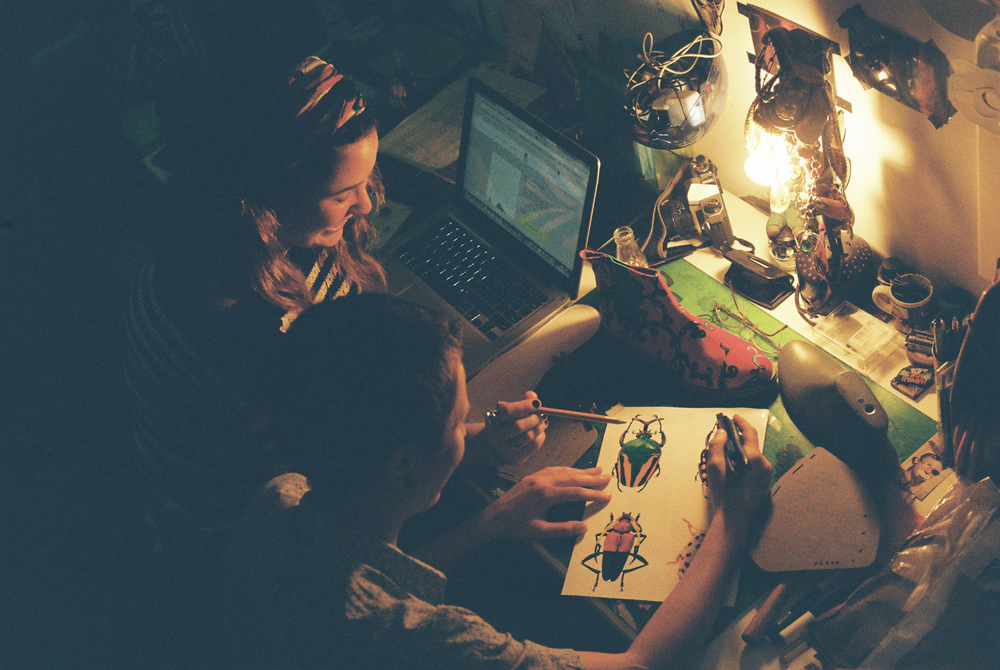
    Sure! The video below illustrates how everything is done. First, we design the shoe and create a real sample from it. We test it, tweak and adjust, and them approve it. This is what Pamela does while I’m sourcing and hand picking all the clothes from vintage suppliers. Then we deconstruct the clothes by hand and back them with a thicker fabric. All the raw materials go to our little atelier and they produce the shoes according to our combination of design, prints and colors of soles and lining.

    Insecta Shoes by Volt Project from Insecta Shoes on Vimeo.

    How do you source the clothes you use to manufacture your shoes? 

    They’re all handpicked at vintage suppliers or vintage/thrift stores in North America. It’s cool because sometimes we find really great prints in clothes that have a terrible fitting and probably no one else would wear them – we give a new use for that piece of clothing. We love this part of the production process because we have so much fun hunting for prints, it’s also very nostalgic. Once we found a cook/chef pair of trousers with an amazing vegetables print, we went nuts! Eggplants, cabbage, tomatoes, all over!

    All your shoes are unique. Have you worked with a print/fabric that you wish you could have used for more shoes?

    Yes, definitely! It’s a pro and a con to have such exclusive shoes. There are fabrics that we were able to produce 3 pairs with and that’s it. We wish we had the best ones for each of us and for our customers, but it’s impossible. But the great part of it it’s that no one else in the world will have the same shoes as you, not even the slightest chance for this to happen!

    Have you thought about expanding Insecta shoes to other type of products?

    Yes, absolutely. We have tons of ideas coming up in the next months, for the shoes and for other products. We can’t tell much right now, but there are amazing things on the way 😉