Tag: uk

  • Saving for a Home as a Couple: Financial Tips That Work in the UK

    Saving for a Home as a Couple: Financial Tips That Work in the UK

    Saving for a home as a couple tends to go better when both people are honest from the beginning. That means talking properly about income, debts, monthly outgoings and whatever savings already exist, rather than vaguely agreeing to “save more” and hoping for the best. It’s also worth setting a realistic target based on the kind of property you could actually afford. In the UK, first-time buyer mortgages commonly require at least a 5% deposit, though many buyers aim higher to access better mortgage deals. 

    First-time buyer affordability remains stretched in 2026, with house prices still high relative to earnings, which is exactly why a shared plan matters. A clear target and timeline won’t solve everything, but it does stop one person sprinting while the other thinks it’s a gentle walk. 

    Image via Unsplash

    Create a Joint Savings Strategy That You Can Stick To

    Once the goal is clear, the next step is building a system that actually works in real life. For some couples, that means opening a joint savings account purely for the deposit. For others, it’s more practical to keep finances partly separate while setting up standing orders into a shared pot each month. 

    There isn’t one perfect way to manage money as a couple. Joint arrangements can help with shared goals, but plenty of couples prefer a hybrid approach that keeps some independence while still working towards the same outcome. That tends to be the sweet spot for many people: teamwork without feeling financially swallowed whole.

    Use Lifetime ISAs and Other UK Saving Tools

    If at least one buyer is a first-time buyer, it’s worth looking seriously at a Lifetime ISA. The government currently adds a 25% bonus to savings, up to £1,000 per year, on contributions of up to £4,000 annually. If you’re buying with another eligible first-time buyer, you can both use a LISA towards the same property, which can make a noticeable difference to how quickly a deposit grows. For couples under 40 trying to buy in the UK, that’s one of the most useful savings tools on the table. It’s not magic, obviously. But it is free money!

    Choose a Property Type That Matches Your Budget

    Saving is easier when the target property is realistic. That might mean considering flats, smaller homes, different locations or properties with lower ongoing costs. For some couples, a new build home can look more financially manageable when energy efficiency, warranties and lower maintenance costs are factored into the wider budget, especially in the first few years of ownership. 

    The Home Builders Federation says 87% of new builds have an A or B EPC rating, compared with less than 5% of older properties, and recent HBF figures also say new homes save owners an average of £420 a year on energy bills compared with older homes. Those savings won’t replace a deposit, but they can make monthly budgeting feel less punishing.

  • Lockdown Stories: Safomasi

    Lockdown Stories: Safomasi

    Lockdown Stories is a series of short interviews with creative entrepreneurs and businesses that have been affected by the COVID-19 crisis. Since its beginnings, the main goal of Future Positive has been to share inspiring projects happening all around the world and, during these strange and difficult times for independent businesses and creators, we want to continue providing support and visibility. If you’d like to be featured in this series, please get in touch at hello@thefuturepositive.com and tell us your story.

    Safomasi
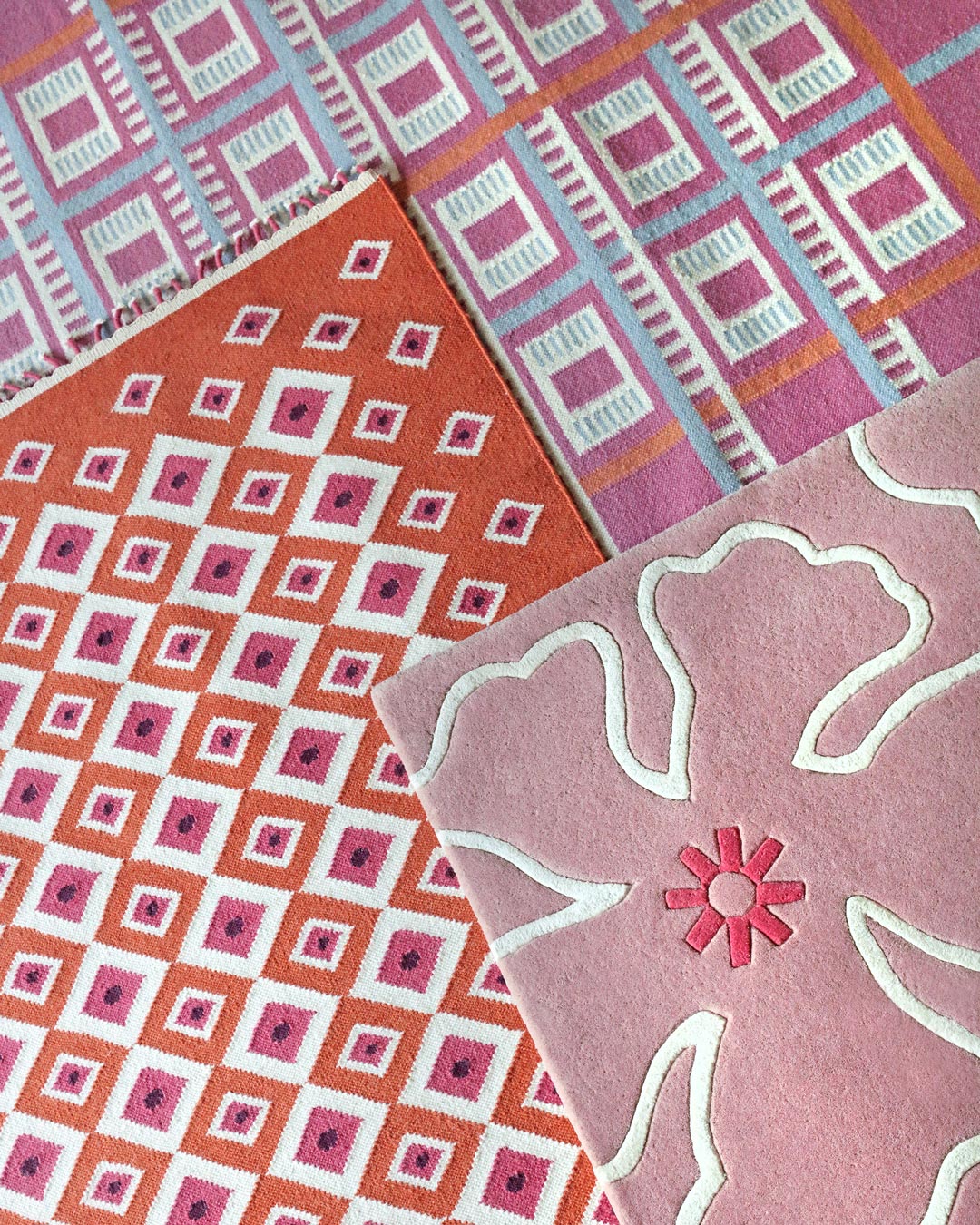
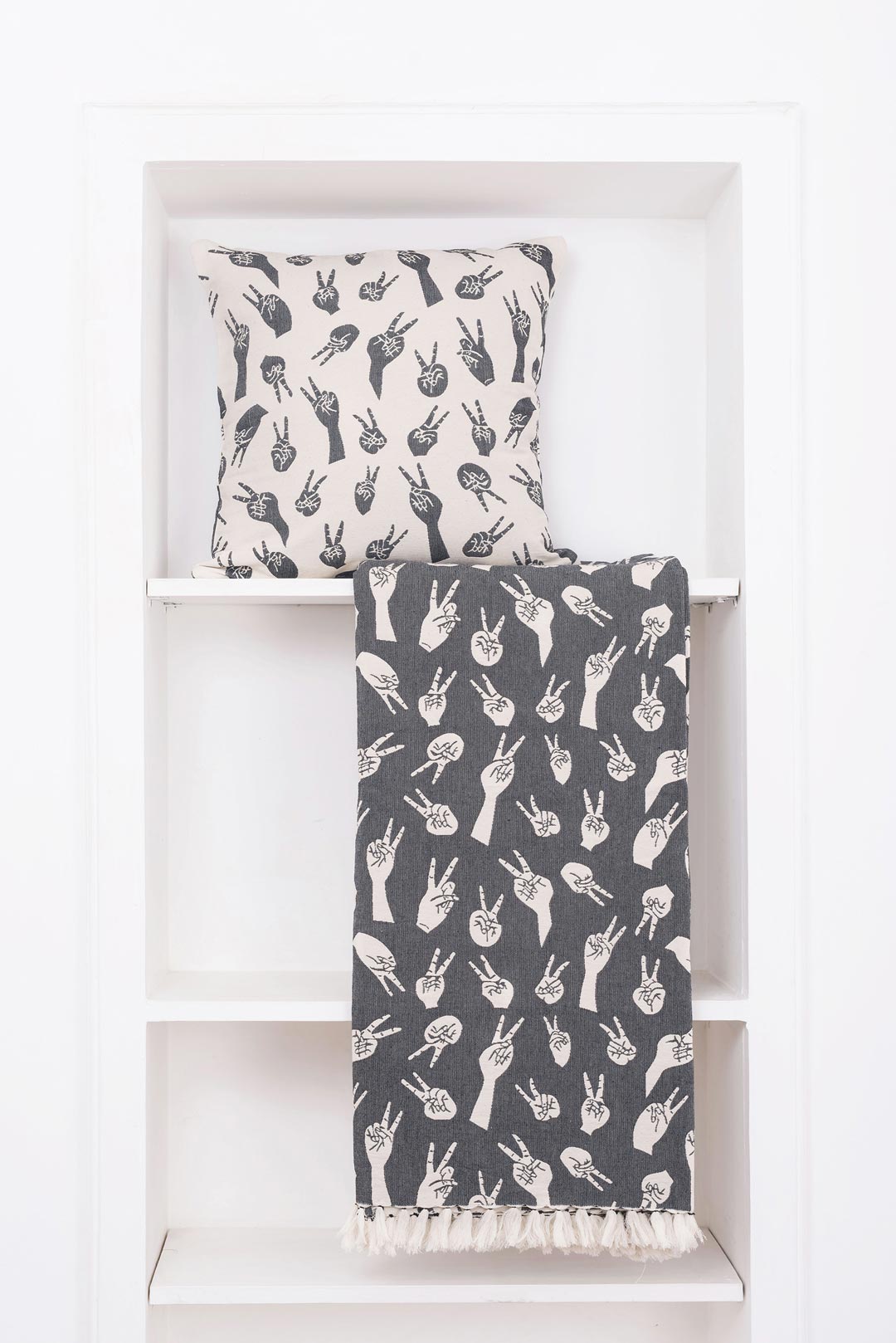
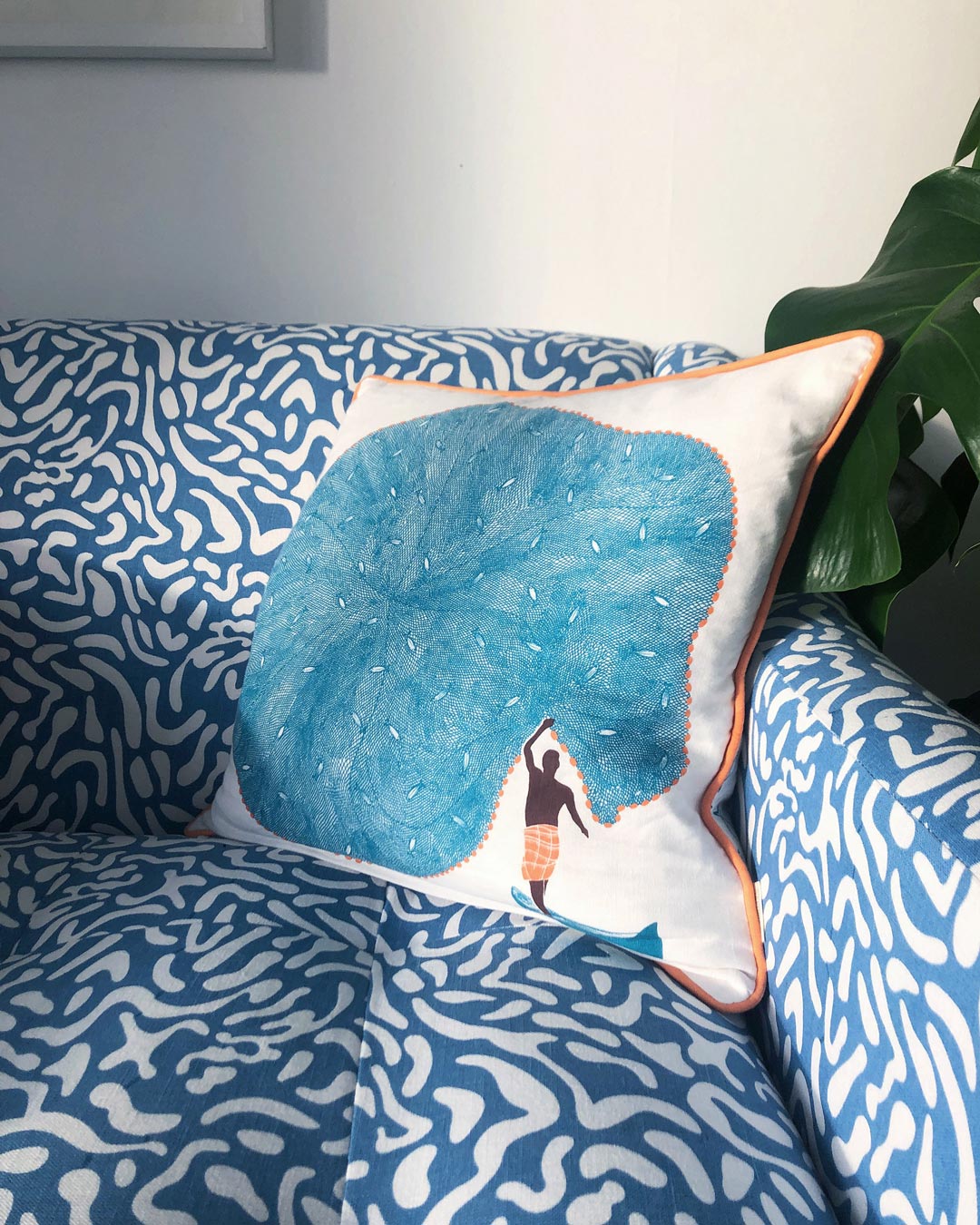
    Original illustrated fabrics, homewares and accessories designed to bring joy, colour and character into your home.
    Location: St. Albans, UK & New Delhi, India
    www.safomasi.com

    When did the lockdown start for you and how has your business been affected?

    From the beginning of March things had started to slow down and, by mid March, we had an order cancelled. It was for a hotel store, so as it became apparent how serious the situation was becoming worldwide they understandably decided to pull all purchases. A big project planned for the second half of this year has also been put on hold for now.

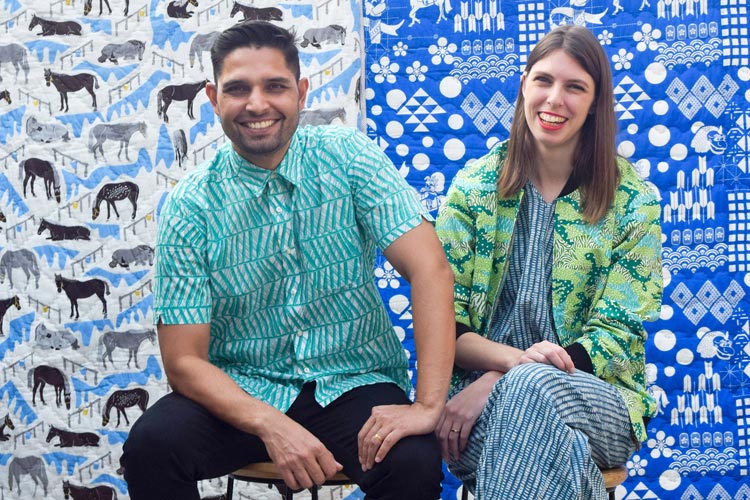
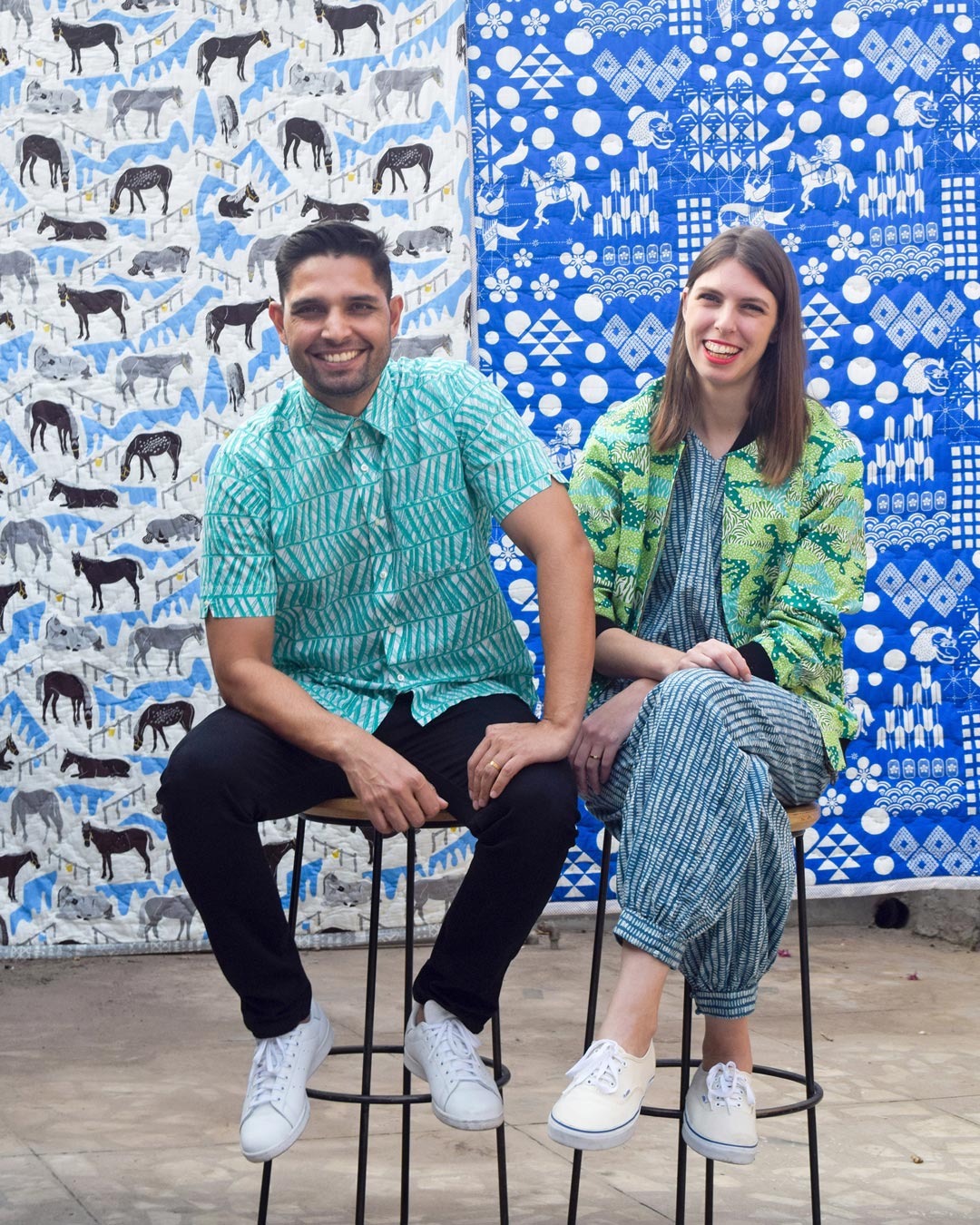
    Last year Sarah and I moved to the UK, but at least one of us travels back to our studio in Delhi a few times a year. In the UK we work from home, so when the lockdown came into effect on March 23rd, aside from not being able to go out for meetings etc, it didn’t seem all that different to us. India went into lockdown two days later, so our studio there has been closed ever since. We are relying on savings to pay salaries and rent whilst we have very little income. Our only income has been from online sales which we are very grateful for. But as most of our inventory is held in our studio in Delhi, we’ve been unable to ship so sales have slowed.

    This week the lockdown in Delhi was extended for another two weeks, but measures have been eased so some of our staff are now able to get to the studio safely and we can slowly start working on shipping out orders, which will help a lot in being able to promote our website. We have fabric samples with us in the UK, so have still been sending out requests to Interior designers. It’s good to see some projects are still happening. However I think the impact will last for quite some time.

    Have you found any new ways of working or have come up with new product ideas during this time?

    Before lockdown we were developing new products and base fabrics, but those are paused for now as our focus is on sustaining the business to get through the next few months. However we are enjoying having time to play with print ideas that we can keep aside for the future.

    Having businesses based in two countries, we have always used technology to communicate with our team, and as such our production process is pretty streamlined and smooth. But for the development of new prints we always like to be present. It would be possible to do it from afar, but we like being hands on and involved directly in the sampling. There’s no rush, but it is a bit unsettling not knowing when we will be able to get back.

    What are some of the positive takeaways you have experienced during this time?

    Despite the challenges and pressures it has been really good to have time to think about where we want to take our business. We have been running Safomasi for over 7 years and on a personal level, this enforced break is probably what we needed.

    How do you see your business evolving over the next few months?

    Over the next few months we want to start growing the design side of our business. We occasionally work on illustration, print and textile design commissions, so alongside our online store, that’s definitely an area we want to evolve more.

  • The Future of UK’s Independent Ceramic Industry

    The Future of UK’s Independent Ceramic Industry

    The UK has always been associated with ceramics and pottery and, over the past few years, the country’s ceramic industry has gone through a revival thanks to independent makers and designers celebrating craftsmanship and using social media to connect with their customers. According to data, the sector grew 45% between 2009 and 2013, and since 2013 the employment in this industry has kept on increasing.

    To find out about the current situation and what’s next, we chatted with 4 ceramicists and potters across the country to hear their views and predictions.

    Olivia Fiddes

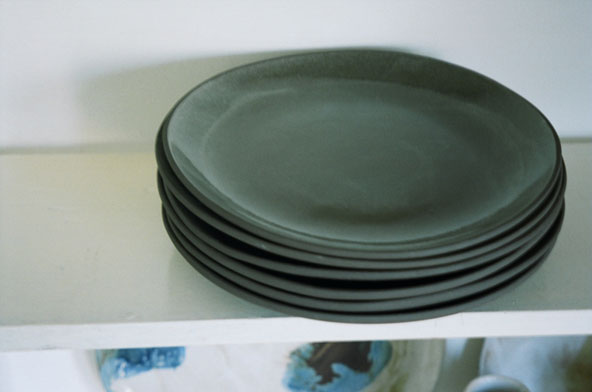
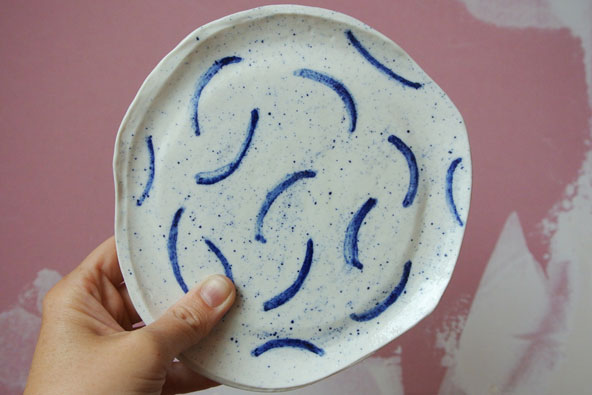
    Olivia Fiddes is a Scottish ceramic artist based in London that creates homeware and objects using hand building techniques. When asked about why ceramics have become so popular over the past years Olivia says “There’s clearly been a shift away from ‘fast-fashion’ and consumption to more support for local, ethical and traditional businesses. Even if you aren’t able to be a ‘maker’ yourself you can be involved in that lifestyle by supporting makers and by having these goods in your home. I think shops and businesses definitely see this and have looked to sourcing products from artists, designers and craftspeople who value quality and self-expression. As a customer there is nothing more special than a one-off or limited run product, which handmade ceramics tend to be.


    Photo by Olivia Fiddes

    For Olivia, this shift in the way we consume products is also influenced by the current financial situation, “We’re spending rather than saving our money more because houses and families are more distant. We’re willing to spend money enjoying our everyday and living in the present, whether that is on special tableware, a holiday or going out for meals.


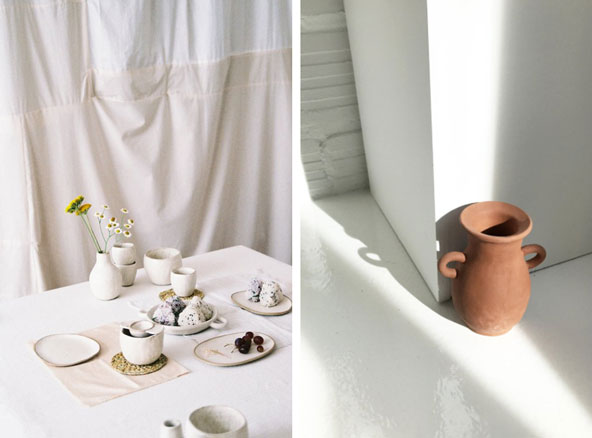
    Photo by Johanna Tagada / Photo by Association

    Ana Abellán

    Spanish ceramicist Ana Abellán started working with ceramics 5 years ago after moving to Edinburgh and attending an evening course for adults. Ana agrees with Olivia when it comes to the value of owning something special, “We all want to have unique things, things that have a meaning – I really believe in quality over quantity. I don’t want to have ten cups made with a machine somewhere in China, I’d rather have one handmade cup that has some kind of special energy“. The way we live right now has also influenced how we interact with things around us and Ana thinks that “Society has lost the connection with nature and beauty. I think we need to relearn how to slow down and appreciate the beauty inherent in simple things we have around us, although I am the first one on that list – I am always rushing everywhere trying to get too many things done.


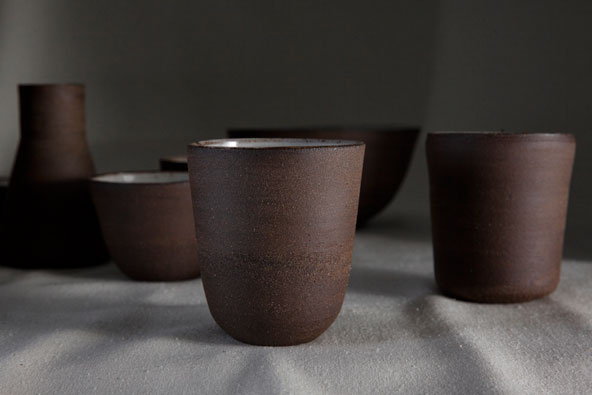
    Photo by David Guillen

    When asked about what ceramic artists need to do to supply customer needs in the near future Ana says that “Ceramic artists have done a great job over the last few years, promoting themselves, sharing more and making ceramics more attractive. Getting in touch with customers and listening to them is important, as well as being affordable but valued.


    Photo by David Guillen

    Home Thrown Studio

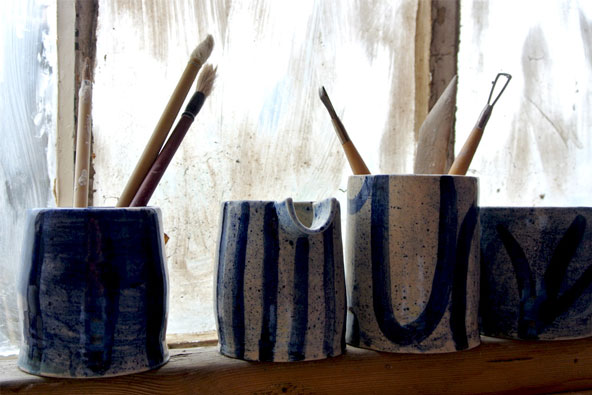
    Gem Mordle from Home Thrown Studio also got interested in ceramics after taking up an evening class when she moved to Dorset 8 years ago. For Gem, the recession has had a positive impact on consumer behaviour, “I’ve definitely seen a rise in appreciation for ceramics and everything and anything hand crafted over the last couple of years. People want to spend their money on objects or clothing that are hand made and have a sense of authenticity about them. Lots of my customers seem to really appreciate the personality of my wares and the fact they are all original and have a story. It’s also really nice to be able to meet customers face to face at local markets, as so much shopping is done online these days.


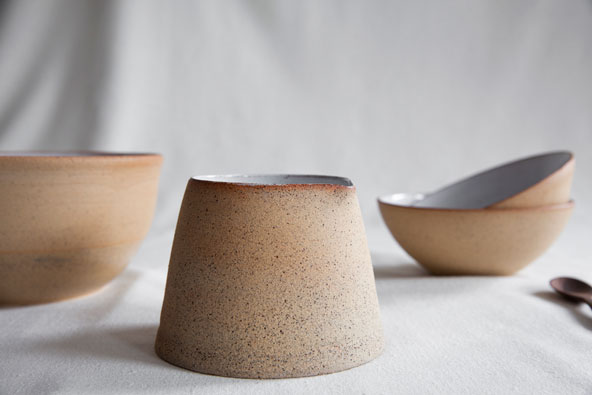
    Photo by Home Thrown Studio

    Despite oversees manufacturing and the easy access to cheap homeware, Gem feels positive about the current situation of the industry and its future, “I feel over the past years that ceramicists and potters are being put back on the map. There has been a bit of a revival with the Great British Throw Down, the Kickstarter campaign for The Clay College in Stoke and a handful of universities are starting up their ceramic courses again so I think we can be hopeful. I am inspired daily by the ceramic community on Instagram, and feel that social media is a great platform for contemporary potters to exhibit their work and keep in touch with their customers.


    Photo by Home Thrown Studio

    Natalie J Wood

    Scottish designer Natalie J Wood studied at Gray’s School of Art and felt attracted to ceramics due to its complexity and flexibility. For Natalie, social media has played a key role in the development of her businesses and educating customers about what’s behind a product, “It has helped me connect to new audiences. To promote events I’m linked with. I feel as a designer/maker Instagram has been a great platform for visual based work. You can instantly gauge what about your work people connect to the most. It challenges you in a way to create a larger story with your work. Now people want to understand more about behind the scenes and how making is a part of your life. In turn that gives the work more value because people can understand it on more than just a visual level.


    Photo by Sean Dooley

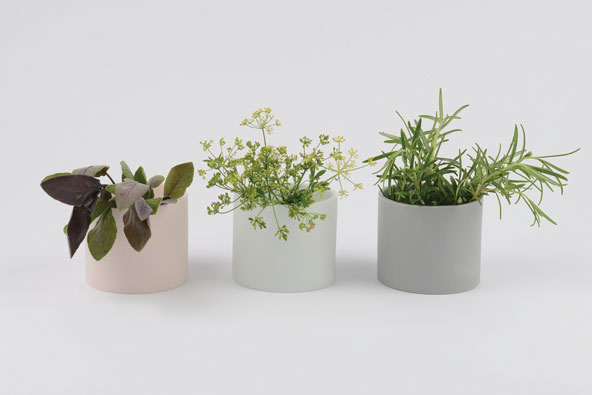
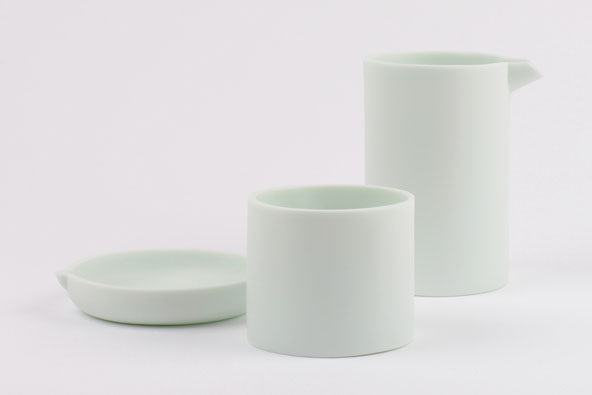
    Natalie considers function an important factor for current and future customers, “I think the industry is becoming more about micro manufacturing and independent brands. People are becoming more concerned about where the products they buy are coming from and having a story behind a piece makes it something special. I also think that in a backlash to throwaway culture our society is less about the ornate and there is a rise in the beauty of function. Objects that have purpose but also become decoration. I know I sell water carafes but a large number of people use them as vases, which I think is great! I’ve been a long time advocate of the William Morris quote ‘Have nothing in your house that you do not know to be useful, or believe to be beautiful.’ But I think now that use and beauty are becoming one and the same.


    Photo by Sean Dooley