Tag: publication

  • aesthetic/theories magazine

    aesthetic/theories magazine

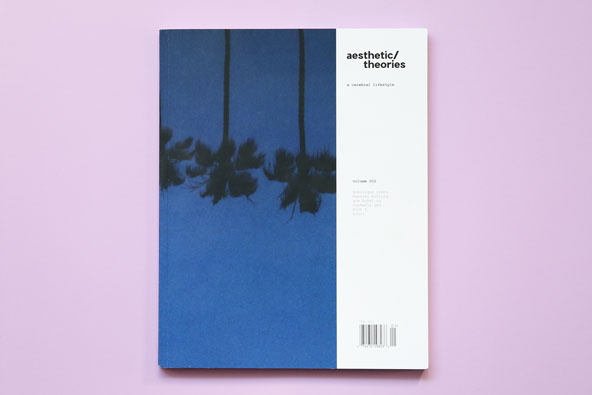
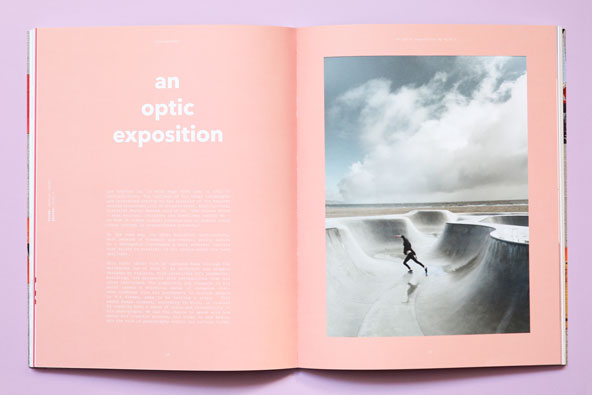
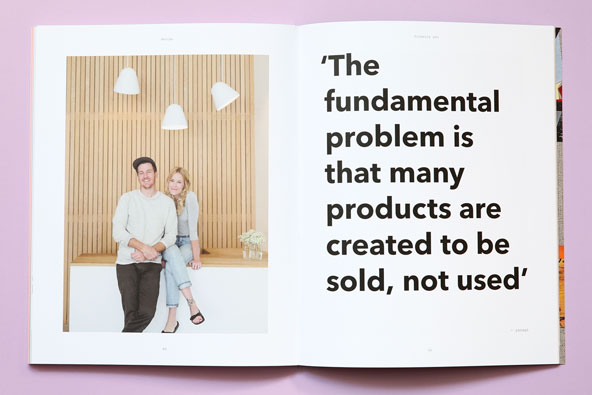
    Now in its second volume, aesthetic/theories is a biannual print publication focused on featuring artists, designers, intellectuals, and institutions that reflect and shape our cultural and creative patterns. We caught up with its editor, Samine Joudat, to discover more about how the magazine started, the influence of Los Angeles and what we can find in volume 2.

    www.aesthetic-theories.com

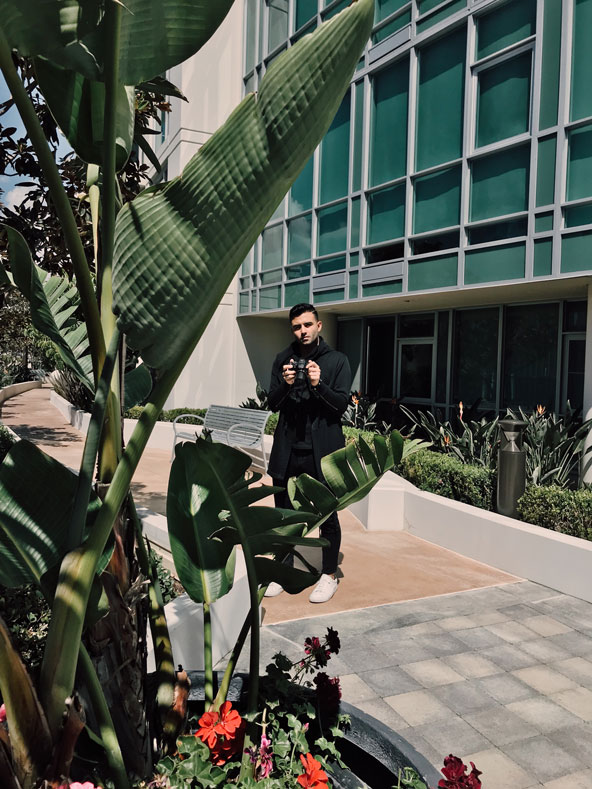
    Samine Joudat’s portrait by Bailey Warhol.
    What made you start aesthetic/theories and how did you put together the team behind the publication?

    It started from a point that was the convergence of a few different factors. The idea had been in my head for a long time. Not necessarily that of a publication, but an idea that, in some form or another, would be investigating humanity on a broad scale and linking together big fields that people often treat in silos. Photography, art, philosophy, architecture, design, and even technology and sport are often just different frames of reference expressing similar ideas or solving similar problems at their core. I’ve always been interested in philosophy and theoretical ideas of how humanity takes in experiences and conjures meaning out of them. Hence the name, which is a play on Theodor Adorno’s ‘Aesthetic Theory’, in which he traced the influence of art, music, and aesthetics on culture, and vice versa.

    Timing is the other factor. The impetus to give this thing actual life was me recovering from a serious leg injury that required 9 months of rehab. It changed the trajectory of what I was set on doing following graduate school – working in advertising in New York. My brief experience with the advertising world and the big advertising players was that, here is a field filled with a lot of really cool and bright people, who are being swallowed by their organizations’ antiquated natures. It was like: ‘we want you to be out of the box, but, like, not too out of the box. In fact, can you fit in this oval right here?’

    So, aesthetic/theories was at once both a curiosity to pursue while I was bedridden and, in my own way, a ‘fuck you’ to the advertising industry.

    The team came together very organically; it’s a fluid collection of my friends and my girlfriend, to whom I owe a lot of gratitude for pushing me to pursue this and supporting me throughout. We’re close and all collaborate really well and share complementary creative vibes, so it’s felt like a very natural process. My father and uncle, immigrants from Iran, have also been immensely supportive. Beyond the core team though, there has been so much ideation and collaboration and help from different people that I’ve come to know over the years or have just recently met. People who immediately support my vision for a/t and want to help and support what it stands for. So much so that it’s gotten me thinking of far-fetched ideas like a completely open-sourced magazine with as much of a democratic structure as possible.

    ‘Print magazine as blockchain’.
    Can you tell us about what we can find in volume 2?

    Volume 002 was about taking the broader ideas behind the birth of the magazine, as stated above, and narrowing them. It is, editorially, about exploring the inherent tensions between ‘art’ and ‘creativity’ and ‘profit’. We wanted to explore artists, designers, intellectuals, and institutions that are expressing their creative ethos authentically and resisting the tides of commercialization.

    You’re based in Los Angeles and the city is present in several articles in this volume, can you tell us about how it influences the publication?

    LA, like any great city in our world, embodies and reflects so much of our species – both in its good and bad. What people probably misunderstand about LA, is that it is a city both ethereal and gritty. Not just one or the other. It is a place that promotes endless aspiration alongside terrible but also beautiful urban realities. A lot of cities embody this trait, but LA’s ecology is so diverse, its geography so large, that it creates this on a huge scale – a vast expanse through which you can literally drive for hours for inspiration. Through the sheer scale of skyscrapers in downtown, to the creative hub of the arts district, to the surreal hills and palm trees of Hollywood, to the beaches of Santa Monica and Malibu, to the decrepit poverty of the marginalized, interspersed wherever they haven’t been pushed out yet. There is a lot of fascinating history here and a rapidly burgeoning creative scene that I think will soon rival New York’s best, if it doesn’t already.

    I should also mention that David Lynch’s Mulholland Drive had a big influence on the style and design of volume 002.

    What do you hope people experience when they read aesthetic/theories?

    I hope they think a little bit deeper about the things, people, and rituals they interact with every day and that they appreciate the role of beauty alongside function.

    How do you see aesthetic/theories evolving in the next volumes? Are you planning to experiment with the content and format of the publication?

    I can only speak about the short-term, and I’m really excited about volume 003. I can say that it will be centered around the ideas of ‘complexity theory’ – which is a field dedicated to exploring the rules governing dynamic systems, from architecture to ecosystems to social media and beyond. Like the idea behind aesthetic/theories, it is a very multidisciplinary field that attempts to find the common links present in seemingly disparate phenomena, in hopes of progressing humanity past its most challenging obstacles. The creative possibilities of an issue focusing on complexity theory are wild, so I’m really looking forward to it.

    We do have some cool ideas in the works behind experimenting with both content and format. Stay tuned. But we are dedicated to keeping the core idea of aesthetic/theories as a print publication, forever and always.
    What have been some of the biggest challenges you’ve faced since starting aesthetic/theories? What have you learnt?

    Lots of challenges. All sorts. I’m stressed thinking about them right now haha. Most have to do with the logistical and financial trappings of a creative start-up. But the biggest one of them all, I have ultimately learned, is strategic. In an ideal world, how big does aesthetic/theories scale if it resonates in the hands and eyes of its customer? I’ll keep you posted when we figure it out 😉

    The beginning of the 2010s saw a boom in independent publishing but it seems like it has slowed down over the past couple of years. What are your thoughts on the current state of independent publications?

    It’s tough for me to answer that because we have just recently entered into it, and so it feels like it’s not slowing down at all, with all the publications and events that seem to be popping up. There are extremely bright and talented people creating some incredible works that express incredible ideas right now in independent publishing. So there is no dearth of supply. The real question is the demand, and I think that is also the most interesting aspect. In terms of scale, no print publication will be able to rival digital anymore (probably). But there is a real opportunity to connect with young audiences that are being cluster-bombed with fleeting digital information, all the time. I am one of them. It’s really refreshing, in your downtime, to be able to actually pick up a beautifully designed object and read really good, relevant content inside. It’s something I think young people are hungry for and digital can’t provide.
     

  • The Grapevine

    The Grapevine

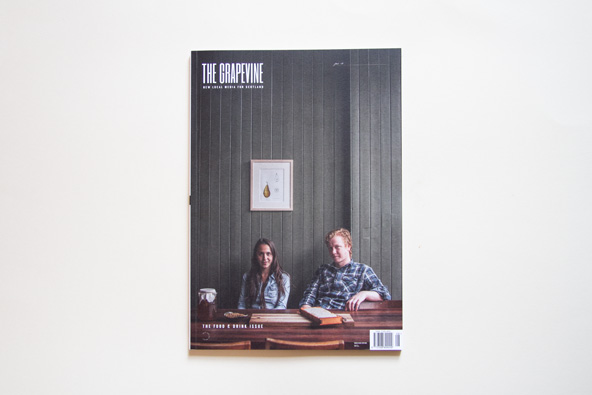
    The Grapevine is a bi-monthly magazine set out to bring Scottish communities into sharper focus. After a redesign and a new launch, the publication is now available throughout Scotland with the objective of offering something unique and different to what’s currently available in Scottish newsstands.

    We caught up with The Grapevine’s editor, Alexander MacLeod, to find out about what made him start his own publication and what readers can find in this new issue.

    www.grapevine.scot

    future-positive-the-grapevine-1

    Please tell us about why you decided to start The Grapevine.

    I’ve always enjoyed a diverse media diet. Growing up in the Highlands, Monocle and the FT were important ways to gain new perspectives from beyond my home patch – they were publications with purpose. With the Grapevine, I wanted to try and take that kind of ethos – sharp editorial, insightful writing, commissioned photography – and apply that in a localised setting. With no money but a band of brave advertisers, we released issue 001 as a free title on toilet-paper thin newsprint in the Highlands. It was a big risk, but our audience continue to prove us right.

    future-positive-the-grapevine-2

    How has The Grapevine changed from the first issue to issue 10?

    The title has gone through many iterations. I don’t believe in standing still. As our base has grown we’ve invest more time and money in content, paper, and distribution. The magazine is now released on beautiful paper, and is distributed across Scotland.

    Through all these changes, though, our driving ethos has remained constant: to bring innovators and change makers into focus, and shine a light on our communities.

    For this issue, you’ve redesigned the magazine – what were the main factors behind this?

    I wanted the magazine to reflect the quality of the content we were producing. Newsprint was great for a time, but we needed to be working in a better format. The redesign is a response to this, and means our photography and content – which has always been our biggest expense – now has a home to show it off as best as it can.

    future-positive-the-grapevine-3

    What is The Grapevine offering that you won’t be able to find in other similar publications?

    There’s been a huge flourishing of new titles in Scotland, which I think is in direct response to a traditionally stale, standard media landscape. I don’t see a title on the newsstand which is doing what The grapevine is doing, but I hope that changes. A rising tide lifts all boats, and we need more quality publishing in Scotland. Hot Rum Cow and Vanguards magazine are two good examples of ambition for print.

    future-positive-the-grapevine-4

    Could you give us a little preview about what readers can find in the next issue?

    Our next issue centres on crafty entrepreneurs – makers and artists who are defining what and how we buy. The issue ties into a fabulous winter gift guide, along with all our regular content. We also have an exclusive partnership with Scotland’s most celebrated painter and one of our most innovative fine art photographers which I can’t wait to share…but you’ll have to wait for that one!


    Save

    Save

    Save

  • Vanguards Magazine

    Vanguards Magazine

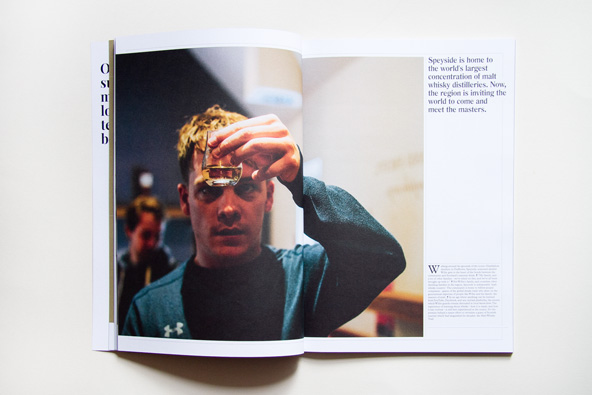
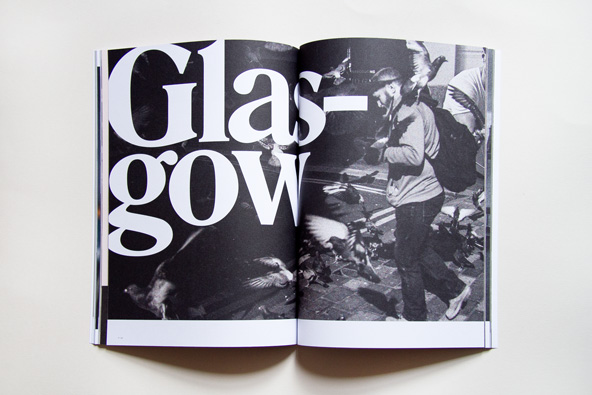
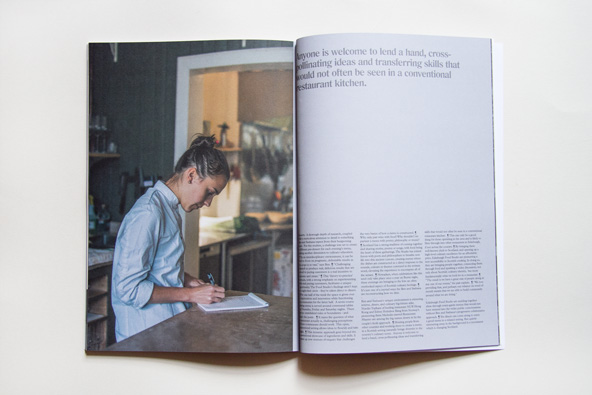
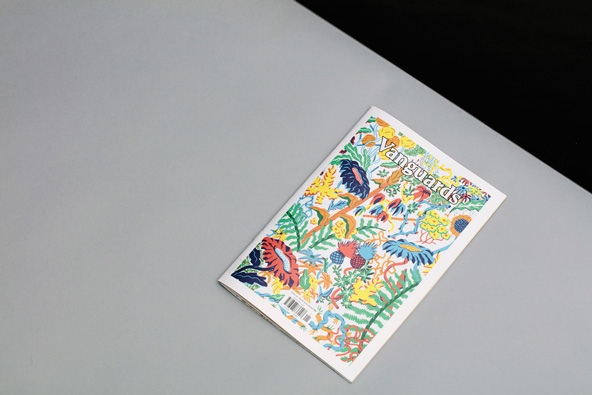
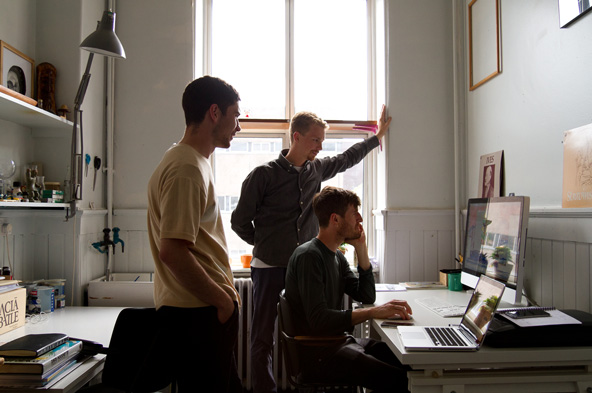
    Founded by James Roberts and Hugo Ross, Vanguards is a new magazine exploring and celebrating Scotland’s rich and diverse design and manufacturing tradition. We visited James and Hugo at the magazine’s studio just before the first issue was launched and we chatted about what made them start their own publication, what makes Vanguards different from the rest of independent magazines and their plans for the next issue.

    www.vanguardsmagazine.com

    Magazine photos by Peter Dibdin.

    Future-Positive-Vanguards-1-Low

    How did you meet and how did you decide to start a magazine?

    We met at Edinburgh University – day one of first year. We’ve both just managed to finish a 5 year degree in Fine Art but have developed passions in design, fashion and manufacturing.

    In the winter of 2014 we visited Laurence Odie, a Shetland knitwear manufacturer, and learnt about his incredible products and his factory’s incredible history. We wanted to tell his story, and educate people like ourselves, interested in quality clothing and fashion. We wanted to demonstrate how much of a significant player in the knitwear industry he is. Laurence promised us that there were far more untold and equally interesting stories out there in Scotland. Vanguards magazine is the culmination of a number of these stories, celebrating honest, thoughtful and quality brands.

    Future-Positive-Vanguards-4-Low

    Why did you decide to focus on Scotland’s design and manufacturing tradition as the topic for the magazine?

    Our passion and interest will forever revolve around design and manufacture – sharing that common interest in the first year of university, is the reason we became friends. Vanguards is most definitely a product of its circumstance – that fact that we are studying in Edinburgh, has everything to do with the magazine’s focus on Scotland. We are just incredibly lucky that Scotland has such a rich history and has an abundance of stories, brands and individuals to celebrate.

    Future-Positive-Vanguards-2-Low

    Could you take us through the different features readers can find in the first issue?

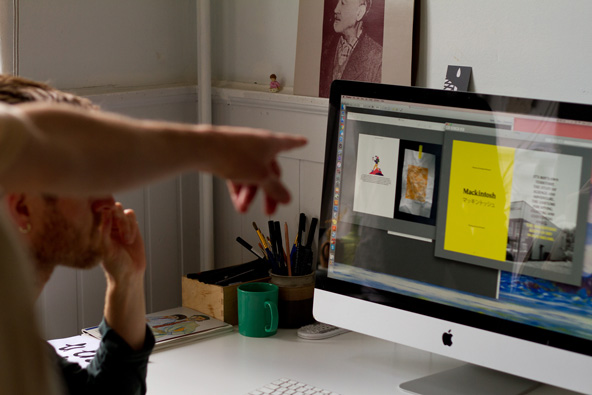
    There’s a great mixture of stuff in issue 1, from classic Scottish brand, Mackintosh, to an article on Loch Duart, a salmon fish farm on the north coast. We wanted to stretch the terms design and manufacturing as much as we could. So design can mean the work of textile designer, Bernat Klein (whose daughter is interviewed in the first issue), or it can mean the design of one of Black Isle Brewery’s organic beers. We also choose the word manufacturing to mean both the small scale, like Trakke’s bags, to the larger scale like Mackintosh’s raincoats. All the stories celebrate the brands and their products, whilst also using that as starting point to discuss issues like unsustainable manufacturing, or why we don’t buy into our own amazing knitwear, like Laurence Odie’s!

    Future-Positive-Vanguards-5-Low

    What makes Vanguards different to other independent publications?

    For a long time we were trying to identify our opportunity within the niche creative independent magazine market – although it is something we are realistically still working on – we strive for our features to be well rounded for our readers, and perhaps offer some meaning, instead of just offering well curated aesthetic photographs. We also think that our focus on one country over a prolonged period of time (instead of just one issue) sets us apart from other travel magazines. We really want to get to understand Scotland and share that with our readers.

    Future-Positive-Vanguards-3-Low

    You’ve just graduated from Edinburgh College of Art, what’s next? Are there any plans for issue #2 that you can share?

    We’ve been building Vanguards for the past 18 months, there are definitely enough features and stories out there for a second, third and even fourth issue. It is our ultimate desire to keep the dream going! Issue 2 is being discussed and we’re hopeful for its release in December. We’ll keep pushing the writing and the visuals, and have some really amazing brands we want to feature.

    We also want to collaborate more with the brands we feature to make limited edition products. To go with issue 1, we’ve produced a line of jumpers with Laurence Odie which really are the best jumpers we’ve worn!

    Future-Positive-Vanguards-6-Low

    Save

  • Bookshelf: Romka Magazine

    Bookshelf: Romka Magazine

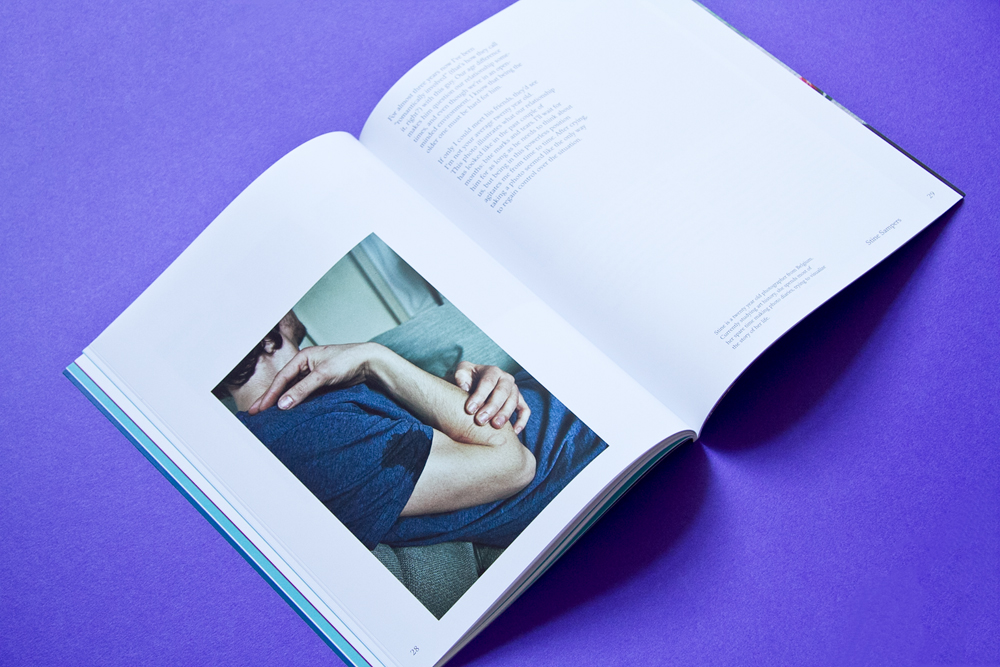
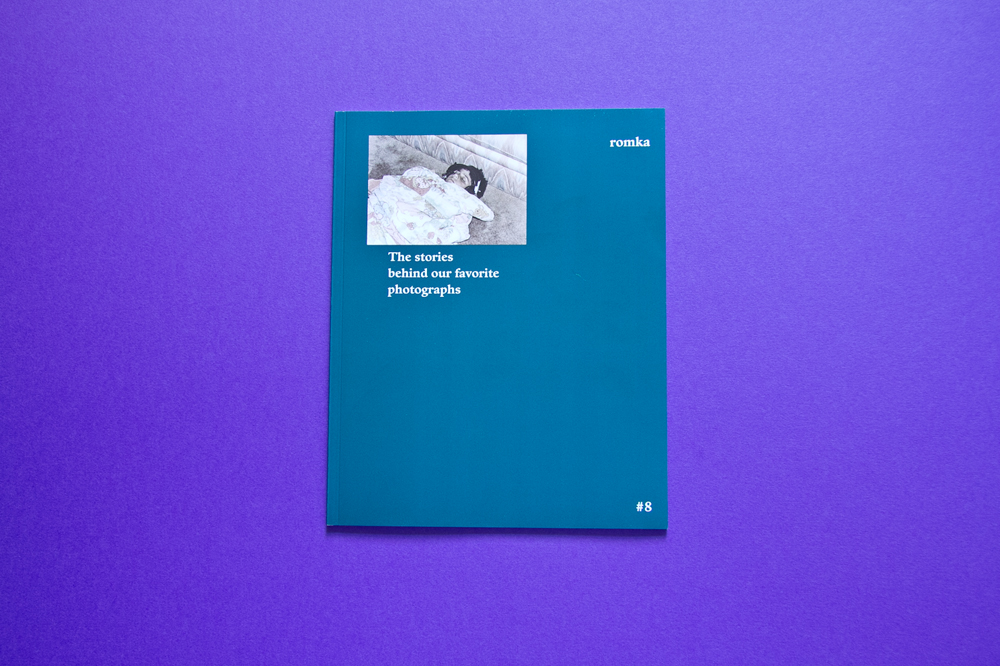
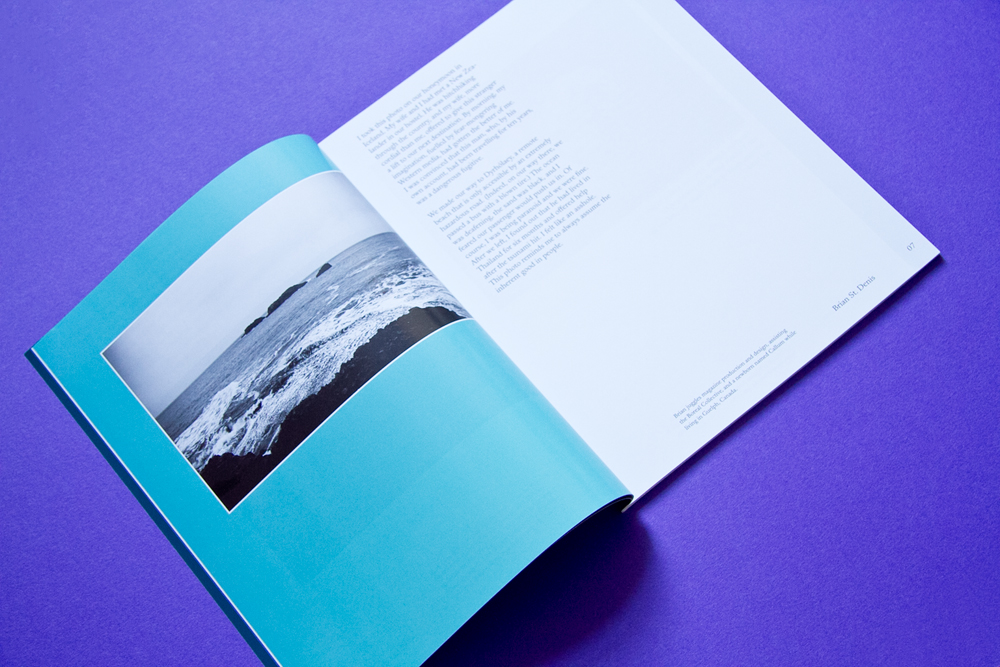
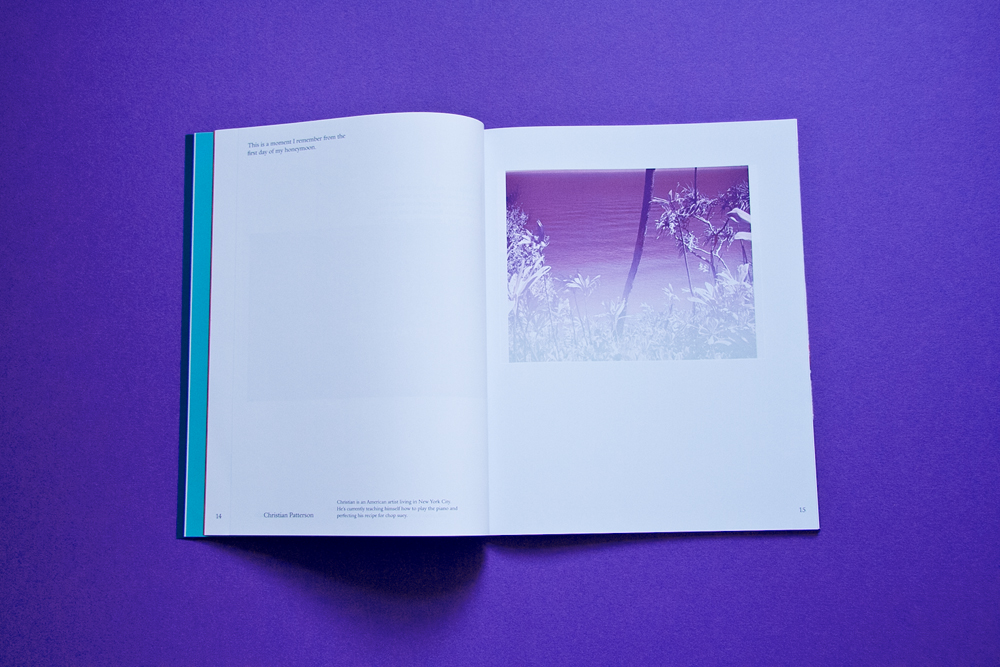
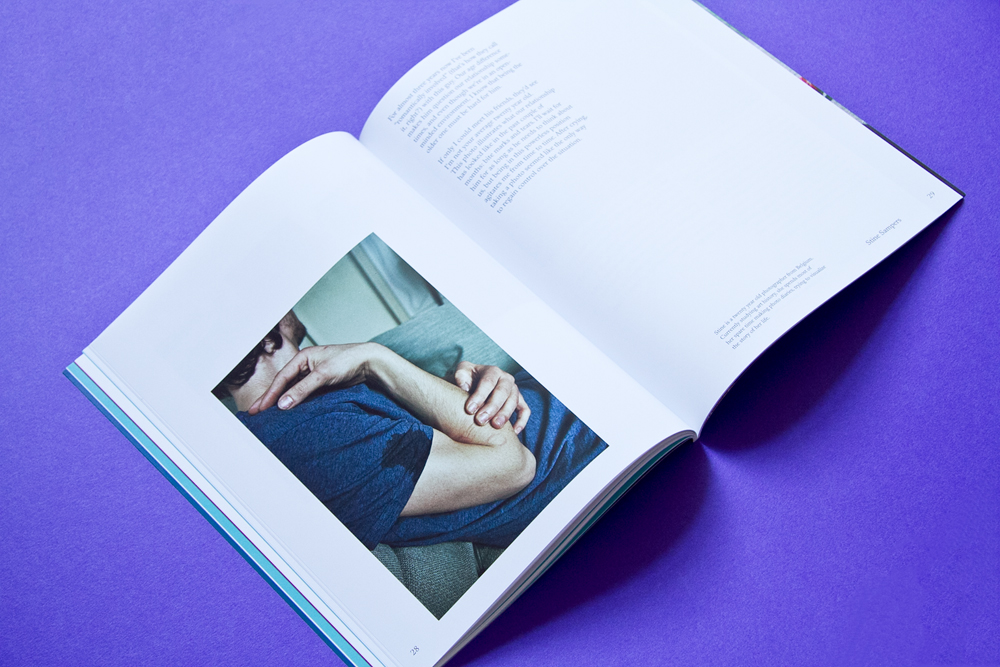
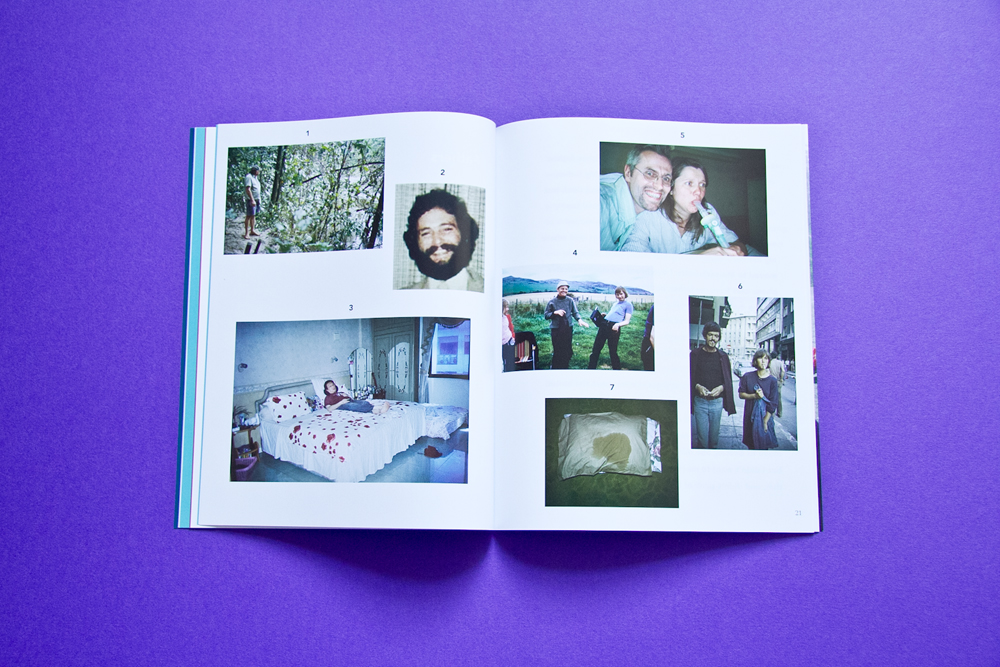
    Romka Magazine is a collective photo album in which people from all over the world share the stories behind their favorite photographs. Since its beginnings as an online magazine 4 years ago, Romka has featured over 300 people from 45 countries, presenting stories ranging from little anecdotes to the most intimate memories.

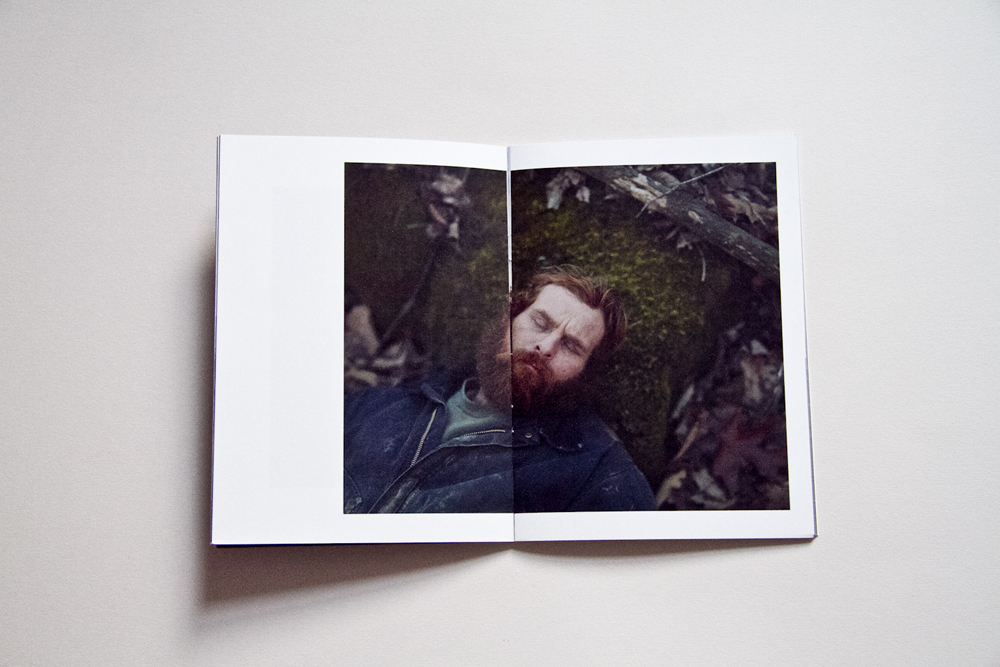
    Joscha Bruckert, the editor of Romka, sent us a copy of the magazine’s latest issue which was released a few months ago. Issue 8 features the work of 40 different photographers along with texts from the artists explaining what’s behind their photographs. Love, family, road trips and friendship are all central themes in the latest issue of this beautiful publication.

    The new issue of Romka will be released in December this year.

    www.romkamagazine.com

  • Bookshelf: Sunday Mornings at the River

    Bookshelf: Sunday Mornings at the River

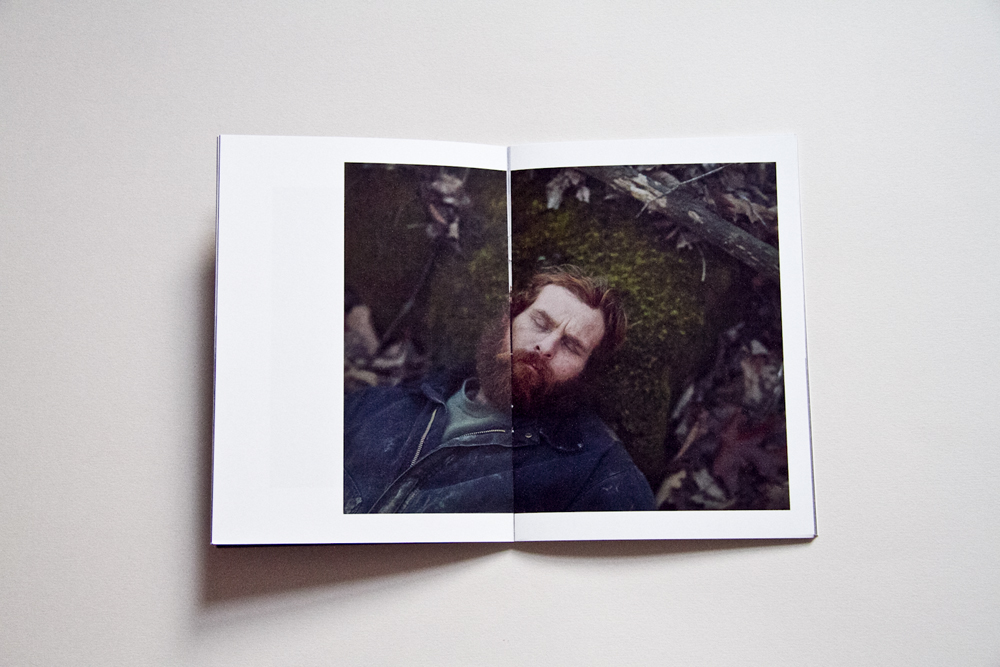
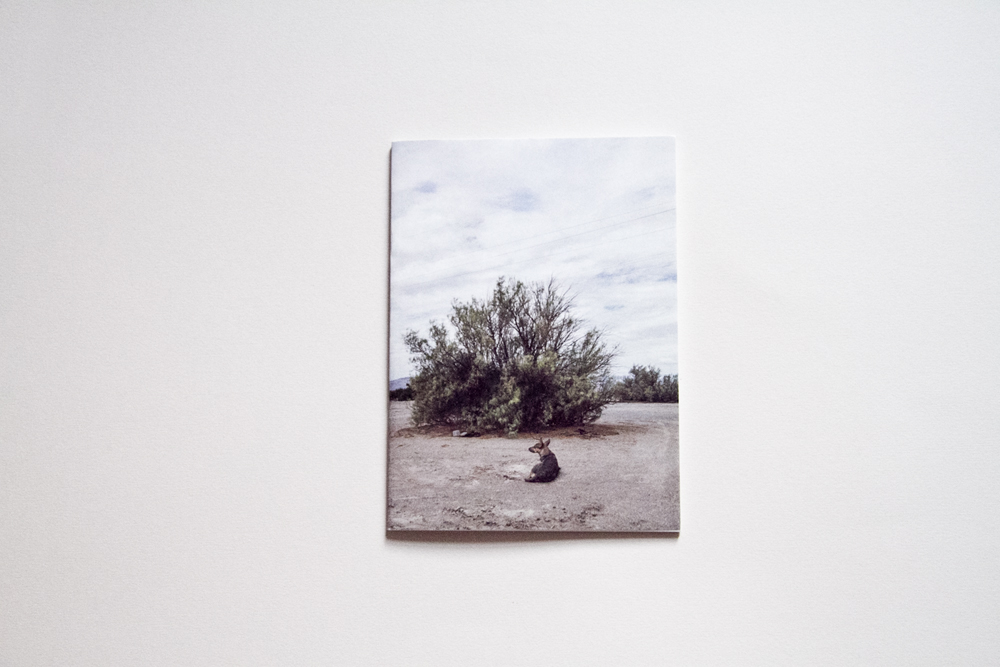
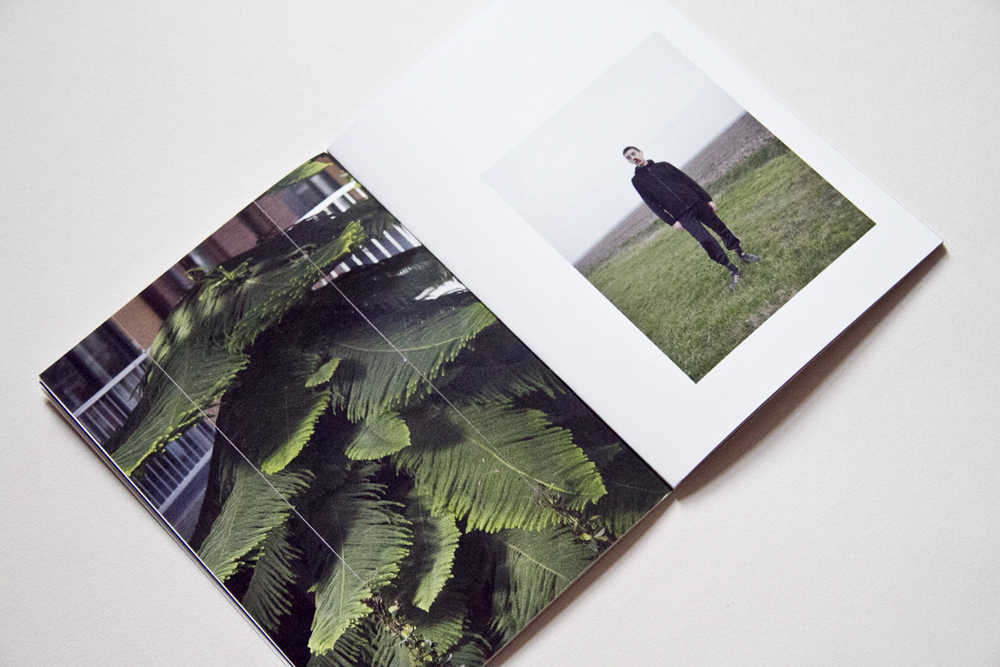
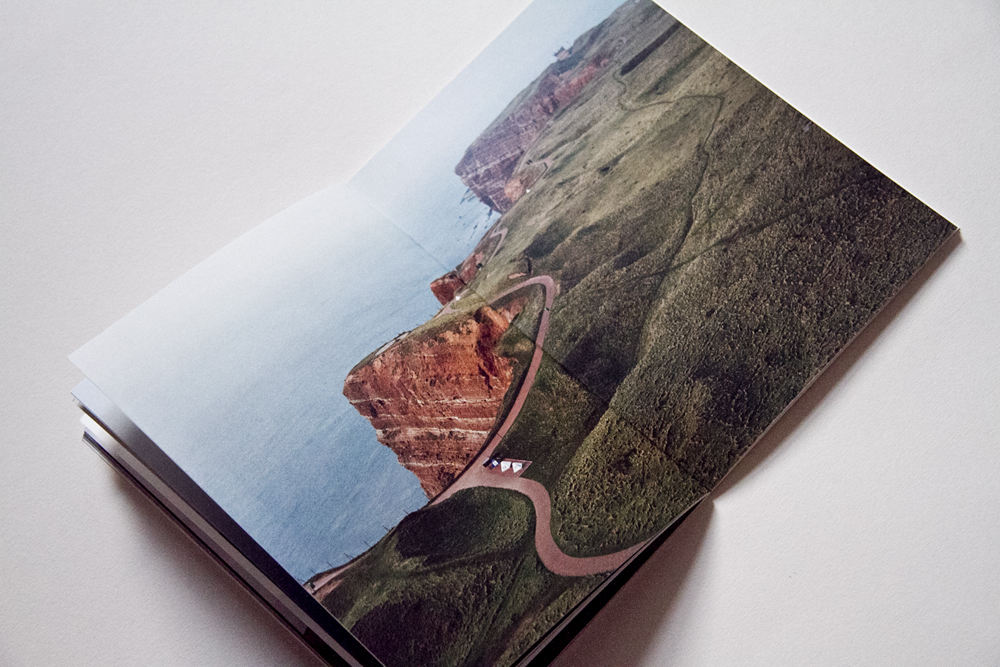
    A couple of weeks ago we received a copy of the second issue of Sunday Mornings at the River. This publication, curated and founded by Sanne Poppeliers and Rebecca Rijsdijk, is filled with the work of photographers ” who take their cameras with them on the road and into the mountains”.

    As inspiring as the first issue, the second installment of Sunday Mornings at the River features the work of emerging and established photographers such as Michael McCraw, Gerard Weitering, Alec Soth, Simon de la Court, Maarten Boswijk and Ariel Rosenbloom.

    A great publication to flick through every day of the week and not only on Sundays!

    www.sundaymorningsattheriver.com