Tag: product design

  • A O Ü T

    A O Ü T

    AOÜT is a French creative studio founded by Alizée Demetz and Camille Tricoire. As a multidisciplinary studio, they work on projects ranging from artistic direction and graphic design to product design.

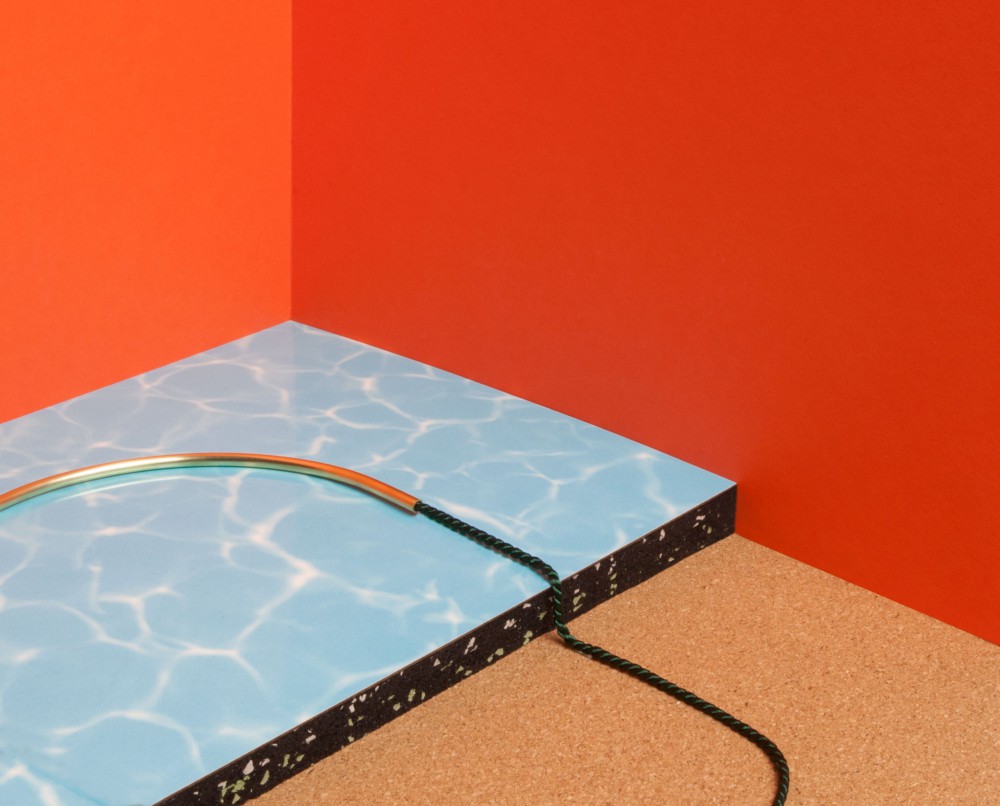
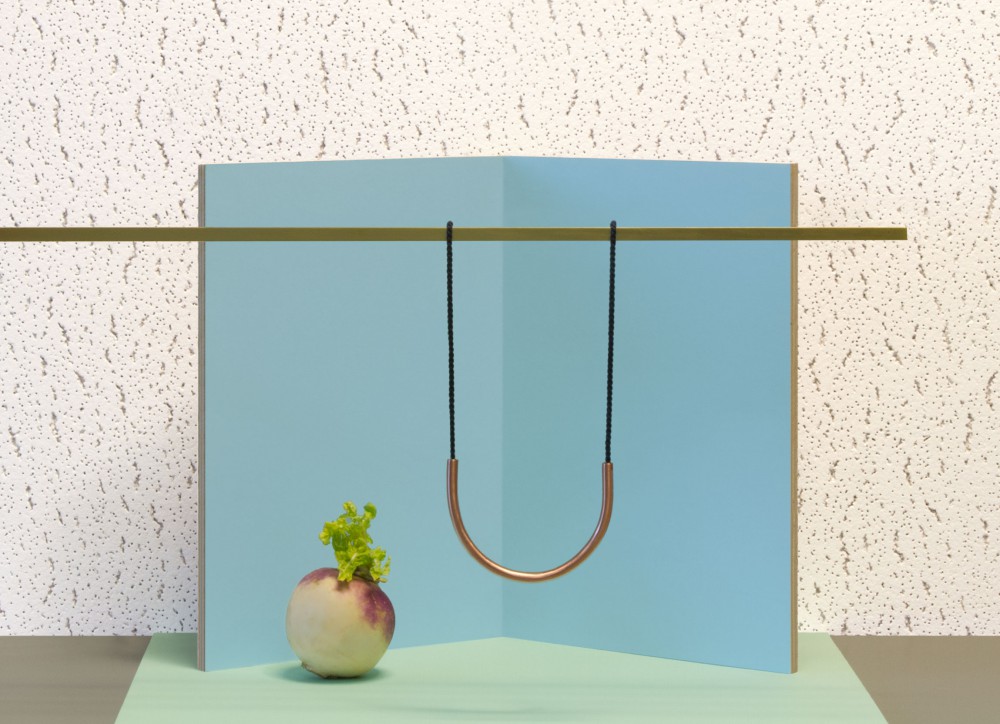
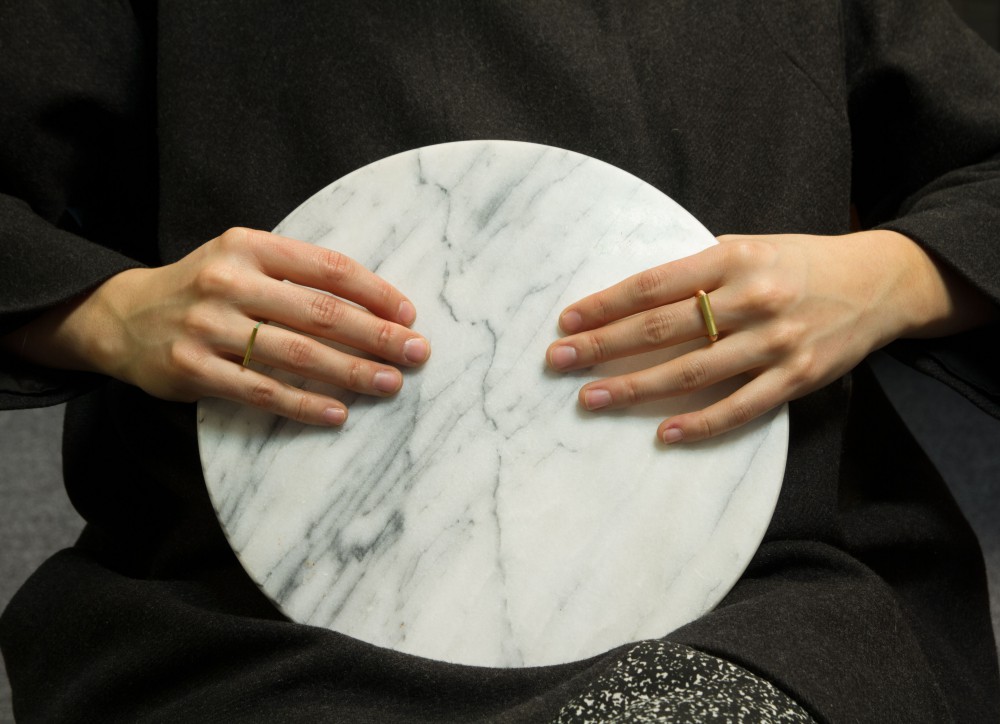
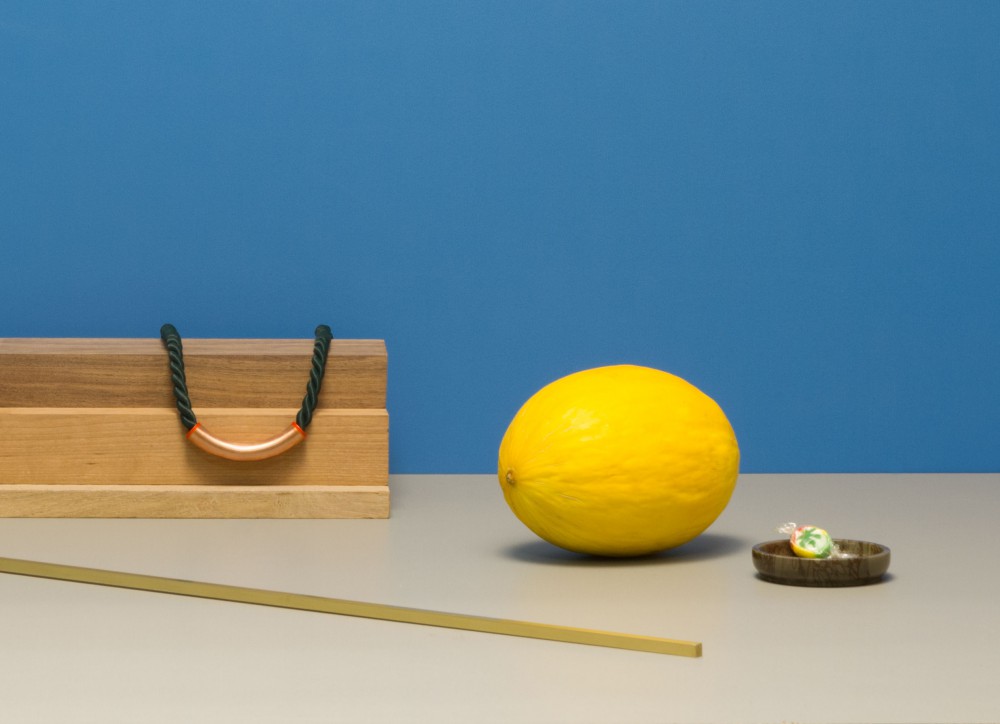
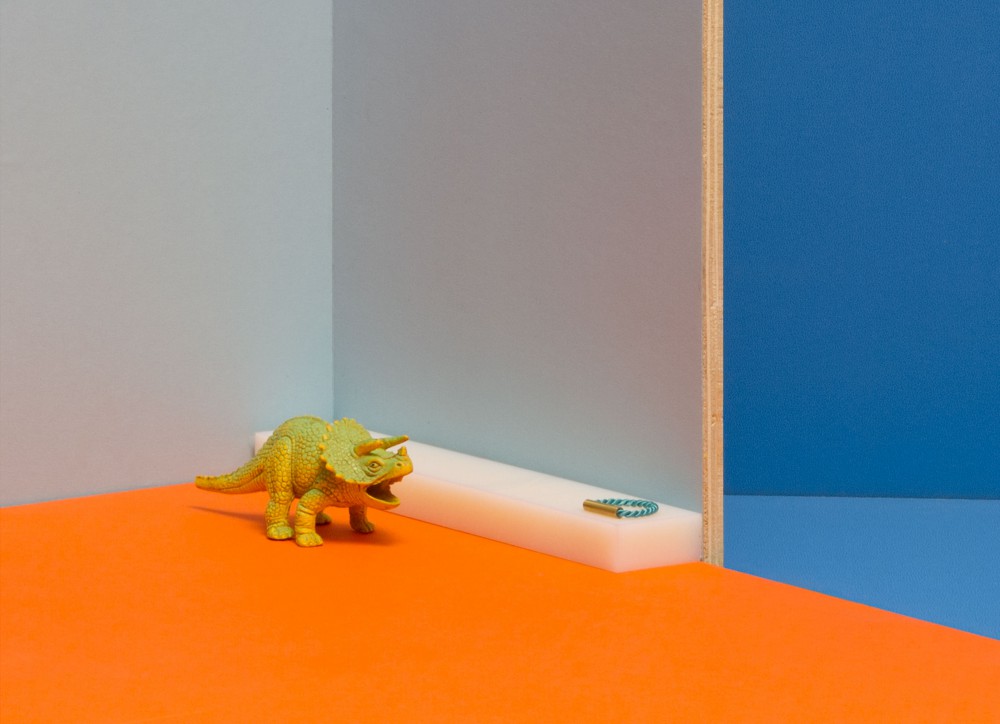
    One of their first collaborations has resulted in creating a minimalist jewellery collection made of brass and rope. The collection embodies simple geometrical, uncluttered forms and was inspired by architectural and design movements such as Memphis and Archizoom. All the pieces are handmade and assembled in Alizée’s and Camille’s workshop located in Paris.

    Have a look at the final result of their work, showcased through as series of colourful still life photography and find out more about AOÜT on their website.

    www.studio-aout.com

    EMILION_DIEU ROETIE_PISCINE RINGS_MARBLE BETA_MELAO RING_DINO

  • Edinburgh Roxburgh’s Court Art Project

    Edinburgh Roxburgh’s Court Art Project

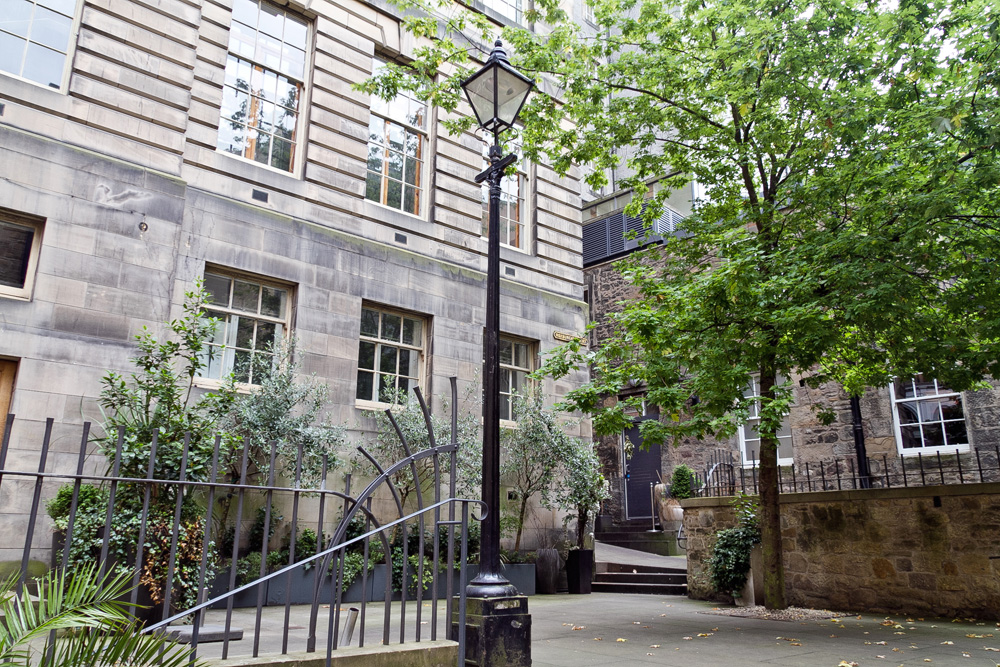
    The Chris Stewart Group, The City of Edinburgh Council and Edinburgh College of Art have recently partnered up to transform Roxbourgh´s Court  – an undiscovered gem in Edinburgh’s Old Town – into a destination.

    More than 30 Product Design students from Edinburgh College of art have entered a competition to come up with an innovative urban design to bring more attention to this area of the city. In teams, the students presented a total of 9 different entries from which 3 have been short-listed and are now part of a competition where people can vote for their favourite entry to be turned into a real project.

    Future-Positive-Roxburgh-Court-Edinburgh

    Douglas Bryden, Programme Director of Product Design at ECA emphasised on the challenges of site-specific designs and how the students have responded to them:

    The design brief set by The Chris Stewart Group provided a great opportunity for Product Design students to learn more about one-off site-specific design. We challenged the students to research, design, and finalise an installation design concept for the site at Roxburgh’s Court within a day. The students responded incredibly well, working intensively to explore a variety of creative approaches to change Roxburgh’s Court and the adjacent closes into an interesting destination for both tourists and local residents. The students are very excited about the potential for the winning design concept to be evaluated and developed for fabrication and installation at Roxburgh’s Court.”

    Our favourite entry is Night guide, which proposes illuminating Roxburghs Court for pedestrians during night hours using motion sensors and LED strips. You can see all the entries and vote for your favourite on the link below:

    www.lateralcity.com/roxburghcourtartproject

  • Menini Nicola

    Menini Nicola

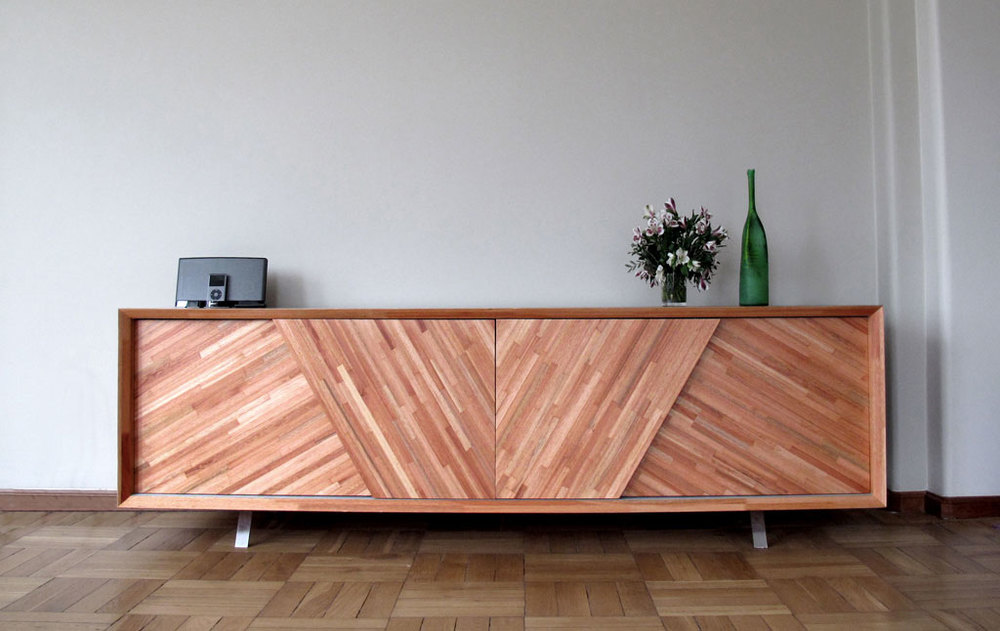
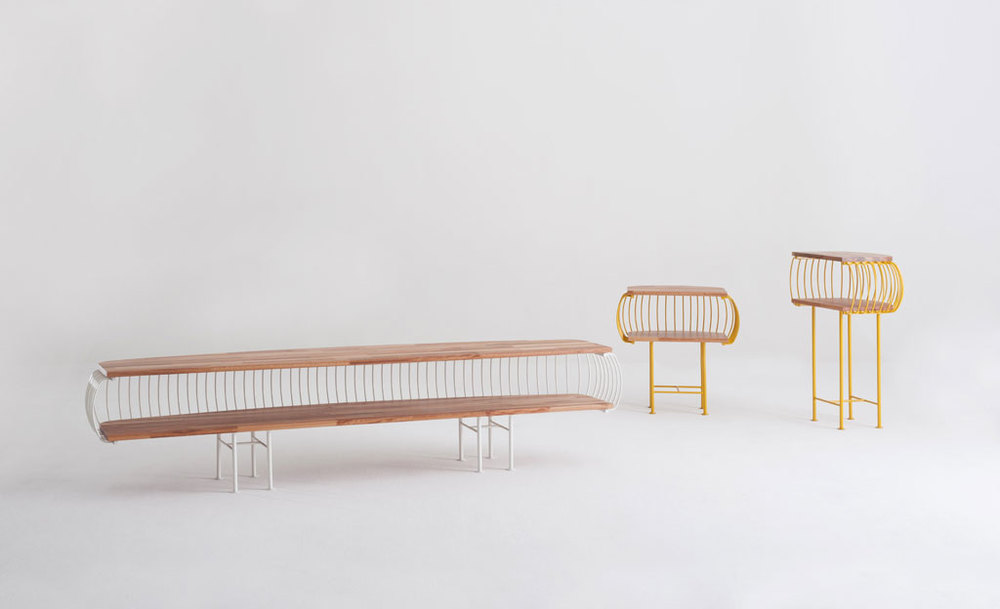
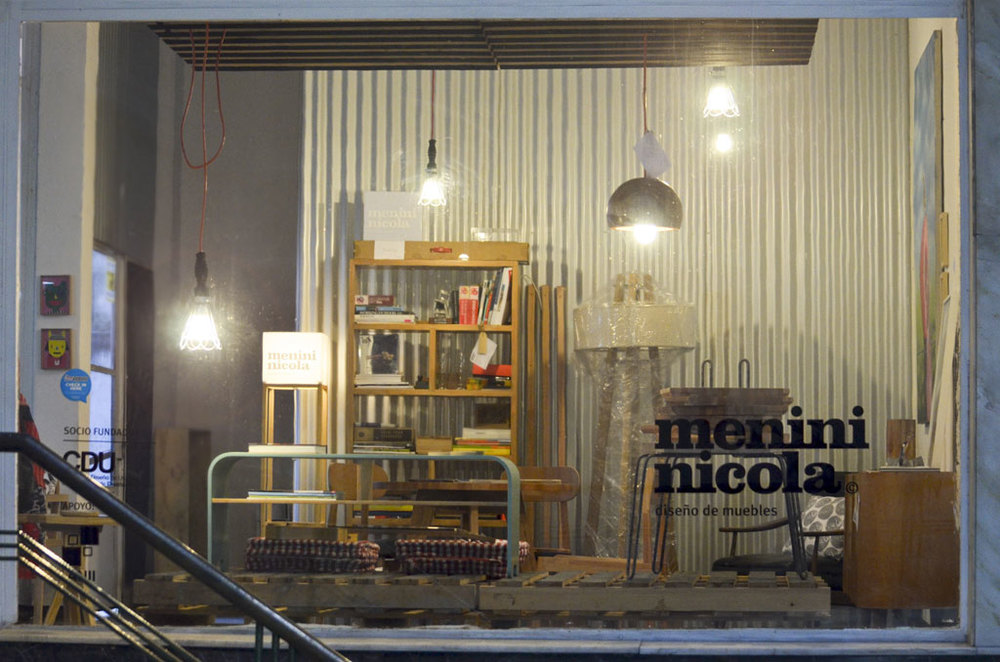
    Menini Nicola is an industrial design studio founded in 2008 in Montevideo, Uruguay. The studio has made its own name in the country, offering design services and design licenses, and directly commercializing products from their portfolio in Uruguay.

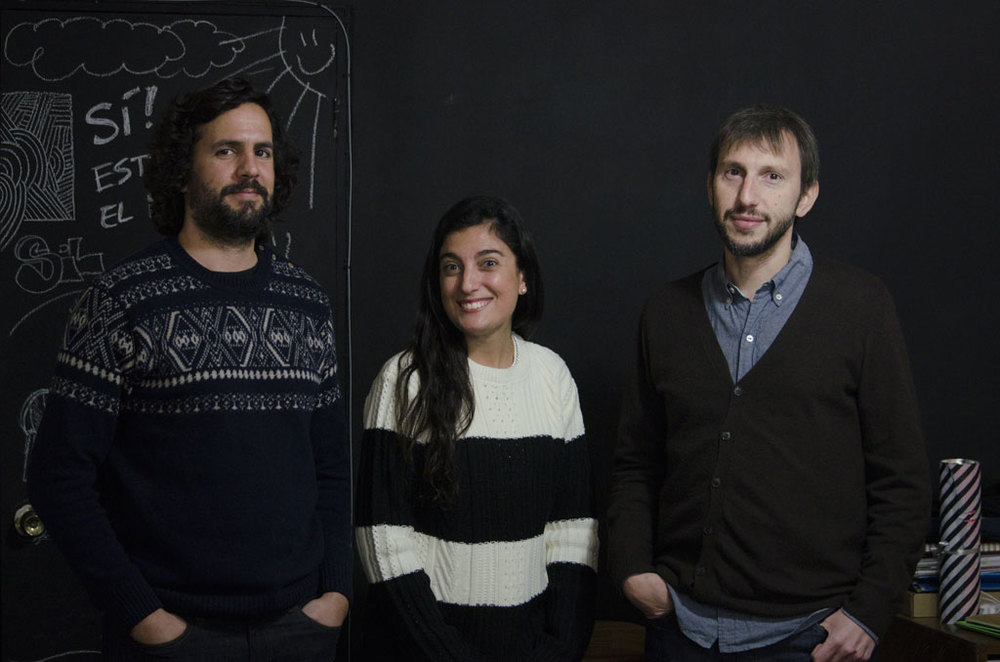
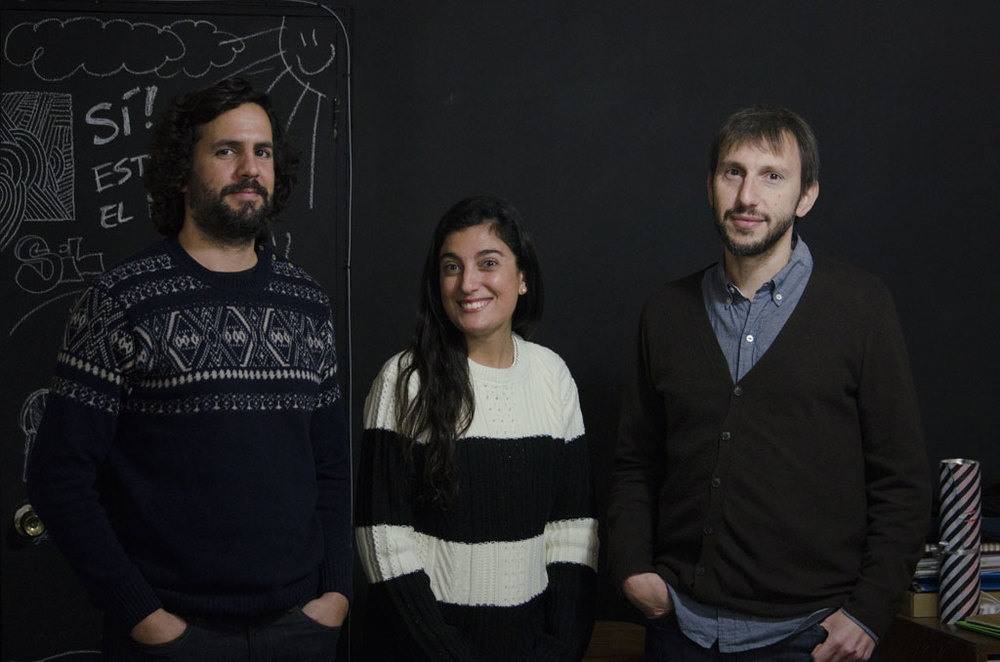
    We talked to the founders of Menini Nicola, Agustín Menini and Carlo Nicola, about the beginnings of their studio, the design scene in Montevideo and their favourite places in the city.

    Read the interview after the photos.

    www.menini-nicola.com
    What made you start Menini Nicola?

    It was mainly our interest in turning our hobby into our full-time job.

    When we were university students, we realised that furniture design was one of the things we liked the most. We used to work in advertising, spending our free time meeting with a friend who makes furniture to work on concepts that we would later send to design contests. We got more involved and in 2008 we received 2 awards at Salão Design Movelsul in Brazil. During that trip between Montevideo and Porto Alegre, Menini Nicola was born.

    How is being a designer in Uruguay? Are your designs influenced by the country?

    Being a designer in Uruguay is not very common and we would even say it is a privilege. On the other hand, the industry is growing and the design community in the country is going through a good phase. We, Uruguayans, tend to say that there’s not much going on in the country but this seems to be changing.

    Nowadays, Uruguay has a Chamber of Design for graphic, textile, product, interior and landscape designers. We also have some government funding and there are weekly events dedicated to design. There are new brands emerging and the established labels are growing – it is a good moment for Uruguayan design.

    Regarding our influences, we’re still finding our limits and trying to discover our own identity. We work with local materials and manufacturers, designing solutions and coming up with ideas based on what’s available around us.

    What’s your favourite project/product you’ve worked on?

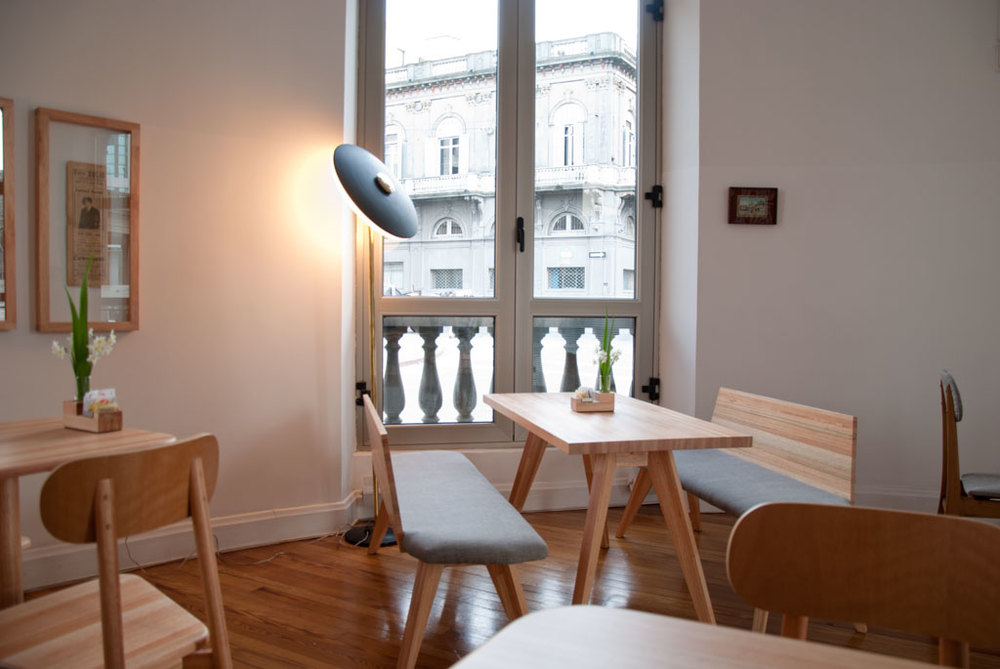
    One of our favourite projects was the design of the food area of the Mercado Agrícola de Montevideo (MAM). This market is one of the most iconic buildings in the city – it opened its doors in 1913 and was renovated in 2013. We were in charge of designing the furniture for the food area and other spaces in the building. The chair we designed was built under a series of requirements related to resistance, ergonomics, manufacturing costs and use of similar materials to the rest of the building.

    The conceptual side of the design was linked to the origins of the market. The chair represents a historic moment and draws inspiration from the industrial revolution, the Exposition Universelle of 1889 in Paris, the good economic moment Uruguay went through in the early 20th century and the Belle Époque’s influence in Montevideo.

    The chair wants to grab people’s attention, using a very formal language and becoming a representation of our times.

    We want to know more about Montevideo. What places shouldn’t we miss in the city? Could you recommend us other designers/artists based there?

    We would recommend going on a stroll on the promenade along the coast, visiting historic neighbourhoods such as Prado, spending the evening at MAM or enjoying the drum celebrations in Barrio Sur and Palermo. Montevideo is a city that should be visited on foot – despite being the capital of the country, it is a small city with lots of secrets.

    Montevideo is currently going through a very special moment with lots of things happening in the city. In the cultural scene, the Ballet del Sodre – with Julio Bocca as Art Director – is a very popular show which usually sells out one month before the opening. Street art is also becoming more important in the city and new galleries such as Kiosco and studio designs like Mundial and Atolon de Mororoa are emerging.

    There are also new initiatives popping up in the city such as el Club de la Cerveza (the Beer Club), where you can enjoy unique and secret dinners. The Ciudad Vieja (Old Town) is a great area for spending a day around, stopping for breakfast in Jacinto and visiting the antiques fair, having lunch at Mercado del Puerto and finishing with a snack at La Pasionaria, where you can visit the current exhibition and see work by local artists and designers.

    Collaboration is an important element in Montevideo’s creative scene. For example, Estampapas is a textile objects project founded by a graphic designer from Uruguay with a textile designer from Argentina. There’s also Sabandija, composed by another textile designer and a product designer and El Bosque de Robles.

    You need to come and discover the city during this moment of creativity growth.

  • Studio: Mr. Simon

    Studio: Mr. Simon

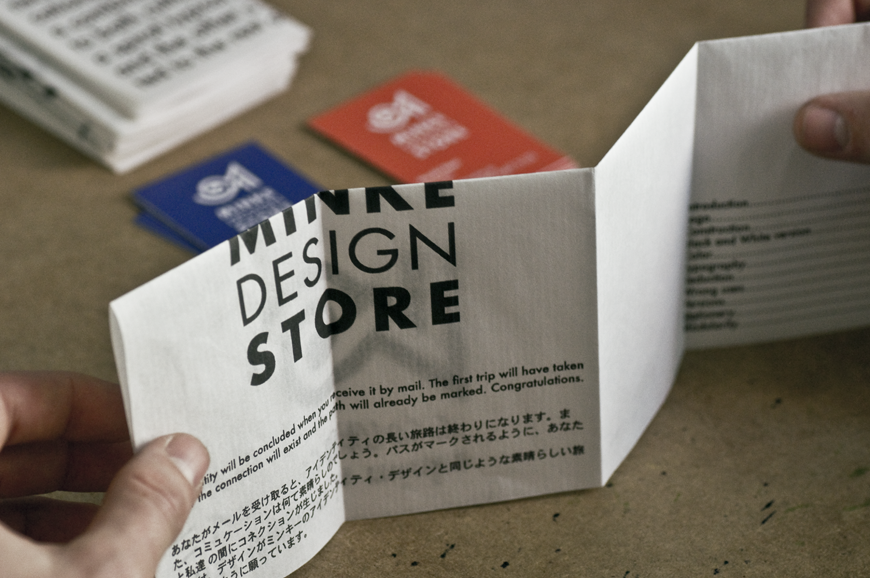
    Recently we were introduced to the work of Valencia-based independent graphic and product design studio Mr. Simon.  In the words of its founders “the purpose of Mr. Simon is to develop projects based on a solid concept, considering that aesthetics are also important“. With a simple and synthetic approach, Mr. Simon uses experimentation as a tool to explore innovative communication methods.

    We like their use of materials and finding new, original ways of approaching traditional products. Below are some of our favourite projects from the studio.

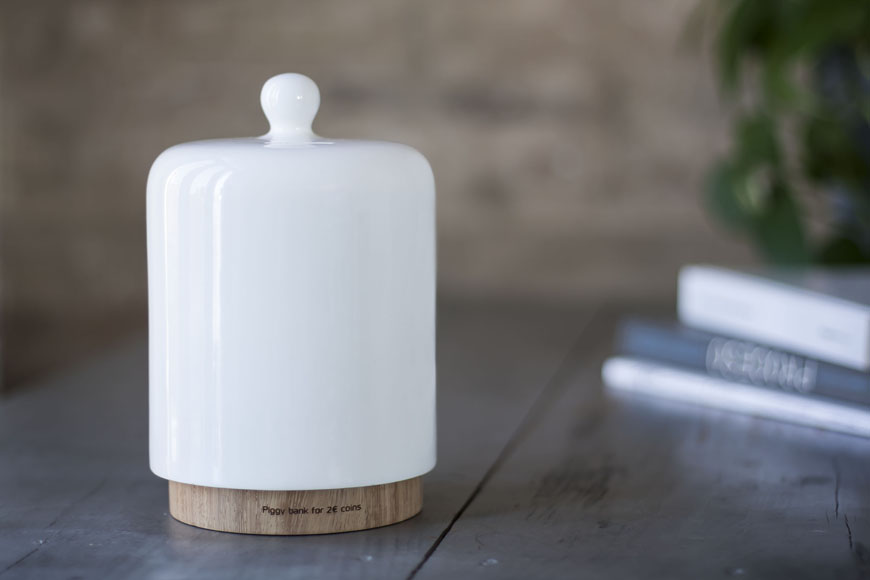
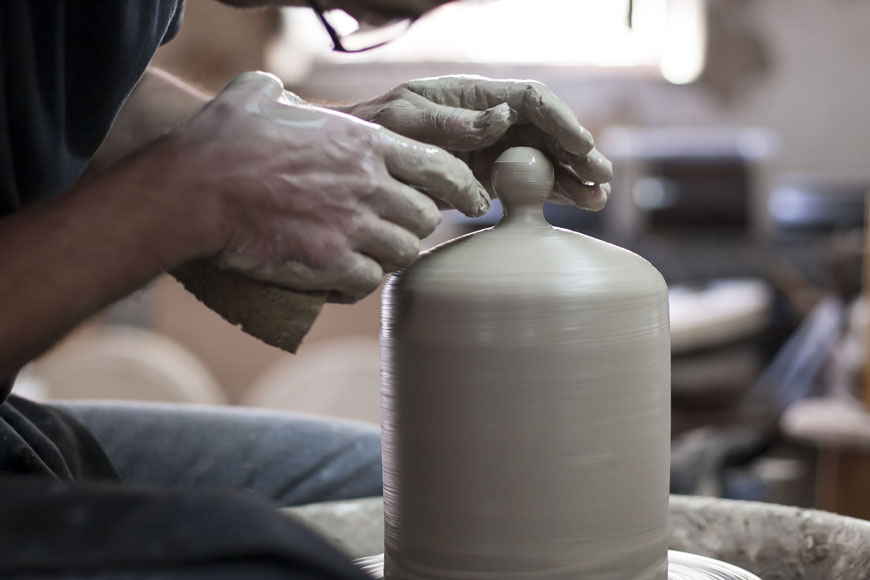
    Dos Pavos, the studio’s take on the traditional piggy bank, is made of a cylindrical solid base of wood, that acts as coin stopper, and a ceramic piece that rises in height as the piggybank is filled in with money.

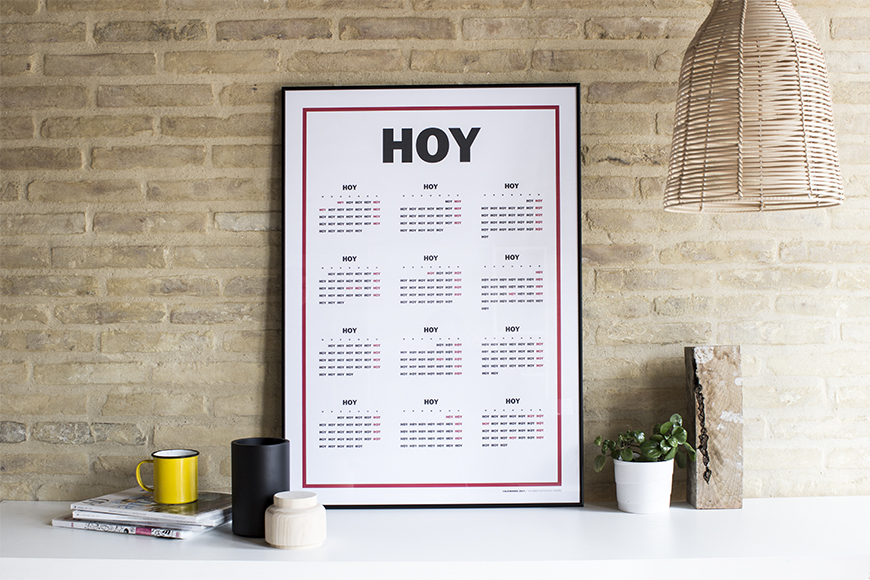
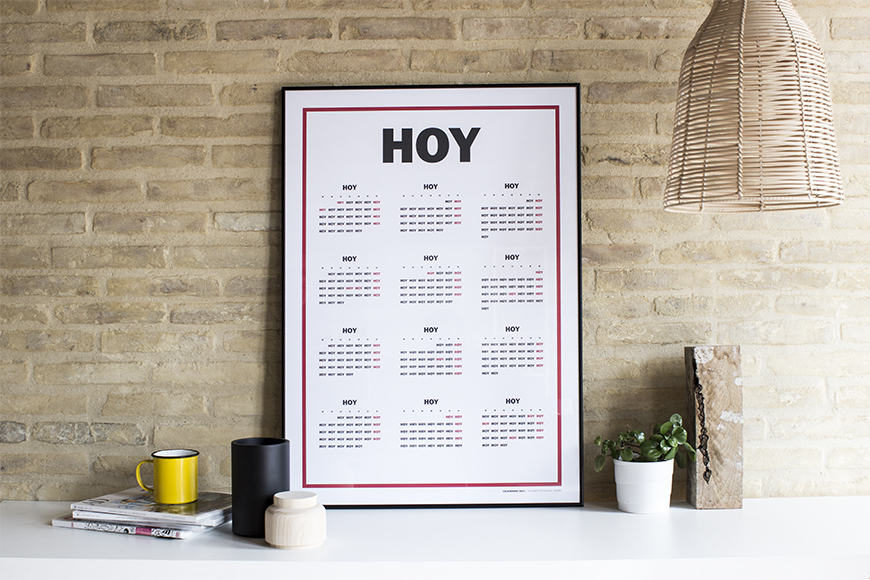
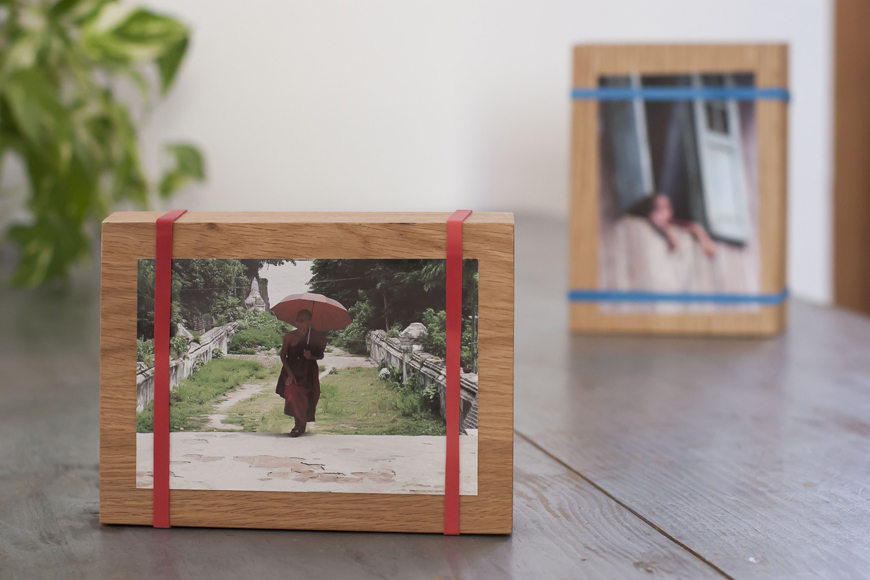
    Today Calendar (Hoy) purpose is not to measure time as a standard wall calendar but to bring our attention to the present and picture frame Tallo combines a solid block of wood with elastic bands, allowing you to hold photos in an interesting way.

    www.mrsimon.es

  • Interview: Urbanears

    Interview: Urbanears

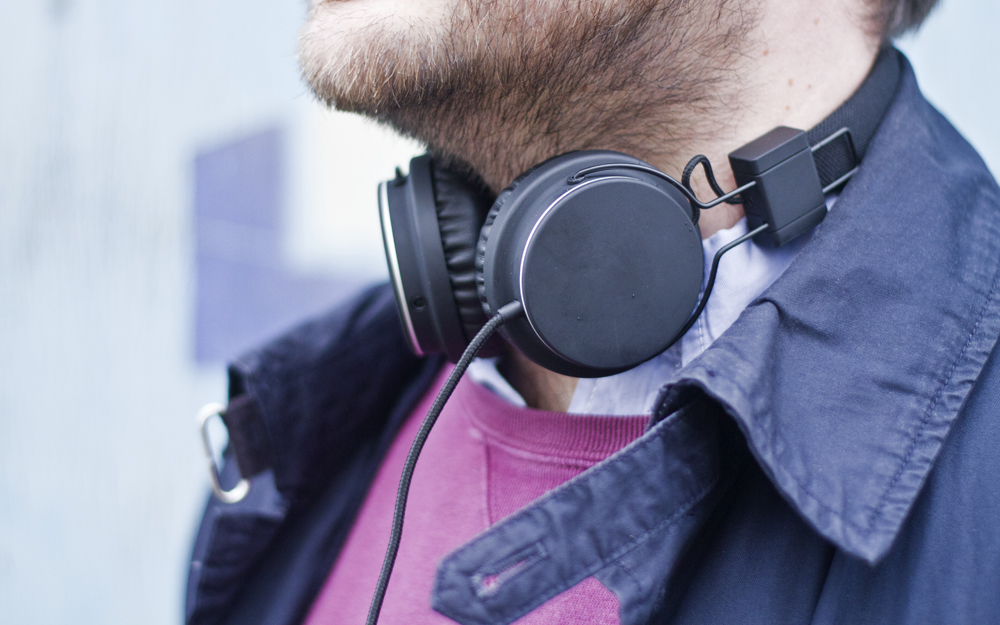
    Urbanears is a collective out of Scandinavia founded by Norra Norr, a Stockholm-based industrial design consultancy, and Zound Industries. Created in 2009, Urbanears, has changed the way we look at personal electronics.  

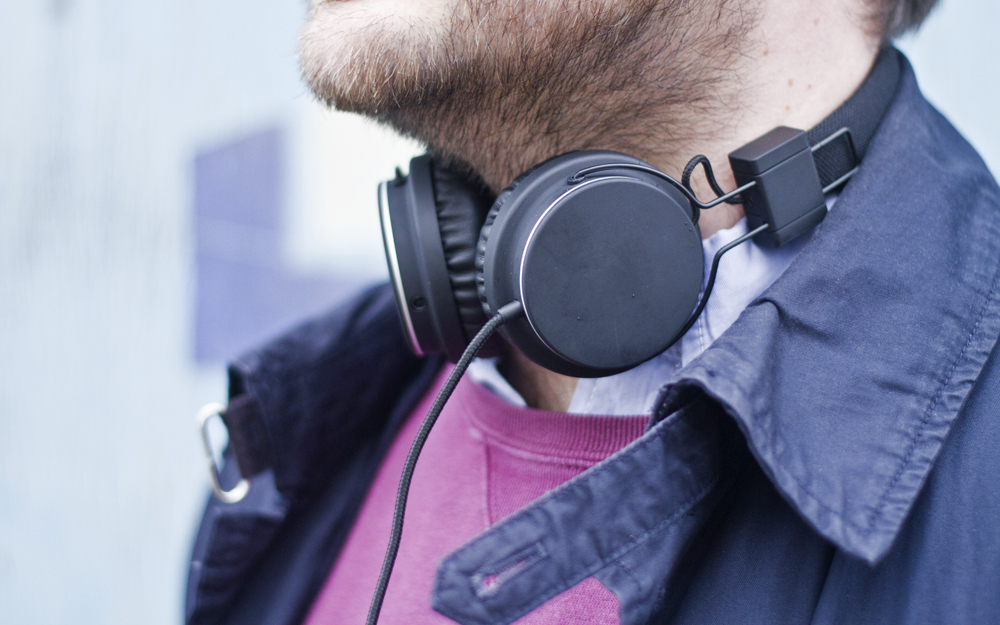
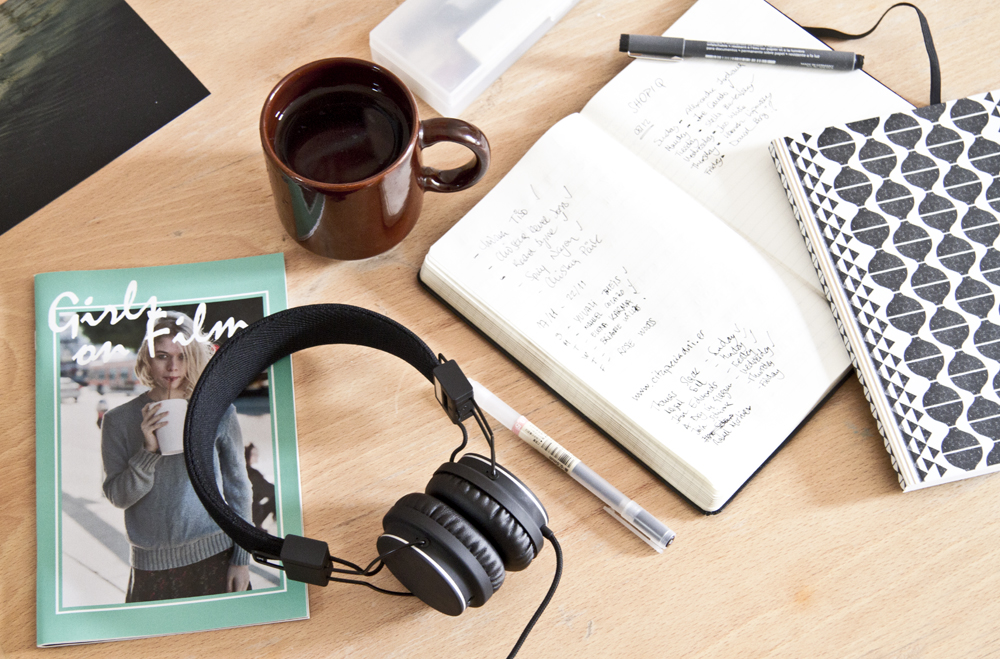
    The Urbanears headphones are made of coloured plastic, steel with aluminium detailing and handmade drivers. They are treated with a rubber coating that gives the headphone a matte look and a smooth feel. The headbands and cables are textile rather than plastic, making the products look and feel more like a fashion accessory rather than a mechanical product. The branding on each model is minimal and the overall design remains true to the Scandinavian design heritage.

    We had the amazing opportunity to speak to Marcus Rudbäck, who is the design director and co-founder of Zound Industries and part of Norra Norr.

    Could you tell us a little bit about your background; how you and your partners met, and started Norra Norr?

    Marcus Rudbäck: I’m the design director and co-founder of Zound Industries and part of the design group Norra Norr. I had worked as a Industrial designer for many different companies and as a consultant before Zound Industries, and mainly together with Norra Norr and Syntes Studio which I co-founded.

    My focus has been on consumer electronics, toys and games and sports equipment. Norra Norr is part of the collective that started Urbanears and founded the company Zound industries.

    Norra Norr is the product design part of the founders that started the company but today we work full time and have a great team of designers and engineers to bring you new products that make people proud and hopefully happy.

    The collective had a shared vision that we could make headphones and audio products relevant to the users and needs of the times we live in. We were pioneers with a inline mic and remote, as well as, the first to introduce legal music sharing through a smart extra socket which your friend can use to plug in an extra pair of headphones and listen together.

    We met through a need to make it our way and the urge to make it real. We came from a 50% fashion background and 50% electronic industry but all of use were determined to make a difference in the headphone world. This is something we have already done and we aim to do for a long time – when we started, headphones where black or fake silver and only a few made you look good in the street or had the modern everyday user in mind.

    How did you and your partners at Zound Industries come up with the idea of Urbanears? What the design process looked like?

    MR: The man with the plan, Konrad Bergström, brought us together as a collective. We wanted to make designer headphones affordable and in many colours but still normal enough and with minimal branding so that people of any age or style can feel good rocking a pair of Urbanears – you can still choose a bright colour if you want to be different but a pair of black should still feel tailored, with fabric headband and a cord with minimalistic design features and some metal accents, real metal, no fake stuff on Urbanears : )

    We strongly believe in design and innovation as well as good quality in everything we do: from the products to the campaigns, movies, etc.  During every product development we try to add some new innovation and not only style to the people that wear them. For example: the friend plug in Plattan, cable lasso in Kransen, turn cable in Zinken and the snap lock in Bagis, washable headband and ear-cushions in Humlan and a DJ equipment in your pocket with Slussen.

    Scandinavian design is praised for its simplicity and functionality around the world. What, in your opinion, influences Scandinavian aesthetics?

    MR: As Industrial designers for Urbanears we strive to make very minimal design and we have a saying: when no one would remove anything else from a design, we try to get ride of three more unnecessary features, split-lines etc. We say internally that we have to design Urbanears products with a small brush keeping close attention to proportions, materials, details and finish.

    Being Scandinavians we are very true to our heritage in engineering, acoustics and functionality, but we hope we bring some new edge and some rebel spirit alive between the lines in the products just by being true to what we believe in.

    www.urbanears.com