Tag: product design

  • CERIO

    CERIO

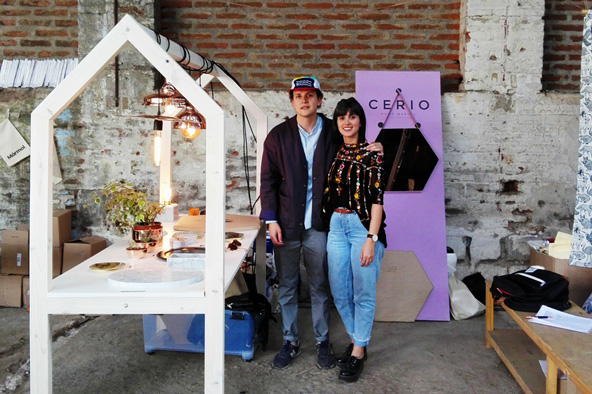
    Husband and wife Cristóbal Rioseco and Valentina Cerda are the founders of Chilean design studio CERIO, specialising in furniture and homeware using unexpected material combinations. We chatted with Cristóbal and Valentina to discover more about what made them start their own business, their design process and their choice of materials.
    www.instagram.com/cerio.cl

    future-positive-cerio-low-5

    Could you please introduce yourselves and tell us a little bit about your backgrounds and how you met?

    I studied advertising and Valentina, my wife, is an interior designer. I used to work in retail design and also building different pieces of furniture. Valentina worked at several architecture studios and was in charge of the visual merchandising of different brands. We met through the girlfriend of my brother, who introduced me to Valentina – we both are from small cities in the south of Chile.

    It was normal for me to often switch jobs trying to find the right one, the one that would fulfil me but also having a regular job made it impossible to start our own business.
    future-positive-cerio-low-1

    What made you start CERIO?

    We used to talk a lot about quitting our jobs and do what we really wanted to do – having a better quality of life. A life where we could have more time for us and, most importantly, doing what we were really passionate about.

    We knew we wanted to do something together and it had to be design-related because it is something we love. Apart from this, we knew there were lots of people like us who prefer buying from independent business.

    We used to design our own furniture and gave it as presents to our friends and family. Moreover, because of our backgrounds, experience and knowledge, we saw an opportunity to create our own brand called CERIO. (The name comes from our last names: CERda + RIOseco.)
    future-positive-cerio-low-6

    The material combinations you use for your products are really interesting, could you tell us about how you choose the materials you work with?

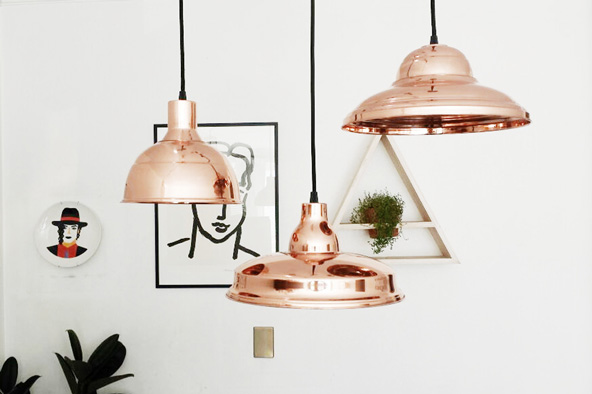
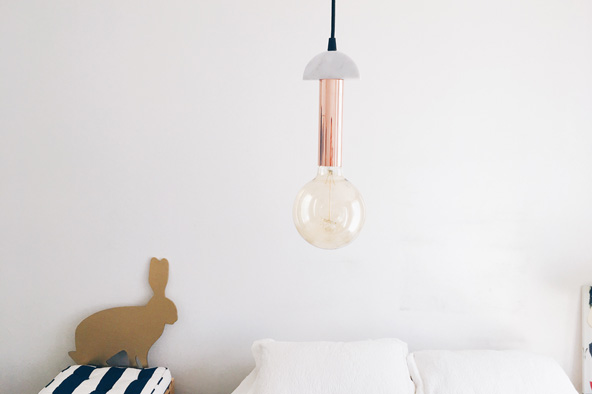
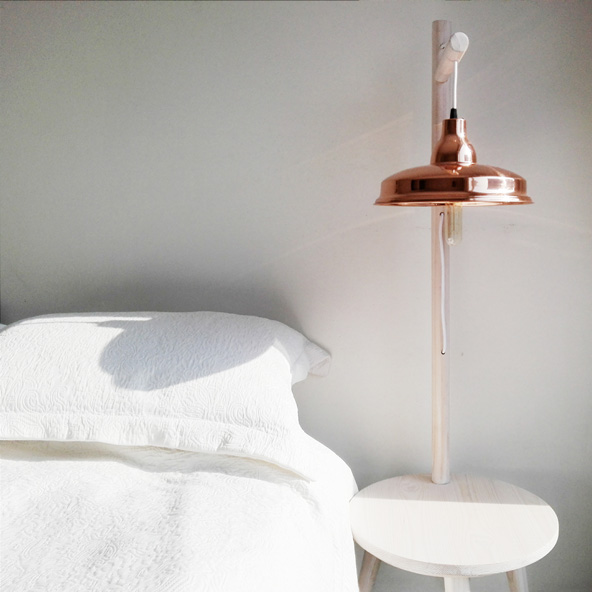
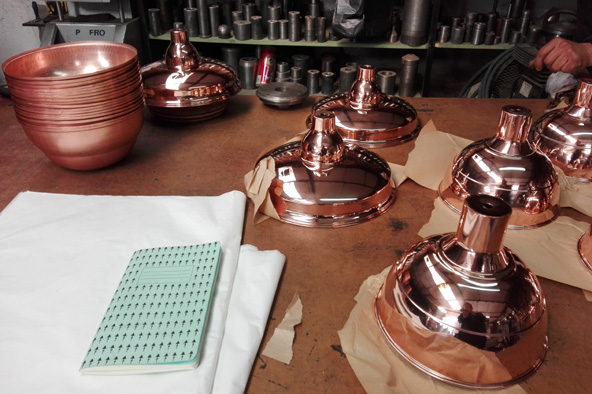
    In our work we prioritize copper as the main material – it has an infinite array of properties and ways to use it. Our country has one of the biggest copper reserves and it’s our main export, so when we use copper in our designs we feel we are including part of our country.

    We have a very eclectic taste so we are always searching for new materials to incorporate in our designs, making prototypes to see how they’re going to look together. We try to combine materials that aren’t normally used together. Our goal is to always look for new materials and in the future we would like to experiment with ceramics and textiles.
    future-positive-cerio-low-3

    Could you tell us about the different products you currently manufacture?

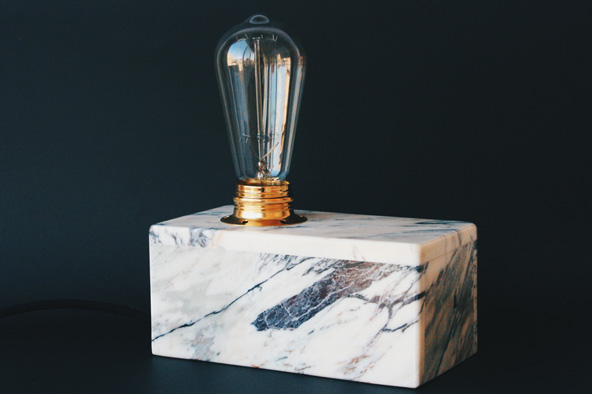
    We currently sell different types of products including mirrors, planters, lamps and tables. We are working a lot with marble and copper and we are introducing bronze and wood to our designs, combining all these materials in one product.

    With our products we try to give more personality to our clients’ houses, offering products that are handmade and fair trade.
    future-positive-cerio-low-2

    Could you take us briefly through your design process? How does an idea in your heads transform into a physical product?

    We are inspired by nature, people and everything surrounding us. We start drawing and it usually takes us lots of time to agree on one design. After that – it is the best part of the process – we start playing with the different materials and get excited seeing the first results through the prototypes.
    future-positive-cerio-low-4

    What are your plans for 2017?

    Our plan is to focus on designing more furniture pieces (desks, shelves, etc.) and export our products to others countries. We also want to start exploring other design areas.

    This year we are interested in getting more involved with products made with recycled materials. In the past we have made a few products using this type of materials and it is something we would like to do again.

    In a few years we would like to have a little coffee shop where we can have a showroom with our products and other similar brands.
  • DDomingo

    DDomingo

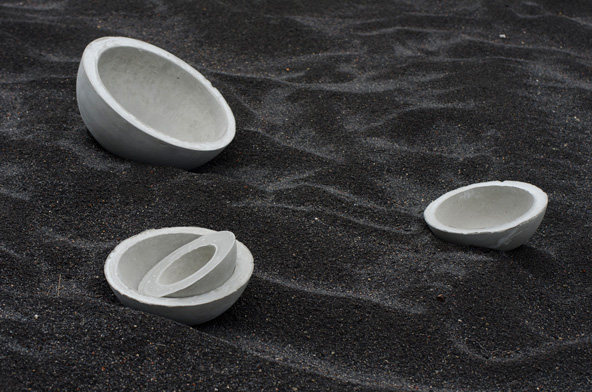
    Larisa Coto is the founder of DDomingo, a product design studio from Costa Rica creating handcrafted concrete lighting, furniture and homewares. We chatted with Larisa about her background, the inspiration behind her designs and why she decided to work with concrete.

    www.facebook.com/DDomingocr

    Photos by Gregory James

    future-positive-ddomingo-1-low

    Could you please tell us a little bit about your background and education?

    I’m an architect based in Costa Rica and I’m the founder of DDomingo (Handcrafted concrete products, lighting and furniture). Design in general is something I am passionate about since I was 12 years old. I studied architecture in Costa Rica and in Buenos Aires, Argentina and in 2 months, I will have my master’s degree (Architecture and Environment) from Wismar University in Germany.

    future-positive-ddomingo-3-low

    What made you start your own business?

    Firstly, my parents’ influence, definitely. My parents built their own businesses when I was growing up. Secondly, working in several architecture studios gave me lots of experience and knowledge in different areas of design. By having the opportunity of working in different cities, I was able to make contacts and was lucky to be reached by them. At that point, I decided that it was a good moment to start my own studio.

    Why did you decide to work with concrete and not another material?

    Concrete is a strong material but sensitive at the same time. You can have infinity of finishes on a concrete piece – different textures, colours and shapes. The surprise factor is one of my favourite things about this material – you never know how it’s going to look like until you demould it.

    I have noticed that people are surprised to see this material used in product design, mainly in smaller pieces. People always touch it and feel attracted to the surface.

    future-positive-ddomingo-2-low

    What is the inspiration behind your designs?

    My biggest inspiration is nature. I am constantly exploring and searching my surroundings for new ideas. It is very easy to be inspired living in a tropical country like Costa Rica. Patterns, textures, organic shapes and colour palettes are my main focus when I am looking for some inspiration and creativity.

    future-positive-ddomingo-4-low

    You design from furniture to homeware, is there any type of product you’d like to experiment with?

    Lighting/lamps is something I have been working on. Incorporating light into a product is something that has become an experiment. Light reveals textures, colour, shapes and transforms spaces. Also, I have been working with some other colleagues, exploring art and fashion. We are preparing 3 new collections for the coming year, combining concrete with new materials and concepts.

  • A R Ceramics

    A R Ceramics

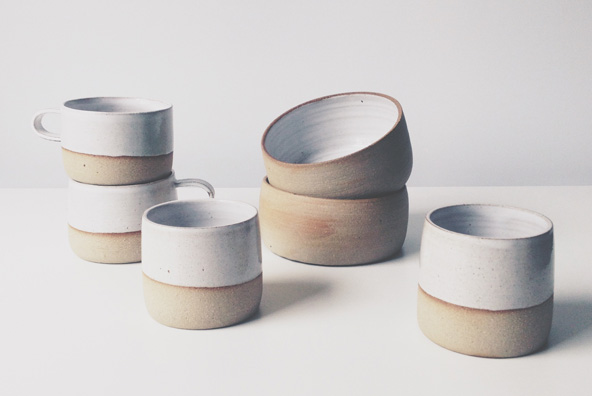
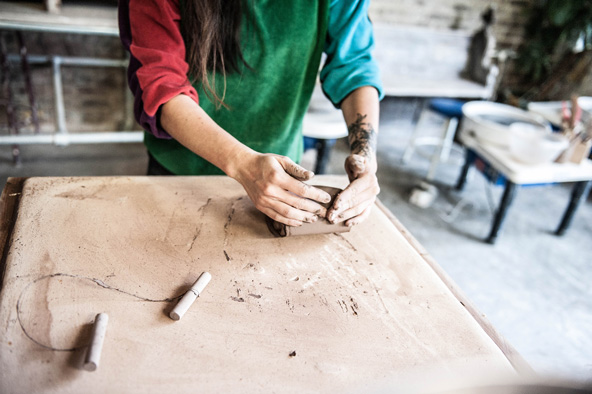
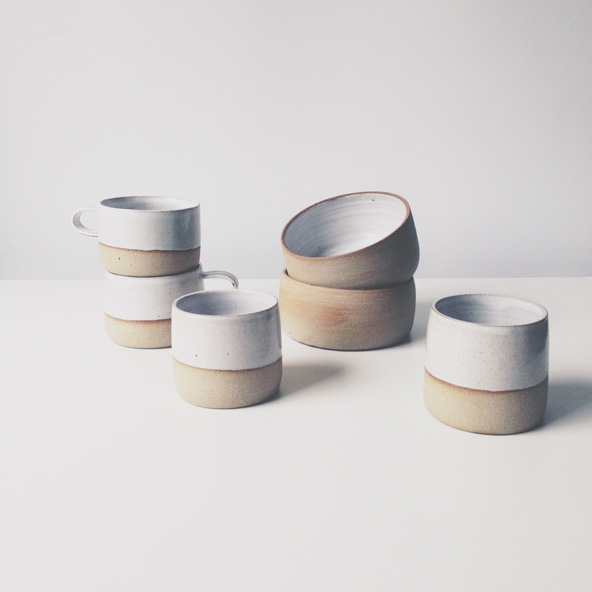
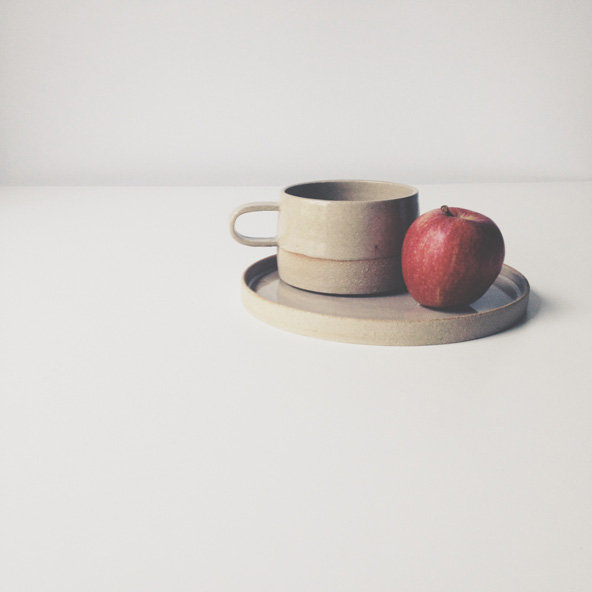
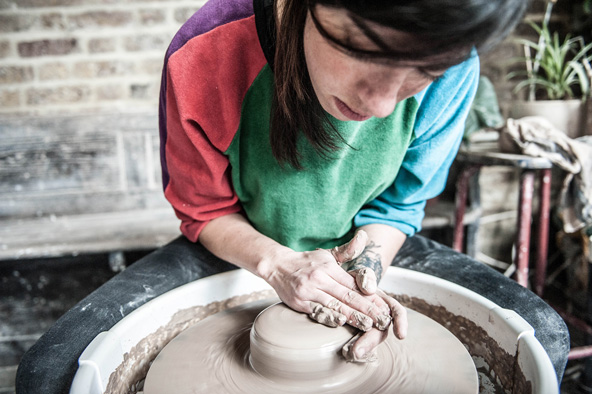
    A R Ceramics was founded by Andrea Roman, a Mexican product designer currently based in East London. Andrea’s pieces are hand thrown over the wheel and then trimmed, fired, glazed and fired again. We chatted with Andrea to find out more about what attracted her to ceramics, sources of inspiration and her ceramics subscription service The Breakfast Club.

    Studio images by Sabrina Dallot Seguro
    www.arceramics.co.uk

    Future-Positive-AR-Ceramics-1-low

    Could you please tell us a little bit about yourself and your background?

    I’m Mexican and I’ve lived in London since 2013. I studied Product Design specialising in Ceramics. When I arrived in London I found an amazing shared member studio called Turning Earth, there I learnt how to throw on the potters wheel and started experimenting with local clays and shapes.

    Future-Positive-AR-Ceramics-3-low

    What attracted you to ceramics?

    The ability to create something functional and durable in a short period of time and all the possibilities clay involves. I just find hand made objects much more meaningful, we live in the era of mass consumption and mass disposal, I think creating these meaningful objects help people to treasure their daily-use products for a longer time.

    Future-Positive-AR-Ceramics-5-low

    Where do you draw inspiration from to create your pieces?

    I like to play with textures, I love when my pieces become a resemblance of their ‘muddy’ origin: sand, rocks, dirt and mud.

    Future-Positive-AR-Ceramics-2-low

    Please tell us about The Breakfast Club Membership.

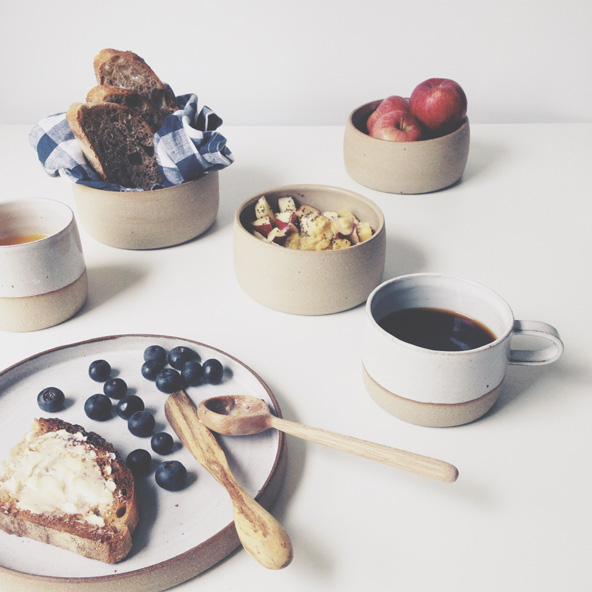
    I came up with this idea to offer people a more affordable way to get a hand-thrown table set. I consider it’s important to take the time to enjoy small details from everyday life and breakfast is one of those moments that people tend to skip or rush. I hope the set from The Breakfast Club inspires people to take it slow and share this moment with the ones they love, using these pieces on a daily basis, becoming part of their daily rituals.

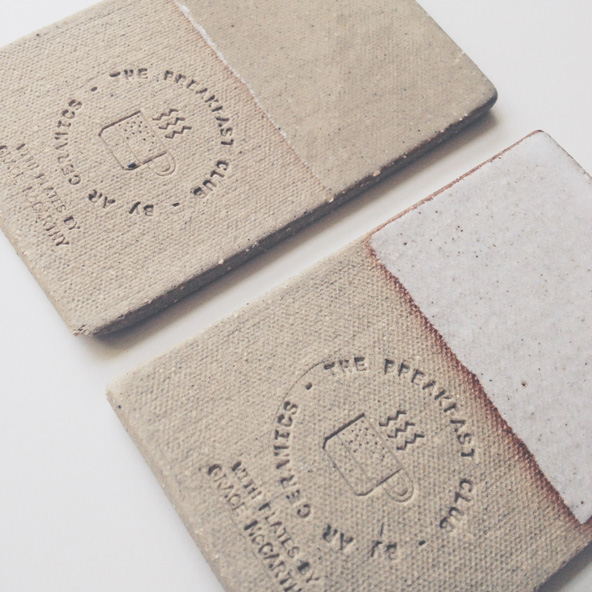
    Sometimes ceramics can become really introspective and in a way it is a job that isolates you, so for the second edition of The Breakfast Club I decided to invite a very talented designer working in the same studio as I do, Grace McCarthy, to do a sort of collaboration and include her beautiful hand-thrown plates to the Breakfast Club collection. So far, it’s been definitely much more fun to work as a team.

    The entire table set consists of 16 pieces: 4 tumblers, 4 cups, 4 bowls and 4 flat plates. You pay £84 each month during a 4 month period. I plan to do it once every year, this year was the second edition actually. Each year there are only 6 memberships available, so in a sort of way it becomes a very special way of purchasing something and creating a close relationship between maker and customer.

    Future-Positive-AR-Ceramics-4-low

    What other projects are you working on at the moment?

    Small commissions for wedding presents, throwing new pieces for my stockists, and on a very exciting project. I’ve been commissioned to develop a dinner set for 12 people that bends into an architectural residence project in Whistler, Canada. The project is fascinating, the site had a big rock in it, instead of destroying the rock to start building the house, the architects decided to leave the rock and develop the design around it, making the rock the main appeal. I’m now in the process of developing the correct clay shades and textures for this project and I’ll start soon the next stage which will be the developing of shapes. Can’t wait!

    Future-Positive-AR-Ceramics-6-low

  • Pirineus by Colapso Studio

    Pirineus by Colapso Studio

    Colapso Studio was founded by Susana Piquer in 2014 with the idea of creating a multi-platform studio focused on the design of spaces, whether permanent or ephemeral, and products. Susana graduated from the University of Barcelona in Technical Architecture, followed by a post graduate course in Design and Interior Architecture and a masters in Art Direction in Madrid. Depending on the project, Susana leads a team that changes based on the needs of the brief, making each project special and meaningful.

    Future-Positive-Colapso-Studio-1-low
    Future-Positive-Colapso-Studio-2-low
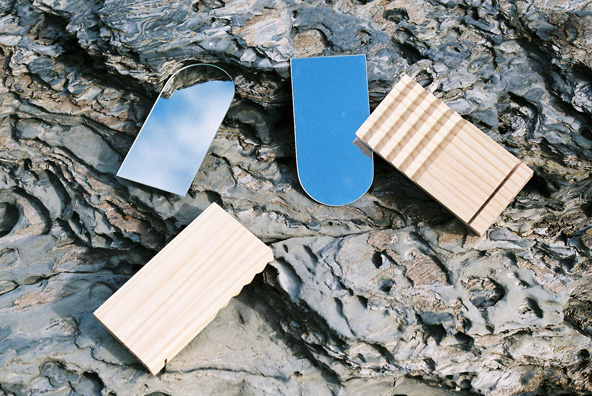
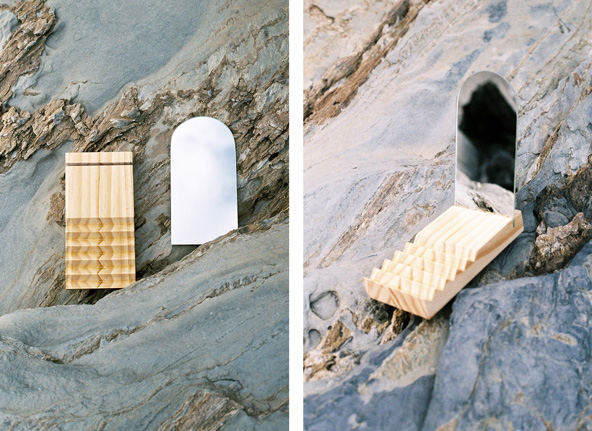
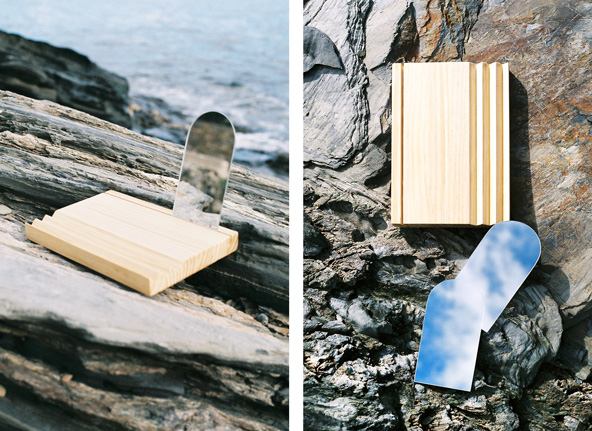
    Colapso Studio’s latest project is Pirineus, a home goods collection taking its name from the mountain range separating the Iberian Peninsula from the rest of Europe. Inspired by the shapes of mountains, the first two pieces of the collection are a jeweller and a tray made of pine wood and mirror, created to fit intuitively. The products are designed around keywords such as “subtle”, “simplicity” and “reflection”, and are made by small and traditional workshops in Madrid.

    You can find more information about Colapsto Studio and Pirineus on their website.

    Pirineus photos by Olga de la Iglesia.

    Future-Positive-Colapso-Studio-3-low Future-Positive-Colapso-Studio-4-low Future-Positive-Colapso-Studio-5-low

  • ATUEMARÜ

    ATUEMARÜ

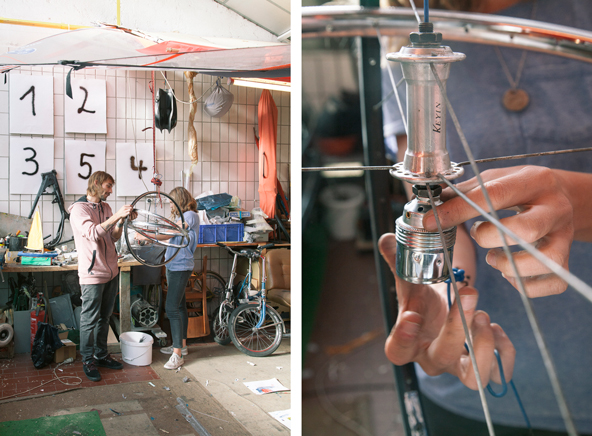
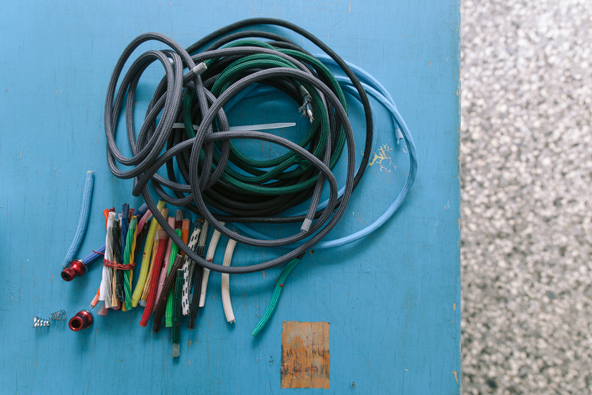
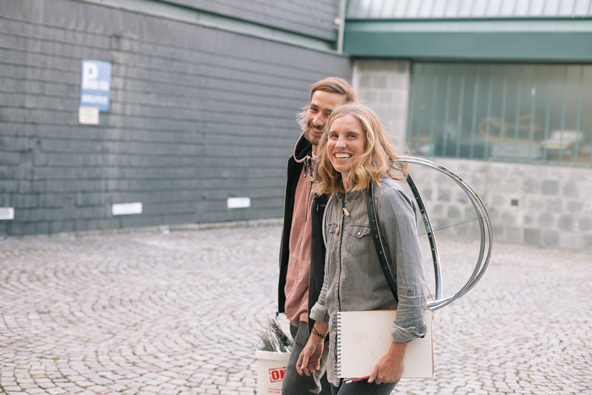
    Margit Steidl and Roland Dorn are the founders of Graz-based collective ATUEMARÜ. As a parallel project born from their love for bikes, Margit and Roland have started building lamps using rims from found bicycles, resulting in unique designs.

    Behance Portfolio

    Photos & Interview by Clara Wildberger

    Future-Positive-Atuemaru-1
    Please tell us about your passion for bikes. How did you come up with the idea of creating rim lamps?

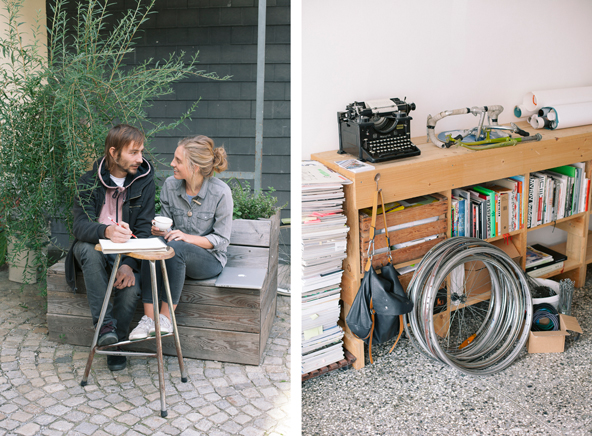
    Roland: A long time ago my mother bought me my first bike, but I enjoyed more riding my sister’s pink princess bike because it was faster. Years later, I started building and restoring my own single speed and fixed gear bikes. After a few bike projects, I ended up with quite a lot of leftover parts…

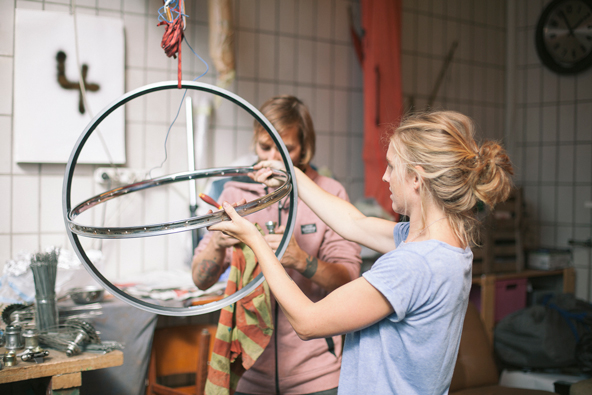
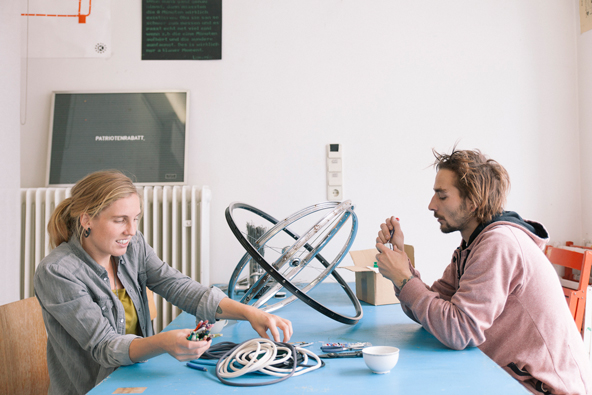
    Margit: …and you wanted to have a lamp in your room. You were sitting on the balcony, besides some of your bike stuff. So, why not doing a lamp out of the leftover bike parts? We mounted different rims and spokes and created the first rim lamp – we liked it and named it ‘The Earth’.

    Future-Positive-Atuemaru-3 Future-Positive-Atuemaru-4
    How do you distribute tasks?

    Roland: Margit is the best bike waste collector ever!

    Margit: Roli is the one who has the knowledge about electricity and such things. Basically we make any decisions and work on tasks together.

    Future-Positive-Atuemaru-2Future-Positive-Atuemaru-6
    Tell us about your design process? How many different models are you planning to create?

    Margit: There are many possible connections of rims and spokes left to create more different forms of lampshades. Therefore, I doubt on ever reaching a finite point. This is also one of the main motivations when creating these rim lamps.

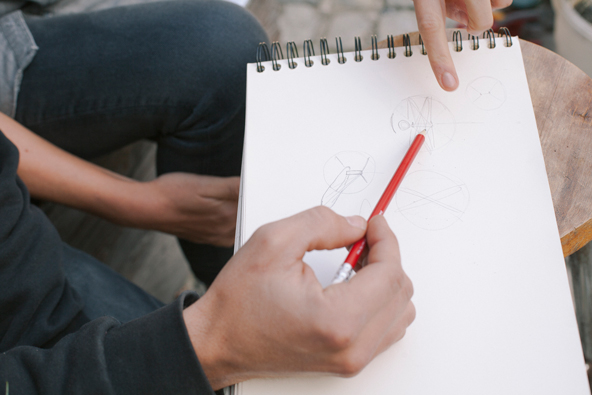
    Roland: Every lamp is and will be unique. First, we create a draft of a shape we imagine. We then start choosing parts we’d like to use and from that point we just work on the object. Sometimes we end up with a shape different from the original draft.

    Future-Positive-Atuemaru-5Future-Positive-Atuemaru-7
    How would you describe your lamps?

    Roland: An object with history, caused by the former life of the parts – kind of reincarnation of wheels. Dirty somehow, looking fragile, although they’re not at all.

    Margit: Playful somehow, lively, working with one of the most archaic shapes: the circle.

    Future-Positive-Atuemaru-8