Tag: london

  • Lockdown Stories: LOFO

    Lockdown Stories: LOFO

    Lockdown Stories is a series of short interviews with creative entrepreneurs and businesses that have been affected by the COVID-19 crisis. Since its beginnings, the main goal of Future Positive has been to share inspiring projects happening all around the world and, during these strange and difficult times for independent businesses and creators, we want to continue providing support and visibility. If you’d like to be featured in this series, please get in touch at hello@thefuturepositive.com and tell us your story.

    LOFO
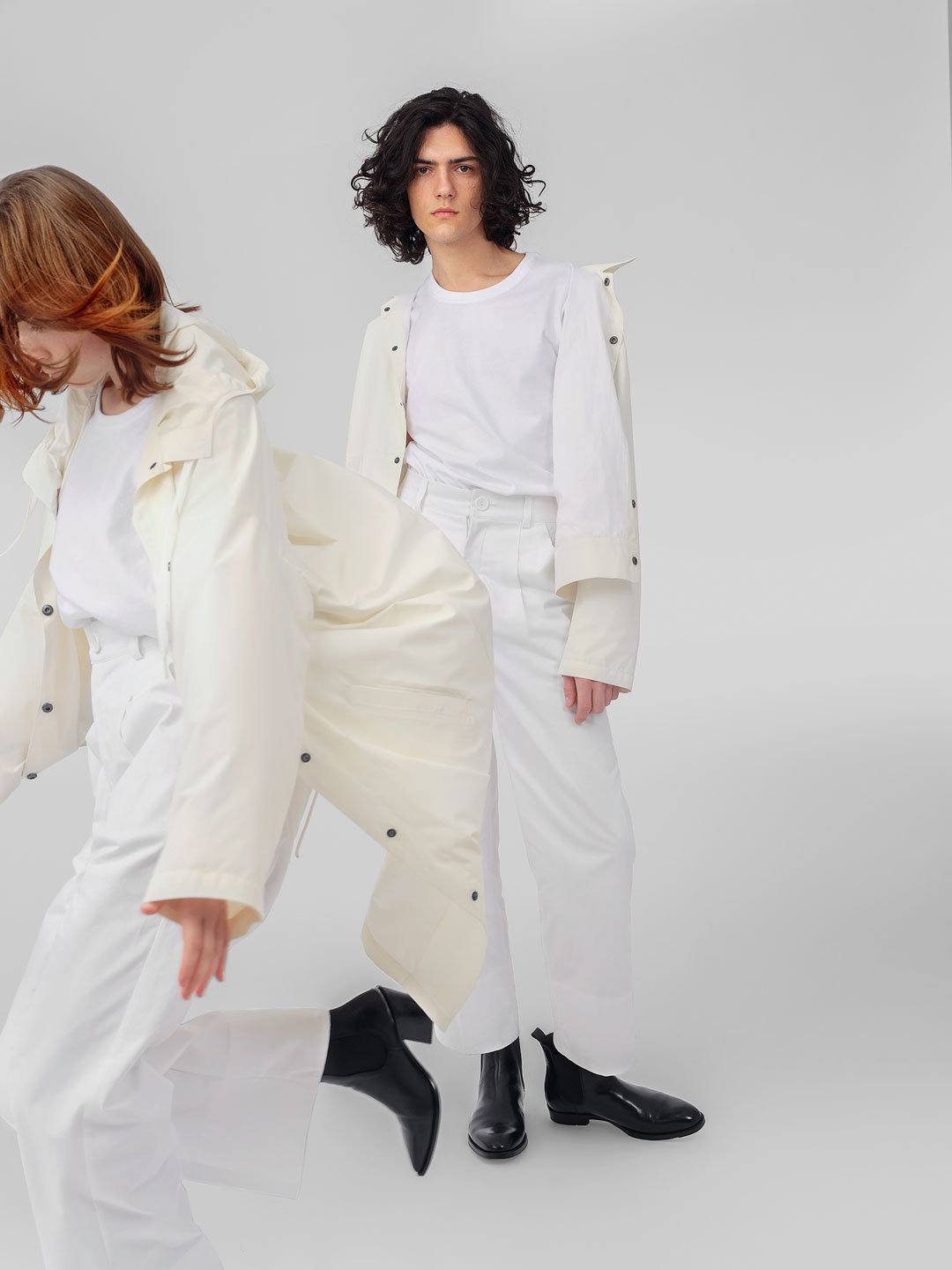
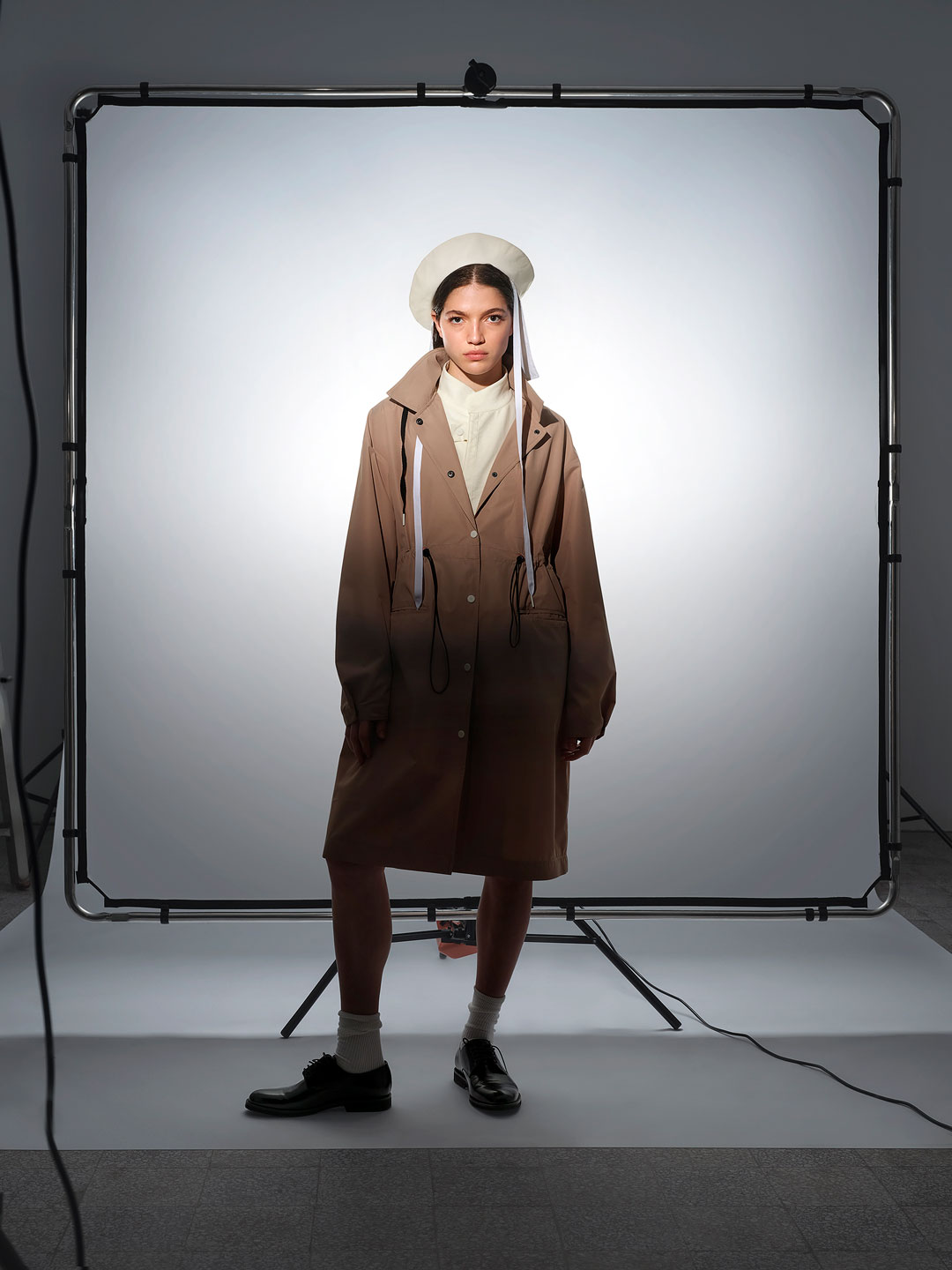
    Trans-seasonal collection of unisex clothing. On top of the simple organised model, experiments in regular clothing are made to regularly test social and commercial outcomes.
    Location: London, UK
    www.lofo.london
    When did the lockdown start for you and how has your business been affected?

    Officially the lockdown started early in March. Our building was just opened by the Deputy Mayor for Culture, Justine Simmons, in late February. We were supposed to move our production space over there. We were ready to start sewing. Unfortunately, everything closed down and went in limbo.

    The family workshop where we made clothing back home in Romania also closed down immediately afterwards. Under even harsher lockdown rules, all their workers were put on furlough indefinitely.

    We’re not seasonal, so that meant no canceled SS or FW presentations. But it is still a hit we took, like many other businesses out there.
    Have you found any new ways of working or have you come up with new product ideas during this time?

    Our definitive move to London last year meant we’ve spent the past 10 month doing WFH. What was a drawback actually turned into a benefit. We were very used to this, coordinating things from home central. Of course our plans to move production to London were massively impacted, but we’re glad we didn’t have to let any people go.

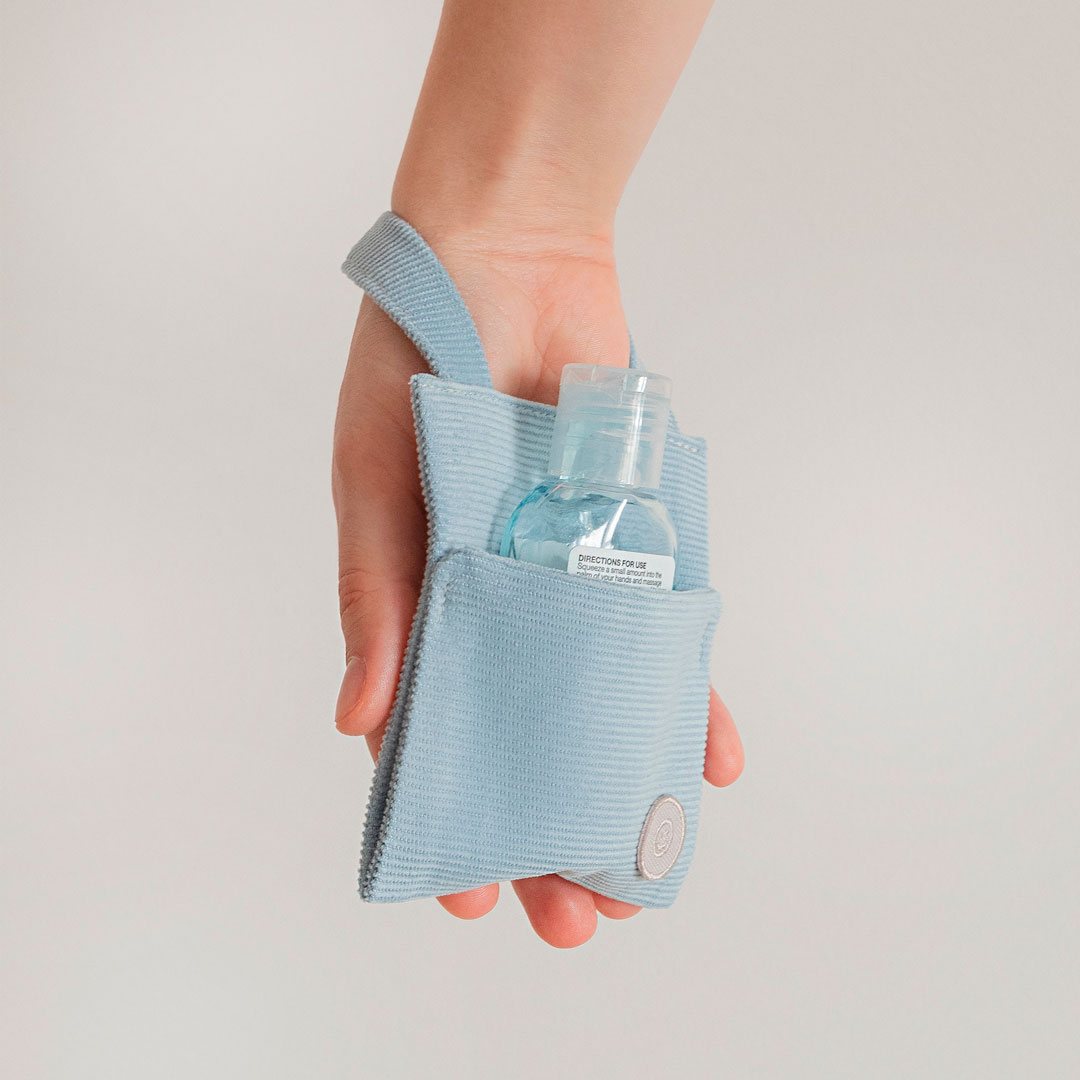
    This whole situation has also sharpened our focus. The need to keep busy spawned the LOFO edit we’re working on right now, dedicated to the ‘new normal’ and exploring the transformational qualities of lockdown and being isolated. We’ve also used our home sewing machine to make gel pouches and donate profits to our local Southwark food bank. Hardship also has some qualities to it, and we’re trying to put whatever conflicting emotions we have to good use.

    There has been a massive effort by many UK brands to help with building protective equipment and, from this point of view, we’re actually glad to be in this industry.
    What are some of the positive takeaways you have experienced during this time?

    We feel this ‘forced break’ pushed us a lot in rethinking what our current business means and what its place in the world is. Coming from a graphic design background (still doing things at www.weareloot.com) we feel quite productive in a context of problem solving.

    Some positive takeaways and how we feel business should evolve: localised production / services with minimum impact on the environment and as sustainable as possible, community involvement and more awareness about how we experience the surroundings, a big shift towards digital products / services even in areas we wouldn’t normally think possible.

    Also, there’s a clear signal that the fashion industry is changing fast. There’a a lot of talk and it’s not sure where it will go from here. Most things will probably revert to a version of what they were, but there will also be side innovation. We’re keeping our eyes and ears open. And trying to help build that alternative model ourselves as well.
    How do you see your business evolving over the next few months?

    Our delayed but business-defining move to Poplar will happen eventually. We are hoping around late July or August.
    The space is part of a bigger reshape of the East London business landscape. The project is aimed at community revival and is part of the ongoing effort of Poplar HARCA in partnership with London College of Fashion, UAL and The Trampery. It’s a huge undergoing.

    We’ll work alongside some very talented designers. For the future of LOFO it will definitely mean that we can put many of our plans in action. Once it happens, we’ll move all manufacturing to London, into our micro-production workshop.

    Let’s end this on a positive note – this all will pass, we need to be aware of opportunities that come along with it and try to cope with whatever it throws our way. As the saying goes, we’re in this together (well, most of us). And we’ll make the most out of anything.
  • Lockdown Stories: Earl of East

    Lockdown Stories: Earl of East

    Lockdown Stories is a series of short interviews with creative entrepreneurs and businesses that have been affected by the COVID-19 crisis. Since its beginnings, the main goal of Future Positive has been to share inspiring projects happening all around the world and, during these strange and difficult times for independent businesses and creators, we want to continue providing support and visibility. If you’d like to be featured in this series, please get in touch at hello@thefuturepositive.com and tell us your story.

    Earl of East
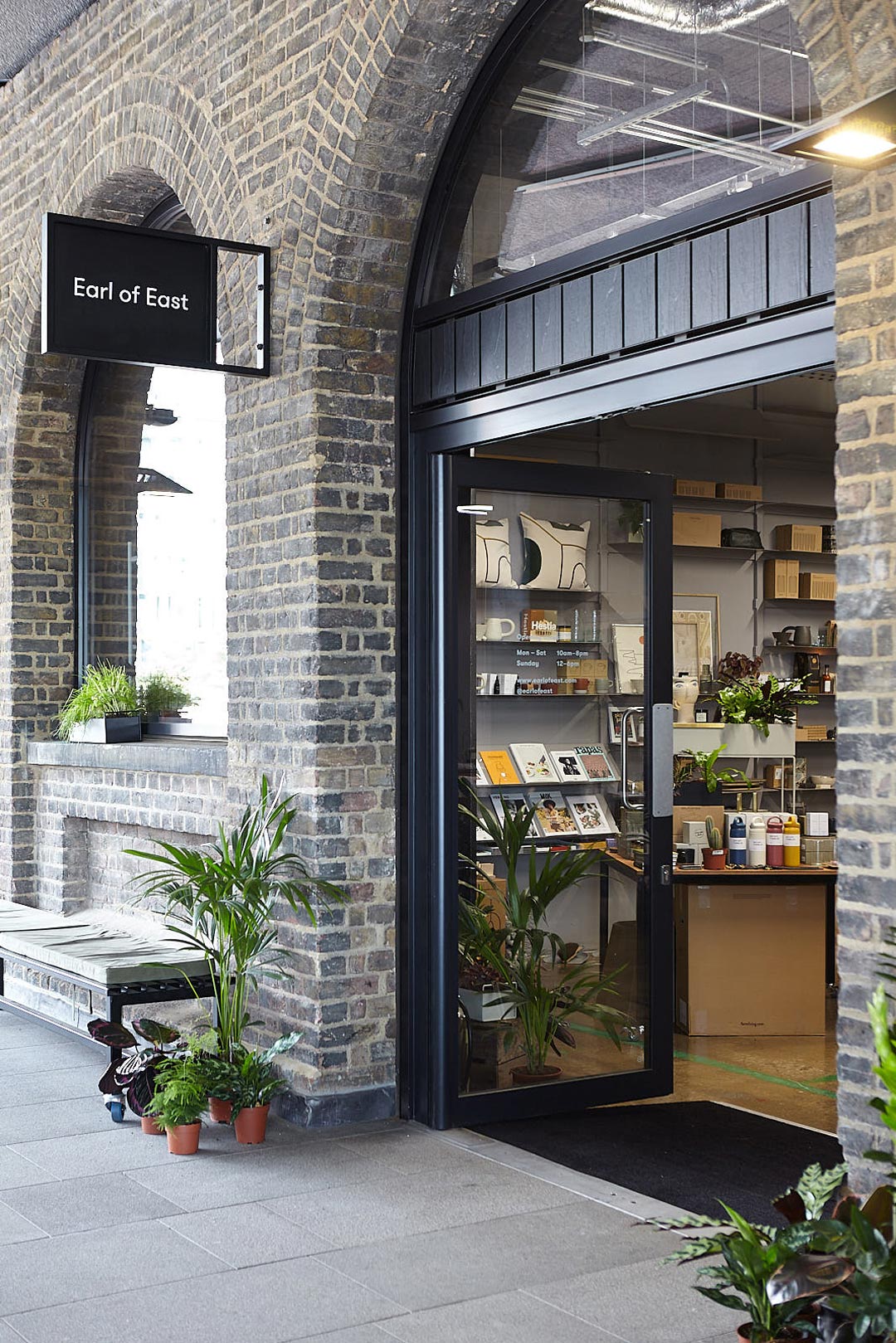
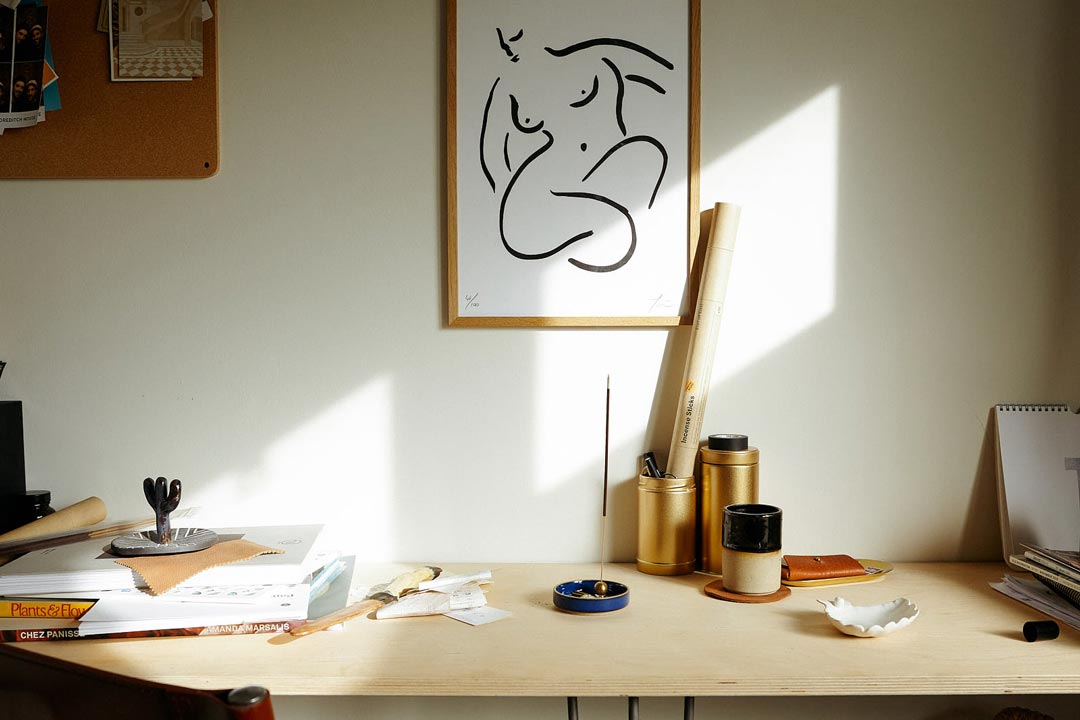
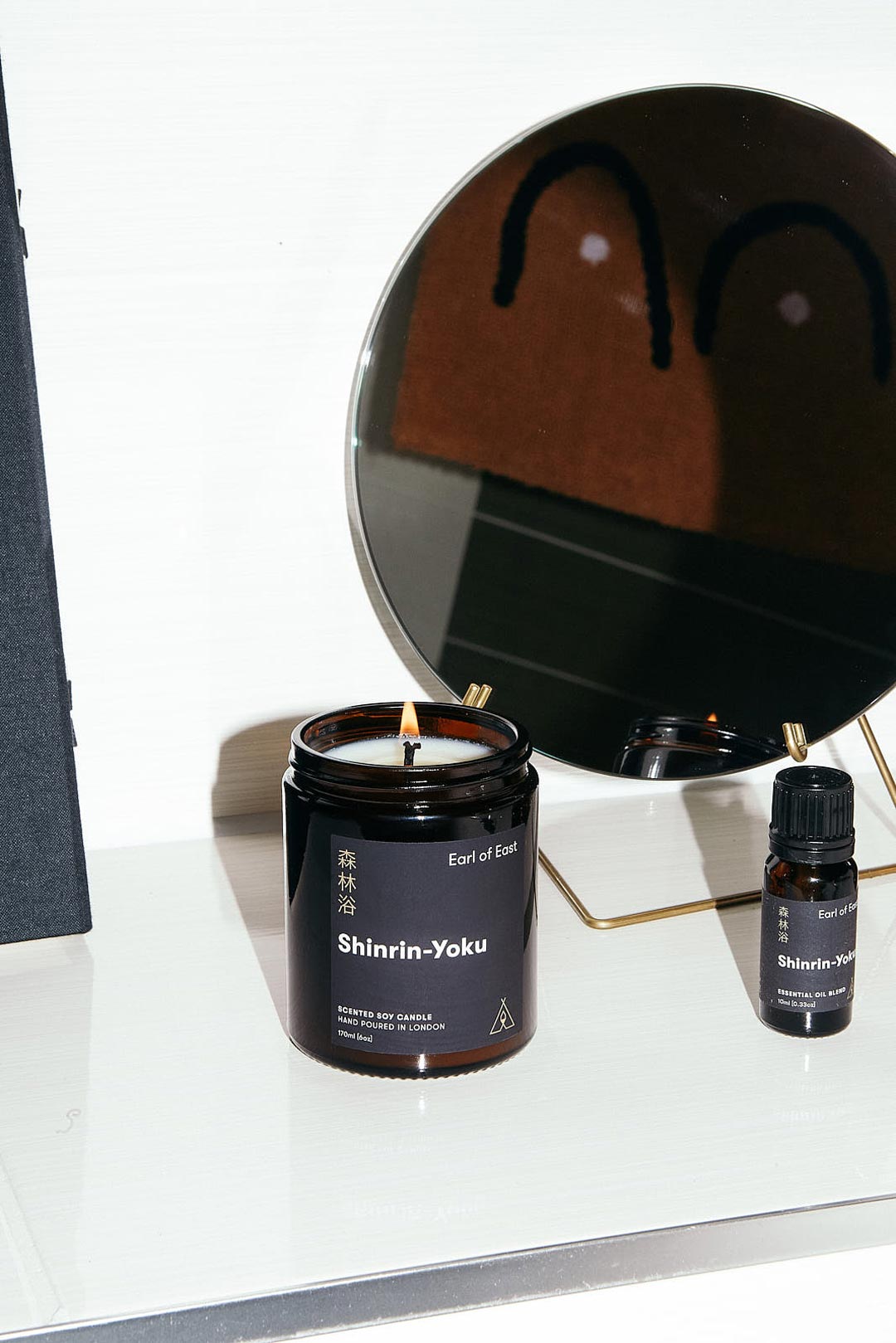
    Lifestyle brand, started in 2014 by partners Niko Dafkos and Paul Firmin, with 3 multi-concept stores in London, alongside their own home fragrance, bath, and body line, which is manufactured in-house.
    Location: London, UK
    www.earlofeast.com

    When did the lockdown start for you and how has your business been affected?

    Things really start to change in early March. As Covid-19 began spreading worldwide, we first felt the effects in our flagship store in Coal Drops Yard, as footfall started to decrease. However, it was on the 19th of March when we made the decision to close the stores, just a few days before the official lockdown as we felt the need to protect our staff and customers.

    All three store locations have been closed since, and as a result so has our program of workshops and events, which are a major part of our business. We have been able to continue with online, and with manufacturing, although on a much more reduced scale. We have since furloughed around 60% of the team, creating a skeleton team to ensure core functions continue.

    Have you found any new ways of working or have come up with new product ideas during this time?

    We were able to pivot quickly, firstly by reaching out to corporations we have worked with previously to create client care packages, and then in the creation of our virtual workshops which are hosted through Zoom. Not only did this allow us to keep the cash flowing it also gave Niko and I real purpose whilst everything began to take a turn for the worse in terms of the spread.

    We have also become much more content focussed on our site, creating a series of content called Ritual over Routine and releasing interviews. We were actually working on both before this happened but it allowed us space to really focus on this new side of the business. Working with the skeleton team, and remotely in what is usually a very much hands-on business has been difficult, but we have a good team in place and daily check-ins and clear tasks have allowed for a new structure to develop. We have really had to rethink a working week and structure our days to always include work, it’s definitely a work/life integration over ‘balance’ but it’s allowing us to stay motivated in what could be a very depressing time.

    We released a collaborative project with KayK goods which is a move to a new category, it wasn’t planned to be a digital launch but we wanted to stick to our time plan, and we created some nice content for the launch. In addition to this, we are currently developing a new line, so we have been able to focus on this, and extensions to our Japanese Bathing Line which has become a best-seller in the last year and has gained particular attention in the last few weeks. We are also in the middle of a project with an agency, which is really exciting.

    What are some of the positive takeaways you have experienced during this time?

    As a team, we have learned a lot and become stronger, I think this can only be viewed as positive. From a business owner standpoint, we have had to face challenges and overcome something unimaginable just a few months ago, you learn a lot through difficult times and I think it has helped us to look at our company again and redefine what is really important. We have seen which areas of the business need more focus, and which are working well. We have seen a lot of traction online and with our community, that has been really positive and something we want to continue to build on.

    From a personal level, Niko and I only made this business our full-time jobs last September, after five years of it being our side-hustle. We had struggled to find a real pattern of work and this has given us the space to determine that, and our actual roles and responsibilities beyond just being founders. It has also given us space to dedicate some time to ourselves, to eating right and exercise, which are essential to long-term success in all areas of life.

    How do you see your business evolving over the next few months?

    It’s really hard to determine right now, but what we know is that our strategy is to protect what we have and build on the great customer base we have built in the past few years.

    The new normal will certainly affect our stores, we are currently making plans to change the spaces and make sure they work well for social distancing and that our team are provided with the safest environment. The structure of our events will change for the foreseeable, and we see digital events still playing a part in that schedule moving forward.

    Wholesale will change but we are unsure of the ways yet, having stockists worldwide has meant we have felt the effects at different times, we have also taken on new stockists during this time and have some exciting new projects in the works. In terms of digital, our focus will remain on becoming more content-driven, we are adding a lot of new products and categories to the site, and these will roll out in-store too. We also hope to release more new products.

  • Dust London: Homeware from Organic Materials

    Dust London: Homeware from Organic Materials

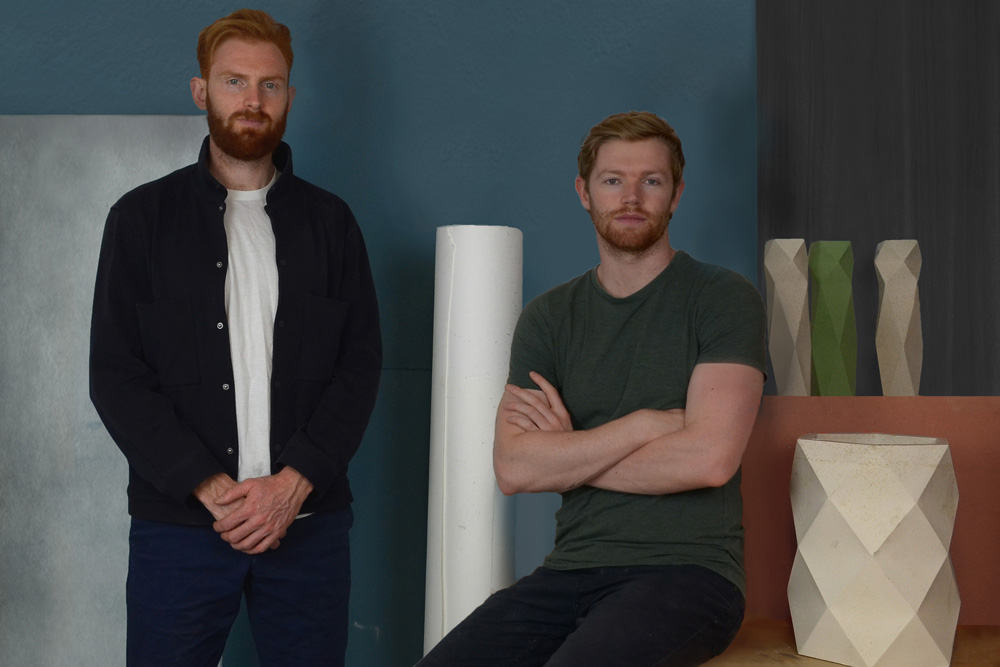
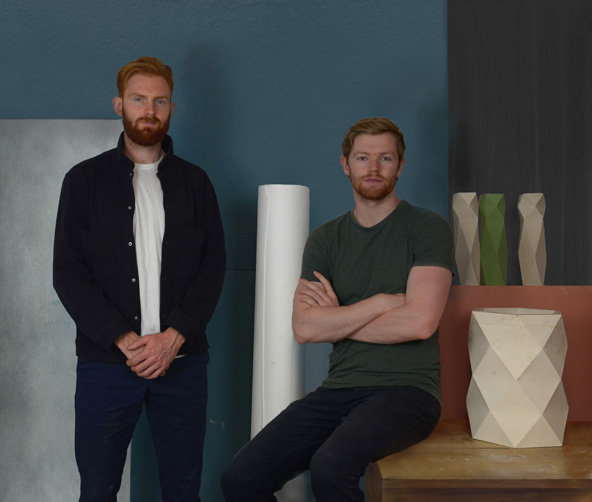
    Founded by Michael McManus and Matthew Grant, Dust London is a homeware label drawing on their experience in artist and architecture studios. They established their design company with the intention of changing the way materials are conventionally used and the ambition of creating objects from natural materials.

    We chatted with Michael and Matthew to find out more about the manufacturing of their products, their current range and what homeware means to them.

    www.dustlondon.co

    Can you tell us about how you met and what made you start Dust London?

    We knew each other from a young age and shared design ideas whilst studying art and architecture respectively. Dust London was born out of an ambition to set up a studio that explored our mutual interests in design alongside our passion for organic and sustainable materials.

    Your products are made from tea waste, can you tell us more about why you decided to choose this material and what processes you follow to manufacture your items?

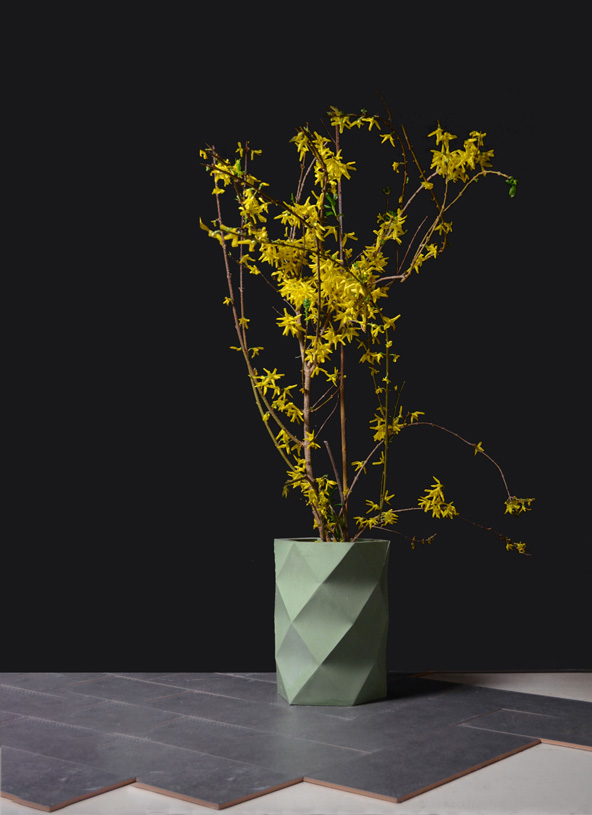
    Our studio practice is driven by discovering new materials for making. We were looking for an organic material to use and after months of experimenting we tried tea waste. We found that adding tea to our material created a beautiful range of rich colours. Experimenting with tea waste as a material for making has enriched the colour palette of our designs. From the soft and subtle green hues of our Peppermint tea range to the rich warmth of the Rooibos and English breakfast selections, our products compliment a range of interiors. We collect and separate the tea waste into 5 different colours. Each selection is thoroughly dried before blending and mixing with a gypsum-based powder and non-toxic binder. This mix is then poured into our handcrafted moulds which have been made from a single sheet of paper using origami folding techniques.

    Coming from an arts and architecture background, you mention that you are “keen to step away from the computerised and the mechanistic”, can you tell us more about this decision and why you lean towards handmade products?

    We have interests in a variety of traditional casting techniques and wanted to apply these to our designs. Through refining handmade processes our ideas have developed organically in our studio. Exploring new techniques and experimenting with materials in this way allowed us to achieve unpredictable results that informed future works. We chose not to use technology within our studio practice because we wanted to apply a makers touch to our objects. By casting our work by hand each piece is entirely unique, with subtle variations in surface pattern and colour.

    Your current collection is made up of three objects, can you tell a little bit about each of them? Do you have plans to expand your product range in the near future?

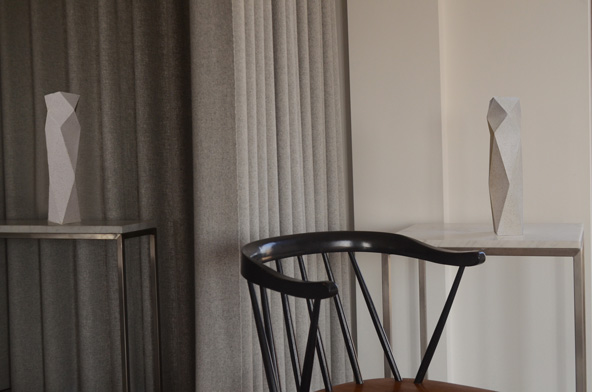
    Our current collection comprises three designs inspired by origami forms: a coaster set, a centrepiece vase and a large planter. Each object is folded from a single sheet of paper to create a homogenous design. We were drawn to the minimal aesthetic and elegance of origami that aligned with contemporary interior design. Each of our objects are available in five tea variations: Chamomile, Rooibos, English Breakfast, Peppermint and Black Tea. These colours have been selected to provide a range of textures and hues to complement a variety of interior colour palettes.

    We are currently working on a number of larger scale pieces of furniture and have developed a prototype for a table. We are excited to combine the aesthetic of origami with the function of furniture. Experimenting with organic resources will always be at the forefront of our work and we are currently exploring a sustainable material that we can apply to a new collection.

    What does homeware mean to you and why do you think it’s important?

    Homeware is accessible in scale, both for the designer and user. It allows designers to experiment with new materials that find their way into the home. Homeware therefore paves the way for wider conversations that the designer looks to address through their work. By bringing functional objects into the home that are made of tea waste challenges convention and questions how we commit to a sustainable future.

  • Good Hotel, London

    Good Hotel, London

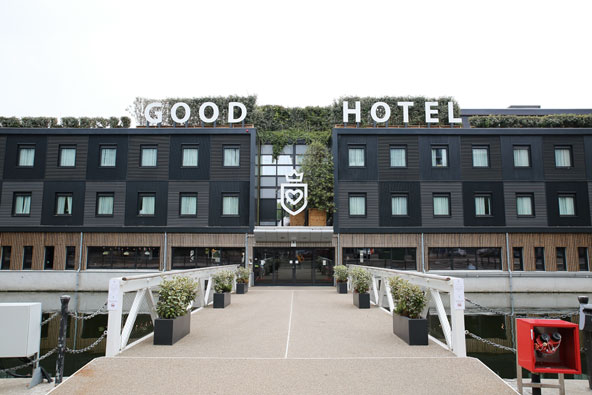
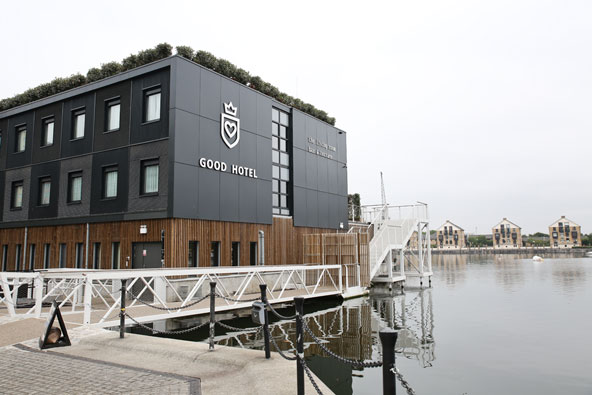
    We recently had an amazing stay at Good Hotel in London’s Royal Victoria Dock. Good Hotel is part of Good Group, a social business which has community and not individual at its core, providing premium hospitality with a cause.

    www.goodhotellondon.com


    The concept

    Founded by Marten Dresen, Good Hotel is the manifestation of his social business dream. The first Good Hotel popped up in Amsterdam during 1 year and trained and re-integrated 70 long-term unemployed locals who were living off welfare. Good Hotel now has locations in London (the floating hotel was transported from Amsterdam) and Guatemala (Marten founded a NGO called Niños de Guatemala there in 2006) and plans to open 5 new properties by 2020, focusing on destinations where touristic demand meets the needs for development.

    There’s one common point in all the Good Hotel properties: the contribution they make to the local community while offering a personalised, authentic experience. The Good Group has created an in-house training program called Good Training, offering long-term unemployed locals custom-made hospitality training and the chance to build a new future. Rooted in the local community, the ingredients, materials and labour needed at Good Hotel are all locally sourced from small business owners and craftsmen.

    Good Hotel also invests in the education of children of low-income families in Guatemala through the NGO Niños de Guatemala founded by Marten – in its first year it has donated $80,000 and is now working towards a goal to donate $500,000 per year).

    If you’re running a similar project and need guidance in social care, you can find organisations like CBAT that can help you in this process.

    The hotel

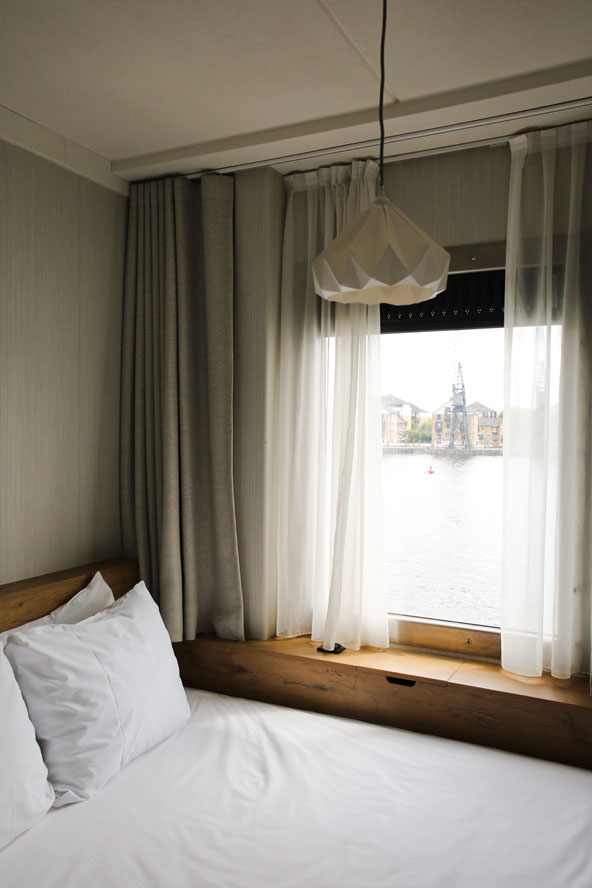
    Located in the Royal Victoria Docks, an up-and-coming area in East London, Good Hotel London is a floating hotel with an innovative design in a unique waterfront location.

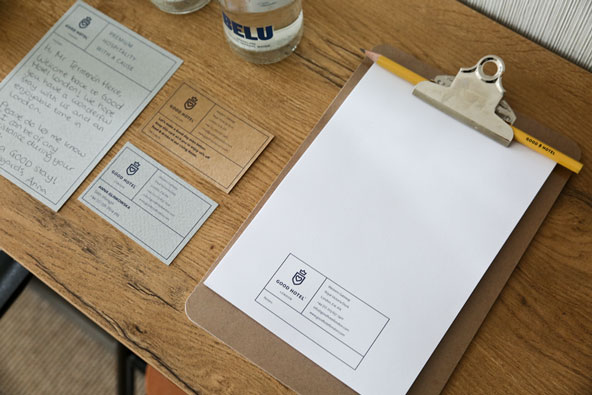
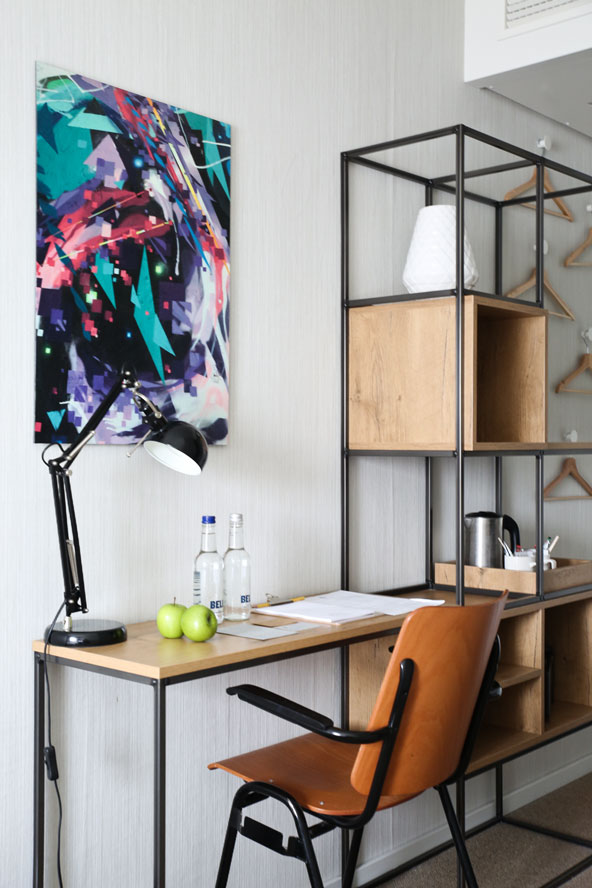
    The modern rooms (4 types with different bed sizes and views to the dockside or waterfront and River Thames) have a minimalistic design, with Scandinavian-style wooden furniture and special details that make the stay even more pleasant, such as the fair trade toiletries, tooth brush and shaving kits, sockets for EU guests and a little doll handcrafted by Guatemalan artisans and designed to help you have a good night sleep.

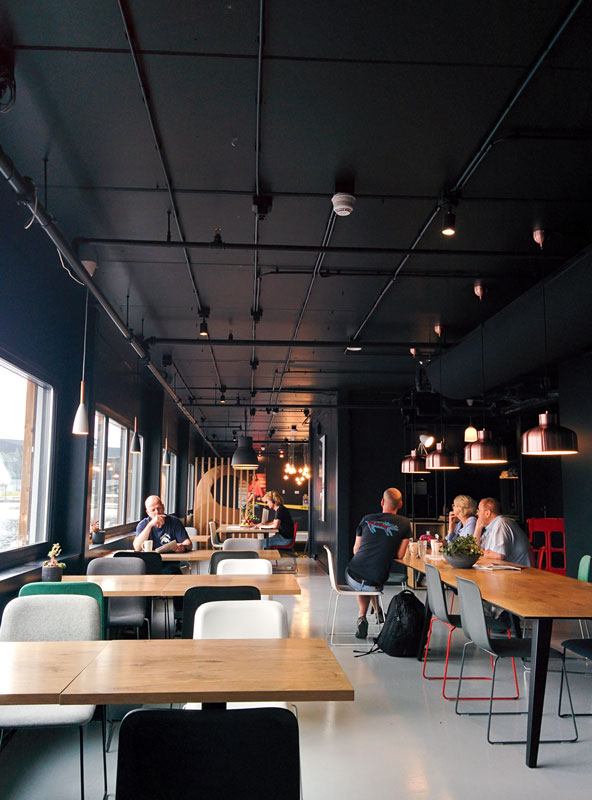
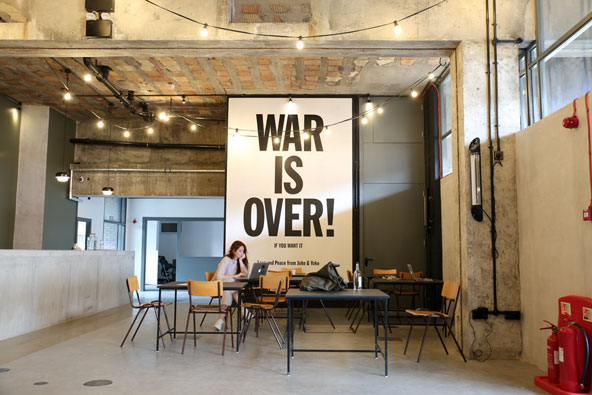
    On the ground floor guests can find The Living Room, an open space with sofas where you can relax, big tables to work and meet other people staying at the hotel and a bar serving locally inspired cuisine with an international twist. On the top floor, guests can also find a roof area overlooking the River Thames and London, whilst enjoying drinks and café classics.

    When you book direct with Good Hotel, £5 will be donated to their NGO Charity partner, per booking, per night. When you book with Booking.com, they have partnered to created a unique ‘boosted’ link whereby if you book to stay anywhere with it, Booking.com will donate a percentage of your booking to Good Hotel’s NGO.
    Find out more here: www.goodhotelbooking.com


  • The Silver Building, creative workspaces in London’s Royal Docks

    The Silver Building, creative workspaces in London’s Royal Docks

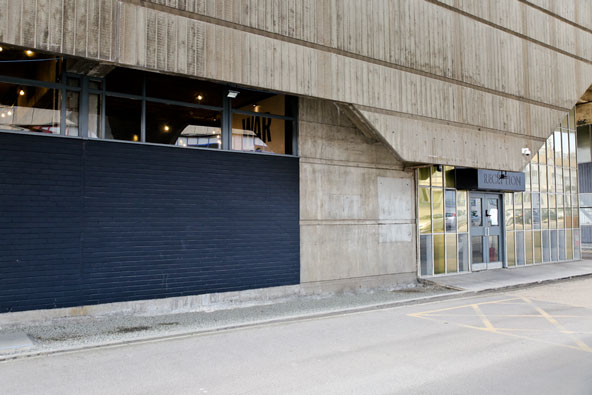
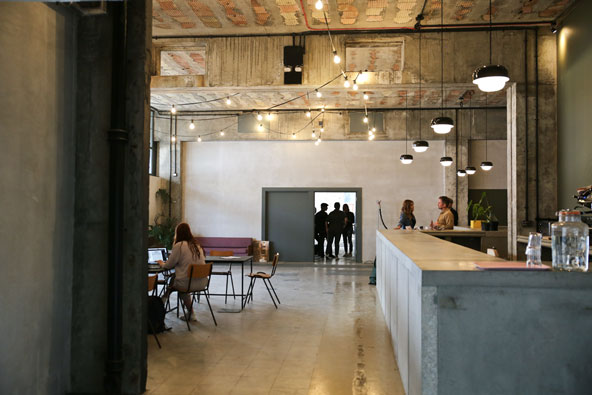
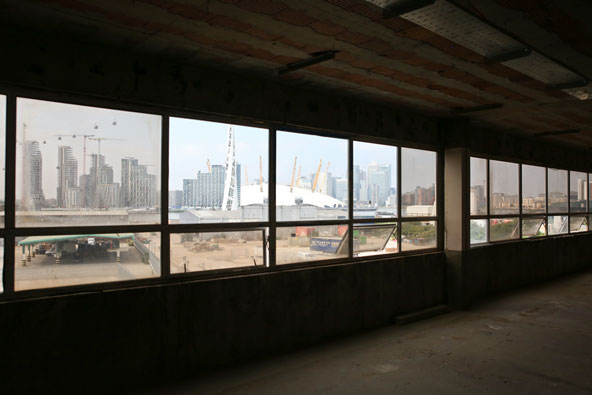
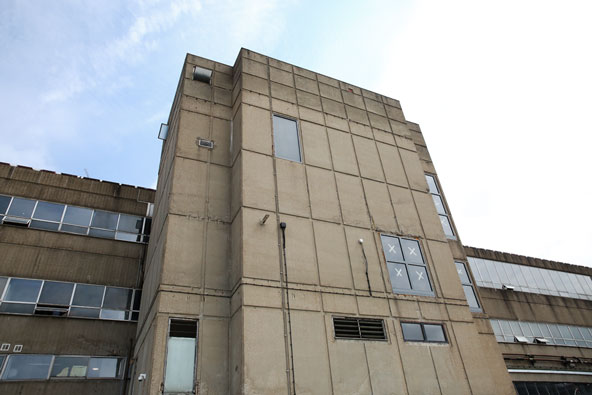
    Located in London’s Royal Docks, an area currently undergoing a transformation to become a hub for creative industries, The Silver Building is a dramatic multi-purpose shared workspace centre in a striking brutalist building by the River Thames.

    www.thesilverbuilding.com

    On our last trip to London, we visited The Silver Building at Silvertown and were showed around the different areas and studios by its founder Nick Hartwright, who’s also behind Green Rooms Hotel – an arts hotel and social enterprise we’ve already talked about.

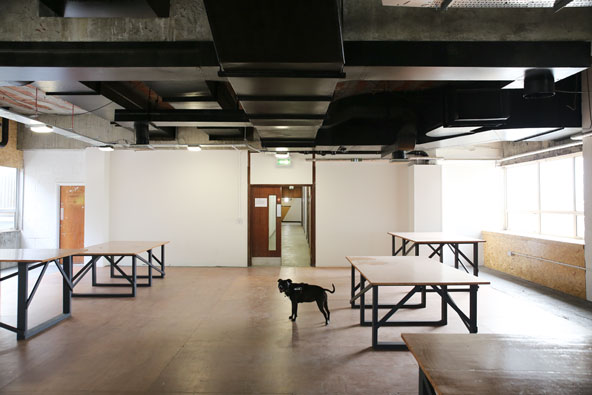
    The 50,000 sq ft building, originally constructed in 1964 for Carlsberg-Tetley Brewing company, opened in late 2017 and is already a bustling creative and entrepreneurial hub where new talent is nurtured and grown. The concept behind this project is to provide affordable workspace for everyone, with different studio spaces that cater for everyone: from fashion designers and artists to photographers and set designers.

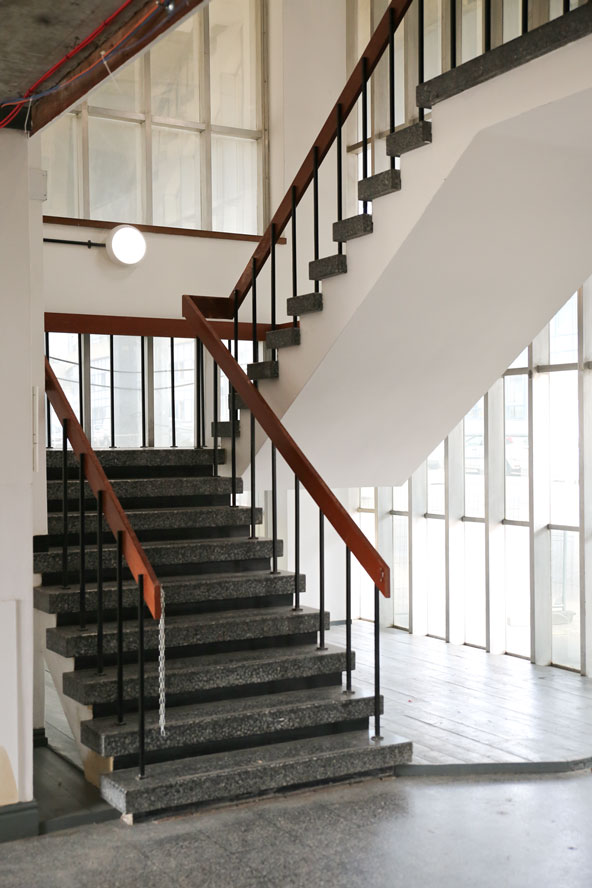
    Working in partnership with the Mayor of London’s office and re-purposed by award-winning studio of architects and designers SODA, The Silver Building also features communal areas and events spaces across its four floors, with a ground floor café which is the beating heart of the development.

    Nick Hartwright has said about the project “The Silver Building is an incredibly exciting project and a perfect example of how modern regeneration should be carried out.  Over the coming years we’re going to put Silvertown on the map.  We’re going to engage with existing Newham-based businesses and we’re going to bring new enterprises to the area.  Everyone will benefit, and together, I’m sure we’ll produce some brilliant outputs.”

    And the Mayor of London, Sadiq Khan, supports the initiative and the offering of affordable workspaces for creative businesses: “London’s creative industries are unrivalled, but the capital is growing and we need to make sure we build great creative infrastructure into major development projects. As property prices rise, artists are finding it more difficult to put down roots here and that’s why they need access to genuinely affordable workspace.

    Fashion designers like Craig Green and Liam Hodges have their workspaces here and also set designers Block9, who have worked with Gorillaz, Lana del Rey and Banksy. With prices of around £15 per sq ft, The Silver Building is attracting some of the most exciting creative talent due to its affordable spaces, the dramatic setting and the on-going regeneration of the neighbourhood.