Tag: lockdown stories

  • Lockdown Stories: Trace Collective

    Lockdown Stories: Trace Collective

    Lockdown Stories is a series of short interviews with creative entrepreneurs and businesses that have been affected by the COVID-19 crisis. Since its beginnings, the main goal of Future Positive has been to share inspiring projects happening all around the world and, during these strange and difficult times for independent businesses and creators, we want to continue providing support and visibility. If you’d like to be featured in this series, please get in touch at hello@thefuturepositive.com and tell us your story.

    Trace Collective
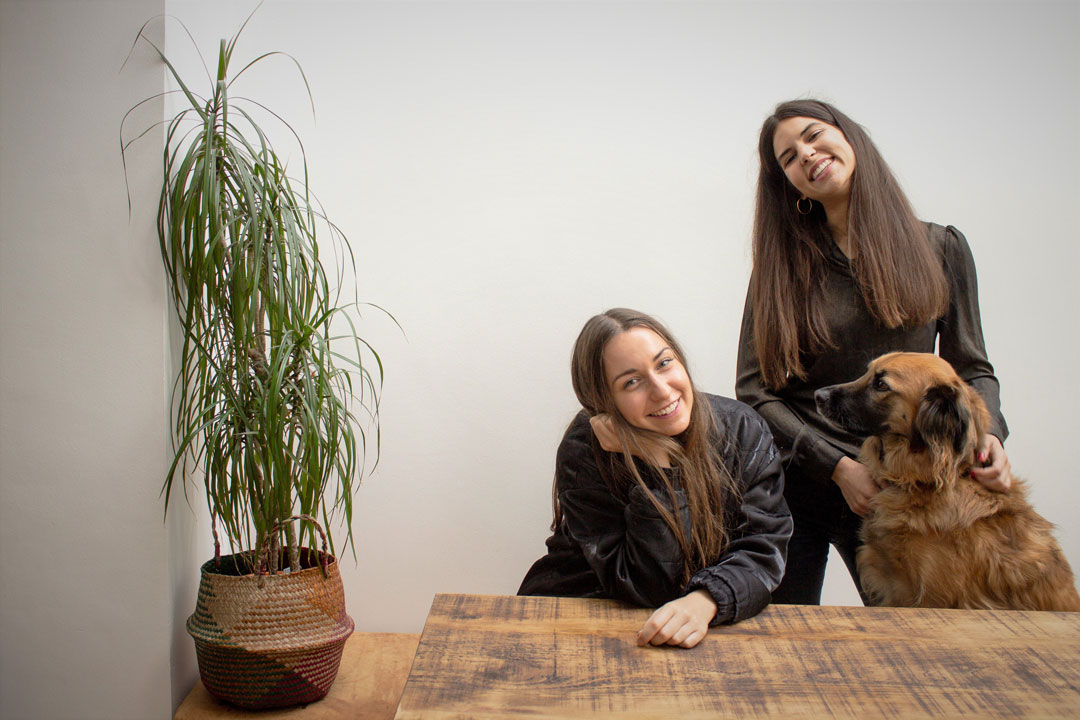
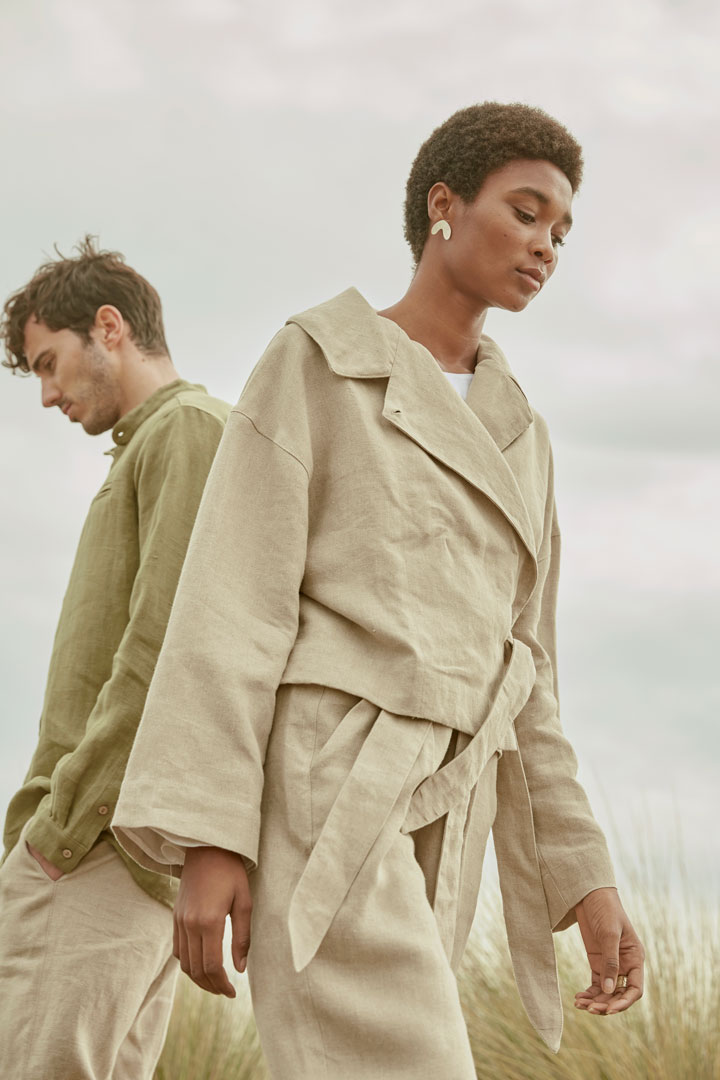
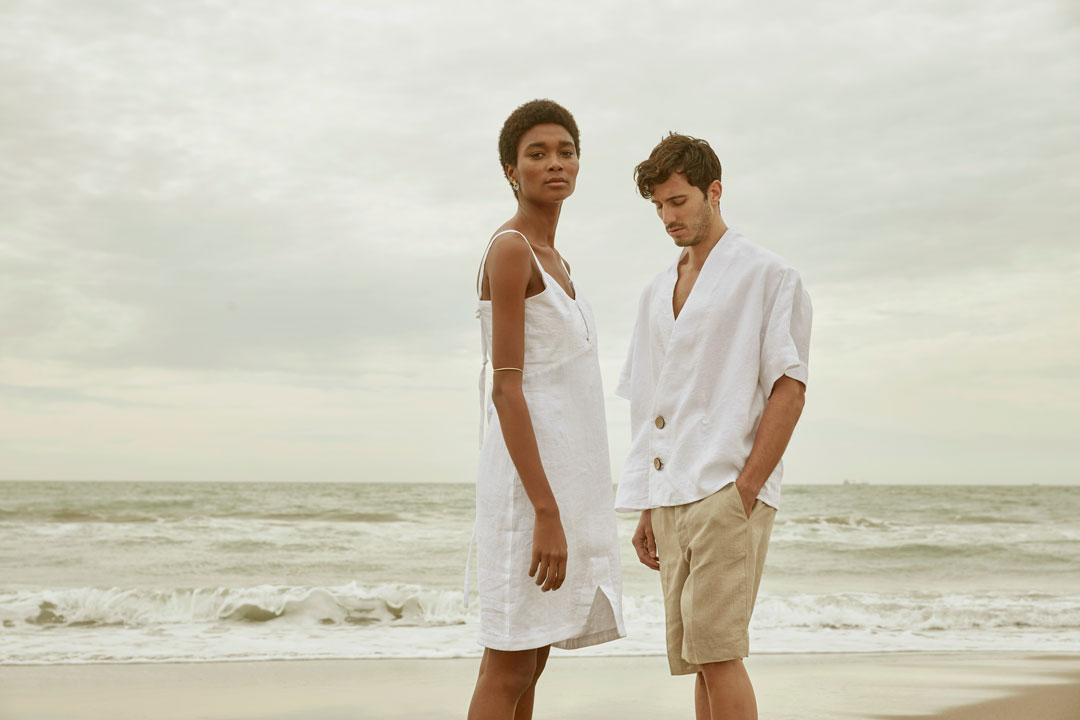
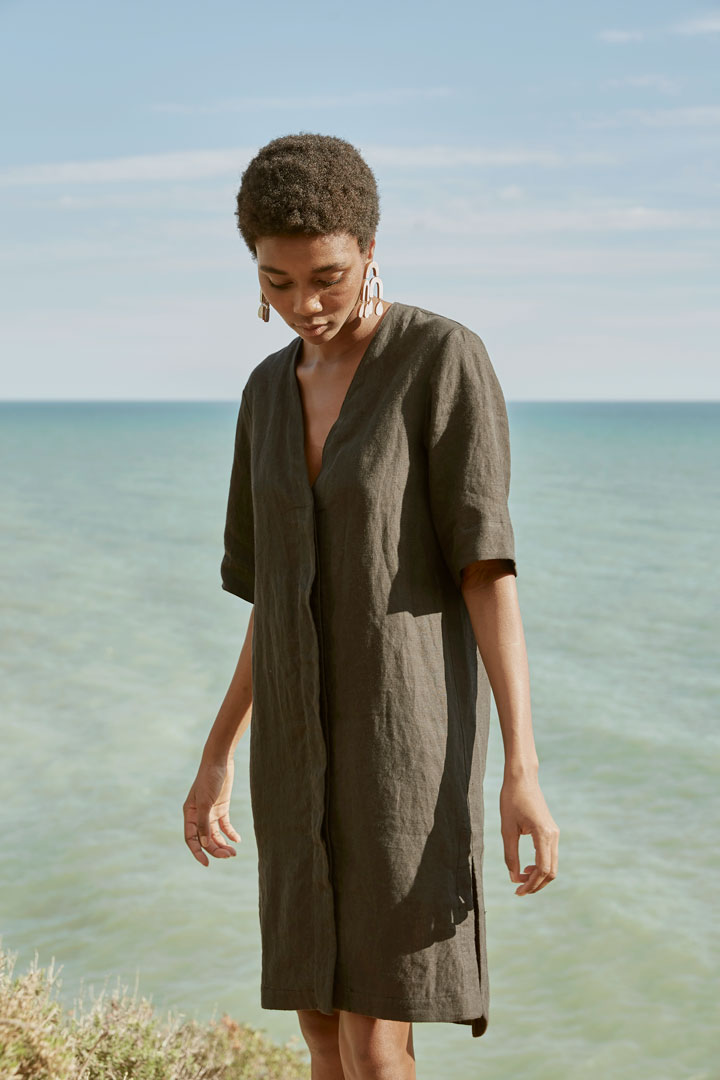
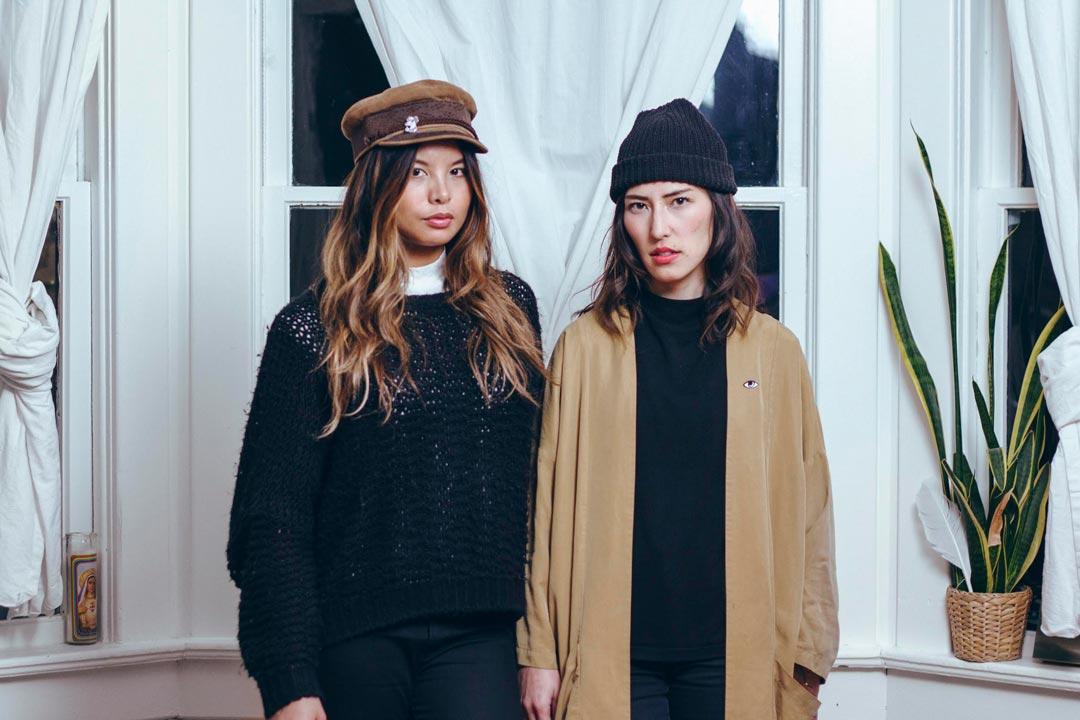
    Founded by Antonia and Aroa, Trace Collective is a London-based sustainable brand for women and men using fashion and radical transparency as a tool for environmental regeneration.

    Location: London, UK
    www.thetracecollective.com
    When did the lockdown start for you and how has your business been affected?

    Our supply chain extends across different European countries, so lockdown measures started impacting us early on in March – when the Italian factory where part of our organic linen was been dyed closed down. At the beginning we tried to continue business as usual, which seems unbelievable right now but I guess that like so many business owners we were not willing to understand what the virus was going to mean for business – and life – as we knew it. However, the impact soon cascaded down to all other points of our supply chain until our production fully stopped in mid-April.

    As a small brand, this affected us deeply. We had to send hundreds of individual emails to our Kickstarter backers explaining them that we were not able to fulfill their orders as we had promised, and that we didn’t know when we would be able to do so. We were left with very reduced stock to sell, which put an incredible strain in our cashflow. And we had to cancel our PR launch for our first collection, which was planned for April and backed by several events across London. We saw months of hard work disappear and, worst of all, we couldn’t do much to mitigate the damage.
    Have you found any new ways of working or have come up with new product ideas during this time?

    Yes. We had our first “crisis meeting” early on in March and have changed our approach to work and business development since then. We started working with almost daily goals and check-ins, which have allowed us to be much more responsive to societal changes. And we’ve shifted the focus of our work from sales and brand development to community building and awareness-raising educational events, which are another of the main avenues for us to achieve impact. We were also able to take step back from the extremely fast paced days that come with entering the market as a new brand, and to spend time developing and landing many of the innovations that were in our to-do list.
    What are some of the positive takeaways you have experienced during this time?

    This crisis has made us more agile, more innovative and more determined to persevere in our mission. Curiously, it’s also brought us closer to our impact and reminded us why we started Trace. The “no-sales anxiety” was getting really high when we remembered that at we’re not in the business of selling clothes – we’re in the business of changing how the fashion industry works and how communities purchase clothes. Selling pieces that are designed for circularity and drive environmental regeneration is one of the core ways that we can do that, and a really important one. But it’s not the only one, and this period has forced us to refocus on other areas of activity that we had abandoned a little bit. Re-connecting with this mission was incredibly refreshing and has brought us immense energy to keep doing our work.
    How do you see your business evolving over the next few months?

    At this point we’ve learned not to plan too much ahead, and who could anyway! We have clarity on our impact goals for the next year, that’s our north start and the most important element for our business strategy. Then we have canvased different activities that will help us get there, and we’re testing every week what works and what doesn’t, and pivoting quickly to the next one. What’s sure to come is some exciting new services and a new community platform. This period of forced digital interactions has reassured us of how important face-to-face connection and community building is, so we’re working on ways to be accessible in physical spaces across Europe as soon as it’s safe.
  • Lockdown Stories: Slowwavy

    Lockdown Stories: Slowwavy

    Lockdown Stories is a series of short interviews with creative entrepreneurs and businesses that have been affected by the COVID-19 crisis. Since its beginnings, the main goal of Future Positive has been to share inspiring projects happening all around the world and, during these strange and difficult times for independent businesses and creators, we want to continue providing support and visibility. If you’d like to be featured in this series, please get in touch at hello@thefuturepositive.com and tell us your story.

    Slowwavy
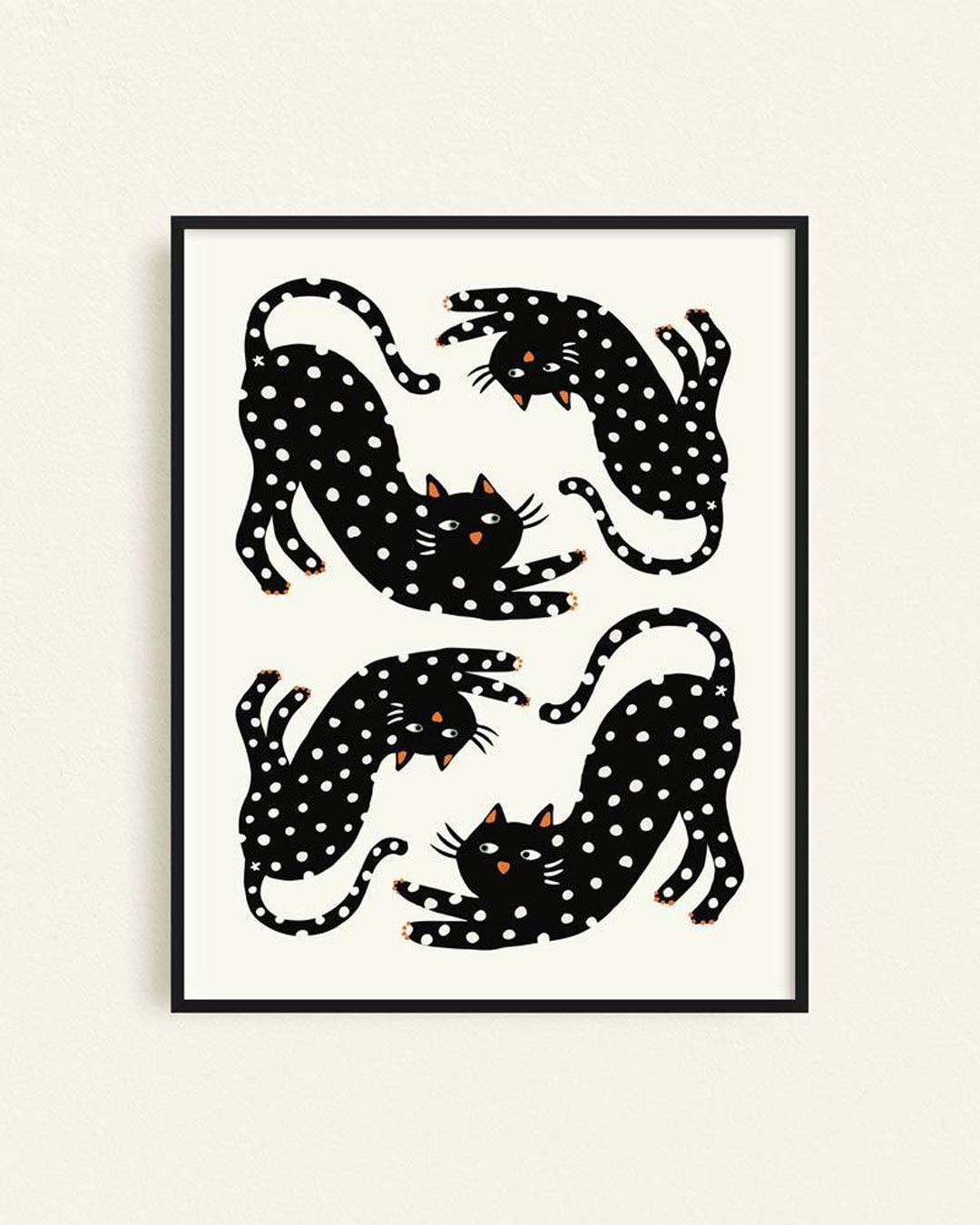
    Slowwavy is a new e-commerce platform, which is an invitation-only curated marketplace of selected artists and brands dreamed up by two artists, Rachel Rivera and Claire Ouchi, who wanted to connect the world with rad work.
    Location: Vancouver, Canada
    www.slowwavy.com

    When did the lockdown start for you and how has your business been affected?

    It started for us while we were out of town in a different province painting an interactive mural under our moniker WKNDRS (@wkndrsforlife). It was such a crazy time because the mall we were painting in was slowly shutting down, and we had to expedite our painting process, as well as change our flights to come back home earlier (since flights were getting cancelled at the time).

    We travel a lot for work and this epidemic has definitely changed that dynamic. We had three large art show events in California lined up a few weeks after our mural painting (in April) and we unfortunately had to cancel those projects (or move them out in the calendar).

    Have you found any new ways of working or have come up with new product ideas during this time?

    Yes, it’s been quite an interesting time for this as well, because we are a creative duo that work on multiple types of projects.

    We are very excited to announce that we soft launched our latest endeavour, a curated online shop called SLOWWAVY, housed with independent makers and brands from all over the world. This is our latest endeavour and are so happy we can support artists during this time and onwards.

    What are some of the positive takeaways you have experienced during this time?

    We’re all doing our best in this time and staying creative has definitely started to look a little differently than working side by side together in our joint studio. Making recipes at home, working on some paintings and taking photos has been a great way to stay creative. It’s kind of a nice time to explore other creative outlets, or just being okay with being still (which is a hard one).

    How do you see your business evolving over the next few months?

    As we just launched Slowwavy.com, we are working on our first phase, which is helping our artists and designers get their work up in the shop. We’re then planning to showcase their creative talent with a number of interactive projects where people can view their work and process, as well as interact with them digitally, and from a distance.

  • Lockdown Stories: Lydia Caldana

    Lockdown Stories: Lydia Caldana

    Lockdown Stories is a series of short interviews with creative entrepreneurs and businesses that have been affected by the COVID-19 crisis. Since its beginnings, the main goal of Future Positive has been to share inspiring projects happening all around the world and, during these strange and difficult times for independent businesses and creators, we want to continue providing support and visibility. If you’d like to be featured in this series, please get in touch at hello@thefuturepositive.com and tell us your story.

    Lydia Caldana
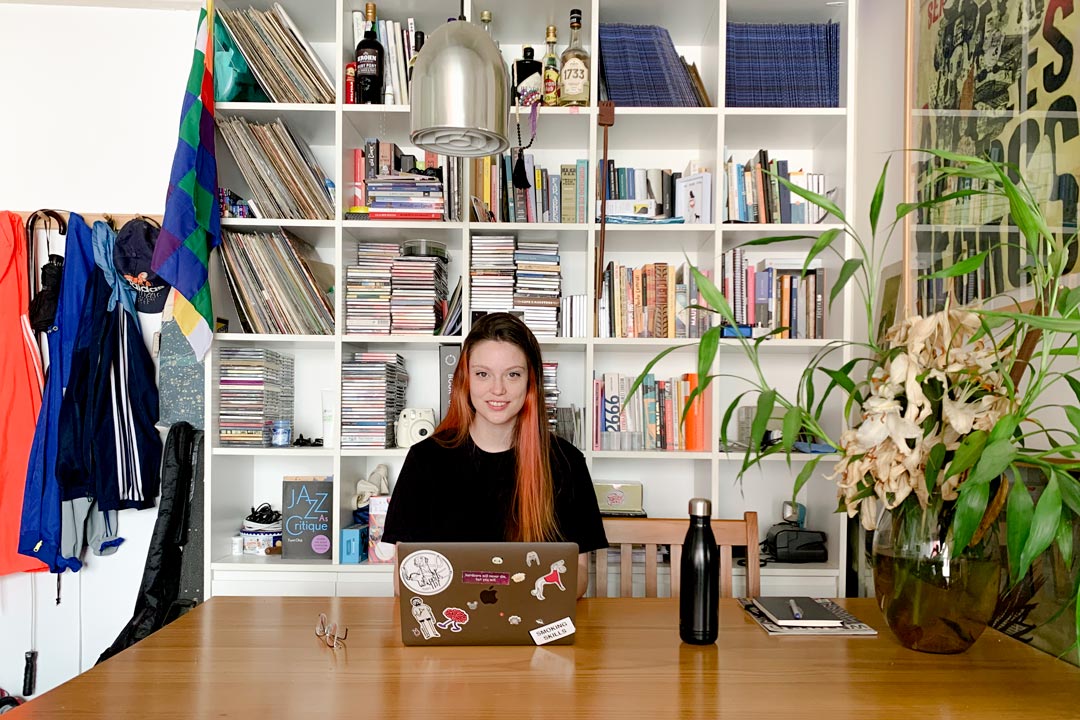
    Foresight Strategist and Consumer Insights Specialist. Lydia researches culture and strategises the present and the future; focusing on emerging behaviors and how they change people’s values and attitudes to help brands create long-lasting relationships with people through products, services and communication.
    Location: Brooklyn, NY, USA
    www.lydiacaldana.com

    When did the lockdown start for you and how has your business been affected? And how has it affected your clients?

    Life in New York City has pretty much changed drastically on March 9, 2020. As a freelance qualitative researcher and trend forecaster, a lot of what makes up my work always was online. Many of the partner consultancies I work with are based in London, UK and São Paulo, Brazil, so all relationship, briefs, presentations and most of the data collection already was digital.

    What has changed is the inability to live life in New York City, which is a big source of innovation and inspiration for the research I conduct. As much as the lockdown has pushed for transformation and evolution in virtual terms, people’s lives also take place in the physical layer, that has a crucial role in activating senses and enhancing product/service experience.

    Clients which centered their business around events (concerts, festivals, sports, etc) or B2C services (mobility, tourism, food service, etc) have seen an instant impact on everything from number and quality of employees, to the supply chain, the attention to online presence and commerce, and business model.

    Have you found any new ways of working or have come up with new services during this time?

    I have seen how ways in which I had been leading my business become the go-to solution for a time that demands agility and cost-efficiency. Things like meetings becoming emails, and desk-based research/phone interviews for monitoring and predicting consumer behavior (instead of field research or physical interviews) have become more and more popular. I have structured a new methodology that combines inputs from consumers, experts and the academia – online – that form a 360 perspective of behavior and projection of future scenarios.

    What are some of the positive takeaways you have experienced during this time?

    It has been really nice to see some unity. While there is still privatization of solutions and initiatives to COVID-19, citizens from all over the world have been sharing similar difficulties and an increased communal feeling of empathy. Global events that affect almost all countries in the world have the power to mobilize people around one big goal. The pandemic is also leveraging other urgent issues, like sustainability.

    What are some of the trends you have identified so far?

    The pandemic is both a global and a local crisis. On a micro level, we are already seeing how cities are reimagining themselves to increase citizen participation, reduce traffic and pollution rates and promote inclusivity. Milan and NYC already have plans that, through small but spread-out changes, will lead them towards more human-centered places.

    Something else that is shifting is the value placed on people’s homes and what is inside of them. When houses were built and used simply as places to come to for sleep or change of clothes, furniture and appliances didn’t have a big role in budgets and time. With people being forced to experience more homebody lives, they are realizing that a lot of what they have is either not goof/efficient enough or clutter.

    Urban spaces in dense cities for people with fast-paced lives required products and services that dealt with a series of tasks for them. With this relationship to the house and its chores being re-established, processes and rituals of cooking, cleaning and caring are demanding from products more in terms of precision and less in terms of quantity. There are only so many laundry detergents one can store.


  • Lockdown Stories: Safomasi

    Lockdown Stories: Safomasi

    Lockdown Stories is a series of short interviews with creative entrepreneurs and businesses that have been affected by the COVID-19 crisis. Since its beginnings, the main goal of Future Positive has been to share inspiring projects happening all around the world and, during these strange and difficult times for independent businesses and creators, we want to continue providing support and visibility. If you’d like to be featured in this series, please get in touch at hello@thefuturepositive.com and tell us your story.

    Safomasi
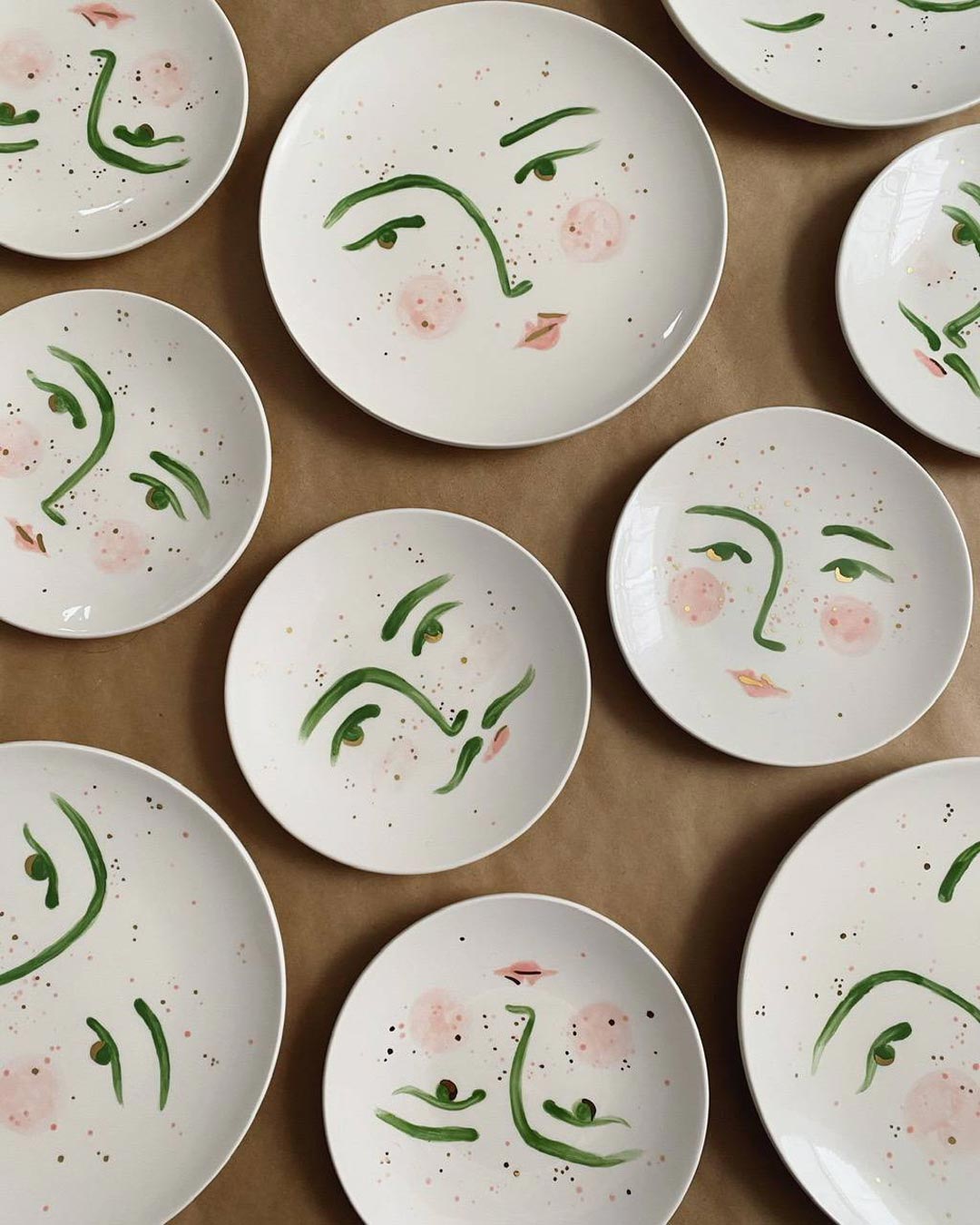
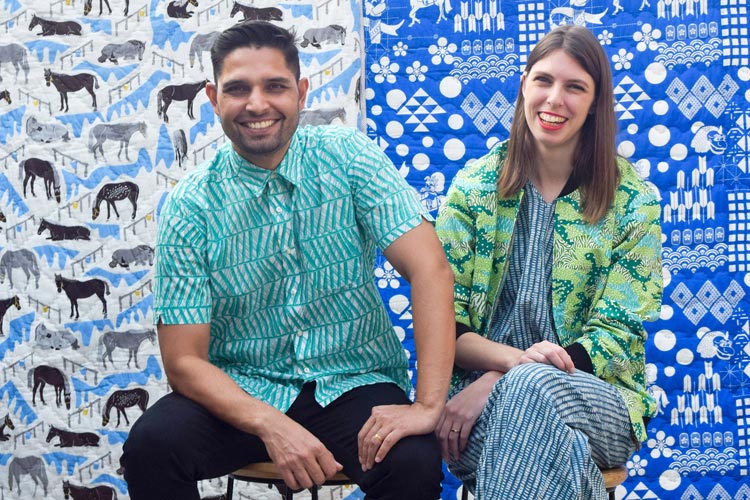
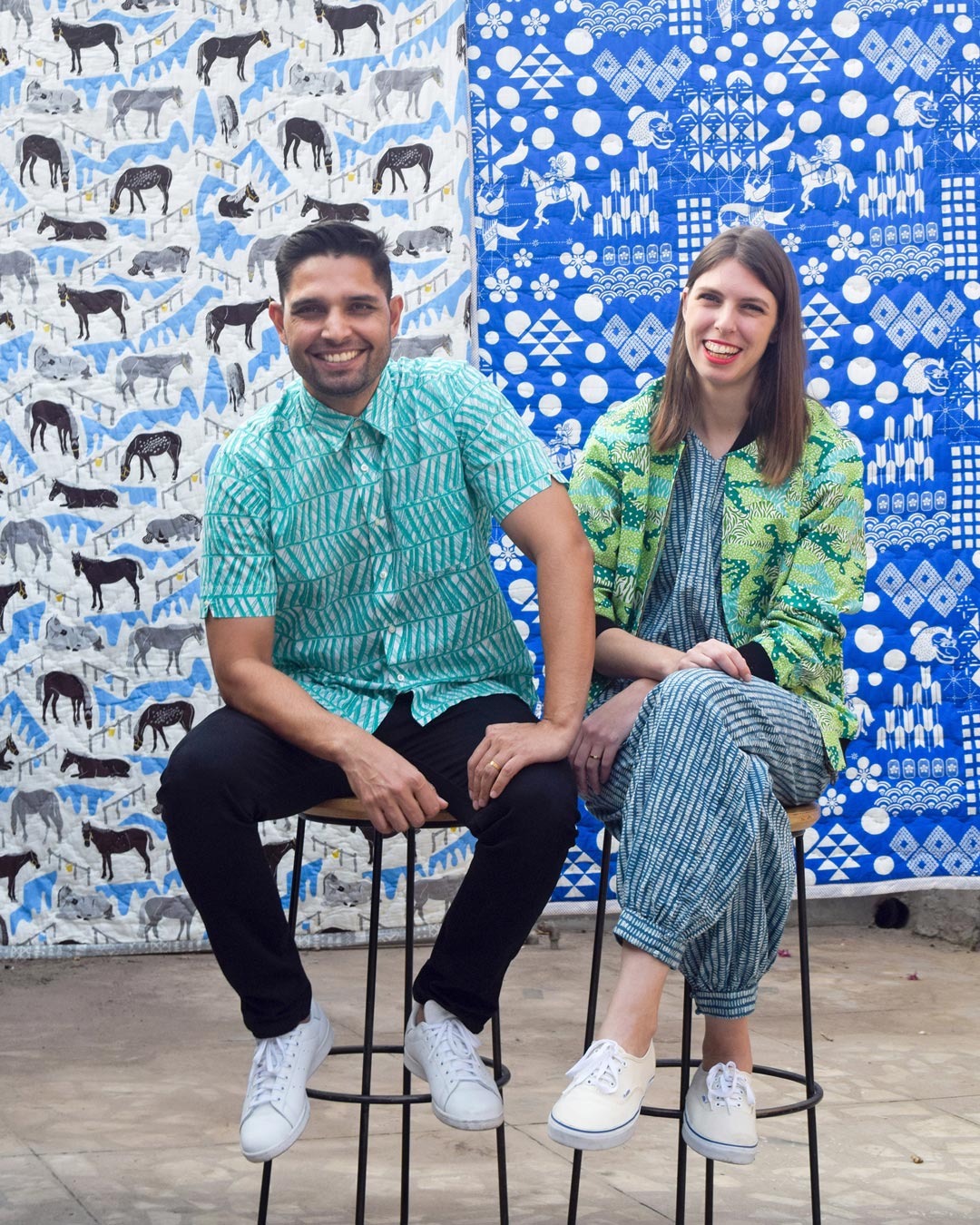
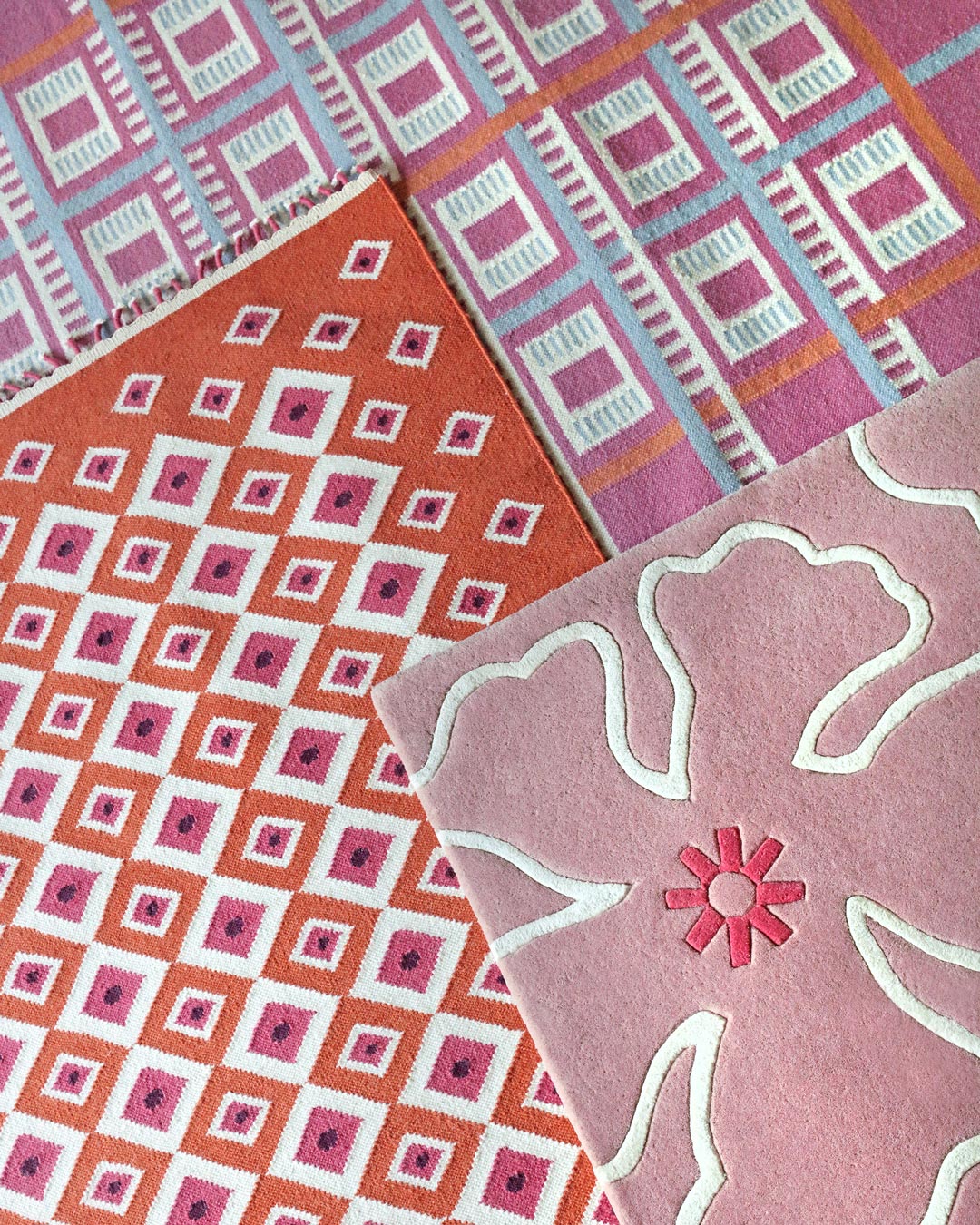
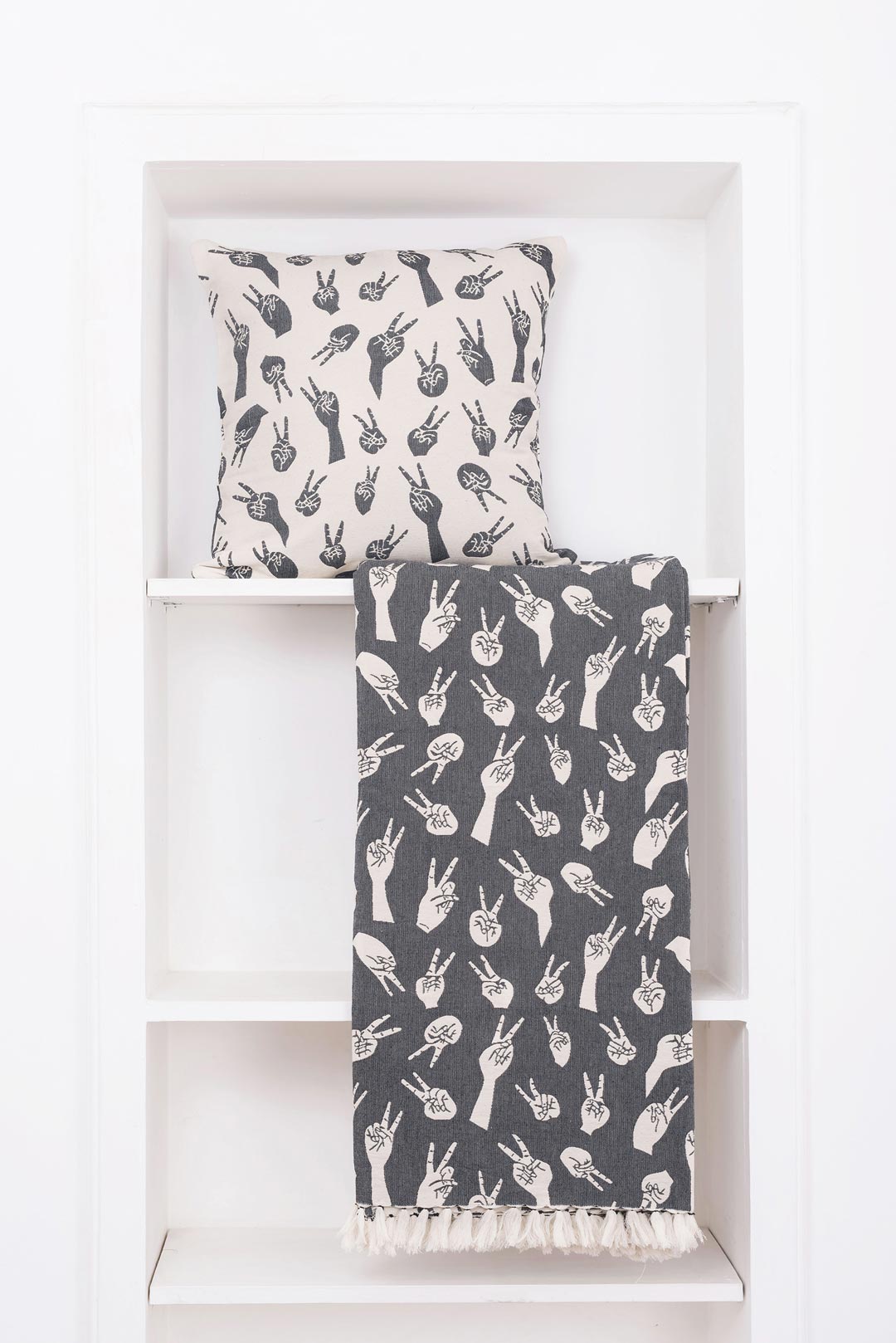
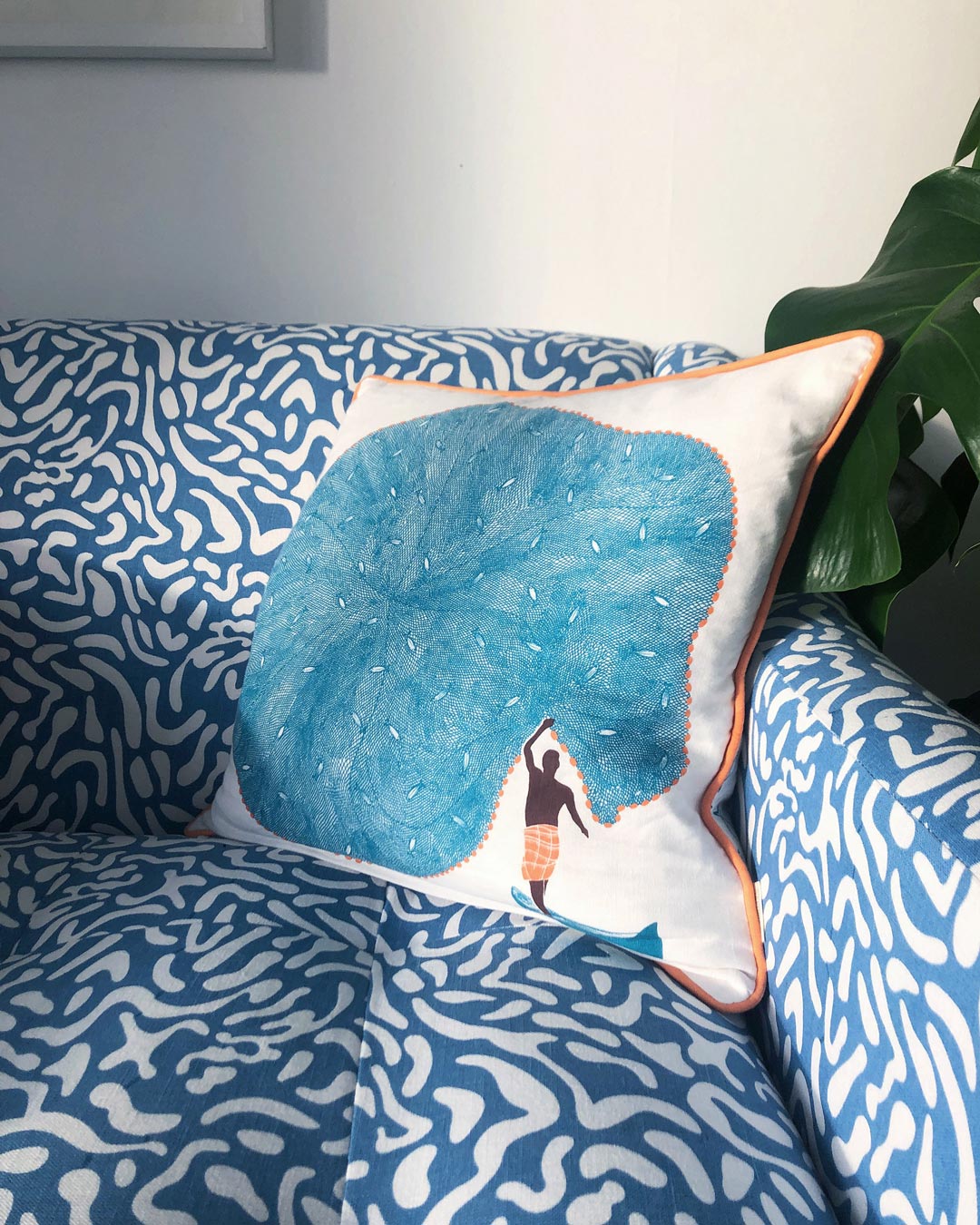
    Original illustrated fabrics, homewares and accessories designed to bring joy, colour and character into your home.
    Location: St. Albans, UK & New Delhi, India
    www.safomasi.com

    When did the lockdown start for you and how has your business been affected?

    From the beginning of March things had started to slow down and, by mid March, we had an order cancelled. It was for a hotel store, so as it became apparent how serious the situation was becoming worldwide they understandably decided to pull all purchases. A big project planned for the second half of this year has also been put on hold for now.

    Last year Sarah and I moved to the UK, but at least one of us travels back to our studio in Delhi a few times a year. In the UK we work from home, so when the lockdown came into effect on March 23rd, aside from not being able to go out for meetings etc, it didn’t seem all that different to us. India went into lockdown two days later, so our studio there has been closed ever since. We are relying on savings to pay salaries and rent whilst we have very little income. Our only income has been from online sales which we are very grateful for. But as most of our inventory is held in our studio in Delhi, we’ve been unable to ship so sales have slowed.

    This week the lockdown in Delhi was extended for another two weeks, but measures have been eased so some of our staff are now able to get to the studio safely and we can slowly start working on shipping out orders, which will help a lot in being able to promote our website. We have fabric samples with us in the UK, so have still been sending out requests to Interior designers. It’s good to see some projects are still happening. However I think the impact will last for quite some time.

    Have you found any new ways of working or have come up with new product ideas during this time?

    Before lockdown we were developing new products and base fabrics, but those are paused for now as our focus is on sustaining the business to get through the next few months. However we are enjoying having time to play with print ideas that we can keep aside for the future.

    Having businesses based in two countries, we have always used technology to communicate with our team, and as such our production process is pretty streamlined and smooth. But for the development of new prints we always like to be present. It would be possible to do it from afar, but we like being hands on and involved directly in the sampling. There’s no rush, but it is a bit unsettling not knowing when we will be able to get back.

    What are some of the positive takeaways you have experienced during this time?

    Despite the challenges and pressures it has been really good to have time to think about where we want to take our business. We have been running Safomasi for over 7 years and on a personal level, this enforced break is probably what we needed.

    How do you see your business evolving over the next few months?

    Over the next few months we want to start growing the design side of our business. We occasionally work on illustration, print and textile design commissions, so alongside our online store, that’s definitely an area we want to evolve more.

  • Lockdown Stories: Stephanie De Smet

    Lockdown Stories: Stephanie De Smet

    Lockdown Stories is a series of short interviews with creative entrepreneurs and businesses that have been affected by the COVID-19 crisis. Since its beginnings, the main goal of Future Positive has been to share inspiring projects happening all around the world and, during these strange and difficult times for independent businesses and creators, we want to continue providing support and visibility. If you’d like to be featured in this series, please get in touch at hello@thefuturepositive.com and tell us your story.

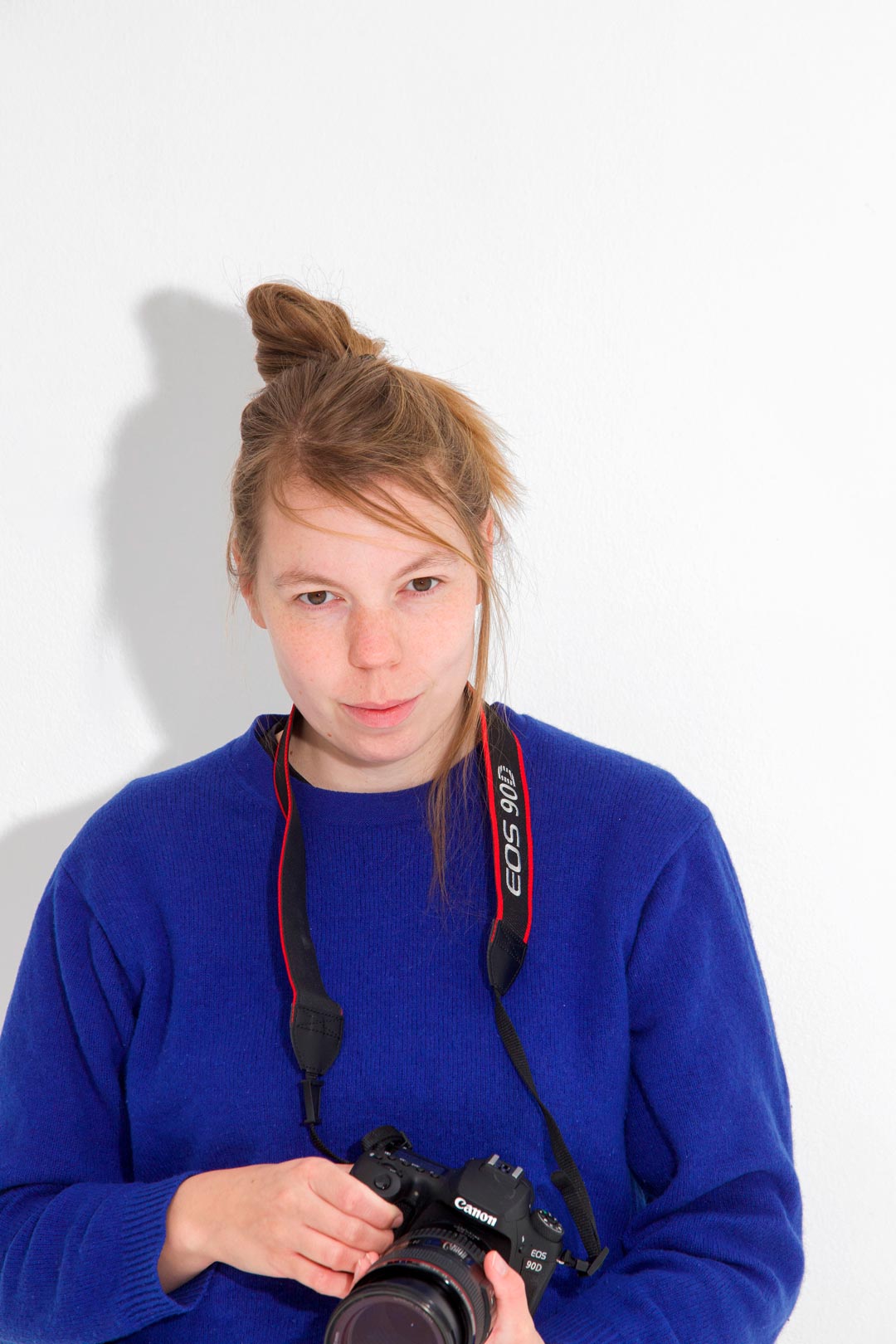
    Stephanie De Smet
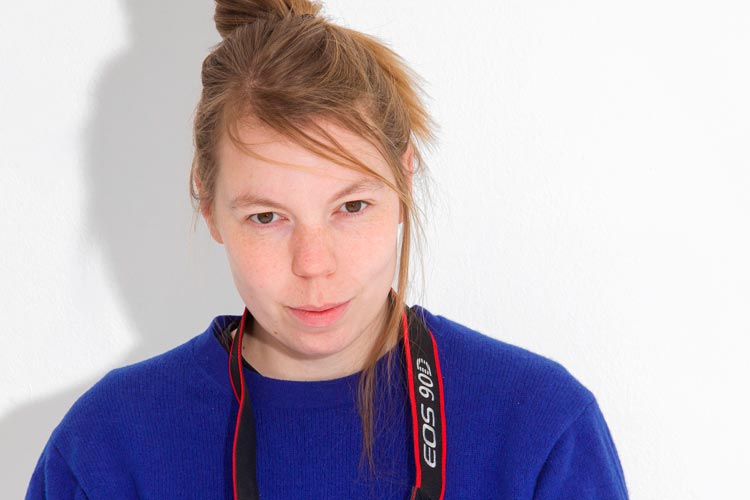
    Photographer and founder of Collect, a creative platform that inspires, creates and collects makers and their interests.
    Location: Antwerp, Belgium
    www.stephaniedesmet.com

    When did the lockdown start for you and how has your business been affected?

    As a photographer, I did notice the lockdown quit early. By the end of February clients started to postpone the upcoming photoshoots. We all thought it would be over fast, as the Belgian government decided to keep on the the lockdown until the 6th of April. I guess there was a bit of unbelief, as things looked far away. After 2 weeks, we started to realize that it would take much longer, and so jobs got cancelled. There are no perspectives at the moment, which makes the future uncertain.

    Have you found any new ways of working or have come up with new product ideas during this time?

    In the beginning I started to scan old negatives, and had a blast bringing up those memories. I recently made a small shop on my website with prints and postcards. Something I wanted to do for a long time, so a good timing for that. I mostly work analog, but this process is not that convenient at the moment, as my development studio is closed.

    I’m making portraits right now, at peoples front doors. Something different then I’m used to but a nice experience.
    This way I meet a lot of other creative freelancers that are also in the same situation.

    What are some of the positive takeaways you have experienced during this time?

    Nature is blooming. I grew up at the countryside and live now near the city center of Antwerp. For the first time in 8 years, it’s silent on the street and can hear birds sing all day. I can stand still more easily by a beautiful shadow or a blossomed three. Empty streets and the silence may stay for me after the lockdown, but that won’t be an option I guess. I do hope the cultural sector will boost again, and that people will appreciate it even more.

    How do you see your business evolving over the next few months?

    I don’t have any idea when things will go back to normal. The future is uncertain, and I live day by day at the moment. The lockdown gives space and time to work on my own projects but the craving to commissioned shoots is coming closer. I expect that I will work again on a regular base after summer. Every year new exciting projects come up, so I hope 2020 will be even more creative!