
Being present allows you to experience your life as it unfolds, with fewer distractions competing for your attention. That can feel difficult when messages keep arriving, plans need checking, and every meaningful moment seems to demand a photograph. Presence grows through small, repeatable choices. You can learn to notice what’s happening, give special occasions your full attention and keep memories without spending the day documenting them yourself.
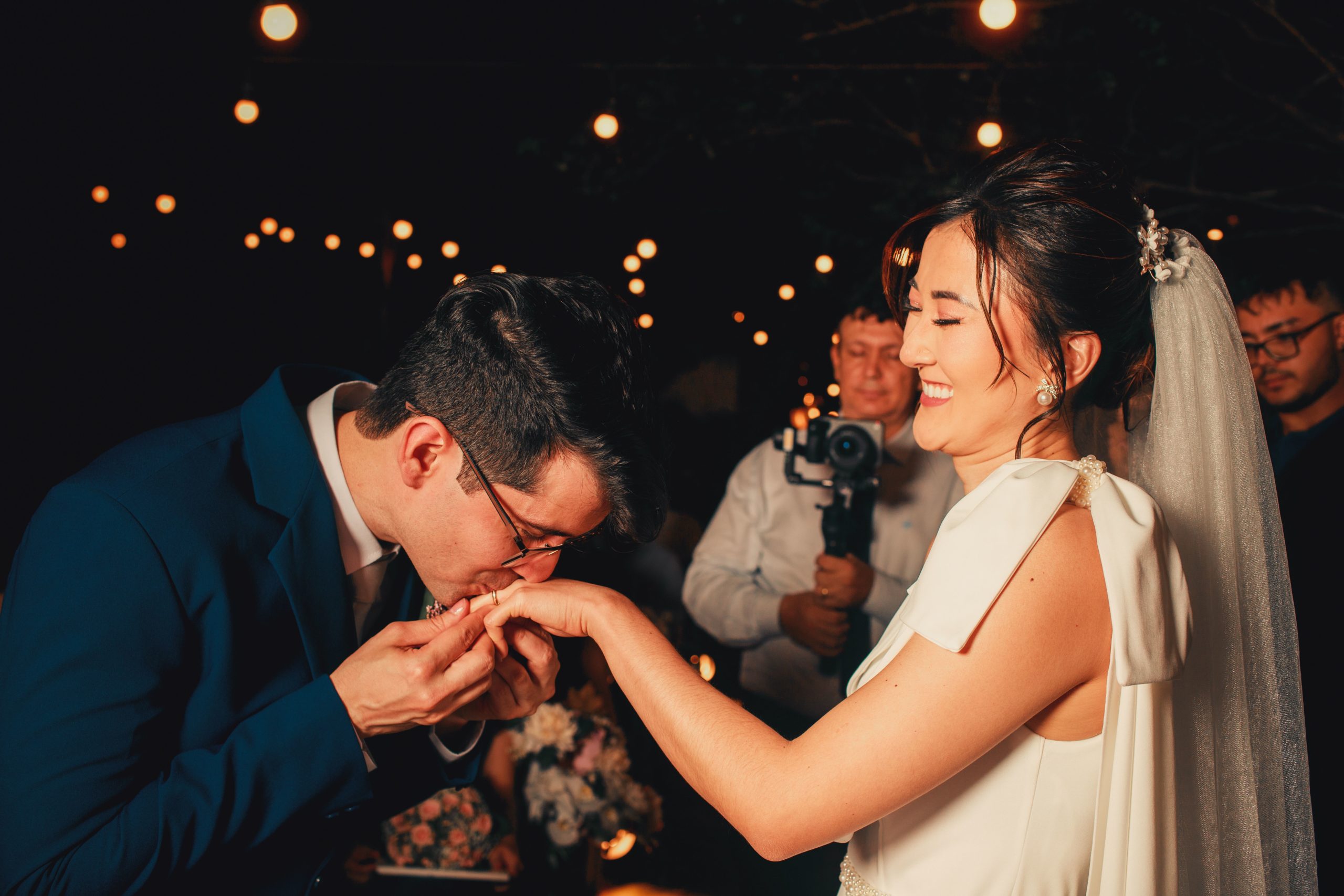
Image via Pexels
Practising Mindfulness Daily
Start with one ordinary activity each day and give it your full attention. You might notice the warmth of your morning drink, listen closely during a conversation or take a ten-minute walk without checking your phone. The mindful living practices shared by Plum Village include conscious breathing, mindful movement and awareness during everyday activities.
A simple breathing exercise can help when your mind feels crowded. Breathe naturally and count five breaths, noticing how each one feels. If your thoughts wander, return to the count without criticising yourself. Resources about mindfulness for work and life also show how this awareness can extend beyond formal meditation and into a busy working day.
Embracing Special Occasions
Important celebrations often pass more quickly than expected. A wedding day, milestone birthday or family gathering may involve months of preparation, yet the event itself lasts only a few hours. Build pauses into the schedule so you can absorb what’s happening. Five quiet minutes before guests arrive or a moment alone with someone close can become one of the clearest memories. This is especially true of weddings, where focusing on the moments rather than the expense can help keep the experience at the centre of the day.
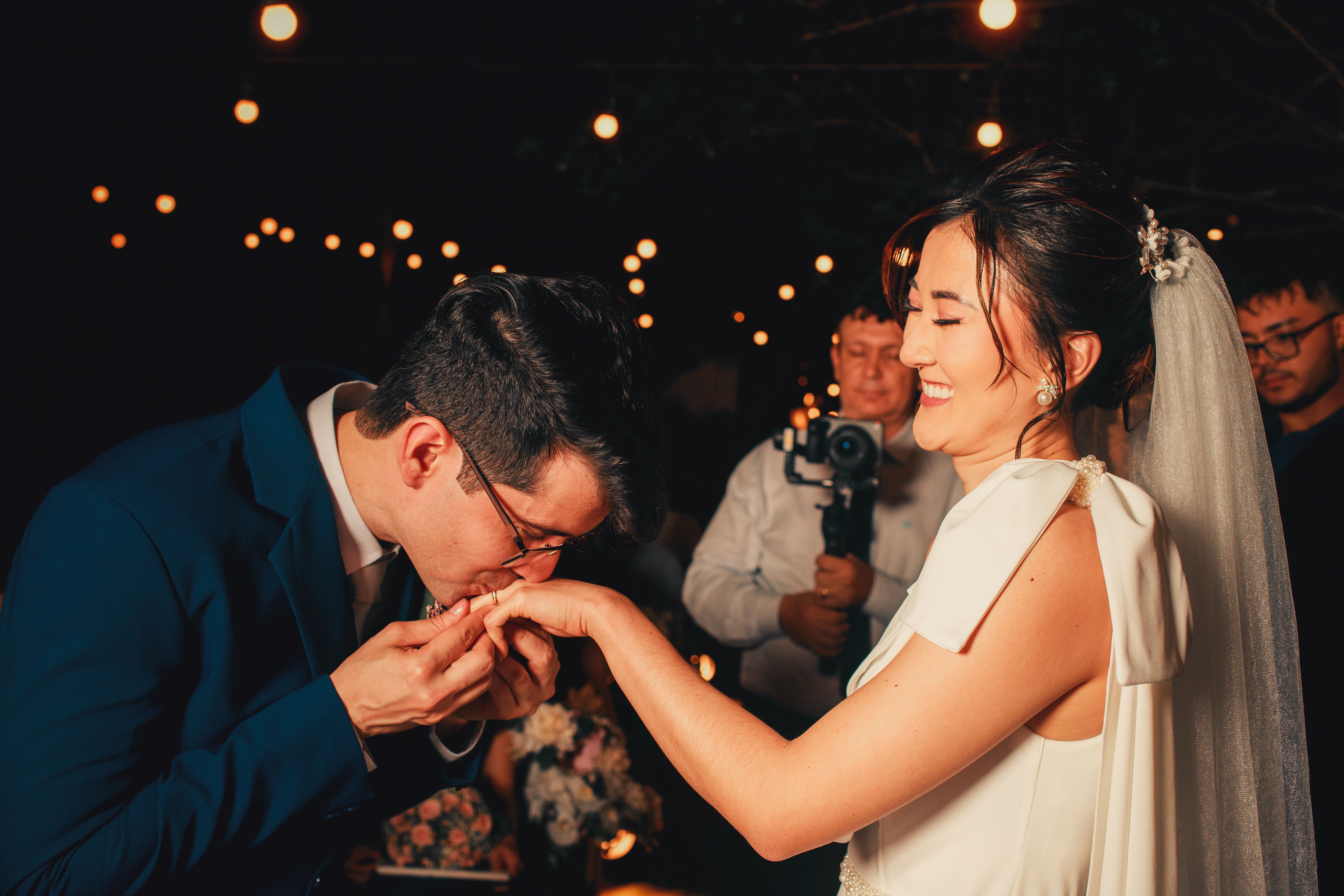
For a wedding, working with Mae Wickham Photography, an award-winning wedding photographer, can support a more natural experience through documentary-style images that preserve genuine emotion and atmosphere. Discuss your priorities beforehand, including the people and details that matter most. Clear plans let you step away from organising and return your attention to the celebration.
Letting Go of the Camera
A phone can quickly become a barrier between you and an experience. You concentrate on framing the picture, adjusting the light and reviewing the result while the real moment continues around you. Set a clear limit before an occasion begins. Take two or three photographs when you arrive, then put your device in a bag or switch it to silent.
Ask yourself what you want to remember beyond how the scene looked. Notice a familiar laugh, the feel of someone’s hand or the music playing in the room. Friends and relatives may share their pictures later, so you don’t need to create a complete record. A smaller collection of meaningful images often carries more feeling than hundreds of near-identical shots.
Trusting a Visual Storyteller
Trust begins with choosing someone whose portfolio feels honest and consistent. Look through several complete event galleries if they’re available, paying attention to candid interactions, quiet details and changing light. Understanding different photography styles can also help you recognise the approach that best suits the memories you want to preserve. A handful of striking images can show technical skill, but a full gallery reveals how a visual storyteller follows the rhythm of an entire day.
Before the occasion, explain any family arrangements, sensitive circumstances and meaningful traditions. Share a short list of essential group photographs while leaving room for unplanned moments. You should also clarify timings and how the photographer works during emotional or intimate parts of the event. Once those details are settled, resist the urge to direct every frame. Natural expressions tend to appear when people feel comfortable enough to forget the camera is there.
Relishing Every Emotion
Presence includes the untidy emotions as well as the joyful ones. You may feel excited, nervous, overwhelmed and deeply moved within the same hour. Give those reactions space instead of trying to perform the expression you think other people expect. If tears arrive, pause and breathe. If you need a quiet minute, take one.
Ground yourself through physical details when emotions become intense. Feel both feet against the floor, relax your shoulders and identify three sounds nearby. This brief check-in can settle your attention without pulling you out of the occasion.
Later, photographs may reveal expressions you never realised you made or exchanges you missed. The richest memories, though, will come from knowing you were fully there when someone reached for your hand, delivered a heartfelt speech or caught your eye across the room.