Tag: homeware

  • Lockdown Stories: Safomasi

    Lockdown Stories: Safomasi

    Lockdown Stories is a series of short interviews with creative entrepreneurs and businesses that have been affected by the COVID-19 crisis. Since its beginnings, the main goal of Future Positive has been to share inspiring projects happening all around the world and, during these strange and difficult times for independent businesses and creators, we want to continue providing support and visibility. If you’d like to be featured in this series, please get in touch at hello@thefuturepositive.com and tell us your story.

    Safomasi
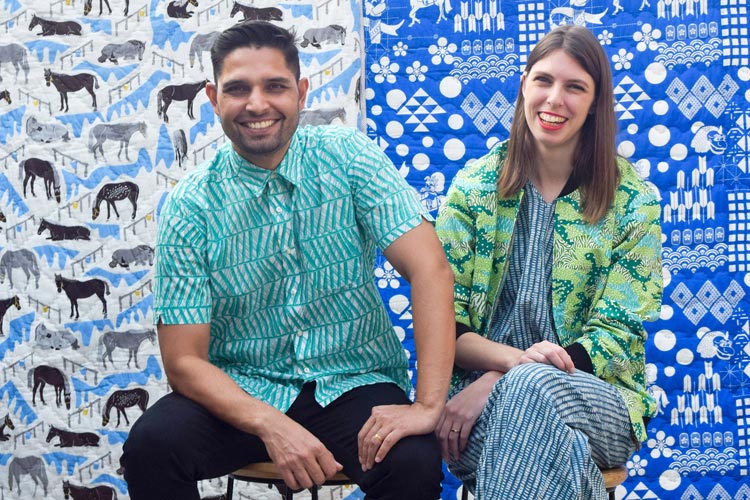
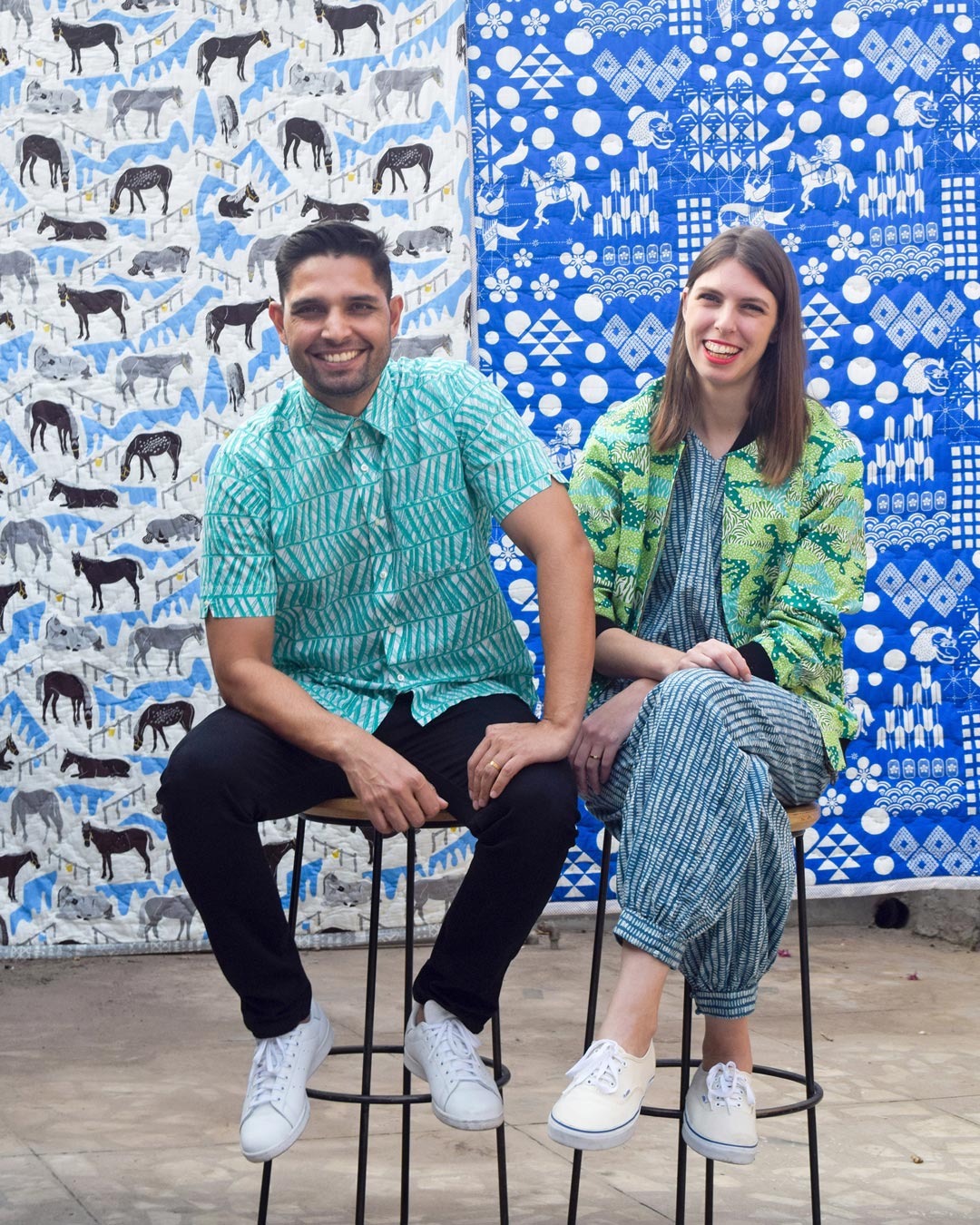
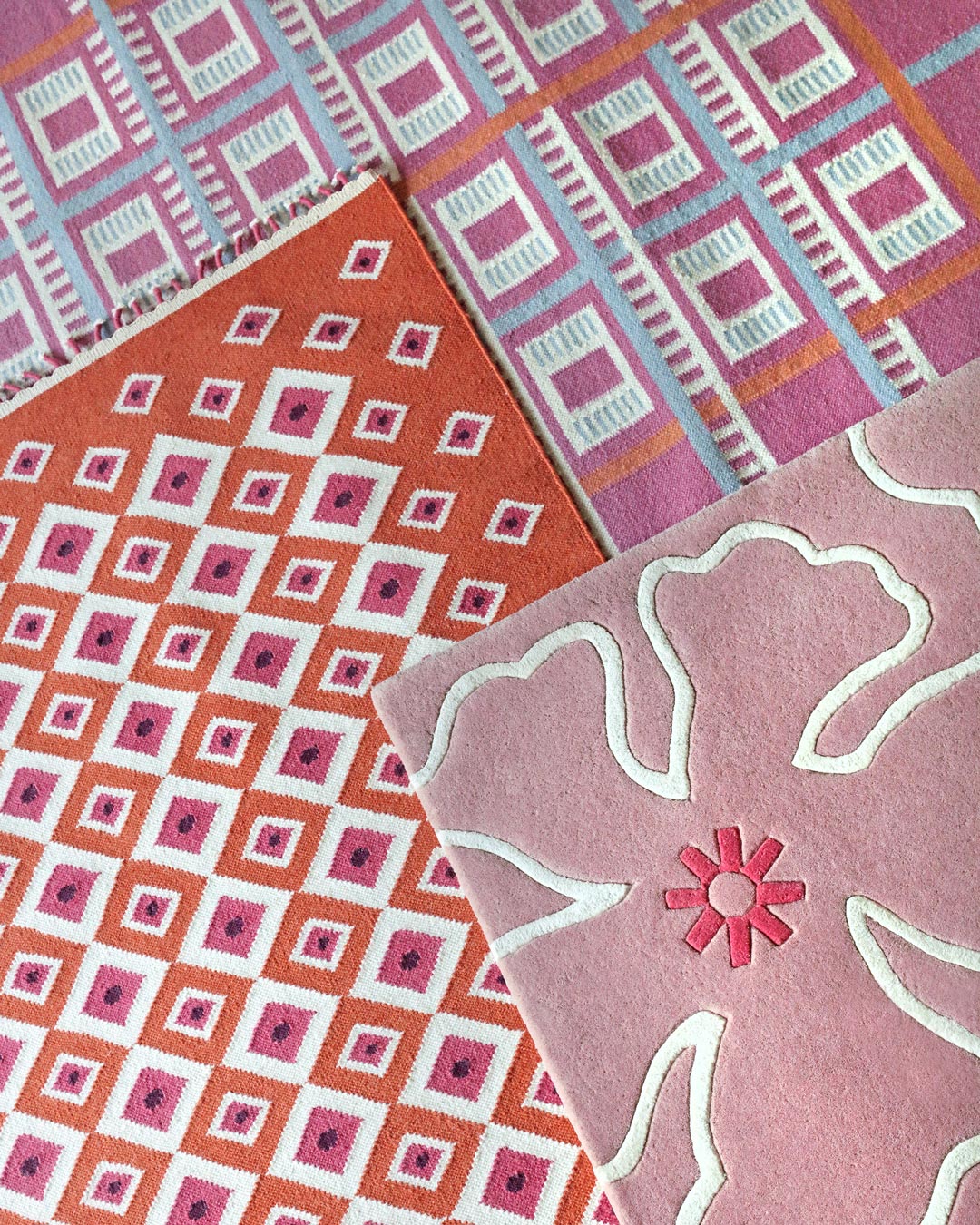
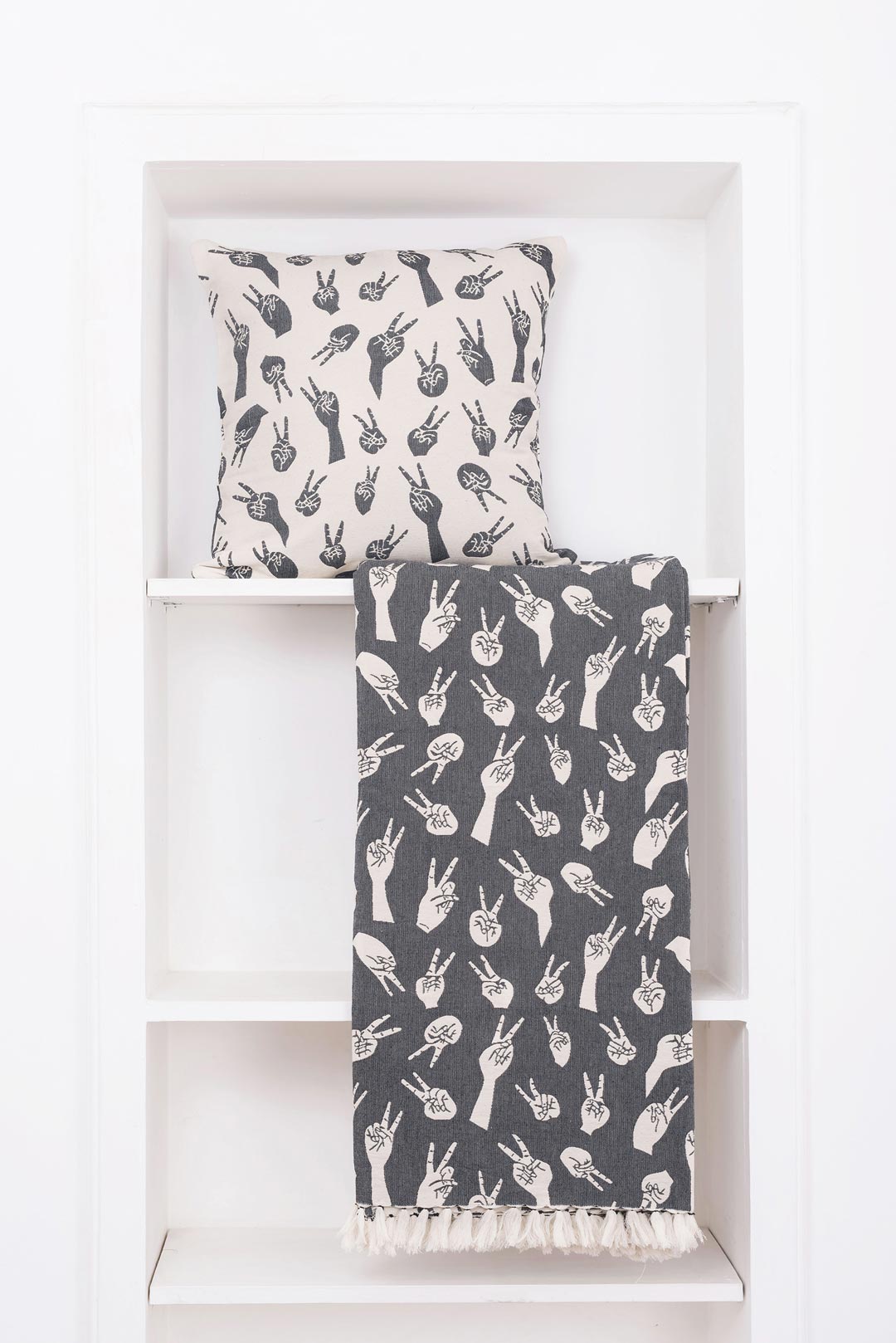
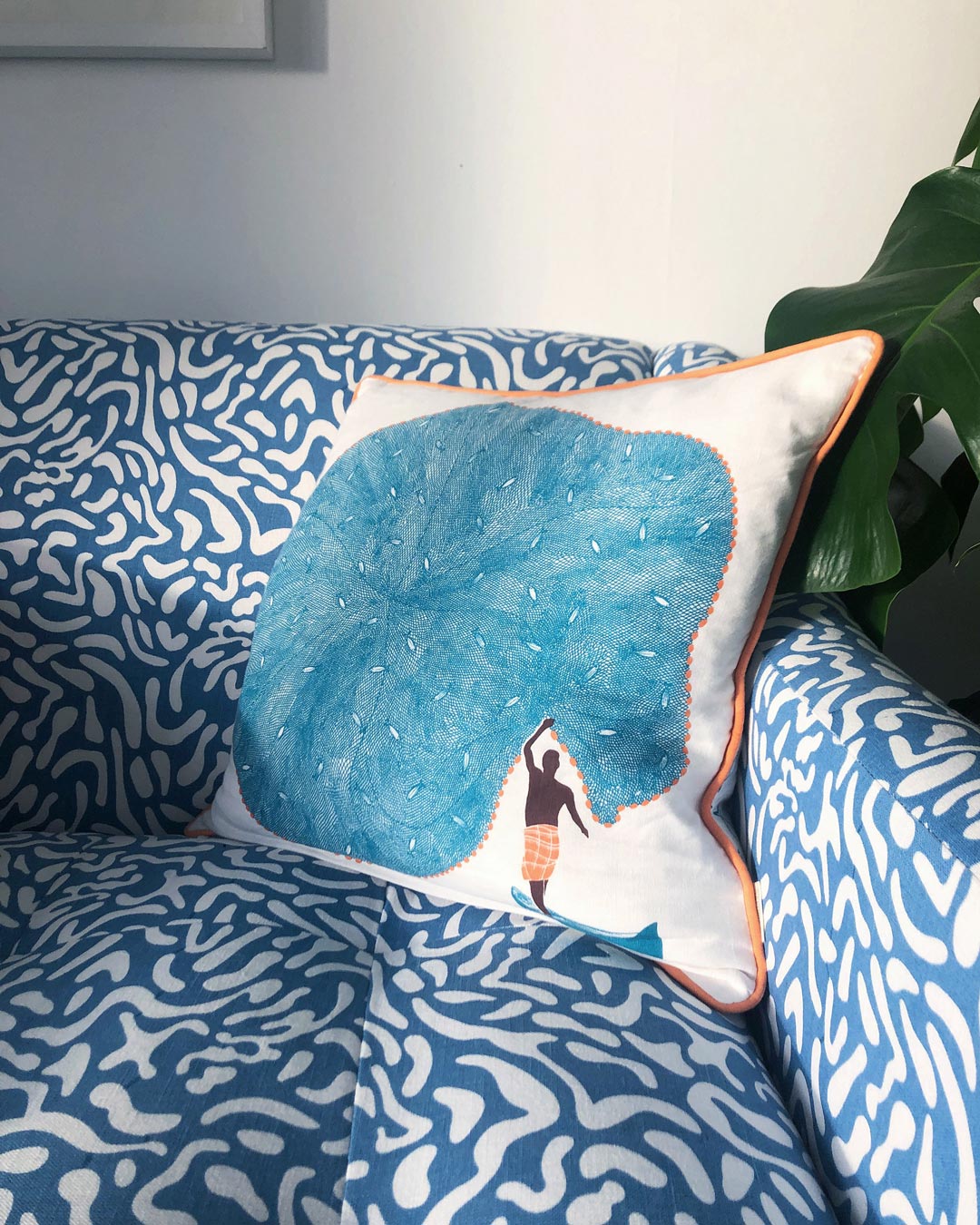
    Original illustrated fabrics, homewares and accessories designed to bring joy, colour and character into your home.
    Location: St. Albans, UK & New Delhi, India
    www.safomasi.com
    When did the lockdown start for you and how has your business been affected?

    From the beginning of March things had started to slow down and, by mid March, we had an order cancelled. It was for a hotel store, so as it became apparent how serious the situation was becoming worldwide they understandably decided to pull all purchases. A big project planned for the second half of this year has also been put on hold for now.

    Last year Sarah and I moved to the UK, but at least one of us travels back to our studio in Delhi a few times a year. In the UK we work from home, so when the lockdown came into effect on March 23rd, aside from not being able to go out for meetings etc, it didn’t seem all that different to us. India went into lockdown two days later, so our studio there has been closed ever since. We are relying on savings to pay salaries and rent whilst we have very little income. Our only income has been from online sales which we are very grateful for. But as most of our inventory is held in our studio in Delhi, we’ve been unable to ship so sales have slowed.

    This week the lockdown in Delhi was extended for another two weeks, but measures have been eased so some of our staff are now able to get to the studio safely and we can slowly start working on shipping out orders, which will help a lot in being able to promote our website. We have fabric samples with us in the UK, so have still been sending out requests to Interior designers. It’s good to see some projects are still happening. However I think the impact will last for quite some time.
    Have you found any new ways of working or have come up with new product ideas during this time?

    Before lockdown we were developing new products and base fabrics, but those are paused for now as our focus is on sustaining the business to get through the next few months. However we are enjoying having time to play with print ideas that we can keep aside for the future.

    Having businesses based in two countries, we have always used technology to communicate with our team, and as such our production process is pretty streamlined and smooth. But for the development of new prints we always like to be present. It would be possible to do it from afar, but we like being hands on and involved directly in the sampling. There’s no rush, but it is a bit unsettling not knowing when we will be able to get back.
    What are some of the positive takeaways you have experienced during this time?

    Despite the challenges and pressures it has been really good to have time to think about where we want to take our business. We have been running Safomasi for over 7 years and on a personal level, this enforced break is probably what we needed.
    How do you see your business evolving over the next few months?

    Over the next few months we want to start growing the design side of our business. We occasionally work on illustration, print and textile design commissions, so alongside our online store, that’s definitely an area we want to evolve more.
  • Dust London: Homeware from Organic Materials

    Dust London: Homeware from Organic Materials

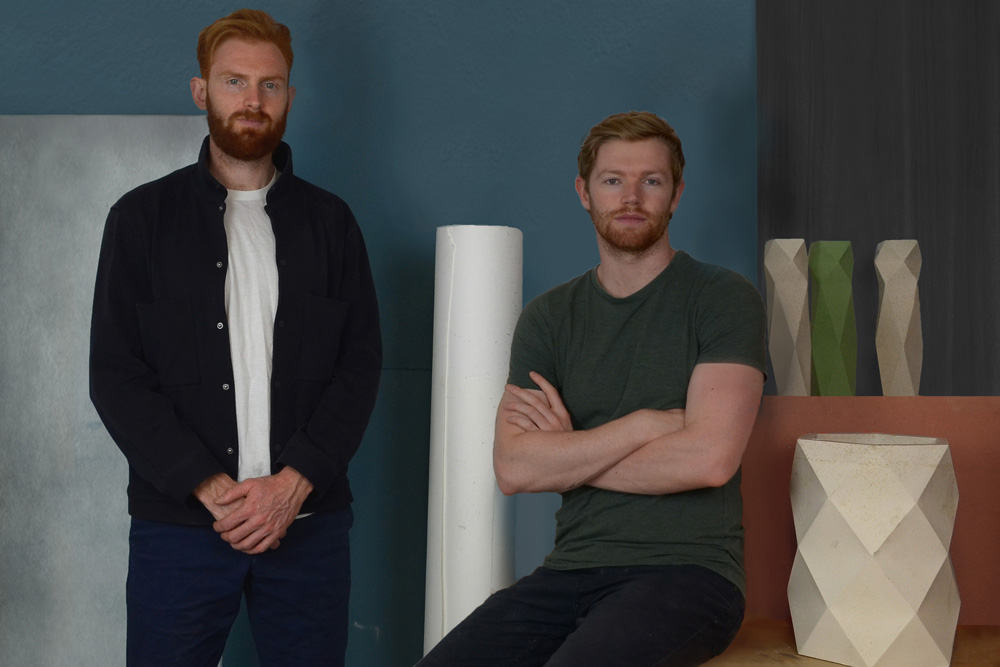
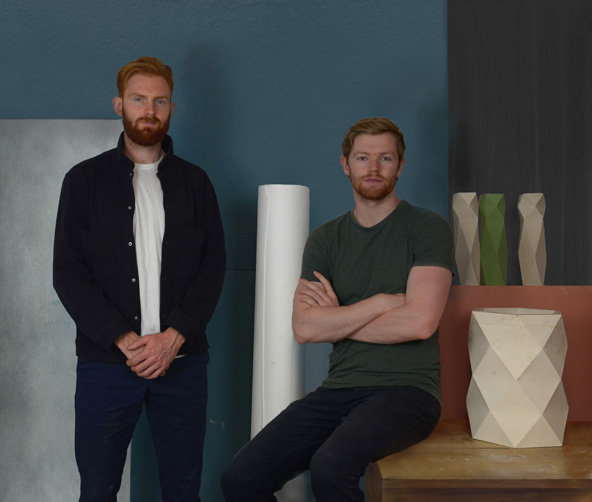
    Founded by Michael McManus and Matthew Grant, Dust London is a homeware label drawing on their experience in artist and architecture studios. They established their design company with the intention of changing the way materials are conventionally used and the ambition of creating objects from natural materials.

    We chatted with Michael and Matthew to find out more about the manufacturing of their products, their current range and what homeware means to them.

    www.dustlondon.co

    Can you tell us about how you met and what made you start Dust London?

    We knew each other from a young age and shared design ideas whilst studying art and architecture respectively. Dust London was born out of an ambition to set up a studio that explored our mutual interests in design alongside our passion for organic and sustainable materials.

    Your products are made from tea waste, can you tell us more about why you decided to choose this material and what processes you follow to manufacture your items?

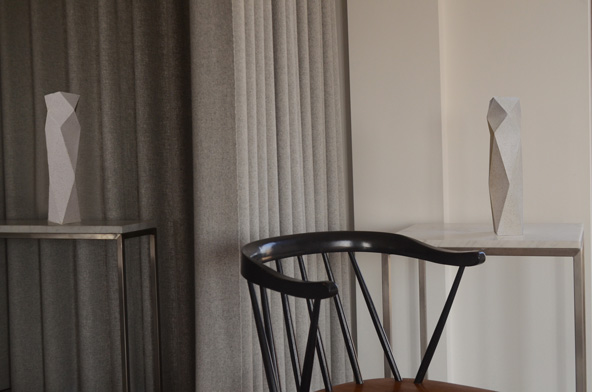
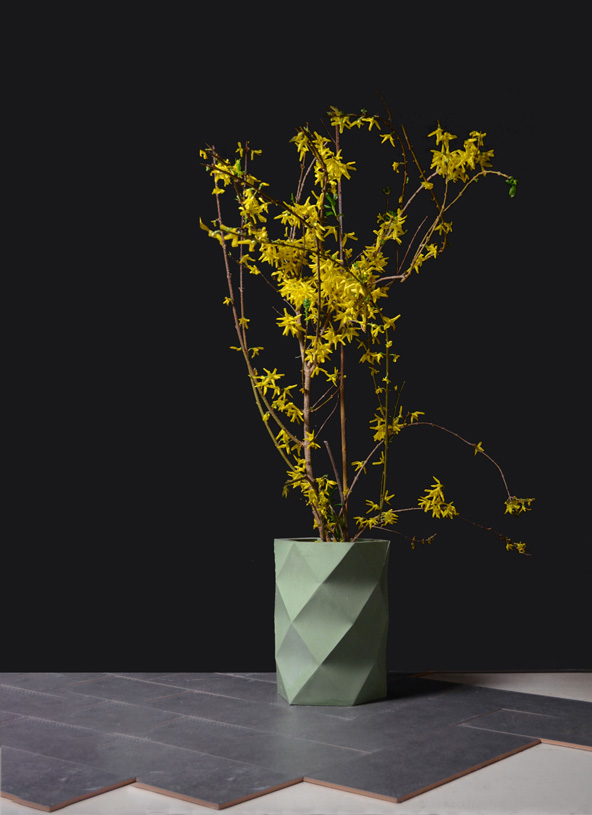
    Our studio practice is driven by discovering new materials for making. We were looking for an organic material to use and after months of experimenting we tried tea waste. We found that adding tea to our material created a beautiful range of rich colours. Experimenting with tea waste as a material for making has enriched the colour palette of our designs. From the soft and subtle green hues of our Peppermint tea range to the rich warmth of the Rooibos and English breakfast selections, our products compliment a range of interiors. We collect and separate the tea waste into 5 different colours. Each selection is thoroughly dried before blending and mixing with a gypsum-based powder and non-toxic binder. This mix is then poured into our handcrafted moulds which have been made from a single sheet of paper using origami folding techniques.

    Coming from an arts and architecture background, you mention that you are “keen to step away from the computerised and the mechanistic”, can you tell us more about this decision and why you lean towards handmade products?

    We have interests in a variety of traditional casting techniques and wanted to apply these to our designs. Through refining handmade processes our ideas have developed organically in our studio. Exploring new techniques and experimenting with materials in this way allowed us to achieve unpredictable results that informed future works. We chose not to use technology within our studio practice because we wanted to apply a makers touch to our objects. By casting our work by hand each piece is entirely unique, with subtle variations in surface pattern and colour.

    Your current collection is made up of three objects, can you tell a little bit about each of them? Do you have plans to expand your product range in the near future?

    Our current collection comprises three designs inspired by origami forms: a coaster set, a centrepiece vase and a large planter. Each object is folded from a single sheet of paper to create a homogenous design. We were drawn to the minimal aesthetic and elegance of origami that aligned with contemporary interior design. Each of our objects are available in five tea variations: Chamomile, Rooibos, English Breakfast, Peppermint and Black Tea. These colours have been selected to provide a range of textures and hues to complement a variety of interior colour palettes.

    We are currently working on a number of larger scale pieces of furniture and have developed a prototype for a table. We are excited to combine the aesthetic of origami with the function of furniture. Experimenting with organic resources will always be at the forefront of our work and we are currently exploring a sustainable material that we can apply to a new collection.

    What does homeware mean to you and why do you think it’s important?

    Homeware is accessible in scale, both for the designer and user. It allows designers to experiment with new materials that find their way into the home. Homeware therefore paves the way for wider conversations that the designer looks to address through their work. By bringing functional objects into the home that are made of tea waste challenges convention and questions how we commit to a sustainable future.

  • CERIO

    CERIO

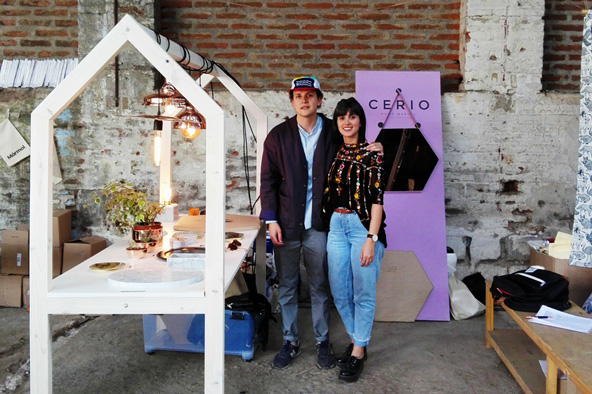
    Husband and wife Cristóbal Rioseco and Valentina Cerda are the founders of Chilean design studio CERIO, specialising in furniture and homeware using unexpected material combinations. We chatted with Cristóbal and Valentina to discover more about what made them start their own business, their design process and their choice of materials.

    www.instagram.com/cerio.cl

    future-positive-cerio-low-5

    Could you please introduce yourselves and tell us a little bit about your backgrounds and how you met?

    I studied advertising and Valentina, my wife, is an interior designer. I used to work in retail design and also building different pieces of furniture. Valentina worked at several architecture studios and was in charge of the visual merchandising of different brands. We met through the girlfriend of my brother, who introduced me to Valentina – we both are from small cities in the south of Chile.

    It was normal for me to often switch jobs trying to find the right one, the one that would fulfil me but also having a regular job made it impossible to start our own business.

    future-positive-cerio-low-1

    What made you start CERIO?

    We used to talk a lot about quitting our jobs and do what we really wanted to do – having a better quality of life. A life where we could have more time for us and, most importantly, doing what we were really passionate about.

    We knew we wanted to do something together and it had to be design-related because it is something we love. Apart from this, we knew there were lots of people like us who prefer buying from independent business.

    We used to design our own furniture and gave it as presents to our friends and family. Moreover, because of our backgrounds, experience and knowledge, we saw an opportunity to create our own brand called CERIO. (The name comes from our last names: CERda + RIOseco.)

    future-positive-cerio-low-6

    The material combinations you use for your products are really interesting, could you tell us about how you choose the materials you work with?

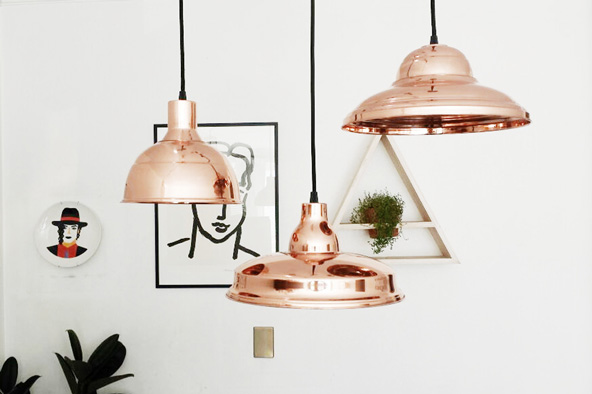
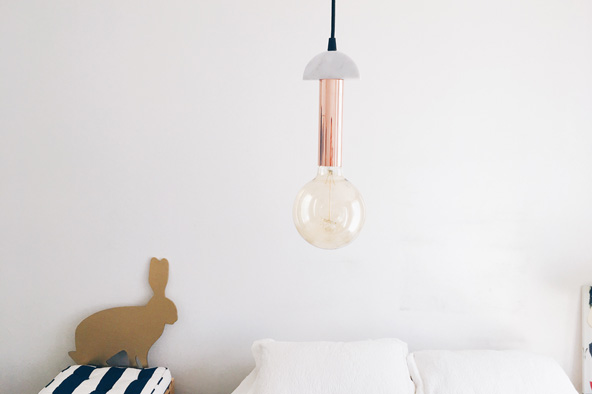
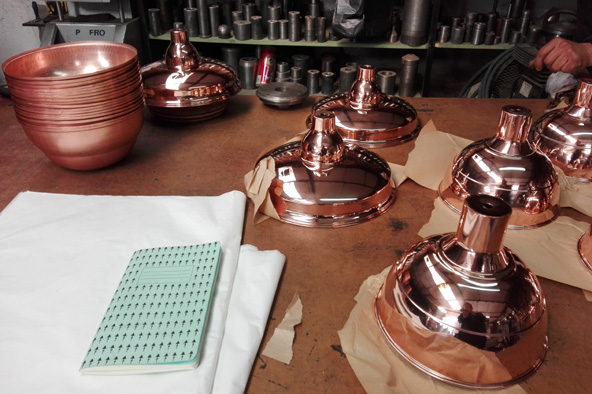
    In our work we prioritize copper as the main material – it has an infinite array of properties and ways to use it. Our country has one of the biggest copper reserves and it’s our main export, so when we use copper in our designs we feel we are including part of our country.

    We have a very eclectic taste so we are always searching for new materials to incorporate in our designs, making prototypes to see how they’re going to look together. We try to combine materials that aren’t normally used together. Our goal is to always look for new materials and in the future we would like to experiment with ceramics and textiles.

    future-positive-cerio-low-3

    Could you tell us about the different products you currently manufacture?

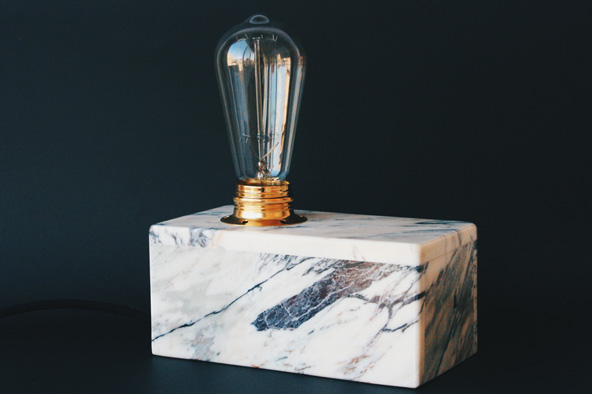
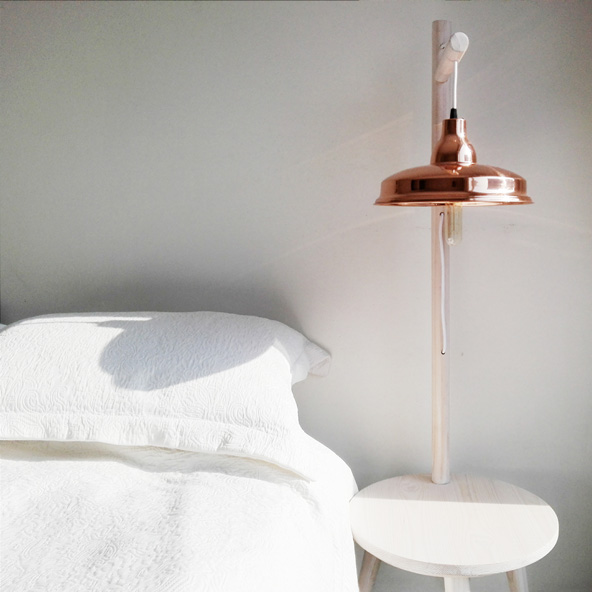
    We currently sell different types of products including mirrors, planters, lamps and tables. We are working a lot with marble and copper and we are introducing bronze and wood to our designs, combining all these materials in one product.

    With our products we try to give more personality to our clients’ houses, offering products that are handmade and fair trade.

    future-positive-cerio-low-2

    Could you take us briefly through your design process? How does an idea in your heads transform into a physical product?

    We are inspired by nature, people and everything surrounding us. We start drawing and it usually takes us lots of time to agree on one design. After that – it is the best part of the process – we start playing with the different materials and get excited seeing the first results through the prototypes.

    future-positive-cerio-low-4

    What are your plans for 2017?

    Our plan is to focus on designing more furniture pieces (desks, shelves, etc.) and export our products to others countries. We also want to start exploring other design areas.

    This year we are interested in getting more involved with products made with recycled materials. In the past we have made a few products using this type of materials and it is something we would like to do again.

    In a few years we would like to have a little coffee shop where we can have a showroom with our products and other similar brands.

  • DDomingo

    DDomingo

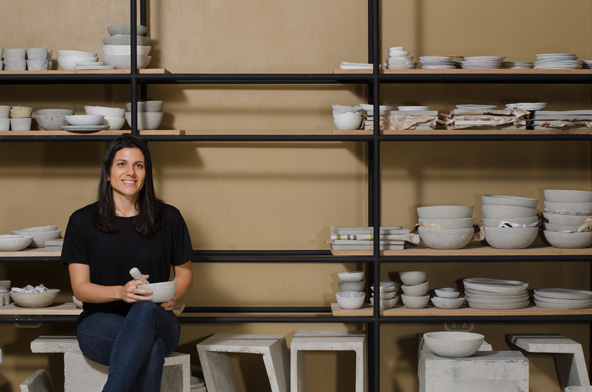
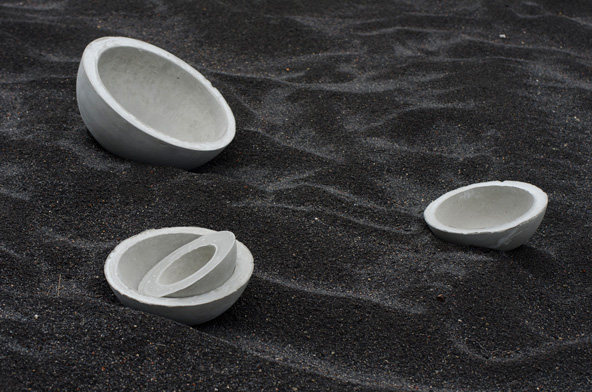
    Larisa Coto is the founder of DDomingo, a product design studio from Costa Rica creating handcrafted concrete lighting, furniture and homewares. We chatted with Larisa about her background, the inspiration behind her designs and why she decided to work with concrete.

    www.facebook.com/DDomingocr

    Photos by Gregory James

    future-positive-ddomingo-1-low

    Could you please tell us a little bit about your background and education?

    I’m an architect based in Costa Rica and I’m the founder of DDomingo (Handcrafted concrete products, lighting and furniture). Design in general is something I am passionate about since I was 12 years old. I studied architecture in Costa Rica and in Buenos Aires, Argentina and in 2 months, I will have my master’s degree (Architecture and Environment) from Wismar University in Germany.

    future-positive-ddomingo-3-low

    What made you start your own business?

    Firstly, my parents’ influence, definitely. My parents built their own businesses when I was growing up. Secondly, working in several architecture studios gave me lots of experience and knowledge in different areas of design. By having the opportunity of working in different cities, I was able to make contacts and was lucky to be reached by them. At that point, I decided that it was a good moment to start my own studio.

    Why did you decide to work with concrete and not another material?

    Concrete is a strong material but sensitive at the same time. You can have infinity of finishes on a concrete piece – different textures, colours and shapes. The surprise factor is one of my favourite things about this material – you never know how it’s going to look like until you demould it.

    I have noticed that people are surprised to see this material used in product design, mainly in smaller pieces. People always touch it and feel attracted to the surface.

    future-positive-ddomingo-2-low

    What is the inspiration behind your designs?

    My biggest inspiration is nature. I am constantly exploring and searching my surroundings for new ideas. It is very easy to be inspired living in a tropical country like Costa Rica. Patterns, textures, organic shapes and colour palettes are my main focus when I am looking for some inspiration and creativity.

    future-positive-ddomingo-4-low

    You design from furniture to homeware, is there any type of product you’d like to experiment with?

    Lighting/lamps is something I have been working on. Incorporating light into a product is something that has become an experiment. Light reveals textures, colour, shapes and transforms spaces. Also, I have been working with some other colleagues, exploring art and fashion. We are preparing 3 new collections for the coming year, combining concrete with new materials and concepts.

  • Olivia Fiddes

    Olivia Fiddes

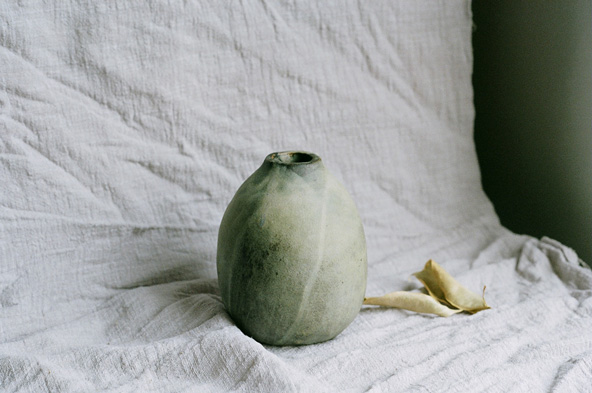
    Originally from Edinburgh, Olivia Fiddes makes ceramic objects and homeware from her studio in London. What makes Olivia’s pieces unique is that they’re solely made using meticulous hand building techniques. We chatted with Olivia to find out more about her interest in ceramics, her design process and future plans.

    www.oliviafiddes.com

    Product photos by Ben Seeley and studio photos by Alex McLuckie.

    Future-Positive-Olivia-Fiddes-1-Low

    When did you get interested in ceramics? Do you remember the first piece you ever made?

    My first experience of ceramics was during A Level Art, when our very optimistic teachers asked everyone in the year to make a life-size self-portrait bust out of clay. This had very mixed results. Mine was OK but didn’t look anything like me. My mum has it looking at you right when you walk into the house and puts tinsel on ‘my’ head at Christmas. Whilst this didn’t go amazingly, I loved the process and working with clay. A few years later I started pottery evening classes because of my interest in clay and it went from there.

    Future-Positive-Olivia-Fiddes-3-Low

    All of your pieces are handmade, please tell us a little bit more about this process and the different techniques you use.

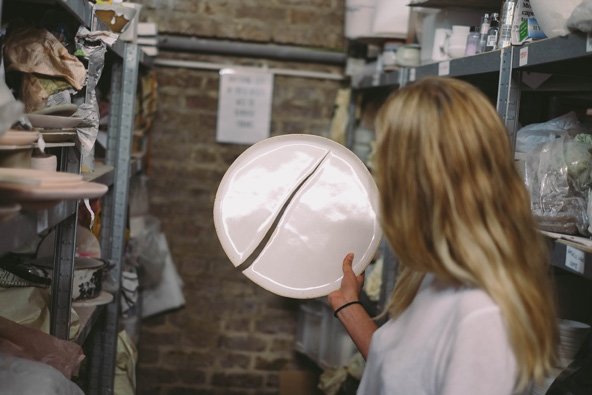
    Everything I make is ‘hand built’ which basically means, in pottery terms, that I don’t use a wheel, moulds, or slip cast. This is quite a traditional way of working as it requires very little equipment. I mainly use my hands and just some small tools. Some of the techniques I use are: coiling, slab building and pinching. These are techniques that you can be taught in a few evening classes but I suppose the hard bit is getting pieces how you want them, being neat, and making two pieces that look the same. It’s a slower method of working but I think it’s this that makes the pieces unique and more expressive. Everything is a one-off when it is hand built which I love.

    Future-Positive-Olivia-Fiddes-4-Low

    You use reclaimed clay to create your pieces, are there other measures you take to ensure your business is as sustainable as possible?

    It’s important to me that I don’t waste. Especially with clay, there is no excuse for it as you can always give it new life. That is why I use the reclaimed clay from the other ceramicists at my studio. The shared studio I’m a part of, Turning Earth, is very environmentally conscious, from the energy companies they use and the packaging we provide, so it works nicely.

    5% of the profits from each piece you sell go to Survival International, could you tell us a little bit about this organisation?

    It’s a charity I used to work for and have been very passionate about for years so I wanted to make it an in-built part of what I do. Survival campaigns for tribal (or indigenous) peoples’ rights which are often disrespected. I find it crazy that to this day tribal peoples are regarded as ‘primitive’ or ‘other’ when it simply isn’t the case. It’s these discriminatory attitudes that enable people, governments and companies to continuously take advantage of them and violate their human rights. Hopefully my spreading the word and contributing, even in a very small way, will mean one or two people will change their perception about tribal peoples. Please visit their website.

    Future-Positive-Olivia-Fiddes-2-Low

    Do you think there has been a change in the way people consume design in the recent years?

    I think being able to make your own website and online shop quite easily and cheaply has really changed the way people consume design. I think people are now much more likely to buy from independent designers or businesses because it’s much more common and trustworthy – which is great! Although, I think things like Pinterest and Instagram mean that massive waves of design and style trends sweep internationally now. You often see the same things over and over again but this is a good incentive to stay yourself and different.

    Future-Positive-Olivia-Fiddes-5-Low

    What are your plans for the upcoming months?

    I’ve got a lovely series of light coloured pieces coming out on Bonjour Supermarket, curated by Johanna Tagada. I’m so delighted to have been able to contribute to this beautiful shop. We’ve also got some new collaborative ideas up our sleeves.

    I will be going to LA for a couple of weeks at the end of the month for some work and a bit of lazing around! When I get back I’ll be exhibiting work as part London Design Festival (19th-24th September). My studio, Turning Earth, will be holding another incredible sale to coincide with the end of this on Sunday 25th September which I’ll be taking part in too. I hope you’ll join us!

    After this, I’ll be working on special ranges for some shops and also organising some hand building workshops which are due to start in October in London and Leicestershire. I’ll be posting info and dates for these on my website and Instagram soon. Come along and try your hand at ceramics yourself!