Tag: fashion

  • NKITH – New Kids in the Hood

    NKITH – New Kids in the Hood

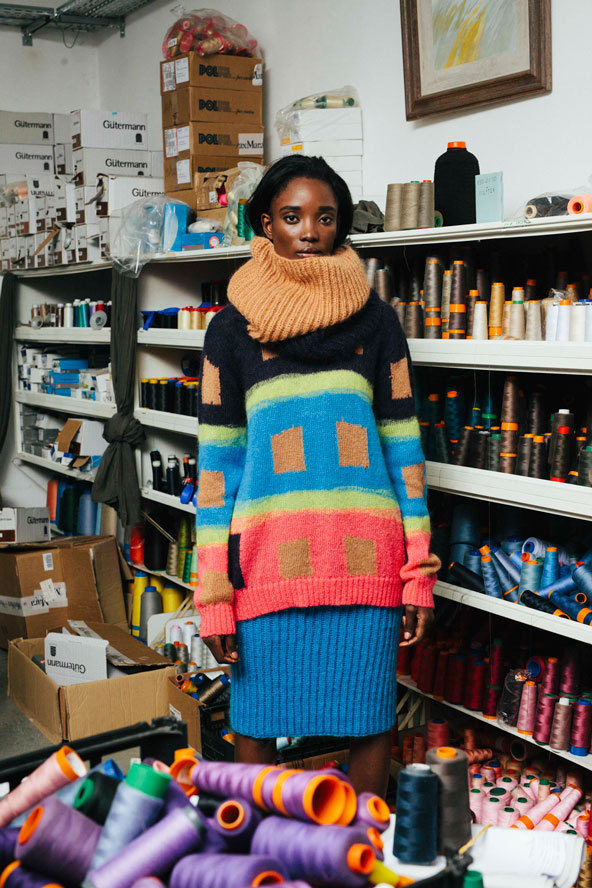
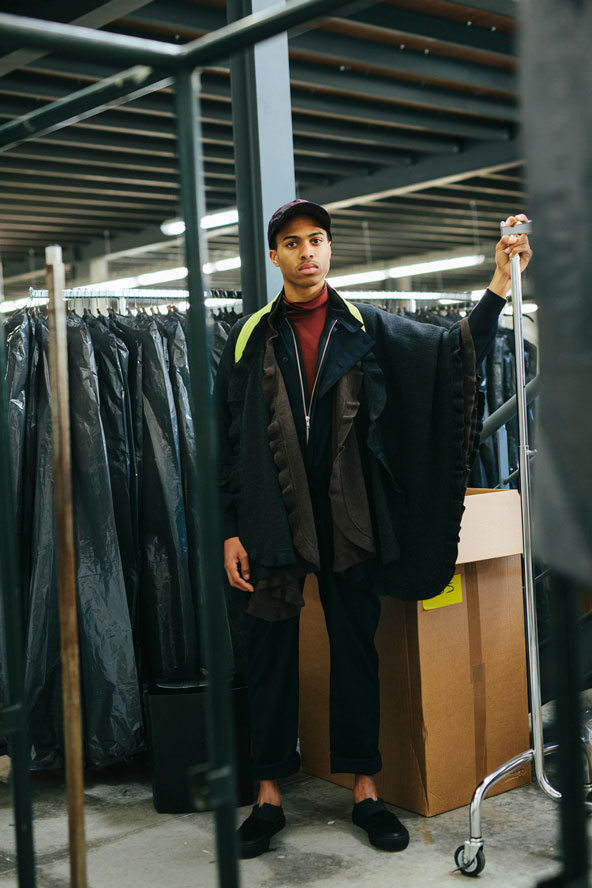
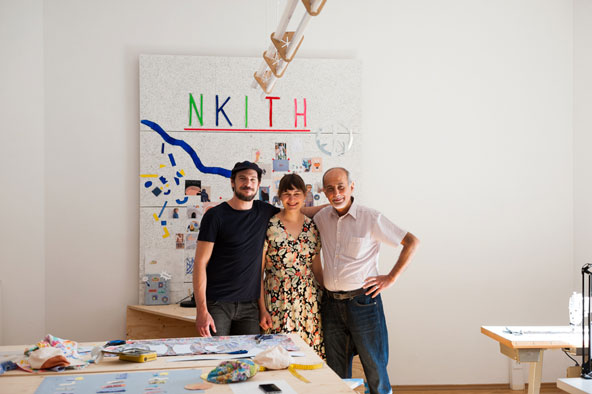
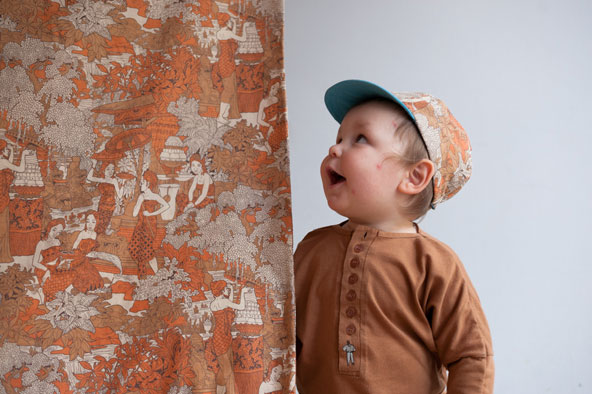
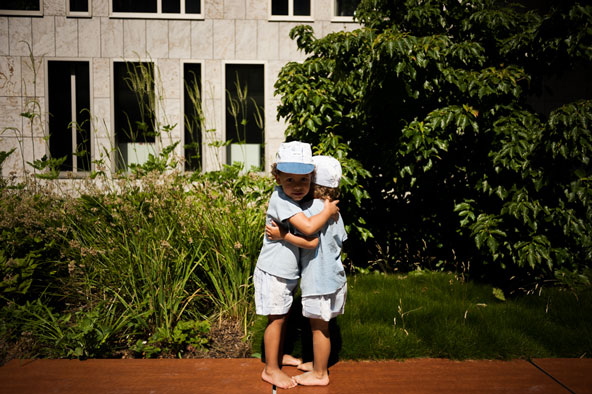
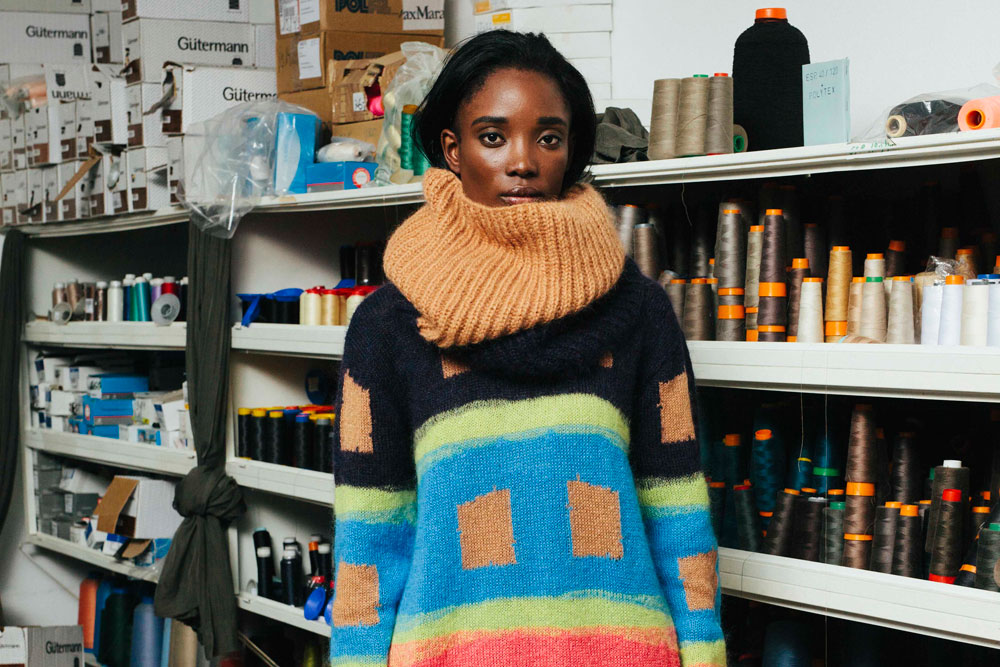
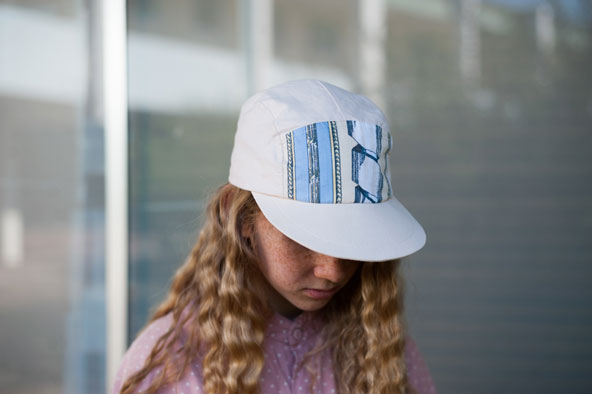
    Sarah Seidel is the founder of New Kids in the Hood (NKITH), a kidswear label producing upcycled and sustainable clothing in Nuremberg, Germany. Along with her boyfriend Florian and Hamdi, a production manager from Syria she met whilst working with refugees on an art exhibition, Sarah creates caps, trousers, shirts and other children clothing using fabrics and prints from the 80’s and 90’s.

    We talked with Sarah to find out more about how NKITH started, the label’s design and manufacturing process, and future plans.

    www.instagram.com/newkidsinthehood
    www.nkith.com

    Photos by Maria Bayer.

    Can you introduce yourself and the rest of your team?

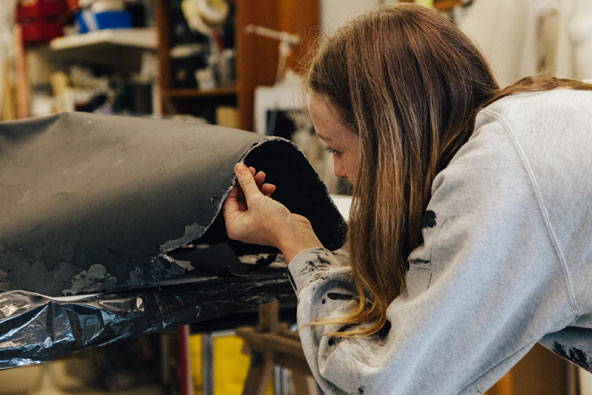
    My name is Sarah, I am a seamstress and social worker living in Nürnberg, Germany. I have a 3-year-old son with my husband Florian, who I am also doing this project with.
    Florian is the creative director of “Die Krieger des Lichts”, a design agency from Nürnberg. We share the same workspace – I design the clothes while Florian is head of all print / online designs and also develops all strategic matters for NKITH.

    We also receive a huge amount of help from our friend Hamdi, a textile production manager from Syria. He helps with sewing all the kids clothing.

    How did NKITH start?

    Two years ago, when I was studying social work, I met Hamdi while working on an art exhibition with refugees. He used to own a huge textile production company with 200 people working for him, back in Syria. We decided to start working together by making kids clothes out of old fabrics. Initially, we gave our products to family and friends – this is how New Kids in the Hood was born.

    Hamdi is a great production and high quality manager. This project would not work without his enthusiasm and his love for clothes and life.

    Sustainability is key in your products, can you tell us about your design and manufacturing processes?

    NKITH is an upcycling kidswear brand with a slow fashion approach. We are driven by the colorful and fearless memories of our childhood, and we collect used fabrics to create new and timeless pieces for kids.

    Our first collection is inspired by 90’s sitcoms and public transportation seats. They feature exuberant patterns and illustrations from the time that brought us the internet and a prince from Bel Air.

    We love what we do and this is an ambitious project for all of us. We want to make fashion without wasting too many natural resources in terms of the fabric production. There are tons of old fabrics still in good shape and it would be so stupid not to use them – you probably know about the critical water consumption due to the world’s cotton production…. Every item is unique and handmade with love in our studio in South Germany.

    What products do you currently offer and what you’d like experiment with in the future?

    At the moment we offer kids clothing: trousers, skirts, dresses and caps for 0-8 year-olds. We also make caps and mum-shirts in adult sizes. The upcycling process allows us to only craft unique pieces.

    All fabrics are collected from huge textile recycling factories in the south of Germany. We manage to produce about 30 caps out of one fabric – when it’s used up, we will probably never find that very same textile print again.

    For the SS18 collection, we will add some basic items. In order to generate more single colour fabrics for the basics collection, we will upcycle and hand dye old fabrics.

    How do you see NKITH growing in the next few years? Do you have any projects or ideas you’d like to develop?

    In the future we would love to invite more people to work with us, as there are many very talented seamstresses living in our area. Textile factories are very rare in Germany, so we would like to bring the fashion production back to our hood.

    We want to experiment with special techniques; we figured out how to avoid remnants by laser cutting all pieces to give an example. We are calculating, developing and trying out a lot. It feels like a huge everyday puzzle that we are completing day by day. It’s this particular challenge what we really love about our project.

  • The New Mediterranean

    The New Mediterranean

    A shared love for plants, handmade products, natural materials, Henri Matisse and the organic shapes found in the Mediterranean architecture and landscapes are just some of the elements that connect a new wave of Barcelona-based creatives and collaborators who are influencing current fashion and art trends. We’ve selected some clothing and accessories brands, shoemakers, illustrators and jewellery labels that represent the aesthetics and values of what we have called ‘The New Mediterranean’.

    Paloma Wool


    Image via Paloma Wool Instagram

    Founded by artist and designer Paloma Lanna, Paloma Wool is described as a “a project on photography, clothing and other experiments”. Paloma Wool’s products are locally made in Barcelona, often collaborating with artists to create items ranging from clothing and jewellery to bags and art books. Paloma also explores “the space or ideas that are created around the act of getting dressed” through art installations and performances in which she also collaborates with other local creatives like art director and photographer Carlota Guerrero, known for her work with Solange.

    www.palomawool.com

    LEVENS

    Image via LEVENS Instagram

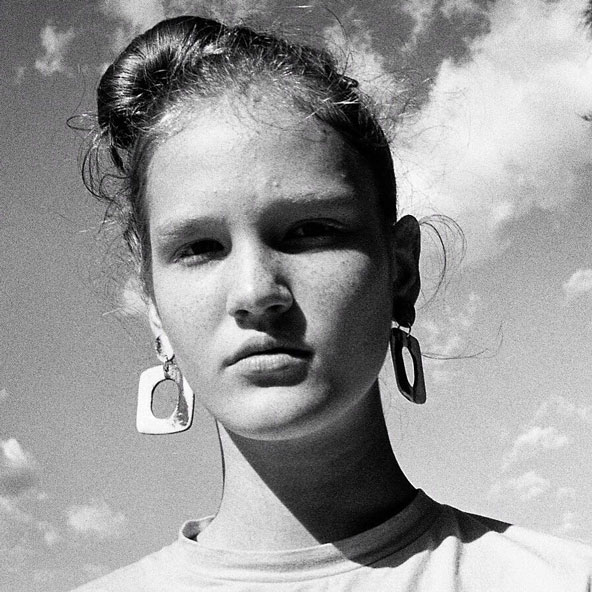
    Actress Mar del Hoyo is behind LEVENS, a jewellery label founded in 2016. Mar creates ceramic earrings inspired by her fascination for nature and femininity. All LEVENS’ products are handmade, with differences in shape and colour which make them unique. In fact, these ‘imperfections’ are part of the ethos behind this project: “Imperfect pieces that arise from a manual movement, almost intuitive, in which the simplicity of forms and materials are a sign of identity”.

    www.levensjewels.com

    About Arianne

    Image via About Arianne Instagram

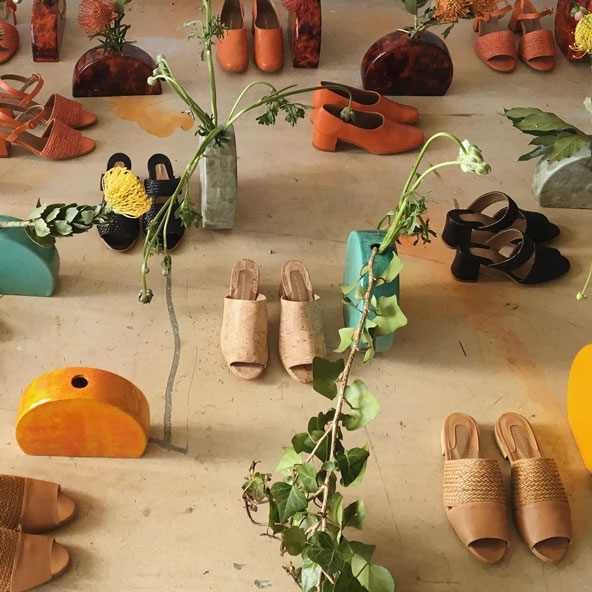
    About Arianne was one of the first Stories we published on our website. The founders of About Arianne, Ariadna Guirado and Ernest Vidal, have been creating women’s shoes 100% made in Spain since 2010 and have also recently started to design bags. From their shop/studio in Barcelona’s Poble Nou, Ariadna and Ernest produce slow-fashion centred around three values: quality, comfort and design. About Arianne’s shoes and bags are inspired by classic lines and silhouettes which are reinterpreted with a contemporary vision, creating unique and timeless pieces.

    www.aboutarianne.com

    Tana Latorre

    Image via Tana Latorre Instagram

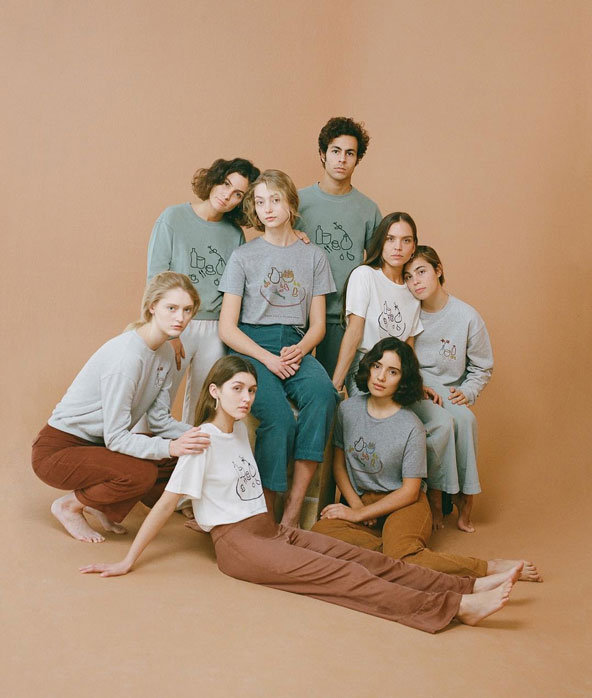
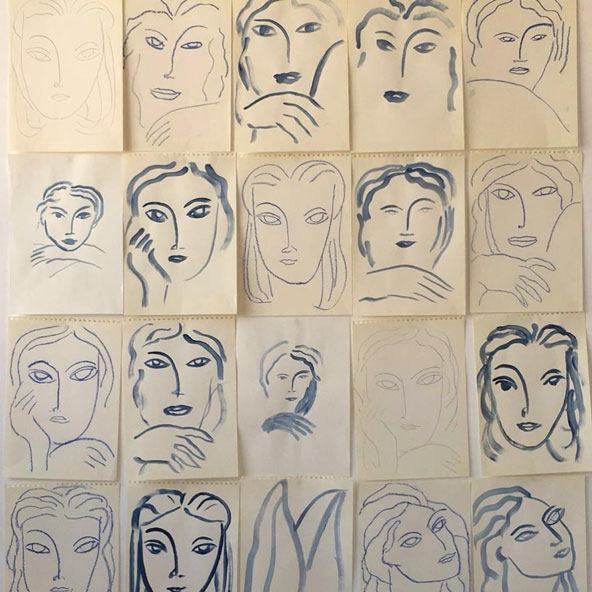
    Tana Latorre is an artist and one of the close friends and collaborators of Paloma Wool – she has illustrated clothing and worked together on other art projects with the label’s founder Paloma Lanna. Born in Nairobi, Tana lives in Barcelona and her minimalist drawings of female silhouettes and faces have been reinterpreted by other artists like sculptor Diego Cabezas and the Berber women behind Anou, a project connecting artists with artisans in Morocco.

    www.instagram.com/tanalatorre

    Matagalan Plantae

    Image via Matagalan Plantae Instagram

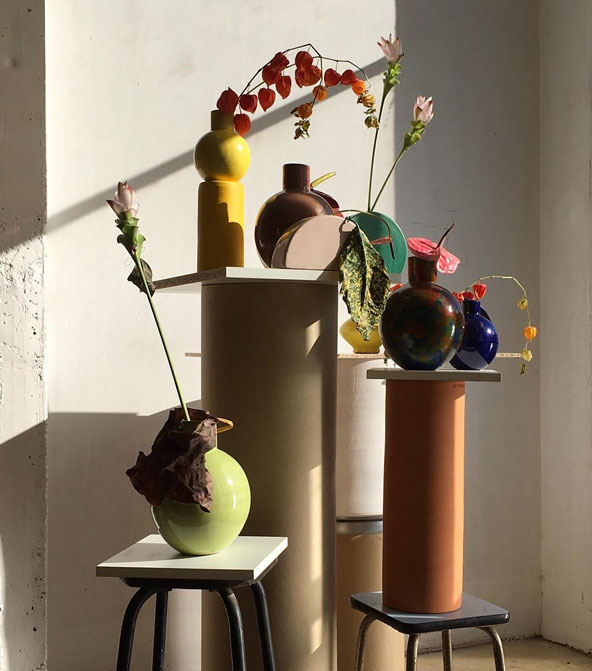
    Born in Costa Rica, Carolina Spencer moved to Barcelona in 2004 and worked as a florist before starting Matagalan Plantae in 2013 as a project exploring the relationship between plants and pots, and their connection to the city. Caroline saw the plant and its container as just one object, and wanted to replace the traditional plastic pot with ceramic vases made by hand in Cataluña in order to create a plant/pot combination more aesthetically pleasing.

    www.matagalan.club

    Ölend

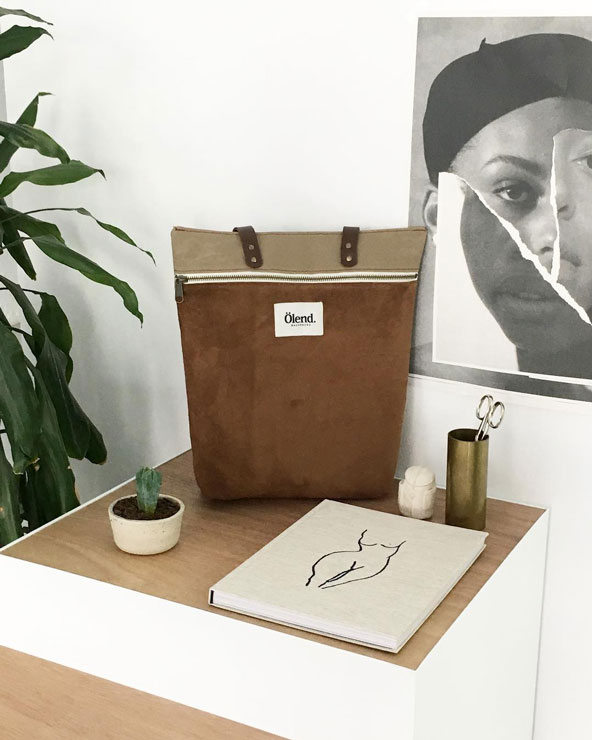
    Image via Ölend Instagram

    Fran Rios, Adriana Dumon and Antonio Longás started Ölend with the idea of creating backpacks for themselves, and their friends liked them so much that they decided to start making them on demand. Ölend’s backpacks and bags are inspired by travelling, challenges and mountaineers from the 40’s and 50’s. They are handmade 100% in Barcelona, using only the highest quality materials and sometimes even customised based on the clients’ preferences.

    www.olend.net

  • Made in Portugal

    Made in Portugal

    Chances are that if you own a piece of clothing by a European brand that cares about sustainability and quality its label says ‘Made in Portugal’. The country has long been known for its manufacturing tradition, but over the past decade Portugal has started to make a name for itself in the design industry thanks to the work of emerging designers who are using this craftsmanship to create products that are changing the way Portuguese design is perceived both inside and outside its borders.

    To explore this subject, we chatted with 5 product and fashion designers based in Portugal to hear their thoughts about the main advantages of manufacturing in Portugal, how the Portuguese government supports design and what needs to be done to make Portuguese design grow even more.

    Reality Studio

    German designer Svenja Specht started her fashion label, Reality Studio, in Berlin in 2005 and moved to Porto in 2014. Svenja is inspired by ancient craft techniques and questions fast fashion and mass production methods, so it’s not surprising that since relocating to Portugal she has produced her collections working closely with local manufacturers.

    Svenja thinks that “Portuguese fashion design is quite supported inside of Portugal but it is still not seen as something that can make money – it is not considered a serious business.” Svenja adds that it’s very difficult for designers to achieve international visibility and financial stability: “I think generally, not only in Portugal, young designers need more support and information about what it means and is needed to build up a brand that is long lasting.


    Image by Reality Studio

    Moving to Porto has allowed Svenja to experiment with different products: “There are so much more possibilities for trying out other fields of design than in Germany. There are bag producers, cap producers, jersey producers…but it is, anyway, not easy with smaller quantities like in our case. It takes time to to build up good relationships with the producers.

    Although she’s only been in Porto since 2014, Svenja thinks that the country promotes Portuguese design: “As we’ve only been a Portuguese brand for 3 years, I’m not completely aware of all the funding opportunities but I think the government and the cities do quite a lot to support and promote Portuguese design. Also, there are fashion weeks in Lisbon and Porto. In the last months one organisation from the textile Industry revitalised, with EU funding, a long existing magazine called ‘Principalmagazine’. They asked young photographers, art directors and graphic designers to refresh it – I think it’s a great project.


    Image by Reality Studio

    Ghome

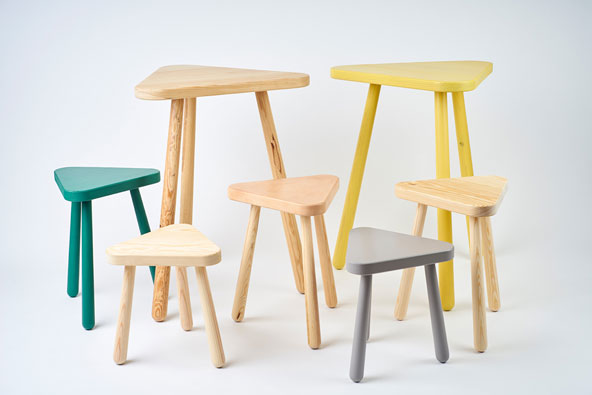
    Ghome is a furniture and homeware brand founded by Gonçalo Prudêncio and based in Sintra. Ghome offers functional, sustainable, well-designed and affordable products that are manufactured using Portuguese raw materials and local craftsmanship.

    For Gonçalo, the perception of Portuguese design has changed positively over the past years: “Until recently, Portuguese design was academic and with no commercial nor economical relevance, reaching both the domestic and the international scene through exhibitions and other similar events. Since 6 or 7 years ago, a few attempts have been made to start brands that include design as a key factor in their business models. This has been changing, even if slowly, the perception about design in Portugal from something that was meant to be seen at ‘the museum’ to something accessible and meant to be used.


    Image by Ghome / António Forjaz Nascimento

    Gonçalo sees 4 clear advantages in manufacturing in Portugal: small and big factories with long experience in production, good quality, good levels of technical understanding and a solid know-how. He also agrees that the Portuguese government promotes design through EU funding and supporting organisations on organising exhibitions and events. Despite this help, Gonçalo thinks that “there should be more brands! We are still far too little. Without brands operating in the market, there is little to promote.


    Image by Ghome / António Forjaz Nascimento

    Sara Maia

    Sara Maia is a fashion designer and the founder of womenswear label S*M. Originally from Porto, Sara first worked for different designers in Portugal after graduating and then moved to London to work for Portuguese designers Marques ‘ Almeida and British designer Aitor Throup. She now works and lives in Lisbon.

    When asked about the perception of Portuguese design, Sara agrees with the rest of designers: “In Portugal the perception is still very small and the interest is not very high, although we feel that it’s getting better.” Sara thinks that the main advantages of manufacturing her pieces in Portugal are “the production quality and the minimums required for the production, which are low compared to manufacturing outside of Portugal.


    Image by Sara Maia

    Competing internationally is one of the main issues for Sara and she thinks emerging designers should receive more support in this area: “I think we still get help from our government indirectly, which isn’t enough if you want to compete with other brands outside of Portugal that get support from their governments but also private investment. Creating more public investment aimed to designers is essential, and also thinking internationally when working with partnerships and collaborations – this will help putting Portuguese design in the map.


    Image by Sara Maia

    GUR

    Run by Célia Esteves, GUR is an innovative project paying homage to Portugal’s craftsmanship. Working in partnership with an artisan weaver of rugs, GUR invites artists to express themselves and create their own rug designs using a medium they’ve probably haven’t experimented with before. The rugs (called GUR) are handmade, woven in a traditional handloom using raw tirela (rag).

    Célia thinks customers are now paying more attention to Portuguese design and the traditions behind it: “All over the country you can find different traditions and techniques evolving around weaving – the north is very strong in rag rugs and popular costumes and in the south you can find ‘burel’, a waterproof and warm wool fabric that was used by the shepherds in Serra da Estrela. Burel is keeping alive the value of the region’s natural resources, combining the art and know-how of the village weavers with modern design. Mizette Nielsen did the same in the 70’s, salvaging a wool factory with a unique weaving method that was used to create blankets in Alentejo. Portugal is very rich in textiles but a lot got lost during the mass industry years and now we can see a big recovery – people are starting to value the history and handicraft of our country.”
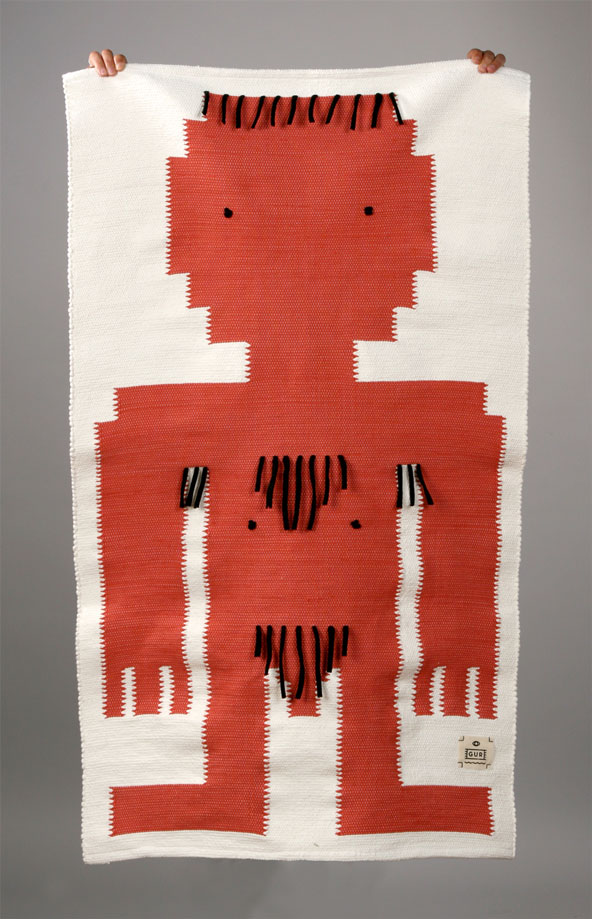

    Image by GUR

    Although there’s some support and funding coming from the Portuguese government, Célia thinks that there should be even more: “There is some support to participate in international fairs – last year we went to London Design Fair in the Portuguese pavilion. Going to fairs is so expensive, this help can allow some new projects to show their work but there is not a lot of budget for a full support or enough available for all.” Not having enough support and not being able to manufacture small quantities are two of the main barriers to the growth of the Portuguese design industry according to Célia: “Portuguese designers eventually have to emigrate or do projects abroad to have some recognition. The industry in Portugal should support more projects and the manufacturing of fewer quantities to new designers should be more accessible – for example, the high-quality furniture factories only produce pieces, normally, for big clients. This makes it more difficult for young designers to start their businesses.


    Image by GUR

    LA PAZ

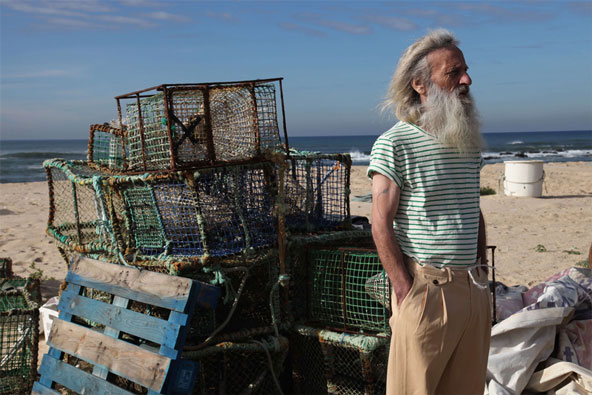
    Jose Miguel de Abreu and André Bastos Texeira are the friends and business partners behind LA PAZ, a menswear clothing label inspired by the Atlantic, its people and traditions. LA PAZ offers timeless and durable goods, working with the best local manufacturers and combining their knowledge with the label’s approach to design.

    Jose thinks that Portuguese designers are now seeing design from a different perspective and this is affecting positively the way it is perceived: “I think that the idea of ‘Portuguese Design’ was quite umbilical for a while, meaning that most designers would work from an internal perspective to an internal or even local public. During the last few years there has been a lot of people studying abroad, travelling around and getting new inspirations, which has facilitated a new approach to what our identity really is and how can we show it to the world.


    Image by LA PAZ / Jose Miguel de Abreu

    For Jose, quality is not the only factor that attracts foreign labels to manufacture their products in Portugal: “Besides the production quality which is recognized all over the world, Portugal is very easy to access from all over Europe, everyone can speak English, there are very good working conditions, and then there’s the sun, the food and the people who are very friendly“.

    In order to promote Portuguese design, Jose believes that the first step must be made by the designers themselves: “They must get off their comfort zone and take risks. I think that it’s important to act within a global perspective and not being satisfied by the illusion of being the ‘king of the neighborhood’. Portugal has many production facilities and is a small country so it’s very easy to travel around and find solutions for what you need to do, and then there’s many solutions to present your project abroad, but you must want it really hard first.” According to Jose, most designers face the same challenges but they can be overcome with creativity: “We know that the beginning is not easy because you have all the quantity issues, nobody knows you, and so on, but it can be very satisfying in terms of results, and even if the results are not that good they will certainly come with a lot of adventure and personal growing attached. Sir Ken Robinson says at some point in his book The Element that ‘One of the enemies of creativity and innovation, especially in relation to our own development is common sense’, and I believe so too.


    Image by LA PAZ / Jose Miguel de Abreu
     

  • Hannah Morgan

    Hannah Morgan

    From her studio in London, Hannah Morgan works on a variety of projects across art and fashion, ranging from sculpture and performance to trend and colour forecasting. We caught up with Hannah to find out more about how her interest in design began, her inspirations and how collaboration plays a vital role in her work.

    www.hannahmorganstudio.com

    Photographs by Ellie Tsatsou.

    future-positive-hannah-morgan-2-low

    Could you please introduce yourself and tell us a little bit about your background and education?

    Hi! My name is Hannah Morgan, I am a maker of objects, that spans art, design, and fashion. I’m a native Londoner, and I’m thankfully still able to live and work not far from where I grew up.

    My first degree was in Film Theory and English Literature at the University of Sussex. I then went into assisting fashion and photographic art directors, and Trend Forecasting at East Central studios before embarking on a series of making courses (notably Kensington and Chelsea Collage) before ending up in the Fashion Department at the Royal Collage of Art under the supervision of Julie Verhoeven/Tristian Webber/Noel Stewart. It was there that I felt like I had entered Willy Wonka’s factory – the scope of what I could make, think about, and engage with was mind blowing!

    After the RCA MA as well as setting up my own practice I worked at Studio Xo for clients such as Wayne McGregor/Lady Gaga. In my own studio I undertake a variety of projects as well as assisting artists such as Julie Verhoeven (as a performer), colour consultant Hilary Scarlett, and collaborating with fantastic creatives like Robert Binet, Ellie Tsatsou, and Liam Hodges.

    future-positive-hannah-morgan-1-low

    Do you remember about when you first got interested in design?

    It probably started in the Dalston Oxfam when I was a kid, I was given free reign to get my outfit… it was an explosion of expression! I grew up in a family of artists/architects/writers that valued looking analytically at the world, and encouraged the ideas and creativity of even the youngest members. So design, fashion and art were always around, a trick of circumstance and osmosis that initially shaped my interests.

    I think design became something that I wanted to know more about as an adult when I studied film for my BA. I was intrigued by the importance of objects in a scene or what the dress of a character signified within the narrative, from a character’s psychological state to a plot twist. It was through the screen that the power of design and its meanings in popular culture were reflected back, and I was hooked.

    future-positive-hannah-morgan-6-low

    You describe your work as interdisciplinary, could you tell us a little bit more about it and where your inspiration comes from?

    My work has always been about process and ideas and I am interested in the way in which the same ideas can apply across different media and disciplines. I find I’m too inquisitive about different processes and outcomes when investigating a subject or idea. If a photograph/film/sound fulfils a direction, then I’m content with that, if a sculpture works better on a wall than a body, that’s fine. I think in the process of play, discovery, and mishaps are vital as a maker. That need to be definitive has become less important as I went through different education and contexts, I still hold on to some stubbornness though – you know when something is right.

    My focus or inspiration comes from trying things out around a subject. Since the RCA I have been investigating the relationship between a body and object. I can’t seem to shake it, probably because the subject can have so many different interpretations and change according to context. It feels like there are infinite possibilities!

    At the moment I’ve been looking at Neolithic statues, listening to D’Angelo and the Reith Lectures, watching A.Curtis’ HyperNormalization, eating curry, and if I’m lucky go for long walks in and around the city.

    future-positive-hannah-morgan-4-low

    Could you tell us about your collaborative work?

    I have always preferred working with other people, especially if they come from a different context or creative background; it’s the easiest way to learn and challenge your work and the world. At the moment I’m very privileged to be working with choreographer Robert Binet, who is based in Canada. We are using his imagination of what a body can do, and my methods of analysing and abstracting form to re-interpret the language of movement in a space. I’m also at the beginnings of a project with the photographer Ellie Tsatsou, looking at making and documenting processes and methods.

    Collaboration is key! I recommend it to everyone – even if you’re colluding with someone over the dinner! We are all in part a product of circumstance, who we are friends with, where we are born, etc. I’m so happy and lucky to be where I am right now, and crossing paths with the people I do, it’s a sobering thought in today’s world.

    future-positive-hannah-morgan-3-low

    What are your plans for the upcoming months?

    At the moment I’m working on an exhibition that will open on 2nd of December, Works in Progress: Haptic Methodologies, at Second Six Galley in Dalston. It is a mixture of sculpture, photographs, film and ephemera looking at the ongoing relationship between my body (as performative) and an object (as static), and its impact on the making process. Also coming up is more collaborative performances with Robert Binet across the pond and here in London.

    future-positive-hannah-morgan-5-low

  • Thisispaper Store

    Thisispaper Store

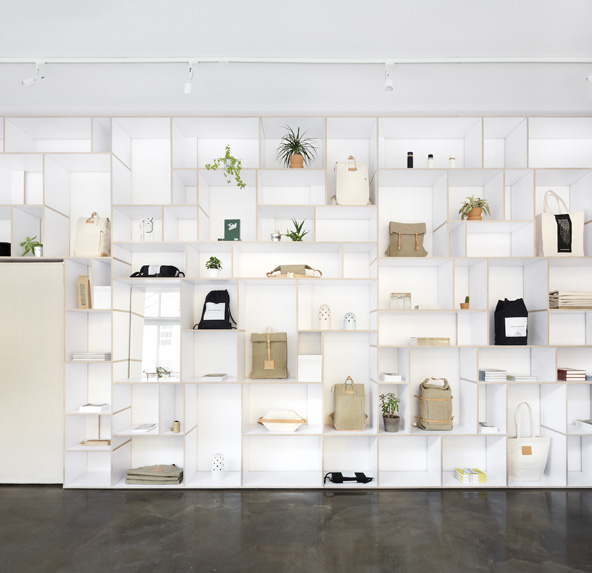
    Thisipaper is a multidisciplinary design studio founded in 2011 and based in Warsaw. Working on different projects, ranging from graphic design and art direction to retail design and print publishing, Thisipaper have established themselves as one of the most exciting studios emerging from Poland.

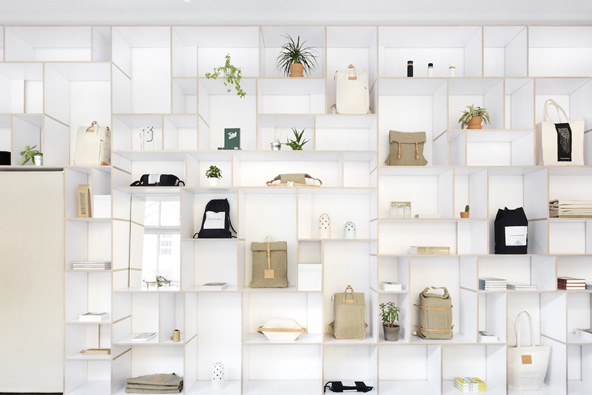
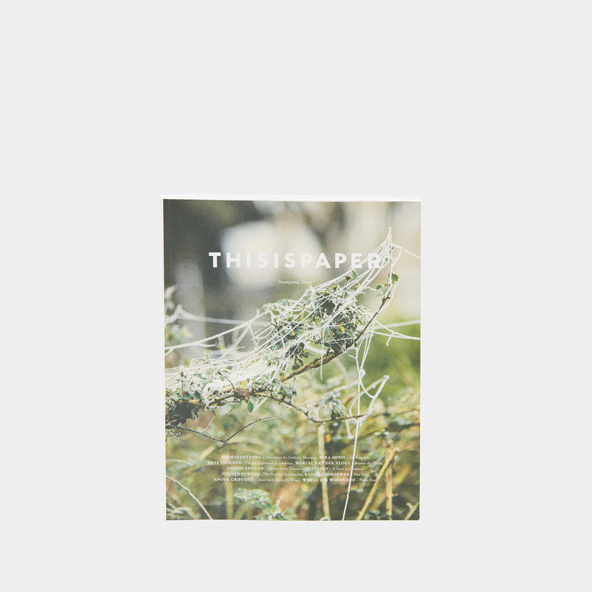
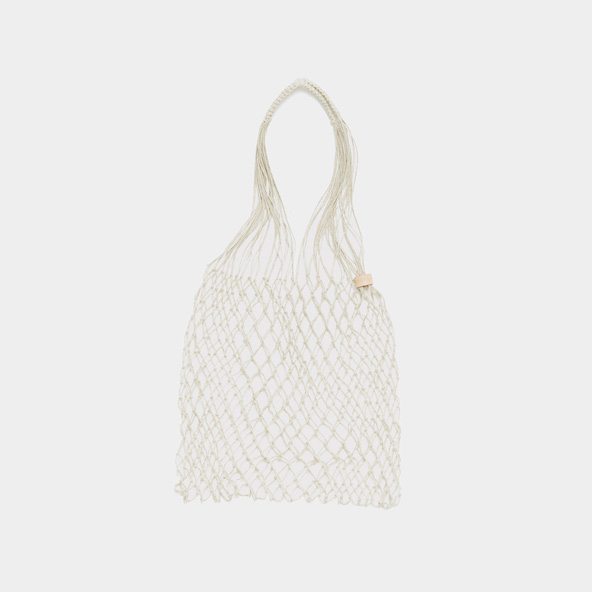
    You might know Thisispaper because of their magazine and nicely curated blog, but they also design their own bags, all made by hand in their workshop and using local materials. Until recently, all their products were only available through their online shop but now you can also visit their new space on Odolańska 6/8 in Warsaw.

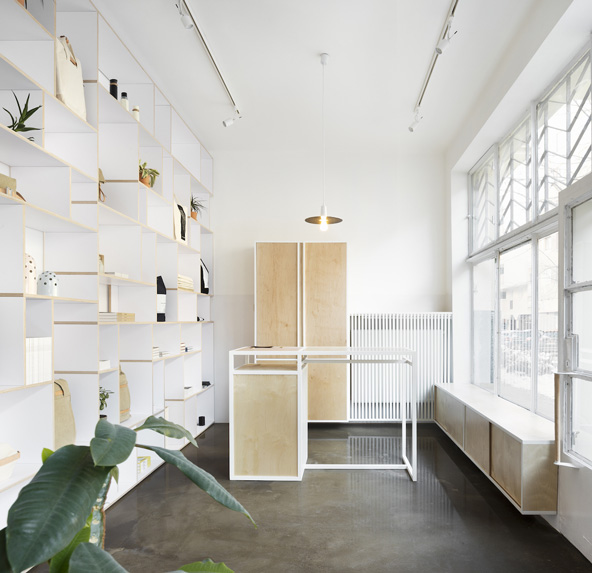
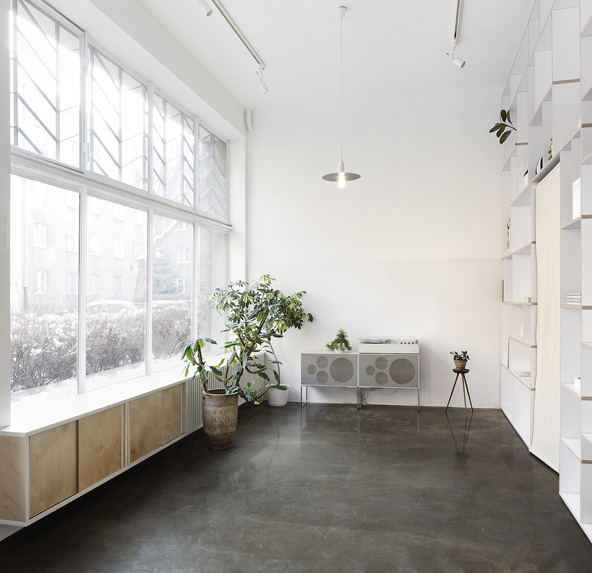
    The new store features a quiet and clean interior as a result of the transformation of a dental clinic from the soviet era and it is located just next to the studio. Apart from the Dieter Ram’s Braun Audio 1 Stereo which fills the interior with sound, the main element of the space is the wall-to-wall shelving system designed in collaboration with Polish design firm TYLKO and showcasing all of Thisipaper’s products.

    www.thisispaper.com

    Store images by Maja Wirkus
    Product images by Max Zielinski

    Future-Positive-Thisispaper-4-low Future-Positive-Thisispaper-1-low Future-Positive-Thisispaper-5-low Future-Positive-Thisispaper-2-low Future-Positive-Thisispaper-6-low Future-Positive-Thisispaper-3-low