Tag: creative

  • The Silver Building, creative workspaces in London’s Royal Docks

    The Silver Building, creative workspaces in London’s Royal Docks

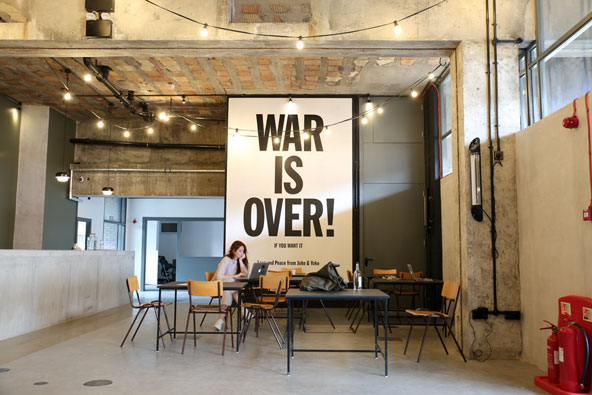
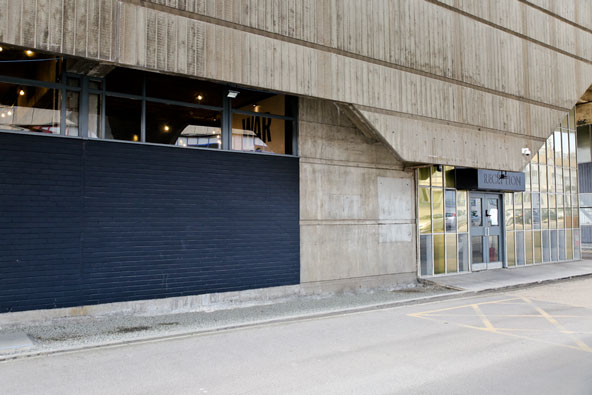
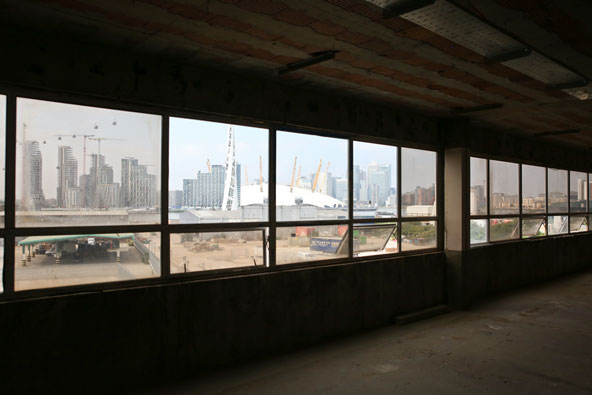
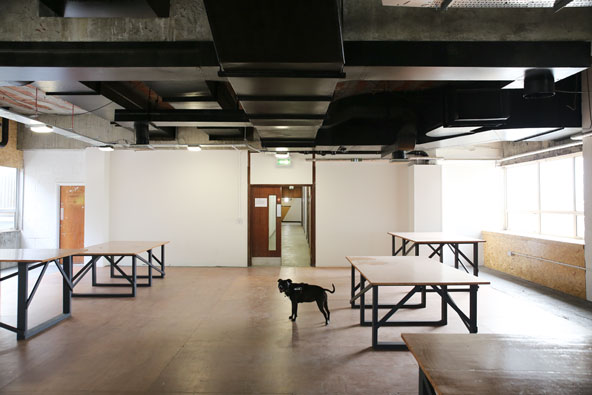
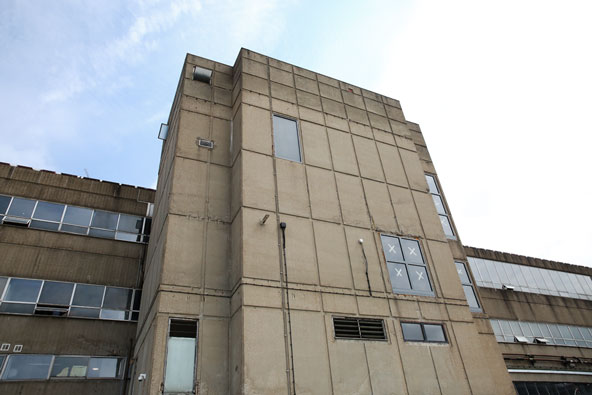
    Located in London’s Royal Docks, an area currently undergoing a transformation to become a hub for creative industries, The Silver Building is a dramatic multi-purpose shared workspace centre in a striking brutalist building by the River Thames.

    www.thesilverbuilding.com

    On our last trip to London, we visited The Silver Building at Silvertown and were showed around the different areas and studios by its founder Nick Hartwright, who’s also behind Green Rooms Hotel – an arts hotel and social enterprise we’ve already talked about.

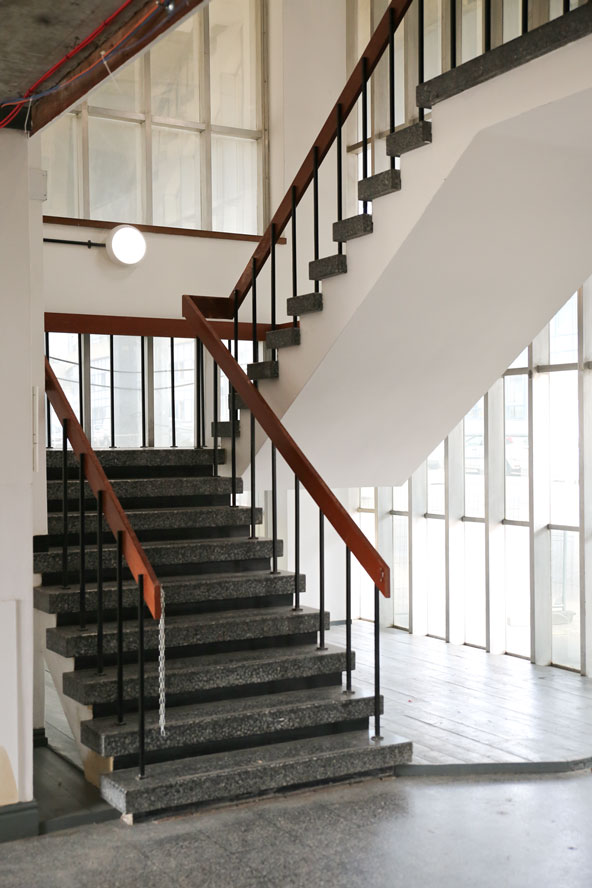
    The 50,000 sq ft building, originally constructed in 1964 for Carlsberg-Tetley Brewing company, opened in late 2017 and is already a bustling creative and entrepreneurial hub where new talent is nurtured and grown. The concept behind this project is to provide affordable workspace for everyone, with different studio spaces that cater for everyone: from fashion designers and artists to photographers and set designers.

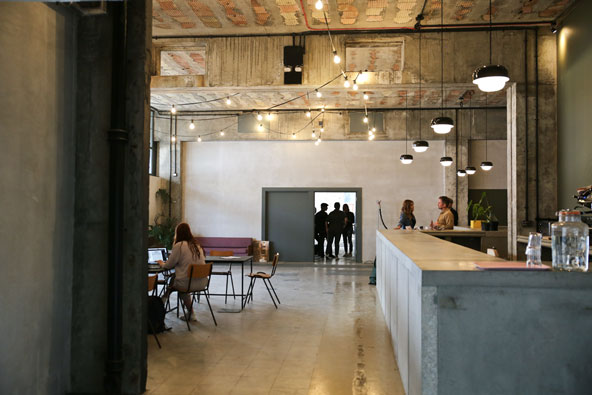
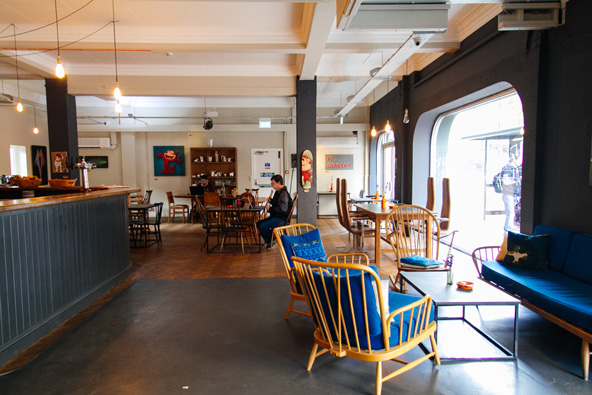
    Working in partnership with the Mayor of London’s office and re-purposed by award-winning studio of architects and designers SODA, The Silver Building also features communal areas and events spaces across its four floors, with a ground floor café which is the beating heart of the development.

    Nick Hartwright has said about the project “The Silver Building is an incredibly exciting project and a perfect example of how modern regeneration should be carried out.  Over the coming years we’re going to put Silvertown on the map.  We’re going to engage with existing Newham-based businesses and we’re going to bring new enterprises to the area.  Everyone will benefit, and together, I’m sure we’ll produce some brilliant outputs.”

    And the Mayor of London, Sadiq Khan, supports the initiative and the offering of affordable workspaces for creative businesses: “London’s creative industries are unrivalled, but the capital is growing and we need to make sure we build great creative infrastructure into major development projects. As property prices rise, artists are finding it more difficult to put down roots here and that’s why they need access to genuinely affordable workspace.

    Fashion designers like Craig Green and Liam Hodges have their workspaces here and also set designers Block9, who have worked with Gorillaz, Lana del Rey and Banksy. With prices of around £15 per sq ft, The Silver Building is attracting some of the most exciting creative talent due to its affordable spaces, the dramatic setting and the on-going regeneration of the neighbourhood.


  • Openhouse Magazine

    Openhouse Magazine

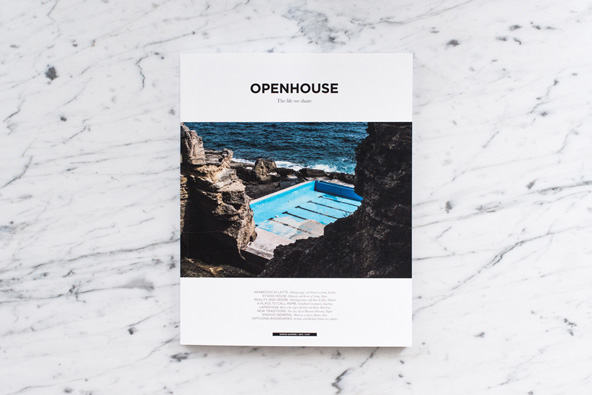
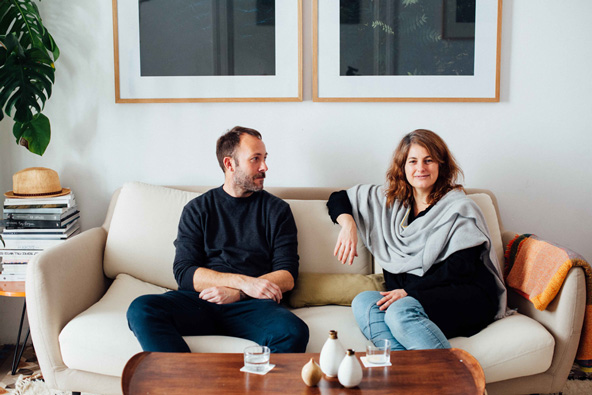
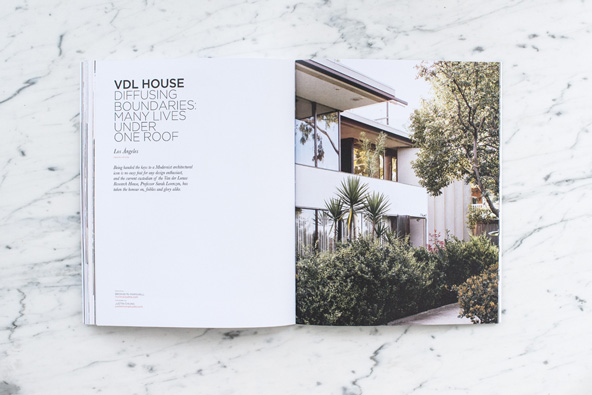
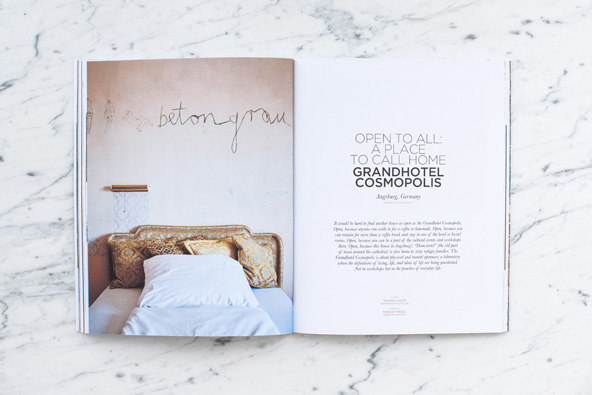
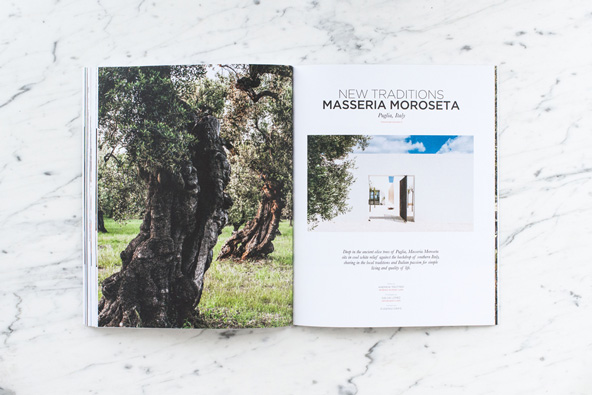
    Founded by Andrew Trotter and Mari Luz Vidal, Openhouse is a biannual magazine dedicated to creative people around the world that open their homes or private spaces to the public to organise different events and activities related to gastronomy, art and design.

    We chatted with Andrew about the beginnings of the magazine, opening his house to other people and how Openhouse is bringing like-minded creatives together.

    www.openhouse-magazine.com

    Photos by Yanina Shevchenko

    What made you start Openhouse?

    Openhouse, the magazine, grew from our project in Barcelona. We started to open our home as a gallery of photography to share our work in a more intimate way. With our flatmate Nobu Kawagoe, we started making dinner and sushi parties, then concerts and talks. We became quite the talk of the town. Over the three years that we were open, more that 4,500 people passed through our doors.

    We met so many wonderful people, some became new friends, and we started to learn about more people around the world with similar projects so we decided to put it down on paper.

    The magazine is in English but each article is also written in a different language, depending on the location of the spaces and people you feature. How did you come up with this unique idea and what were the reasons behind it?

    I’m English and Mari Luz is Spanish, and we talk with a mix of these languages, sometimes even in one sentence. But we realised people talk easier and open up more when then talk in their own language, so we decided we should always find a writer to interview in the first language of the subject. This way the stories become more intimate and more close, real feelings come out.

    How has the magazine evolved since its first issue?

    We actually hope the magazine isn’t evolving too much. We don’t want to change, we hope to always talk about these amazing people around the world who humbly share their homes and lives with others. The only change is that it is getting easier and easier for us each day. We have now launched issue No.7 and we are getting used to the business and logistics of having a company.

    What do you hope people experience when they read Openhouse?

    Openhouse acts as a guide to these people, whether they are in your town or in a place you are visiting. We are so connected in these days by our telephones, that we have lost sense of our community and rarely meet new people. We talk about people who have a love for bringing people together and sharing ideas.

    Do you have any plans or projects for the upcoming months that you’d like to share with us?

    We will soon open our second house here in Barcelona. A space where we can hold intimate gatherings, talk to people and welcome visitors to stay with us. We are also launching a new web that will make it easier for you to find these people around the world. There will be more stories and local guides.


  • Easle, find the best creative freelancers

    Easle, find the best creative freelancers

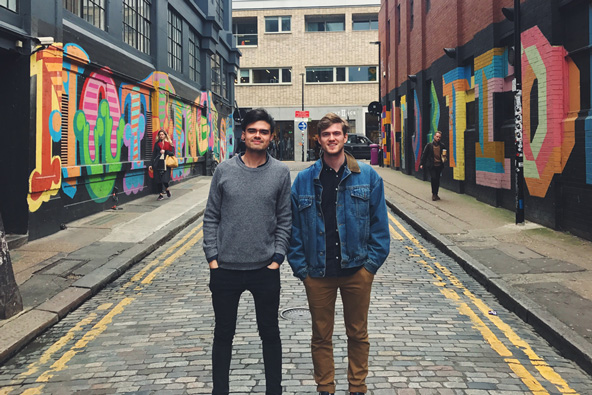
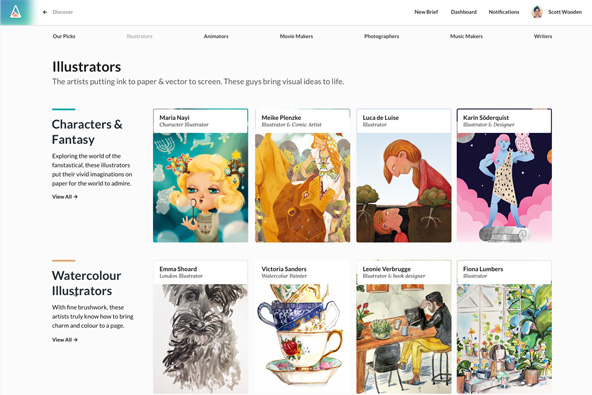
    Finding work when you are an independent creative can be a struggle. That’s why after hearing stories from their creative friends, Scott Wooden and Nick Law decided to start Easle, a new online platform allowing freelancers to showcase their work and clients to discover and hire the best creators and artists.

    Scott and Nick state that “Easle is specifically for the creative arts. The focus for us is on quality across the platform, rather than super low price point, and we’re taking the vetting process seriously for creators and clients alike. We have also built a unique system for handling incoming work, allowing both sides to seamlessly negotiate a proposal through conversation and have it paid for within minutes.”

    At the moment, Easle focuses on showcasing the work of some of the best illustrators across the world although Scott and Nick have received applications from creatives working in all types of fields and they’ve noticed “corners of creativity that felt lost online without a true place for them to show off their work with the opportunity to get hired. There’s no reason why Easle can’t support more niche creative outlets.”

    Easle is currently comprised of an initial group of 50 illustrators. Scott and Nick have intentionally decided to keep strict limits on numbers with the idea that every illustrator on the platform should be seeing a significant amount of work coming through on a monthly basis.

    Easle is open for applications, free to use and takes 10% of the negotiated fee.

    www.easle.co


  • Green Rooms Hotel

    Green Rooms Hotel

    Considered the UK’s first arts hotel and social enterprise, Green Rooms is designed to attract artists visiting and working in London. The hotel opened its doors in Spring 2016 and has already positioned itself as a creativity hub, working with local communities and artists on exhibitions, performances and events all happening at Green Rooms. We visited Green Rooms and stayed one night to experience what this new hotel concept has to offer.

    future-positive-green-rooms-1-low

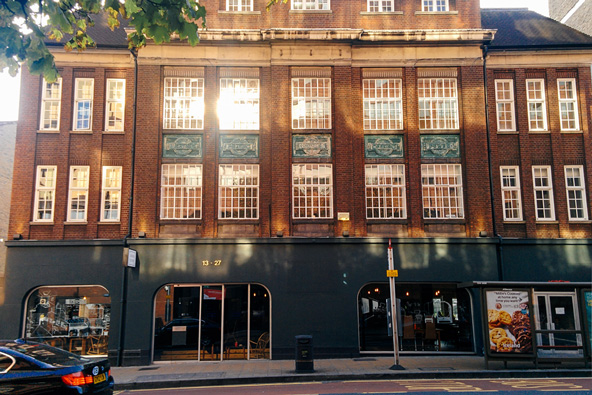
    Located in North London, just opposite from Wood Green underground station, the hotel is just 15 min away from King’s Cross on the Picadilly Line which makes it really easy to get to the city centre. The beautiful art deco building was constructed in 1925 for The North Metropolitan Power and Electricity Company and has been restored by London architects SODA, with interiors created by fashion brand Folk.

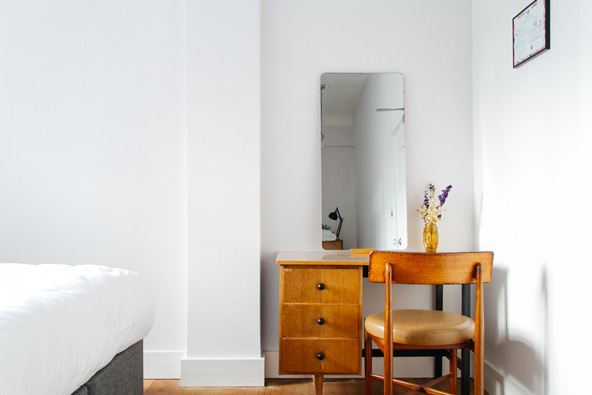
    The idea behind Green Rooms is to engage with local and visiting artists, offering affordable rates – everyone is welcome at Green Rooms but you get a discount if you’re an artist or work in the creative industries. You can also choose a room type that best fits your budget: dormitory rooms and standard rooms with shared bathroom facilities or en-suite rooms (where we stayed) and studio apartments designed for extended stays.
    future-positive-green-rooms-5-low

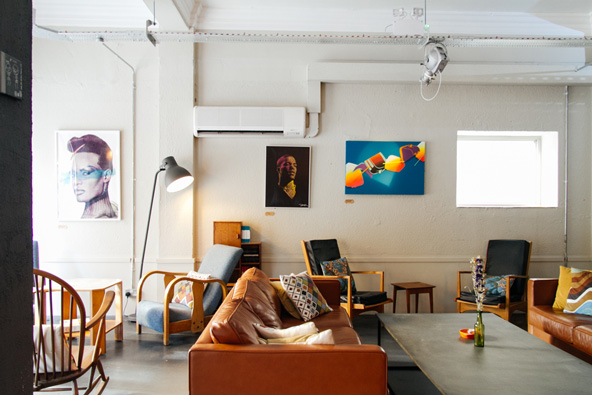
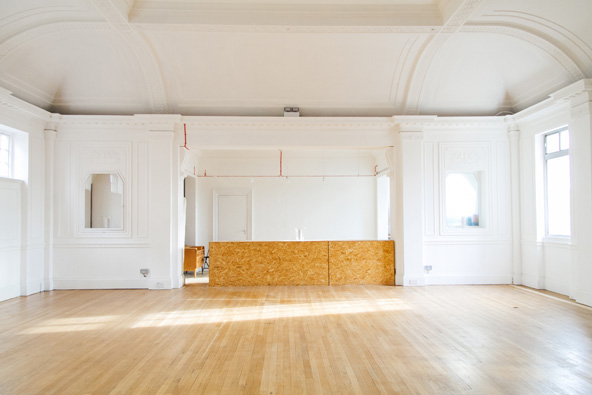
    Whilst at most hotels you just want to spend time in your room and avoid the lobby, Greem Room’s ground floor is welcoming and buzzing with guests and local creatives. An open space, nicely decorated, that houses the hotel’s reception, bar and restaurant and also serves as exhibition space for local artists. The hotel’s top floor is a multi-purpose space, which can be used as a gallery or for rehearsals, screenings and other private events.

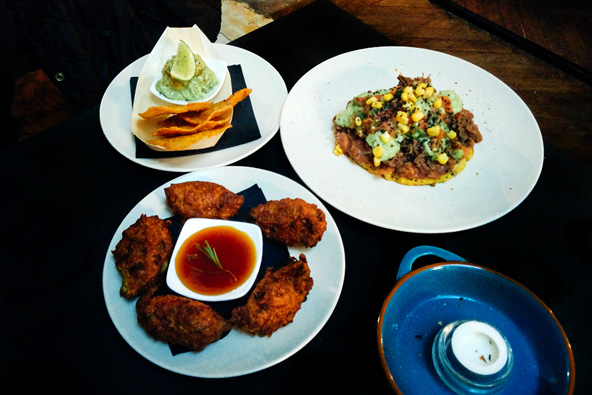
    The restaurant is an incubator project running rent-free 6-month residencies for emerging chefs that haven’t had experience running a restaurant before, offering also mentorship and a way to develop their own brand during their time at Green Rooms. A great and unique initiative that is currently helping the hotel’s first chef in residence, Esteban Arboleda from Colombian Street Kitchen. Esteban is on a mission to pioneer Colombian Street food as a mainstream cuisine in the UK and after having a delicious dinner with different dishes to share, we have no doubt that he will succeed.
    future-positive-green-rooms-9-low

    To find out more about what makes Green Rooms different to any other hotel you might have been to, we chatted with Nick Wright, founder of Green Rooms, and Cathal McAteer, founder of Folk.

    www.greenrooms.london
    future-positive-green-rooms-8-low

    Could you  tell us about how the concept for creating the UK’s first hotel social enterprise came about?

    Nick: The concept for Green Rooms was something I’d been playing around with for a long time. The challenge was finding the right site. London is a brilliant city – arguably the best in the world – and a real cultural hub. But it’s also very expensive. There was a real gap in the market for a genuinely affordable, design-led hotel that encourages and fosters collaboration among guests. A lot of people who work in the arts don’t have much disposable income and can’t afford to spend £250 a night on a hotel room when they come to London. But by the same token they don’t want to stay in anodyne, formulaic budget hotels either. The sharing economy is obviously another option, and it’s a great model, but when you rent a room in someone else’s flat – no matter how beautiful it might be – you’re immediately isolating yourself.

    Could you tell us about the different ways in which the local community can engage with Green Rooms?

    Nick: We’re benefiting and engaging with the local community in lots of ways. The hotel has provided numerous job opportunities for local people fort starters, and Wood Green residents are using the communal spaces at the hotel – particularly the bar and restaurant. There wasn’t really a hang out like it before we opened. People are also also enjoying the performances, events, exhibitions and screenings that are being put on. We recently ran a month-long street art exhibition by the Turnpike Art Group that went down a treat, and moving forward we’ll be hosting a new exhibition every month. And there’s loads of other stuff too. Just last Saturday we had Bandante play in the top floor gallery space – they’re the new band from George Vjestica (ex-guitarist with Nick Cave and the Bad Seeds).
    future-positive-green-rooms-2-low

    British clothing brand Folk has designed some of the hotel rooms, how did this collaboration happen?

    Cathal: Nick and I have been mates for ages. He explained the vision and then we went on site a few times and did a walk through. With such a wonderful building and the vision laid down, it was easy from there. For us the furniture has always come as something that is needed to solve an issue. Shelves because we needed shelves in our stores, a chair because we needed a chair for the Flushing Meadows Hotel. So it’s a range that’s grown out of necessity really. Some of these pieces grow into other products with the same design strain. For Green Rooms it was all about keeping things clean. Nice lines, sparse and simple. And everything had to be in harmony with the wider holistic vision for the project. Green Rooms is great for us because it means we can show the homewares products in situ. It makes more sense looking at one of our chains in a hotel room than it does in one of the shops.

    We love the concept of the chef residency at the hotel’s restaurant, what are some of the characteristics you’re looking for when considering a chef to be part of Green Rooms?

    Nick: There are a number of things. First off they’ve got to be good and cook amazing food! And then they have to be at a certain stage in their evolution. The whole project is about giving burgeoning restaurateurs a chance to run their own restaurant but we can’t take people who have just been cooking at home in their kitchens. They need to be a bit further on. Ideally they’ll have done pop ups, maybe had a successfully food truck, that type of thing. They also need to buy into the overall vision – that’s really important. We’re nice people, we’re trying to affect change in a positive way with Green Rooms. We’re not rapacious guys who are hung up on making money. Of course we want to be profitable, and we are, but there’s a way of going about things.
    future-positive-green-rooms-7-low

    Could you tell us about what exhibitions and events guests and visitors can enjoy at Green Rooms in the upcoming months?

    Nick: There’s loads going on in the next few months – it’s a veritable artistic feast. On November 12 we had the incredible ’12 Ensemble’ in for a performance. They’re London’s ‘Un-conducted string orchestra’ and do brilliant and accessible classical music pieces. Later that week we’ve got a life drawing class happening (November 17), then we’ve got a New Variety Lives! comedy show, we’ve got R-FT doing an artist-in-residence programme and we’ve got an exhibition from artist Sonia Pang. And this isn’t event the half of it!
    future-positive-green-rooms-4-low

    Save

  • Future Positive x Radisson Red

    Future Positive x Radisson Red

    Radisson Red is a hotel concept by Radisson for those interested in art, music and fashion. The first Radisson Red hotel is opening later this year in Brussels, followed by other locations across the world.

    We recently collaborated with Radisson Red on their brand new blog, creating a series of features showcasing the work of creative designers, artists and makers based in some of our favourite cities. Find out more about them below and read each individual story on Radisson Red’s blog.

    Act

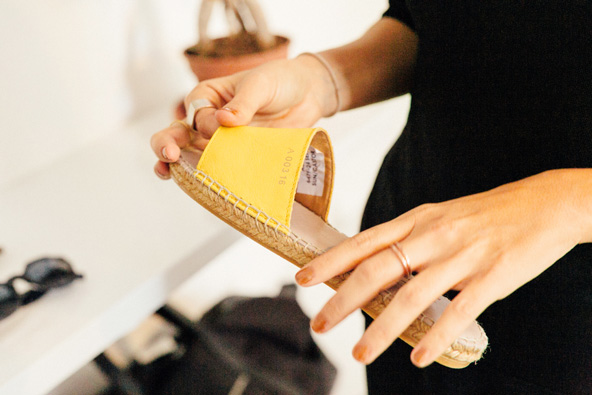
    Act is a brand of espadrilles and accessories founded in 2013 and established between Berlin and Mallorca. Silvia Conde photographed co-founder Isabel Rotger in Berlin for this feature.

    Read more.

    Future-Positive-Radisson-Red-1 Future-Positive-Radisson-Red-2Images by Silvia Conde

    Pino Gay

    Pino Gay is the name of the project of Camila Pino Gay, a designer and illustrator based in Santiago de Chile. Our contributor Carlos Molina paid a visit to her flat in the Chilean capital.

    Read more.

    Future-Positive-Radisson-Red-3 Future-Positive-Radisson-Red-4Images by Carlos Molina

    Patrik Larsson

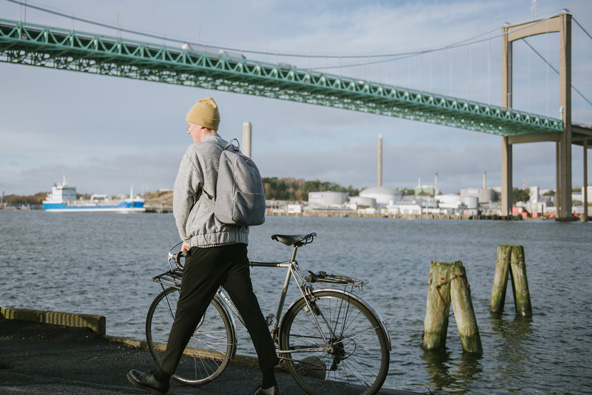
    Patrik Larsson is a freelance interior architect and furniture designer living and working in Gothenburg. Swedish photographer Hilda Grahnat followed him around the streets of Gothenburg for this feature.

    Read more.

    Future-Positive-Radisson-Red-5 Future-Positive-Radisson-Red-6Images by Hilda Grahnat

    Karen Mabon

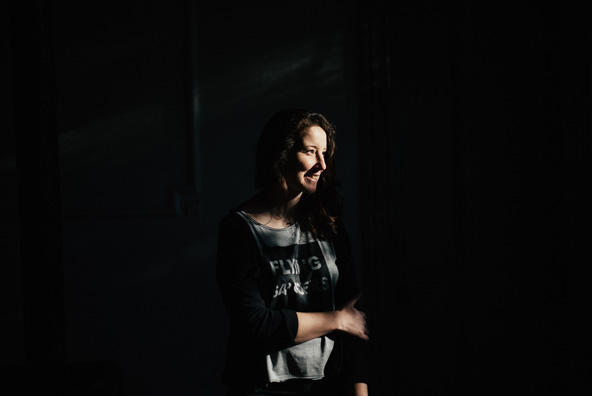
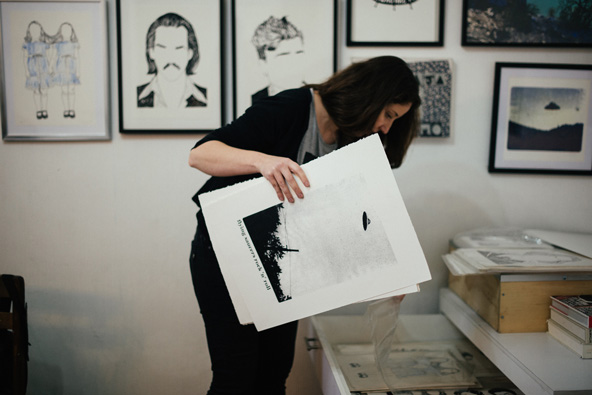
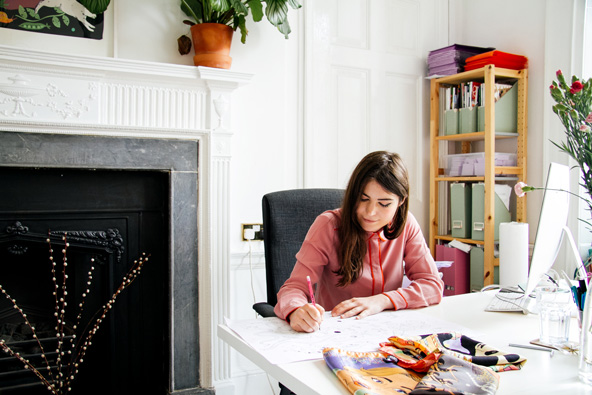
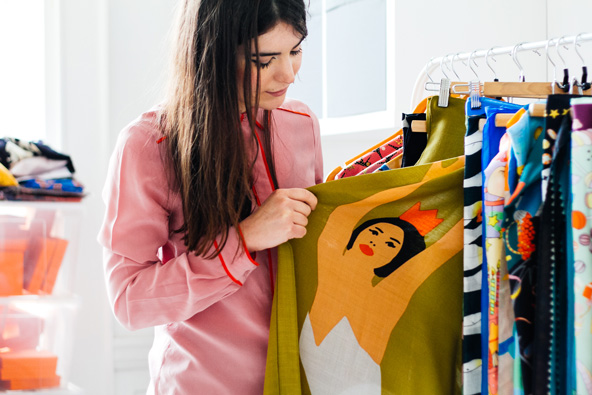
    Karen Mabon is an accessories designer based in Edinburgh. We visited her studio in Edinburgh’s New Town and spent a morning photographing her.

    Read more.

    Future-Positive-Radisson-Red-7 Future-Positive-Radisson-Red-8

    Airplantman

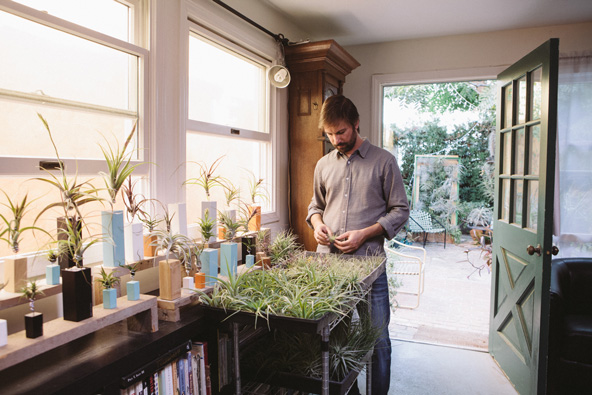
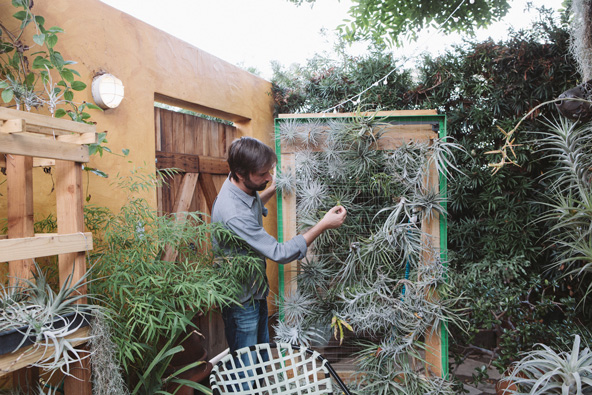
    Josh Rosen calls himself Airplantman and designs incredible vertical gardens from his studio in Los Angeles. Our contributor Valerie Chiang visited him to photograph his creations.

    Read more.

    Future-Positive-Radisson-Red-9 Future-Positive-Radisson-Red-10Images by Valerie Chiang

    Pena Jewels

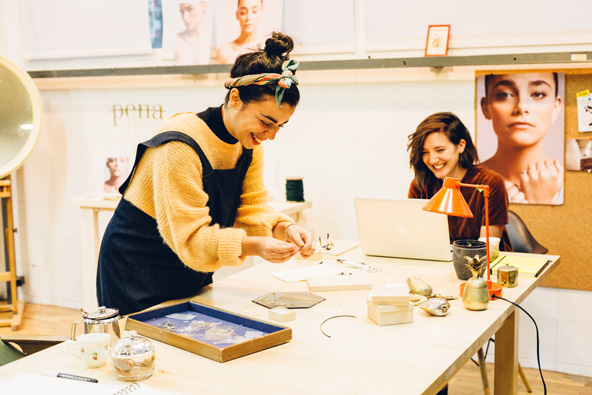
    Miriam Álvarez and María Sanchez are the creative team behind Pena Jewels, a jewellery brand born in Lisbon and now based in Madrid. Silvia Conde photographer their studio.

    Read more.

    Future-Positive-Radisson-Red-11 Future-Positive-Radisson-Red-12Images by Silvia Conde

    Flora & Laura

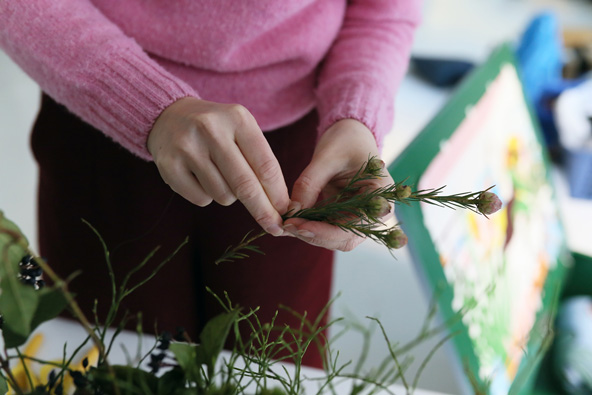
    Flora & Laura is the project of Helsinki-based art director and flower stylist Laura Väinölä. Laura Iisalo spent a day with her documenting a day in her life.

    Read more.

    Future-Positive-Radisson-Red-13 Future-Positive-Radisson-Red-14Images by Laura Iisalo

    Follow Radisson Red on Facebook, Twitter and Instagram.