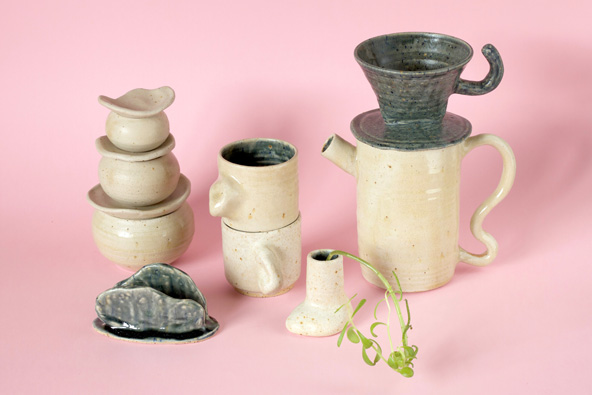
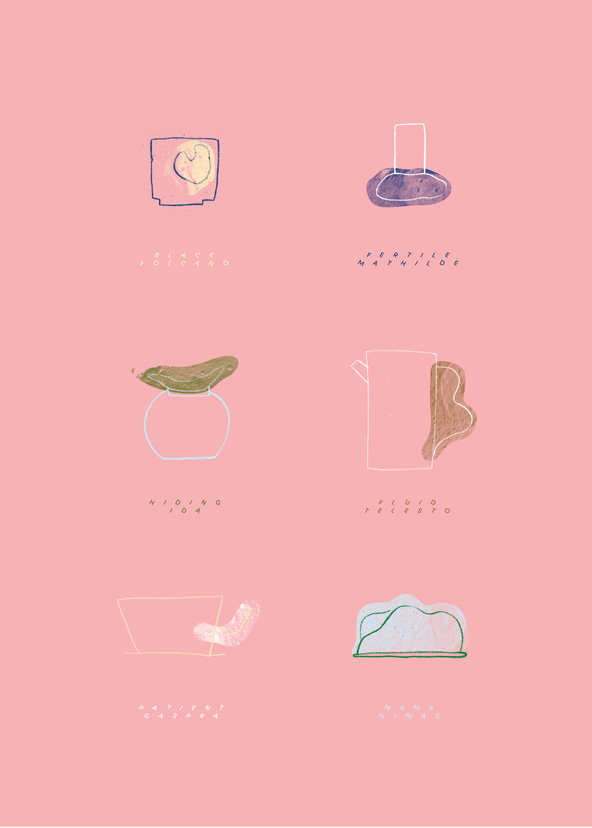
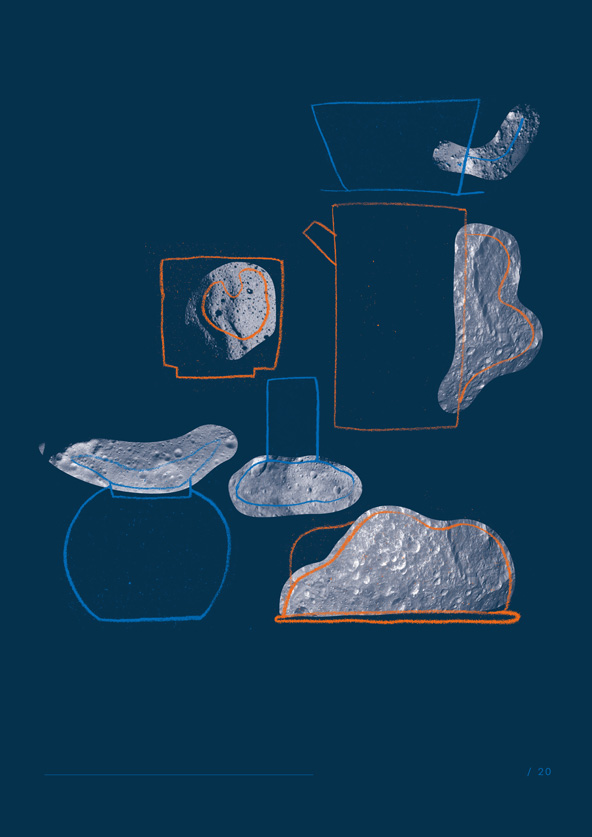
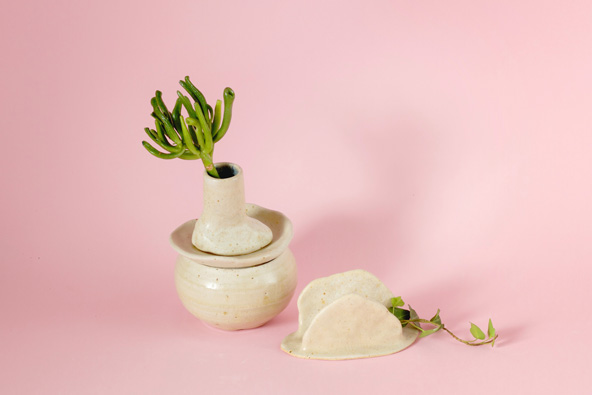
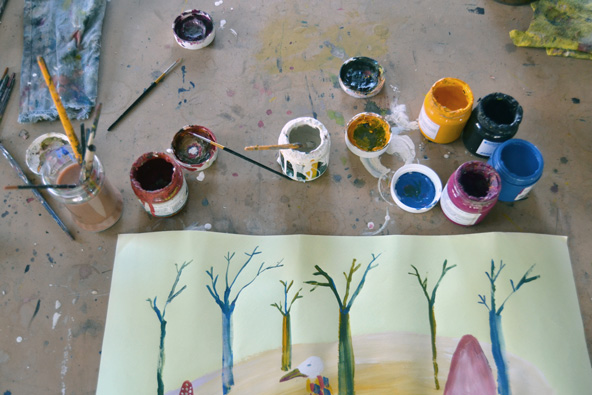
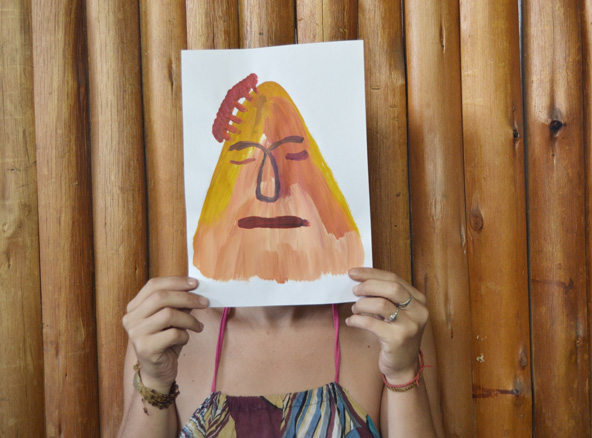
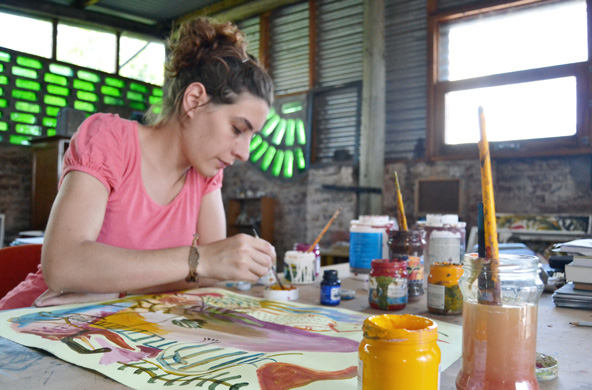
We’ve talked about the work of Antwerp-based designer Stephanie Specht before here on our blog. She has now collaborated with artist and designer Lilit Asiryan and potter Thomas Salzer to create Small Bodies of the Solar System, a capsule collection of tableware and graphics inspired by fluid shapes and everyday functionality.
The pieces reflect the creative clash of ideas between the three of them, mingling timeless craft with free artistry drawing inspiration from space and nature. All pieces are made using clay from Swedish soil, taking inspiration from the the shape of moons and asteroids present in the solar system.
The mix of craft, art, graphics and illustration reflect the three artists’ creative heritage. The collection includes jugs, cups, coffee pots, letter holders and posters, and every piece is one of a kind and produced in a very limited edition.
Small Bodies of the Solar System will be presented at Studio Specht in Antwerp on June the 17th and the collection will be available to purchase on the website below.
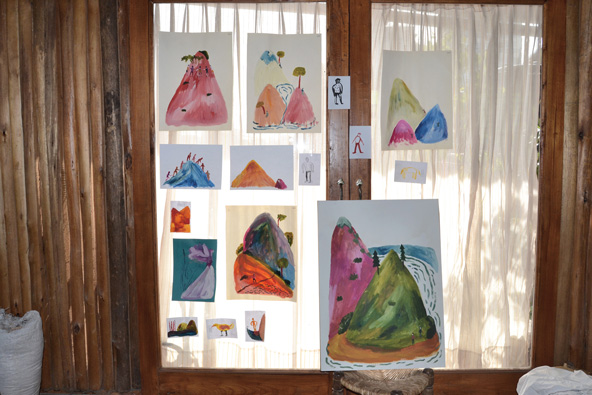
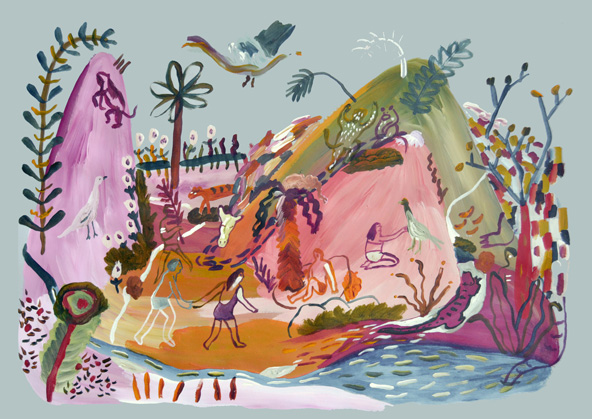
Estefania Clotti is an Argentinian artist creating colourful drawings and paintings filled with different characters and inspired by social reality and her own platonic universe. We chatted with Estefania to find out more about her work, background and future plans.
Please introduce yourself and tell us a little bit about your background and education.
My name is Estefania Clotti and I was born in Rosario, Argentina. I studied Cinema and Animation, but I think my ‘big education’ took place at high school where I learned about the different languages of art. I also find important the education I received from the workshops, drawing and painting classes – they had a great influence on my work.
When did you become interested in drawing?
I started drawing when I was studying cinema. Back then, I started to do the storyboards and concepts for shots and I realised that it was the thing I liked the most about my course. After that, I attended animation school and never stopped drawing and creating animated short films.
How would you describe your work?
I consider my work ‘free’ and with no prejudices or, at least, that’s what I try to communicate with it. Lines, points… everything comes from experimentation. I like to play with it and change the pencils and paints; use different materials such as wood, cardboard and paper; try different formats from big to tiny; experiment with fanzines, animations, comics.. everything in the graphic world inspires me and allows me to constantly develop my work.
What inspires your illustrations?
I have two sources of inspiration that sometimes merge, but typically I get inspired by social reality, which I associate with cleaner lines with very little colour and the second inspiration is more introspective and related to my platonic, ideal world, with lots of colour and invented characters.
Is there any project you’re working on at the moment? What are your future plans?
I’m currently working on an animation and a series of large format paintings and drawings. The idea is to display them in different locations across the city. In the future I’d like to publish a book with all my works.
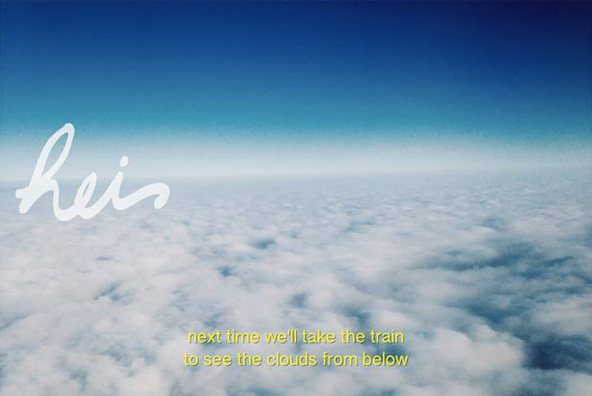
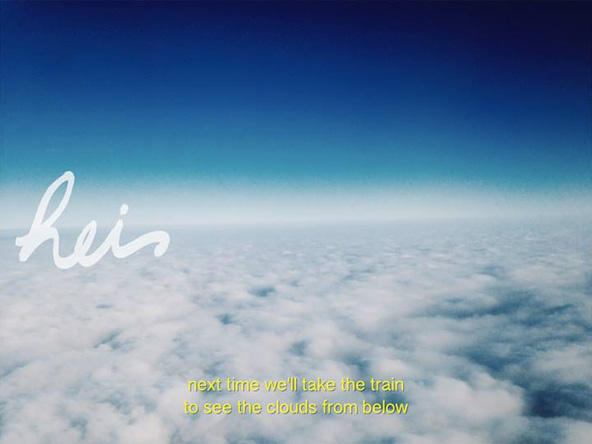
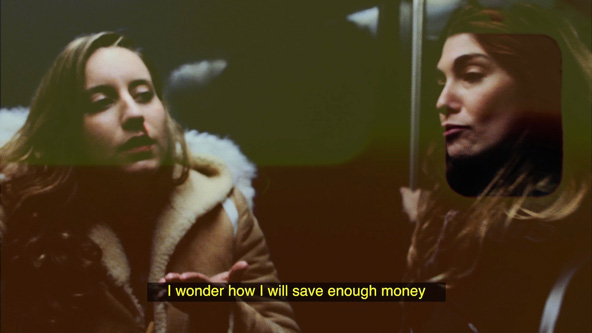
HEIS is a cross-media project by French artist and filmmaker Anaïs Volpé. This innovative project is composed of a series, a feature film and an art installation. To find out more about it, we spoke with Anaïs about her background, the different elements of HEIS and the places where the project will be screened and exhibited.
Could you please tell us about yourself and your background?
I’m a French filmmaker although, initially, I used to work in theatre as an actress. Theatre is kind of my first love. Also, I’m a freelance photographer and videographer for different magazines. I always like new collaborations through creation and I’m also involved in visual arts.
I left school when I was 17 because I really wanted to work in Arts. I learned many things by being an assistant director for almost two years. After that, I learned a lot from theatre, especially from stage directing and acting – it opened my mind and my imagination. A few years after that, I learnt how to edit videos with tutorials on YouTube and I started to shoot small shortfilms, around 1 and 3 minutes long, in order to practice. I later found a producer who helped me film my first real short movie named ‘BLAST’. The movie has been selected in a few festivals and received the Jury Prize in the International Film Festival Between China and France. Thanks to this prize I was invited by the French Embassy in China to visit the country and I received help from the French Cultural Institute of Beijing in order to work on my next project within an artistic residency in Beijing. That’s how two years ago I started working on my latest project, HEIS, while I was in China.
Could you describe HEIS briefly?
HEIS is a Greek word (εἷς) meaning one, to be one, not as individualism but as self-fulfilment. This project is about how one human being tries to reach the ‘number one’, the daily struggle of one’s mind, body and heart. HEIS is a cross-media project composed of a feature film (90’), a series (5×11’) and an art-exhibition. The project received help from the French Cultural Institute of Beijing and has been shot between France, China and USA, with so much heart and an independent spirit.
I can say that the whole project is about universal youth issues -especially in Europe- such as lack of jobs, rising of terrorism in the world… It is about the distress of the youth, of a whole generation that won’t be neither really poor or really rich. But it is also about family guilt: the real question about the duty to stay (close to our family) or the right to go (and to emancipate). In an other words, HEIS is a project for the youth made by the youth.
Please tell us a little more about each of the parts of this cross-media project.
The three parts of the project can be enjoyed separately or together. This possibility is the particularity of this cross-media project. It’s complementary but it can be understood
independently.
The feature film is an hybrid film mixing video in HD, old VHS, fiction and fictional documentary. I think it is a two speeds film, two languages dedicated to two generations: youth and parents.
It is a love and a anger story, an emancipation and a guilt story, a blood and a life story : a family tale. No matter the period, the country or the language, this theme remains complicated.
The series is very complementary to the feature film because, I’ve used around one quarter of the series in the feature film (in a different order) and if you want to see it completely, you have to watch the series. The series is made of 5 episodes of 11minutes each. The work in the series is more of a ‘voice over’ exercise. Each episode is about an universal struggle that every human being can experiment once in their own life. It’s about contrasts and choices.
The art exhibition is also complementary to the series and the feature film. It’s a mix between art and digital. You can discover in the exhibition the work of one of the main characters of the feature-film who is also working on art exhibition. The exhibition is composed of digital, sounds and visual artworks in connection with the feature film and the web series: subtitled photographs, QR codes, videos in old TVs and computers…
What events are you going to be involved at this year with HEIS?
The feature film is still in Sound post-production right now. I’m going to send it to some film festivals that I really like and support. And I’m currently looking for a distributor in order to release it in theatres in 2017.
The series has been already selected in film festivals in France and abroad (NYC, Reykjavik, Hong Kong, Chicago…) and I’m currently waiting for answers from others festivals. After that, I will collaborate with a film distributor in order to release the series (TV and web, I hope) by the end of 2016.
The art-exhibition has been already exhibited in three places in France. The current place is now extending the exhibition for one more month until the end of April, so you can still see it Paris at the moment. In May the exhibition will be shown in London and after that in Berlin.
I’m also working on releasing the project with all the three parts together in some places suitable for that. I hope that it will be possible. It’s a very long process to release your artistic project and I have to be as patient as the audience is! All the information about where the films are selected and screened are on the Facebook page and you can also check the ‘live exhibition’ of the project on our Instagram account, heis_crossmedia.
Are you currently working on any other projects or have plans to work on something new after HEIS?
Yes, whenever I have some free time I work on the script of my next feature film. I would like to develop it quite soon. To be honest, in fact, I have two ideas for films. And I’m currently developing and I’ll see which one will be easier to do with a producer. I don’t know yet if I’ll shoot it in France. One of this scripts, named ‘Märlha’, has just been selected by ‘La Maison des Scénarites’ at the ‘Festival de Cannes 2016’ and will be pitched during the Festival to producers.
Apart from that, I continue writing screenplays for theatre, just for pleasure. I’m constantly working on something related to visual arts – it helps me to keep inspired.
Radisson Red is a hotel concept by Radisson for those interested in art, music and fashion. The first Radisson Red hotel is opening later this year in Brussels, followed by other locations across the world.
We recently collaborated with Radisson Red on their brand new blog, creating a series of features showcasing the work of creative designers, artists and makers based in some of our favourite cities. Find out more about them below and read each individual story on Radisson Red’s blog.
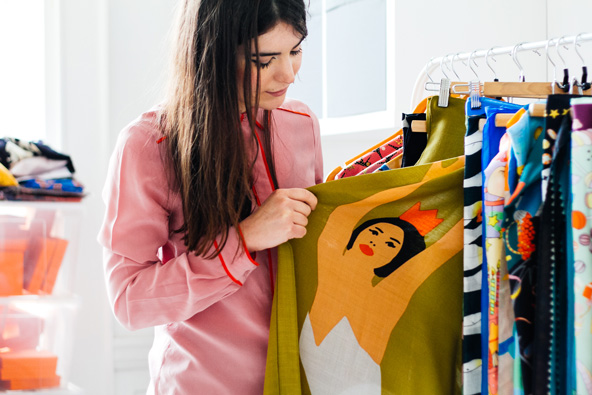
Act
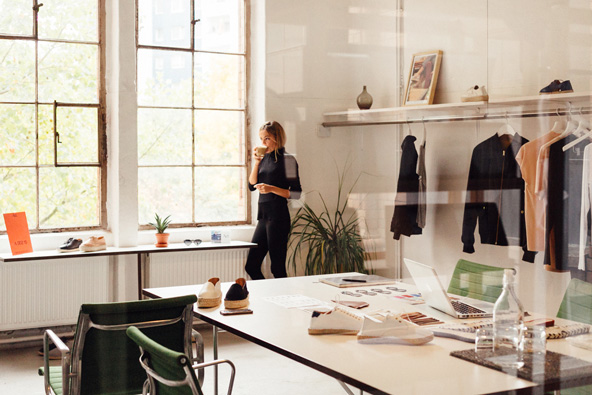
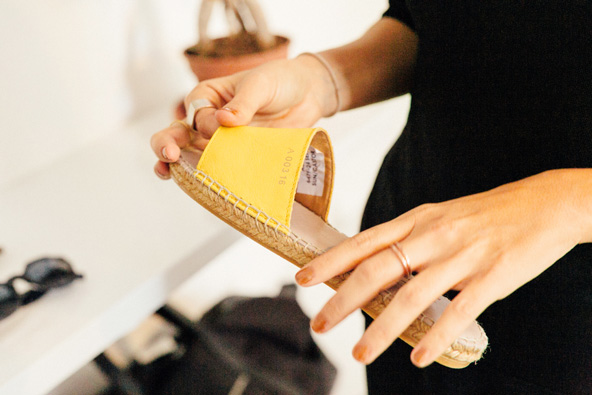
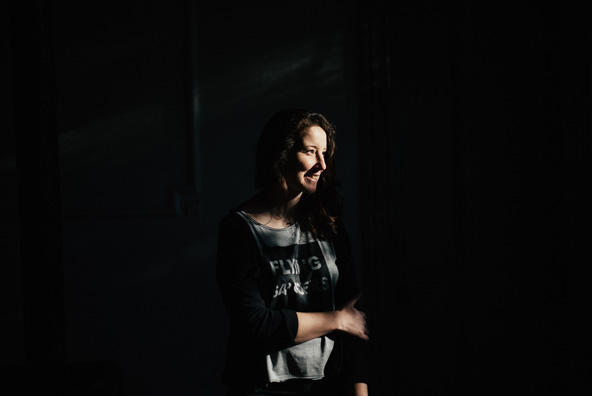
Act is a brand of espadrilles and accessories founded in 2013 and established between Berlin and Mallorca. Silvia Conde photographed co-founder Isabel Rotger in Berlin for this feature.
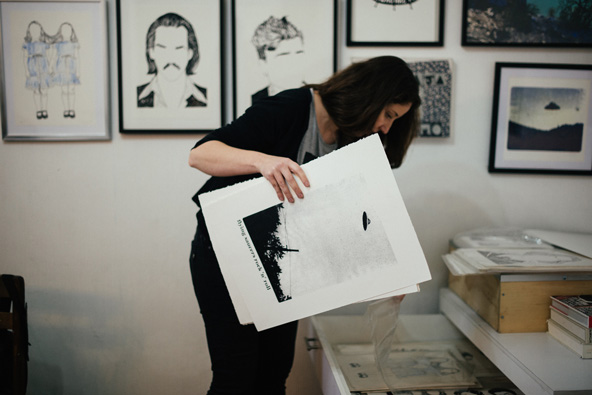
Pino Gay is the name of the project of Camila Pino Gay, a designer and illustrator based in Santiago de Chile. Our contributor Carlos Molina paid a visit to her flat in the Chilean capital.
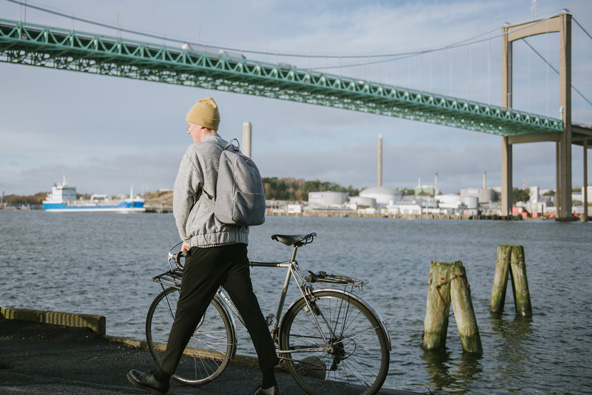
Patrik Larsson is a freelance interior architect and furniture designer living and working in Gothenburg. Swedish photographer Hilda Grahnat followed him around the streets of Gothenburg for this feature.
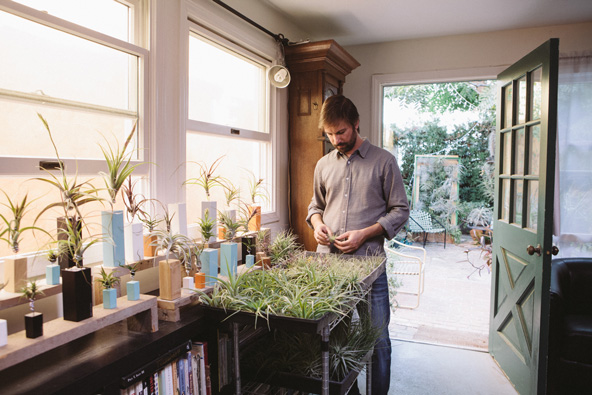
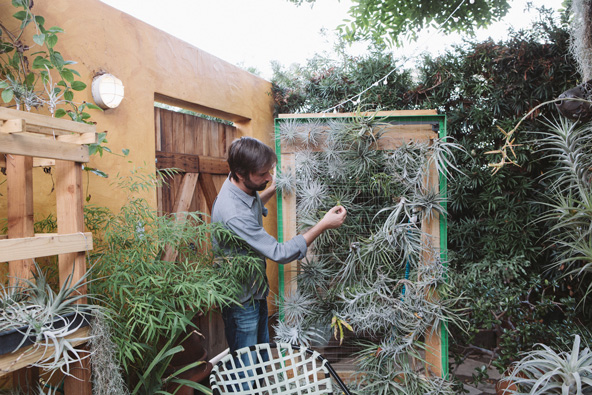
Josh Rosen calls himself Airplantman and designs incredible vertical gardens from his studio in Los Angeles. Our contributor Valerie Chiang visited him to photograph his creations.
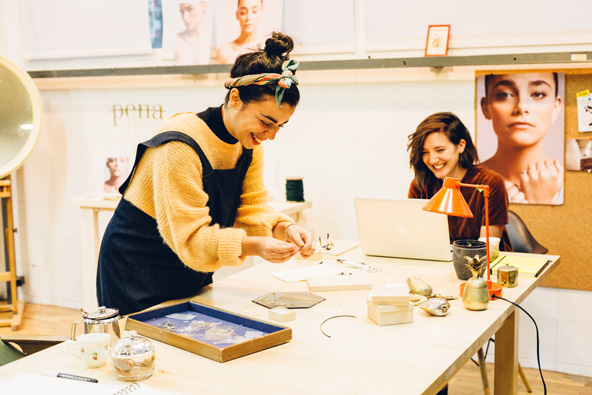
Miriam Álvarez and María Sanchez are the creative team behind Pena Jewels, a jewellery brand born in Lisbon and now based in Madrid. Silvia Conde photographer their studio.
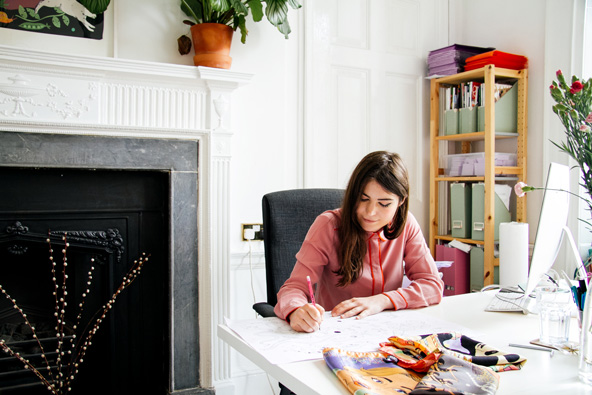
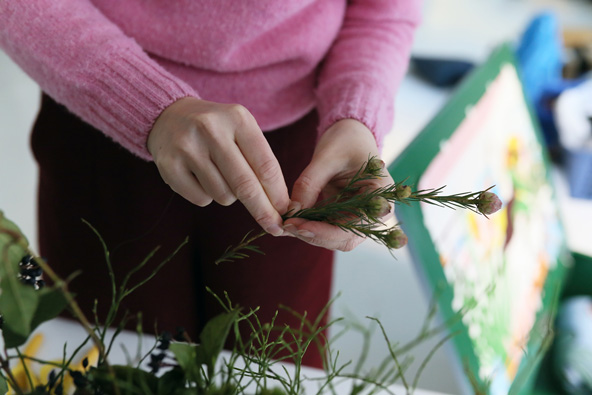
Flora & Laura is the project of Helsinki-based art director and flower stylist Laura Väinölä. Laura Iisalo spent a day with her documenting a day in her life.
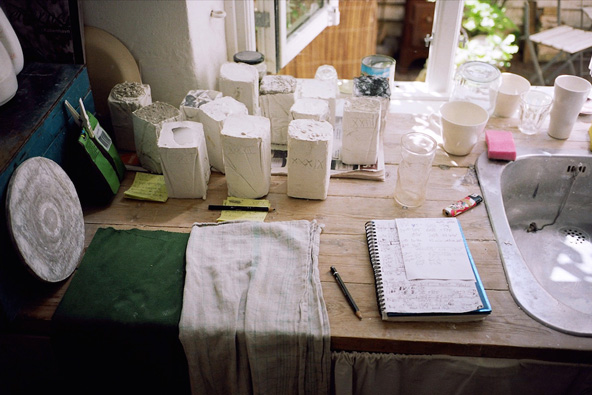
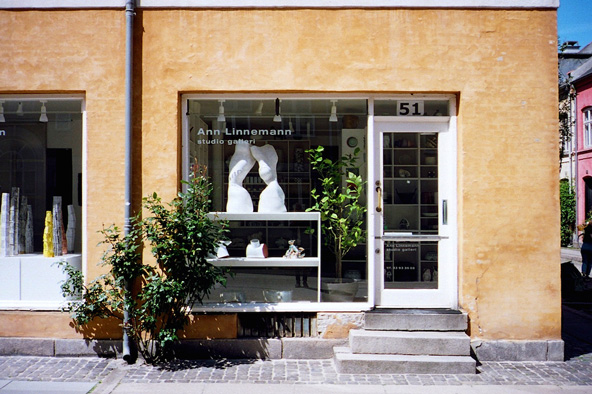
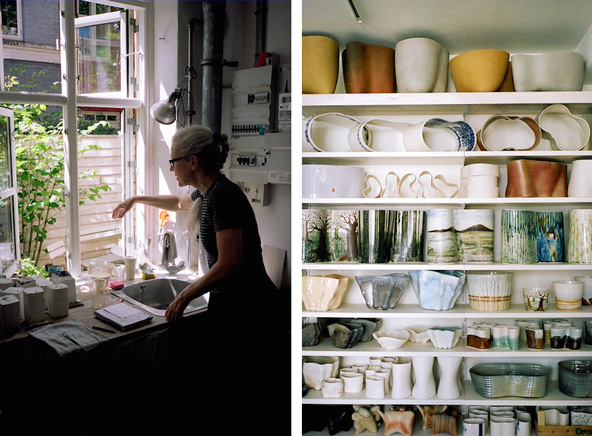
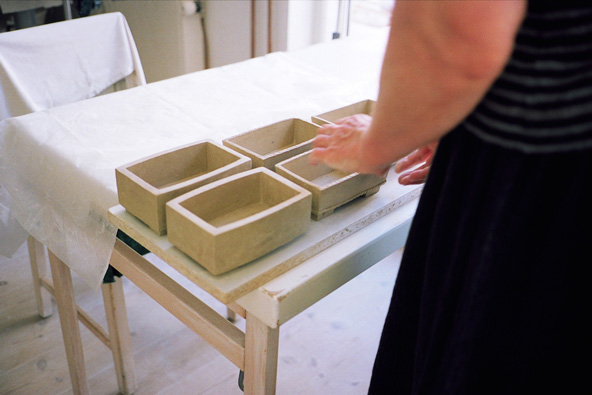
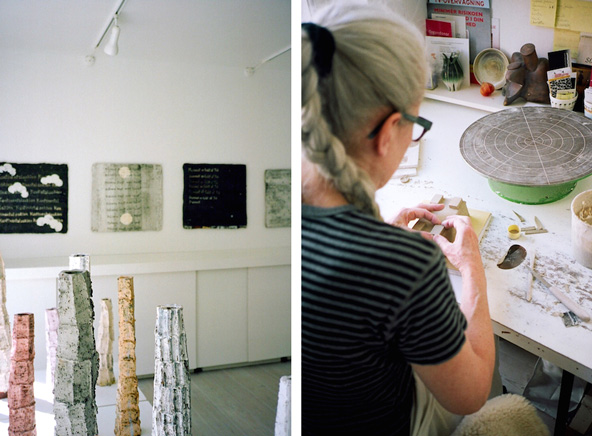
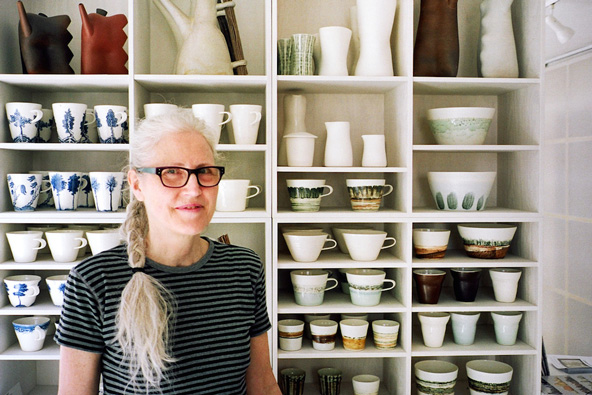
Ann Linnemann is a Danish ceramic artist and gallerist producing both functional homeware and sculptural work. From her studio and gallery space in Copenhagen, Ann works on her own pieces and exhibits work by ceramic artists from around the world.
Educated at Denmark’s Design School, Ann describers her work as ‘hand-thrown table ware, vessels and sculptural forms based on conceptual ideas’. Ann’s design process is centred around the symbiosis between idea, function, form and material, and her pieces are often altered from a round basic model to an asymmetric form.
In her gallery space, Ann curates the work of international artists as part of a permanent collection which is exhibited alongside temporary shows featuring pieces by exciting contemporary ceramic designers and artists.
Our contributing photographer Benjamin Evans visited Ann’s gallery and studio on his recent trip to Copenhagen and shared his images with us.
This website uses cookies to improve your experience. We'll assume you're ok with this, but you can opt-out if you wish.AcceptRead More
Privacy & Cookies Policy
Privacy Overview
This website uses cookies to improve your experience while you navigate through the website. Out of these cookies, the cookies that are categorized as necessary are stored on your browser as they are essential for the working of basic functionalities of the website. We also use third-party cookies that help us analyze and understand how you use this website. These cookies will be stored in your browser only with your consent. You also have the option to opt-out of these cookies. But opting out of some of these cookies may have an effect on your browsing experience.
Necessary cookies are absolutely essential for the website to function properly. This category only includes cookies that ensures basic functionalities and security features of the website. These cookies do not store any personal information.
Any cookies that may not be particularly necessary for the website to function and is used specifically to collect user personal data via analytics, ads, other embedded contents are termed as non-necessary cookies. It is mandatory to procure user consent prior to running these cookies on your website.