Tag: art

  • Hannah Morgan

    Hannah Morgan

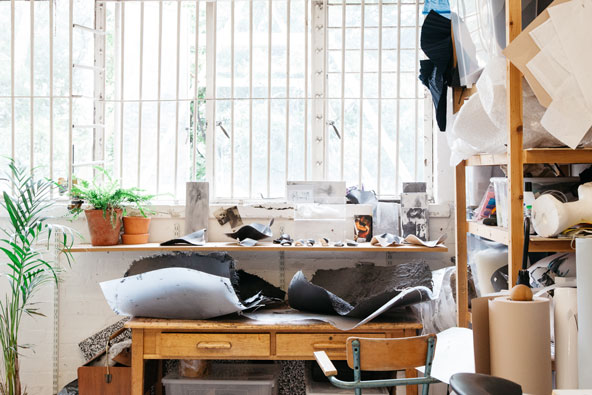
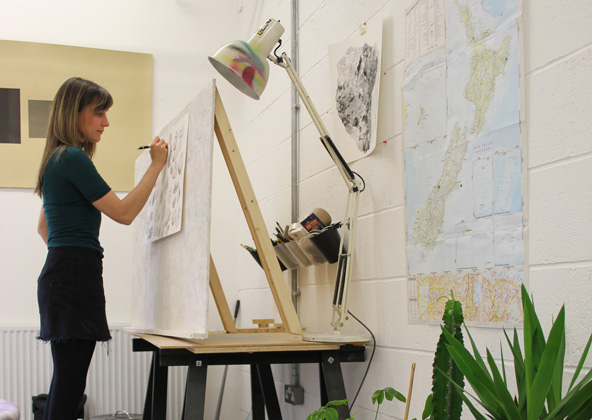
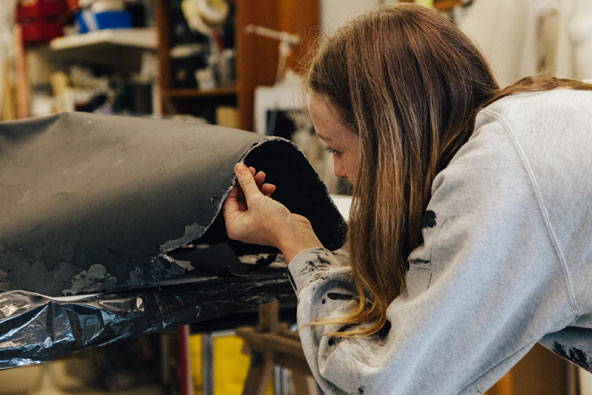
    From her studio in London, Hannah Morgan works on a variety of projects across art and fashion, ranging from sculpture and performance to trend and colour forecasting. We caught up with Hannah to find out more about how her interest in design began, her inspirations and how collaboration plays a vital role in her work.

    www.hannahmorganstudio.com

    Photographs by Ellie Tsatsou.

    future-positive-hannah-morgan-2-low

    Could you please introduce yourself and tell us a little bit about your background and education?

    Hi! My name is Hannah Morgan, I am a maker of objects, that spans art, design, and fashion. I’m a native Londoner, and I’m thankfully still able to live and work not far from where I grew up.

    My first degree was in Film Theory and English Literature at the University of Sussex. I then went into assisting fashion and photographic art directors, and Trend Forecasting at East Central studios before embarking on a series of making courses (notably Kensington and Chelsea Collage) before ending up in the Fashion Department at the Royal Collage of Art under the supervision of Julie Verhoeven/Tristian Webber/Noel Stewart. It was there that I felt like I had entered Willy Wonka’s factory – the scope of what I could make, think about, and engage with was mind blowing!

    After the RCA MA as well as setting up my own practice I worked at Studio Xo for clients such as Wayne McGregor/Lady Gaga. In my own studio I undertake a variety of projects as well as assisting artists such as Julie Verhoeven (as a performer), colour consultant Hilary Scarlett, and collaborating with fantastic creatives like Robert Binet, Ellie Tsatsou, and Liam Hodges.
    future-positive-hannah-morgan-1-low

    Do you remember about when you first got interested in design?

    It probably started in the Dalston Oxfam when I was a kid, I was given free reign to get my outfit… it was an explosion of expression! I grew up in a family of artists/architects/writers that valued looking analytically at the world, and encouraged the ideas and creativity of even the youngest members. So design, fashion and art were always around, a trick of circumstance and osmosis that initially shaped my interests.

    I think design became something that I wanted to know more about as an adult when I studied film for my BA. I was intrigued by the importance of objects in a scene or what the dress of a character signified within the narrative, from a character’s psychological state to a plot twist. It was through the screen that the power of design and its meanings in popular culture were reflected back, and I was hooked.
    future-positive-hannah-morgan-6-low

    You describe your work as interdisciplinary, could you tell us a little bit more about it and where your inspiration comes from?

    My work has always been about process and ideas and I am interested in the way in which the same ideas can apply across different media and disciplines. I find I’m too inquisitive about different processes and outcomes when investigating a subject or idea. If a photograph/film/sound fulfils a direction, then I’m content with that, if a sculpture works better on a wall than a body, that’s fine. I think in the process of play, discovery, and mishaps are vital as a maker. That need to be definitive has become less important as I went through different education and contexts, I still hold on to some stubbornness though – you know when something is right.

    My focus or inspiration comes from trying things out around a subject. Since the RCA I have been investigating the relationship between a body and object. I can’t seem to shake it, probably because the subject can have so many different interpretations and change according to context. It feels like there are infinite possibilities!

    At the moment I’ve been looking at Neolithic statues, listening to D’Angelo and the Reith Lectures, watching A.Curtis’ HyperNormalization, eating curry, and if I’m lucky go for long walks in and around the city.
    future-positive-hannah-morgan-4-low

    Could you tell us about your collaborative work?

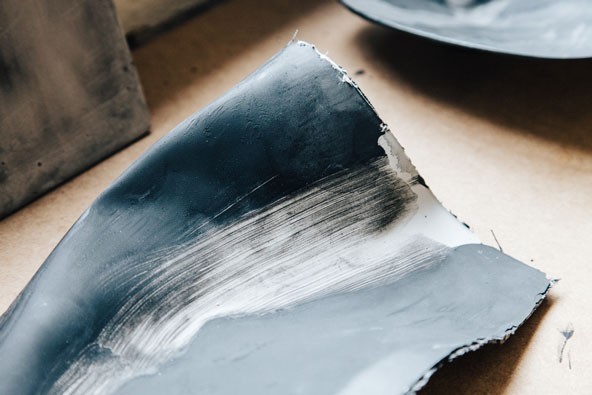
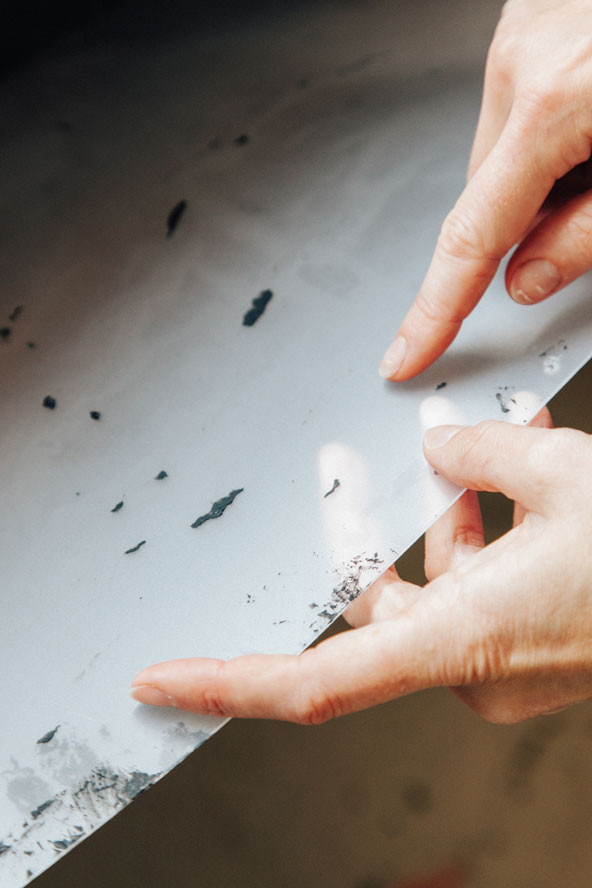
    I have always preferred working with other people, especially if they come from a different context or creative background; it’s the easiest way to learn and challenge your work and the world. At the moment I’m very privileged to be working with choreographer Robert Binet, who is based in Canada. We are using his imagination of what a body can do, and my methods of analysing and abstracting form to re-interpret the language of movement in a space. I’m also at the beginnings of a project with the photographer Ellie Tsatsou, looking at making and documenting processes and methods.

    Collaboration is key! I recommend it to everyone – even if you’re colluding with someone over the dinner! We are all in part a product of circumstance, who we are friends with, where we are born, etc. I’m so happy and lucky to be where I am right now, and crossing paths with the people I do, it’s a sobering thought in today’s world.
    future-positive-hannah-morgan-3-low

    What are your plans for the upcoming months?

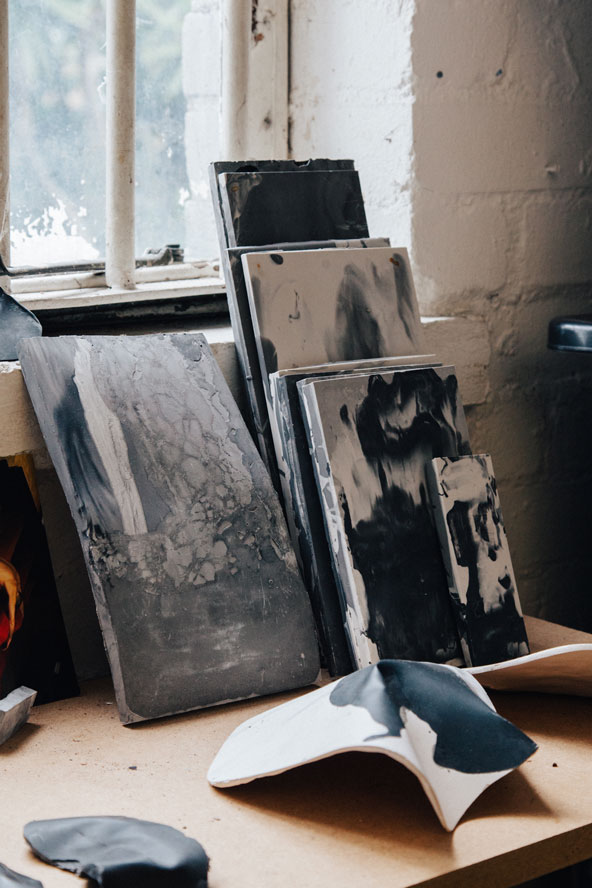
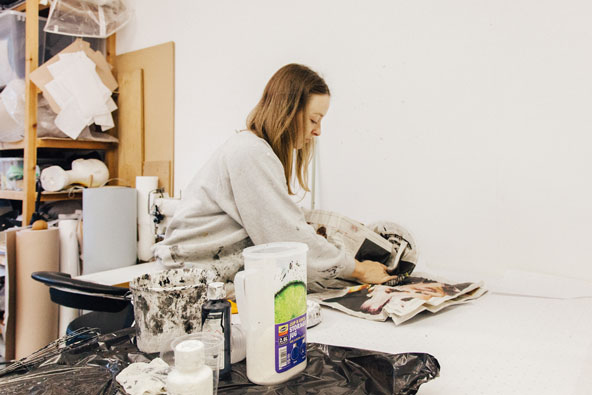
    At the moment I’m working on an exhibition that will open on 2nd of December, Works in Progress: Haptic Methodologies, at Second Six Galley in Dalston. It is a mixture of sculpture, photographs, film and ephemera looking at the ongoing relationship between my body (as performative) and an object (as static), and its impact on the making process. Also coming up is more collaborative performances with Robert Binet across the pond and here in London.
    future-positive-hannah-morgan-5-low

  • Green Rooms Hotel

    Green Rooms Hotel

    Considered the UK’s first arts hotel and social enterprise, Green Rooms is designed to attract artists visiting and working in London. The hotel opened its doors in Spring 2016 and has already positioned itself as a creativity hub, working with local communities and artists on exhibitions, performances and events all happening at Green Rooms. We visited Green Rooms and stayed one night to experience what this new hotel concept has to offer.
    future-positive-green-rooms-1-low

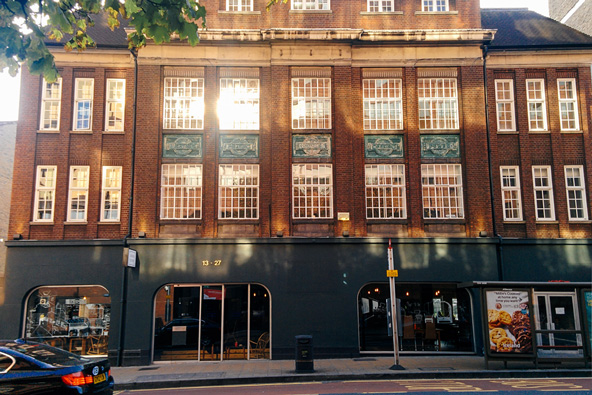
    Located in North London, just opposite from Wood Green underground station, the hotel is just 15 min away from King’s Cross on the Picadilly Line which makes it really easy to get to the city centre. The beautiful art deco building was constructed in 1925 for The North Metropolitan Power and Electricity Company and has been restored by London architects SODA, with interiors created by fashion brand Folk.

    The idea behind Green Rooms is to engage with local and visiting artists, offering affordable rates – everyone is welcome at Green Rooms but you get a discount if you’re an artist or work in the creative industries. You can also choose a room type that best fits your budget: dormitory rooms and standard rooms with shared bathroom facilities or en-suite rooms (where we stayed) and studio apartments designed for extended stays.

    future-positive-green-rooms-5-low

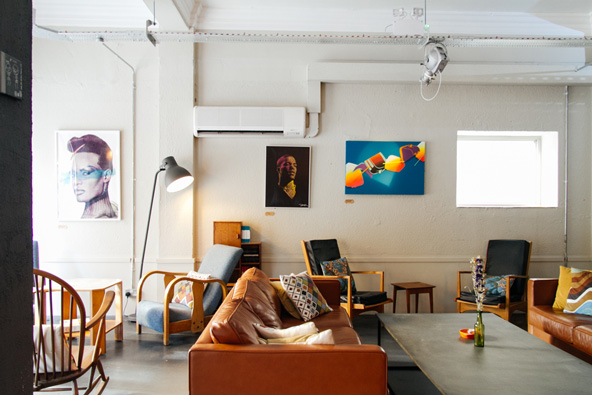
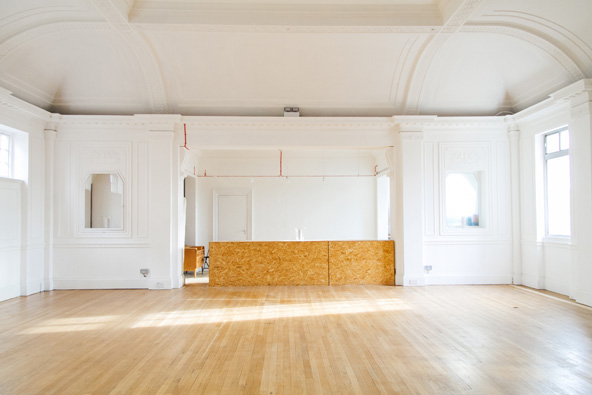
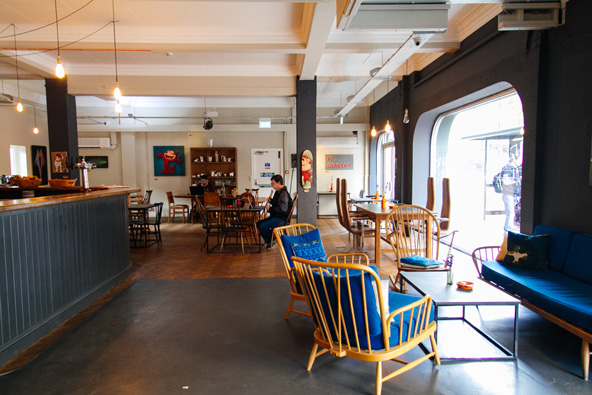
    Whilst at most hotels you just want to spend time in your room and avoid the lobby, Greem Room’s ground floor is welcoming and buzzing with guests and local creatives. An open space, nicely decorated, that houses the hotel’s reception, bar and restaurant and also serves as exhibition space for local artists. The hotel’s top floor is a multi-purpose space, which can be used as a gallery or for rehearsals, screenings and other private events.

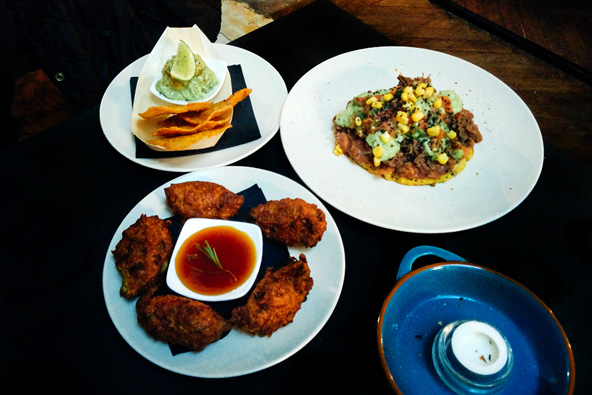
    The restaurant is an incubator project running rent-free 6-month residencies for emerging chefs that haven’t had experience running a restaurant before, offering also mentorship and a way to develop their own brand during their time at Green Rooms. A great and unique initiative that is currently helping the hotel’s first chef in residence, Esteban Arboleda from Colombian Street Kitchen. Esteban is on a mission to pioneer Colombian Street food as a mainstream cuisine in the UK and after having a delicious dinner with different dishes to share, we have no doubt that he will succeed.

    future-positive-green-rooms-9-low

    To find out more about what makes Green Rooms different to any other hotel you might have been to, we chatted with Nick Wright, founder of Green Rooms, and Cathal McAteer, founder of Folk.

    www.greenrooms.london

    future-positive-green-rooms-8-low

    Could you  tell us about how the concept for creating the UK’s first hotel social enterprise came about?

    Nick: The concept for Green Rooms was something I’d been playing around with for a long time. The challenge was finding the right site. London is a brilliant city – arguably the best in the world – and a real cultural hub. But it’s also very expensive. There was a real gap in the market for a genuinely affordable, design-led hotel that encourages and fosters collaboration among guests. A lot of people who work in the arts don’t have much disposable income and can’t afford to spend £250 a night on a hotel room when they come to London. But by the same token they don’t want to stay in anodyne, formulaic budget hotels either. The sharing economy is obviously another option, and it’s a great model, but when you rent a room in someone else’s flat – no matter how beautiful it might be – you’re immediately isolating yourself.
    Could you tell us about the different ways in which the local community can engage with Green Rooms?

    Nick: We’re benefiting and engaging with the local community in lots of ways. The hotel has provided numerous job opportunities for local people fort starters, and Wood Green residents are using the communal spaces at the hotel – particularly the bar and restaurant. There wasn’t really a hang out like it before we opened. People are also also enjoying the performances, events, exhibitions and screenings that are being put on. We recently ran a month-long street art exhibition by the Turnpike Art Group that went down a treat, and moving forward we’ll be hosting a new exhibition every month. And there’s loads of other stuff too. Just last Saturday we had Bandante play in the top floor gallery space – they’re the new band from George Vjestica (ex-guitarist with Nick Cave and the Bad Seeds).

    future-positive-green-rooms-2-low

    British clothing brand Folk has designed some of the hotel rooms, how did this collaboration happen?

    Cathal: Nick and I have been mates for ages. He explained the vision and then we went on site a few times and did a walk through. With such a wonderful building and the vision laid down, it was easy from there. For us the furniture has always come as something that is needed to solve an issue. Shelves because we needed shelves in our stores, a chair because we needed a chair for the Flushing Meadows Hotel. So it’s a range that’s grown out of necessity really. Some of these pieces grow into other products with the same design strain. For Green Rooms it was all about keeping things clean. Nice lines, sparse and simple. And everything had to be in harmony with the wider holistic vision for the project. Green Rooms is great for us because it means we can show the homewares products in situ. It makes more sense looking at one of our chains in a hotel room than it does in one of the shops.

    We love the concept of the chef residency at the hotel’s restaurant, what are some of the characteristics you’re looking for when considering a chef to be part of Green Rooms?

    Nick: There are a number of things. First off they’ve got to be good and cook amazing food! And then they have to be at a certain stage in their evolution. The whole project is about giving burgeoning restaurateurs a chance to run their own restaurant but we can’t take people who have just been cooking at home in their kitchens. They need to be a bit further on. Ideally they’ll have done pop ups, maybe had a successfully food truck, that type of thing. They also need to buy into the overall vision – that’s really important. We’re nice people, we’re trying to affect change in a positive way with Green Rooms. We’re not rapacious guys who are hung up on making money. Of course we want to be profitable, and we are, but there’s a way of going about things.

    future-positive-green-rooms-7-low

    Could you tell us about what exhibitions and events guests and visitors can enjoy at Green Rooms in the upcoming months?

    Nick: There’s loads going on in the next few months – it’s a veritable artistic feast. On November 12 we had the incredible ’12 Ensemble’ in for a performance. They’re London’s ‘Un-conducted string orchestra’ and do brilliant and accessible classical music pieces. Later that week we’ve got a life drawing class happening (November 17), then we’ve got a New Variety Lives! comedy show, we’ve got R-FT doing an artist-in-residence programme and we’ve got an exhibition from artist Sonia Pang. And this isn’t event the half of it!

    future-positive-green-rooms-4-low

    Save

  • ECA Degree Show 16

    ECA Degree Show 16

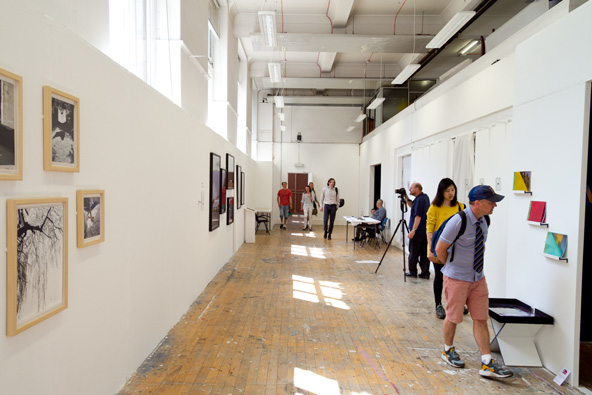
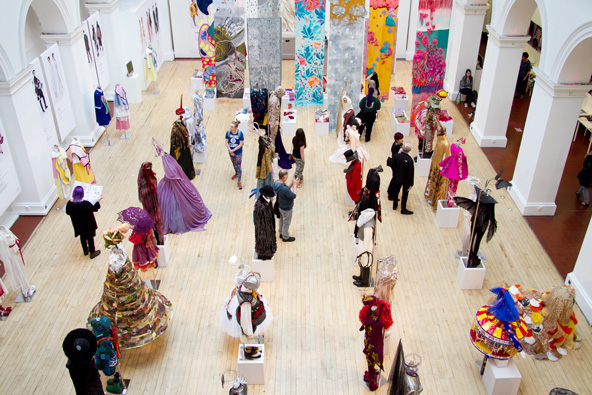
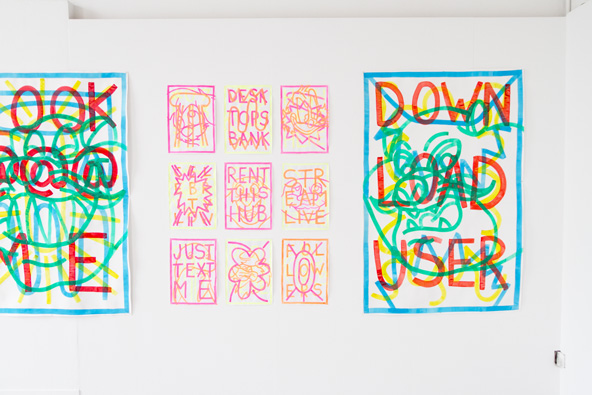
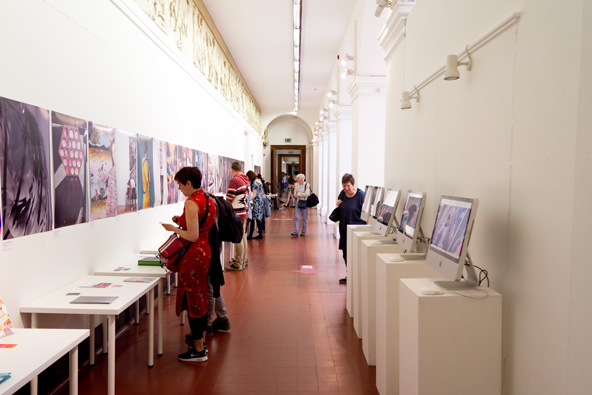
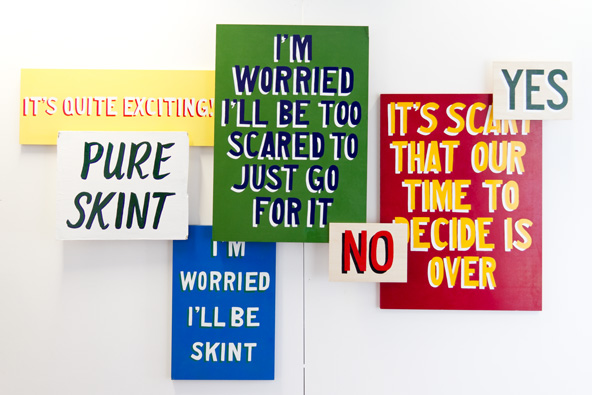
    Every year, the Degree Show at Edinburgh College of Art is a date not to miss in the arts calendar of the city. This year’s show just finished but we take a look at some of the student work that caught our eye.

    Future-Positive-ECA-2016-9-low
    Kate Livingstone – Masters of Fine Art MFA

    Future-Positive-ECA-2016-6-low
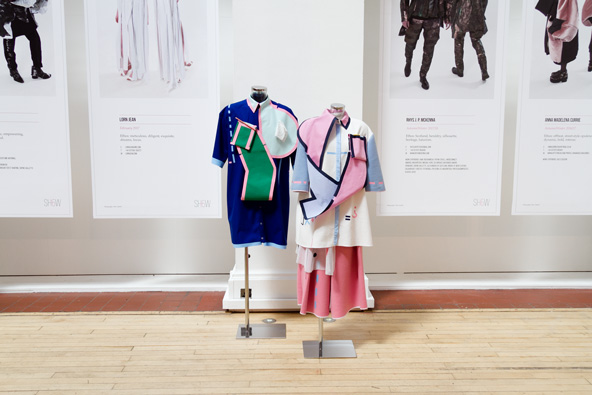
    Menzie Zhang – Fashion BA

    Future-Positive-ECA-2016-7-low

    Future-Positive-ECA-2016-1-low
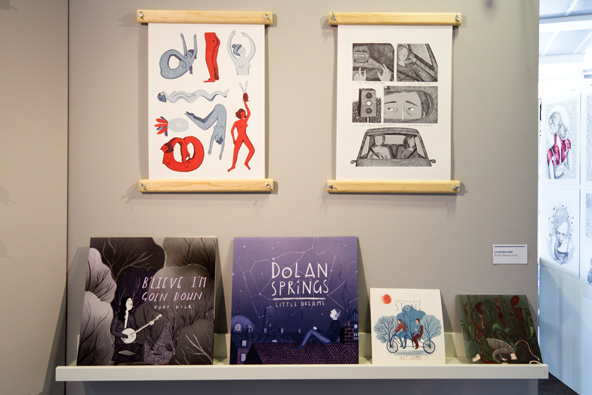
    Kirsti Beautyman – Illustration BA

    Future-Positive-ECA-2016-5-low
    Dorothy Jackson – Combined Studies BA

    Future-Positive-ECA-2016-3-low

    Future-Positive-ECA-2016-13-low
    Performance Costume BA

    Future-Positive-ECA-2016-12-low
    Hugo Maximillian Ross – MAFA

    Future-Positive-ECA-2016-11-low

    Future-Positive-ECA-2016-2-low
    Rachel Millar – Graphic Design BA

  • Marie Varley

    Marie Varley

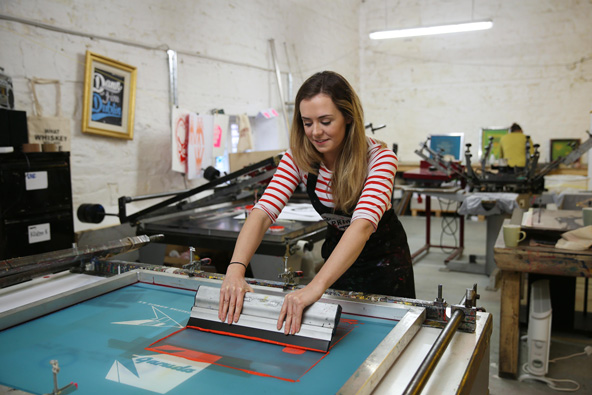
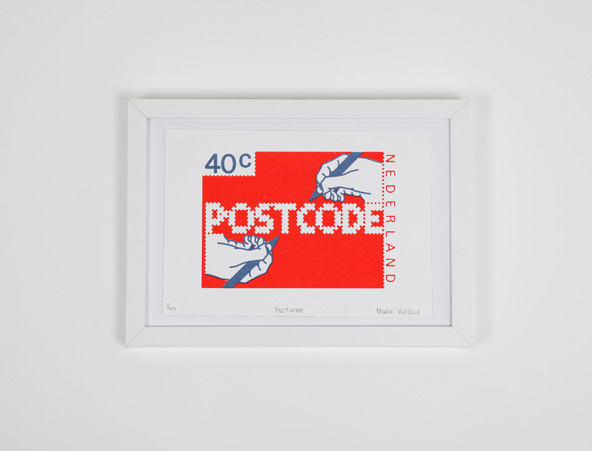
    Marie Varley is an Irish artist running a small screenprinting business, creating prints that explore national identity and how this has been celebrated in the past particularly through the form of ephemera such as postage stamps and matchboxes. We interviewed Marie to find out more about her education, love for print and her recent move from Edinburgh to Dublin.

    www.marievarley.com

    Future-Positive-Marie-Varley-1-Low

    When did your interest in visual arts begin?

    That’s a difficult one to pinpoint but for as long as I can remember I have always been completely obsessed with colour and the tactility of paint. As a child, most visits to friends’ houses involved pulling out the poster paints and brushes! In secondary school I first discovered modern artists such as Andy Warhol and Jackson Pollock whose work and concepts really resonated with me and the decision to go to art college was firmly made.

    Future-Positive-Marie-Varley-3-Low
    Why did you decide to focus on screenprinting in particular?

    Throughout the four years I spent developing my practice at LSAD, my work always dealt with found imagery and in particular imagery which represented national identity. In one way or another these themes always entered my work and in my final year I began looking at postage stamps, disassembling the imagery and what the intended meanings were for the individual countries. My degree is in Fine Art Painting however as the imagery in postage stamps was originally printed I wanted to stay true to my source material by utilizing a printmaking technique. Having briefly dipped my feet in the screen printing process during a module in my second year, I was familiar with the properties of screen printing and loved the flatness of print in contrast with the oiliness of paint. I had about 6 months to master the art of screen printing and thanks to the amazing – and patient – printmaking technicians at LSAD I managed to screenprint my whole Degree show! My degree show pieces were a mix of several layers of print upon paint. The show consisted of 8 pieces which measured 2 metres x 1 metre and I absolutely loved making them.

    Future-Positive-Marie-Varley-2-Low
    Please tell us a little bit more about your interest in national identity and ephemera.

    For me it is fascinating to gain an insight into the social context of a country by the imagery used in the 2.5cm x 2cm space of a postage stamp. Countries had varying messages at different times. One stamp in particular, a German DDR stamp from 1981 which depicted a whimsical plug character had quite a powerful message. The stamp reads “Rationelle Energie Anwendung” (translating to Rational Use of Energy) to support the German governments recently introduced energy efficiency policy, at a time in which the country had a serious concern about energy waste. It is difficult to imagine a postage stamp holding this much communicational power these days but in a time before the internet, these ephemera were really quite powerful. Similarly a piece which I created for my Degree show “Kenya” which included a series of reproduced Kenyan stamps from the 1950’s with safari animal illustrations can seem quite stereotypical. With stamp collecting a hobby amongst many and air travel was a luxury, this was a way of visually communicating the identity of a country.

    Future-Positive-Marie-Varley-4-Low
    What are your plans for the upcoming months?

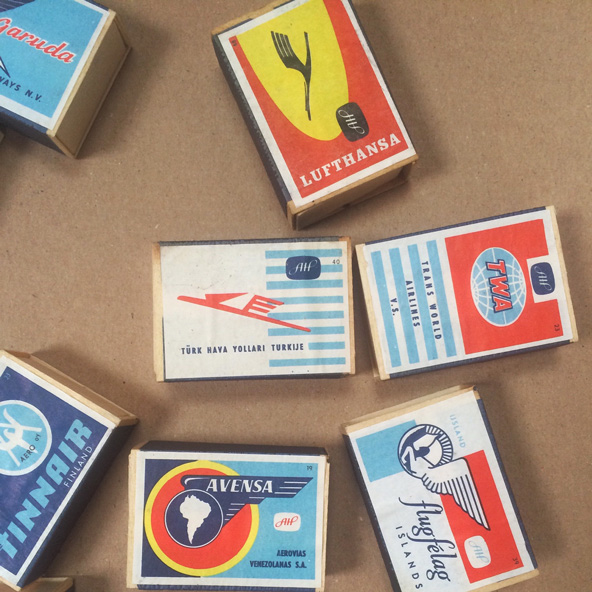
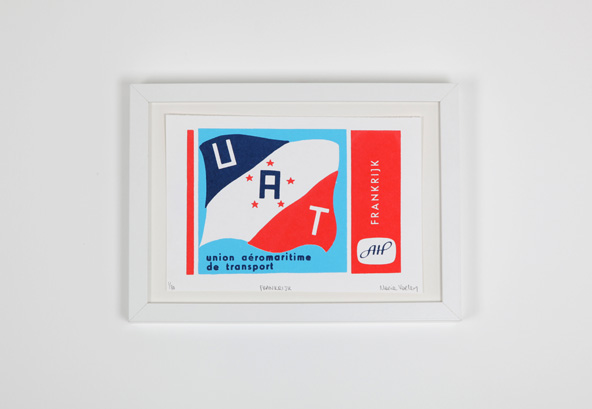
    I am working towards a solo show so the next few months will be a busy few in the studio. I am hoping to complete a series of prints based on matchboxes from the 1950’s. I have 6 separate images already printed and I am hoping to print at least another 4 or 5 new editions. My prints have recently been stocked on the super online print shop Department Store based in London so that’s quite exciting!

    Future-Positive-Marie-Varley-5-Low
    You’ve recently moved to Dublin from Edinburgh. How do you compare the creative ‘scene’ in these two cities?

    The creative scene is pretty exciting in Dublin at the moment. In a city only just about recovering from the recession, artists and creatives have set up studios in unused shops and vacant warehouses. The studio where I make my prints for example is a small studio set up by Kim Willoughby in 2011 as the first affordable pay-as-you-go screenprinting studio in Dublin. This allows for a wide range of studio users where fine artists work alongside graphic designers and Illustrators alike.

    I absolutely loved the three years I spent in Edinburgh! Surrounded by hugely talented and professional artists at Edinburgh Printmakers where I was a member was hugely beneficial for me. I learned invaluable tricks of the trade and I learnt a lot about artist and gallery relationships. The Edinburgh creative scene has a real community spirit which I thought was unique. Just before I moved to Dublin last year I attended the Hidden Door arts festival, a non profit, volunteer run arts festival which took place in an abandoned spaces on King Stable’s Road. Not long before that I took part in a Creative Pop-Up market in nightclubs which were empty during the day. There is a real ‘anything is possible’ attitude in the Edinburgh Creative scene.

  • Jennifer Argo

    Jennifer Argo

    Jennifer Argo is a Glasgow-based artist, working across different fields and looking at complex adaptive systems in nature as inspiration for smart design, and as a metaphor for the way communities develop and grow. We interviewed Jennifer to discover more about her practice, her work designing sanctuaries and her plans for the next few months.

    www.jenniferargo.com

    Future-Positive-Jennifer-Argo-1-Low

    Could you please tell us about your education and background?

    I studied at Gray’s School of Art in Aberdeen, in the north-east of Scotland, specialising in Photographic Electronic Media, which was then combined with sculpture in the last year, which was great! I loved getting into the workshops and working with the technicians, doing more hands-on stuff. I developed a practice that utilised illustration, photography and sculpture, as separate mediums or combined to create installations.

    Future-Positive-Jennifer-Argo-2-Low

    You work across different fields, ranging from photography to installation. Could you tell us a little bit each of these and how they relate to each other?

    I like working on different types of projects, it’s nice going from working on intricate drawing studies in the studio then getting outside and working on large-scale structures, or documenting sites to draw from.

    Both my illustrative and sculptural work looks at natural structures, as inspiration for sustainable design, and as a metaphor for communities, the way they develop and bridge, and as a reminder that we are part of a much broader environment and timescale. I try to do this through referencing timeless, ubiquitous structures.

    Photography feeds in to this too, in that I like to document interesting geological and botanical formations as a starting point for illustrative works and as stand-alone images. I spent time in Iceland a wee while ago looking at the complex, ever-changing formations of glaciers, basalt formations and the tectonic ridge for inspiration, and to highlight the breath-taking characteristics of sites that change and form over millions of years.

    Future-Positive-Jennifer-Argo-3-Low

    We’re interested in finding out more about your collaborative work designing sanctuaries. How did it start? Can you take us through the different projects you’ve worked on so far?

    I started working with an architect called Lee Ivett on a series of workshops at Glasgow Sculpture Studios with a group of teenagers from an arts charity called Depot Arts, designing an entrance structure for a local nature reserve. We had similar ideas about building relaxing environments in the city, spaces that provided a similar sense of peace that churches do, without any religious bias, where people could relax individually or collectively.

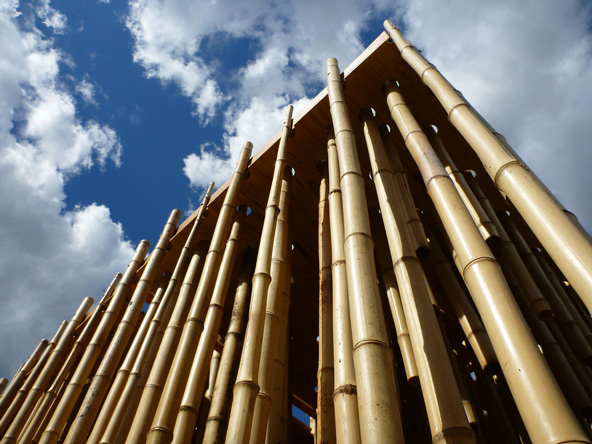
    We ended up designing and installing a bamboo sanctuary in Caledonia Road Church ruin, a beautiful site with lots of plant-life, which is run by arts organisation Wave Particle who had opened the site up to artists and students to test ideas. The space is one of a number of Stalled Spaces sites around Glasgow, provided by Glasgow City Council to regenerate spaces through creative activity and open them up to their local communities again through series’ of events and on-going projects.

    Lee and I created a second sanctuary space last year at Hello Wood: Project Village in Hungary, working with a group of 10 students, designers, artists, and creatives to develop and build a sanctuary over the space of 10 days. Project Village is a live-build blueprint for different types of sustainable community dynamics and communal spaces, including the festival itself and the way everyone works and lives together during it. Applications just opened for the next round of the 3-year project due to start in July, I recommend it to anyone interested to get involved!

    I’m working with a small team of architects, engineers, joiner/carpenters, musicians, designers and tacticians at the moment on a project for this year’s ArchiFringe festival in Scotland in July. We’re in the process of designing a sound installation and sanctuary space that we will be installing in a woodland area near Glasgow, working with the elements to create gentle music for inhabitants in the space.

    Future-Positive-Jennifer-Argo-4-Low

    You’ve recently won a travel award from J.D.Fergusson Arts Award Trust to travel to New Zealand. Could you tell us a little more about it and what will you be working on during the trip?

    I’ll be heading to New Zealand at the end of this year, to trek and travel across areas of the alpine ridge in the south and the sub-tropical regions in the north, to document rare geological and botanical structures. I’ll also be visiting the Longbush Eco Sanctuary and Welcome Centre near Grisbourne to meet with the anthropologists, ecologists and architect behind the Welcome Centre, to find out about the work they do there and to volunteer for a few days. I’ll be gathering lots of imagery to make new work and get some inspiration for new installations based on the natural structures I find. I’m interested in forms, and organisms that use closed-cycles of resource management, mutually-supportive ecological systems, or natural structures that are extremely strong and durable, while using as little material as possible, as inspiration for sustainable design and architecture.

    Future-Positive-Jennifer-Argo-5-LowWhat else will you be working on in the upcoming months?

    In the next few months I have a few small shows opening at ForFikaSake and Glad Café in Glasgow, as well as workshops and a pop-up shop at Fika  on 21st-22nd of May.

    I’ll be working with the team I’m taking part in ArchiFringe with (Shirley Hottier, Therry Lye, Grace Mark, Michael Bleach and Douglas MacGregor) on the sanctuary. We will be finalising the structural design and how we are going to install it across a stream, making our own recycled materials at the Sculpture Studios to clad the space, before installing it at the end of June.

    I’ll be hosting a public workshop at Glasgow Sculpture Studios in July, constructing temporary den spaces in the community garden. I’ll also be working on a few commissions; designing and making planters and light fixings for the interior of a house, furniture design for the garden of a public library, and a large-scale illustration for a shop front, then illustrations based on coffee-plant molecules for a coffee festival in Glasgow.