
Electric hunting bikes have become one of the most valuable tools for modern hunters. Their power, silence, and off-road capability make them perfect for reaching remote hunting spots without disturbing wildlife. However, not all electric hunting bikes are created equal. Choosing the right one requires understanding the key features that influence performance, durability, and overall reliability. This guide will walk you through the most important factors to consider before making a purchase.
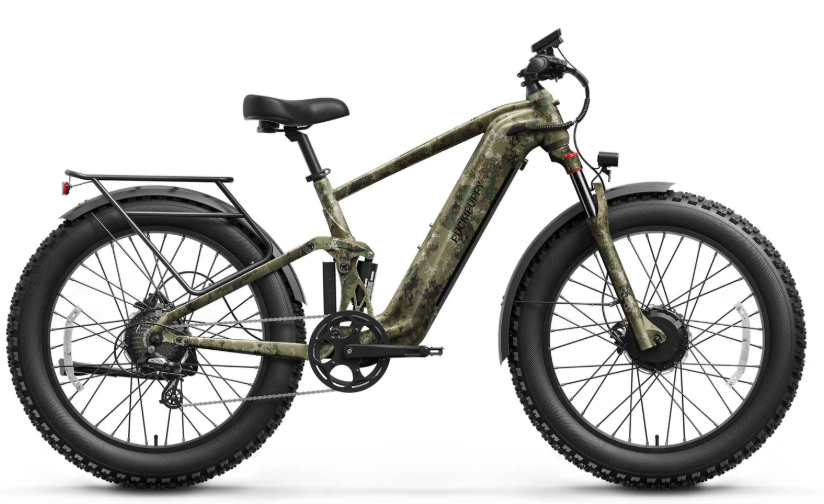
Motor Power and Performance
The motor is the heart of an electric hunting bike, and its performance determines how well the bike handles rough terrain, steep hills, and heavy loads. There are two common motor types: hub motors and mid-drive motors. Hub motors are built into the wheel and provide straightforward power delivery, while mid-drive motors are positioned near the crank and offer better torque and hill-climbing ability.
For hunting environments, motors in the 960W–1600W range are typically recommended. These motors provide enough strength to handle mud, rocky trails, and steep inclines without struggling. Torque is another critical factor, as higher torque helps the bike climb hills more efficiently, especially when carrying gear or towing a trailer. A powerful motor ensures smoother performance and greater control in challenging outdoor conditions.
Battery Capacity and Range
Battery size directly affects how far you can travel on a single charge. Electric hunting bikes are often used in remote areas where charging stations are not available, so having a strong battery is essential. When evaluating battery capacity, pay attention to amp hours (Ah) and voltage, as both determine the overall range and power output.
Most hunters prefer batteries that offer at least 15Ah to 20Ah, as these typically provide enough range for several hours of riding. For longer trips, a dual-battery system can be extremely useful, doubling your riding range and giving you peace of mind when exploring deep into the wilderness. Removable batteries are also convenient, allowing you to swap in a spare or charge the battery indoors.
Frame Strength and Build Quality
The frame of a hunting bike must withstand rugged outdoor environments. Materials like aluminum alloy and carbon steel are commonly used because they offer excellent durability while keeping the bike reasonably lightweight. A strong frame is especially important when carrying hunting gear, towing heavy loads, or navigating rocky, uneven ground.
Frame geometry also affects comfort and stability. A well-designed frame allows you to maintain balance on steep slopes and maneuver through narrow trails with ease. Additionally, consider the bike’s load capacity. A higher weight rating ensures you can carry all your equipment without compromising performance or safety.
Tire Type and Terrain Adaptability
Hunting takes place in diverse environments, from muddy forests to snowy trails. This is why tire type is one of the most important features to consider. Fat tires, typically between 4.0 and 4.8 inches wide, are ideal for hunting bikes. Their large surface area provides excellent grip, shock absorption, and stability across soft or uneven terrain.
Fat tires also offer strong puncture resistance, reducing the risk of getting stranded far from camp. Depending on your primary hunting terrain, you may choose all-terrain tire patterns for versatility or more aggressive off-road patterns for maximum traction in mud or snow.
Suspension System
A good suspension system dramatically improves comfort and control, especially when riding through rocky or uneven landscapes. You can choose between front suspension and full suspension. Front suspension absorbs shocks from the front wheel, while full suspension—featuring rear shock absorption as well—provides a smoother and more controlled ride across rough terrain.
For hunters who frequently travel through forests, mountains, or trails with many obstacles, a full-suspension bike may be the best option. High-quality forks and rear shocks also help reduce rider fatigue during long hunting trips.
Braking System
Safety is a top priority when using an electric hunting bike, especially in steep or unpredictable environments. Hydraulic disc brakes are highly recommended because they offer stronger stopping power, smoother control, and better performance in wet or muddy conditions than mechanical disc brakes.
The size of the brake rotors also affects braking performance. Larger rotors improve heat dissipation and provide more consistent stopping ability during long downhill rides. A reliable brake system ensures you can stop quickly and safely when encountering sudden obstacles or wildlife.
Noise Level and Stealth Features
One of the biggest advantages of electric hunting bikes is their ability to move quietly through the wilderness. A quiet motor helps hunters remain undetectedby animals, increasing their chances of success. Mid-drive motors are often quieter than traditional gas-powered options, and some electric hunting bikes include additional design features that reduce noise from the chain, tires, or motor housing.
If stealth is a priority for your hunting style, look for bikes specifically engineered for low-noise performance.
Accessory Compatibility
Hunting often requires carrying gear such as rifles, backpacks, coolers, and other equipment. Accessory compatibility becomes a crucial factor when choosing a bike. Look for bikes that have multiple mounting points for racks, bags, and tools. Compatibility with bike trailers is especially important for hunters who need to transport game or heavy supplies.
The more compatible a bike is with hunting accessories, the more versatile and useful it becomes in the field.
Overall Weight and Portability
The weight of the bike affects how easily you can maneuver it through tight trails or lift it into a truck. Although electric hunting bikes are heavier than standard mountain bikes due to the motor and battery, some models use lightweight materials to reduce overall weight. If you need to transport your bike frequently or ride through narrow, technical trails, choosing a lighter model may improve your experience.
Price and Warranty Considerations
Electric hunting bikes vary widely in price, usually based on battery quality, motor power, frame materials, and included accessories. While it may be tempting to choose a cheaper model, investing in a durable and reliable bike often pays off in the long run. A good warranty is also essential, especially for the battery, motor, and frame, as these components are costly to repair or replace.
Comparing long-term value rather than just the upfront cost will help you make a smarter investment.
Conclusion
Choosing the right electric hunting bike requires careful consideration of motor performance, battery capacity, frame strength, braking systems, and overall durability. Each feature plays a role in how well the bike performs in the wild and how long it will last. By evaluating these key features based on your hunting terrain, riding habits, and budget, you can find a bike that delivers outstanding reliability, comfort, and performance in every hunting season.If you’re interested in this type of hunting e-bike, you can visit some websites that offer high-quality products, such as Puckipuppy.