Category: Uncategorized

  • The Role of Technology in Streamlining Healthcare Education

    Introduction

    Rapid-fire changes in healthcare demand equally swift solutions – and that’s exactly where technology comes in, shouldering the load with remarkable agility. Fast-forward to the classroom of tomorrow, where medical students are no longer confined to static textbooks or one-size-fits-all instruction. When advanced technologies converge with healthcare expertise, remarkable things happen – barriers dissolve, fresh ideas flourish, and professionals forge new pathways to transform patient care, tackling the intricate puzzles of a dynamic healthcare landscape with confidence and authority. What if healthcare education could be faster, smarter, and more effective? Imagine a world where technology, healthcare, and education converge – that’s the new reality we’re experiencing, where digital innovations are rewriting the rules of medicine.

    Image via Pexels

    The Evolution of Technology in Healthcare Education

    The Impact of the COVID-19 Pandemic

    The COVID-19 pandemic unexpectedly propelled the healthcare education sector into the digital age. What happens when the familiar landscape of traditional classrooms gets rewritten overnight? As change-makers, educators and institutions step up, innovating the way we learn, driven by an insatiable curiosity to find new ways to reach and inspire students. What was once a static, instructor-led approach to healthcare education has given way to a flexible, tech-driven model that allows learners to engage with material in a way that’s personal, interactive, and highly effective.

    Key Technologies Revolutionizing Healthcare Education

    Online Distance Learning

    Online distance learning has become a cornerstone of healthcare education. Imagine having access to top-notch educational materials, face-to-face interactions with instructors, and peer connections from anywhere on the planet. That’s exactly what platforms like Learning Management Systems, video conferencing, and webinars offer students today. No matter what’s happening outside, this flexibility keeps education on track, uninterrupted.

    Virtual Reality (VR) and Augmented Reality (AR)

    Virtual and augmented reality technologies have transformed healthcare education. Clinical skills don’t develop in a vacuum, so students love using these lifelike simulation tools to hone their craft in a stress-free environment. Thanks to VR and AR advancements, surgeons who used to worry about “killing” digital patients can now perfect their skills in a lifelike environment.

    Wearable Technology

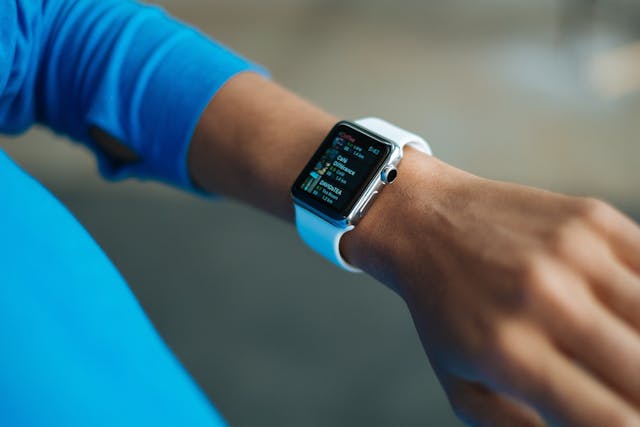
    Wearable devices, such as smartwatches and fitness trackers, play a significant role in healthcare education. Students get real-world experience with the devices that monitor vital signs and track health metrics – the same ones they’ll rely on in their future careers. Data from wearables gets crunched in real-time, turning it into instant feedback that supercharges the learning process.

    Mobile and Portable Technology

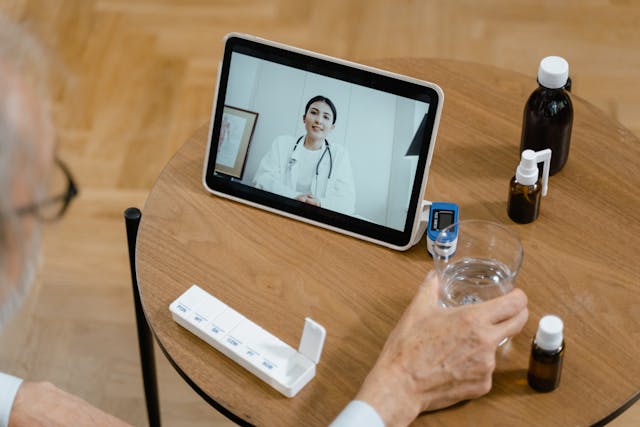
    Imagine having the entirety of medical knowledge at your fingertips – that’s the reality for healthcare students and professionals, thanks to the proliferation of smartphones and tablets in education. Students can access electronic textbooks, medical apps, and educational videos at their convenience. On-the-go students and instructors can collaborate seamlessly with mobile devices, creating a classroom atmosphere that’s electrified with possibility.

    Computer-Assisted Learning (CAL)

    Imagine learning that’s engaging, interactive, and effective – that’s what computer-assisted learning is all about, actively encouraging students to participate and learn. What if students could bring theory to life? That’s exactly what happens when they engage with interactive quizzes, simulations, and virtual labs – actively applying their knowledge in practical, real-world settings. By tackling the whole person, not just the lesson plan, CAL creates a learning environment that seamlessly merges fun and academic rigor, acknowledging that every student learns differently.

    Technology in Radiology Schools

    Healthcare education is revolutionized when technology takes center stage, as exemplified by radiology schools. In radiology training, digital X-rays, MRI, and CT scans are the go-to tools for diagnostic clarity. They’re the pillars that support confident decision-making. By putting students in the driver’s seat with innovative medical imaging tools, they’re able to unpick the intricacies of human anatomy, spotting patterns and subtleties that would otherwise go unseen – the perfect prep for a career in medical excellence. Practice makes perfect, and with virtual simulations of radiological procedures, students get to hone their skills in a safe space before entering the high-stakes world of real-world clinical settings. Radiology education takes a major leap forward when Picture Archiving and Communication Systems (PACS) are integrated, facilitating the seamless exchange and analysis of medical images. This collaborative approach fuels critical thinking and sharpens diagnostic skills.

    Benefits of Incorporating Technology in Healthcare Education

    Enhanced Learning and Feedback

    Imagine learning environments where virtual labs, video conferencing, and interactive software come together in perfect harmony. With technology, educators can craft dynamic, inclusive, and highly engaging experiences that students won’t soon forget. Engaging, interactive elements – think virtual simulations, quizzes, and videos – foster active learning, empowering learners to reflect on their progress with timely feedback. What if teachers could pinpoint exactly where each student needed extra help? With data analytics and AI on their side, educators can create flexible learning pathways that meet students where they are.

    Improved Visualization of Clinical Settings

    Virtual and augmented reality technologies offer students a realistic and immersive experience of clinical environments. This allows them to visualize complex medical procedures and scenarios, leading to a deeper understanding of the material. The ability to repeatedly practice these scenarios in a risk-free setting builds confidence and competence.

    Patient Safety and Reduced Risk

    One of the significant advantages of using technology in healthcare education is the ability to simulate patient interactions and procedures. This ensures that students can practice and refine their skills without putting real patients at risk. By learning from their mistakes in a controlled environment, students become more proficient and confident in their abilities.

    Replicable and Customizable Learning Scenarios

    Technology allows educators to create repeatable and customizable learning scenarios. This flexibility enables students to practice different approaches and techniques, enhancing their critical thinking and problem-solving skills. It also prepares them for the ever-evolving nature of the healthcare field, where adaptability is crucial.

    Personalized Learning Experience

    Adaptive learning platforms and intelligent tutoring systems personalize each student’s educational experience. These technologies adjust the content and pace of instruction based on individual progress and needs, increasing student engagement and improving learning outcomes.

    Best Practices for Integrating Technology in Healthcare Education

    Curriculum Alignment

    Before introducing new technologies, it is essential to evaluate and align the existing curriculum with technological capabilities. Redesigning lessons, creating new learning activities, and integrating technology-based assessments ensure a seamless integration that maximizes the impact of technology on learning.

    Training and Support

    Adequate training and support for both teachers and students are crucial for the effective use of new technologies. Professional development workshops, online tutorials, and peer mentoring programs can help build competence and confidence. Encouraging experimentation and risk-taking fosters a supportive environment for technological innovation.

    Continuous Evaluation

    Assessing the effects of technology on learning outcomes regularly helps education stay on track. Instructor insights are informed by surveys, observational research, and a crisp analysis of student performance. From there, we can refine our tech strategy and tackle any roadblocks that come up.

    Open Education Repositories

    Developing open education repositories makes sharing high-quality educational resources possible. This makes access to valuable learning materials far more convenient. When educators team up, they can confidently provide learners with fresh, relevant content that meets their needs. What if teachers could spend more time instilling wonder in their students and less time crafting lessons from scratch? This approach makes that a reality.

    Conclusion

    The lines between healthcare and technology are blurring fast. Learning and interacting just got a whole lot more exciting – and it’s all thanks to the remarkable fusion of forces at play here. Learning shouldn’t feel like a distant dream. Teachers who tap into technology’s potential can kindle a fire in health professionals, bridging the gap between abstract concepts, practical skills, and a deeper understanding that sticks long after the lesson is over. When educators merge technology with healthcare instruction, the result is a more immersive, interactive learning experience. What happens when these pieces come together? Students graduate as self-assured, highly competent healthcare professionals, and patient outcomes flourish as a result. The horizon of healthcare education is looking sunnier by the day.

  • Creating a Supportive Environment for Employee Mental Health in High-stress Industries

    Chronic stress can impact employees’ confidence, deplete their energy, and ultimately lead to burnout. But which industries have the highest levels of stress? The main one is health and social work, which is reportedly the most stressful industry to work in. According to a 2024 study, employees in this industry experienced the highest stress levels. 3,530 of 100,000 employees reported having to deal with stress related to work.

    Prison officials and security guards also suffer. According to the study, 3,260 of 100,000 workers reported a stress-related health issue. Teachers and other education workers come next, with 2,720 reporting work-related stress incidents.

    Employee mental health is more important than some business owners and managers believe. More than one in six people, or 15% of working-age adults, have dealt with a mental disorder at their workplace. Globally, anxiety and depression cause an estimated 12 billion working days a year to be lost, incurring damages of $1 trillion per year. 

    Encourage a good work-life balance 

    Employees should have a good work-life balance, and separating work from life can provide them with time to recharge and take a break from the stressful factors work can provide. A healthy work-life balance is crucial for reducing stress and burnout and for mental health in general. One way to help create this balance is with a timecard calculator.

    A timecard calculator helps employees track their hours more accurately, ensuring they do not work excessively. A healthy work-life balance is crucial for reducing stress and burnout and for mental health in general.

    Accurate time tracking can reduce the stress associated with payroll errors and disputes. Employees can feel more confident that they are being paid correctly for their time, which can reduce financial stress.

    Managers can encourage a better work-life balance by setting an example. They must encourage employees to avoid excessive overtime and take paid time off. They should support employees who have urgent family matters to attend to, who must go to medical appointments, or who are dealing with personal issues. 

    Companies can offer flexitime, remote working, a compressed work week, or another flexible working arrangement. These options can help reduce stress, contributing to better mental health. Flexible working hours are known to increase productivity and job satisfaction.

    Employees should have clearly defined work hours, which is another thing a time-tracking tool can help with. This way, they can fully engage with friends, hobbies, or loved ones when they are not at work. Investing in time clock solutions can streamline employee tracking, improve payroll accuracy, and ensure compliance with labor laws, ultimately boosting operational efficiency and supporting a healthier work-life balance for your team.

    How to promote mental health awareness

    Unbelievably, the topic of mental health still carries a stigma in 2024. Managers should initiate conversations about it to combat the stigma and promote a workplace culture that accepts psychological issues. They can organize seminars, workshops, training sessions, or even regular meetings to discuss available mental health resources.

    Employees would benefit from a physical space to meet, discuss their concerns openly, and share their experiences. This will encourage them to seek help for psychological issues at an early stage. 

    Employees also need to be able to provide feedback on any workplace conditions that concern them. Managers should listen to their concerns and act. 

    Stress management resources

    Another way to create a supportive environment for employee mental health involves offering stress management resources such as access to a quiet room, mindfulness programs, or a gym. Exercise reduces stress and anxiety. Fourteen percent of people exercise regularly to cope with stress. Fifty-three percent of adults feel good about themselves after doing exercise, and 35 percent say it improves their mood.

    It’s helpful to provide mental health days, access to counseling services, or stress management workshops. Additionally, providing access to therapy online can be a convenient and effective way for employees to seek help. Online therapy can offer the flexibility and anonymity that some employees might prefer, making it easier for them to access the support they need.

    FAQ

    What is most helpful for employee mental health?

    A few things are very helpful: training managers, supporting employees in recovering from relapses, making adjustments at work, being flexible, learning coping skills, and including mental health days in PTO. 

    Who faces the highest risk of mental health problems at work?

    People in environments characterized by excessive workloads, discrimination, and inequality face the highest risk. Around 20% of full-time employed women are likely to suffer from a common mental health issue, compared to 10.9% of men. 

    Which are the most depressing careers? 

    While no job is immune to depression, research has proven that social workers, first respondents, and disability lawyers have the most depressing jobs. 

    What factors affect employee mental health adversely?

    • Under-use of skills or being under-skilled for work;
    • Long, unsocial, or inflexible hours;
    • Excessive workloads or work pace, understaffing;
    • Lack of control over job design or workload;
    • Organizational culture that enables negative behavior;
    • Unsafe or poor physical working conditions.
  • The Impact of Product Testing on Brand Reputation

    Introduction

    Product testing has traditionally been the cornerstone of successful businesses. When a brand subjects its products to thorough testing before releasing them to the market, consumers are more likely to rely on it. This confidence translates into customer loyalty and positive brand promotion that makes you stand out from your rivals.

    One of the most important advantages of product testing is that it enhances your brand reputation. Investing time and resources into extensively examining your products prior to launch demonstrates your commitment to providing top-quality products that can be trusted.It is through this loyalty with customers that a positive image about your brand will be developed which can give you an upper hand against rivals.

    This article will examine how product testing affects branding reputation. First, let’s discuss what exactly product testing is all about.

    What Exactly is Product Testing?

    Product testing is the process of making sure that the product meets certain quality, safety, and functionality standards before it gets to the market. In this case, one has to evaluate how well a certain product works under different conditions in order to identify which are the potential issues or improvements.

    Rigorously performing product testing enables companies to deliver reliable and high-quality products that meet customers’ needs and regulatory standards. This way, consumer trust is developed while also avoiding costly recalls and damage to brand reputation.

    For instance, toy manufacturers conduct safety tests, while technology firms assess software for bugs and user experience issues.

    Innovative Product Testing Methods

    Here are some popular product testing methods;

    • Virtual Reality (VR) Testing: Using VR technology; immersive environments are created where products can be tested in various simulated conditions.
    • Automated Testing: With automated frameworks finding bugs quickly and performance issues they ensure software products become robust with a good user experience due to detailed repetitive tests performed by automation tools.
    • Environmental Stress Testing: By exposing the product to extreme conditions helps evaluate its durability. The smartphone industry for example exposes devices to temperature variations so as to make sure that they are functional in diverse climates.
    • User Experience (UX) Testing: Engaging with actual users during the testing phase yields priceless insights into the product’s desire and its ease of use. Select user groups are usually used by tech startups to release beta versions that enable them to refine their products before they are released officially.
    • Crowdsourced Testing: This approach comprises a variety of users who give feedback on how the product performs in real-life situations. It is especially useful for apps and software where different backgrounds reveal different problems.
    • AI-Powered Predictive Testing: To ensure market readiness, artificial intelligence uses historical data to predict performance, foresee potential failures, and identify issues of concern to users in advance.

    9 Ways Product Testing Impacts Brand Reputation

    1. Product Testing Ensures Quality and Safety

    Thorough product testing is necessary to guarantee that your goods comply with rigorous quality and safety standards. For instance, toy companies perform extensive tests in order to identify choking hazards and conform to chemical safety regulations.

    Toys bought by parents should be safe for children. Should a toy brand do consistent safety tests as well as maintain standards then most likely parents will trust it again and over again until they buy other toys from that manufacturer.

    By providing safe products that can be relied upon, customers have confidence in businesses.

    2. It Prevents Failures and Recalls of Products

    Identifying possible hitches before the goods hit the market helps minimize product failures and costly recalls. Companies can avoid negative publicity by proactively addressing potential problems that may arise in relation to the production of such items.

    In case an automobile manufacturer runs extensive tests on its vehicles for crashworthiness and other performance factors, it minimizes chances of recall due to safety risks. This in-home usage testing will strengthen the positive perception among consumers and the media.

    3. Supporting Innovation Necessary for Brand Reputation

    Product testing promotes innovation through the identification of opportunities for improvement as well as differentiation. 

    For instance, a tech startup launches beta version software to chosen customers who will test them. The company will have collected feedback that indicates bugs found in the system… This iterative method of testing not only improves the product but also differentiates it from other companies by creating a more user-friendly and modern approach to solving consumer problems.

    Continuous improvement of products demonstrates companies’ dedication to innovation and excellence.

    4. It Improves Customer Satisfaction

    Efficient product testing improves product functionality and usability which leads to greater customer satisfaction. When they provide products that do what they say, companies can enhance customer loyalty and satisfaction,

    For example, a smartphone company will test its smartphones for toughness, water resistance, as well as performance before advertising them extensively. This in home usage test enhances the overall feeling of customers toward the product while strengthening their trust in the brand as well.

    5. Builds Brand Credibility and Trustworthiness

    Brand Credibility and Trustworthiness are very important for maintaining a good brand reputation

    Extensive product testing enhances brand credibility by demonstrating that the firm backs its merchandise. Openly sharing the results of tests and certifications makes consumers feel confident about such companies. Trust is built on transparency which further strengthens the brand’s reputation for being sincere, and dependable.

    For instance, a skincare brand may conduct dermatological tests to ensure that its products are hypoallergenic and safe for use on sensitive skin types. Displaying these test results and certifications gives added credibility to this brand while reassuring customers about its safety and efficacy.

    6. Reduces Product Development Costs and Time-to-Market

    Effective testing of products allows the product development process to be streamlined, resulting in reduced costs and time-to-market.

    Companies can avoid expensive redesigns or delays by identifying and fixing challenges early in the development phase. This effectiveness reinforces its image as a brand that is innovative and operationally excellent.

    A tech company employs automated test tools to rapidly identify and fix software bugs during development. This minimizes the duration taken to launch new functionalities or updates allowing the firm to stay ahead of the competition while maintaining its credibility as a provider of reliable and timely products.

    7. It Demonstrates Commitment to Sustainability for a Good Brand Reputation

    Sustainability is crucial when it comes to enhancing corporate brand reputation. Environmental impact assessments may form part of product tests aimed at verifying compliance with sustainability standards.

    For example, a clothing line tests its clothes for being made from renewable materials that are also produced using environmentally friendly methods. Thus, they attract environmentally conscious consumers seeking eco-friendly fashion options.

    Companies that prioritize sustainable production by running environmental footprint tests on their products show their dedication to ethical conduct. Therefore, this creates a good reputation among green consumers. 

    8. Product Testing Improves Regulatory Compliance and Safety Standards

    Regulatory requirements and safety standards are met through accurate consumer product testing. 

    When a brand gives priority to the observance of the law and safety, it implies its commitment to the welfare of the consumer in order to build trustworthiness and credibility. This way, not only does it protect consumers but also reinforces its ethical standards and reputation for trustworthiness.

    For instance, FDA safety standards and efficacy requirements have to be met when medications developed by pharmaceutical firms like Pfizer are being tested. For that reason, customers and healthcare professionals know that this medicine is safe as well as effective because they follow very strict regulatory guidelines.

    Some Successful Brands And Their Testing Strategies Over The Years

    These companies have employed strategic product testing to beat their peers in their industries. They subject all their products to intense scrutiny that makes them better than those of others. By examining what makes market leaders tick, we can distill invaluable lessons from them.

    1. Apple Inc.

    Apple’s rigid steps for testing products have become the stuff of legends. Several hundred prototypes were designed before the iPhone was released by Apple so as to finalize on design as well as the user interface. 

    Hence, they have to go through various stages right from component testing up to pre-release beta testing involving a few users so as to enhance customer experience.

    2. Nike, Inc.

    Nike’s testing of products goes beyond labs to real fields, courts, and tracks where athletes stretch equipment to the limits. Real-world tests inform design that results in high-end sports apparel and equipment. As a result, Nike benefits significantly from its athlete-driven insights which play a major role in strengthening their brand.

    3. Tesla, Inc.

    Tesla uses extensive data analytics combined with feedback from vehicles on the road to enhance software through over-the-air updates. This practice improves product quality as well as keeps Tesla at the forefront of innovation among others.

    4. Procter & Gamble (P&G)

    The “Living It” program at P&G is representative of the company’s consumer-centric approach to testing. Employees and consumers test early versions of new products in their homes and provide feedback that shapes the final offer. All this ensures that brands like Tide and Pampers are well designed so as to fit into customers’ demands.

     Conclusion

    Building a strong brand reputation in today’s intense market calls for product testing. When you engage in an extensive process of testing, then you are demonstrating your dedication to making quality products that customers and regulatory agencies can count on. With this approach, confidence is developed and loyalty is enhanced; thus, distinguishing your brand from other competing firms.

    Apple, Nike, Procter & Gamble, and Tesla are examples of companies that have used creative testing approaches to consolidate their leading positions in their respective fields.

    In order to secure long-lasting success in the marketplace; therefore, it is highly advisable to make product testing a part of your business strategy.

    FAQs

    1. Why is product testing important for brand reputation?

    Product testing guarantees the safety and quality of your products thereby promoting trust with customers.

    1. How does product testing affect brand reputation?

    Efficient product Tests can prevent Product Failures; increase customer satisfaction levels as well as facilitate innovation thus enhancing the good name of your business.

    1. How does product testing benefit consumers?

    Product testing leads to safer, more reliable products that meet consumer expectations and regulatory requirements.


  • Does Your House Need Some TLC? Explore Vital Repair & Upgrade Ideas!

    Maintaining your home is an essential aspect of homeownership that goes beyond mere aesthetics. It’s about ensuring the safety, comfort, and longevity of your living space. Regular maintenance can prevent small issues from becoming major headaches, saving you time and money in the long run. Furthermore, knowing when and how to address these issues can significantly increase your home’s market value and enhance your quality of life. In this blog, we will share practical repair and upgrade ideas to breathe new life into your space.

    Image Source

    Assessing Your Home’s Needs

    Initial Inspection: The first step in any home maintenance schedule is to conduct a thorough inspection. Walk through your home with a critical eye, noting any signs of wear and tear that could escalate into larger problems. Look for cracks in the walls, leaks in the ceiling, draughty windows, and worn-out flooring. For a more detailed assessment, consider using a checklist that covers various areas of your home, including the attic, basement, all living spaces, and outdoor areas.

    Prioritizing Repairs: Once you’ve identified potential issues, prioritize them based on their urgency. Safety-related concerns such as electrical problems, gas leaks, or severe water leaks should top the list. Next, consider repairs that prevent further damage, like fixing a leaky roof or resolving foundational cracks. Finally, address cosmetic issues that can improve your living environment but might not necessarily pose immediate risks. Prioritizing helps you manage your budget more effectively and ensures that critical repairs don’t get overlooked.

    Essential Repairs for Maintaining Home Integrity

    Roof TLC: The roof is one of your home’s most critical defenses against the elements, protecting you from rain, snow, and wind. Signs that your roof may need attention include missing, loose, or damaged shingles, leaks in the attic after rain, or daylight showing through the roof boards. Ignoring these signs can lead to more significant and costly damage internally. For homeowners unsure where to start, consider consulting a reputable roof repair service. A professional evaluation can determine the extent of damage and provide solutions that ensure longevity and durability.

    Foundation Fixes: Foundation issues can threaten your home’s structural integrity and drastically decrease its value. Signs of foundation problems may include cracks in the exterior or interior walls, doors that won’t close properly, or uneven floors. Addressing these issues promptly can prevent catastrophic damage and restore your peace of mind. Techniques such as sealing cracks, installing new drainage, or underpinning can rectify foundation problems, but they require the expertise of a skilled contractor.

    Plumbing and Electrical Systems: Maintaining your home’s plumbing and electrical systems is essential for safety and functionality. Regularly check for any signs of trouble, such as unusual noises from the pipes, slow drains, flickering lights, or frequent circuit breaker trips. For plumbing issues, routine tasks might include cleaning out traps, inspecting for leaks, and ensuring that pipes are insulated against freezing temperatures. 

    Upgrades to Increase Comfort and Value

    Energy Efficiency: Improving your home’s energy efficiency is a proactive step that pays off in both comfort and cost savings. Consider upgrading insulation, installing energy-efficient windows, and replacing old appliances with Energy Star-rated models. Such improvements not only reduce your energy bills but also improve the overall comfort of your home by maintaining more consistent temperature levels.

    Kitchen and Bathroom Remodels: Updating your kitchen and bathroom can significantly boost your home’s value and functionality. For the kitchen, modernizing appliances, replacing countertops, and updating cabinetry can transform the space into a more inviting and user-friendly area. In the bathroom, installing new fixtures, updating lighting, and adding modern tiles can create a fresh and appealing look. These updates contribute to a more enjoyable living space and can be major selling points if you decide to put your home on the market.

    Smart Home Technology: Incorporating smart home technology can increase the convenience and security of your home. Simple additions like smart thermostats, smart locks, and home automation systems not only make daily tasks easier but also offer enhanced security features. These technologies can be controlled via smartphones, making it easier to manage your home’s functionalities even when you’re away.

    Outdoor Care: Expanding your living space to include the outdoors can greatly improve your home’s appeal and functionality. Consider adding or upgrading decks, patios, or pergolas to create comfortable outdoor entertaining areas. Incorporating features such as outdoor kitchens, fire pits, or even a beautifully landscaped garden can transform your backyard into a relaxing retreat or a perfect spot for hosting gatherings.

    Seasonal Maintenance and Upkeep

    Spring and Summer: Prepare your home for the warmer months by performing essential maintenance tasks such as servicing your air conditioning units, cleaning gutters, and checking for pest infestations. These steps prevent major issues and ensure your home functions optimally during hot weather.

    Fall and Winter: Getting ready for the colder months involves checking your heating systems, insulating pipes to prevent freezing, and ensuring your home is sealed from drafts. Don’t forget to check your roof and windows for any repairs that might be needed to keep the warm air in and the cold out.

    Year-Round Maintenance: It’s important to maintain a regular schedule of upkeep to keep your home in top condition. This includes tasks like checking smoke detectors, cleaning out dryer vents, and maintaining lawn and garden areas. Regular upkeep not only keeps your home looking great but also prevents the deterioration that can lead to more significant repairs down the line.

    Conclusion

    Addressing the needs of your home through timely repairs and thoughtful upgrades is essential for maintaining its safety, functionality, and aesthetic appeal. By following the practical advice outlined in this blog, you can tackle common issues, make informed decisions about upgrades, and keep your home in prime condition. Regular maintenance, combined with strategic updates, will ensure that your home remains a comfortable and valuable asset for years to come. A well-maintained home is not just a pleasure to live in but also a wise investment in your future. With these vital repair and upgrade ideas, you can ensure your home remains a cherished haven for years to come.

  • Ready for a Refresh? Discover Smart Ideas for Your Next Renovation!

    Deciding to renovate your home can be both exhilarating and daunting. Whether you’re looking to update a single room or planning a full-scale renovation, each decision you make has the potential to transform your living space into something truly special. Thoughtful planning, creative design, and smart budget management are key to boosting both the aesthetic appeal and functionality of your home. In this blog, we will share smart renovation ideas that will transform your home, making it more stylish and comfortable.

    Image Source

    Planning Your Renovation

    Setting Goals and Budgets: The first step in any successful renovation is to clearly define what you want to achieve. Are you looking to increase the resale value of your home, or are you focusing on improving your living experience? Once your goals are set, you can begin to outline a budget. It’s crucial to be realistic about what you can afford and to allocate funds for unexpected expenses. This financial planning helps prevent cost overruns and ensures that your renovation project stays on track.

    Choosing the Right Time: Timing can significantly impact the efficiency and cost-effectiveness of your renovation. For instance, it’s often cheaper to book contractors during their off-peak seasons. In addition, certain projects, like roof repairs or exterior painting, are best performed under specific weather conditions. Understanding and planning around these factors can lead to smoother execution and potentially lower costs.

    Design Inspirations: Finding the right design inspiration can turn an ordinary renovation into your dream home makeover. Explore various resources such as interior design websites, magazines, and home improvement TV shows. Platforms like Pinterest and Instagram also offer a wealth of creative ideas that can be tailored to fit your personal style and the functional needs of your family. Keeping an inspiration board can help you visualize the end result and effectively communicate your vision to designers and contractors.

    Key Areas to Focus On

    Bathroom Renovations: Bathrooms are a key area of focus for any renovation, often providing the best return on investment. Upgrading fixtures, tiling, and lighting can immediately modernize a bathroom. Look up bathroom remodeling company near me online to find experts who understand local trends and can provide high-quality work. These professionals can help design a bathroom that not only meets your aesthetic and functional requirements but also adheres to local building codes.

    Kitchen Upgrades: The kitchen is often considered the heart of the home, and updating this space can significantly enhance your home’s appeal and functionality. Consider installing new countertops, such as quartz or granite for durability and aesthetics. Modernizing appliances to more energy-efficient models can improve functionality and reduce energy costs. Adding an island or breakfast bar can also increase counter space and create a more inviting atmosphere.

    Living Room Makeovers: Revamping your living room can breathe new life into your entire home. Start with a fresh coat of paint to brighten the space. Hardwood flooring or a high-quality carpet can dramatically change the look and feel of the room. Consider modern furniture arrangements that optimize living space, and incorporate smart storage solutions like built-in shelves or multi-functional furniture to reduce clutter.

    Outdoor and Landscaping: First impressions matter, and boosting your home’s curb appeal can make a big difference. Consider landscaping improvements like adding a paved walkway, decorative plants, or a new lawn. For those with larger spaces, creating an outdoor living area with comfortable seating and a fire pit can offer an excellent return on investment by extending your living space to the outdoors.

    Incorporating Technology

    Incorporating smart technology into your renovation can significantly improve the convenience and security of your home. Consider installing smart thermostats, which adjust the temperature based on your daily schedule and preferences, helping to reduce energy costs. Smart lighting systems that can be controlled from your smartphone not only offer ease of use but also allow you to customize lighting atmospheres for different occasions. Also, smart security systems, including cameras and door locks, provide peace of mind with enhanced monitoring capabilities and alerts to your mobile devices.

    Energy Efficiency: Upgrading to energy-efficient appliances and fixtures is a responsible choice that also pays off financially in the long run. Look for high-efficiency HVAC systems, water-saving plumbing fixtures, and LED lighting. These changes not only reduce your carbon footprint but also lower your utility bills. When selecting materials, opt for those with good insulation properties, such as double-glazed windows, which help maintain indoor temperatures and reduce the load on heating and cooling systems.

    Entertainment Systems: For those who enjoy entertainment, incorporating a state-of-the-art home theater system can transform your living room or basement into a personal cinema. Whether you’re starting from scratch or upgrading an existing setup, exploring different home theater ideas can help you make the most of your space, think cozy seating, blackout curtains, or even themed décor. Consider the acoustics of the room and choose audio and video equipment that fits the space. Multi-room audio systems allow you to enjoy music seamlessly as you move from room to room, adding a lively dimension to the home.

    Finishing Touches

    Interior Decorating: After the major renovation work is complete, selecting the right furniture and decor can unify and personalize your space. Choose items that reflect your personal style but also consider the functionality of each piece. Artwork and decorative items should complement the room’s color scheme and contribute to the overall atmosphere you want to achieve.

    Lighting Solutions: Good lighting is essential for creating the right mood and functionality in each room. Utilize a mix of overhead lighting, task lighting, and accent lighting to provide versatility and comfort. For example, under-cabinet lighting in the kitchen can make meal preparation easier, while soft, ambient lighting in the living room creates a relaxing environment. Moreover, integrating smart lighting allows you to automate brightness, color temperature, and lighting scenes to suit different times of day and activities. By consulting professionals specializing in smart lighting solutions near you in Minneapolis (or your local area), you can design a system that enhances convenience, efficiency, and your home’s overall ambiance.

    Eco-Friendly Options: As you add the finishing touches to your renovation, consider using sustainable materials where possible. Recycled glass countertops, bamboo flooring, and low-VOC paints are environmentally friendly choices that don’t compromise on quality or style. These materials are not only better for the planet but also add a unique story to your home’s decor.

    Conclusion

    Renovating your home is an opportunity to refresh your living space and tailor it to better meet your needs and desires. By thoughtfully planning your renovation, focusing on key areas, integrating modern technology, and adding personal touches, you can transform your home into a more functional, comfortable, and enjoyable space. The success of your renovation project lies in the details and the quality of the workmanship. Armed with these ideas, you’re ready to make informed decisions that will ensure your renovation project is successful and satisfying. Take these steps, and watch as your home becomes a beautiful reflection of your lifestyle and aspirations.