Category: Uncategorized

  • 11 Jewellery Mistakes You Should Stop Making Already

    Jewellery is a form of art that allows you to showcase your individuality and style every day or on special occasions. However, as with any fashion element, we can get it wrong even without realising it.

    Whether in the buying process, maintenance habits, or wearing routine, certain common mistakes we tend to make regularly impact the longevity and allure of our precious pieces.

    During its years of experience, The Luxury Hut has seen all kinds of jewellery mistakes and intends to help you sort them out. So, here’s the list of the top jewellery mistakes you wish you’d stop making immediately!

    11 Common Jewellery Mistakes You Should Avoid


    • Limited Understanding of the Material


    Always check what materials your jewellery piece is made from before buying. The seller must disclose the composition when you’re shopping, particularly for high-value items.

    Beware of imitations. For example, if something looks like gold but is surprisingly inexpensive, it’s probably not gold at all, rather thinly plated or made from alternative materials. Similarly, silver pieces are much less expensive than gold, but if they’re too cheap, that’s a red flag.

    Avoid base metals like nickel or brass, which tarnish over time and may cause skin discolouration or trigger allergies. Additionally, thinly plated jewellery can erode, revealing the underlying metal if you buy stone jewellery. Knowing the nature of stones, whether natural, synthetic, or lab-grown, is crucial.

    All in all, the main thing is you should always be transparent about where your money goes.


    • Sticking to the Same Jewellery Everyday


    We all are guilty of doing this—wearing the same pieces every day for a prolonged period isn’t good. This is because grime builds up, especially on hidden parts like the backs of stud earrings, which you rarely take off. These tend to collect residue from hair washing or daily wear, leading to infection.

    Also, wearing the same jewellery with possibly anything and everything screams boring! We understand it’s easy to not spend time thinking about what to wear on a regular basis, but start rotating your jewellery more often to add variety.


    • Not experimenting with jewellery styling


    Jewellery is one of the easiest ways to add dimension to your look. Even the smallest accessory can make a tired outfit stand out. But we often stick to the usual norms and stop being creative with jewellery styling.

    Start having fun with different combinations. Layering, mixing sizes and metals, or trying out bolder, chunkier designs can make all the difference. An easy way to do this is using a mirror to try on different combinations with different outfits.


    • Not Cleaning Your Jewellery


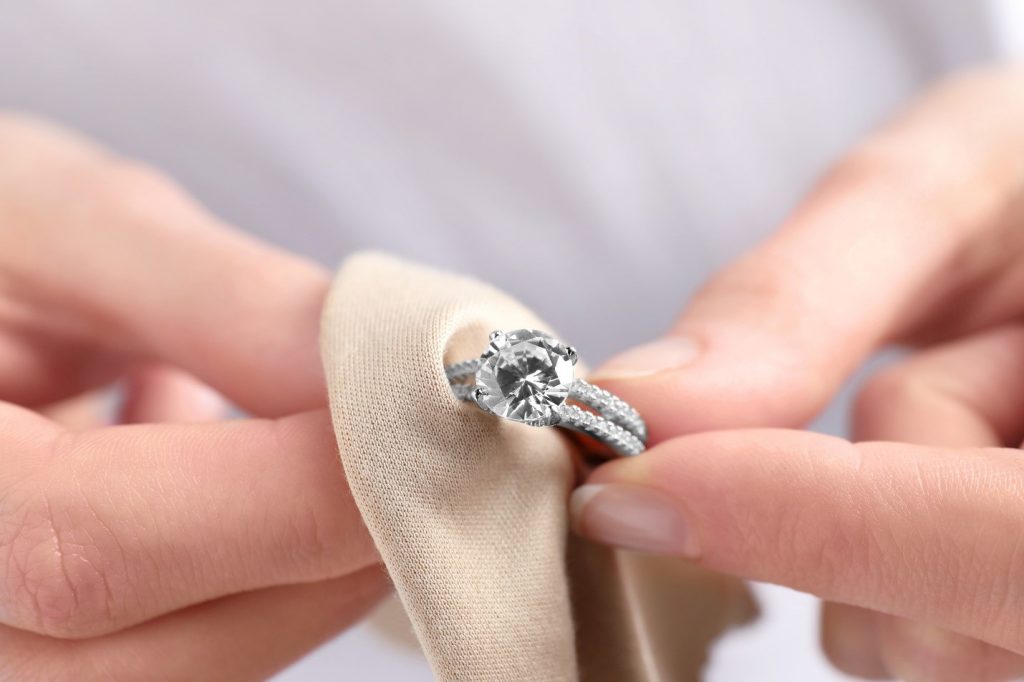
    Many people forget to clean their jewellery. Would you wear dirty clothing without washing it? So, why ignore your jewellery, which is exposed to sweat, skin oils, and cosmetics daily?

    Cleaning jewellery will help it sparkle and also extend its life. It’s highly recommended to clean your jewellery at least once or twice every year or more to ensure longevity. And, of course, the pieces you wear should be cleaned more frequently.


    • Using Incorrect Cleaning Techniques


    Considering you’re all geared up to incorporate jewellery cleaning into your routine, how do you do it the right way?

    Using lemon juice, toothpaste, bicarb soda, vinegar, and other harsh chemicals can cause permanent damage to your jewellery. Also, never clean your pearls or opals with alcohol. While these are all ‘simple tricks’ to clean the jewellery you come across over the internet, that doesn’t mean you should put them to use.

    Avoid cleaning hacks unless they come from a reliable source. If you’re cleaning at home, stick to lukewarm water, gentle soap, and soft-bristled brushes, or consider professional help.


    • Wearing Jewellery while Swimming or Showering


    Most of us tend to leave jewellery on in the shower, posing long-term damage to our beloved pieces. Soap, shampoo, hard water, and chlorine can damage metals and gemstones over time. Even excessive exposure to tap water is a problem, especially with gold and silver jewellery. And, if not that, you always risk losing a precious piece down the drain.

    Not taking off your jewellery before swimming is even more problematic because saltwater and chlorine pools cause pitting in gold, discoloured stones, damage to silver alloys, and eroded solder joints. Saltwater can even dull diamonds. This doubles if the jewellery includes opals or pearls.


    • Neglecting Proper Jewellery Storage


    Do you know those jewellery tree storage places where you hang your pieces? They look beautiful, but they’re also a disaster! Leaving your jewellery free-flowing in the air is terrible, especially for precious metals. It will eventually tarnish while gathering dust and grime from the air. This way, you must clean your jewellery much more often, or it will cause damage that is difficult to repair.

    Next, we often forget our jewellery in humid places like bathrooms. Humidity makes it tarnish. It’s recommended to store your jewellery in a well-designed, airtight box or soft pouches. To maintain the longevity of your pieces, store your jewellery in a well-designed, airtight box or soft pouches. You can even store them in small, padded boxes.


    • Allowing your Chains to get Tangled


    Tangled chains and necklaces are a pain—we get it. But keeping them in knots is even more dangerous, as it can cause damage, making it potentially difficult to wear and eventually causing the links to break or deform. When tangled chains are stored together, they can rub against each other, causing scratches or snags on the links—let alone the frustration of dettangling them!

    A pro tip to avoid such situations is to clasp your chains when you take them off. While it won’t completely prevent the problem, it will certainly help a lot, especially if you keep your chains jumbled in a box.

    Another way is to thread necklaces through straws or other tubing solutions to keep them separate in storage. If the necklace does get tangled, you can lay it down on a flat surface and use two pins to gently tease the knot.


    • Wearing an Unflattering Necklace Length


    Stop wearing the same old necklace with every outfit you own. Consider the different lengths available and find out what works best to enhance your overall look. You don’t always have to reach for the same pendant. Instead, think about different necklace lengths and try mismatching different styles to make an impressive difference.

    Keeping a variety of necklace lengths and styles in your collection is a game-changer. For versatility, you can also pick up a necklace extender. Mixing up accessories adds style and interest to your outfit and wardrobe.


    • Purchasing Incorrect Ring Size


    Don’t ever guess your ring size! Incorrect sizing means frustrations, delays and extra costs. While it may take some time to determine your correct ring size, especially when buying online, once you know, you can shop for rings confidently.

    Visit a professional jeweller for accurate ring size measurements. He same applies to bracelets. Too big or too small bracelets may lead to discomfort or frequent adjustments. But its better if you get them measured professionally.


    • Making Unplanned Purchases


    Impulsive jewellery purchases without proper research can lead to dissatisfaction and regrets later on. Imagine buying jewellery just for the ‘trend’ sake, and it ends up sitting in the corner of your jewellery box. Therefore, take the time to research the type of jewellery you want, including the materials, designs, and brands. Understand factors like diamond or gemstone quality and metal composition to make an informed decision.

    You can also consider buying pre-owned diamond jewellery or any other secondhand jewellery item if you wish to buy items from renowned brands at a fraction of the cost. The pre-owned jewellery market is overflowing with options. Consider exploring it to find some of the best styles.

    In Conclusion..

    Jewellery is a beautiful way to express who you are without having to say a word. But taking care of it is just as important as choosing the right piece. Whether you buy new or pre-owned jewellery, by avoiding these common jewellery mistakes above, you’ll not only prolong the life of your precious belongings but also ensure they retain the same allure as they did at the time of purchase.

    So, take the time to treat your jewellery with the attention it deserves and enjoy it for years to come. Here’s to wearing your jewellery with confidence in the best possible way!


  • 5 Ways to Ensure Your Small Business is a Success During a Recession

    Sometimes running a small business can feel nothing short of juggling flaming swords while riding a unicycle… on a tightrope… in a blizzard. Sound dramatic? Maybe. But any business owner will tell you—running a business is a lot especially running a business in a recession.

    It may be exciting, and rewarding, but sometimes it gets messy, and yes,— sometimes a little chaotic. The good news is with a few key habits and strategies in place, you can set yourself up for long-term success. Whether you’re just getting started or already deep in the game, here are five ways to give your small business the best chance to thrive.

    Stay Consistent (Even When You Don’t Feel Like It)

    Let’s be real—some days you’re fired up and ready to take on the world, and other days not so much. Yet consistency is key.  It’s what separates a side hobby from a successful business. From showing up on social media, to answering emails, to updating your website, its going to take being there even when you don’t feel 100%. Consistency builds trust, and trust builds loyalty.

    Know Your Numbers

    Yes, the creative side of running a business is fun—but ignoring your finances is a one-way ticket to burnout. You must know what’s coming in, what’s going out, and where every single dollar and cent is going. 

    That doesn’t mean you necessarily need to be a math genius or a spreadsheet fanatic, but you should have a basic understanding of things like profit margins, expenses, and pricing.  Because knowing these things can literally make or break your business. Set aside time each week to check in with your money and your future self will thank you.

    Connect With Your Audience

    Your business depends on your audience to survive. Whether you’re selling handmade jewelry or offering design services, your audience is everything. Talk to them, ask for feedback, listen to what they want, and actually care. Engage with them like real humans in an authentic way.  From Instagram, to your emails, the more connected your audience feels to you, the more likely they are to support your business again and again.

    Be Willing to Pivot

    The hard truth is that things will not always go according to plan. And that’s okay. Some ideas might flop, and some products might not sell. But instead of seeing it as a failure, see it as an opportunity for growth. The most successful small business owners are the ones who are willing to adapt and try something new. Keep your ears open, your ego in check, and your mind flexible.

    Take Care of Yourself

    The reality is that running a business can be exhausting. You wear all the hats—from marketing to customer service to bookkeeping—you seriously risk burnout. Burnout is real, and it’s sneaky. That’s why you must avoid it at all costs by taking care of yourself. 

  • Tips for Parents When Moving House: Helping Children Adjust to a Big Move

    Moving to a new house in a different neighborhood or an entirely new city can be a major source of stress for families. While adults are usually preoccupied with packing, organizing, and logistics, children—especially young kids and teenagers—can struggle emotionally with the transition. For parents, managing the emotional well-being of their kids while juggling the demands of relocation can be especially challenging. That’s why preparing your children for a move is just as important as hiring movers or finding a new school.

    One of the most crucial tips for parents moving with kids is to communicate early and often. Keeping the news of a move secret or springing it on your children at the last minute can lead to confusion, anxiety, and even anger. Instead, inform them as soon as plans are confirmed. Explain why the move is happening, what they can expect, and how life might be different. Use age-appropriate language to ensure they understand the situation and feel included in the conversation.

    Even if your kids are toddlers or preschoolers, involve them in discussions about the move. Let them express their feelings, even if those feelings are fear, sadness, or resistance. These emotional reactions are completely natural when faced with big life changes. Validate their concerns and create an open, supportive environment where they feel safe expressing themselves. Reassure them that you’re in this together and that their feelings are heard and respected.

    To help children adjust to moving, give them a clear timeline of what to expect. Whether it’s counting down the days on a calendar or creating a visual schedule, giving kids a sense of what’s happening and when can make the process feel more predictable and less overwhelming. A structured timeline helps foster a sense of security during what can otherwise feel like a chaotic time.

    Getting kids involved in the moving process is another great way to ease the transition. Encourage them to help with age-appropriate tasks. For younger children, this could be choosing which toys stay with them during the move and which ones go in boxes. Older children can assist with the organizing and packing that local movers will be helping with. Giving them responsibility helps them feel more in control of the situation and more connected to the process.

    Maintaining a familiar routine in the weeks leading up to the move is also vital. Try to keep school activities, sports practices, lessons, and bedtime rituals consistent. Familiarity helps reduce stress, especially when so much else is changing. Doing this creates a smoother emotional transition and helps children feel grounded despite the upcoming move.

    Another effective strategy when moving with kids is to plan a goodbye party. Hosting a small gathering with friends, classmates, and neighbors gives your child the opportunity to say farewell in a positive way. It also lets you gather contact information so they can stay in touch with their friends. Consider visiting their favorite local spots—parks, ice cream shops, or playgrounds—one last time. Take lots of photos to preserve those memories and offer something familiar they can revisit after the move.

    If you’re feeling overwhelmed, don’t hesitate to seek out resources or talk to other families who have gone through a similar experience. Parenting during a move isn’t easy, but with the right support, planning, and communication, you can help your children feel confident, safe, and even excited about the adventure ahead.

    Looking for more guidance on relocating with children? Check out the accompanying resource for expert advice and additional moving tips tailored to families with kids.

  • Essential Tips for Maintaining Your Child’s Oral Health

    Ensuring that your child’s teeth are well cared for is crucial, and it’s never too early to begin focusing on their dental health. The foundation of good oral care starts well before their first tooth emerges. As a parent, understanding the essential aspects of pediatric dental care is key to promoting lifelong healthy teeth and gums. Even though baby teeth are temporary, taking care of them is just as important as caring for permanent teeth, as they help establish the overall health of your child’s mouth. Baby teeth serve a critical role in your child’s development, aiding in speech, chewing, and creating space for permanent teeth to grow correctly.

    At every stage of development, different dental habits and care routines are necessary. For instance, while fluoride toothpaste is recommended for children over age 2 to help prevent cavities, it should not be used for younger children. As your child grows, it’s essential to encourage consistent brushing and flossing habits, helping them maintain these routines even as they gain more independence. Even older children may need reminders and assistance to develop the best habits, particularly for brushing and flossing correctly. Ensuring that they use the right amount of toothpaste and teaching them how to floss will help them develop the skills they need to maintain their oral health independently as they grow.

    Once your child begins school, they’ll be faced with greater independence and will be exposed to a wider range of food and drink choices. By reinforcing the importance of healthy eating habits at an early age, you help your child make better decisions, even when they’re away from home. This proactive approach will help prevent unnecessary dental problems. Teaching your child to choose water over sugary drinks or snacks and to brush their teeth after meals will ensure their teeth stay healthy and strong. It’s also a great opportunity to encourage regular visits to the dentist to keep track of their dental health.

    Another crucial part of managing your child’s oral health is selecting a dentist who specializes in pediatric care. Finding a trusted Sacramento dentist for your child ensures that they receive the expert care they need at every stage of their development. Pediatric dentists have the specific skills required to address the unique needs of children and can be a valuable resource for parents with concerns or questions about their child’s oral care. Pediatric specialists are not only trained to handle common dental issues, but they are also adept at making children feel comfortable during visits, which reduces the stress associated with dental appointments.

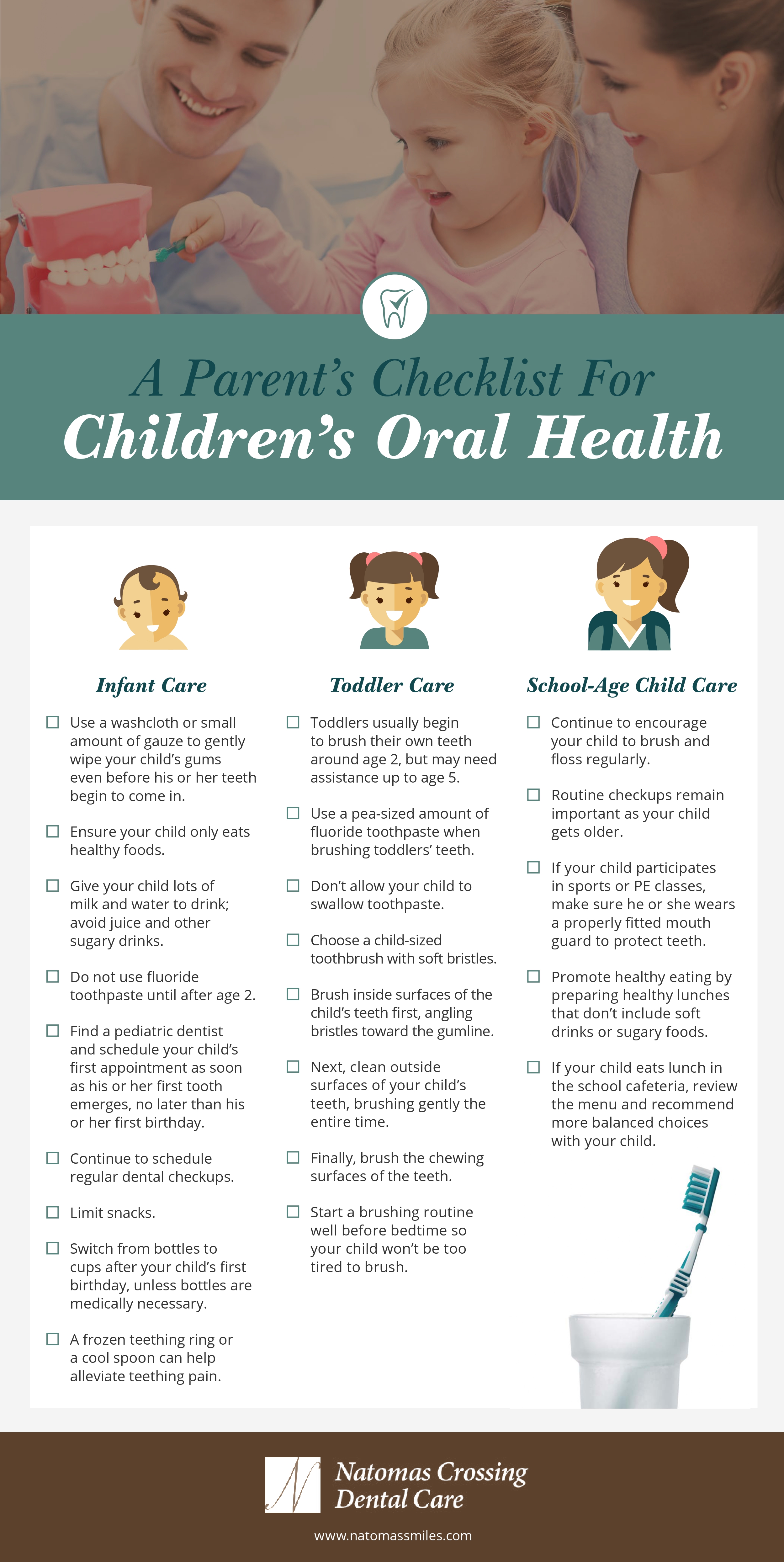
    By following this checklist and establishing a strong dental routine, you’ll be setting your child up for a lifetime of good oral health. Regular dentist visits, healthy eating habits, and proper brushing and flossing will all contribute to a healthy smile for years to come.

  • Household Chemical Safety: A Practical Guide to Safe Storage

    When it comes to keeping a home clean, sanitized, and functional, household chemicals are essential tools. However, while they serve a necessary purpose, they can also introduce hidden dangers when not stored properly. From multi-surface cleaners and degreasers to toilet bowl scrubbers and pest repellents, these substances often contain powerful compounds that, if mishandled, can lead to poisoning, respiratory issues, fires, or even explosions. That’s why it’s more important than ever to adopt safe and practical storage habits.

    Every year, a significant number of household chemical accidents are reported — many involving children who gain access to improperly stored substances. But adults aren’t immune either; accidental mixing, vapor exposure, or spills can all cause serious harm. The good news is that most of these incidents are avoidable with a few thoughtful strategies.

    Start by reading the labels. Manufacturers include essential safety instructions and storage recommendations that are specific to the chemical formulation. Some chemicals require storage in upright positions only, while others must be kept in tightly sealed containers or away from certain temperatures. Never ignore those guidelines and always make sure product labels remain legible over time.

    Location matters, too. The ideal place for storing household chemicals is a cool, dry area with limited foot traffic. Garages, utility closets, laundry rooms, and sheds can work well, as long as they are secure and organized. For families with children, locking cabinets or wall-mounted shelving placed high off the ground can provide the needed protection. It’s also smart to designate different storage areas for different types of chemicals, reducing the likelihood of incompatible substances being stored too close together.

    Investing in high-quality storage containers is another proactive step. Many original containers are designed for single use or limited durability. Transferring substances into safer, more durable chemical packaging products can improve long-term storage while reducing the risk of container failure. These purpose-built products often feature chemical-resistant materials, improved seals, and labeling areas that make organization much easier.

    Organization and documentation also play a vital role. Consider maintaining a household chemical inventory list, noting the location, quantity, and safety information of each product. This becomes invaluable during emergencies or when determining what needs to be disposed of or replenished.

    Speaking of disposal, don’t forget to regularly review your chemical stockpile. Outdated or unused chemicals should be disposed of properly — not poured down the drain or tossed in the garbage. Many communities offer special disposal days or drop-off locations for hazardous materials, helping to keep your home and environment safe.

    In summary, practicing effective household chemical storage isn’t just about tidiness — it’s about safety, health, and peace of mind. Through careful organization, smart storage locations, the use of chemical packaging products, and proper disposal practices, you can significantly reduce the risks that come with having chemicals in your home. Taking these steps ensures that you and your loved ones can enjoy the benefits of a clean and well-maintained home — without the dangers.