Category: Uncategorized

  • How to Travel During the Current Travel Restrictions

    How times have changed since last summer. With flights being cancelled, borders being shut, and having to self-isolate when going to or from certain countries – the current situation doesn’t exactly lend itself to international travel. However, this doesn’t mean you have to stay locked up at home. With restrictions slowly being lifted and businesses reopening up across the country, there is plenty you can see and enjoy from the UK.  

    Tourist at Home 

    Whether you’re craving a city break, or you want to get out into nature – the UK has got you covered. If you’ve lived somewhere you’re whole life, the chances are you’ve never treated your home country like a tourist destination. Well, now is the perfect time for you to do just that. You can explore the coast lines, the capital, or even go camping. One of the best things about the UK is how easy it is to travel, especially thanks to its trainlines. With Grand Central Rail you can get exactly where you need to be.

    Stay Safe

    There are a number of things you can do to stay safe while travelling the country. Wear a mask for the duration of your journey on public transport. Try and keep two meters apart from those around you. Wash your hands regularly and if you don’t have access to a sink, it’s a good idea to carry around a bottle of hand sanitizer with you. You will have heard these rules time and time again but for a very good reason. The current guidelines in place not only to protect you, but everyone around you. They’re small things but they make so much difference.

    Small Steps

    Everyone is responding to lifted lockdown restrictions at their own pace. You may have noticed some people jumped at the chance at being able to go back to a pub, whereas others still get nervous having a friend over in the garden. You might feel a pressure to start doing everything now, after not being able to do much for so long. It’s important to take small steps and feel confident, rather than do too much too soon and set yourself back. You don’t need to compare yourself to others, you should do what you’re comfortable with.

    Whenever you make the decision to travel, make sure to follow the safety guidelines in place and you’re happy with your plan. When you’re ready, where would you like to travel next?

  • 5 Tips for a Minimalist Kitchen

    Now more than ever, we spend a considerable amount of time in our kitchen. It’s where we eat breakfast, catch up with family, pursue hobbies like baking, and sometimes even check into the office from our laptops. With so much happening in the kitchen, clutter can quickly accumulate, adding stress to an important and treasured space. 

    By keeping it clean and organized, we can transform our kitchen into an inviting and efficient area that makes life around the house infinitely more pleasant. The principles of minimalism provide all the necessary guidelines for accomplishing this task. Here, we will explore five tips for creating a minimalist kitchen.  

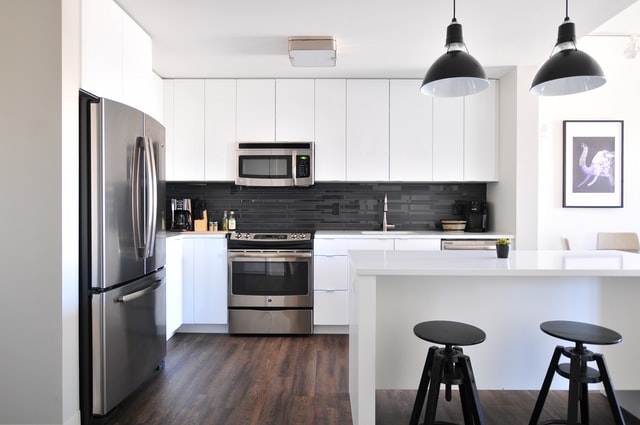
    Image via Unsplash

    Get Inspired

    A good first step is to get some perspective by looking at kitchens that are designed with minimalism in mind. Pinterest or your favorite social network should have plenty of images to draw inspiration from. 

    Japanese and Scandinavian styles are the most relevant here. In fact, there is even a trend which combines the two and is known as Japandi or Scandinese. This style blends the Japanese notion of appreciating beauty in imperfection with the European concepts of comfort and refinement. It’s a great principle for minimalist kitchen design, so get inspired!

    Tone Down

    When it comes to color, the classic minimalist look typically comprises a neutral or monochromatic palette. You can also explore chicer and more fun color schemes that include light shades of beige and pastel tones. These work particularly well in kitchens that feature a lot of white components. Remember that lighter colors work better in small spaces. 

    Minimize Clutter

    No minimalist guide would be complete without a note on getting rid of everything that isn’t necessary. It is, after all, absolutely essential to creating a clean and comfortable look. So, what exactly does decluttering involve? In the context of your kitchen, there are several factors to consider beyond the basic practice of cleaning up. 

    Start by taking a look at your small appliances and decorative elements. If you use it regularly, see if you can conceal it in a nearby cabinet. If it isn’t useful at all, you can put it elsewhere – especially if you don’t have a lot of storage space. The following list contains a few items that could be taking up space on your surfaces:

    • Bread maker
    • Knife block
    • Rice maker
    • Mugs for guests
    • Panini press
    • Espresso machine

    Depending on how you cook and keep food, you might also want to address your Tupperware situation. If you struggle to find matching lids or everything topples out of the cupboard when you open it, chances are you could do with less or invest in better storage solutions. Here’s a guide on meal prep containers that are good for food storage

    Keep it Sleek

    While the main goal is to have less clutter on your counters and surfaces, there are certain elements that can’t be stored away. These are the things you use on a daily basis, like toasters, stoves and kettles. Here, consider upgrading to modern appliances that feature sleek and smooth designs with clean lines. 

    Use Floating Shelves

    Instead of closed-in cabinets, use floating shelves that are open. This not only makes it easy to grab what you need, but also increases both physical and visual space, which can be particularly valuable in smaller kitchens. Another benefit of open shelving is that you can use them to display functional decorations such as plants and spice jars. 

    As a final bonus tip, opt for natural materials such as wood and stone where possible. This will help your kitchen feel cozy and comfortable as opposed to cold and hard. Be sure to think outside of the box and see where else you can clean up and improve your kitchen.

  • Top 5 tips to start stand up paddle

    Stand up paddle boarding is all the rage these days, and with pretty good reason. Of all the water sports options out there it’s easily the most accessible for beginners, making it the perfect pick up and play option for those looking to get out on the water in an active but relaxing way.

    Even with that pretty gentle learning curve, though, there are still a few things you need to know about getting into the world of SUP. Here are our top five starter tips for wannabe paddlers.

    Choose the right board

    Choosing the right board comes down to a variety of factors: how you’re going to use it, how it’ll fit your body and how you want it to handle when you’re on the water. There are plenty of physical characteristics to consider, from the shape of the board through to volume and capacity and any extras and accessories you might want with it.

    In fact, there are an awful lot more questions that you might think when it comes to picking paddleboards, so we’d recommend finding an in-depth guide to get you started.

    Find the right spot

    One of the great things about SUP is that you can paddle almost anywhere, but finding a quality spot – as in a place or two that can be your favourite locations to go out and paddle, will be key to helping you develop your skills and fall in love with the hobby.

    A good place to start would be to join an SUP club or SUP social, or use this map of UK SUP spots to find some established locations that are great for paddleboarding.

    Make the right moves

    Learning to move around on your SUP correctly will be a key part of your early learnings in the hobby. You’ll want to find out what stance works for you, whether that’s neutral, hybrid or a full surf stance and get to grips with the best balancing techniques to keep you on the board.

    It’s not a bad idea to get a few lessons to start you out with all these fundamentals, and there are plenty of SUP instructors out there ready to help you get up and running. 

    Learn to fall off

    Falling and hitting the water is a natural part of just about any water sport you can think of – and it’s certainly something you’ll need to get used to as a SUP beginner. The key thing to learn in this regard is how to fall off and get back onto your board properly.

    As a general rule, feet first into the water and away from your board is best, while it’s easiest to get back on your board at the centre. If you pick up a few lessons to get you started, your instructor can walk you through the art of falling and recovering safely.

    Stay relaxed

    Perhaps the simplest tip of them all, and maybe one easier said than done for newbies, is to relax! Paddleboarding is made to be a chilled exercise where you can head out on the water and enjoy the views and the motion of the ocean. The sooner you can learn to keep cool on your board, the quicker you’ll get to grips with staying on your board and being able to enjoy the world around you – which is what SUP is all about.

    New to SUP? Don’t be afraid! With a great community of paddleboarders in the UK and loads of ways to get into the sport, you could be up and running before you know it.

  • What Should You Know About Investing In A Gold IRA

    Investors prefer to keep their personal methodologies to themself but are not above providing basic advice. For instance, there’s a general outline to follow when deciding on a gold IRA as an addition to a retirement portfolio. Offering those guidelines won’t give away any private secrets.

    Something that all people should know without it being “advised” is retirement should be something you start considering early in life instead of closer to the time of retirement. That’s necessary to build enough to live comfortably in the future.

    As is suggested, regardless of the quality of the assets, they can still only accumulate gains at a certain pace. It’s expecting a great deal to wait until there’s a countdown of ten years or less before what would constitute the “golden age.” 

    While your retirement strategy might include a full dump into the plan of all you have, that involves a substantial risk for numerous reasons aside from waiting so long, like the potential for incredible loss. 

    This is why diversification with a gold IRA is often the advice. That is only possible, however, if a retirement portfolio includes a self-directed individual retirement account. Let’s look more closely at investing in gold IRAs.
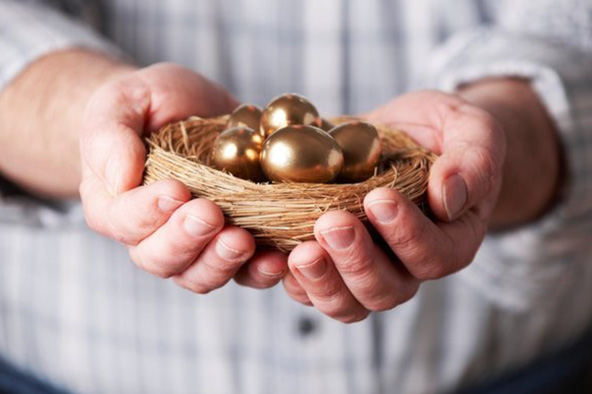
     What Should You Know About Investing In A Gold IRA

    Individuals new to investing can count on seasoned investors to come forward with what would constitute fundamental guidelines when the newbie clients are pursuing investments like perhaps a gold IRA. It’s atypical for seasoned investors to offer their personal investing “secrets.”  

    Still, the one rule most will advise, but many people should already know, is to start retirement planning early in life instead of waiting until retirement is growing close. It’s also not a secret that most investors will diversify their holdings to stave off the potential for heavy losses. That’s generally where the gold IRA comes in.

    You can find exceptional details on investing in self-directed IRAs, backed explicitly by gold, from sites like KingoldJewelry.com, a reputed, knowledgeable leader in the industry. 

    The precious metal is a favored choice in the investing sector due to its capacity to create a foundation for a retirement strategy from which other assets can then fill in around to establish balance for an effective plan meant to accumulate returns and protect wealth for a successful future.

    Without diversity, an investor’s portfolio tends to be monopolized by assets that correlate with the markets. That means when there is turbulence or crisis of any sort; wealth is impacted, sometimes devastatingly so. 

    Loss to that degree can be tough to come back from. What are a few basic steps to follow as a potential gold IRA investor? Let’s find out.

    • Understanding the self-directed (IRA) individual retirement account

    Before choosing gold as a retirement investment, you need to gain insight into self-directed individual retirement accounts, different from conventional IRAs. These are savings programs established by the IRS to encourage individuals to develop savings for retirement.

    The self-directed IRA is unique from a conventional account in that there are alternative investments to the standard options, plus the owner maintains control over their assets. The choices for investing can include not only gold and other precious metals but tax lien certificates, promissory notes, real estate, and on.

    The conventional IRA strictly deals with paper assets, including stocks, bonds, or mutual funds. That isn’t to say that with the self-directed account, you’re void of being able to invest in these assets, but most investors choose the alternatives when opening a self-directed account.

    • Selecting a dealer and custodial service

    While the investor of a self-directed account maintains control of their assets, it virtually takes a team to navigate transactions for gold IRA. The client needs to incorporate thorough research into finding a custodial service approved by the IRS to open the self-directed account. 

    The entity will not only be responsible for administration but also management for the lifetime of the IRA. 

    For a federally qualified firm specializing in the IRA and precious metals, you will choose among financial institutions, brokerages, credit unions, and trust firms. Some custodians have specific limitations making it necessary to do your due diligence with your research.

    The same is true when looking for an adequate precious metals dealer. Often, the custodian can recommend a quality option. Read for guidance on whether it pays to invest in gold IRA companies.

    • Funding the IRA

    You can opt to contribute to your gold IRA in a few ways, with cash among the most straightforward, favored options. The custodial service handles the transfer of funds to the dealer for the precious metal purchase on behalf of you.

    When making a purchase, the more knowledgeable the dealer and the greater their transparency, the more insight you can gather into precious metals, particularly gold, to ensure the best decision and compliance with IRS stipulations.

    It’s essential to recognize contributions for those over the age of 50 need to remain at $7000 or below for the year. Anyone 50 or below must keep their contributions at or below $6000.

    Something to keep in mind is that precious metals are expensive, making it necessary for some clients to save for a while before they can merely buy an ounce or two, which can exceed $1000. 

    Remember, an ounce is minuscule, so if you hope for a more considerable chunk, perhaps 20 ounces, that’s a high cost that you will need roughly three contribution periods to accumulate.

     Final Thought

    While investing is risky regardless of the asset, gold is still viewed as a safe choice considering it’s holding solid with its value for virtually thousands of years, making it a near impossibility that it will dip to a complete loss. 

    If that were ever made a reality, the likelihood for paper holdings to increase would be probable. 

    But again, that means for you as an investor that a diverse portfolio would still serve you well. And these are tidbits of information you can readily pass on to those new investors looking for a bit of guidance without divulging “trade secrets.”

  • How to Stay Positive When Staying Home

    The COVID-19 pandemic has had a large impact on our lives, and many of us have had to change our ways and adapt our routines almost overnight. Staying at home may feel good for the first week or two, but as time passes by and we continue to stay in our homes as much as possible, it can be hard to find the motivation to look after yourself and remain positive. Maintaining your mental wellbeing when staying at home is very important and it is something you should prioritize. Fortunately, there are many things that you can do to stay positive when staying at home, and today we will be taking a closer look into them. 

    Find an Indoor Hobby

    Finding an indoor hobby is a great way to keep yourself occupied and positive when you are stuck at home. You can even use this time to work on and improve a skill that you would like to use on the outside. For example, if you love golf, Rain or Shine Golf may be able to offer you an affordable solution to develop your golfing skills at home. If this interests you, then see their golfing simulators here. 

    Keep Yourself Active 

    Keeping yourself active is important when you are stuck in the home all day, especially when the reason for doing so is a virus. This is because exercising on a regular basis will help you to maintain a healthy weight, strengthen your immune system, release endorphins (happy chemicals) in your brain, reduce the risk of certain health complications developing, and improve your sleep. 

    Stay Connected to Others

    During these worrying and uncertain times, staying indoors may make you feel disconnected from the people you love and care about. However, this should not be the case, as there are no laws against using technology to keep in touch with the people you care about or professionals that offer support. Staying connected with others will keep your mind busy and will make you more positive at home. 

    Manage a Routine 

    A healthy routine is important for your mental and physical health, and it is very likely that the pandemic has knocked your routine off-balance. Being stuck at home may make you feel like you don’t have to accomplish things that you usually feel obliged to do, but you should not use this as an excuse. Managing a healthy routine will make you feel and look good in return and will lessen negativity. 

    Take Time to Relax

    If you are working from home, you have taken up a new skill or hobby, you are managing to exercise more, stay connected with others and manage a fairly active routine, then you should remember to take some time to relax during your time at home. If you are lucky enough to be stuck at home with family and friends, then you should do what you can to make the most out of this rare time together. 

    Limit the News

    Many people find themselves constantly checking the news channels during this strange time. Although it is good to keep yourself educated, aware and up to date on the latest news surrounding the pandemic, you should do your best to not stay glued to the news. This includes following updates in the papers, on the radio and social media, as well as on TV. You should only use trustworthy resources though. 

    As you can see, there are plenty of things that you can do to stay positive when staying at home. You just need to make sure you find something that works for you. Don’t forget that you are not alone during this time and loved ones are just a phone call away.