Category: Studio

  • Studio Visit: Ex Industria Argentina

    Studio Visit: Ex Industria Argentina

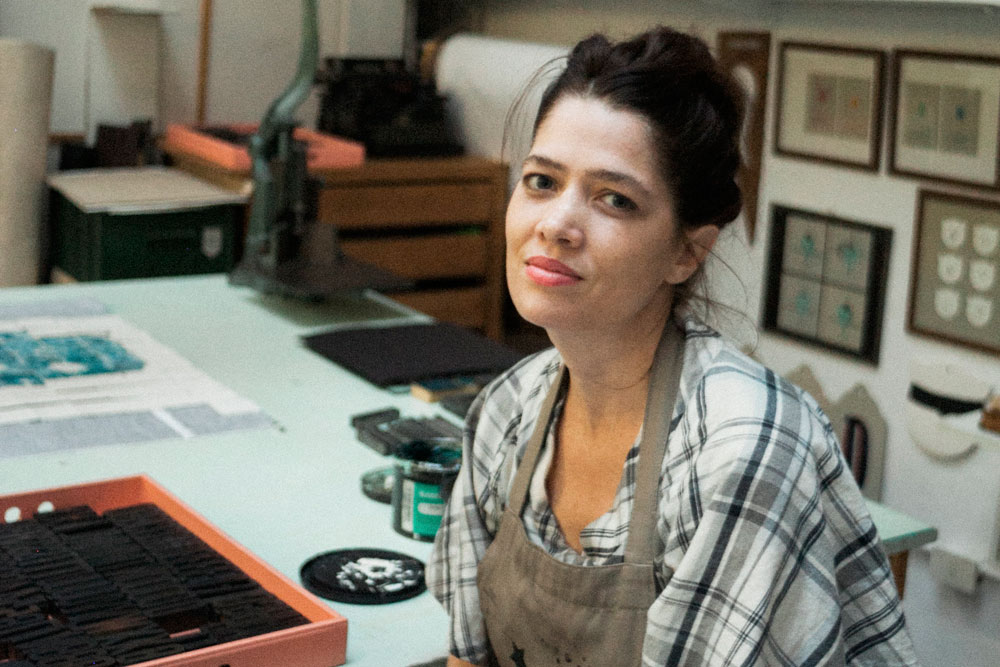
    Carolina Fernández is the founder of Ex Industria Argentina, a letterpress business in the Abasto neighbourhood in Buenos Aires. Carolina’s studio and workshop are located in her home, a 1930s building that she shares with her painter husband. Our contributing photographer, Andrea Fernández, visited Ex Industria Argentina on her last trip to Buenos Aires and interviewed Carolina about her love for letterpress, the equipment she uses and how her space influences her work.

    www.facebook.com/ex-industria-argentina

    Photos & Interview by Andrea Fernández.

    What is the concept behind Ex Industria Argentina?

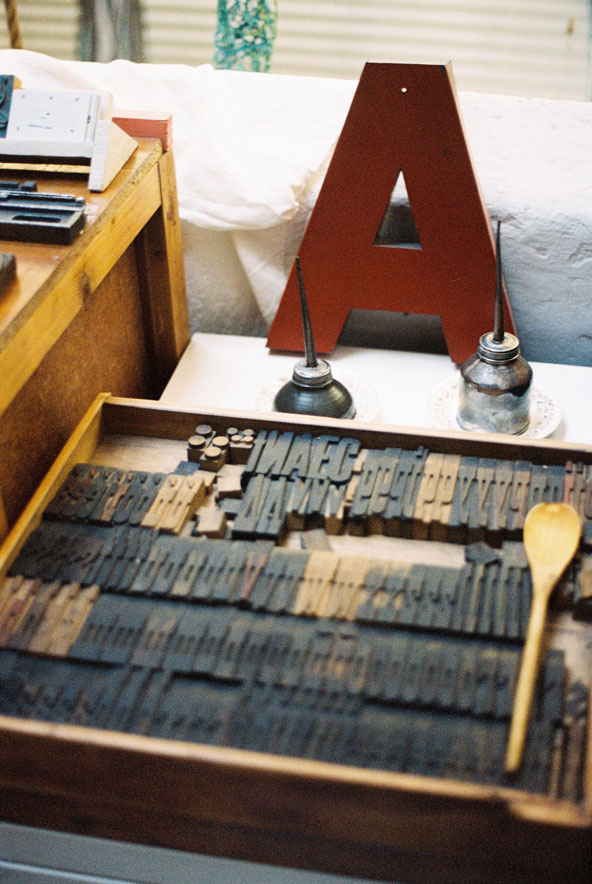
    From the first day, my goal was to bring back an appreciation for the traditional technique of typography printing or letterpress, the composition using wood or metal types, the impression the type leaves on paper, the time and the dedication the process requires. The name of the project echoes this idea: a way of working that has been left behind, which I’m trying to highlight by bringing a touch of design to.
    What is your creative background in and how did you get involved with letterpress?

    I was a product designer at a paper house producing lots of different kinds of paper goods. We would make paper by hand on a paper mill and had a workshop specialising in bookbinding and serigraphy, an art gallery and a typography printing studio. It was here that I deeply connected with the art and design world, and got close to printing.
    What was the space before you transformed it into your studio & home? How was the renovation process?

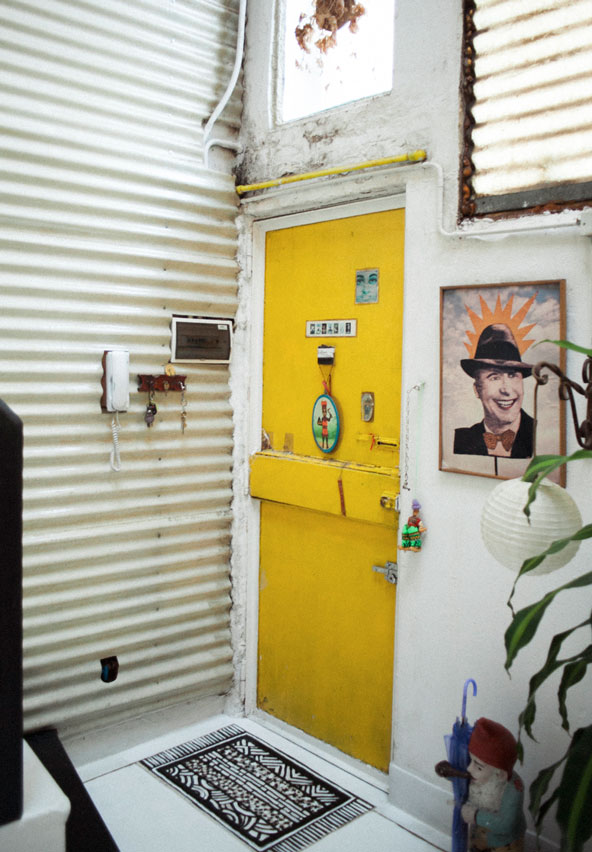
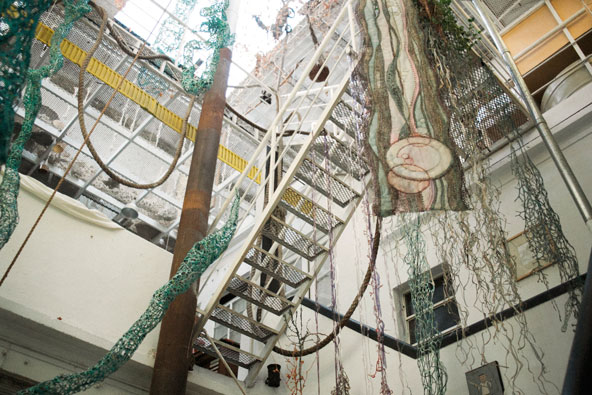
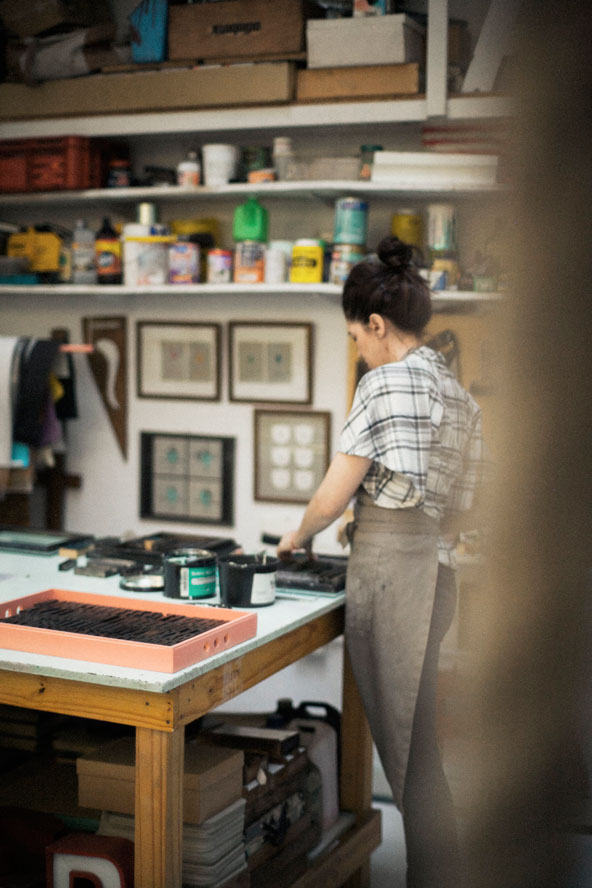
    The house dates back to the 1930s and is both mine and my husband’s studios, as well as our home. He is a visual artist and did the remodelling of the space to originally house his big art pieces. My studio is on the middle floor, which used to be the open air sun terrace.
    Tell us about the equipment and machinery you use and its history.

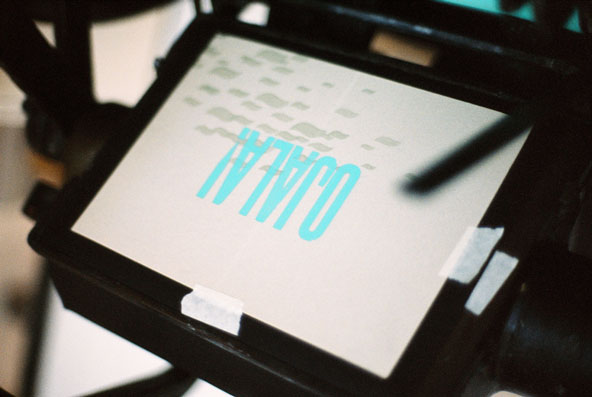
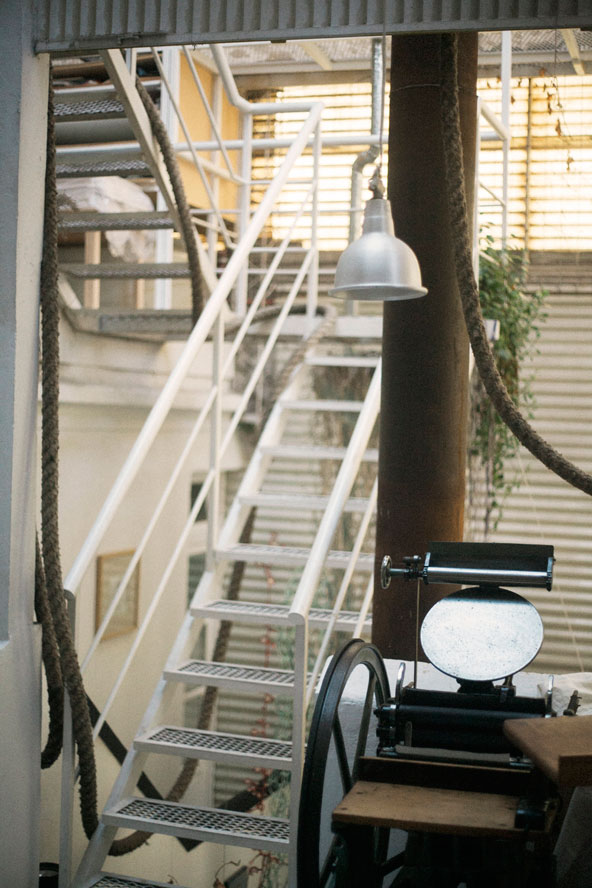
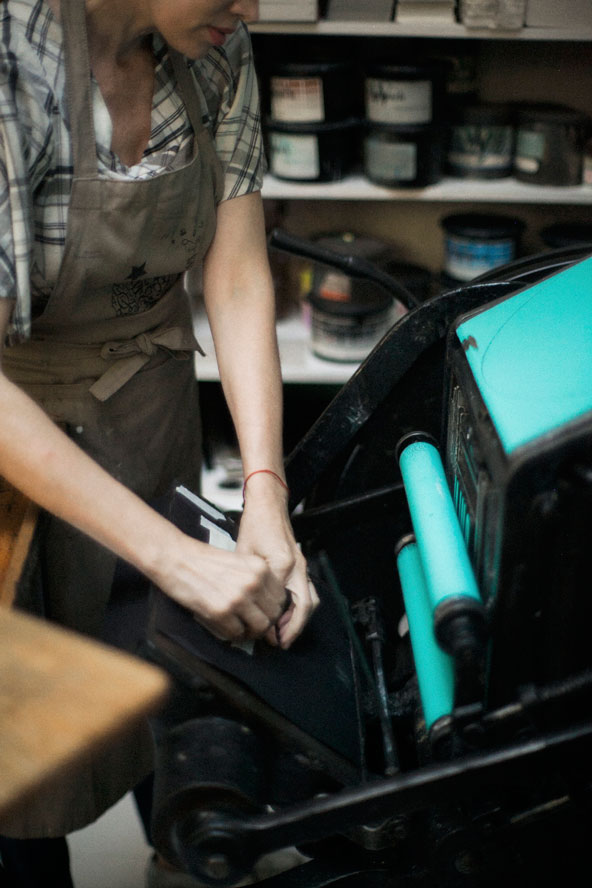
    I print using two antique letterpress machines, known as Minerva’s. They are both from German origin but I don’t have the specific details about them. The smallest one is a Hogenforst that dates back to the 1920s. I bought it from a printer in the San Telmo neighbourhood that used it to print religious cards. I also have a bigger one that is more sturdy and strong.
    What do you enjoy the most about working in this space? Does it have a direct impact on your work?

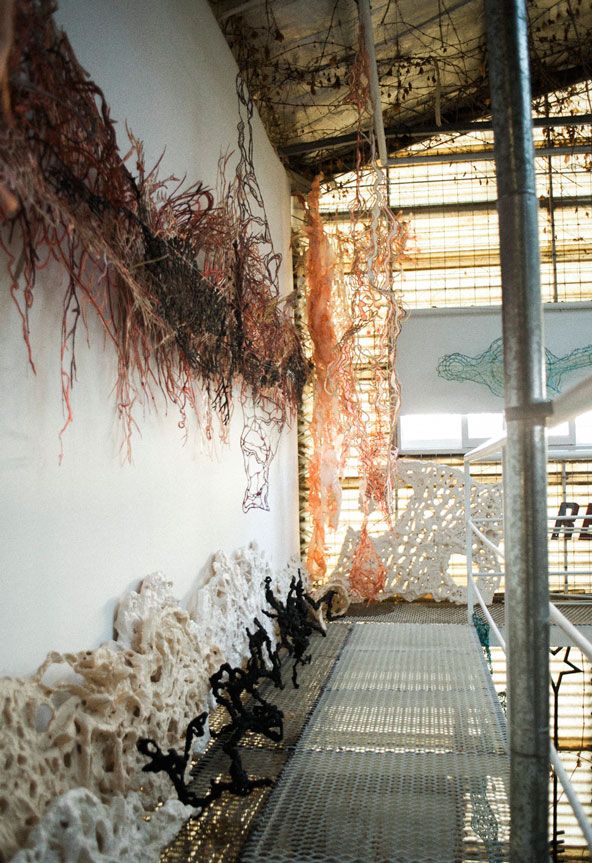
    My favourite aspect of my workspace is that it is also my home, which means I have an immense flexibility on my work hours and incorporating it into my daily routines. I love the light I get in this space, infiltrating through the ceiling and reflecting off the tin walls. I feel very connected with the outside world; if it’s overcast my studio is grey, if the sun comes out the space just shines.
  • CreativeMornings/Edinburgh: Gerry Farrell

    CreativeMornings/Edinburgh: Gerry Farrell

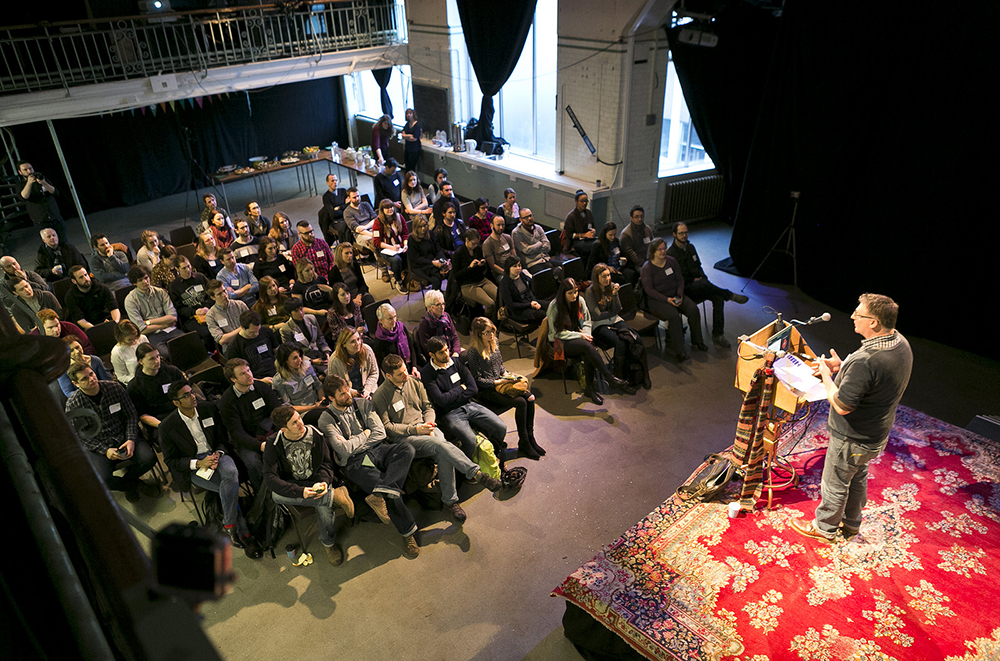
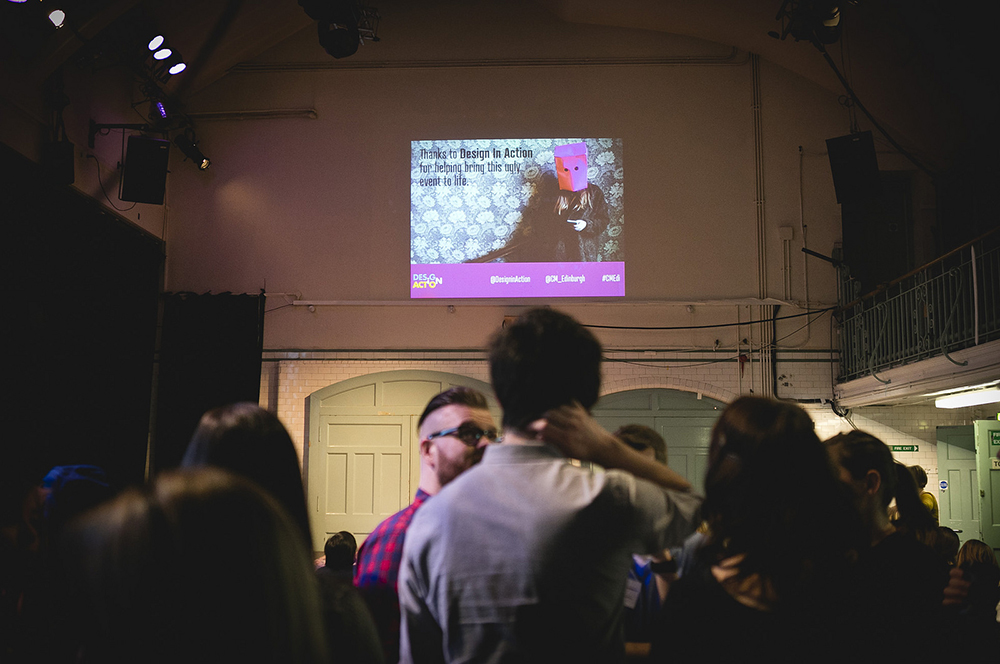
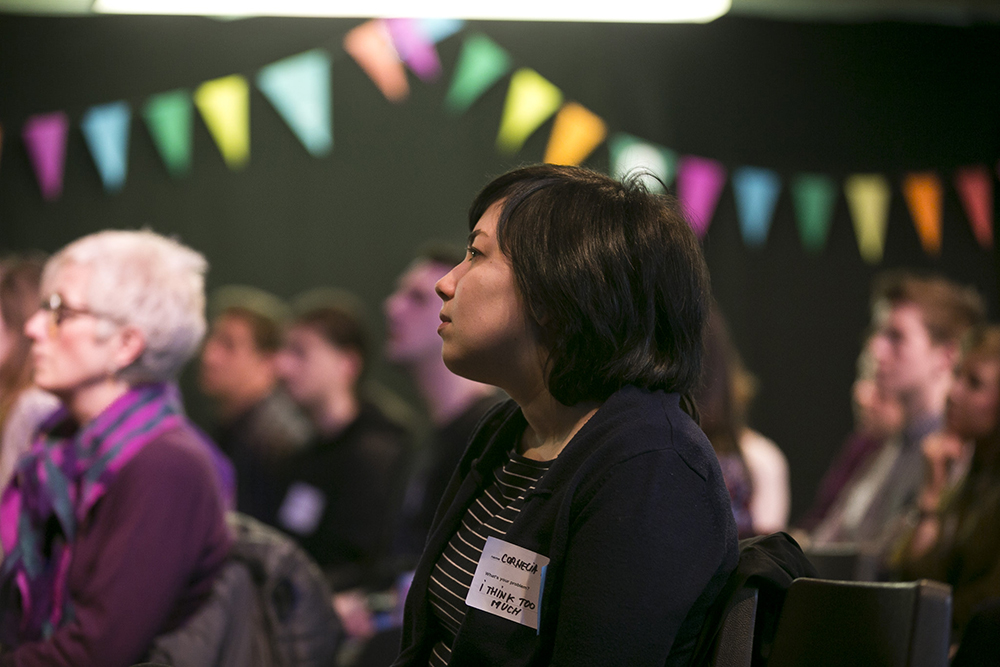
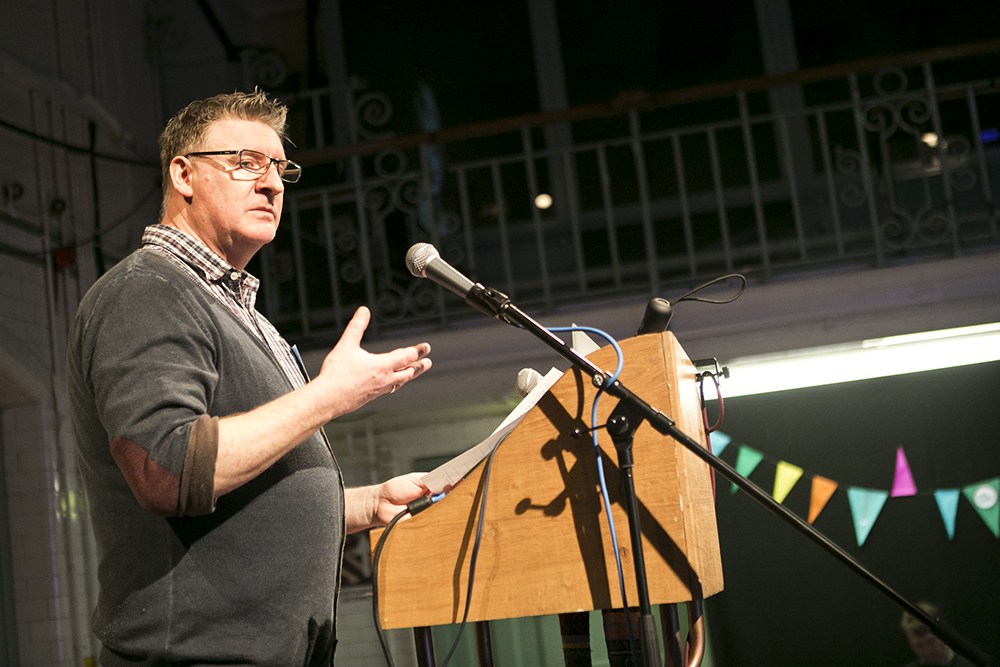
    Gerry Farrell, former Creative Director at the Leith agency in Edinburgh and founder of Gerry Farrell INK spoke at CreativeMornings Edinburgh last month on the topic of ‘Ugly’. During his talk, Gerry shared some of the highs and lows of his creative career and challenged us to used his F.L.I.P philosophy when faced with a difficult situation. Feeling Less Immediately Pessimistic (F.L.I.P) is about understanding that every crises has different outcomes and consciously deciding “not to turn things ugly”.

    Gerry believes that not being pessimistic can be a solution to creative problem solving and supports his theory with examples from his career in advertising. His talk was full of great advice for anyone working in the creative industries – from dealing with feedback, difficult briefs or unhappy clients – the decision is ours whether things going to work out or not. It’s easy to be cynical and work with the first idea that comes to our head but we need to study what’s out there and challenge it in order to produce better creative work.

    Photos by: Eoin Carey
    Video by: Future Positive Studio

    16258145668_8a14351bdd_k

    15823290224_89e0d06b1f_h

    16444048001_452b12850a_k

    15825744143_689762d9d5_h

    16444053091_45e428da24_k

  • Enrich and Endure

    Enrich and Endure

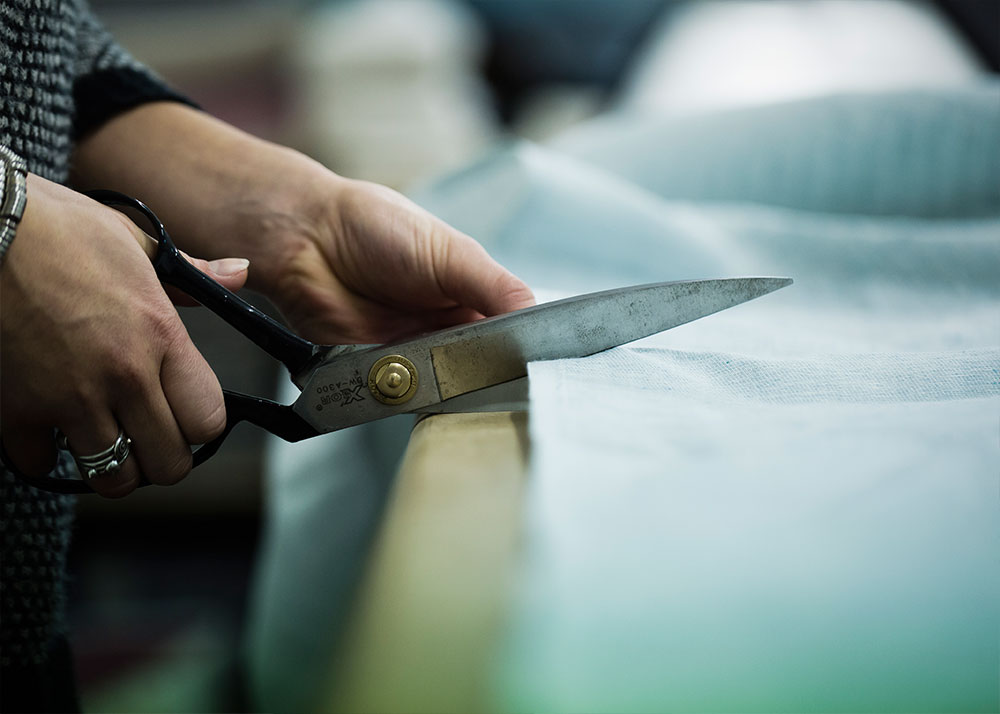
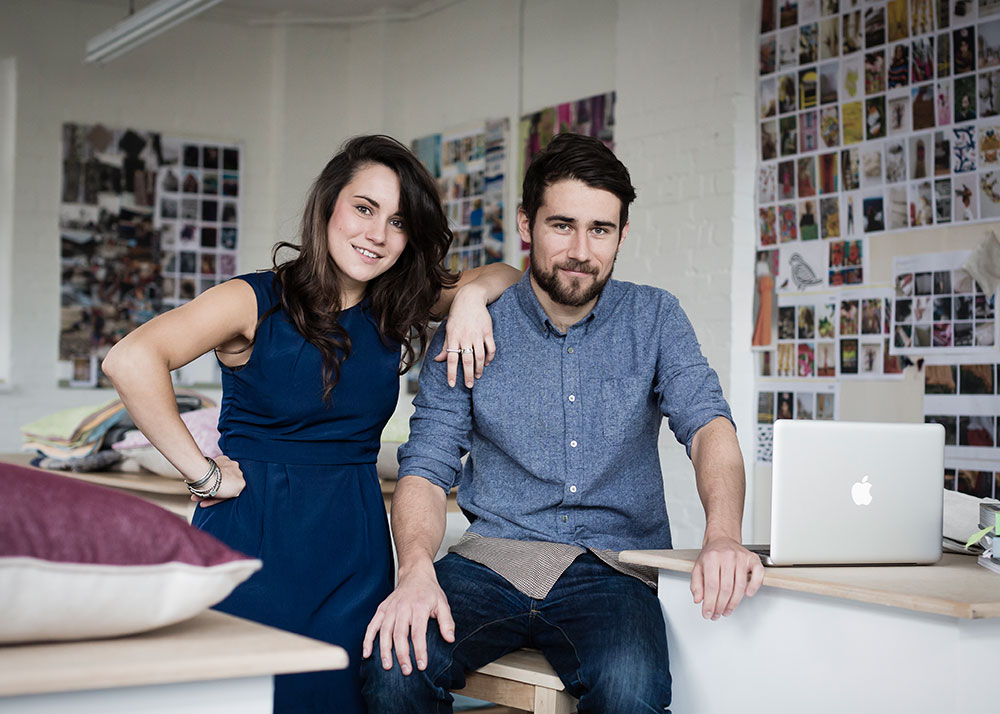
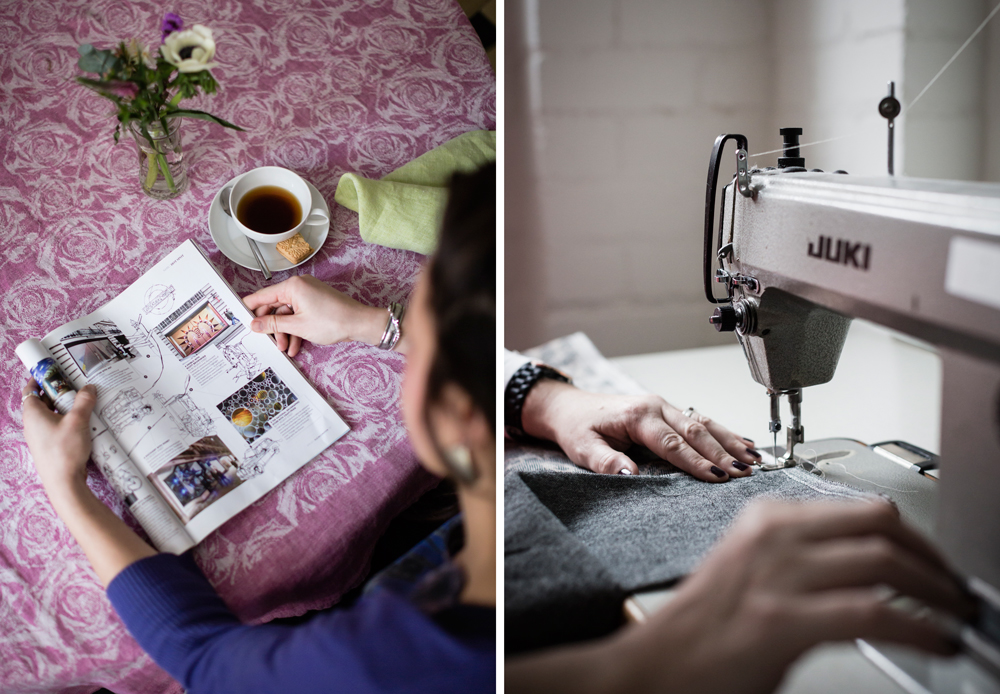
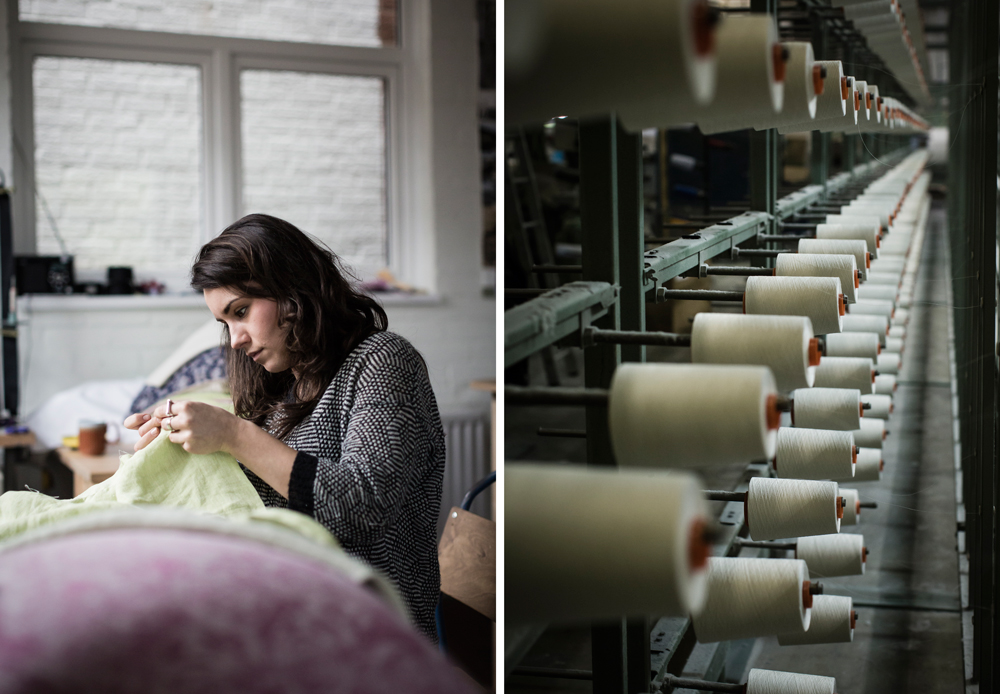
    Enrich and Endure is a new Irish linen and wool homeware company started by creative brother and sister duo Lorcan and Sarah Quinn from County Down, Northern Ireland. Growing up in the centre of what was once the beating heart of the Irish linen industry, Sarah and Lorcan revive their region’s heritage while simultaneously pushing it towards an entirely new direction. We spoke to Sarah to find out more about the brand.

    Photos courtesy of Enrich and Endure.

    Enrich-and-Endure-1 Enrich-and-Endure-7 Enrich-and-Endure-2 Enrich-and-Endure-6 Enrich-and-Endure-4 Enrich-and-Endure-3 Enrich-and-Endure-5

    Please tell us about your background. How did Enrich & Endure come about?

    Sarah: I have always been creative and driven towards design. I studied art at Manchester University but found my enthusiasm somewhat suppressed, it was there that I realised I didn’t really know what I wanted to do as a career. So I did what most confused creatives do in their early twenties and went travelling – learning new skills along the way. I firstly worked for an interior designer for two years in Northern Ireland before moving to New Zealand where I worked for an interior designer and stylist. It was during my time in New Zealand that I realised what I wanted to do – create a community of like-minded creative people to reinvent Irish products in a fresh and unique way.

    I decided to return home just 13 months ago. Lorcan who had taken a career break and had also went off travelling came to visit me in New Zealand 6 months previous. We came up with a plan and decided to return to the nest in October 2013 and get cracking. Lorcan is from a business background so we decided to combine both our skills and passions and work together to develop our own company. It has taken about a year to get off the ground which has proven very hard work but extremely satisfying when we launched our website just 7 months ago.

    Who’s responsible for what in your team?

    Sarah: Lorcan works on all things business, social and marketing, he is in charge of making it all happen. I’m in charge of all things creative, design and production and writing our blog – also a self-confessed post-it-note queen.

    You mentioned that your town used to be the beating heart of the Irish linen industry. Did you see a lot of local support for your idea?

    Sarah: Yes, the local support has been absolutely fantastic! Just this week we attended a civic reception with the town mayor and members of the local press. The support beyond our town across the rest of Ireland has been fantastic also. The product offering and overall concept has been extremely well received, people are really keen to see a young dynamic company working with traditional industries.

    How do you make sure your products are innovative and cerated with respect to the Irish linen heritage at the same time?

    We take traditional patterns and respectfully redesign them by introducing vibrant colours and creative yarn blends, like weaving linen and wool together.

    The brand launched earlier this year – what are your plans for the nearest future?

    Sarah: We have grand plans for the future! The short term plan is build off the platform we have and expand our collections to offer even more colourways. In the medium to long term we plan on introducing other Irish made products into the offering to push further towards our goal of becoming an all round lifestyle brand. The goal of the company is to offer products that both “Enrich” and “Endure” – this ethos is what we always focus on delivering!

    www.enrichandendure.com


  • Naranjo Etxeberria Studio

    Naranjo Etxeberria Studio

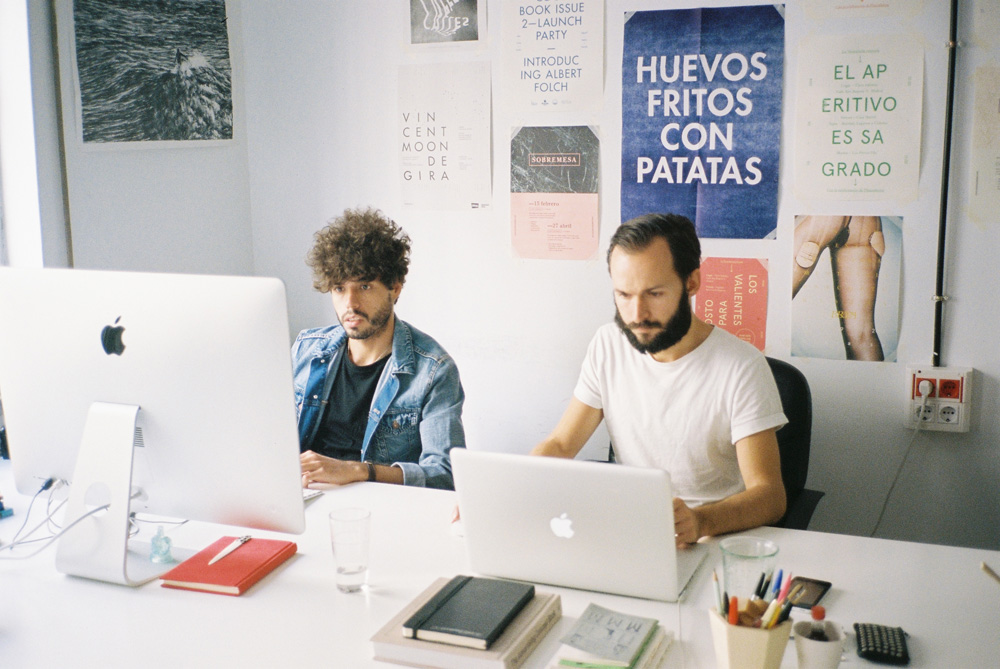
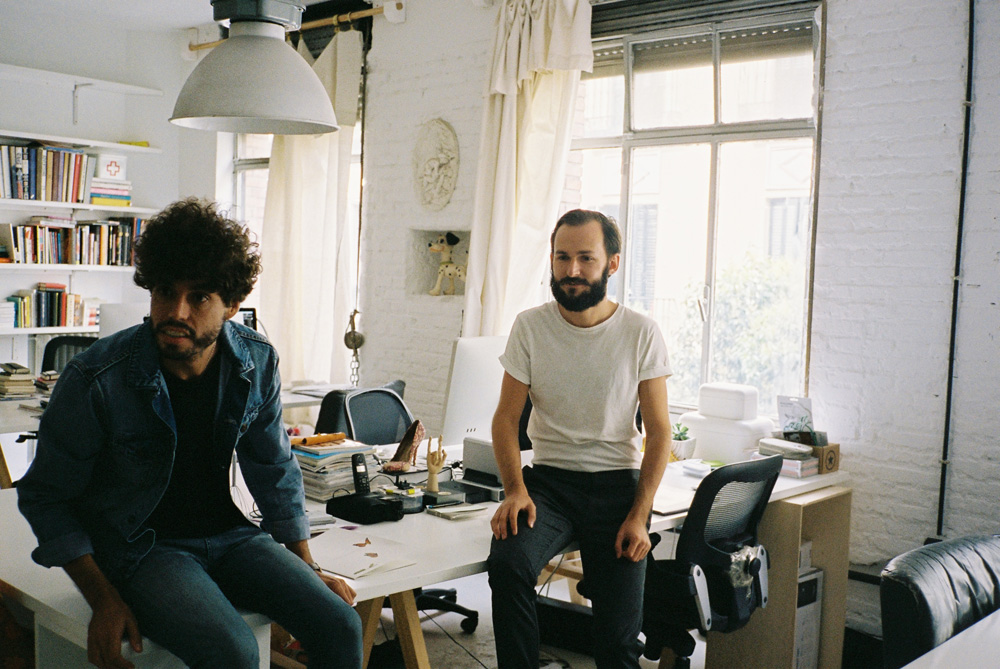
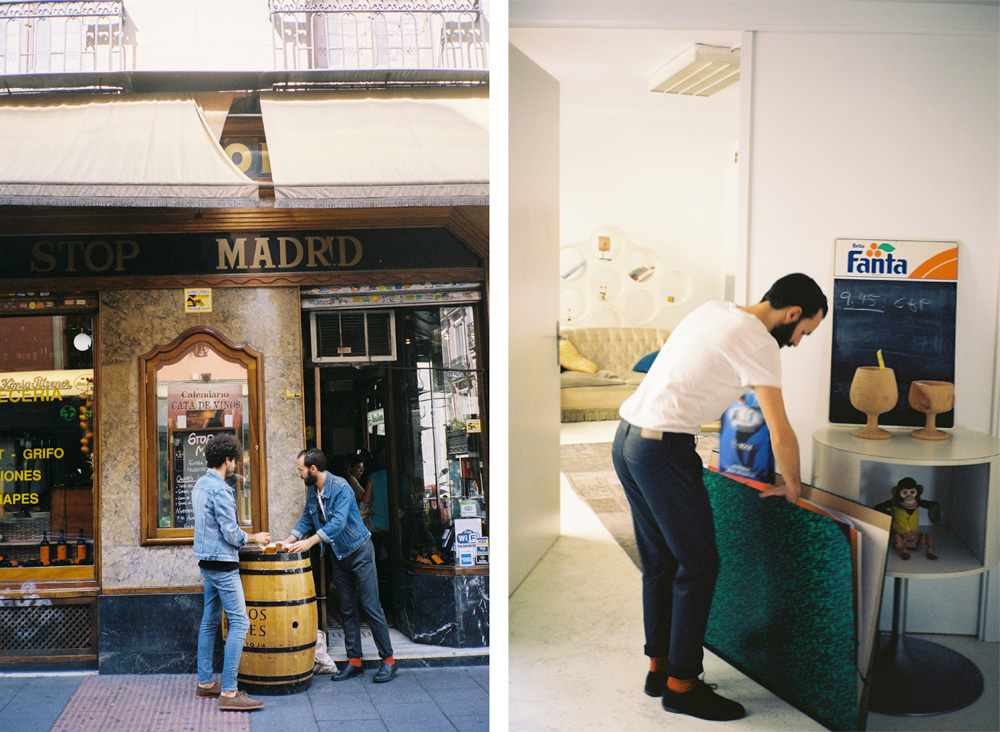
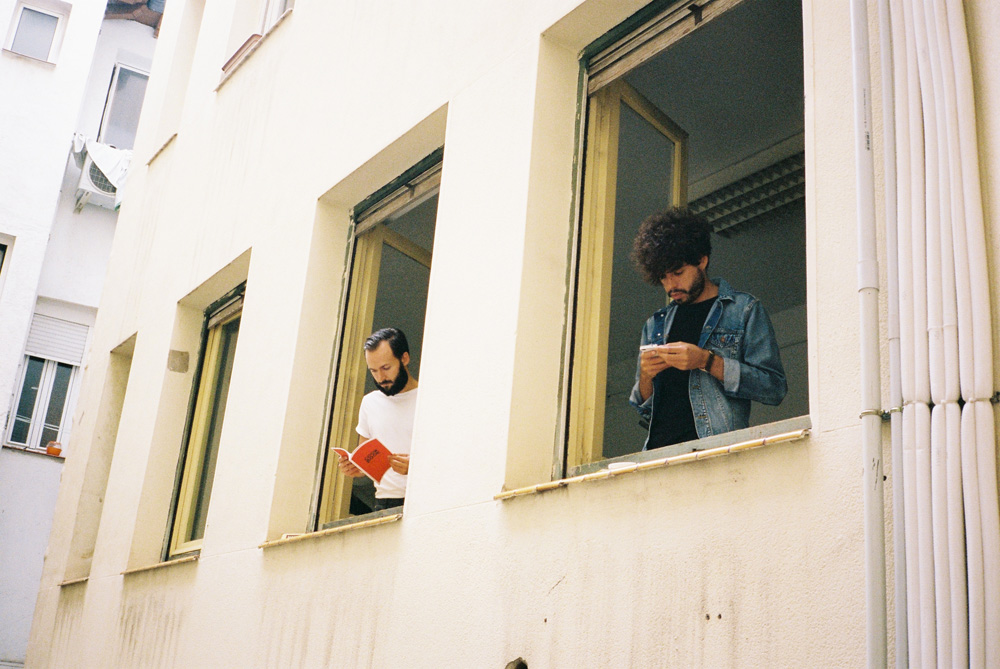
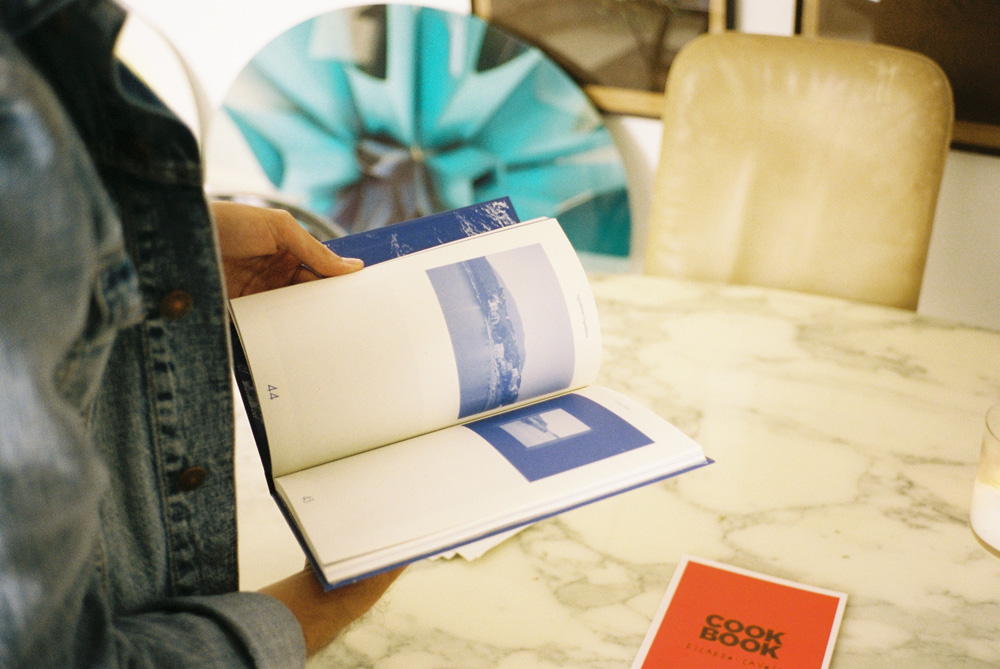
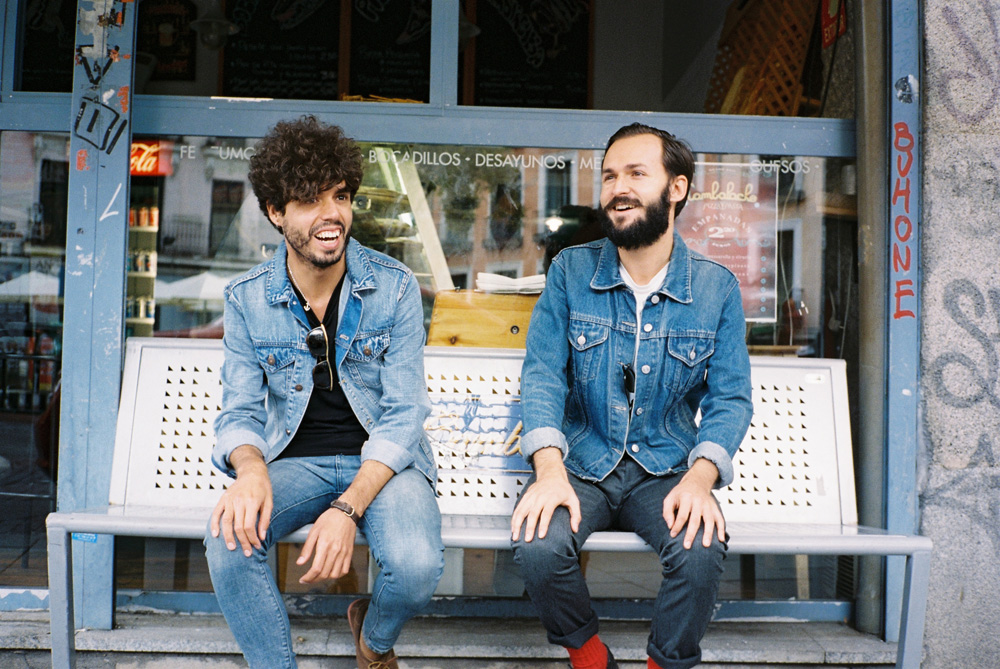
    Miguel Naranjo and Diego Etxeberria are the founders of Spanish design studio Naranjo Etxeberria. Based in Madrid, Miguel and Diego work in different fields – ranging from art direction to branding – and are responsible for Cookbook, a magazine inviting a new artist in each issue to curate a selection of recommendations in music, literature, cinema and art.

    To find out more about this creative duo, we visited their studio in Madrid and asked them a few questions. Read their answers below the images.

    Photos by Iciar J. Carrasco

    www.naranjoetxeberria.com

    Future-Positive-Naranjo-Etxeberria-6 Future-Positive-Naranjo-Etxeberria-5 Future-Positive-Naranjo-Etxeberria-3 Future-Positive-Naranjo-Etxeberria-2 Future-Positive-Naranjo-Etxeberria-9 Future-Positive-Naranjo-Etxeberria-4 Future-Positive-Naranjo-Etxeberria-8 Future-Positive-Naranjo-Etxeberria-1 Future-Positive-Naranjo-Etxeberria-7

    Please tell us about your background. What did you guys do before Naranjo Etxeberria?

    Miguel: I was born in Madrid 30 year ago and studied graphic design at “Escuela de arte Nº 10”. I worked in different advertising agencies and design studios for over 7 years. Two years ago I started a personal editorial project called Cookbook Magazine, which won a Laus Award in 2013.

    Diego: I was born in San Sebastian 28 years ago. I studied Creative Advertising in Bilbao and worked in couple of advertising agencies in Madrid over the past 4 years. I’ve also published a magazine with some of my disposable camera pictures and have been involved in several photography exhibitions.

    How did you meet and what made you found your design studio?

    Diego: We meet in a Kebab takeaway. I was working in an advertising agency with Manu Ridocci and we meet with a friend of him to grab something to eat. That friend was Miguel. After that, he came to work with us in the same agency and we started working together on different projects. After working for 2 years in that place, we decided to start our own studio.

    We both have different visions that help us cover projects in a more global way – it is a mix between our past experience and what we want to do at the studio.

    Is it easy to run a creative business in Spain at the moment? What has been the hardest part?

    Miguel & Diego: It is never the perfect moment to run a creative business like this, but if you want to do it, the earlier you start with it, the better. We think that there are lots of thing to do, create and share currently in Spain… but we still have a lot to learn about being entrepreneurs. That’s our new job: learning how to sell our work and find new clients all the time. Having said that, we are very excited with this new beginning.

    You’ve worked with many clients and on many projects so far. Please tell us about a project that is special for you.

    Miguel & Diego: We are so lucky because since the first day, we have been able to work with amazing clients like Vincent Moon, Absolut Vodka, Nowness, Curador Magazine, La Vermutería, Good2b, Sobremesa taller, Cookbook Magazine…

    A special project would be “Cuadernos de su padre y de su madre” (Notebooks of their father and mother). It is a project made by us at the studio. We make handmade notebooks and each one is unique and different from the others. Nowadays everything is on the internet and everything is ephemeral. That’s why real things have more value and why we like to make objects, thing that you can touch and use.

    What does the future hold for Naranjo Etxeberria?

    The future is changing all the time. Last week we didn’t even know that  in less than a month, we were going to be teaching Visual Communication at IED . It is a new challenge because it is our first time, but we can’t wait to do it. Also, we are going to be teaching about naming and visual identity, a couple of thing we love to work on.

  • Menini Nicola

    Menini Nicola

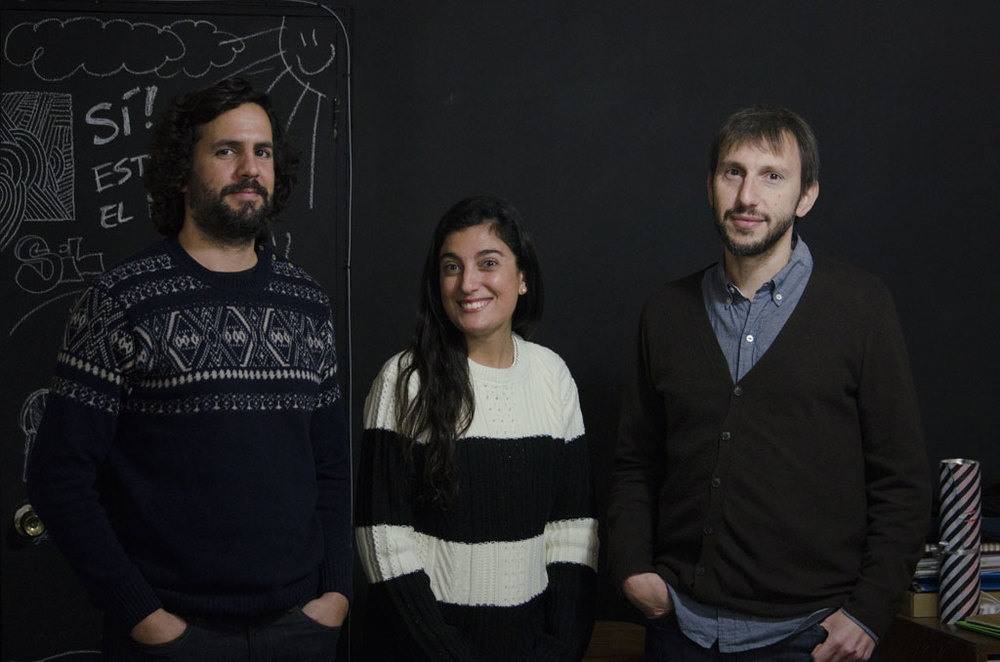
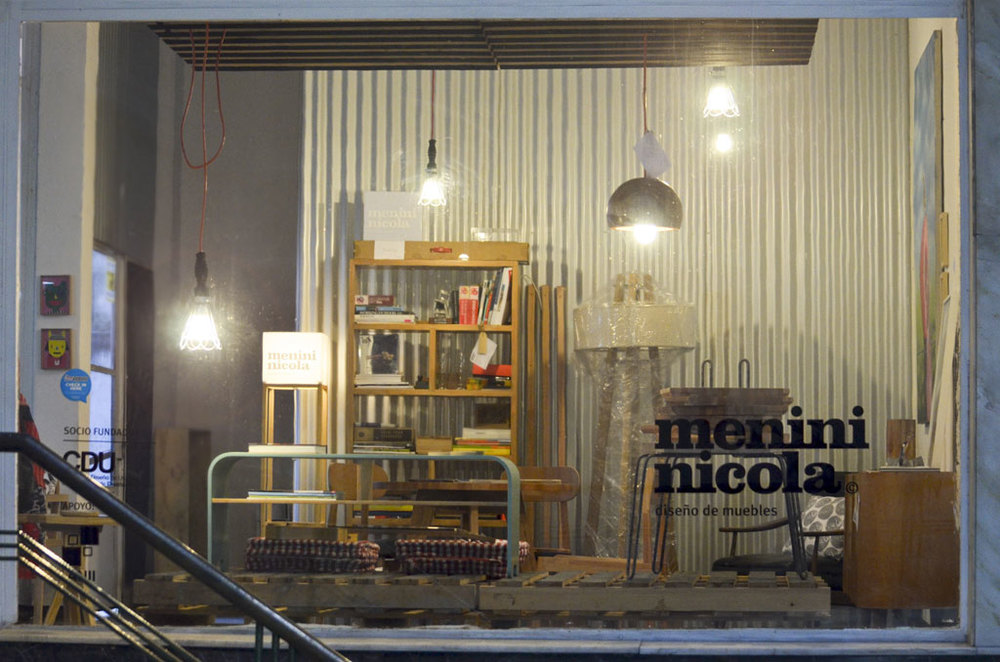
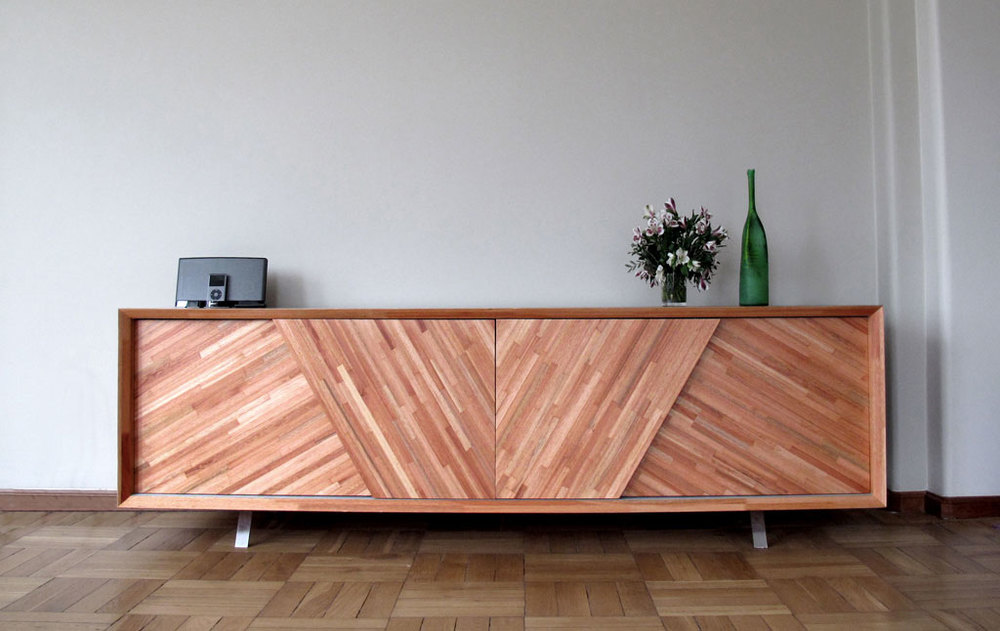
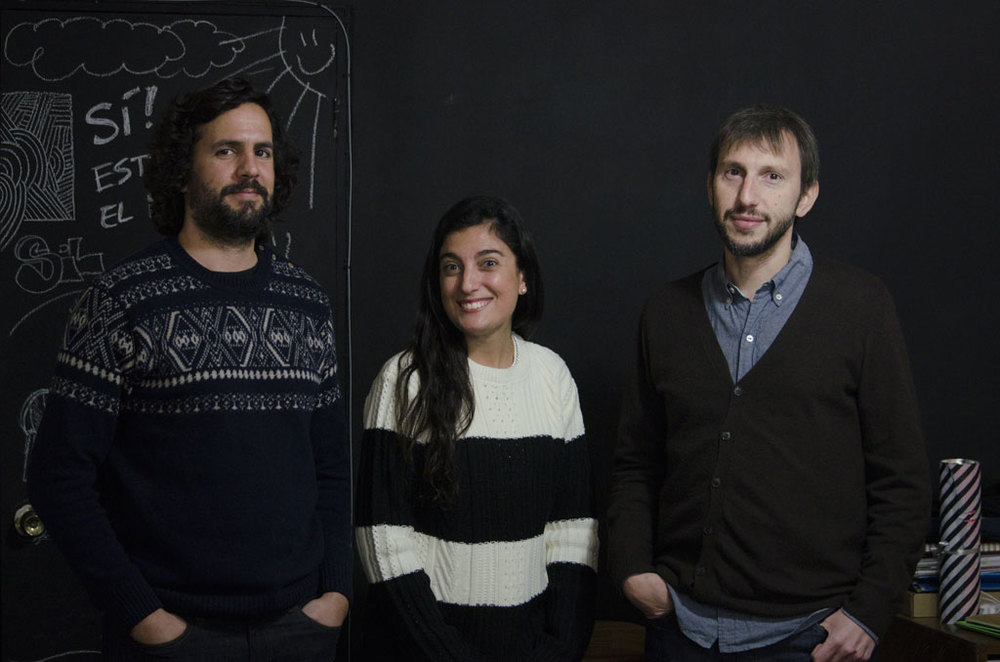
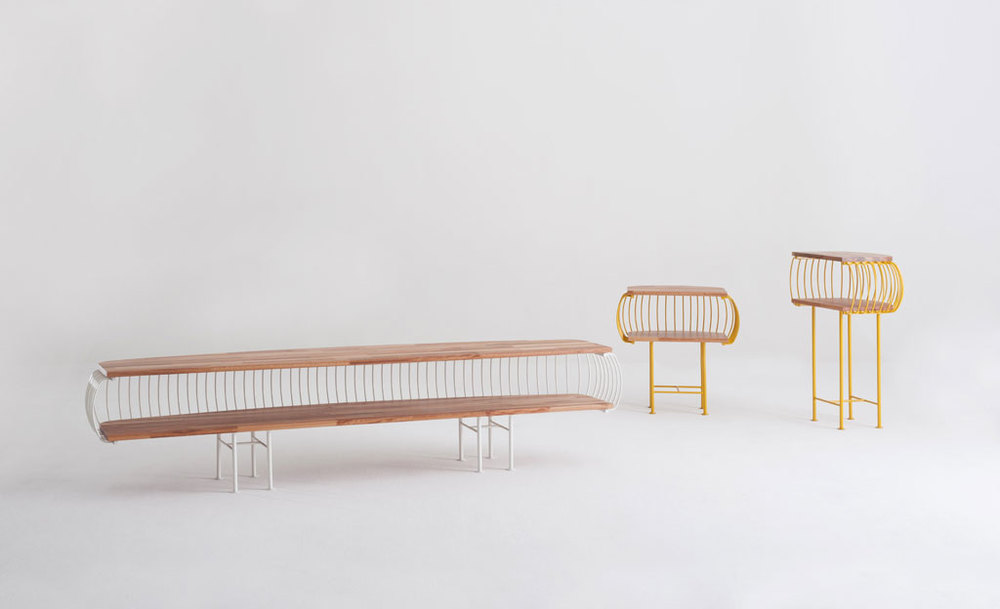
    Menini Nicola is an industrial design studio founded in 2008 in Montevideo, Uruguay. The studio has made its own name in the country, offering design services and design licenses, and directly commercializing products from their portfolio in Uruguay.

    We talked to the founders of Menini Nicola, Agustín Menini and Carlo Nicola, about the beginnings of their studio, the design scene in Montevideo and their favourite places in the city.

    Read the interview after the photos.

    www.menini-nicola.com

    What made you start Menini Nicola?

    It was mainly our interest in turning our hobby into our full-time job.

    When we were university students, we realised that furniture design was one of the things we liked the most. We used to work in advertising, spending our free time meeting with a friend who makes furniture to work on concepts that we would later send to design contests. We got more involved and in 2008 we received 2 awards at Salão Design Movelsul in Brazil. During that trip between Montevideo and Porto Alegre, Menini Nicola was born.

    How is being a designer in Uruguay? Are your designs influenced by the country?

    Being a designer in Uruguay is not very common and we would even say it is a privilege. On the other hand, the industry is growing and the design community in the country is going through a good phase. We, Uruguayans, tend to say that there’s not much going on in the country but this seems to be changing.

    Nowadays, Uruguay has a Chamber of Design for graphic, textile, product, interior and landscape designers. We also have some government funding and there are weekly events dedicated to design. There are new brands emerging and the established labels are growing – it is a good moment for Uruguayan design.

    Regarding our influences, we’re still finding our limits and trying to discover our own identity. We work with local materials and manufacturers, designing solutions and coming up with ideas based on what’s available around us.

    What’s your favourite project/product you’ve worked on?

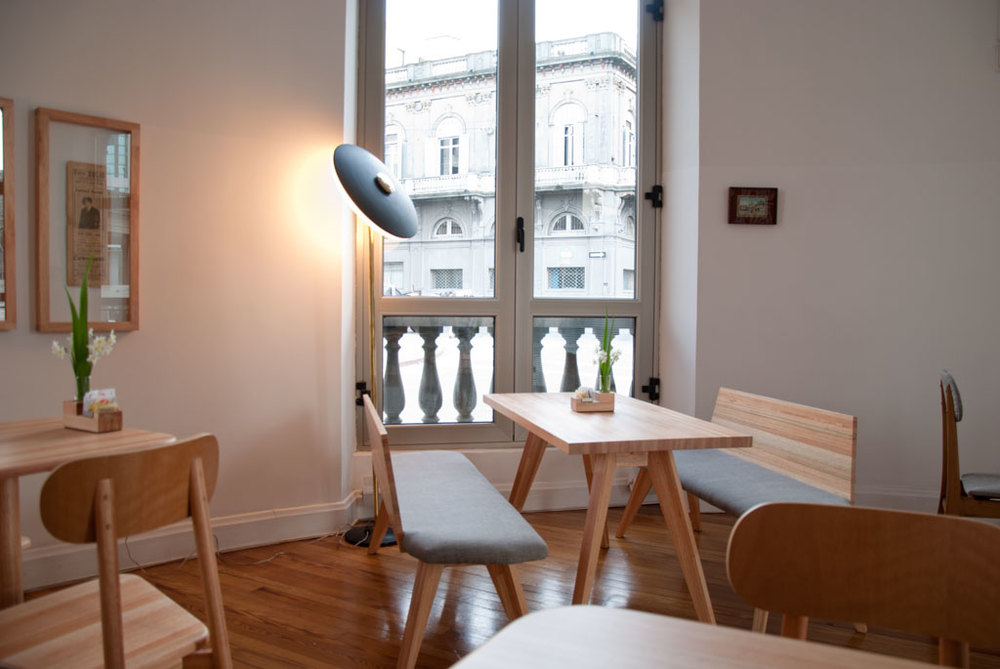
    One of our favourite projects was the design of the food area of the Mercado Agrícola de Montevideo (MAM). This market is one of the most iconic buildings in the city – it opened its doors in 1913 and was renovated in 2013. We were in charge of designing the furniture for the food area and other spaces in the building. The chair we designed was built under a series of requirements related to resistance, ergonomics, manufacturing costs and use of similar materials to the rest of the building.

    The conceptual side of the design was linked to the origins of the market. The chair represents a historic moment and draws inspiration from the industrial revolution, the Exposition Universelle of 1889 in Paris, the good economic moment Uruguay went through in the early 20th century and the Belle Époque’s influence in Montevideo.

    The chair wants to grab people’s attention, using a very formal language and becoming a representation of our times.

    We want to know more about Montevideo. What places shouldn’t we miss in the city? Could you recommend us other designers/artists based there?

    We would recommend going on a stroll on the promenade along the coast, visiting historic neighbourhoods such as Prado, spending the evening at MAM or enjoying the drum celebrations in Barrio Sur and Palermo. Montevideo is a city that should be visited on foot – despite being the capital of the country, it is a small city with lots of secrets.

    Montevideo is currently going through a very special moment with lots of things happening in the city. In the cultural scene, the Ballet del Sodre – with Julio Bocca as Art Director – is a very popular show which usually sells out one month before the opening. Street art is also becoming more important in the city and new galleries such as Kiosco and studio designs like Mundial and Atolon de Mororoa are emerging.

    There are also new initiatives popping up in the city such as el Club de la Cerveza (the Beer Club), where you can enjoy unique and secret dinners. The Ciudad Vieja (Old Town) is a great area for spending a day around, stopping for breakfast in Jacinto and visiting the antiques fair, having lunch at Mercado del Puerto and finishing with a snack at La Pasionaria, where you can visit the current exhibition and see work by local artists and designers.

    Collaboration is an important element in Montevideo’s creative scene. For example, Estampapas is a textile objects project founded by a graphic designer from Uruguay with a textile designer from Argentina. There’s also Sabandija, composed by another textile designer and a product designer and El Bosque de Robles.

    You need to come and discover the city during this moment of creativity growth.