Category: Shop

  • How Mindful Shopping Benefits You and the Planet

    Every purchase we make has an impact, not only on our finances but also on the environment. As conversations around sustainability continue to grow, more people are becoming aware that shopping mindfully can make a real difference. Rather than buying on impulse or always choosing brand-new products, mindful shopping encourages consumers to think carefully about what they buy, where it comes from, and how long it will last.

    Making more thoughtful purchasing decisions benefits both individuals and the planet. It can help reduce waste, save money, and support a more sustainable economy without requiring dramatic lifestyle changes.

    What Is Mindful Shopping?

    Mindful shopping means making intentional purchasing decisions rather than buying items simply because they are convenient or on sale. It involves considering whether a purchase is genuinely needed, how often it will be used, and its environmental impact. While no one can make the perfect choice every time, making more thoughtful decisions can collectively have a significant positive effect on both your finances and the planet.

    There are many ways to shop more mindfully, including:

    • Buying second-hand: One of the simplest ways to reduce your environmental impact is by purchasing pre-owned items whenever possible. Furniture, home décor, bicycles, garden equipment and electronics are often available in excellent condition and have many years of useful life remaining. Buying second-hand extends the lifespan of products that might otherwise end up in landfill while reducing the demand for new manufacturing, which requires raw materials, energy and water. If you’re purchasing larger items, transport doesn’t have to be a barrier, either. Services such as www.shiply.com make it easier to arrange delivery by connecting buyers with transport providers, making second-hand shopping even more convenient.

    • Choosing sustainable products: When buying new, look for products made from responsibly sourced or recycled materials. Many brands now place a greater emphasis on sustainability, allowing consumers to make choices that have a lower environmental impact.

    • Supporting ethical businesses: Mindful shopping also means considering how products are made. Supporting companies that prioritize fair working conditions, responsible sourcing, and environmentally conscious manufacturing encourages more sustainable business practices.

    • Buying quality over quantity: Investing in well-made products that are designed to last often proves more economical than repeatedly replacing cheaper alternatives. Although the initial cost may be higher, durable products typically save money and reduce waste in the long run.

    • Repairing instead of replacing: Before throwing something away, consider whether it can be repaired or refurbished. Extending the life of clothing, furniture, electronics, and household goods helps reduce waste while making the most of resources that have already been used to produce them.

    Mindful shopping isn’t about being perfect. Instead, it’s about making small, conscious choices that reduce unnecessary consumption, support more sustainable practices, and help create a healthier planet over time.

    What Are The Benefits? 

    • Reducing waste and consumption

    Mindful shopping helps reduce the amount of waste sent to landfill each year. By buying only what is needed, choosing reusable products, and extending the life of existing items, consumers can significantly cut down on unnecessary waste.Even small changes, such as avoiding single-use items, choosing refillable products, or repairing damaged goods, can make a meaningful difference over time.

    • Lowering carbon emissions

    Another important environmental benefit of mindful shopping is the reduction of carbon emissions. Producing new goods often involves energy-intensive processes, from extracting raw materials to manufacturing and global shipping.

    • Conserving natural resources

    Mindful shopping also helps protect the planet’s limited natural resources. Many everyday products rely on materials such as wood, metals, oil and water, which take time to replenish or may be finite. By reusing existing items and choosing durable products, consumers reduce the need for constant resource extraction. This helps preserve ecosystems, protect wildlife habitats and ensure resources remain available for future generations.

    • Reducing landfill waste

    Landfill sites continue to receive millions of tonnes of discarded goods every year, many of which could have remained in use for much longer. Furniture, clothing, electronics and household items are often replaced well before they reach the end of their usable lives.

    Being more mindful and shopping second hand helps slow this cycle of disposal. Every reused item represents one fewer product entering landfill and one less new item needing to be manufactured. Reducing waste also helps conserve valuable natural resources, including timber, metals, plastics and water, all of which are required during the production process.

    • Supporting a circular economy

    Mindful shopping contributes to what is known as the circular economy. Instead of the traditional pattern of producing, using and discarding products, a circular economy keeps materials and goods in use for as long as possible. Buying, selling, repairing and reusing products all support this model. Rather than viewing second-hand goods as inferior, more consumers now recognise them as a practical and environmentally responsible choice.

    As demand for pre-owned products grows, businesses are also investing in refurbishment, resale and repair services, creating new economic opportunities while reducing environmental impact.

    Making More Thoughtful Purchasing Decisions

    Mindful shopping is about more than buying second-hand. It also means resisting impulse purchases and considering whether an item is genuinely necessary. Before making a purchase, it can be helpful to ask a few simple questions:

    • Will the item be used regularly? 

    • Is there a second-hand version available? 

    • Is it built to last? 

    • Could something already owned serve the same purpose?

    These small moments of reflection often lead to better purchasing decisions, reducing clutter while helping consumers spend their money more wisely. No single purchase will transform the environment overnight, but the combined effect of millions of thoughtful decisions can be significant.


  • Where Does Security Matter in Your Online Retail Store?

    Security is very important in online retail stores. Protecting customer information, guaranteeing transactional safety, and upholding reputational sanctity are vital in maintaining trust while stimulating growth in the digital sphere. But where exactly does security factor in? In this blog, we will look at some of the areas where it makes a difference for your store.

    Image by Gerd Altmann from Pixabay

    Securing Customer Data and Privacy

    Customer trust is the foundation of every successful online business, so keeping their information safe is non-negotiable. Any data breach could have devastating repercussions, including identity theft, financial losses, and trust erosion for your brand. SSL (Secure Socket Layer) encryption technology should be used during transmission, while privacy policies such as GDPR and CCPA ensure compliance, assuring your customers that their information will be in safe hands.

    Protect Payment Gateways

    Payment processes represent one of the most vulnerable components of an online retail store, making them prime targets for cybercriminals looking to steal credit card details or intercept financial transactions. Ensuring mobile payment security and payment gateway protection are important components in maintaining customer trust and protecting their financial data. Partnering with a payment gateway provider that adheres to PCI DSS (Payment Card Industry Data Security Standards) adds a solid defense against potential breaches, while using more secure payment methods, like tokenization or two-factor authentication (2FA), further protects security, offering your customers an enjoyable shopping experience.

    Protecting Your Store From Fraud and Cyberattacks

    Cybercriminals often target stores through fraudulent transactions, account takeovers, and distributed denial-of-service (DDoS) attacks to cause financial losses, operational downtime, and reputational harm. By investing in solid anti-fraud tools and firewalls to identify suspicious activity early, automated fraud detection systems monitor transactions for irregular patterns while strong password policies and CAPTCHA ensure account security. You’ll have better odds at protecting against fraud than leaving yourself open to these threats.

    Ensuring Inventory and Operational Security

    Your online retail store stores more than customer data. It also stores sensitive internal information related to your inventory, suppliers, and operational processes that could compromise your business operations or lead to unauthorized access of your systems. As part of your security measures for operational protection, using multi-factor authentication for administrative access as well as restricting permissions depending on the user roles can help make sure that the integrity of these critical elements of protection. Also, regularly updating the software and applications protects against exploited vulnerabilities within outdated systems.

    Preparing for the Unexpected with a Response Plan

    No online store can completely avoid security challenges, so being ready for whatever may come is very important. A response plan acts as your safety net in case a security incident does occur and should provide swift responses that reduce the damage as soon as possible. Your incident response plan should address detection, containment, eradication, and recovery as part of its comprehensive approach. Also providing backup copies and cybersecurity training will further strengthen its preparedness.

    Conclusion 

    Your online retail store’s security matters on every front, from protecting your customer data to deterring fraud and cyberattacks. When you take proactive measures such as adhering to regulations and showing that you care about their safety, you can safeguard your business and build solid trust among your shoppers.

  • Lockdown Stories: Earl of East

    Lockdown Stories: Earl of East

    Lockdown Stories is a series of short interviews with creative entrepreneurs and businesses that have been affected by the COVID-19 crisis. Since its beginnings, the main goal of Future Positive has been to share inspiring projects happening all around the world and, during these strange and difficult times for independent businesses and creators, we want to continue providing support and visibility. If you’d like to be featured in this series, please get in touch at hello@thefuturepositive.com and tell us your story.

    Earl of East
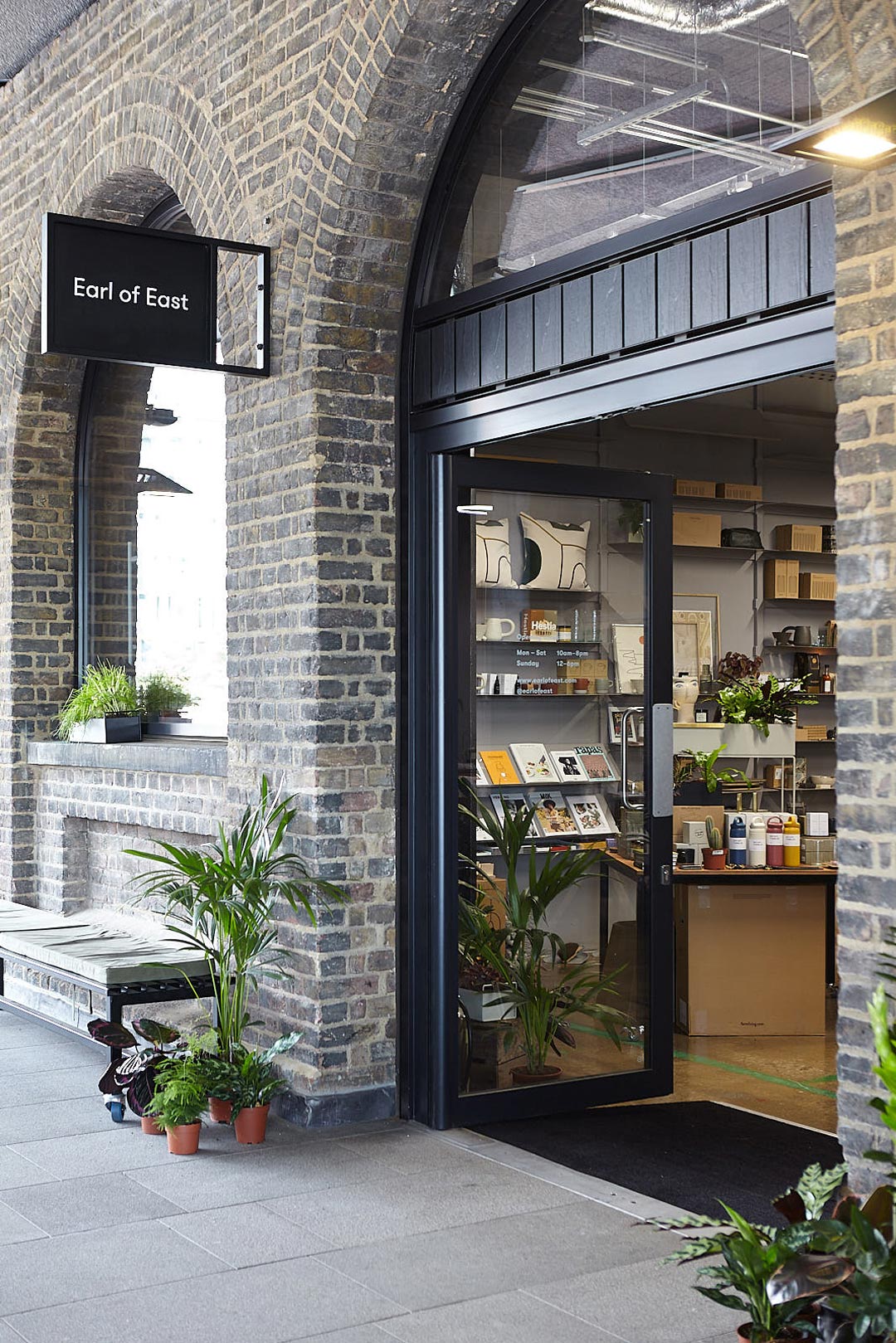
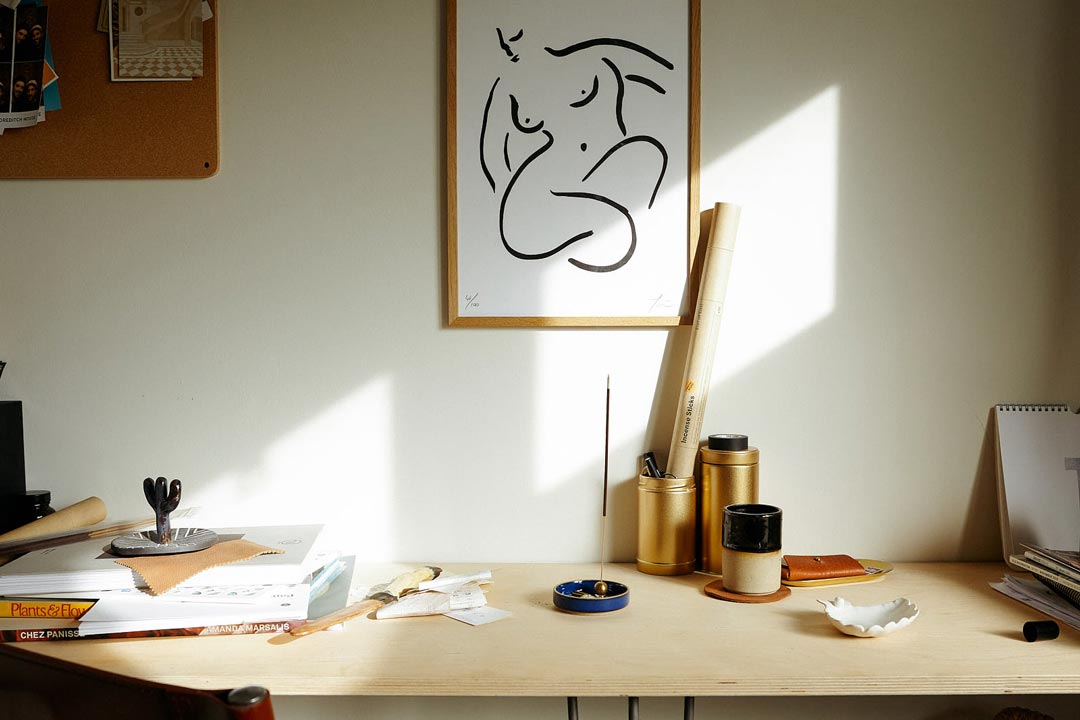
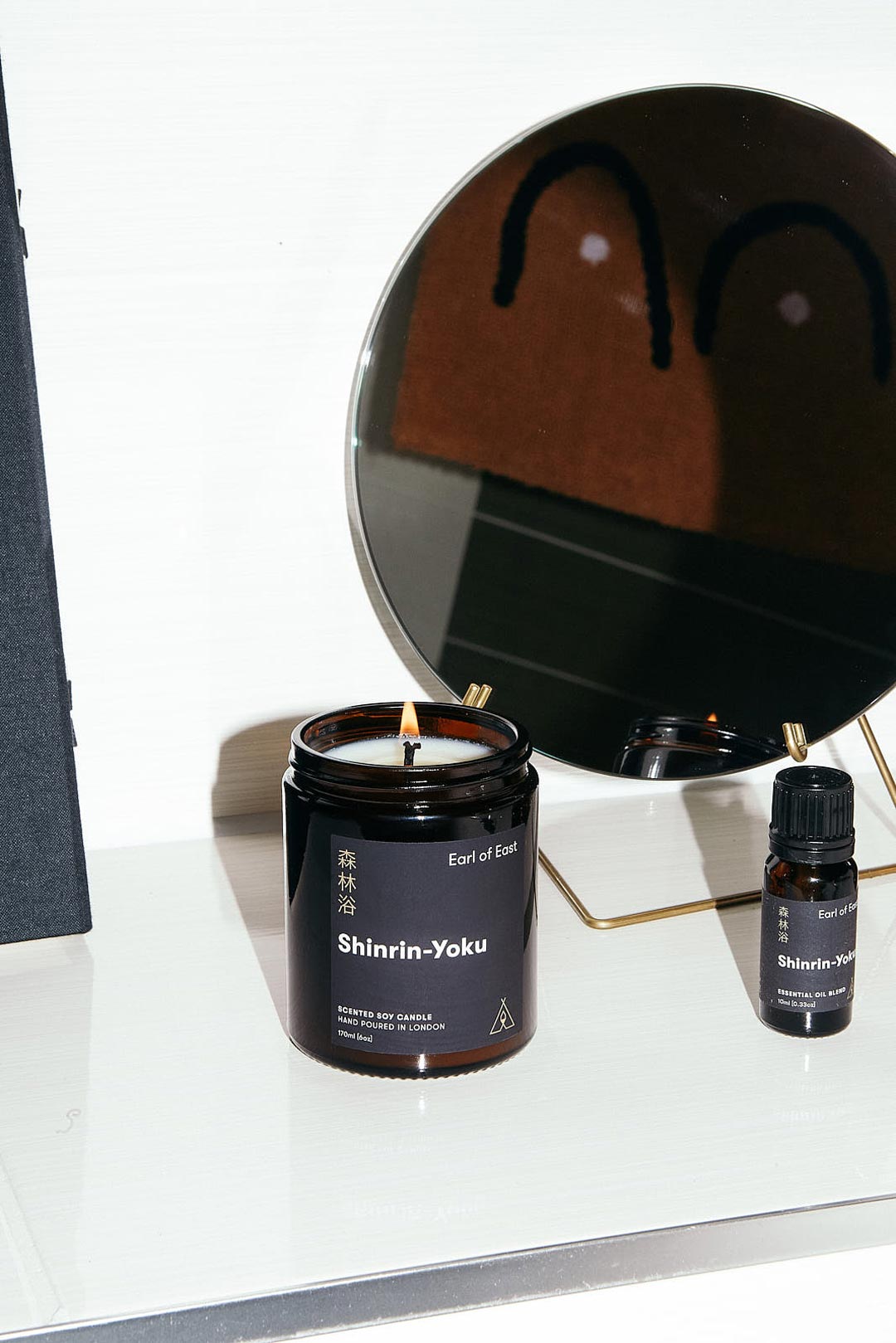
    Lifestyle brand, started in 2014 by partners Niko Dafkos and Paul Firmin, with 3 multi-concept stores in London, alongside their own home fragrance, bath, and body line, which is manufactured in-house.
    Location: London, UK
    www.earlofeast.com

    When did the lockdown start for you and how has your business been affected?

    Things really start to change in early March. As Covid-19 began spreading worldwide, we first felt the effects in our flagship store in Coal Drops Yard, as footfall started to decrease. However, it was on the 19th of March when we made the decision to close the stores, just a few days before the official lockdown as we felt the need to protect our staff and customers.

    All three store locations have been closed since, and as a result so has our program of workshops and events, which are a major part of our business. We have been able to continue with online, and with manufacturing, although on a much more reduced scale. We have since furloughed around 60% of the team, creating a skeleton team to ensure core functions continue.

    Have you found any new ways of working or have come up with new product ideas during this time?

    We were able to pivot quickly, firstly by reaching out to corporations we have worked with previously to create client care packages, and then in the creation of our virtual workshops which are hosted through Zoom. Not only did this allow us to keep the cash flowing it also gave Niko and I real purpose whilst everything began to take a turn for the worse in terms of the spread.

    We have also become much more content focussed on our site, creating a series of content called Ritual over Routine and releasing interviews. We were actually working on both before this happened but it allowed us space to really focus on this new side of the business. Working with the skeleton team, and remotely in what is usually a very much hands-on business has been difficult, but we have a good team in place and daily check-ins and clear tasks have allowed for a new structure to develop. We have really had to rethink a working week and structure our days to always include work, it’s definitely a work/life integration over ‘balance’ but it’s allowing us to stay motivated in what could be a very depressing time.

    We released a collaborative project with KayK goods which is a move to a new category, it wasn’t planned to be a digital launch but we wanted to stick to our time plan, and we created some nice content for the launch. In addition to this, we are currently developing a new line, so we have been able to focus on this, and extensions to our Japanese Bathing Line which has become a best-seller in the last year and has gained particular attention in the last few weeks. We are also in the middle of a project with an agency, which is really exciting.

    What are some of the positive takeaways you have experienced during this time?

    As a team, we have learned a lot and become stronger, I think this can only be viewed as positive. From a business owner standpoint, we have had to face challenges and overcome something unimaginable just a few months ago, you learn a lot through difficult times and I think it has helped us to look at our company again and redefine what is really important. We have seen which areas of the business need more focus, and which are working well. We have seen a lot of traction online and with our community, that has been really positive and something we want to continue to build on.

    From a personal level, Niko and I only made this business our full-time jobs last September, after five years of it being our side-hustle. We had struggled to find a real pattern of work and this has given us the space to determine that, and our actual roles and responsibilities beyond just being founders. It has also given us space to dedicate some time to ourselves, to eating right and exercise, which are essential to long-term success in all areas of life.

    How do you see your business evolving over the next few months?

    It’s really hard to determine right now, but what we know is that our strategy is to protect what we have and build on the great customer base we have built in the past few years.

    The new normal will certainly affect our stores, we are currently making plans to change the spaces and make sure they work well for social distancing and that our team are provided with the safest environment. The structure of our events will change for the foreseeable, and we see digital events still playing a part in that schedule moving forward.

    Wholesale will change but we are unsure of the ways yet, having stockists worldwide has meant we have felt the effects at different times, we have also taken on new stockists during this time and have some exciting new projects in the works. In terms of digital, our focus will remain on becoming more content-driven, we are adding a lot of new products and categories to the site, and these will roll out in-store too. We also hope to release more new products.

  • Resident Store

    Resident Store

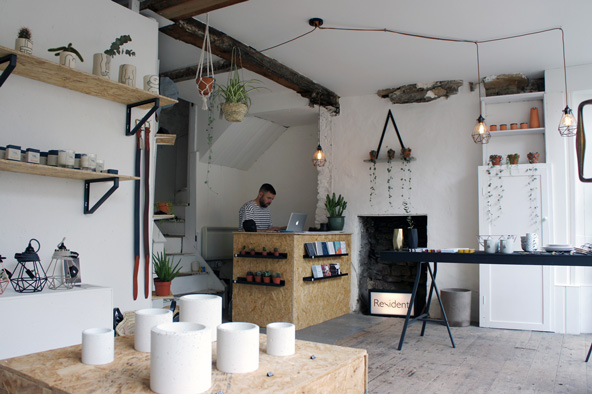
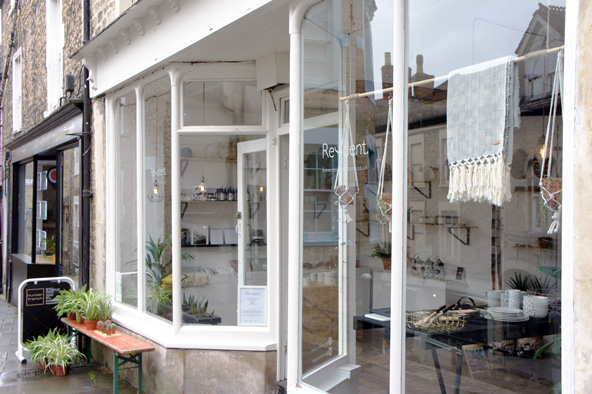
    Founded in 2015 James Borley and Greg Avis, Resident is a store bringing together a curated selection of homewares, accessories and grooming products from UK and international designers like Matia Mollenbach, Daniela Rubino and Louise Madzia. After its first location in London, Resident has just settled in a new home in Frome, Somerset.

    We talked to James and Greg to find out more about what made them start their own shop, what customers can find at Resident and they’re plans for the upcoming months.

    www.residentstore.co.uk

    All photos by Resident.

    Future-Positive-Resident-2-Low

    You design your own lighting products as The Electrical Shop, what made you start a store selling other designers’ goods?

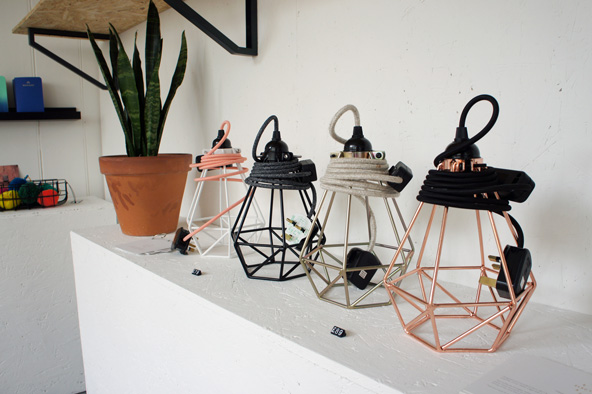
    It was a very organic process. We started off making and selling lights and began to meet other designers and makers at events and markets who were doing a similar thing to us, but working with different products.

    As a result, we started to build up a collection of really great stuff made by great people that we wanted to showcase, and so Resident was born.

    Future-Positive-Resident-1-Low

    Please give us an overview of what type of products visitors can find in Resident.

    It’s very hard to pin down a certain type of product, but visitors can expect to find a carefully curated selection of homewares and accessories.

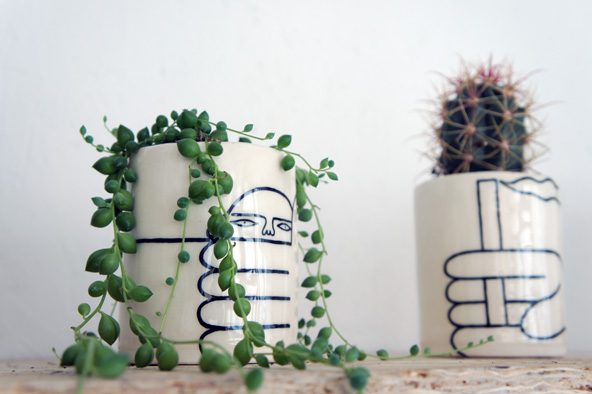
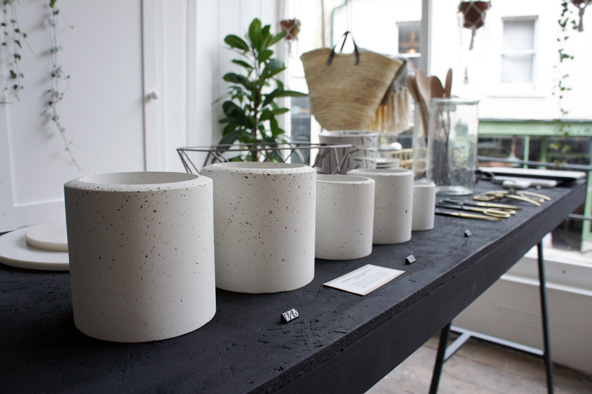
    Everything from ceramics, tableware, books and magazines through to accessories, candles and chocolate! It’s a varied mix that we like to change up regularly.

    Future-Positive-Resident-5-Low

    What are the main characteristics a product must have to be stocked in Resident?

    First and foremost we have to love the product! We also love to work with independent designers and makers based in the UK; but that does also extend to Europe and the US with some of the stuff we carry!

    Essentially, if a product is well-made, well-designed and if the person who makes it gets what we’re trying to achieve with the store then that’s a pretty good start.

    Future-Positive-Resident-3-Low

    Tell us a little bit about the building where the shop is and the renovation plans for the upcoming months.

    It’s Grade II listed townhouse originally built in the late 17th Century in the beautiful Somerset town of Frome. As well as being listed, we’re also in a conservation area so we are up against it somewhat with renovation plans!

    We’re working with a great local architect (James Grayley Architects) to completely renovate the two floors above (where we live) and will finish by doing the same on the ground floor and eventually end up with a shop space twice the size it is now. This will allow us to not only expand our range, but also enable us to host events and workshops. Plus, we have a licence, so who knows what the future may bring!

    Future-Positive-Resident-4-Low

    You moved to Frome from London. Could you tell us a little bit about what visitors can find in the town?

    Frome is a fantastically quirky place. One side is a slowly decaying 70s concrete shopping centre, whilst the other side is a very vibrant independent retail scene.

    The local council has gone to great lengths to promote indie businesses by scraping business rates and helping to fund a mammoth monthly market (the Frome Independent) which takes over the town each month bringing around 10,000 people into the town.

    Catherine Hill offers great shopping opportunities – alongside us there are menswear shops Assembly and Kushi Clothing, indie record shop Covers Vinyl and a myriad of vintage clothing shops. Plus there’s great coffee at Crocker and Woods and fantastic food at the River House and High Pavement Cafe.

  • Thisispaper Store

    Thisispaper Store

    Thisipaper is a multidisciplinary design studio founded in 2011 and based in Warsaw. Working on different projects, ranging from graphic design and art direction to retail design and print publishing, Thisipaper have established themselves as one of the most exciting studios emerging from Poland.

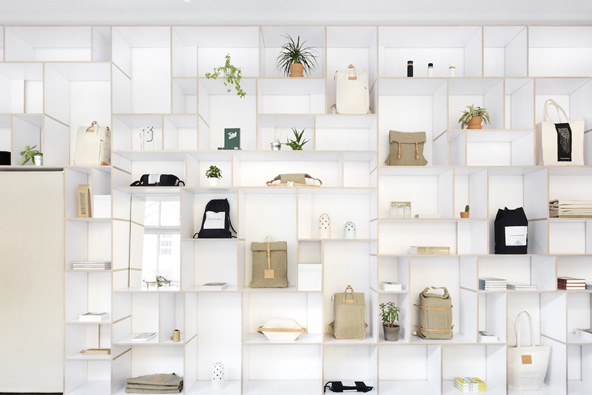
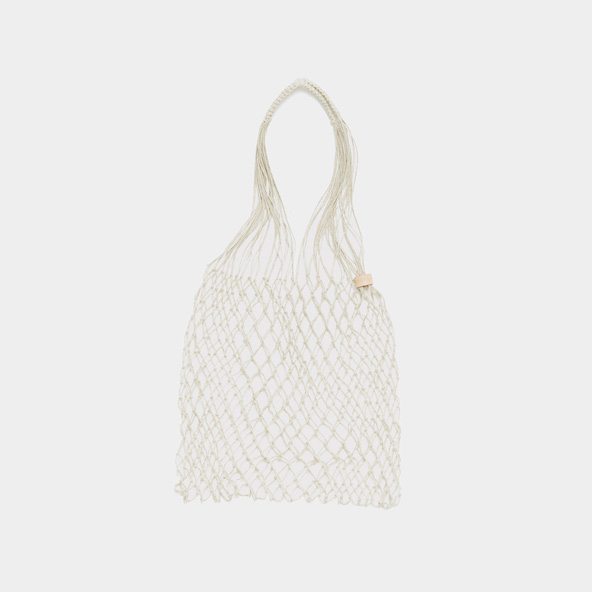
    You might know Thisispaper because of their magazine and nicely curated blog, but they also design their own bags, all made by hand in their workshop and using local materials. Until recently, all their products were only available through their online shop but now you can also visit their new space on Odolańska 6/8 in Warsaw.

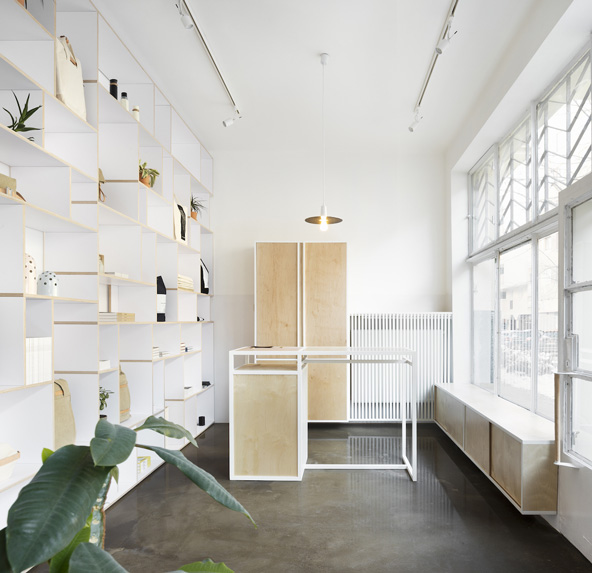
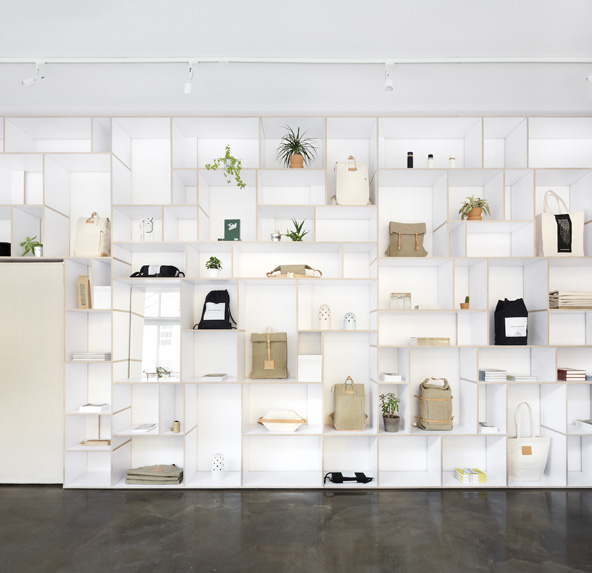
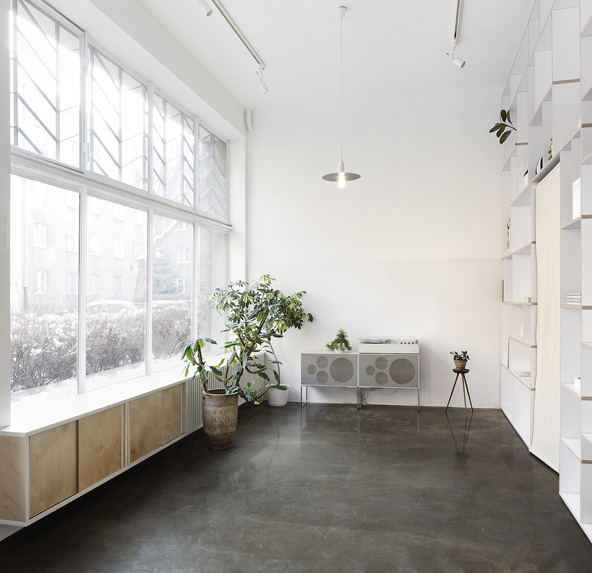
    The new store features a quiet and clean interior as a result of the transformation of a dental clinic from the soviet era and it is located just next to the studio. Apart from the Dieter Ram’s Braun Audio 1 Stereo which fills the interior with sound, the main element of the space is the wall-to-wall shelving system designed in collaboration with Polish design firm TYLKO and showcasing all of Thisipaper’s products.

    www.thisispaper.com

    Store images by Maja Wirkus
    Product images by Max Zielinski

    Future-Positive-Thisispaper-4-low Future-Positive-Thisispaper-1-low Future-Positive-Thisispaper-5-low Future-Positive-Thisispaper-2-low Future-Positive-Thisispaper-6-low Future-Positive-Thisispaper-3-low