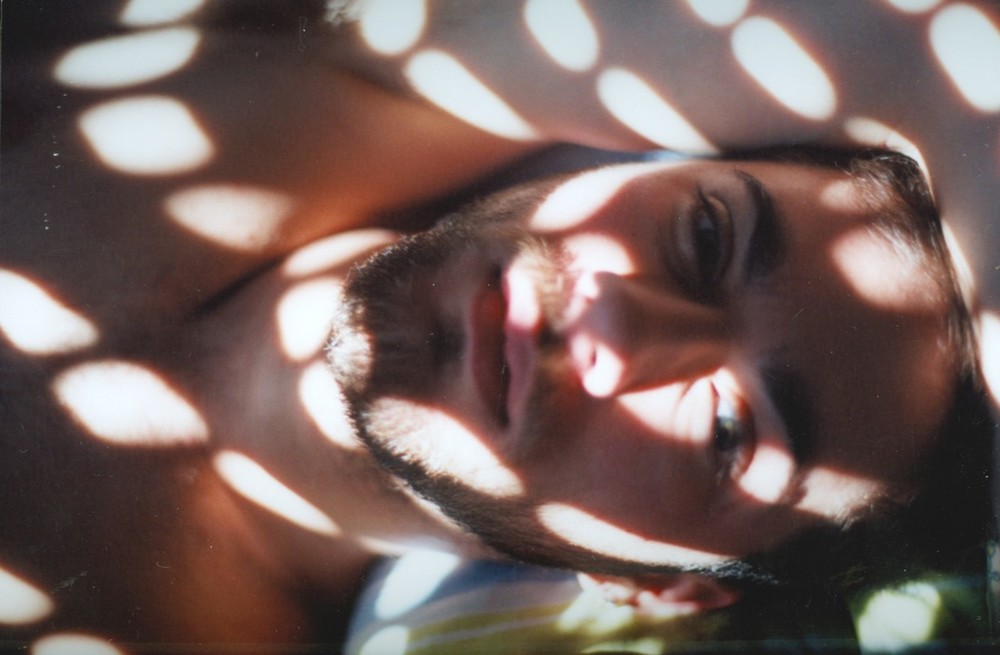
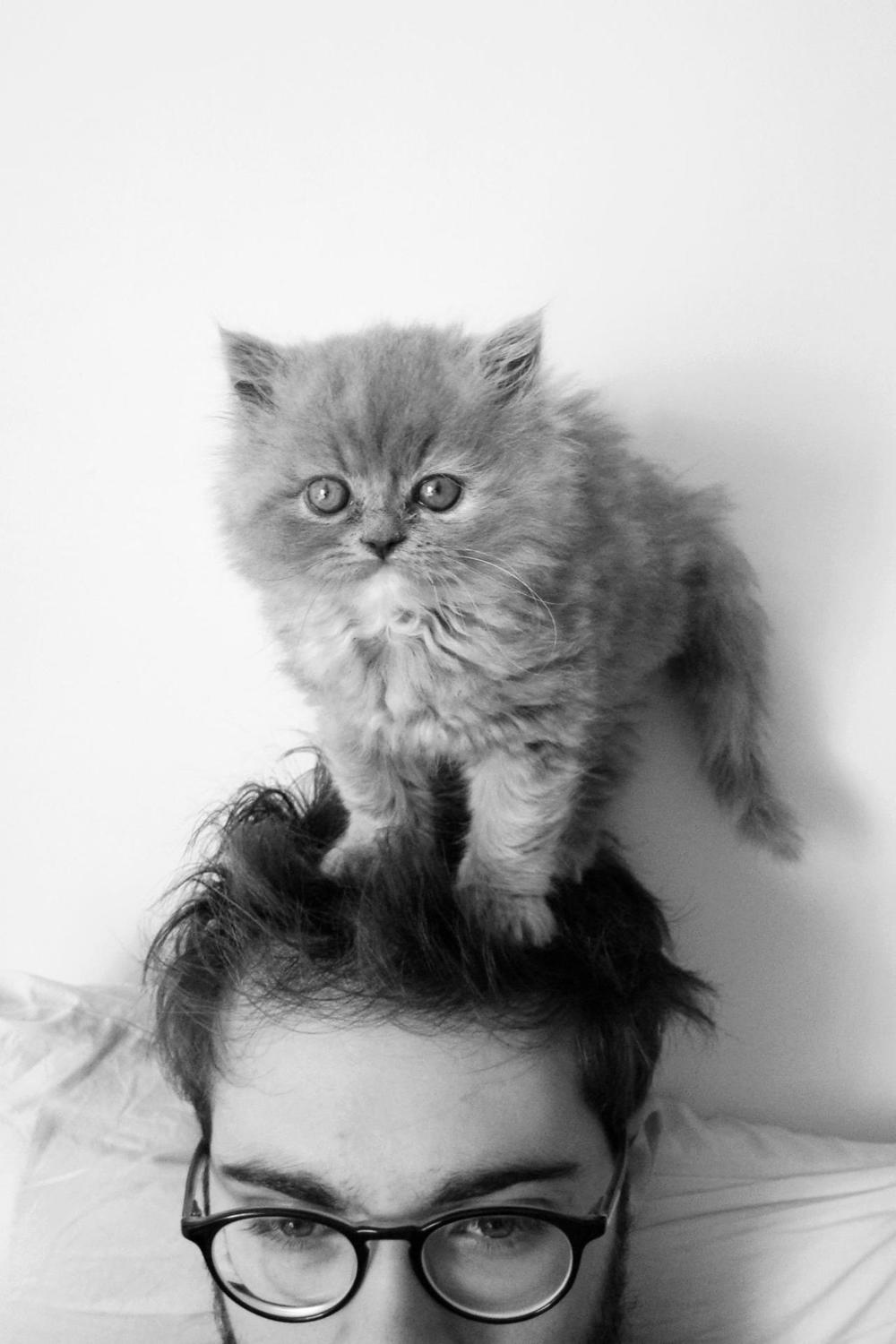
Christopher Smail is a freelance arts journalist and editor living in Edinburgh. Christopher’s sister, Katy, is an illustrator based in Brooklyn, New York.
When we met Christopher a couple of weeks ago and he told us about his sister, we thought it would be interesting to witness a conversation between these two siblings and find out more about their childhood and creative upbringing.
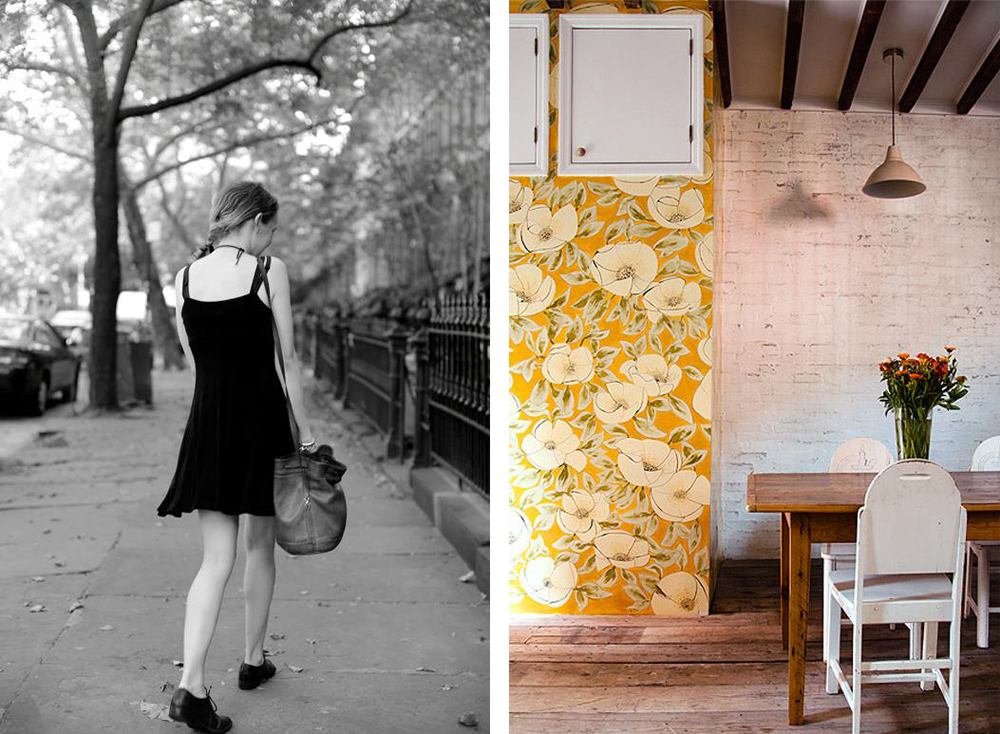
Hey sis, what are you working on at the moment?
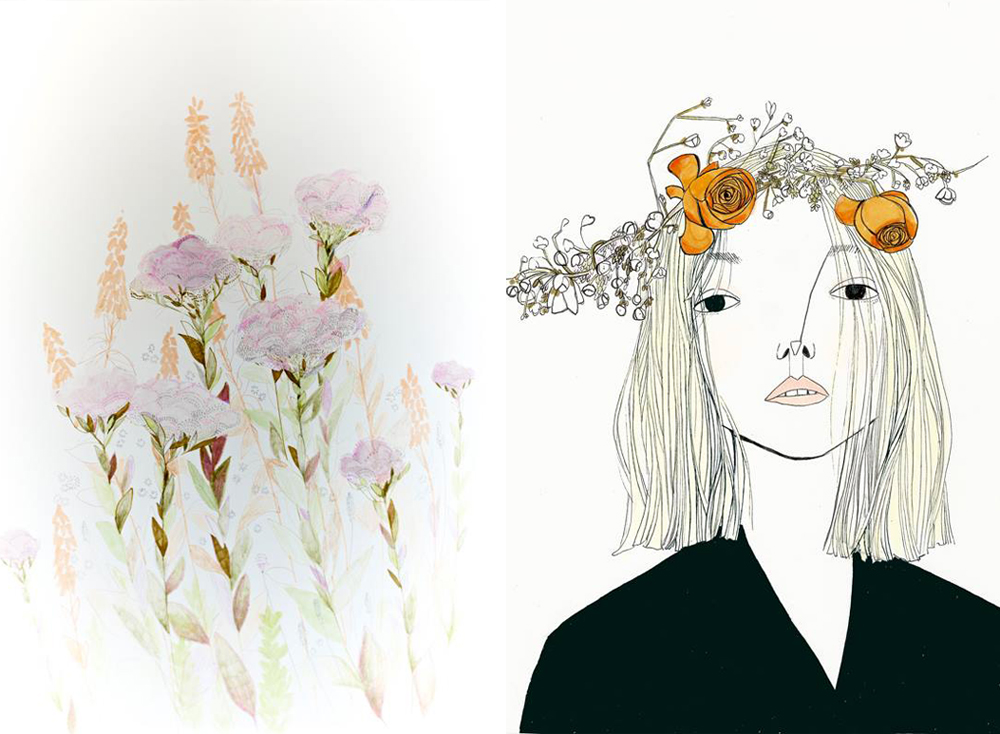
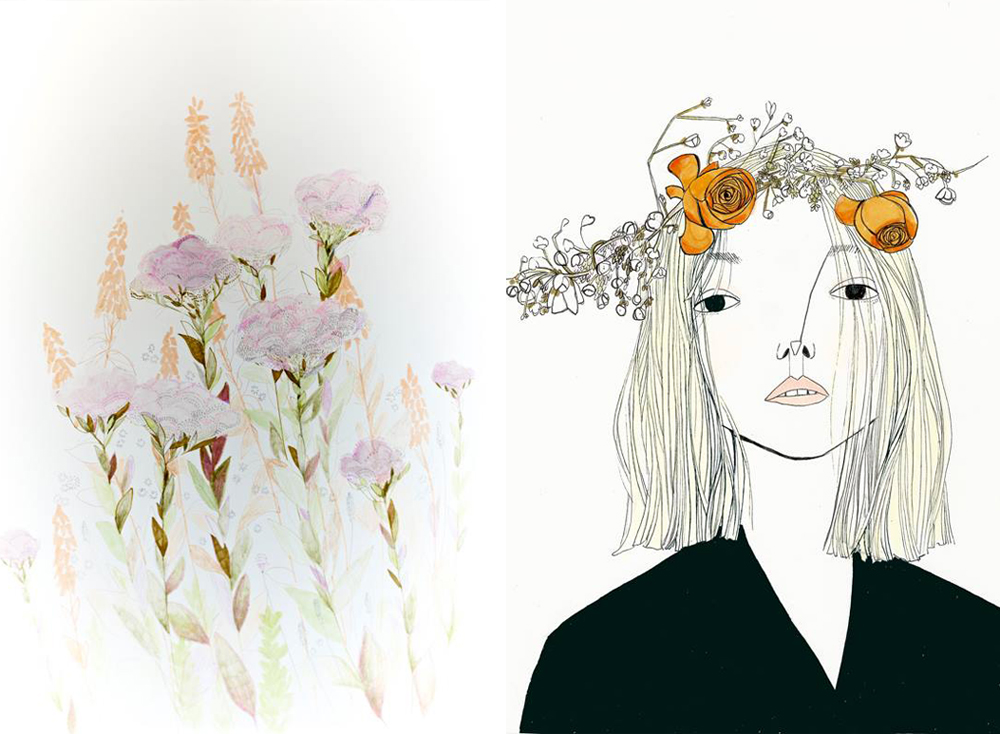
At the moment I am working on some stock designs for my wedding stationary business, a job for seventeen magazine, a new print design and ideas for a new series of botanical inspired artworks.
Cool, you recently finished a collaboration with the Danish kids clothing line Soft Gallery. What was that like?
It was really wonderful because we have a very compatible aesthetic. They approached me because they liked my style, so felt comfortable to give me quite a bit of freedom with my ideas. For each design they gave me that season’s theme and colour palette and I kind of daydreamed from there.
I appreciated that their style is very soft and dreamy, very artistic for a commercial project. So it was lovely.
Where do you think your drawing talent comes from? There aren’t many people who draw in our bfamily?
I’m not sure. Auntie Elizabeth was always very good at drawing. I remember sitting with her when I was little, just making her draw difficult things like crocodiles because I just thought it was so enchanting that she could do that.
Other then that there are a lot of creative thinkers in our family. Mum is a very artistic person and you and our other brothers do creative things in writing, design and photography. I wasn’t actually very good at drawing when I was little, but like with anything in life, if you love it and practise and learn from the tricky bits you will grow and get better.
I wonder how many other people in our family might have found drawing if they had had the time, space and encouragement to nurture the skill?
Yeah that’s an interesting point. The further you go back in time, the harder it would have been for our relatives to do anything creative.
Exactly. It just might not have been an option.
Too busy being blacksmiths and pushing babies around in old-fashioned prams to draw probably.
God that sounds bleak.
Do you think our childhood influences your work?
Yes. Definitely the purple hills, tangled woods, grey skies and gothic buildings of Edinburgh and the countryside where we grew up. Spending weekends making dens in the garden, running around by rivers and through botanic gardens.
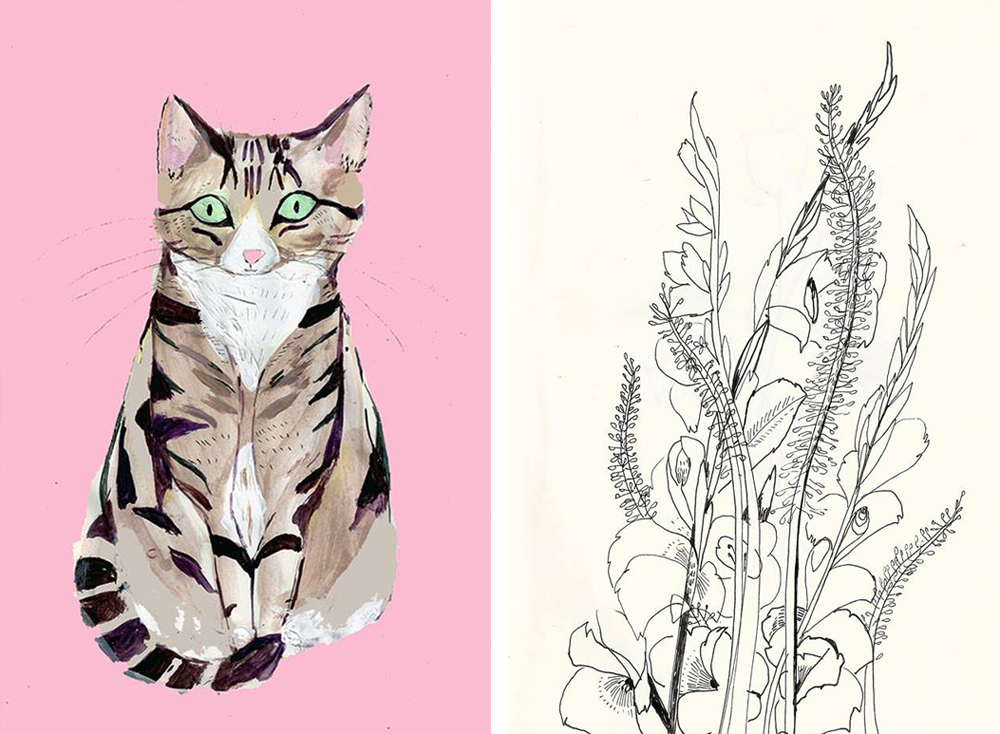
And it is interesting, the longer I live in a city the more drawn I am to drawing the wildflowers and botanicals that surrounded us as children. It is so therapeutic for me.
What are some of your fondest memories of art school in Scotland?
So many. Edinburgh is a wonderful place to study, just the right size and so inspiring. I made so many life long friends in those four years and felt so happy living with my three best friends. We would collaborate a lot, always be bouncing ideas off of each other. I really miss living in such a creative community.
And we had so much fun! Lots of parties and dancing and birthday breakfasts and cosy coffee shops.
Was your exchange in America, at Rhode Island School of Design important in your development as an
artist?
Yes very. As much as I loved ECA, it was a very relaxed, work it out yourself approach to learning and I was just this burning ball of ambition and motivation. I really wanted to be in a stricter working environment where I could be pushed.
RISD certainly gave me that; the teaching was wonderful, the schedule was intense and it really accelerated my development. I think the American work ethic kind of chimed with me.
And now you’re a citizen of the Republic of Brooklyn. What are your top drawing spots in the city?
My apartment! The Brooklyn Botanical gardens and my friend Ariel Dearie’s flower studio. Right now I am looking for a studio to call my own.
What’s your process when working at your desk? Do you have music on? A herbal tea perhaps?
I go through phrases, Lately I have been listening to a lot of BBC Radio 4 online. It helps when I feel homesick! I love women’s hour, I like to feel like I am absorbing knowledge by osmosis whilst working on something else.
And yes, usually a cup of herbal tea and Rosey the cat batting at my pencils as I sit amongst a messy sea of paper flowers.
Ok a list of the biggest influences of your work, in different mediums?
Artists & Paintings: Ellsworth Kelly’s plant drawings, Matisse, Edward Gorey, Henry Darger and Egon Schiele.
Books & authors: Nabokov, Les Enfants Terribles, Gabriel Garcia Marquez, Anais Nin, Isadora Duncan’s memoirs, Patti Smith, Tess of the D’Ubervilles and Sylvia Plath.
For music I most like to draw to: Billie Holiday, Bob Dylan, Karen Dalton and Vashti
Bunyan.
www.whatktdoes.com
www.whitecoffeemagazine.com/tag/christopher-smail