Category: Music

  • The Secret to Planning a Stress-Free Group Night Out in the City

    The anxiety around a social night out with a group usually isn’t about the night itself – it’s about everything leading up to it and following it. The bad choice of location, the loose arrangement, the uncomfortable silences between folks that are not yet friends. If you can just eliminate those factors, the good times often follow.

    Location does more work than you think

    When you’re wrangling ten or fifteen individuals who all live in different parts of this bustling metropolis, the location of that bar is as much a logistical decision as an aesthetic one. Book a central hub with easy public transport links, and you will have fewer people arriving half an hour late and exhausting themselves in last-dash sprints; fewer last-minute dropouts courtesy of zombies who couldn’t face travelling all the way home after work and then trekking right across town; and less time spent loitering with every single stray window-shopping tourist in the vicinity while you wait for the group to assemble.

    That’s why entertainment districts in major city centres consistently outperform neighbourhood bars for group events. A karaoke bar in covent garden, for example, puts guests within walking distance of several major tube lines and easy cab routes, which removes the “how do I even get there” friction that quietly kills attendance before the night begins. Fewer logistical complaints before the event means a warmer, more relaxed group once everyone’s actually together.

    Weekday bookings also matter more than people realise. Peak weekend slots in high-traffic districts fill fast, and the noise and crowd levels at surrounding venues affect your own group’s experience. A Tuesday or Wednesday evening often gets you better room availability, lower ambient chaos, and more attentive service.

    Private rooms fix the social pressure problem

    The main reason why people prefer to sing karaoke in a private room rather than on a public stage has nothing to do with skills. It’s because of the freedom you have. In a private booth, you can control the volume, the speed of the songs, who sings next, when the food or drinks are served, and how many songs you want to sing. This kind of control over your environment alters the entire purpose of gathering.

    When people feel they are being watched by strangers on a stage, it creates performance stress. However, if you’re in a room with friends, you don’t have those issues. It’s more of a bonding activity rather than a performance. In a relaxed, private-room environment, friends are much more likely to share their vocal talents and enthusiasm.

    Song selection is the hidden variable

    This is something that people definitely underestimate: the karaoke songs that people choose have more of an impact on the atmosphere than anything else.

    If you start with a big solo power ballad, you will easily make performance-art spectators. If you start with an intensely familiar, high-participation chorus that everyone half-knows and feels comfortable shouting along to, you immediately lower everyone’s inhibitions and also tee up the fact that they’ll be shouting not singing. Nostalgia helps a lot there – go for 90s pop, classic rock anthems, or anything with a chorus that you know was played at every party you went to for the past twenty years.

    Tell people to choose songs based on nostalgia rather than their vocal range. The songs that elicit the biggest, most forgiving cheers and applause are almost never the songs that show off how “good” a singer you are. They’re the songs that a lot of the crowd knew and loved, stored childhood memories in, once drunkenly pashed someone during, etc. and also knew they could sing very badly while still getting a rousing reception.

    A good digital songbook here also helps. Tablets or touchscreen laptops where you can scroll the list are ideal, sure, but the key is being free from the dreaded ‘choice paralysis,’ where the scroll stalls and nothing’s up there because the person holding the book can’t decide. You need to keep everything rolling, and nothing gets easier than when everyone can browse in private, make their choice, and have the song ready to roll as soon as the previous one’s wrapped.

    Handle the money before the night starts

    Splitting the bill at the end of the night in a group is one of the most certain ways to transform a good evening into a bad one. All-inclusive packages solve this cleanly – a flat room hire rate with a food and drinks credit built in means everyone knows the number upfront, contributions can be collected via a group payment before the date, and nobody’s standing at a card machine at midnight trying to remember what they ordered.

    The pre-payment deposit system tends to reduce the number of last-minute cancellations. Invariably, a few people will drop out no matter what you do, but this tendency will be less pronounced if you have already committed some money.

    Sounds like treating your friends as customers, but it’s true.

    The stress is always in the gaps

    The part that’s stressful isn’t the actual fun – the music, drinks, and people you like. The stress comes from the organizational interstices: who’s driving, how you’re dividing the check, what to do if things get weird. Solve those problems in advance, and the evening takes care of itself.
  • T-Cross Creativity Fest: More Than 1 Thing

    T-Cross Creativity Fest: More Than 1 Thing

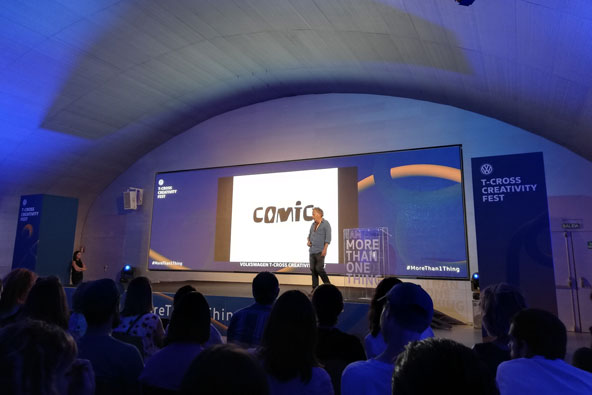
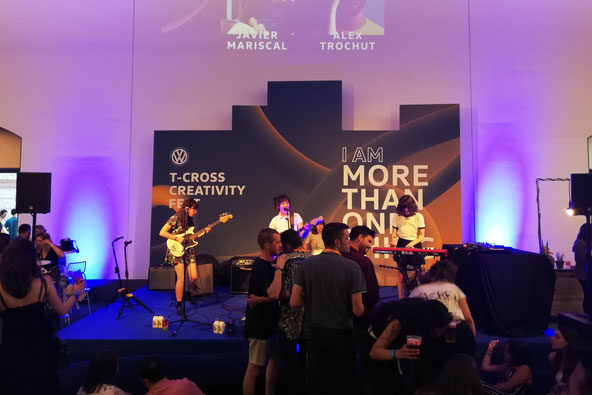
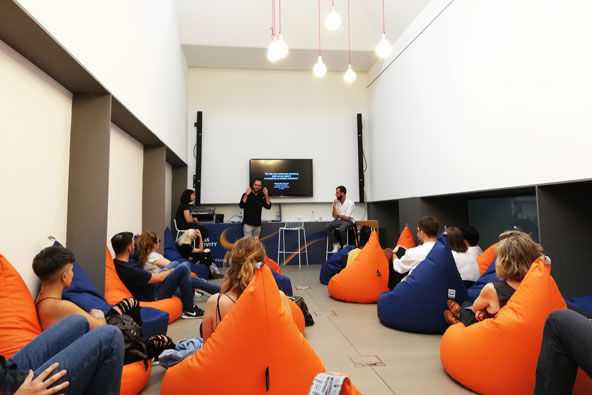
    Last weekend we attended T-Cross Creativity Fest, a new festival organised by Volkswagen in Madrid with the objetive of inspiring people through workshops, talks, gigs and other activities across different areas such as design, art, food, connectivity or technology. A different concept in which we were invited to discover, learn and listen.

    www.tcrossfest.com

    T-Cross Creativity Fest took place at Casa del Lector in Matadero, a former slaughterhouse that is now a cultural and arts centre for promoting innovation in the city. During just one day, attendees could discover the work of different Spanish artists, designers, illustrators and musicians who are shaping the current creative landscape in the country.

    Artists Carlos Saéz and Abel Iglesias created installations that were designed to interact with them. The talks were led by creatives like typeface designer Alex Trochut, data company Domestic Data Streamers, 3D studio Six N.Five or iconic designer Javier Mariscal, who closed the festival looking back at everything he has created throughout his career.

    There were also workshops run by illustrator Monstruo Espagueti, designers Maria Ke Fisherman or graphic designer Arnaud Pi, who shared with the attendees their knowledge and expertise in their areas. And bands and musicians like Adriana Proenza, Melenas or Carlos Sadness played live gigs.

    T-Cross Creativity Fest was created to embrace the values of T-Cross, the new car by Volkswagen designed for those who are more than 1 thing and need the versatility of a vehicle that can adapt to anyone, no matter how many things they do in their daily lives.


  • Emerging art meets the best electronic music at Paraíso Festival in Madrid

    Emerging art meets the best electronic music at Paraíso Festival in Madrid

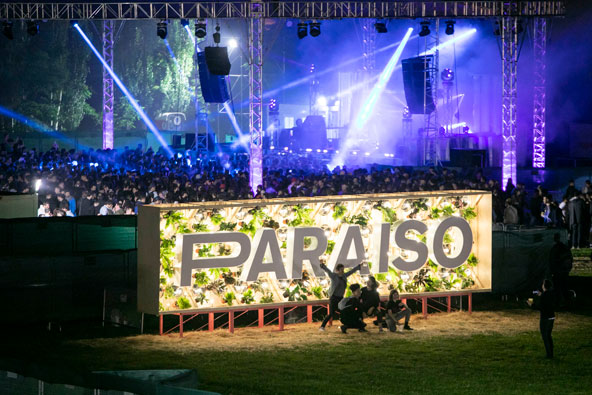
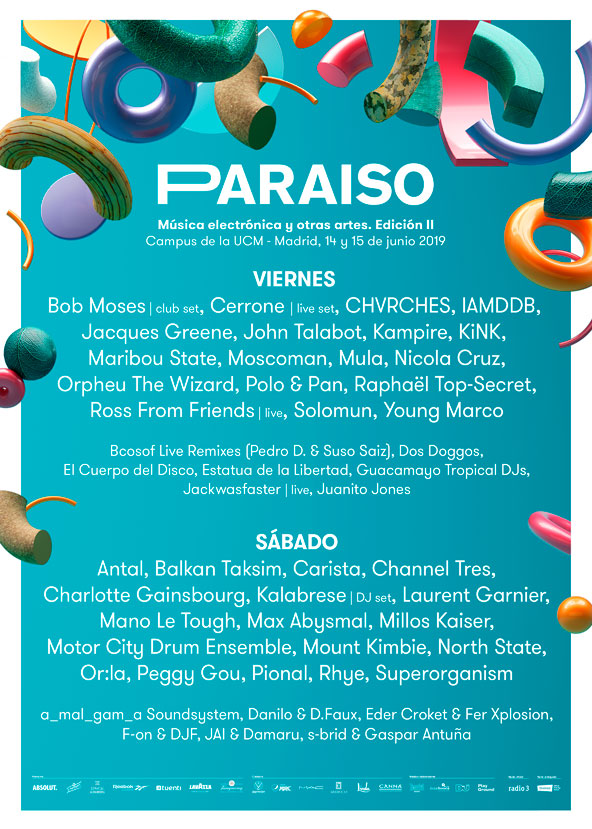
    One of the latest additions to Madrid’s music festivals, Paraíso Festival returns in its second edition (14-15 June) with a line-up in which the best international and local electronic music artists meet emerging art and award-winning food.

    www.paraisofestival.com

    The music festival scene in Madrid keeps on growing with more innovative projects bringing some of the best international talent to the city whilst giving visibility to local artists. This is the case of Paraíso Festival, which after its first edition last year has become a hub for discovering new electronic music projects in a relaxed and sustainable environment, completely different to the usual crowded, festival settings.

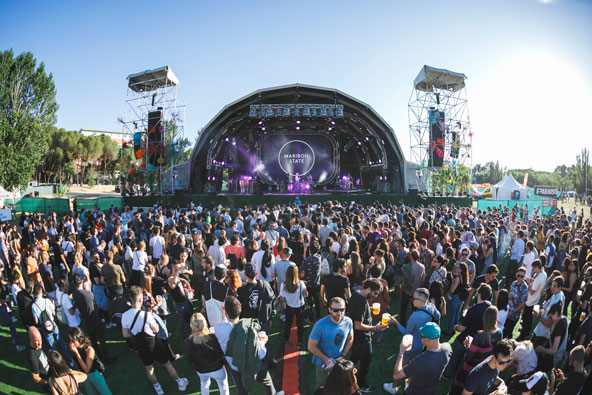
    This year the line-up includes shows and sets by international artists like Bob Moses, CHVRCHES, Antal, Charlotte Gainsbourg, Laurent Garnier, Maribou State and Rhye. A rare opportunity to see some of these artists playing for their first time in the city.

    Paraíso Festival also wants to become a platform for local talent and that’s why this year the festival will showcase live sets and performances by emerging electronic music artist at the Escenario Nido (Nest Stage). This space is solely dedicated to artists that are contributing to changing and growing the scene in Madrid, like El Cuerpo del Disco, Estatua de la Libertad or Dos Doggos.

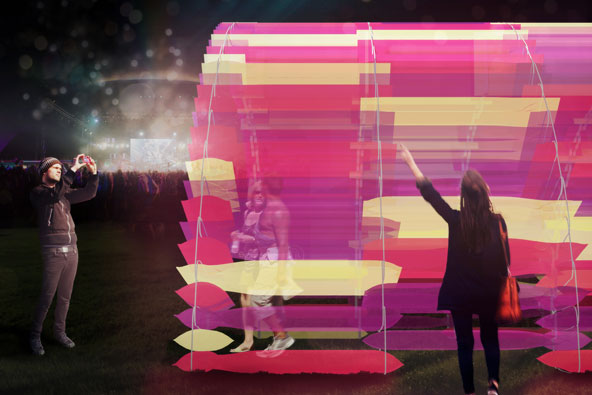
    Additionally, Paraíso Festival will also showcase installation and performance projects selected amongst all the proposals received to participate in this year’s edition. The brief revolved around the creation of projects exploring the relationship between people, nature and consumerism. Argentinian artist Melisa Zulberti will present her work ‘Dentro’ (Inside), an inflatable structure with a light installation investigating how we interact with nature and our environment. Architecture collective Terrario Arquitectura will build an installation made of 180Kg of plastic (a family’s average yearly consumption) that reconsiders how we can use this material to create liveable structures.

    Don’t miss Paraíso Festival on 14-15 June at Campus de la UCM, Madrid!

  • Paraíso Festival 2019: Our Highlights

    Paraíso Festival 2019: Our Highlights

    We recently talked about Paraíso Festival, an electronic music festival taking place in Madrid that has become one of the best music experiences in the city due to its carefully curated line-up, its connection to art and sustainability and its goal to serve as a platform for local DJs, producers and artists.

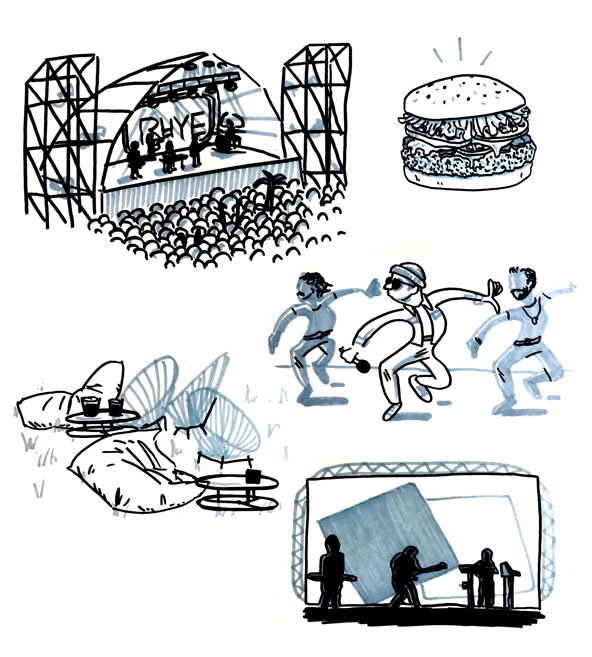
    We attended its second edition on 14-15 June and asked illustrator Laura Flores to join us and do live drawings of some of our highlights from the festival.

    Illustrations by Laura Flores and photographs by Sharon Lopez, Rodrigo Mena and Arturo de Lucas.

    The atmosphere

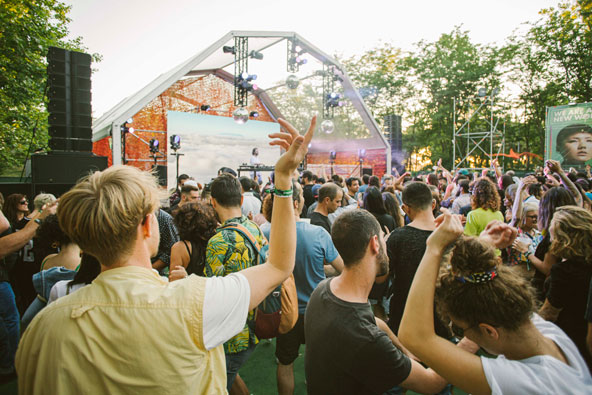
    Even though 25.000 people attended Paraíso, 40% more than last year, the festival didn’t feel crowded and it was easy to find a seat to eat or some free space at the multiple relaxation areas. The complex where the festival takes places is also pretty compact, which makes it easier to move from one stage to another if you want to make the most out of the line-up.

    The diverse line-up

    Paraíso is mainly an electronic music festival but this year’s line-up felt much more diverse, with a variety of genres especially at the main stage, Escenario Paraíso, with performances by the likes of Rhye, Charlotte Gainsbourg, Maribou State, Mount Kimbie or Channel Tres.

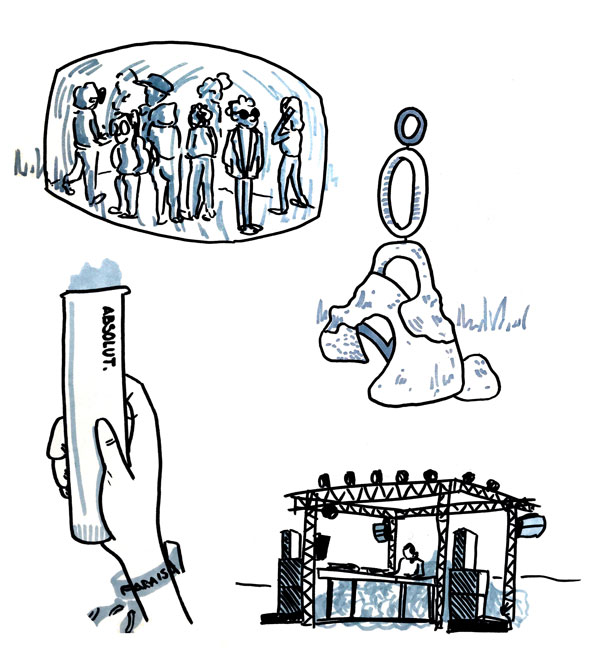
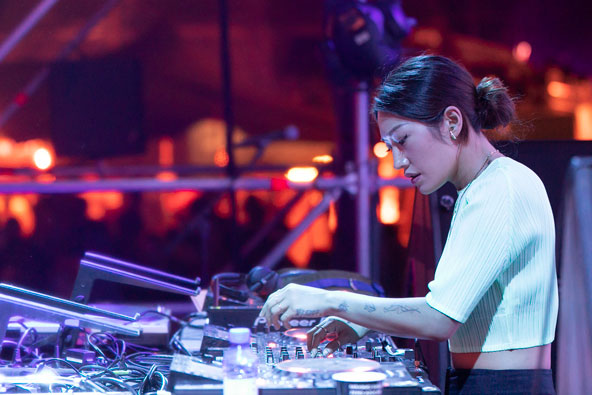
    The Escenario Club was home to live sets and performances by artists like Peggy Gou, IAMDDB and Jacques Greene. Whilst Escenario ABSOLUT brought to Madrid an eclectic mix of performers from South America, Africa and Europe such as Nicola CruzKampire, Young Marco and Kalabrese.

    Rhye playing at Escenario Paraíso, food prepared with seasonal and local produce, Channel Tres performing, one of the many relaxation areas and Mount Kimbie on the stage

    The art

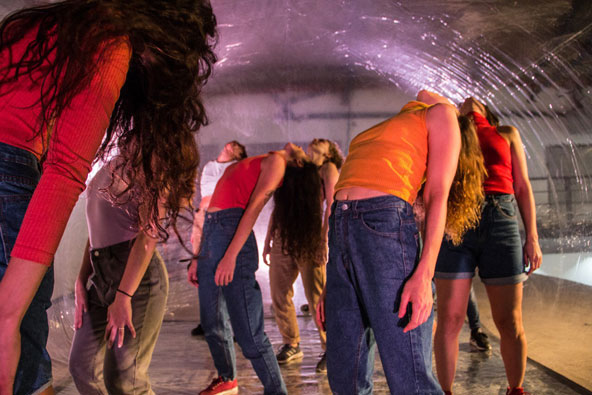
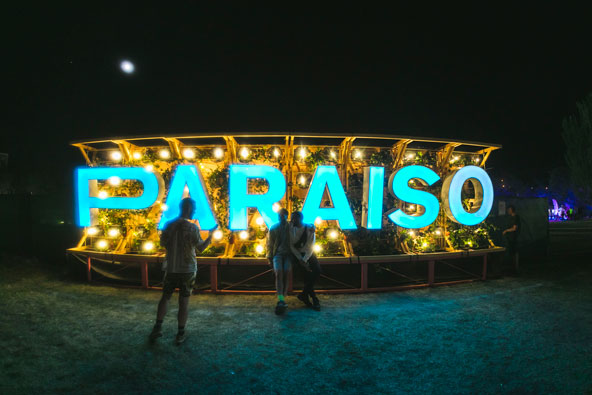
    Several art installations took over the festival space, creating ephemeral pieces that questioned our relationship with the environment. English artist and mathematician Paul Friedlander created a 5 metre light installation called Dancing Wave, architecture studio Terrario Arquitectura built a piece made of 180kg of inflatable beach mattresses, Argentinian artist Melisa Zulberti engaged attendees with her performance Dentro, architectural group TEXTWO created a modular structure called Urban Espora that served as a seating area and Fine Arts students from Universidad Complutense designed the Paraíso Totem.

    Escenario Nido

    For its second edition, Paraíso Festival has decided to give more visibility to local and emerging artists, DJs and producers. Escenario Nido (Nest Stage) served as a platform to discover electronic sounds from Madrid with sets and sessions by Dos Doggos, El Cuerpo del Disco, Estatua de la Libertad or Guacamayo Tropical.

    Melisa Zulberti’s installation ‘Dentro’, the Paraíso Totem, ABSOLUT’s ice cocktails and Escenario Nido

    The Food

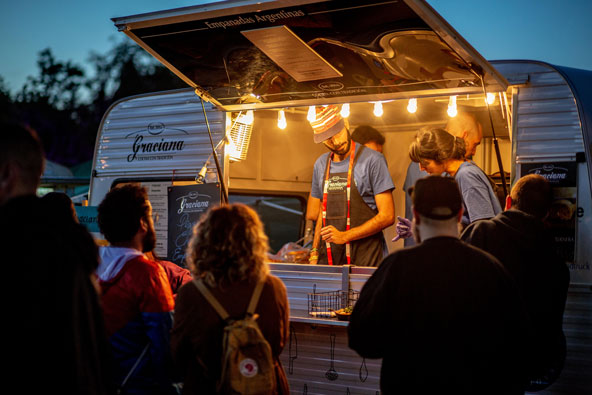
    Festival food doesn’t have to be bad or unhealthy. Following its sustainable ethos, Paraíso Festival collaborated with award-winning chef Rebeca Hernández to curate 14 food trucks offering a delicious menu based on seasonal and local produce. Burgers, tacos or pizza were just a few of the many food offerings that we could try during this 2-day festival.


  • How You Can Turn Your Musical Hobby Into A Career

    Photo via Pexels

    If you love music and you’re good at playing a musical instrument, singing, or DJing, chances are you’ve thought about quitting your day job and turning your musical hobby into a career. The truth is that making serious money that’s enough to live on with music can be difficult: however, for a lucky few, it is possible. Here are some tips on how you could make your dream a reality.

    Ask Yourself Some Questions

    First of all, ask yourself what exactly you want from this enterprise. If your only goal is to sell out stadiums, you may have to take a deep breath and get more realistic. If you’d like to chip away at making a career from singing or DJing and you’re happy to play local gigs, at parties, and you’re not completely sold on giving up your day job just yet, you’ve got a much bigger chance of achieving your goals. Figure out what exactly you want from turning professional. If you want to be on a stage entertaining people, this is very possible. If you want to become a millionaire, you need to think again: are you doing this because you love music, or because it seems like a pathway to fame and fortune?

    Photo via Pexels

    Improve Your Skills

    It may sound simple, but it’s important to make sure that you’re as good as you possibly can be. If you sing, go to a singing teacher to learn techniques that will ensure that you don’t injure your vocal cords. If you play an instrument, keep practising and studying so that you’re as good as you possibly can be. There will be a lot of competition out there, so you need to ensure that you’re at the absolute top of your game.

    Build Yourself A Team

    If you think of yourself as a creative, you may not be great at aspects of your job like booking gigs, booking travel and hotels, publicising yourself, and the general nitty-gritty logistics of making sure that you’re making money. If you have the spare cash, it’s a good idea to hire a manager who will be able to help you make smart business decisions and who can make your life a lot easier.

    Photo via Pexels

    Consider Branding

    It’s time to start thinking of yourself as a brand rather than a person. You are turning your hobby into a business, which means that you need to think like a businessperson as well as an artist. If you have a good team around you, they will be able to help with this. But you need to think about what exactly you’re providing for audiences that other people can’t provide. If you’re doing local gigs, how can you provide a better service than other local musicians? A lot of musicians who have made it big have onstage quirks that have helped them to stand out from the rest. For example, Ed Sheeran played huge venues by himself with a loop pedal that helped him create a big sound that filled the whole room, and that also enabled him to save money on paying a band. Hire a graphic designer to sort out a logo for yourself, and make sure that you have CDs that you can sell at the end of each show. Companies like Pure Music can ensure that your CDs look professional so that people want to buy them – you don’t want to have a product that looks like you made it yourself in your garage!

    Beyond artwork and design, think about the practical side of producing and delivering those CDs or other physical formats. Working with specialists in packaged media production can help you select appropriate formats, finishes and secure replication methods so your merchandise looks and feels professional. Many providers offer short-run options and reliable fulfillment, which means you won’t need excessive inventory yet can still get stock to gigs quickly. Factoring these production and distribution choices into your merchandise planning will protect your investment and improve fan experience.


    Be A Professional

    If music is your hobby, you can take it up whenever you feel like, and when the muse doesn’t strike, it’s perfectly okay to leave the songwriting for another day or to put your guitar back into its case. But if you have decided to go pro, this is no longer an option. Your music is your job and what pays your bills, so even if you can’t think of any ideas or you don’t feel like making any music, you need to put your head down and get on with it.

    It’s important that you can adjust to knowing each genres. Each musician should begin with learning the evolution of music.

    Photo by Pexels

    Learn To Network

    No matter what freelance career you’re interested in, networking will almost certainly be a key part of it. Getting jobs is often about who you know – and how will you get work if people don’t know that you’re actively looking for it? Talk to people who run open mic nights, befriend other musicians who might be on the same bill as you, and use social media platforms to support people and talk to them. Don’t spam everyone with links to your music – rather, use sites like Twitter and Facebook to find out about local venues and performers and to interact with them so that you can gently promote yourself.

    Think About Money

    Being self-employed is a completely different way of living, particularly if you’re used to the company you work for taking your taxes out of your salary each month. Even if you haven’t given up that job just yet, you need to make sure that you’re paying taxes on the money that you’re earning from your music. If you can’t figure out how to pay your taxes at the end of the tax year, hire an accountant who will be able to help you out, because it’s vital that you pay the correct amount. Otherwise, you may have to pay a huge amount next year that you’re unprepared for, leaving you in a difficult financial situation. Put aside a suitable percentage of your income from your music career so that you won’t find yourself in a pickle when it comes to paying your taxes. You could also consider setting up a business bank account for yourself so that you can keep everything separate and your professional and personal funds don’t get confusingly mixed up. This also means that you won’t end up dipping too far into your own savings.

    Do Some Research

    It sounds like a simple piece of advice. But it’s often overlooked. Never underestimate the power a bit of research can do.

    In our modern times, pretty much every question you have can be answered via a quick Google search. The same goes when turning your musical hobby into a career. You can seek advice from people who’ve made their hobby a career. You’ll be able to hear about people’s successes and their failures, so you avoid the same pitfalls they fell into. Plus, the internet is a great way to market yourself. So you can use this resource to research all the best ways to sell yourself as a fledgling musician online. Use blogs and news resources from companies or other creatives who work in the industry. Their advice is like gold dust. Head to www.singularsound.com/blogs/news as a start to your musical journey. 

    No matter how much you love music, it’s clear that there are lots of things that you’ll have to learn to do before you make it a career. Thankfully, if you’re business savvy and determined, it’s a very possible thing to do.