Category: Cars

  • Our Favourite Hatchback Vehicles

    One of the most popular styles of car on roads in the UK, the hatchback has been the go-to car with drivers of all ages for many years and its popularity shows no signs of slowing down. They may be small in size, but hatchbacks provide drivers with everything they need and are not only practical but many come in sleek, modern designs and are kitted out with all the latest tech and gadgets. This article will highlight five of the most popular hatchbacks on roads in the UK today. 

    Honda Civic

    A great all-round hatchback perfectly suited for families, the Honda Civic won Parkers’ Car of the Year award in 2023. The Honda Civic comes with a large 2.0-litre hybrid engine and a six-speed manual gearbox that promises an exceptional driving experience. The Honda Civic also provides great value for money, with even the base models boasting lots of top-of-the-range equipment and state-of-the-art technology. It also has a sleek design and it is perfectly suited for long drives with the family for weekend break. 

    Mercedes Benz A-Class

    The fourth generation Mercedes Benz A-Class is currently available as both a hatchback and a sedan, which differs from the previous incarnations which were both three and five-door hatchbacks. The Mercedes Benz A-Class promises drivers exceptional luxury and comfort, whilst also being a delight to drive. It’s at the higher end of the scale in terms of price, but it certainly warrants the price tag in comparison to other hatchbacks. The vehicle boasts a fantastic grip and features hybrid tech that is among the best on the market.

    Vauxhall Astra

    The recently remodelled Astra is certainly a head-turner and makes for a very desirable hatchback for families as it features plenty of space for luggage. Smart and well-built, the Vauxhall Astra has everything you would expect from a hatchback and has the quality to take on other rivals on the market. Astras also feature a decent range of engine options and come with all of the smart tech you would expect from a modern vehicle.

    Seat Leon

    Smart, comfortable and well-priced, it’s not hard to see why it is so popular with so many drivers in the UK. You’ll find plenty of space inside which makes it the ideal choice for larger families and it does not cost a lot to run if you choose this as the car you use for your daily commutes and school runs. 

    Ford Fiesta

    The smallest of all of the hatchbacks we have highlighted in this article, what it lacks in size it makes up for in performance and comfort. The Ford Fiesta is the perfect car for nipping around towns and cities and comes with all of the forward-thinking technologies you would expect from a pricier model. 


  • Eco-Friendly Engines: How Green Technology Is Shaping The Car Industry

    The automotive industry stands at a crossroads, with eco-friendly engines leading towards a sustainable future. As global awareness of environmental issues grows, so does the demand for vehicles that can mitigate the impact on our planet. This shift has sparked a revolution in car manufacturing, propelling the development of technologies that promise reduced emissions and improved efficiency.

    Electric, hybrid, and hydrogen fuel cell engines are at the forefront of this transformation, each offering a pathway to lower carbon footprints and cleaner air. The journey towards green technology in cars is not just a response to regulatory pressures; it’s driven by consumers who value sustainability as much as performance.

    Types Of Eco-Friendly Car Engines

    Exploring the types of eco-friendly car engines opens up a realm of possibilities for reducing automotive emissions. Electric vehicles, powered entirely by batteries, eliminate tailpipe emissions, offering a cleaner alternative for city driving. For those considering an EV, researching available models and their range of capabilities is essential. Hybrids combine a conventional engine with an electric motor and provide a versatile solution. They are particularly effective for drivers transitioning from traditional fuel vehicles, offering improved fuel efficiency and reduced emissions without the range anxiety associated with fully electric models. Hydrogen fuel cell vehicles, though less common, represent the cutting edge of green technology. Investing in these vehicles supports innovation in clean energy.

    Benefits Of Green Technology For Cars

    Adopting green technology brings multiple benefits, not just for the environment but also for vehicle owners. Eco-friendly cars often have lower running costs, as electricity is cheaper than petrol or diesel. Additionally, many governments offer incentives such as tax reductions or grants for purchasing green vehicles. These grants can often be used to install home charging stations, helping to further cut down on overall expenses.

    Installing electric car charging stations at home or in workplaces provides a convenient and cost-effective way to reduce fuel costs even further. These benefits make eco-friendly cars an attractive option for cost-conscious consumers. Beyond economics, driving a green vehicle contributes to cleaner air, reducing the health impacts associated with air pollution. Owners can take pride in their contribution to environmental preservation.

    Challenges In Adopting Green Technology

    While shifting to green technology is imperative for a sustainable future, it comes with challenges. The initial cost of eco-friendly vehicles can be higher than traditional cars, often offset by lower running costs and government incentives. Potential buyers should research available financial incentives and consider the total cost of ownership over the vehicle’s lifespan.

    Keeping Up With Trends In The Automotive Industry

    Navigating the swiftly changing terrain of the automotive industry requires a keen eye and a thirst for knowledge. For those passionate about the latest green technology, a digital car magazine, like The Intercooler, and online automotive publications offer invaluable resources. These platforms provide immediate access to the newest advancements, detailed reviews, and expert opinions, helping enthusiasts and consumers stay ahead of the curve. Additionally, attending automotive shows presents a hands-on opportunity to experience the latest eco-friendly models up close. At the same time, social media platforms allow for direct engagement with manufacturers and thought leaders in the field.

    Conclusion: The Road Ahead For Eco-Friendly Engines

    The transition to eco-friendly engines is not just a trend; it’s a necessary shift towards sustainable transportation. As technology advances, green vehicles’ range, efficiency, and affordability will continue to improve, making them accessible to a wider audience. By embracing green technology and advocating for sustainable practices, society can drive towards a future where clean, efficient transportation is the norm.

  • The Future of Automotive Design

    The automotive industry is constantly evolving. New technologies and innovations are changing the way we think about and interact with our vehicles. As we look to the future, there are several key trends that are likely to shape automotive design over the next decade.

    Electrification

    One of the biggest shifts happening in the auto industry is the move towards electrification. Electric vehicles (EVs) now make up a small but rapidly growing share of the market. Many major automakers have announced plans to transition to mostly or all electric lineups over the next 10-15 years.

    There are still challenges to the widespread adoption of EVs, including range anxiety and a lack of charging infrastructure. But improvements in battery technology are making EVs more practical and affordable. An s&b fuel tank helps extend the range of traditional internal combustion engine vehicles, but may become less necessary as EV ranges continue to improve.

    Autonomous Driving

    Autonomous driving is no longer just a futuristic idea – it already exists in limited forms today. Over the next decade, autonomous driving technology will continue advancing, bringing us closer to a world where humans are no longer required to operate vehicles at all.

    Major tech companies and automakers are investing billions into research and development. Early applications are likely to include autonomous taxis and commercial transportation. These developments are closely tied to advancements in Automotive product lifecycle solutions, which help bring safe and scalable self-driving technologies from concept to road-ready systems. It may be some time before fully self-driving personal vehicles are available and affordable for everyday consumers, but the technology is developing rapidly.

    Connectivity

    Today’s cars are more connected than ever before. New vehicles are being outfitted with ever-improving infotainment systems, internet connectivity, and over-the-air software updating capabilities.

    This connectivity is making vehicles smarter and more convenient. Your car can now provide directions, traffic updates, vehicle diagnostics, entertainment options, and more. Voice assistants like Alexa are being integrated into infotainment systems. Vehicles can even communicate with your home and other smart devices.

    In the coming years, connectivity will continue to enhance and transform the in-car experience. 5G connectivity will enable even faster data speeds and near-instantaneous communication between vehicles and infrastructure. The connected car is increasingly becoming an extension of one’s digital life.

    Lightweighting

    Reducing vehicle weight has numerous benefits – it boosts efficiency and fuel economy, improves handling and performance, and allows for flexibility in design. Lighter materials like aluminum, magnesium, and carbon fiber composites are replacing steel in many components.

    New manufacturing techniques like 3D printing can produce optimized lightweight parts and structures. Engine downsizing, such as the use of turbocharging to produce power similar to larger engines, also contributes to weight reduction. The trend toward vehicle electrification is also lowering weight through the replacement of heavy powertrain components with lightweight batteries and electric motors.

    Personalization & Customization

    Today’s vehicles allow for more customization and personalization than ever before. Digital interfaces with software updates allow new apps, features, and customization options to be added seamlessly over time. Configurable seats, lighting, and interior materials allow owners to customize a vehicle to their taste.

    Looking ahead, flexible vehicle architectures and 3D printing may enable greater manufacturing flexibility and customizability. Imagine selecting from a menu of features and options to create your ideal personalized vehicle. The auto industry is moving away from mass standardization toward mass customization.

    Alternative Propulsion Methods

    While electrification is accelerating, other alternative propulsion methods are also gaining traction. Hydrogen fuel cell vehicles remain a promising zero-emission option. Automakers are exploring hybrid systems that combine hydrogen fuel cells with batteries or biofuels to optimize clean energy usage.

    Biofuels, synthetic fuels, and natural gas are cleaner substitutes for gasoline being adopted in small but growing numbers of vehicles.

    As the industry moves toward more sustainable solutions, comparing hydrogen vs. diesel can help highlight the benefits and challenges of each fuel type. While hydrogen offers zero emissions and long-term sustainability, diesel remains widely used due to its efficiency and infrastructure. Understanding the trade-offs between these propulsion methods will be key in shaping the future of transportation.

    Finding ways to decarbonize personal transportation will be crucial to combating climate change in the coming decades. This will require embracing a diverse mix of propulsion strategies.

    Sustainability

    Sustainability is a key consideration for the auto industry today. Automakers are strategizing how to reduce emissions, waste, and environmental impact across the entire product lifecycle – from design, to materials sourcing, manufacturing, daily operation, and end-of-life.

    More sustainable and ethical sourcing of battery materials will be crucial as EV adoption accelerates. Manufacturing facilities are beingtransitioned to cleaner energy sources and more efficient production processes. End-of-life recycling and responsible battery disposal programs are being implemented. Creating cleaner, greener cars is both an economic and ecological imperative.

    The automotive landscape 10 years from now will likely look very different than it does today. The coming decade will bring exciting innovations that improve efficiency, safety, customization, and the overall customer experience. As technology continues advancing at a rapid pace, automakers must remain nimble and open to new ideas to lead the way into the future.

  • Benefits of Leasing an Exotic Car

    As a teen, Jill became interested in exotic cars. She’d admire them as she tooled around LA and dreamed of driving a car, like a Porsche or Lamborghini  one day. She loved learning about the history behind the cars and combed over the details – engine, interior and exterior features – both on websites and in magazines.

    Could she make her dream of driving a luxury auto come true – one that caused people to stop to appreciate the car’s streamlined good looks and sleek driving performance and upgrades?

    Her interests and ideas inspired her to finally explore the car lease marketplace. She learned more about how an exotic car lease worked.

    Knowing how the lease was set up and its benefits made it possible for Jill to realize her long-imagined dream – driving a beautiful red Lamborghini.

    If you would like to know more about leasing an exotic car for yourself, you’ll find the benefits are amazing. Let’s look at the advantages.

    Take Advantage of Subprime Lending

    Whether you lease or buy a car, you may worry about your credit. However, don’t despair, you can still lease a luxury car and get approved.

    If you lease an exotic car, your application is reviewed using five credit tiers. In other words, you don’t have to have perfect credit.

    Let’s say you’re looking at a car with a purchase price of $100,000. Cars under the exotic car class range from $100,000 to as much as $5 million in price.

    You may feel a little nervous about doing so as you’ve had some debt issues in the past. Plus, your credit score is limping along at around 600. However, you can still make a comeback – thanks to subprime lending.

    Subprime Lending Tiers

    Subprime lending allows people who wish to drive an exotic car a chance to do so. They begin at tier 2 and go up to tier 5. Below are examples on how credit tiers work.

    Tier 2 Guidelines

    Again, a subprime leasing program begins at tier 2. If you’ve been turned down with a higher credit score and show some minor slow pays, you can still apply at a tier 1 rate plus 2 points. 

    Subprime lending allows both the lender and borrower to make a deal where the equity is leveraged so both parties ultimately come out ahead. It’s a win-win transaction for people who commit themselves to a lease agreement.

    Tier 3 Requirements

    Let’s say that you’re a tier 3 applicant and your credit score is 670. In this case, you’ll pay 4 points above  tier 1b, provided you put 20% down. Any prior credit problems should be at least 3 years old. A bankruptcy, tax lien, or divorce is allowed, provided, in the interim, you have shown a good repayment history.

    Tier 4 Calculations

    If you’re at tier 4, you’ll pay, on average, 7 points over tier one rates, as long as you have a 35% down payment. Your credit score should be at least 600. Also, you cannot be past due on current bills nor have open tax liens, a bankruptcy, or be behind on child support

    Tier 5 – Getting Your Feet Back on the Ground

    If you’re on the tier 5 level, you’ll need to put 50% down and, in most cases, be responsible for a 12-month prepaid lease before making an upgrade. You’ll also need to show some equity at the end of the lease term. 

    If you’re a green card holder or have had some prior problems with bills or credit, you can regain your credit standing and still drive an exotic car by using this approach.

    Avoid the Costs of Depreciation

    By leasing a car, you can get rid of long-term depreciation worries as well. That’s because you’re only responsible for the car during the lease term. You don’t have to worry about losing the car’s value through depreciation.

    Monthly lease payments are lower because auto financing covers the car’s full cost. At the end of the lease, you’ll turn in the car, based on its wear and tear. If you take care of the vehicle, this shouldn’t present a problem.

    Drive a Newer Model Car

    Leasing versus owning is beneficial as it allows you to drive a newer model automobile. You can also stay ahead of technological improvements and enjoy the latest must-have features. You can do this while side-stepping the steepest part of the depreciation curve – known to impact the value of newer automobiles.

    Final Thoughts

    Smart drivers see the advantages of leasing versus buying an exotic car. If you want to drive the latest luxury car and keep your costs low, you owe it to yourself to scrutinize the benefits of an exotic auto lease. Do your research before you make a leasing or buying decision.


  • The Heart of Your Vehicle: Uncovering the Mysteries of Fuel Systems

    To understand how your car runs smoothly, it is important to know about the fuel system. This system is integral in ensuring your car runs efficiently and safely.

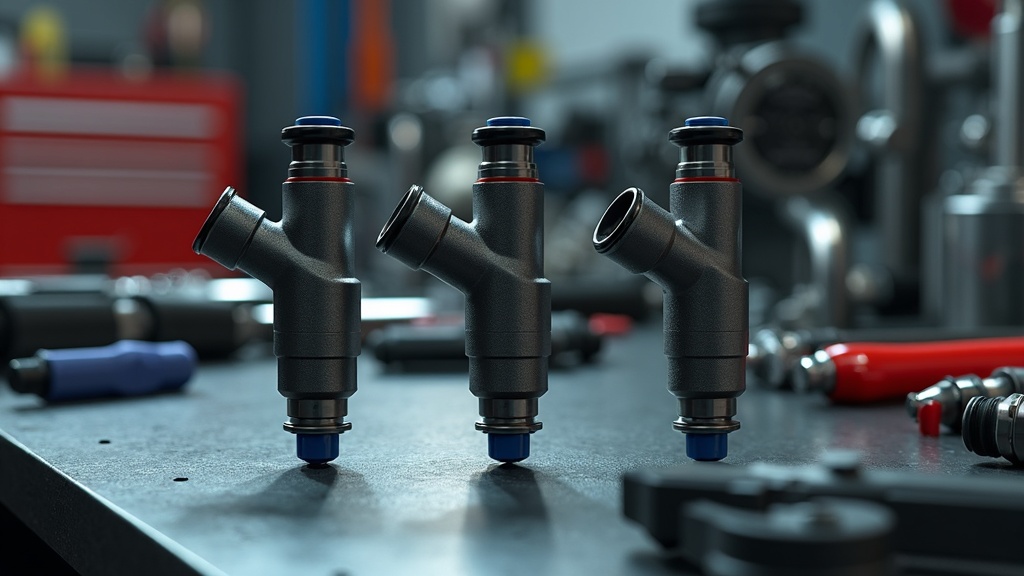
    remanufactured fuel injectors

    What’s in the Fuel System?

    The fuel system in any vehicle consists of several critical components. These include the fuel tank, pump, filter, injectors or carburetor, and an intricate series of other parts that connect these together. In essence, this system ensures that fuel travels from the tank to your engine effectively.

    The Role of the Fuel Tank

    The fuel tank plays an indispensable role as it’s where gas is stored until needed by the engine. The location and design vary depending on the type of vehicle you drive but their function remains consistent across all models: storing gasoline securely and efficiently.

    An excellent example would be an S&B fuel tank. Known for their quality construction and durability, these tanks are designed to withstand a multitude of conditions while providing optimal storage solutions.

    This is not to promote any particular brand or product, but rather to recognize an existing product as an example of a high-quality fuel tank.

    Lifeblood Pumped: Understanding the Fuel Pump

    After gasoline is stored safely in the tank, it needs to get pumped to different parts of your car through well-designed conduits. It’s here where another crucial element comes into play—the fuel pump.

    Traditionally mounted inside or near the fuel tank itself (in modern vehicles), these pumps push gasoline towards your engine under high pressure.

    Clean Living: The Importance of Fuel Filters

    Let’s discuss the cleanliness of gasoline since not all gas is the same.

    Fuel filters serve a pivotal role in maintaining optimal performance by removing impurities from gasoline before it reaches your engine—preventing potential damage due to contaminants.

    To Inject or Not? Carburetors vs Injectors

    With clean petrol now ready for use, how does it get mixed with air for combustion? Enter either carburetors or injectors.

    Older cars use a carburetor to mix air and gas before it goes into the cylinders while newer cars use electronic fuel injectors that make mixing more accurate, making them more efficient and with fewer emissions. Diesel engines take a different approach entirely, using high-pressure systems like the cp3 injection pump cummins to deliver fuel directly into the combustion chamber with extreme precision. Ultimately, whether it’s petrol or diesel, the evolution of fuel delivery systems highlights just how far engine technology has come in pursuit of power, efficiency, and cleaner emissions.

    Why Is Understanding Your Fuel System Important?

    This knowledge might seem technical but understanding how each component works alone and as part of a larger system can help you recognize potential vehicle problems sooner rather than later. For example:

    1. Troubleshooting: If you notice issues such as sudden drops in mileage efficiency or strange smells coming from your vehicle—it could be linked back to issues within this system.
    2. Maintenance & Repair: Regularly checking elements such as your filters can help prevent costly repairs down the line.
    3. Safety: Faulty components within this system can lead to dangerous situations such as leaks or even fires if left unchecked.

    Appreciating the complex systems in our cars can help us be responsible owners and have safer rides for longer periods of time.