Category: Bookshelf

  • TAMBOURINE: KIOSKO 001

    TAMBOURINE: KIOSKO 001

    TAMBOURINE is an online platform established in Madrid by Sara Arroyo and Silvia Pérez with the objective of researching and supporting the independent magazine scene. Through diverse activities, such as seminars, presentations and a webshop, TAMBOURINE aims to decipher the role of printed matter in contemporary culture, as well as provide its readers with the latest magazine releases, connecting the digital community with the highest quality, printed matter.

    www.playthetambourine.com

    Photos by TAMBOURINE & María Vibot.

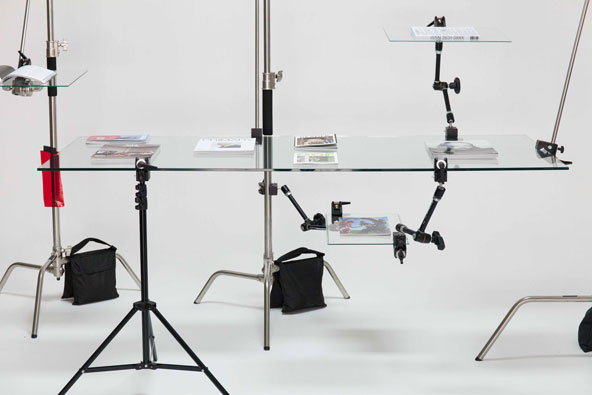
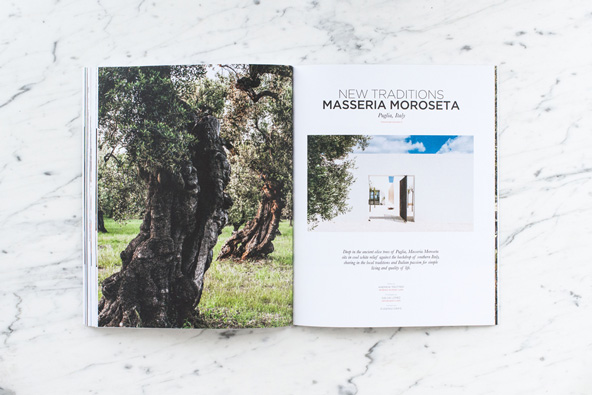
    We attended KIOSKO 001, the first in a series of events dedicated to reinterpreting the traditional magazine newsstand (Kiosko in Spanish), through collaborations with different artists and creators, in order to bring new life to this concept and create a space for independent publications.

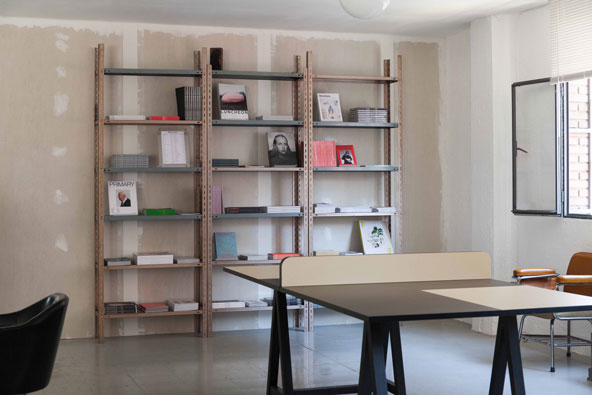
    This first edition took place last May at photography studio RUGE, in the up-and-coming neighbourhood of Oporto in Madrid. Collaborating with the studio founders, artists Borja Llobregat and Ostap Yashchuk, TAMBOURINE built an installation to showcase the latest issues of national and international, independent magazines.

    If you’re an artist, architect, furniture designer or any other type of creative who wants to collaborate with TAMBOURINE on future editions of KIOSKO you can reach Sara and Silvia on the following e-mail address: info@playthetambourine.com

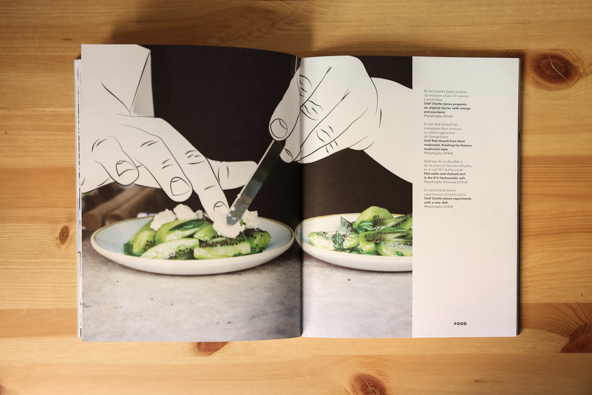
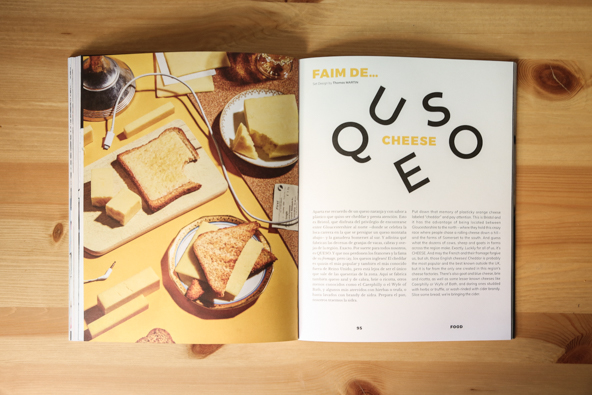
  • FAIM, a magazine about people, places and food

    FAIM, a magazine about people, places and food

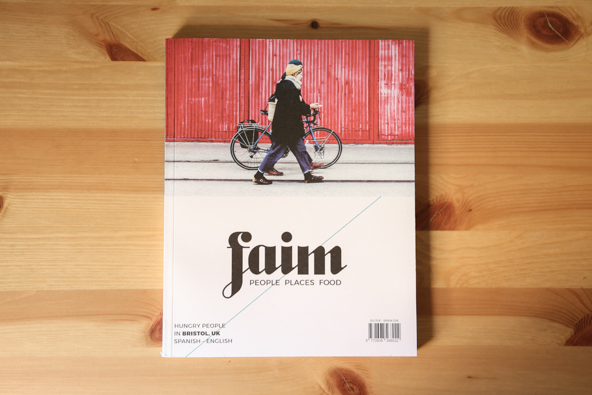
    FAIM is a new independent publication exploring the lives of young creatives from all around the world and discovering a new city in each issue. We chatted with its founders, Axel and Naiara, to find out more about why they decided to start their own magazine, the challenges they’ve faced since they started this project and what readers can find in the latest issue.

    www.faim-magazine.com


    Can you introduce yourself and tell us a little bit about your education and background?

    We are Axel and Naiara, the founders of FAIM. Axel, our art director and graphic designer, is French and studied Fine Arts and Graphic Design, so he is responsible for our beautiful image and general look. Naiara, FAIM’s editor-in-chief, is Spanish but moved to Paris three years ago. She is a journalist and is in charge of the project management and content production.

    What made you start your own magazine? What’s the main idea behind FAIM?

    We both work as freelancers, always looking for new exciting projects to work with. We had this idea of creating something together, launching our own project. And as paper lovers and maniac magazine consumers, the choice was easy. Even if, of course, we have discovered many things involved in the process of creating a magazine we had no idea of, but well, that’s also a part of what makes it so exciting.

    And about the idea, we live and work in Paris, but we both come from smaller cities and had had this conversation many times about how media and social media are often exclusively focused on what happens in big cities. That creates an illusion within our generation that makes young creators looking for an opportunity believe that they’ll only find it by trying their chance in a big capital, and that’s not true! We wanted to shine a light on all those people creating great projects in places other than big capitals and inspire others with their stories.


    Why did you decide to focus on Bristol in the second issue of the magazine?

    To choose our destinations we certainly do a lot of research. The recommendation for Bristol came from different channels, so we created a list with subjects we would like to talk about and we got surprised by how many amazing topics we were able to assemble. So when we compared it to our other options, Bristol just appeared as the logical choice. Then we started working on the content production and wow… It really is an amazing place with loads of amazing people living and working there.

    Can you tell our readers what they can find inside this issue?

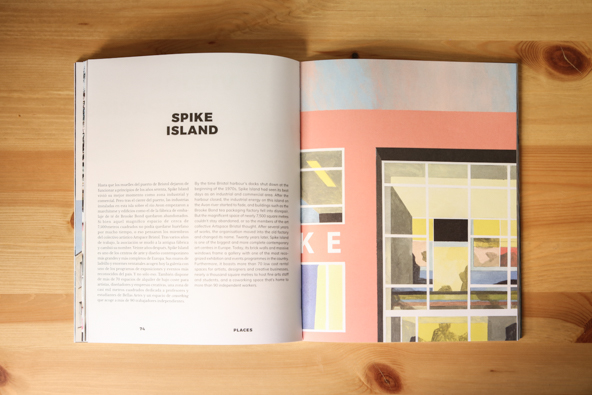
    We believe that the content in this second issue will give our readers a proper vibe of what happens in the city. Bristol is a very community-focused place, so there are a lot of initiatives and projects that intend to create opportunities and connections within the city and its neighbours. We talk a lot about the ‘consume local’ movement, new ways to use old spaces and fighting to maintaining what makes them special, we offer a sneak peak into the fantastic food scene… And of course, in this issue our readers will find a lot of creativity. It is one of the attributes that stands out most here and, for us, you can see that it’s present in almost every aspect of the daily life: from the most obvious and well known street art scene to the way people work, create and consume.


    How do you see FAIM growing and evolving in the future? What can readers expect in the third issue?

    We see it as growing community. We want to keep on going out there to find those people who share a way of connecting and inspiring each other and tell their stories to the world. We think we all need to hear more of those. That’s why we would like to expand the project, try new formats and involve more people (contributors in different areas, members of our community, participants in each issue…). For now we are going to focus on the paper review and the website, but we have very cool plans for the future.

    And for the third issue, all we can say is that the creation rhythm for these two firsts issues has been a little crazy, so we haven’t chosen a destination yet. However, we think our readers from issue 1 might be able to tell that several things have changed for the better with the second issue, since we keep questioning ourselves and trying to find new ways to convey our message. And this is definitely something that will be found in issue 3. We keep evolving and having fun in the process, and we hope that’s something that is reflected in the magazine.


    What are the main challenges you’ve faced since you started FAIM? What’s the advice you’d give to someone who’s thinking about starting their own magazine?

    People who start their own projects often joke saying that, if they had known everything that they were going to need to do at the beginning, they might have never started. And even if now we don’t see ourselves doing anything else, well, we say that too! Because having your own project is something absolutely great and extremely satisfying, but it also means a lot of work that is not mentioned that often. And that has probably been the most difficult part of the whole process: we all think that creating a magazine is writing some cool content and creating a beautiful layout (we did too, so naive!), but then there’s business models, taxes, marketing and communication work, distribution…

    So if we were to give advice on starting a magazine, we would tell you to get as much information as you can before starting, talk to other people in the sector, read books and websites. And after all that, if you have a concept you’re happy with and an idea of how you want to achieve your objective, just launch it yourself. Assume that you probably won’t be ready enough and that you’ll make mistakes. That’s fine, no one starts being a master. And enjoy the process, it’s really worth it.

    Can you share some of your favourite independent magazines?

    Sure! We are big fans of French magazines Encore and Les Others, Spanish Fuet and Canadian Dinette. Some of our favourites also use this one-city format like Fare, Boat or Hamburger Gentle Rain. There are dozens of super inspiring projects out there, the independent magazine world is living a really interesting moment.


  • aesthetic/theories magazine

    aesthetic/theories magazine

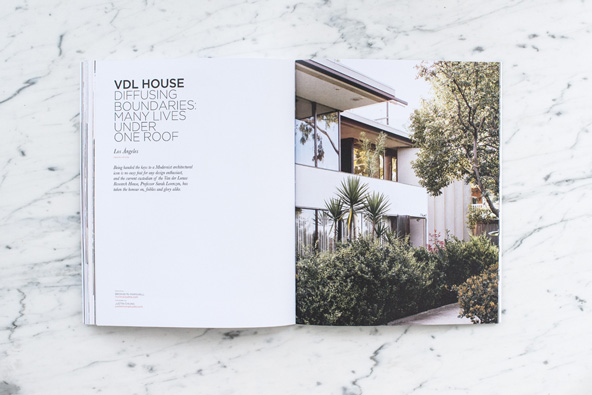
    Now in its second volume, aesthetic/theories is a biannual print publication focused on featuring artists, designers, intellectuals, and institutions that reflect and shape our cultural and creative patterns. We caught up with its editor, Samine Joudat, to discover more about how the magazine started, the influence of Los Angeles and what we can find in volume 2.

    www.aesthetic-theories.com

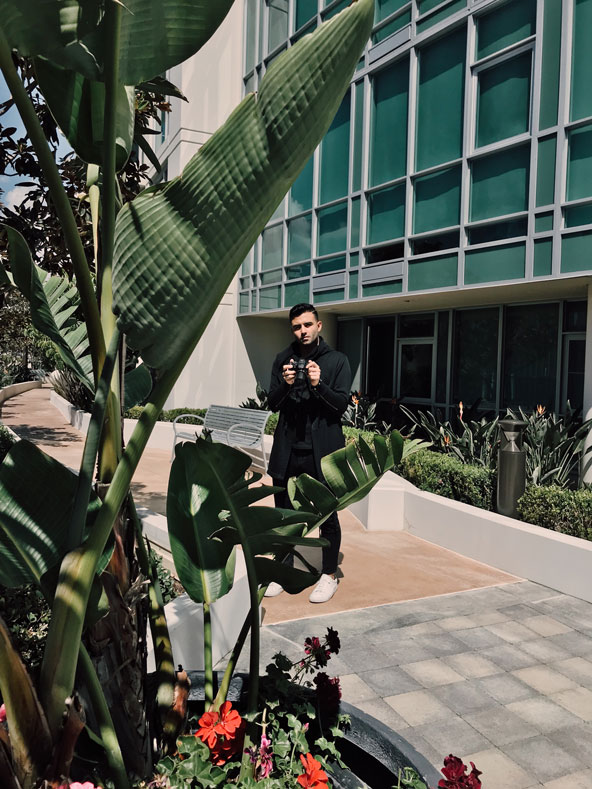
    Samine Joudat’s portrait by Bailey Warhol.
    What made you start aesthetic/theories and how did you put together the team behind the publication?

    It started from a point that was the convergence of a few different factors. The idea had been in my head for a long time. Not necessarily that of a publication, but an idea that, in some form or another, would be investigating humanity on a broad scale and linking together big fields that people often treat in silos. Photography, art, philosophy, architecture, design, and even technology and sport are often just different frames of reference expressing similar ideas or solving similar problems at their core. I’ve always been interested in philosophy and theoretical ideas of how humanity takes in experiences and conjures meaning out of them. Hence the name, which is a play on Theodor Adorno’s ‘Aesthetic Theory’, in which he traced the influence of art, music, and aesthetics on culture, and vice versa.

    Timing is the other factor. The impetus to give this thing actual life was me recovering from a serious leg injury that required 9 months of rehab. It changed the trajectory of what I was set on doing following graduate school – working in advertising in New York. My brief experience with the advertising world and the big advertising players was that, here is a field filled with a lot of really cool and bright people, who are being swallowed by their organizations’ antiquated natures. It was like: ‘we want you to be out of the box, but, like, not too out of the box. In fact, can you fit in this oval right here?’

    So, aesthetic/theories was at once both a curiosity to pursue while I was bedridden and, in my own way, a ‘fuck you’ to the advertising industry.

    The team came together very organically; it’s a fluid collection of my friends and my girlfriend, to whom I owe a lot of gratitude for pushing me to pursue this and supporting me throughout. We’re close and all collaborate really well and share complementary creative vibes, so it’s felt like a very natural process. My father and uncle, immigrants from Iran, have also been immensely supportive. Beyond the core team though, there has been so much ideation and collaboration and help from different people that I’ve come to know over the years or have just recently met. People who immediately support my vision for a/t and want to help and support what it stands for. So much so that it’s gotten me thinking of far-fetched ideas like a completely open-sourced magazine with as much of a democratic structure as possible.

    ‘Print magazine as blockchain’.
    Can you tell us about what we can find in volume 2?

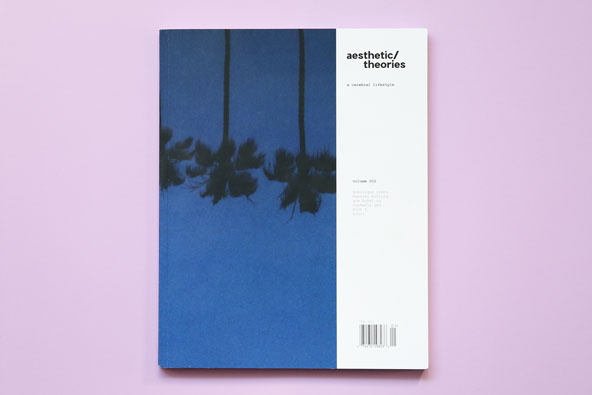
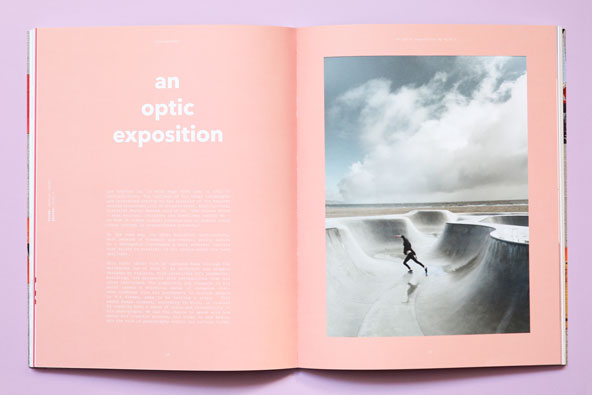
    Volume 002 was about taking the broader ideas behind the birth of the magazine, as stated above, and narrowing them. It is, editorially, about exploring the inherent tensions between ‘art’ and ‘creativity’ and ‘profit’. We wanted to explore artists, designers, intellectuals, and institutions that are expressing their creative ethos authentically and resisting the tides of commercialization.

    You’re based in Los Angeles and the city is present in several articles in this volume, can you tell us about how it influences the publication?

    LA, like any great city in our world, embodies and reflects so much of our species – both in its good and bad. What people probably misunderstand about LA, is that it is a city both ethereal and gritty. Not just one or the other. It is a place that promotes endless aspiration alongside terrible but also beautiful urban realities. A lot of cities embody this trait, but LA’s ecology is so diverse, its geography so large, that it creates this on a huge scale – a vast expanse through which you can literally drive for hours for inspiration. Through the sheer scale of skyscrapers in downtown, to the creative hub of the arts district, to the surreal hills and palm trees of Hollywood, to the beaches of Santa Monica and Malibu, to the decrepit poverty of the marginalized, interspersed wherever they haven’t been pushed out yet. There is a lot of fascinating history here and a rapidly burgeoning creative scene that I think will soon rival New York’s best, if it doesn’t already.

    I should also mention that David Lynch’s Mulholland Drive had a big influence on the style and design of volume 002.

    What do you hope people experience when they read aesthetic/theories?

    I hope they think a little bit deeper about the things, people, and rituals they interact with every day and that they appreciate the role of beauty alongside function.

    How do you see aesthetic/theories evolving in the next volumes? Are you planning to experiment with the content and format of the publication?

    I can only speak about the short-term, and I’m really excited about volume 003. I can say that it will be centered around the ideas of ‘complexity theory’ – which is a field dedicated to exploring the rules governing dynamic systems, from architecture to ecosystems to social media and beyond. Like the idea behind aesthetic/theories, it is a very multidisciplinary field that attempts to find the common links present in seemingly disparate phenomena, in hopes of progressing humanity past its most challenging obstacles. The creative possibilities of an issue focusing on complexity theory are wild, so I’m really looking forward to it.

    We do have some cool ideas in the works behind experimenting with both content and format. Stay tuned. But we are dedicated to keeping the core idea of aesthetic/theories as a print publication, forever and always.
    What have been some of the biggest challenges you’ve faced since starting aesthetic/theories? What have you learnt?

    Lots of challenges. All sorts. I’m stressed thinking about them right now haha. Most have to do with the logistical and financial trappings of a creative start-up. But the biggest one of them all, I have ultimately learned, is strategic. In an ideal world, how big does aesthetic/theories scale if it resonates in the hands and eyes of its customer? I’ll keep you posted when we figure it out 😉

    The beginning of the 2010s saw a boom in independent publishing but it seems like it has slowed down over the past couple of years. What are your thoughts on the current state of independent publications?

    It’s tough for me to answer that because we have just recently entered into it, and so it feels like it’s not slowing down at all, with all the publications and events that seem to be popping up. There are extremely bright and talented people creating some incredible works that express incredible ideas right now in independent publishing. So there is no dearth of supply. The real question is the demand, and I think that is also the most interesting aspect. In terms of scale, no print publication will be able to rival digital anymore (probably). But there is a real opportunity to connect with young audiences that are being cluster-bombed with fleeting digital information, all the time. I am one of them. It’s really refreshing, in your downtime, to be able to actually pick up a beautifully designed object and read really good, relevant content inside. It’s something I think young people are hungry for and digital can’t provide.
     

  • Openhouse Magazine

    Openhouse Magazine

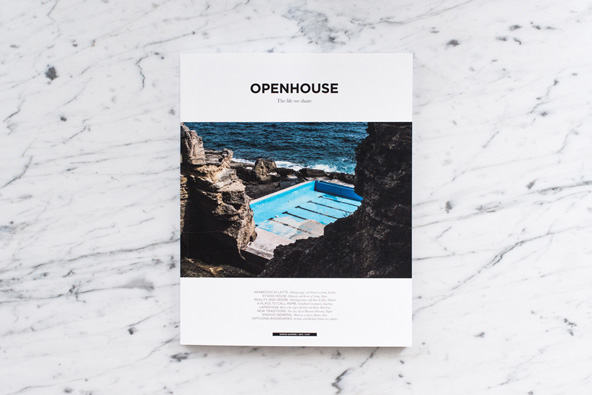
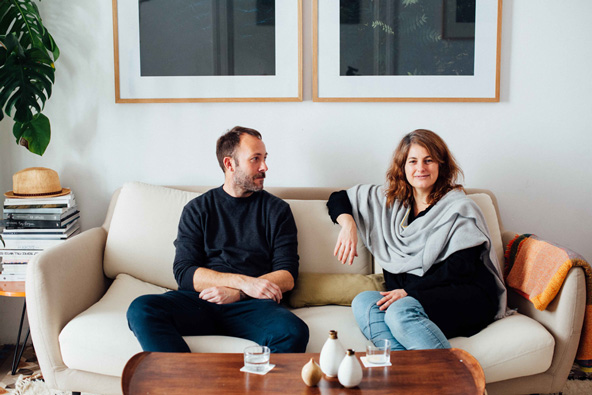
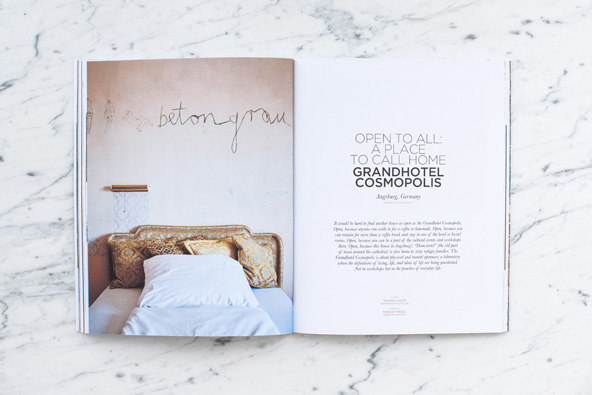
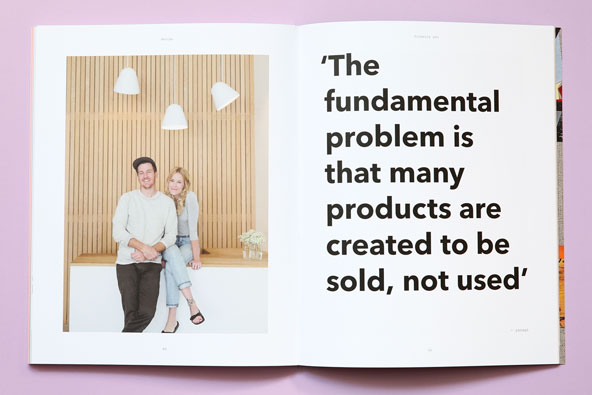
    Founded by Andrew Trotter and Mari Luz Vidal, Openhouse is a biannual magazine dedicated to creative people around the world that open their homes or private spaces to the public to organise different events and activities related to gastronomy, art and design.

    We chatted with Andrew about the beginnings of the magazine, opening his house to other people and how Openhouse is bringing like-minded creatives together.

    www.openhouse-magazine.com

    Photos by Yanina Shevchenko

    What made you start Openhouse?

    Openhouse, the magazine, grew from our project in Barcelona. We started to open our home as a gallery of photography to share our work in a more intimate way. With our flatmate Nobu Kawagoe, we started making dinner and sushi parties, then concerts and talks. We became quite the talk of the town. Over the three years that we were open, more that 4,500 people passed through our doors.

    We met so many wonderful people, some became new friends, and we started to learn about more people around the world with similar projects so we decided to put it down on paper.

    The magazine is in English but each article is also written in a different language, depending on the location of the spaces and people you feature. How did you come up with this unique idea and what were the reasons behind it?

    I’m English and Mari Luz is Spanish, and we talk with a mix of these languages, sometimes even in one sentence. But we realised people talk easier and open up more when then talk in their own language, so we decided we should always find a writer to interview in the first language of the subject. This way the stories become more intimate and more close, real feelings come out.

    How has the magazine evolved since its first issue?

    We actually hope the magazine isn’t evolving too much. We don’t want to change, we hope to always talk about these amazing people around the world who humbly share their homes and lives with others. The only change is that it is getting easier and easier for us each day. We have now launched issue No.7 and we are getting used to the business and logistics of having a company.

    What do you hope people experience when they read Openhouse?

    Openhouse acts as a guide to these people, whether they are in your town or in a place you are visiting. We are so connected in these days by our telephones, that we have lost sense of our community and rarely meet new people. We talk about people who have a love for bringing people together and sharing ideas.

    Do you have any plans or projects for the upcoming months that you’d like to share with us?

    We will soon open our second house here in Barcelona. A space where we can hold intimate gatherings, talk to people and welcome visitors to stay with us. We are also launching a new web that will make it easier for you to find these people around the world. There will be more stories and local guides.


  • Newspaper Club, Print’s Not Dead

    Newspaper Club, Print’s Not Dead

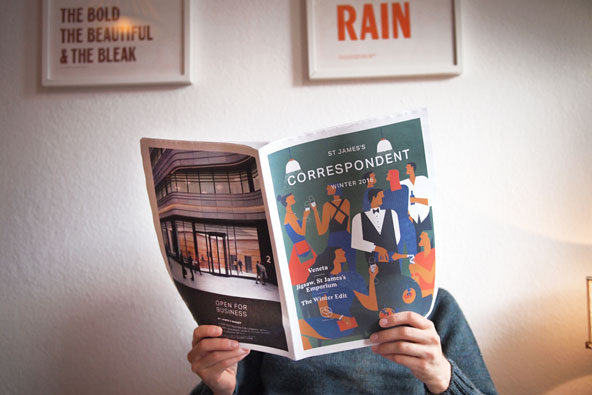
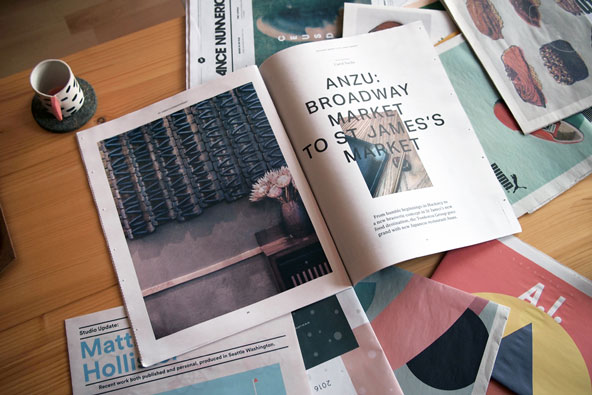
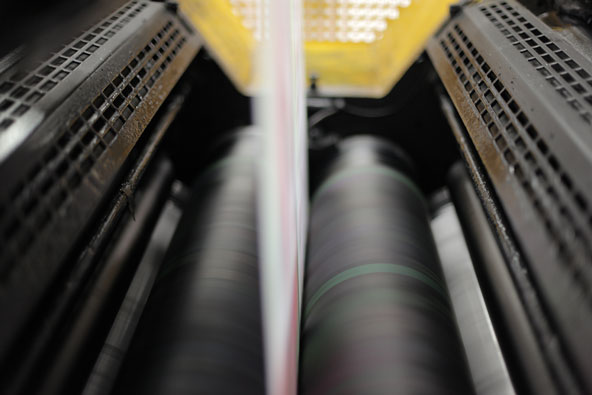
    Since 2009, Glasgow-based printing company Newspaper Club has been helping people self-publish their work on newsprint. Inspired by newspapers’ history and tradition, the team behind Newspaper Club decided to open the industry up for non-traditional publishers in order to see how this medium adapts to the 21st century.

    Working with all types of clients – from students and photographers to tech companies like Facebook and MailChimp – Newspaper Club has printed more than 12 million newspapers for thousands of customers all around the world.

    We chatted with Newspaper Club’s CEO Anne Ward and the rest of the team to find out more about their services and they’re also offering 20% off the first order (up to a discount of £100 and until 30 November 2017) to all our readers using the code FUTURE20 at checkout.

    www.newspaperclub.com

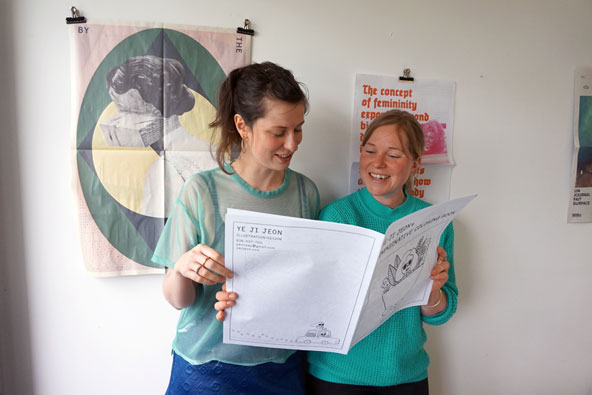
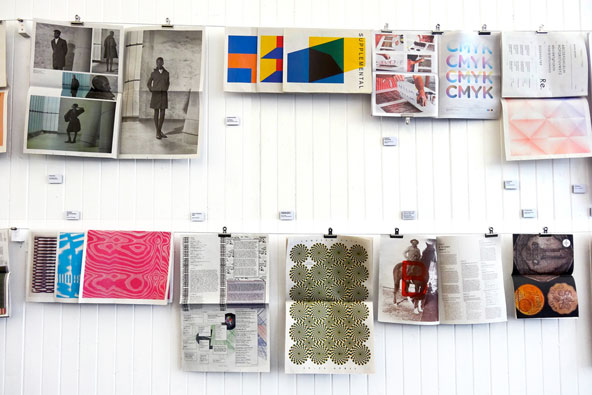
    Photos by Newspaper Club.

    When and how did your love for print begin?

    In childhood! Most of us are old enough to have grown up in a pre-digital world, surrounded by books, newspapers, notebooks and all kinds of printed goodness. It’s a medium with an evocative feel and a rich heritage. We want to help print have a bright future too.

    Can you tell us about what made you start Newspaper Club?

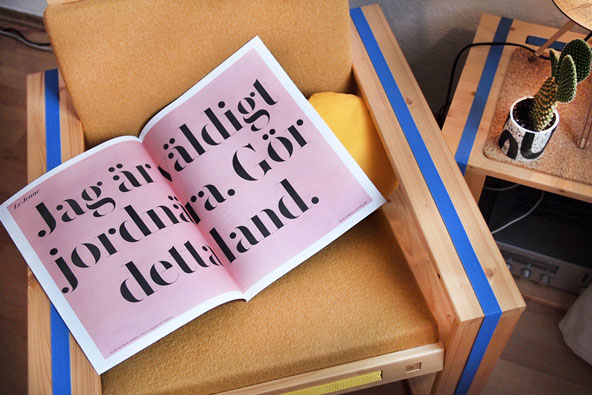
    Yes, we felt that rumours of print’s death had been greatly exaggerated. When we used the slogan ‘Print’s Not Dead’ it really resonated with people and it became clear there were a lot of people who were keen to print their own newspapers.

    Our first newspaper was a design project (which won Design of the Year in 2010). Getting this printed proved how difficult it was for small designers and publishers to get a newspaper printed. There’s a lot of technical knowledge required, which can be intimidating and many big printers won’t take on small jobs. We wanted to make newsprint accessible to everyone and have worked ever since to make newspaper printing easier.

    Can you tell us about the different services you offer at Newspaper Club?

    Our main service is printing newspapers to order. You design ’em, we print ’em! You can use software like InDesign, or our own free design software to make your newspaper.

    You can print one copy or thousands, and choose from three handy formats: minis, tabloids and broadsheets. Our business is totally online so you can order 24/7 and we’ll ship just about anywhere in the world. We offer clear guidance and friendly support, so we’re always here to help.

    You’ve worked with some big names in the digital industry like Facebook and MailChimp, how can print support or enrich digital content?

    A few years ago Wired said Newspaper Club is “what happens when the internet gets hold of a printing press.” We think digital and print can work really well together, and it’s exciting to see customers experiment with that dynamic.

    MailChimp use The Chimpington Post as a recruiting tool. It’s a friendly format that lends itself well to MailChimp’s voice, and they clearly had a lot of fun with the design. As a piece of print, it still feels very of the web.

    We printed a lovely broadsheet for Zendesk when they launched their rebrand last year. It was a great way to showcase their playful new visuals in a big format, something that people could flip through and interact with off the screen.

    And then there’s a project like Printed Web, which is literally bits of the internet turned into a newspaper by designer and teacher Paul Soulellis. He’s published 5 issues with contributions from hundreds of artists – the newspapers are moving into the MoMA Library later this year!

    What are your plans for the upcoming months?

    The good news is our business is booming at the moment! We’re expanding our team, looking at some new products and generally thinking about how we can help more people get their first newspaper off to print.