Author: Igor

  • 6 Simple Art Pieces That Will Instantly Make Your Home Look More Unique

    Art has a remarkable ability to transform a space by adding warmth, personality, and a sense of style. It can take an ordinary room and turn it into a place that reflects your taste and interests, making it feel more inviting and comfortable. Art pieces can also tell a story about the people who live there. They can be a reflection of experiences, memories, or artistic preferences. 

    Contrary to popular belief, you don’t need to invest in expensive collections or rare artworks to achieve this effect. Many simple art pieces can have just as much impact, allowing you to personalise your space without breaking the bank. These simple pieces offer a different way to enhance your décor, whether it’s by adding a touch of colour, introducing interesting textures, or showcasing a bit of your personality through unique designs.

    In this article, we’ll explore different types of art pieces that are simple but can instantly make your home look more unique and a true reflection of your style.  

    1. Art Prints: Affordable and Stylish

    Art prints are a versatile option for adding a touch of creativity to any room. They’re reproductions of original artworks, usually printed on paper or canvas. They also come in a wide variety of styles, from classic landscapes and modern abstract pieces to playful illustrations and typography. Art prints are popular because they are an affordable way to bring artistic elements into a home without the high price tag of original pieces. 

    Additionally, art prints are available in various sizes. This makes them versatile for any space, whether you want to create a focal point with a large piece or add smaller accents to a gallery wall.

    1. Vases and Small Sculptures

    Handcrafted vases and small sculptures can add depth and texture to your space by offering a blend of function and artistry. Aside from holding flowers, vases can be standout décor items on their own, especially when they feature unique shapes and interesting colours or are made from certain materials.

    For example, a ceramic vase can add a touch of rustic charm, while a sleek glass vase can bring modern elegance. Sculptures, on the other hand, can range from small abstract figures to nature-inspired shapes. They add texture and depth to bookshelves, mantelpieces, or side tables.

    1. Personal Photographs: Adding a Touch of Nostalgia

    There’s something special about using personal or vintage photographs in your home. It adds a sense of nostalgia and makes your space feel truly lived-in. Unlike generic décor, photos hold sentimental value that lends a truly lived-in and look and feel. Your photo decorations could include snapshots from family holidays, portraits of loved ones, or even vintage pictures that tell a story of your heritage or interests. 

    When displaying photos, consider using classic frames or creating a photo wall with a mix of black-and-white and coloured prints for a gallery-like feel. You can also turn your favourite digital snaps into high-quality prints or canvases. Either way, it offers a simple yet meaningful way to personalise your space.

    1. Minimalist Wall Hangings and Tapestries

    For those looking to add a bit of texture and warmth to blank walls, minimalist wall hangings and tapestries can do wonders. These textile pieces add warmth and texture to a space, which makes them ideal for filling up blank walls. They can range from woven designs with abstract patterns to simple macramé pieces that add a bohemian touch. Unlike framed art, tapestries offer a softer, more casual aesthetic, making a room feel cosy and inviting. As a recommendation, opt for neutral tones or subtle patterns that blend seamlessly with your existing décor.

    1. Quirky Candle Holders and Functional Art

    Candle holders, lamps, and other functional art pieces can also serve as stylish décor elements. For instance, quirky accessories like sculptural candle holders with geometric shapes or whimsical animal motifs add a playful touch to any space. On the other hand, hand-painted lampshades or uniquely shaped table lamps bring a practical yet artistic element to your home.

    1. Botanical Art: Bringing the Outdoors Inside

    Nature-inspired art is another wonderful way to add a calming, organic feel to your home. Consider celebrating the beauty of plants and flowers through illustrations, prints, or pressed flower frames. These are a great way to bring a touch of nature into your home without the maintenance of real plants. Botanical prints are great options as well. They often feature detailed drawings of flowers, leaves, and other natural elements, providing a unique take for plant-related art.

    When it comes to displaying these art pieces, consider hanging a collection of botanical prints in the kitchen or framing pressed flowers in your living room.

    Simple art pieces can make a significant difference in creating a unique, inviting home. From art prints and personal photographs to custom-crafted vases and quirky candle holders, these elements add character to your space without draining your wallet. With a bit of creativity and a few well-chosen art pieces, your home can be transformed into a space that reflects your personality and taste.

  • 8 Eco-Friendly Home Improvements: Creating a Sustainable Home Easily

    Transforming your home into an eco-friendly space might sound challenging, but it’s easier than you think. With just a few intentional updates, you can reduce your environmental impact, create a healthier living space, and even cut down on energy costs. 

    This guide covers eight simple yet effective eco-friendly home improvements to help you build a sustainable home without overwhelming effort or expense. Ready to make a positive change that benefits both your home and the planet? Let’s get started on the journey to a greener, smarter home!

    Why Choose Eco-Friendly Home Improvements?

    Choosing eco-friendly home improvements is a powerful way to align your living space with sustainable values. Imagine this: small steps like choosing energy-efficient lighting, low-flow water fixtures, or recycled materials may seem minor, but they quickly add up, creating a significant impact over time.

    Eco-friendly upgrades also bring financial benefits. Think of it as a long-term investment; these changes can lower utility bills and increase your home’s value while creating a healthier living environment. By making sustainable choices, you’re not only building a home that’s better for you and the planet but also setting an example that inspires others around you.

    Every choice, no matter how small, adds to a home that reflects thoughtfulness, responsibility, and quality. Start with one change, and let each improvement bring you closer to a greener future.

    8 Eco-Friendly Home Improvements for a Sustainable Home

    1. Choose Sustainable Furniture and Decor

    Consider decorating your home with print on demand home decor. These products allow you to show personality through unique designs, such as filling your space with gorgeous wall art or adorable pillows.

    Print on demand platforms such as PrintKK typically use efficient production methods, printing items only when they are ordered, which reduces waste compared to traditional mass production. This way, you’re not only personalizing your space but also minimizing environmental impact.

    Print on Demand Velvet Bordered Pillow Covers (Double-Sided Design)

    2. Opt for Eco-Friendly Paints

    If you’re planning a home refresh, consider using eco-friendly, low-VOC (volatile organic compounds) paints. These paints have fewer harmful chemicals, making them safer for both the environment and indoor air quality. Unlike conventional paints that emit toxic fumes, low-VOC paints are much healthier for you and your family. 

    Think of it like a breath of fresh air for your walls—your home feels cleaner, and you know you’ve chosen a healthier option. Eco-friendly paints now come in a variety of colors and finishes, so style doesn’t have to be sacrificed.

    3. Invest in Sustainable Furniture

    Sustainable furniture, made from reclaimed wood or recycled materials, adds character to your home while being eco-conscious. Choosing pieces with timeless designs can help you avoid fast furniture trends that contribute to waste. 

    Picture a beautiful coffee table crafted from reclaimed wood; it’s not only a conversation starter but also a reminder of the natural resources you’ve helped preserve. These pieces are built to last and often tell a story of craftsmanship, giving your home both style and sustainability.

    Print on Demand Triangle Coffee Table Set of 2 (Made in USA)

    4. Add Insulation to Reduce Energy Waste

    Proper insulation is key to making your home energy-efficient, as it keeps temperatures stable without the need to overuse heating or cooling systems. Adding insulation in walls, attics, and floors is a bit like putting a cozy sweater on your home—it retains warmth in the winter and keeps it cool in the summer. 

    A well-insulated home is not only more comfortable but also significantly reduces energy bills, making it one of the smartest eco-friendly investments you can make.

    5. Choose Recycled or Natural Textiles

    When it comes to home textiles, such as curtains, rugs, and throw pillows, opt for materials made from natural fibers like organic cotton or recycled content. Imagine a living room decorated with soft, eco-friendly cotton pillows or a recycled wool throw blanket. 

    Not only are these items sustainable, but they also add a natural, cozy feel to your home. By choosing natural and recycled textiles, you reduce the demand for synthetic materials, which are often petroleum-based and harmful to the environment.

    6. Switch to Energy-Efficient Lighting

    A simple but powerful step toward a sustainable home is swapping out traditional bulbs for LED or energy-efficient lighting. These bulbs use significantly less energy, last longer, and reduce electricity costs. 

    Imagine each bulb as a small yet impactful change, casting your commitment to sustainability throughout your home. Start with high-traffic areas like kitchens and living rooms where lights are on most often. Not only does this change help the environment, but it also saves you money in the long run—a win-win.

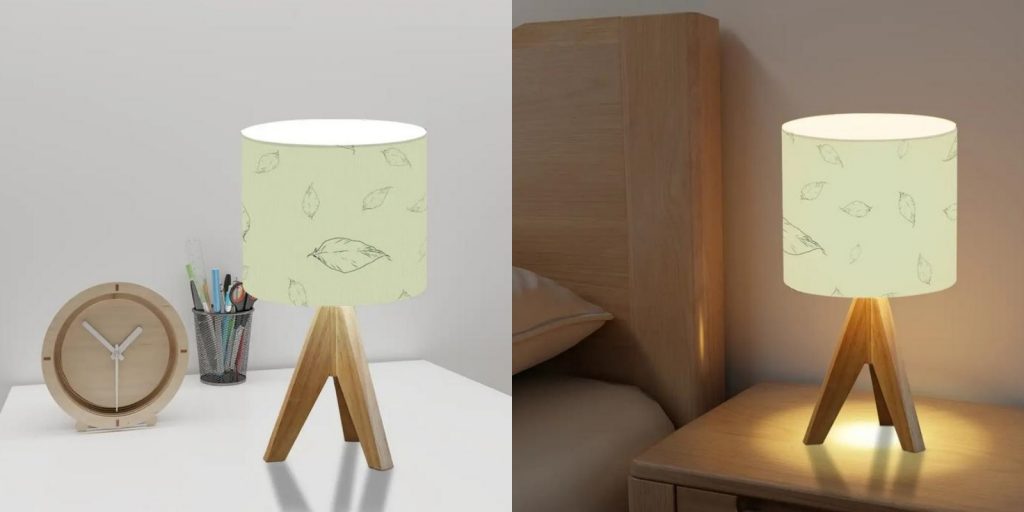
    Custom Printed on Demand Tripod Table Lamp

    7. Install Water-Saving Fixtures

    Upgrading to water-saving fixtures, such as low-flow showerheads and faucets, helps you conserve water without sacrificing performance. Every drop saved contributes to a more sustainable future, and the difference adds up over time. It’s like giving your home a little efficiency boost in every tap. 

    Water-saving fixtures are an easy switch that not only reduces water bills but also makes daily routines like showering and washing dishes feel less wasteful, knowing you’re conserving precious resources.

    8. Install a Smart Thermostat

    Installing a smart thermostat is a straightforward yet powerful upgrade to make your home more eco-friendly. Smart thermostats optimize energy usage by learning your daily routines and adjusting heating or cooling settings accordingly. They allow remote control via smartphone, so you can reduce energy use while you’re away.

    For instance, the thermostat can lower the heating at night when everyone is cozy under blankets or reduce cooling during work hours when the house is empty. Over time, this small change not only lowers your energy bills but also decreases your carbon footprint.

    Common Pitfalls to Avoid in Eco-Friendly Home Improvement

    Going Overboard with Green Products

    It’s tempting to go all-in on every eco-friendly product available, but too many upgrades can strain your budget and may not always yield significant environmental benefits. Focus on what aligns best with your lifestyle and needs rather than adopting every new sustainable option on the market. Thoughtful, strategic choices tend to have a more sustainable impact.

    Overlooking Energy Efficiency Basics

    Investing in renewable energy sources like solar panels is great, but don’t skip foundational steps like improving insulation, sealing windows, or upgrading to energy-efficient appliances. These simple fixes often reduce energy consumption drastically at a fraction of the cost.

    Forgetting a Waste Management Plan

    Renovations often create a lot of debris, and simply tossing out materials can be wasteful. Set up a plan for recycling or donating what you can—many items like fixtures or cabinets can find a second life with a little creativity. By managing waste thoughtfully, you can keep more items out of landfills and give your project a greener edge.

    Choosing Materials Without Considering Durability

    Sometimes, products marketed as “eco-friendly” don’t hold up as well over time. While they may look great initially, needing frequent replacements can increase waste and negate the environmental benefits. Opt for durable, long-lasting materials that won’t end up in the landfill after just a few years. Remember, sustainability is as much about lifespan as it is about the material itself.

    Conclusion

    Creating an eco-friendly home doesn’t have to be complicated or costly. By making thoughtful choices, you can build a more sustainable space that’s kind to both your wallet and the planet. 

    Remember, it’s about progress, not perfection—every small change adds up, whether it’s improving energy efficiency, using sustainable materials, or reducing waste. 

    Start with a few key updates and expand gradually. Embrace this journey as a chance to invest in a home that’s resilient, cost-effective, and healthier for you and your loved ones. Sustainable living is well within reach—let’s make the world a better place, one home improvement at a time!

  • Why Self-Catering Accommodation is Perfect for Long Stays in the UK

    Self-catering accommodation has become an appealing option for those seeking flexibility, comfort, and a personalised touch to their extended stays. Whether travelling for leisure, work, or a mix of both, more people are choosing self-catering over traditional hotels when planning longer stays in the UK. This shift is driven by the desire for a more independent travel experience, one that allows visitors to truly settle in and create a “home away from home.”

    Here we’ll explore the benefits of self-catering accommodation, especially for those planning to stay for an extended period, and highlight why it’s an ideal choice for exploring the charm and character of British destinations.

    Benefits of Self-Catering Accommodation for Long Stays

    One of the biggest advantages of self-catering accommodation is the freedom it provides. Unlike hotel stays, where schedules are often set around check-in times, meal times, and room service hours, self-catering gives guests full control of their stay. This flexibility is especially appealing for those on long trips, as they can adjust their routines to suit their own pace.

    Moreover, having access to a fully-equipped kitchen allows for more autonomy when it comes to meals. Preparing food at home means guests can enjoy local ingredients, try out regional recipes, or simply cook up a comforting dish after a long day of exploration. The option to dine in also reduces the need to eat out constantly, which can be a relief for both the wallet and those craving a sense of normalcy during their travels.

    For those staying for a longer period, having more space is a significant benefit. Self-catering accommodations often provide more room compared to standard hotel rooms, offering separate living areas, bedrooms, and even outdoor spaces. This additional space allows guests to settle in, unwind, and enjoy a more relaxed environment.

    Ideal for Different Types of Travellers

    Self-catering accommodation appeals to a diverse range of travellers, each seeking different experiences. For families, these properties offer ample space, private amenities, and flexibility, making it easier to manage meal times and routines. With the additional room and home-like setting, families can enjoy their holiday at a comfortable pace, catering to each member’s needs.

    For couples or solo travellers, self-catering stays provide an ideal balance of privacy and connection to the local area. Couples often appreciate the peaceful atmosphere and freedom to explore at their own pace, while solo travellers can enjoy a safe, private space to recharge between adventures. 

    A perfect example of self-catering accommodation for various types of travellers is Plawsworth Hall, located in Durham. Offering a blend of countryside calm and city convenience, Plawsworth Hall is ideal for long stays, allowing guests to enjoy the best of both worlds. Its strategic location near Durham provides easy access to both scenic landscapes and the cultural richness of the city, making it an excellent choice for those seeking an extended stay with plenty of exploration options.

    Exploring Local Culture and Living Like a Local

    One of the unique advantages of self-catering accommodation is the opportunity it provides for travellers to experience local life more authentically. Staying in a self-catering property allows visitors to shop at local markets, sample regional produce, and even attempt cooking traditional dishes, offering a true taste of the destination beyond typical tourist experiences. This experience fosters a sense of connection to the area and allows travellers to feel like part of the local community.

    For example, those choosing to stay near historic cities like Durham can enjoy the charm of small villages, discover nearby heritage sites, and get a sense of the rich local history. From exploring mediaeval cathedrals to enjoying riverside walks, the area has a lot to offer, and self-catering accommodation provides a base for guests to truly immerse themselves in these surroundings.

  • Remote vs. On-Site Team Building in San Francisco: Which is Best for Your Team?

    Deciding between remote and on-site team-building options is a crucial choice for many businesses in San Francisco. Each option has its benefits, and choosing the right one can significantly impact how well your team collaborates, communicates, and stays engaged. Whether your team is spread out across different time zones or you have everyone working from the same office, understanding the benefits of each approach is key. Here, we discover four essential considerations for making the best decision for your team-building needs.

    Embracing the Flexibility of Virtual Team Building Events

    Virtual team building has become increasingly popular, especially in the wake of changes to how companies operate. One of the biggest advantages of going virtual is the flexibility. Employees can participate from wherever they are, making it easier to include remote team members who might otherwise miss out. Successful virtual events often hinge on creative and engaging activities that keep employees connected, even when they’re miles apart.

    The flexibility of virtual events is especially beneficial for companies with distributed teams or those who want to provide a more relaxed, low-pressure environment for team building. Virtual activities can include everything from trivia games to online escape rooms, allowing participants to engage without the need to travel. This can help foster a sense of unity among team members who may not get the chance to interact face-to-face regularly.

    For San Francisco-based companies that have expanded their talent pool beyond the city, virtual team building ensures that all employees can be included, no matter their location. It can be a great way to bridge the gap between different office locations or time zones, ensuring that everyone feels like part of the same team.

    The Impact of In-Person Team Building: Finding the Best Activities in San Francisco

    While virtual team-building offers many conveniences, there’s something irreplaceable about bringing a team together in person. The best team building activities in San Francisco take full advantage of the cityscape, from outdoor adventures to creative workshops. These in-person events provide an environment where different employees can connect on a deeper level.

    In-person activities can foster stronger relationships among team members by allowing them to interact face-to-face, which is something that virtual meetings simply can’t replicate. Shared experiences—like working together to solve a problem in an escape room or engaging in a ropes course—create lasting memories and a sense of camaraderie that can translate into much better teamwork back at the office.

    For companies that are fully or partially based in San Francisco, local team-building events can also help employees appreciate the city they work in. Activities that explore San Francisco’s iconic landmarks or unique neighborhoods can add an extra layer of enjoyment, making the experience feel less like work and more like an opportunity to bond and explore. Ultimately, for teams that thrive on face-to-face interaction, the investment in local, in-person team-building events can lead to more cohesive and motivated teams.

    Cost Considerations: Balancing Budgets and Team Needs

    One of the most practical factors in deciding between remote and on-site team building is cost. For many companies, the budget will play a significant role in determining the best option. Remote team-building activities tend to be more cost-effective since they don’t require travel, venue rentals, or catering expenses. This can make them an attractive option for companies looking to keep costs low while still investing in team engagement.

    On the other hand, on-site team-building events often come with higher expenses, especially if they involve renting spaces or arranging for activities in San Francisco. However, many companies find that the return on investment is worth it. The face-to-face connections built during these events can lead to a stronger, more unified team dynamic that is hard to achieve virtually.

    For businesses that have the budget, a mix of both virtual and in-person events can provide the best of both worlds. This allows companies to create a year-round team-building strategy that includes larger in-person gatherings alongside regular virtual activities to keep remote team members engaged.

    Accessibility and Inclusivity: Reaching Every Team Member

    Accessibility is another key factor when deciding between virtual and on-site team-building events. Virtual team-building activities can be more inclusive, as they allow team members to participate regardless of their ability or physical location. This can be especially important for companies in San Francisco that have adopted a hybrid or fully remote work model. Virtual events ensure that every team member has the opportunity to join, regardless of whether they are working from home in the Bay Area or from another state.

    In contrast, on-site team-building activities in San Francisco can be more challenging for employees who may not be able to attend in person due to distance, mobility issues, or scheduling conflicts. However, in-person events can be tailored to ensure they are as inclusive as possible, such as by offering accessible venues or providing travel stipends for out-of-town employees. These adjustments can help ensure that no one is left out of the experience.


  • How to Take Control of Your Finances After Redundancy

    Going through redundancy can be a challenging experience, leaving many people feeling lost and uncertain about their financial future. However, by taking proactive steps and seeking the right support, you can regain control of your finances and navigate this challenging period with confidence.

    Assess your financial position

    After redundancy, the first step in taking control of your finances is to assess your current financial situation. This involves understanding your income, expenses and any debts you need to address.

    Create a detailed budget:

    • Identify essential expenses: These include the likes of rent or mortgage repayments, housing costs, utilities and food shopping.
    • Track discretionary spending: Such as social activities, dining out and costly entertainment subscriptions.
    • Review your budget regularly: Adjust your spending as needed to align with your reduced income.

    Review your debts:

    • List out your debts individually: Include credit card debt, loans and any other outstanding balances.
    • Prioritise certain debts: Focus on high-interest debts first, such as credit card debt, and try to pay this off where possible.
    • Consider debt consolidation: If applicable, consolidating debts can simplify repayment and potentially lower interest rates.

    Explore available financial support

    The UK offers a range of financial support options for individuals who have been made redundant. Here are some key resources to consider:

    • Universal Credit: Universal Credit is a means-tested benefit that can help cover living costs. Universal Credit can include help with housing costs, childcare costs, and job search expenses.
    • Jobseeker’s Allowance (JSA): JSA is a benefit for people of working age who are unemployed and actively seeking work. You can claim JSA online or at a Jobcentre Plus office.
    • Support from your employer: Your employer may offer a redundancy payment, which is calculated based on your length of service and salary.
    • Legal advice: Consulting with employment lawyers can be beneficial to understand redundancy rights and maximise any possible compensation.

    Consider future income opportunities

    While you’re navigating the financial implications of redundancy, it’s also important to focus on your future income opportunities. Here are some things to consider:

    • Job search: Update your CV and tailor it to highlight relevant skills and experience you’ve gained in your previous role. You could also consider reaching out to your professional network and using platforms like LinkedIn and Indeed to explore job opportunities.
    • Retraining or upskilling: Now could be the perfect time to explore training opportunities to identify areas of improvement and make yourself more desirable for future employers. You could consider courses funded by the government.

    By taking a proactive approach and seeking the right support, you can successfully navigate the financial challenges of redundancy. Remember, it’s important to stay positive, be patient, and believe in your ability to overcome this temporary setback.