
Author: Igor

  • Menini Nicola

    Menini Nicola

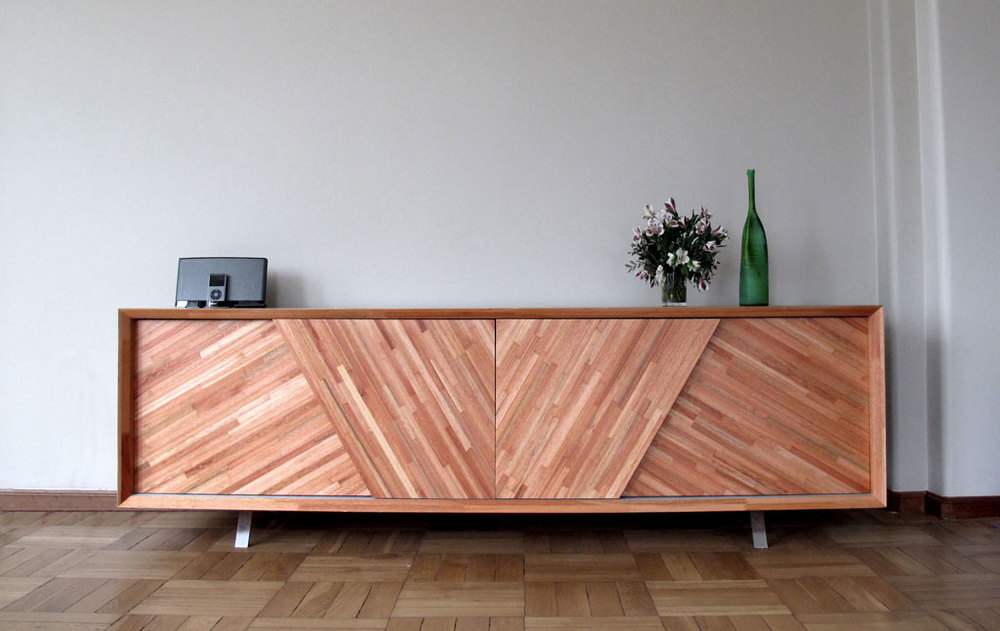
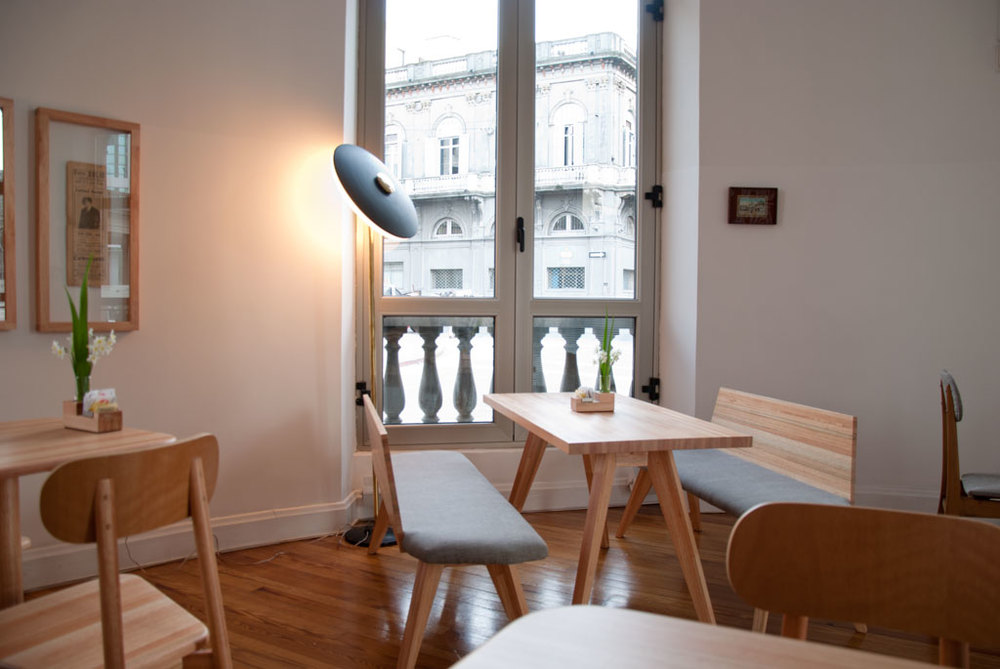
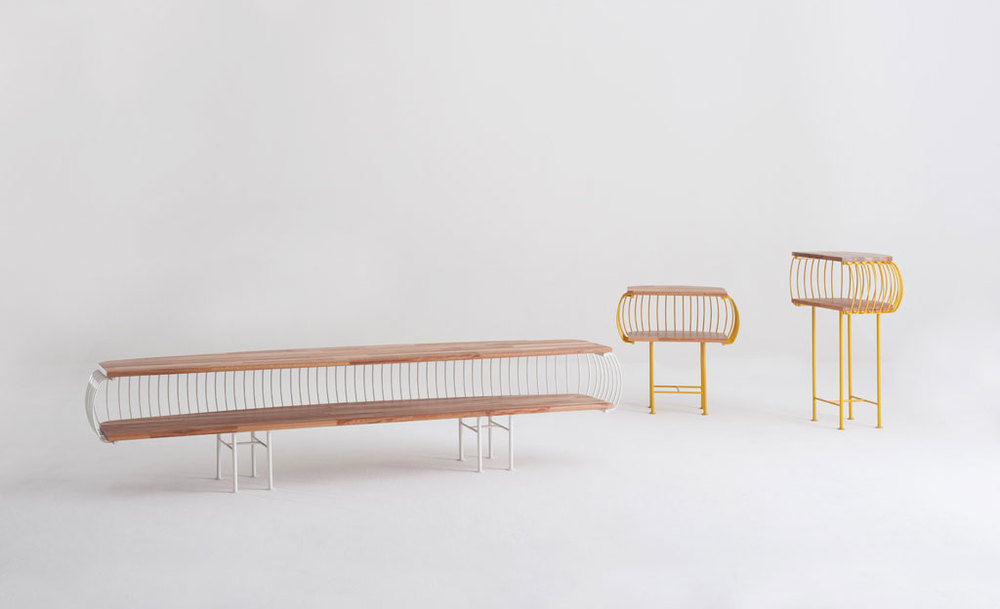
    Menini Nicola is an industrial design studio founded in 2008 in Montevideo, Uruguay. The studio has made its own name in the country, offering design services and design licenses, and directly commercializing products from their portfolio in Uruguay.

    We talked to the founders of Menini Nicola, Agustín Menini and Carlo Nicola, about the beginnings of their studio, the design scene in Montevideo and their favourite places in the city.

    Read the interview after the photos.
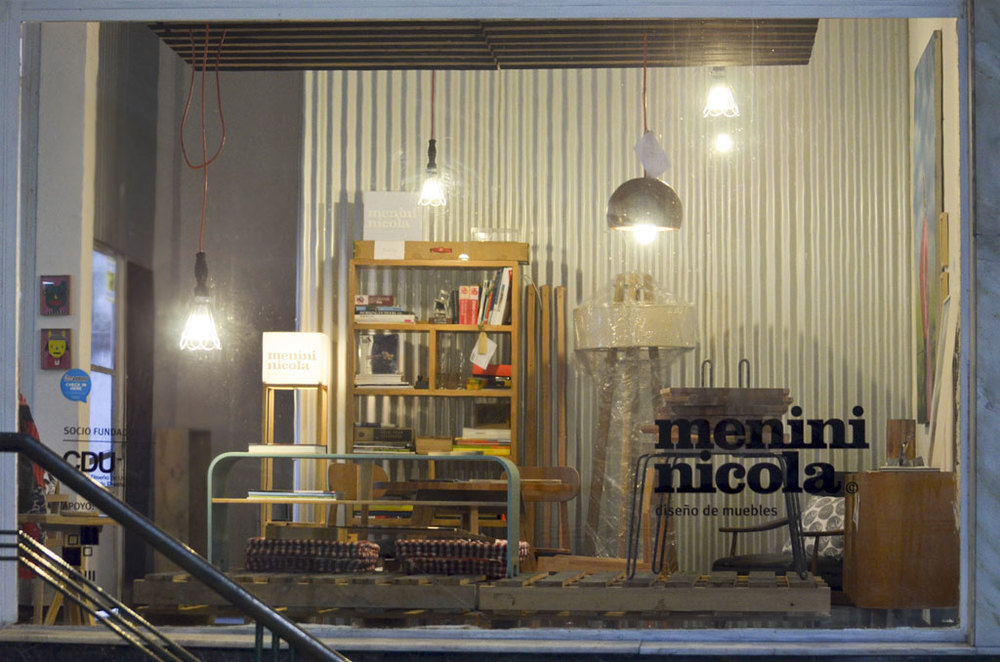
    www.menini-nicola.com

    What made you start Menini Nicola?

    It was mainly our interest in turning our hobby into our full-time job.

    When we were university students, we realised that furniture design was one of the things we liked the most. We used to work in advertising, spending our free time meeting with a friend who makes furniture to work on concepts that we would later send to design contests. We got more involved and in 2008 we received 2 awards at Salão Design Movelsul in Brazil. During that trip between Montevideo and Porto Alegre, Menini Nicola was born.

    How is being a designer in Uruguay? Are your designs influenced by the country?

    Being a designer in Uruguay is not very common and we would even say it is a privilege. On the other hand, the industry is growing and the design community in the country is going through a good phase. We, Uruguayans, tend to say that there’s not much going on in the country but this seems to be changing.

    Nowadays, Uruguay has a Chamber of Design for graphic, textile, product, interior and landscape designers. We also have some government funding and there are weekly events dedicated to design. There are new brands emerging and the established labels are growing – it is a good moment for Uruguayan design.

    Regarding our influences, we’re still finding our limits and trying to discover our own identity. We work with local materials and manufacturers, designing solutions and coming up with ideas based on what’s available around us.

    What’s your favourite project/product you’ve worked on?

    One of our favourite projects was the design of the food area of the Mercado Agrícola de Montevideo (MAM). This market is one of the most iconic buildings in the city – it opened its doors in 1913 and was renovated in 2013. We were in charge of designing the furniture for the food area and other spaces in the building. The chair we designed was built under a series of requirements related to resistance, ergonomics, manufacturing costs and use of similar materials to the rest of the building.

    The conceptual side of the design was linked to the origins of the market. The chair represents a historic moment and draws inspiration from the industrial revolution, the Exposition Universelle of 1889 in Paris, the good economic moment Uruguay went through in the early 20th century and the Belle Époque’s influence in Montevideo.

    The chair wants to grab people’s attention, using a very formal language and becoming a representation of our times.

    We want to know more about Montevideo. What places shouldn’t we miss in the city? Could you recommend us other designers/artists based there?

    We would recommend going on a stroll on the promenade along the coast, visiting historic neighbourhoods such as Prado, spending the evening at MAM or enjoying the drum celebrations in Barrio Sur and Palermo. Montevideo is a city that should be visited on foot – despite being the capital of the country, it is a small city with lots of secrets.

    Montevideo is currently going through a very special moment with lots of things happening in the city. In the cultural scene, the Ballet del Sodre – with Julio Bocca as Art Director – is a very popular show which usually sells out one month before the opening. Street art is also becoming more important in the city and new galleries such as Kiosco and studio designs like Mundial and Atolon de Mororoa are emerging.

    There are also new initiatives popping up in the city such as el Club de la Cerveza (the Beer Club), where you can enjoy unique and secret dinners. The Ciudad Vieja (Old Town) is a great area for spending a day around, stopping for breakfast in Jacinto and visiting the antiques fair, having lunch at Mercado del Puerto and finishing with a snack at La Pasionaria, where you can visit the current exhibition and see work by local artists and designers.

    Collaboration is an important element in Montevideo’s creative scene. For example, Estampapas is a textile objects project founded by a graphic designer from Uruguay with a textile designer from Argentina. There’s also Sabandija, composed by another textile designer and a product designer and El Bosque de Robles.

    You need to come and discover the city during this moment of creativity growth.

  • How to Wear Bold Colours

    When it comes to fashion, many people shy away from bold colours and instead opt for darker shades and monochrome. While this certainly can look stylish, bold colours can be a great way to bring your wardrobe to life, turn heads and make your outfits more fun. The key is to understand how to wear these colours and what works well together – read on to find out more.

    Image via Unsplash

    The Colour Wheel

    The Colour Wheel is a brilliant device when it comes to fashion (or anything creative) yet it is something that many people are unaware of. The general rule of thumb with the colour wheel is that colours on the opposite side work well with what you have chosen and this can be a smart way to wear bold colours and prints without them clashing or looking odd. In addition to the opposite side of the wheel, you will also find that colours that are next to one another are visually appealing together, such as green and blue.

    Maintain the Same Tone

    Another smart way to wear bold colours is to ensure that the same colour tone is kept throughout. If you have an orange skirt, for example, then you should try to find orange heels that are the same tone – if it is a different shade of orange, you will lose balance and the outfit will look odd.

    One Colour

    Following this, another way that you can start to wear bold colours is simply to wear one colour from top to bottom. This can feel a little odd at first, but if you blend different materials and shades in then it can blend and give your look depth. In addition to clothing, do not shy away from adding the same colour accessories, such as a bold shoulder bag to add to your outfit.

    Statement Pieces

    If you are hesitant about jumping in with head to toe bold colours, then a good starting point is to simply have one bold piece of clothing that you wear in addition to your darker clothing, such as a powder blue shirt and black jeans.

    You should not shy away from wearing bold colours as it can look fantastic, bring your wardrobe to life and even change the way in which you feel. It can be intimidating at first, but when you know how to wear bold colours and what works well in combination then you can completely transform your wardrobe and improve your fashion sense greatly.

  • Top 5 Interior Trend Styles of 2020

    Our homes have so much potential for us to show off our personality. Whether you’re focused on the aesthetic, the practical, or perhaps a mixture of the two you’re bound to find a trend that will look right at home in your house. You can find out about the most popular interior designs, and how to implement them.

    Image via Unsplash

    Abstract

    This is one of the most fun styles you could try, as it really gives you a chance to get creative. Colours are your best friend with this style, and the bolder you go, the better. You can use it any element of the room: from your chair choice to wallpaper. Abstract makes for a stylish statement in any room. Don’t be afraid to experiment with it.

    Structured Simplicity

    Sitting on the other end of the design spectrum is structured simplicity. It evolved from the Nordic Retreat trend of 2019. It has the stripped-back style of minimalism while maintaining a cosy feel. Focus on warm neutrals and sustainable materials to bring this look to your home. 

    Grandmillennial 

    For those of you who want to mix nostalgia with now, the Grandmillenail interior trend is for you. You can opt for the vintage glamour of the past and pair it with the favoured simplicity of 2020. You’ll want to find matching patterns for your furnshings, but be careful not to overdo it – you want to find a balance between the eras.

    Soft Tropics

    Do you remember when pineapples were everywhere? This exotic style was everywhere on the High Street. Tropical is still trendy and make a striking statement. However, 2020 has seen it take a step back and walk in the direction of something slightly more subtle. Also expect to see florals making more of a comeback during the rest of this year.

    Japandi

    Scandi meets Japanese interior design for this 2020 trend. The fusion creates a calm and compelling space. You’ll want to aim for a mainly neutral palette with a couple of bold colour pops. Pick elegant furniture pieces, but keep them to a minimum so they make the most impact in the room. You want to create a tranquil, yet tasteful, place for you to relax in. 

    No matter what interior style you select for your home, it’s going to give a new lease of life to your space and well worth the effort you put into creating it. Which is your favourite 2020 interior design trend?


  • Transforming Your Outdoor Space: Tips for a Beautiful Backyard

    Creating your dream outdoor space can be an exciting and fulfilling project, but it can sometimes be a little intimidating. From choosing the perfect plants for your yard to adding design features like hardscaping, transforming your outdoor space can seem daunting. But with the right tips and advice, you can make your backyard look beautiful! In this article, we’ll provide you with tips for transforming your outdoor space, from choosing the right plants to maintaining and upgrading your landscape. So, let’s get started!

    Designing your Dream Landscape

    Creating your dream backyard landscape is an exciting process. Before you begin, however, it is important to take the time to map out your design plans. Start by considering your desired look, any existing features, your budget, and the natural climate of your area.
    Next, decide on the plants, trees, and shrubs that will be used in your landscape. Consider their size, color, and texture when making your choices. Also, make sure to select plants that can thrive in the climate of your region.
    Finally, determine which hardscaping features you want in your backyard. Consider building a patio or walkway to enhance your outside seating area. You may also want to add other decorative elements like water features, benches, or fire pits, for a more relaxing atmosphere. All of these elements should be properly placed and spaced to maximize the beauty of your landscape.

    Choosing the Right Plants for Your Yard

    When planning out your dream backyard, the plants you choose can make a major difference. The right plants can add vibrant colors, texture, and even a sense of privacy. When choosing plants for your yard, consider the climate and soil type. Make sure to choose plants that will thrive in your area. Also consider the space available and the amount of sunlight or shade.

    To ensure your yard stays vibrant, select plants of various heights, shapes, and colors. When selecting flowers, look for varieties that bloom at different times. This will make sure that there is always something in bloom during the year and give your yard a more colorful and dynamic look. As you plan out your landscape design, think about what type of maintenance each plant requires. If you’re looking for low-maintenance plants, opt for perennials or succulents. Lastly, don’t forget to add something special like a rose garden or a vegetable garden.

    Adding Hardscaping Features to your Garden

    Incorporating hardscaping into the landscaping design is vital to creating a breathtaking outdoor space. They form the sturdy foundations of an appealing outdoor area. Hardscaping involves the installation of non-living objects such as walls, patios, walkways, and other structures to create a stunning environment. These features add structure, texture, and depth to your garden.

    When selecting hardscaping features, it is important to select ones that match your style and complement your yard. Think about materials, colors, and shapes that will create a cohesive design. If you plan to use more than one type of material, make sure they are balanced and harmonious. Don’t forget to add seating areas and garden paths to create a space that encourages relaxation and exploration.

    To better visualize how hardscape and planting layers interact, look at real-world examples that show the sequencing of patios, retaining walls, and plant buffers to achieve both flow and function. Local portfolios often reveal practical solutions for sloped sites, integrated drainage, and how lighting and seating are placed to extend usability into the evening. For practical inspiration and to compare approaches to materials and maintenance, see curated examples of backyard landscape design. These reference projects can help homeowners weigh trade-offs, refine material choices, and brief a contractor more effectively to avoid costly revisions.

    Also, pay special attention to details like steps, curves, edges, and

    texture. These can help to tie all the elements of your landscape
    together. With the right hardscaping features, you can create an outdoor
    oasis that is both functional and beautiful.

    Lighting up Your Nighttime Garden

    Bringing light to your outdoor space can help create a beautiful and inviting atmosphere. Strategically placed lighting can add ambiance, security, and safety to your backyard. When selecting lighting, think about the size of your outdoor space and what type of lighting will suit it best.

    LED lights are a great option for your outdoor lighting as they are energy efficient, durable, and long-lasting. You can use them to light up walkways, steps, patios, and decks. Wall lights are also a great choice to light up porches and patios. For a more dramatic look, use hanging lights or landscape lighting to create shadows and light up your garden.

    No matter what lighting you choose, consider locations and how they can help accentuate your home. With the right lighting design, you can create a unique and beautiful nighttime garden that you can enjoy for years to come.

    Maintaining and Upgrading Your Landscape

    Maintaining your outdoor landscape is important for keeping it looking beautiful and thriving. Regularly trimming and pruning your plants and trees keeps them healthy and looking nice. You should also do regular weeding and mulching to keep the soil healthy and prevent weeds from taking over. Fertilizing is crucial to maintaining a lively and healthy lawn, as well as strong and beautiful plants and flowers. Proper fertilization not only nourishes your garden but also keeps it looking vibrant and robust.

    Upgrading your landscape design can really help bring your vision to life. Adding features like a pond, fountain, or gazebo can be great additions to your outdoor space. Planting new trees and shrubs can help add color and texture to your garden. Additionally, installing new pathways and walkways can help tie your outdoor space together. Finally, you can also add some lighting or even an outdoor kitchen to make your outdoor space more functional and inviting.

    Conclusion: When to Call a Professional Landscaping Contractor

    Designing a beautiful outdoor landscape can be an overwhelming and daunting task. There are many elements to consider, from the type of plants to the hardscaping features, and even the lighting. Even with the vast array of DIY resources available, there are times when it’s best to call in a professional landscaping contractor such as Utah County Landscaping.

    A professional landscaper has the expertise to create a landscape that is tailored to your needs, wants, and budget in your area. Experienced professionals can help you solve problems, evaluate current site conditions, and advise you on the best materials and products for your project. This can save you time, money, and headaches in the long run. If you’re looking to transform your outdoor space into a beautiful backyard, consider calling a professional landscaping contractor for help.

  • The Ultimate Guide to Keeping Your Trees Healthy and Beautiful

    We all want to have beautiful and healthy trees on our property, but it can be difficult to know how to keep them that way. Trees are living organisms that require regular care and maintenance, just like any other living creature. In this article, we’ll help you understand the basics of tree care, so you can keep your trees looking great and healthy. In this article, we will discuss how to tell if your trees are sick, why it’s important to regularly maintain your trees, some tips for homeowners to care for their trees, when you should hire a professional arborist, and the benefits of using a certified arborist for more complicated jobs. So, let’s get started and learn all about keeping your trees healthy and beautiful!

    Signs of a Sick Tree

    Healthy trees are the foundation of any vibrant landscape, so it’s important to keep a close eye on them. Knowing the signs of tree sickness can help you catch any issues early and help you take steps to keep your trees in tip-top shape.

    Signs of a sick tree can include wilted or discolored leaves, dead wood in the upper part of the tree, changes in the texture or color of the bark, and significant dieback of branches. If your tree is producing abnormally small or misshapen fruits and seedlings, this can also be a sign that something is wrong. Additionally, if the roots, trunk, and trunks of the tree are exposed due to soil erosion or a lack of mulching, this could also be a sign that something is wrong.

    If you notice any of these signs, it’s important to take steps to diagnose and treat the issue right away. Remember, healthy trees are the foundation of any vibrant landscape.

    The Importance of Regular Tree Maintenance

    Speak to an arborist who can regularly come to your place to assess tree health, perform necessary pruning, and ensure your landscape stays safe and well-maintained. Regular tree maintenance is a key factor in keeping your trees healthy and beautiful. Trees require regular pruning, trimming, and fertilization to stay strong and healthy. Pruning helps control the growth of the tree and can help prevent dangerous limbs from drooping into power lines or overhanging houses. Trimming branches removes dead, damaged, or diseased wood that can weaken the tree. Fertilization helps trees absorb nutrients from the soil and can help them grow and thrive. Regularly maintaining your trees can help detect any signs of sickness or damage early, allowing you to quickly take action and keep your tree healthy and aesthetically pleasing.

    DIY Tree Care Tips

    Taking care of your trees doesn’t have to be a daunting task. With a few simple tips and regular maintenance, homeowners can keep their trees looking healthy and beautiful. Here are a few tips for DIY tree care:

    • Prune and trim branches regularly: Pruning and trimming your tree’s branches keep them healthy and strong. It is important to pay attention to branch angles, so that they don’t grow into each other and cause structural damage.
    • Inspect for pests and diseases: It is important to inspect your trees regularly for signs of pests and diseases, such as discoloration or unusual growth patterns. If any of these signs are present, it’s best to call in a professional arborist.
    • Monitor soil moisture: Make sure to check your tree’s soil moisture levels often. If the soil is too dry or too wet, it can lead to a weakened root system.
    • Apply fertilizer: Fertilizing your trees on a regular basis will help ensure that they are getting the nutrients they need to grow. Make sure to use an organic fertilizer, as synthetic fertilizers can be damaging to the environment.

    Following these simple tips can help keep your trees healthy and looking great. However, if you are ever unsure or need help with more complex projects, it’s best to call in a professional arborist.

    When to Call in a Professional Arborist

    It’s crucial to trust a skilled professional when dealing with your trees. Don’t take the situation lightly and seek professional assistance. If you notice any of the signs of a sick tree mentioned above, it’s time to call in an arborist who is also a tree doctor Salt Lake City. An arborist is an expert in tree care and can diagnose and address any issues you may be having with your trees. An arborist can also provide advice on how to care for your trees as well as give you recommendations for tree maintenance. If you require tree care services like pruning or removal, it’s best to hire a certified arborist. They have the training and equipment necessary to handle these tasks safely and efficiently.

    Benefits of Hiring a Certified Arborist

    Hiring a certified arborist has many advantages. Certified arborists are trained professionals who understand trees inside and out. They know how to diagnose and address any issues with a tree and can help you keep your trees healthy and beautiful.

    An ISA Certified Arborist in Roswell GA, or elsewhere, can help you with more complex jobs that require specialized equipment and techniques. They can also provide advice on tree planting, tree pruning, and fertilization. They can also provide insight into potential issues with your trees, such as pest infestations, disease, and damage from storms. Ultimately, they can help you maintain the health and longevity of your trees, making them a valuable asset to your home.

    Conclusion

    It is important to keep your trees healthy and beautiful. By following the tips and advice provided in this article, you can keep your trees looking great and ensure that they remain healthy for years to come. To keep your trees healthy, it’s essential to perform regular maintenance. Check for signs of sickness, do some DIY tree care and hire a certified arborist when needed. Taking steps to ensure your trees stay healthy and beautiful will provide many benefits to you, your home, and the environment.