Author: Igor

  • Specifications Of Nissan Livina 2020 Model: Why you Shouldn’t Compare with Mitsubishi Xpander!

    The Nissan Livina 2020 model is one of the automobiles that’s making vast popularity in the auto industry. But do you know there’s a lot about this sporty package that you’re yet to discover? Keep reading to find out more.
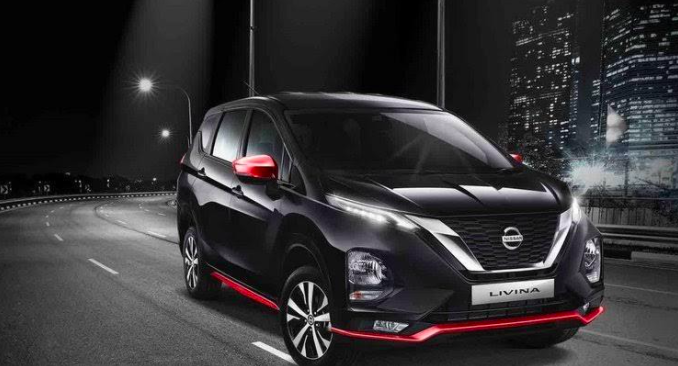
    Since it innovated in 2007, the Nissan Livina model has always attracted the attention of MVP lovers. From the ultimate three variants to the SV and XV, the Nissan Livina model has been a considerable choice for motorists. But the latest All-new Nissan Livina 2020 comes with a new package that’s making the talk of the town.  

    Unlike the previous generations, this drive comes in very different specs. Although many folks consider it to be a twin of the Mitsubishi Xpander, the All-new Nissan Livina 2020 has its powerful aspect. 

    Thus going through this guide would help you discover the unknown about Nissan Livina 2020!

    Interior
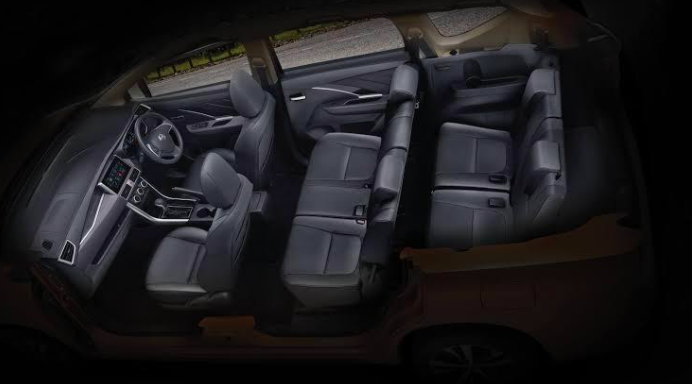
    The All-new Nissan Livina 2020 has a different internal setting with a seven-seater that’s very similar to the Mitsubishi Xpander. However, the Nissan Livina has more of a sporty interior facet because it utilizes dark colors for the inside view, and it’s easy for drivers to switch driving positions according to drivers’ posture. Another fantastic thing is you can adjust the seat height, and this happens for only this VLAT model Livina.

    Exterior
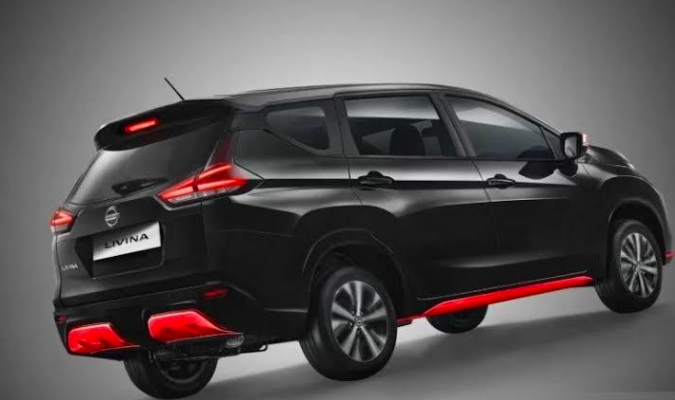
    The exterior aspect of the All-new Nissan Livina 2020 is very identical to Mitsubishi Xpander, especially the side design that is almost indistinguishable. Anyway, the front and back facet is relatively different because Nissan utilizes V motion grille in front to specify its brand identity.

    As for the back, it’s equipped with anti-skid plates and other stunning decorations on the bumper making it cooler and different from the Xpander. And the main lighting system uses halogen, which is good enough to enhance the driver’s sight.

    Engine & Transmission 

    The Nissan Livina 2020 comes in Automatic and Manual transmission, with a powerful 1.5-liter 4 cylinder engine coupled to a 4-speed automatic and 105PS and 141NM of torque transmitted to the front wheels.

    Safety

    The safety features of the All-new Nissan Livina encompasses the Driver Airbag, Passenger Airbag, Anti-lock Braking System, Electronic Brakeforce Distribution (EBD), Rear Seat Belts, Parking Sensor, Seat Belt Warning, Engine Check Warning, Rear Camera, Door Ajar Warning, Child Safety Locks,  Front Impact Beams, Traction Control, and Side Impact Beams. There is no doubt that Nissan always put the safety first place.

    Conclusion

    After reading through this guide, it’s obvious you can now distinguish between the All-new Nissan Livina 2020 and Mitsubishi Xpander. From my perspective, it’s wrong to conclude Xpander and Livina are twins because the Nissan Livina has lots of mind-blowing features that surpass the Xpander that enables it to retain its LMPV image.
  • Graphic Design Basics for Beginners

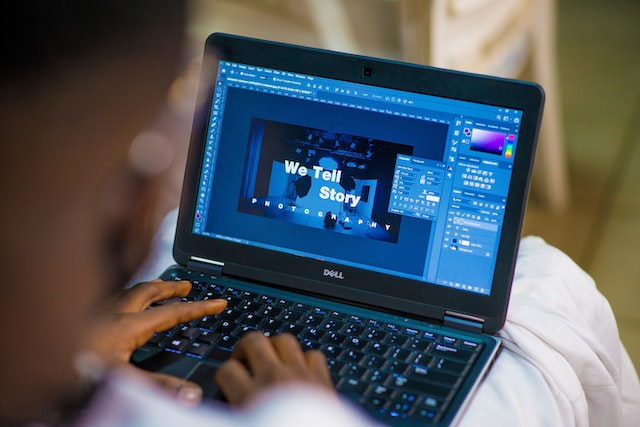
    Graphic design is a high-level skill that involves creating digital designs using text, images, and other visual elements.

    The basics of graphic design are unchanging. The main aim of any graphic designer is to produce designs that capture people’s attention and communicate specific messages to evoke emotions.

    Image via Unsplash

    Graphic Design Basics for Beginners

    Whether you’re using a free banner design tool or you’re using paid editing software, you’ll need to learn basic techniques. There are certain design elements or principles that you can’t forget when you’re getting started as a graphic designer, and we’re going to discuss these below.

    The basic elements of graphic design are:

    • Color
    • Image
    • Line
    • Shape
    • Space
    • Texture
    • Type

    Color

    Colors have the incredible ability to evoke certain emotions in people. When you’re designing graphics, you can use color psychology to ensure that each of your designs conveys a specific message.

    Alongside choosing the right color combinations, you also need to choose the right tones and shades. Lighter, pastel shades and tones are associated with calming, less dominant emotions. Darker shades or tones are more ominous and powerful.

    Image

    When adding images to your work, make sure they are consistent with the message that you want to convey. Choose images that make a strong impact on your views and draw their attention to your designs.

     Line

    Depending on the length, thickness, and combination of lines you choose, your designs can convey certain emotions. Heavier lines communicate formality and stability. Simple lines convey organization and scribbled lines promote excitement.

     Shape

    Shapes can be geometric or free-flowing. The former comprises a series of straight or curved lines that create shapes. They’re simple and often abstract.

    The latter is more fun and creative. Free-flowing shapes can take on any form, and can be used to evoke a wide range of feelings and emotions in your audience.

     Space

    Space refers to the composition of your graphic designs. You can change the space between words and images to emphasize certain things and draw your viewer’s attention to specific parts of your designs.

    You also need to consider white space, which refers to the areas of your designs that don’t contain any fonts or graphics. White space is important to create clear and visually impactful graphic designs.

    Texture

    Texture is one of the more complex components of graphic design. Generating texture in your designs creates character and depth. Texture is an important component of making your designs look professional and complete.

    You can use textured typography or add texture to your images to enhance your designs. Even once your designs are complete, you can adjust the contrast, saturation, or transparency of certain elements in your graphic designs for added texture.

    Type

    Type is short for typography. The fonts that you use in your graphic design should be legible and cohesive with the other visual elements that you are using.

    Aside from the copy itself, you also need to consider the size, thickness, and spacing of your typography. You can use more than one style of typography in a single design but stick to a maximum of three different fonts to avoid making your designs look cluttered and confusing.

  • EOEL Print Giveaway

    EOEL Print Giveaway

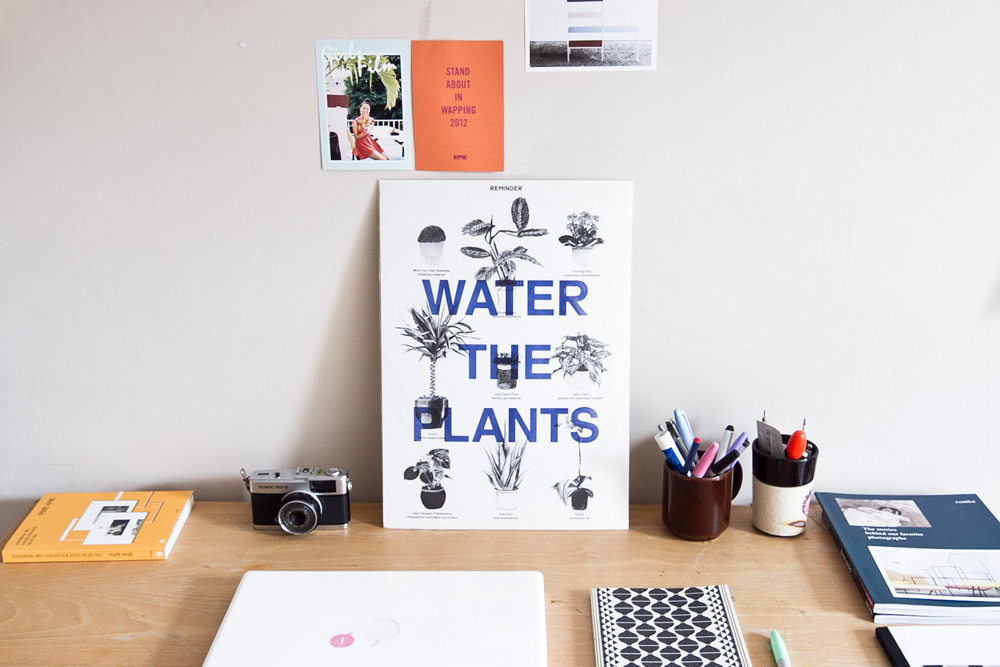
    To celebrate the relaunch of Future Positive, we’ve teamed up with Earl of East London to give away a ‘Water The Plants’ A3 print. The print is lovingly made in London and is the first in the ‘Reminder Series’ – a range of tasteful reminders for the often forgotten. The illustrations are hand drawn and the prints are reproduced on a Riso digital duplicator.

    Future-Positive-Earl-of-East-London-Giveaway-4

    Also, check out the post from our last visit to Netil market a few weeks ago, where we met Paul and Niko, the founders of EOEL. You can also catch up with them at Netil Market in East London every Saturday until Christmas.

    Use the form below to enter our giveaway. A random winner will be selected and notified in 30 days. Good luck!

    EOEL x Future Positive

  • Naranjo Etxeberria Studio

    Naranjo Etxeberria Studio

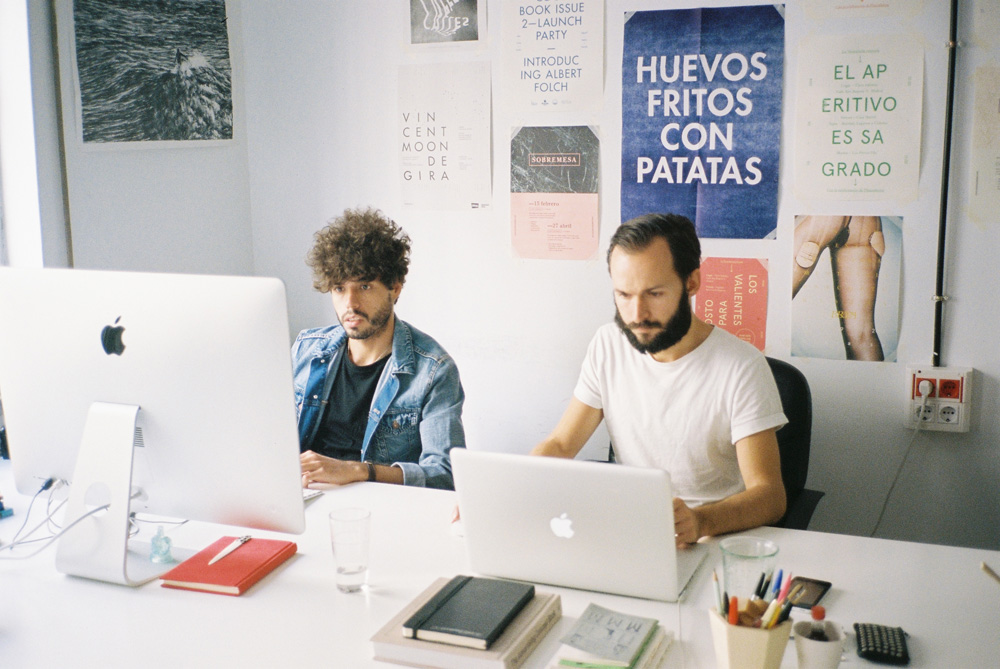
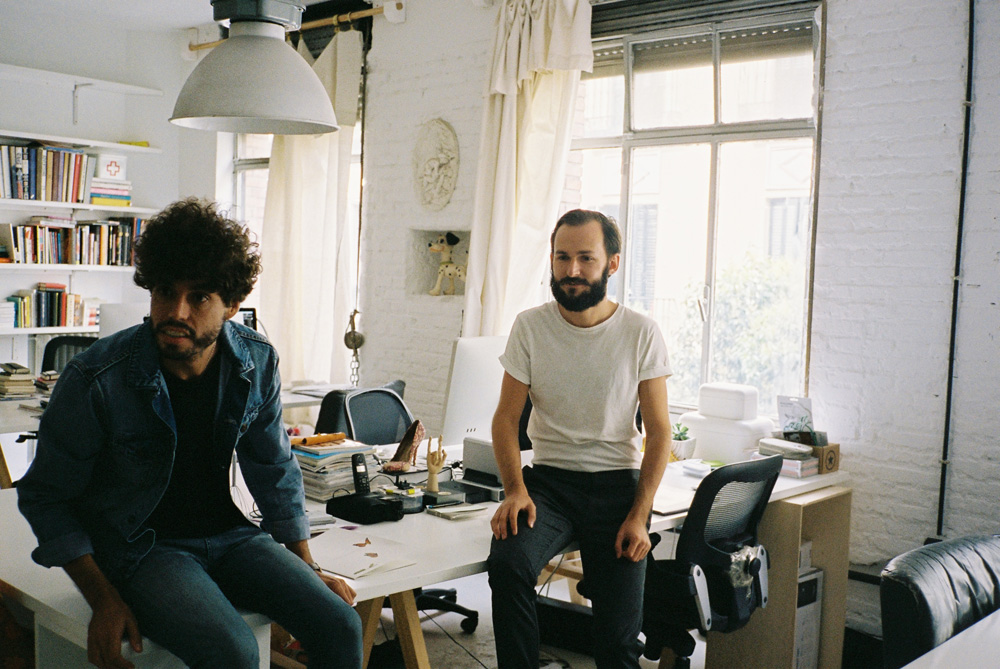
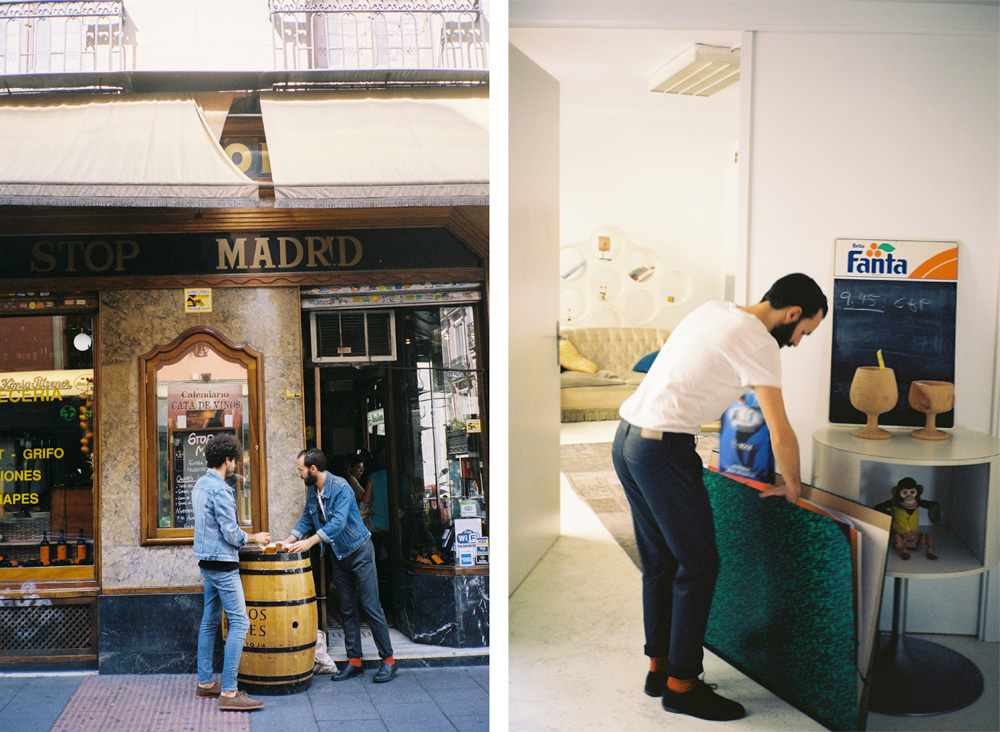
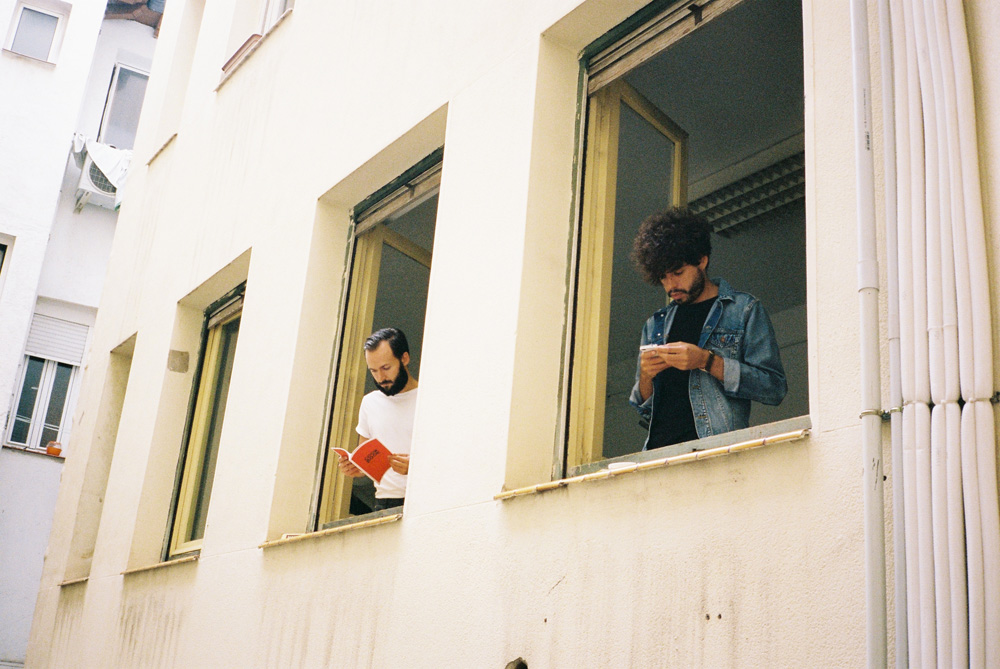
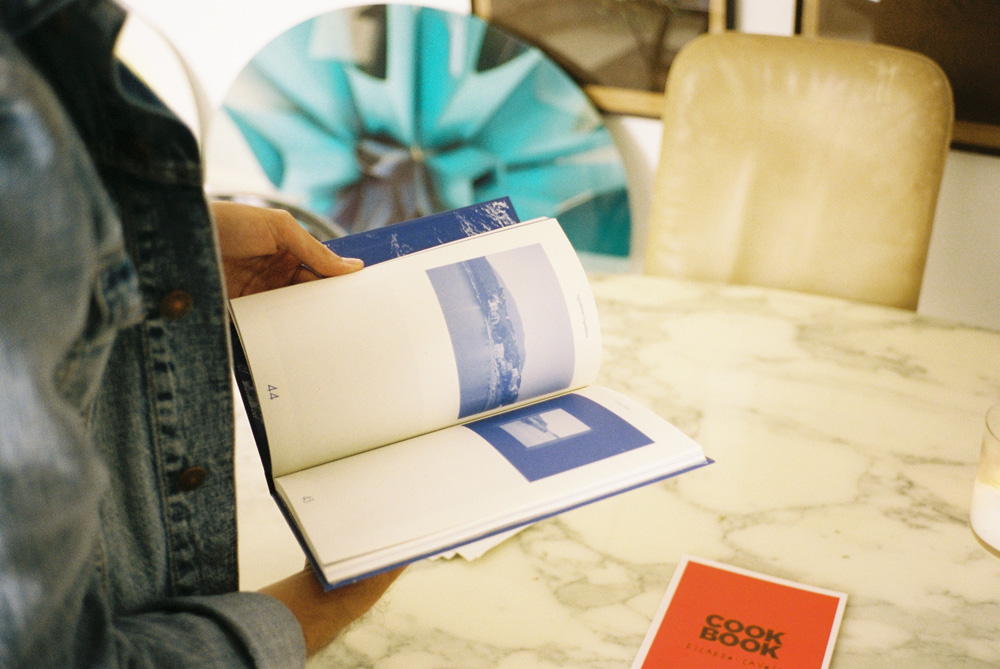
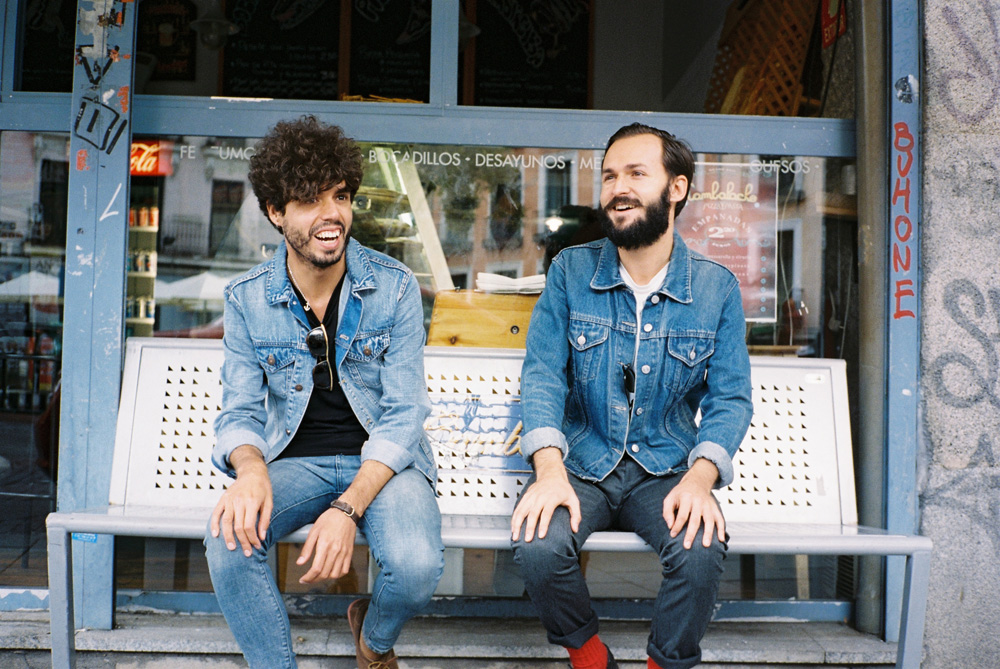
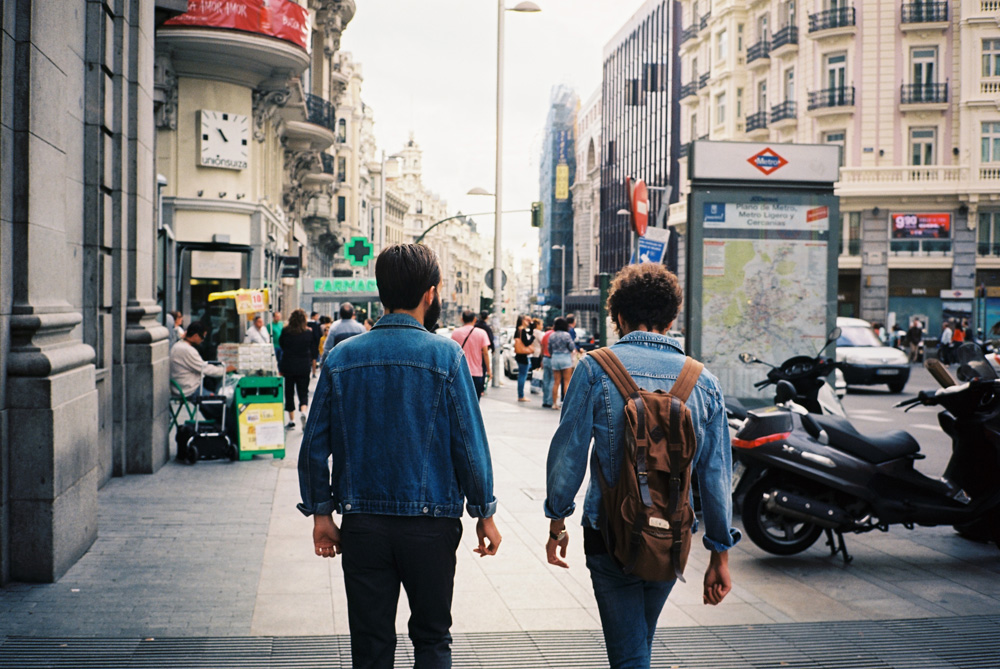
    Miguel Naranjo and Diego Etxeberria are the founders of Spanish design studio Naranjo Etxeberria. Based in Madrid, Miguel and Diego work in different fields – ranging from art direction to branding – and are responsible for Cookbook, a magazine inviting a new artist in each issue to curate a selection of recommendations in music, literature, cinema and art.

    To find out more about this creative duo, we visited their studio in Madrid and asked them a few questions. Read their answers below the images.

    Photos by Iciar J. Carrasco

    www.naranjoetxeberria.com

    Future-Positive-Naranjo-Etxeberria-6 Future-Positive-Naranjo-Etxeberria-5 Future-Positive-Naranjo-Etxeberria-3 Future-Positive-Naranjo-Etxeberria-2 Future-Positive-Naranjo-Etxeberria-9 Future-Positive-Naranjo-Etxeberria-4 Future-Positive-Naranjo-Etxeberria-8 Future-Positive-Naranjo-Etxeberria-1 Future-Positive-Naranjo-Etxeberria-7

    Please tell us about your background. What did you guys do before Naranjo Etxeberria?

    Miguel: I was born in Madrid 30 year ago and studied graphic design at “Escuela de arte Nº 10”. I worked in different advertising agencies and design studios for over 7 years. Two years ago I started a personal editorial project called Cookbook Magazine, which won a Laus Award in 2013.

    Diego: I was born in San Sebastian 28 years ago. I studied Creative Advertising in Bilbao and worked in couple of advertising agencies in Madrid over the past 4 years. I’ve also published a magazine with some of my disposable camera pictures and have been involved in several photography exhibitions.

    How did you meet and what made you found your design studio?

    Diego: We meet in a Kebab takeaway. I was working in an advertising agency with Manu Ridocci and we meet with a friend of him to grab something to eat. That friend was Miguel. After that, he came to work with us in the same agency and we started working together on different projects. After working for 2 years in that place, we decided to start our own studio.

    We both have different visions that help us cover projects in a more global way – it is a mix between our past experience and what we want to do at the studio.

    Is it easy to run a creative business in Spain at the moment? What has been the hardest part?

    Miguel & Diego: It is never the perfect moment to run a creative business like this, but if you want to do it, the earlier you start with it, the better. We think that there are lots of thing to do, create and share currently in Spain… but we still have a lot to learn about being entrepreneurs. That’s our new job: learning how to sell our work and find new clients all the time. Having said that, we are very excited with this new beginning.

    You’ve worked with many clients and on many projects so far. Please tell us about a project that is special for you.

    Miguel & Diego: We are so lucky because since the first day, we have been able to work with amazing clients like Vincent Moon, Absolut Vodka, Nowness, Curador Magazine, La Vermutería, Good2b, Sobremesa taller, Cookbook Magazine…

    A special project would be “Cuadernos de su padre y de su madre” (Notebooks of their father and mother). It is a project made by us at the studio. We make handmade notebooks and each one is unique and different from the others. Nowadays everything is on the internet and everything is ephemeral. That’s why real things have more value and why we like to make objects, thing that you can touch and use.

    What does the future hold for Naranjo Etxeberria?

    The future is changing all the time. Last week we didn’t even know that  in less than a month, we were going to be teaching Visual Communication at IED . It is a new challenge because it is our first time, but we can’t wait to do it. Also, we are going to be teaching about naming and visual identity, a couple of thing we love to work on.

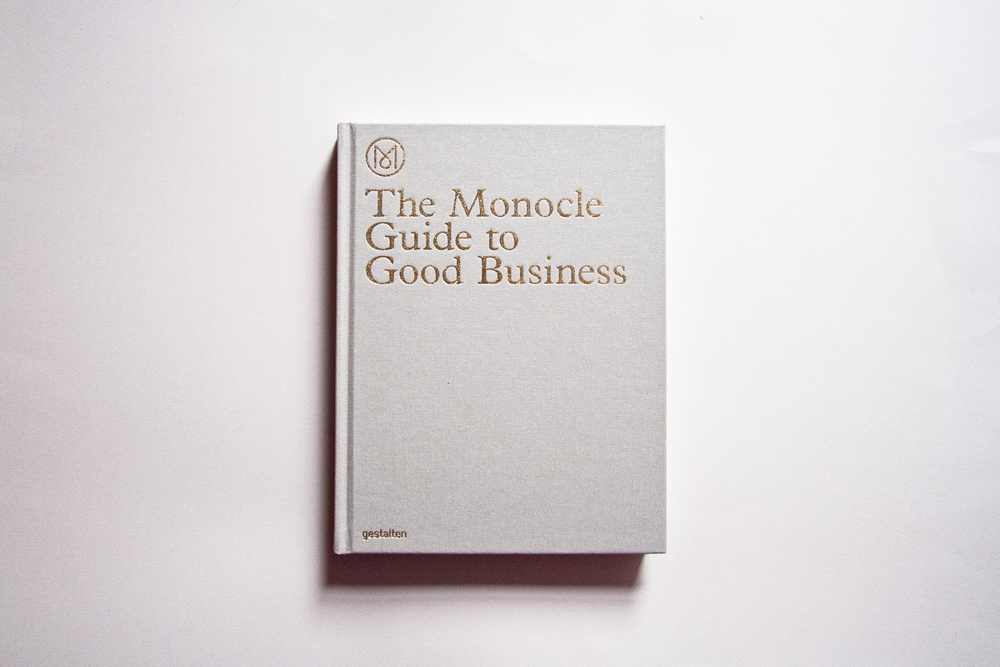
  • The Monocle Guide to Good Business

    The Monocle Guide to Good Business

    We are big fans of Monocle Magazine and their Monocle Radio shows. Founded in 2007 by Tyler Brûlé, also the founder of Wallpaper magazine, Monocle provides opinions on business, culture, fashion, design and international affairs.

    A year ago, together with German publisher Gestalten, Monocle published its first book – The Monocle Guide to Better Living. The Monocle Guide to Good Business is the second book in the series that has just hit the shelves.

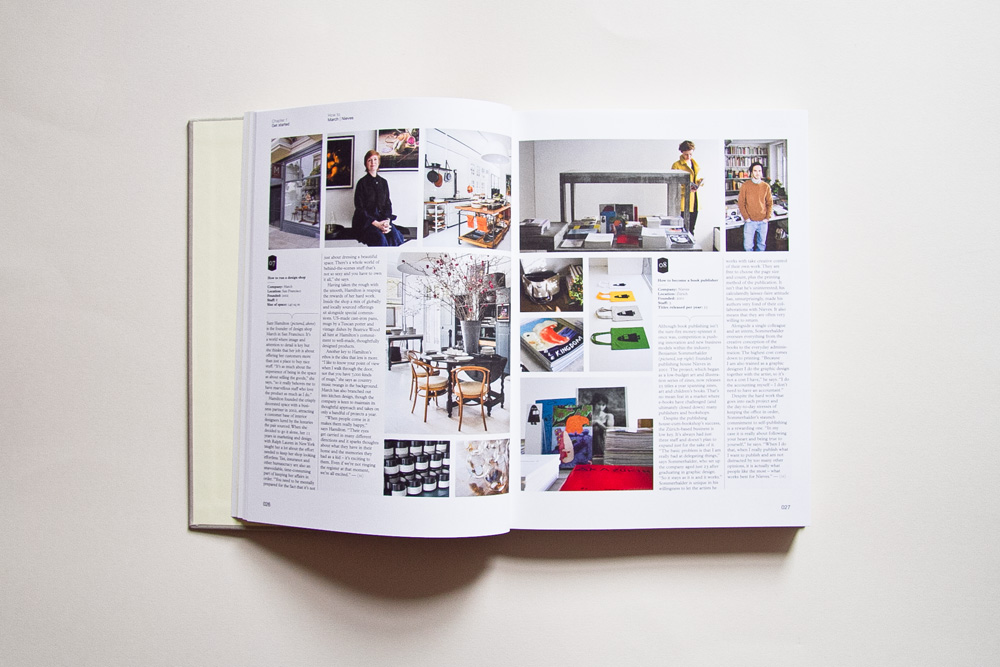
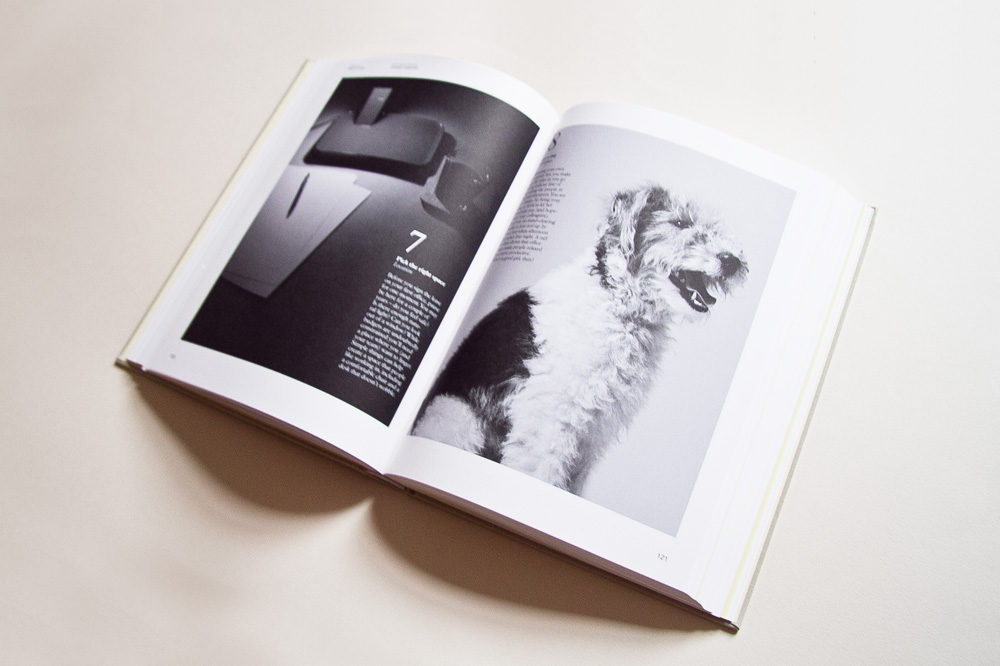
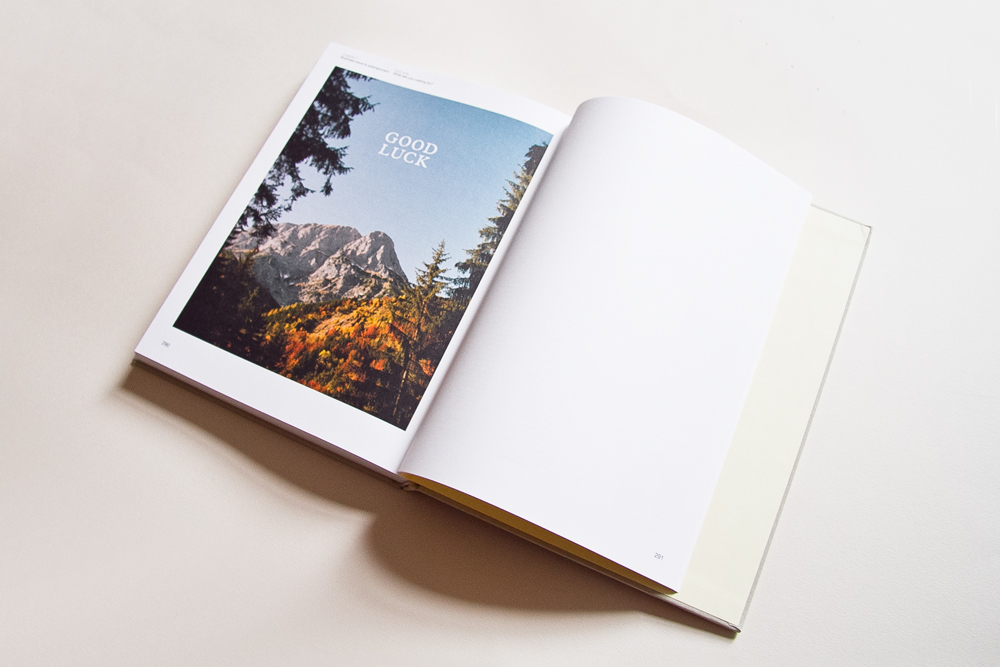
    The book takes you on a journey from getting started and creating a brand to advice on how to manage your employees and even decorate your office. Whether you’re about to start a new business or just daydreaming about it, The Monocle Guide to Good Business is a great source of advice and inspiration. Each page is full of beautiful photography and illustrations, as well as mini essays introducing each aspect of being an entrepreneur. As told by Tyler Brûlé in the foreword – “the best way to be inspired and stay on top of your game is to get out in the world and observe the people who are doing it best”.

    www.book.monocle.com

    Future-Positive-Monocle-Guide-Good-Business-1 Future-Positive-Monocle-Guide-Good-Business-3 Future-Positive-Monocle-Guide-Good-Business-2 Future-Positive-Monocle-Guide-Good-Business-4