Author: Igor

  • The Silver Building, creative workspaces in London’s Royal Docks

    The Silver Building, creative workspaces in London’s Royal Docks

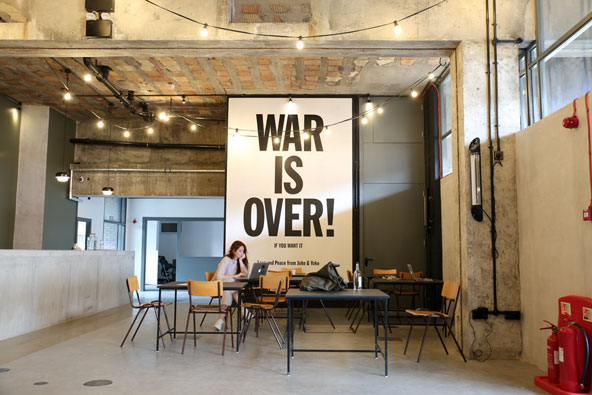
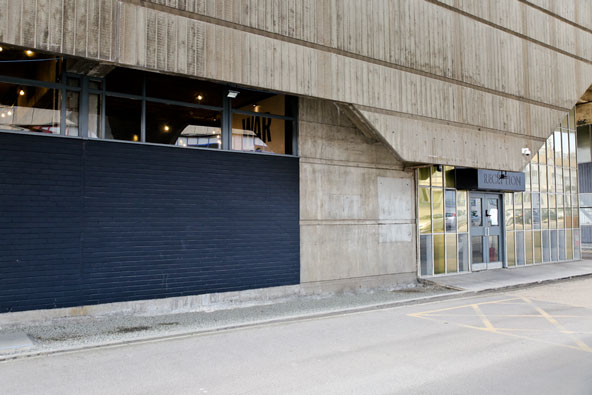
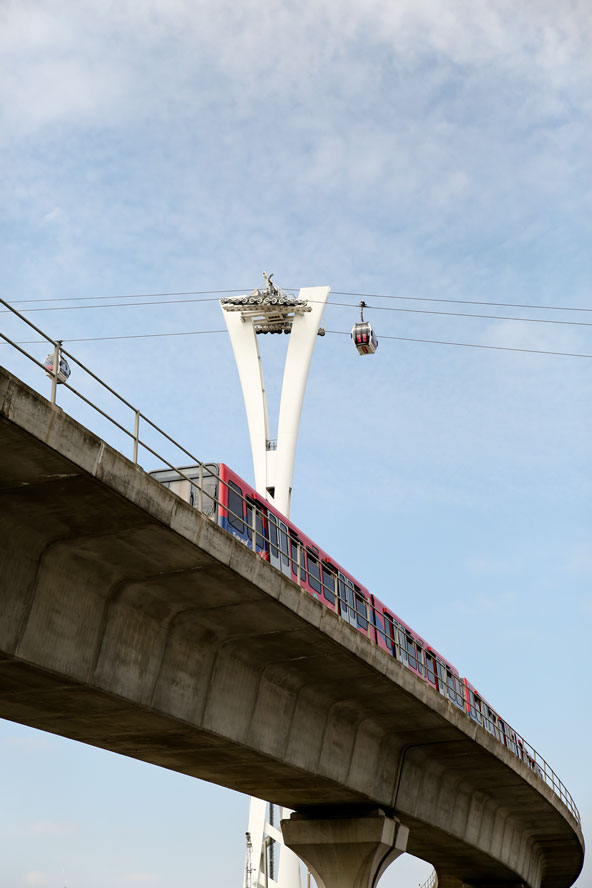
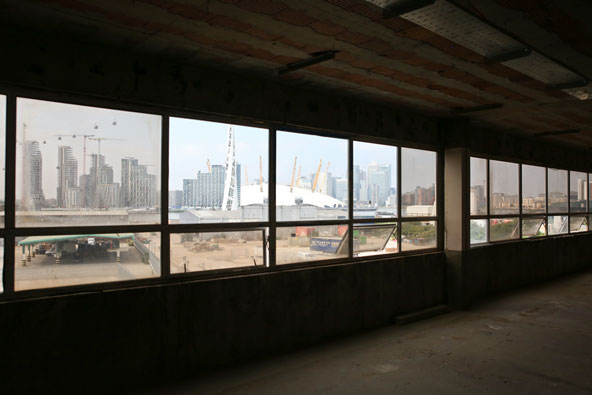
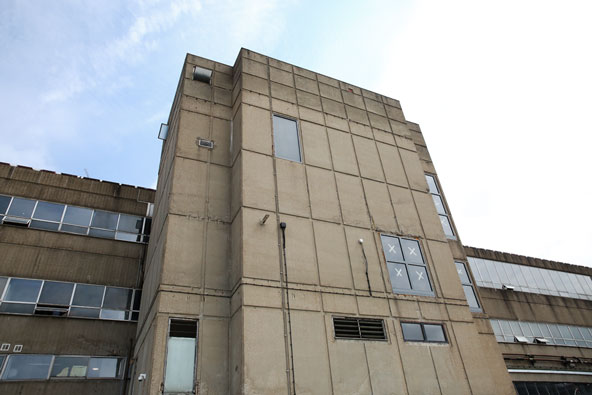
    Located in London’s Royal Docks, an area currently undergoing a transformation to become a hub for creative industries, The Silver Building is a dramatic multi-purpose shared workspace centre in a striking brutalist building by the River Thames.

    www.thesilverbuilding.com

    On our last trip to London, we visited The Silver Building at Silvertown and were showed around the different areas and studios by its founder Nick Hartwright, who’s also behind Green Rooms Hotel – an arts hotel and social enterprise we’ve already talked about.

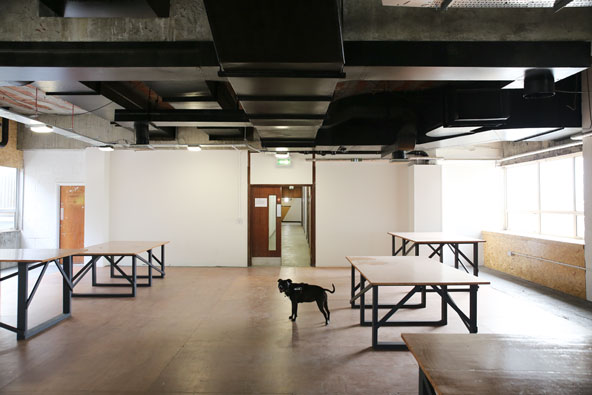
    The 50,000 sq ft building, originally constructed in 1964 for Carlsberg-Tetley Brewing company, opened in late 2017 and is already a bustling creative and entrepreneurial hub where new talent is nurtured and grown. The concept behind this project is to provide affordable workspace for everyone, with different studio spaces that cater for everyone: from fashion designers and artists to photographers and set designers.

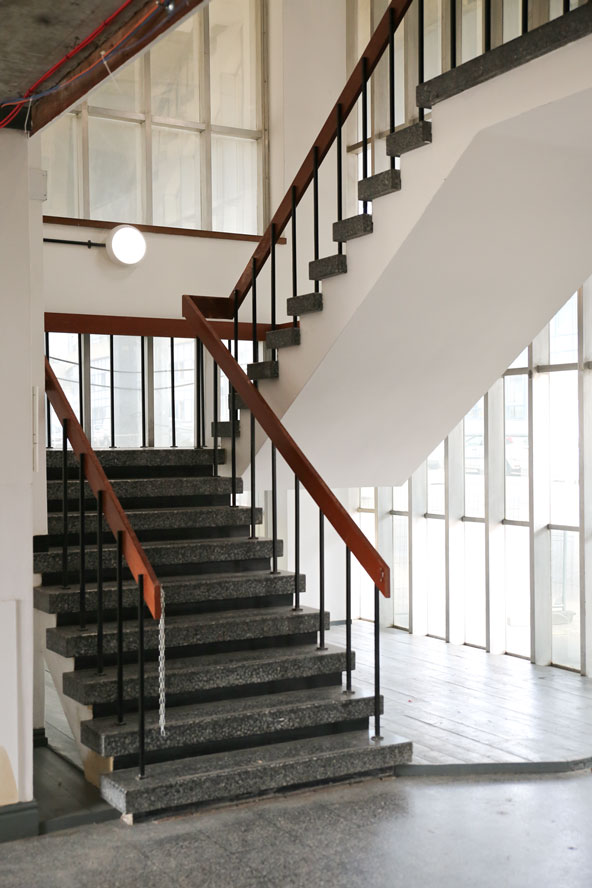
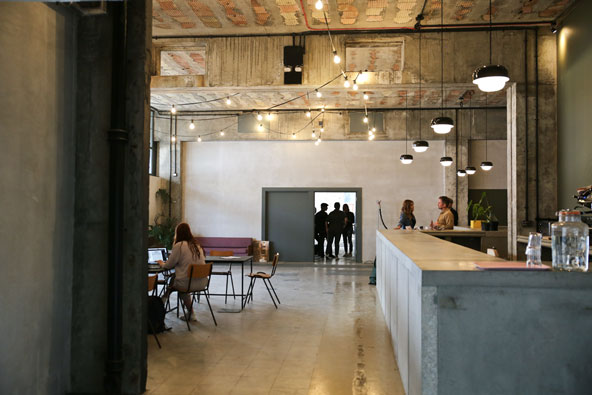
    Working in partnership with the Mayor of London’s office and re-purposed by award-winning studio of architects and designers SODA, The Silver Building also features communal areas and events spaces across its four floors, with a ground floor café which is the beating heart of the development.

    Nick Hartwright has said about the project “The Silver Building is an incredibly exciting project and a perfect example of how modern regeneration should be carried out.  Over the coming years we’re going to put Silvertown on the map.  We’re going to engage with existing Newham-based businesses and we’re going to bring new enterprises to the area.  Everyone will benefit, and together, I’m sure we’ll produce some brilliant outputs.”

    And the Mayor of London, Sadiq Khan, supports the initiative and the offering of affordable workspaces for creative businesses: “London’s creative industries are unrivalled, but the capital is growing and we need to make sure we build great creative infrastructure into major development projects. As property prices rise, artists are finding it more difficult to put down roots here and that’s why they need access to genuinely affordable workspace.

    Fashion designers like Craig Green and Liam Hodges have their workspaces here and also set designers Block9, who have worked with Gorillaz, Lana del Rey and Banksy. With prices of around £15 per sq ft, The Silver Building is attracting some of the most exciting creative talent due to its affordable spaces, the dramatic setting and the on-going regeneration of the neighbourhood.


  • FAIM, a magazine about people, places and food

    FAIM, a magazine about people, places and food

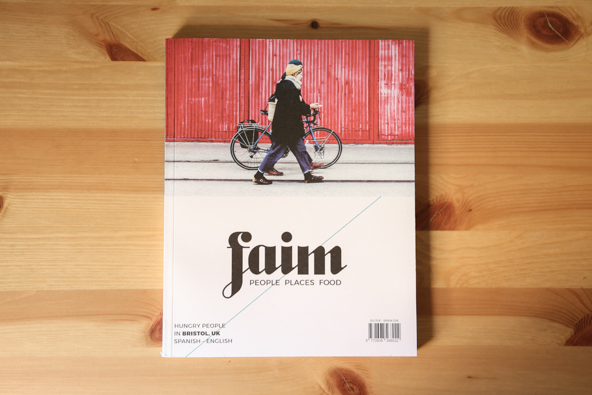
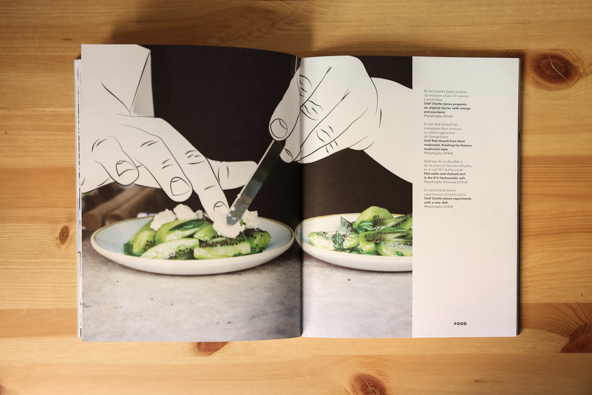
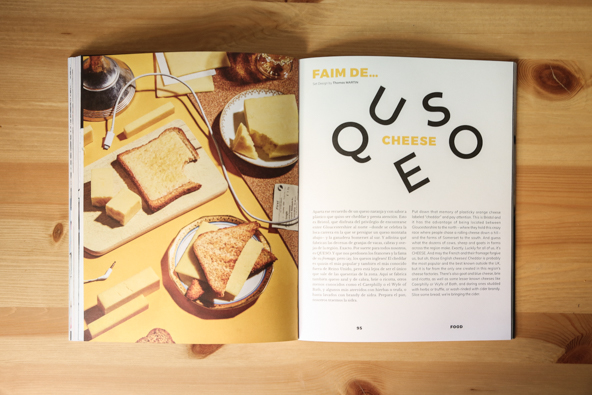
    FAIM is a new independent publication exploring the lives of young creatives from all around the world and discovering a new city in each issue. We chatted with its founders, Axel and Naiara, to find out more about why they decided to start their own magazine, the challenges they’ve faced since they started this project and what readers can find in the latest issue.

    www.faim-magazine.com

    Can you introduce yourself and tell us a little bit about your education and background?

    We are Axel and Naiara, the founders of FAIM. Axel, our art director and graphic designer, is French and studied Fine Arts and Graphic Design, so he is responsible for our beautiful image and general look. Naiara, FAIM’s editor-in-chief, is Spanish but moved to Paris three years ago. She is a journalist and is in charge of the project management and content production.

    What made you start your own magazine? What’s the main idea behind FAIM?

    We both work as freelancers, always looking for new exciting projects to work with. We had this idea of creating something together, launching our own project. And as paper lovers and maniac magazine consumers, the choice was easy. Even if, of course, we have discovered many things involved in the process of creating a magazine we had no idea of, but well, that’s also a part of what makes it so exciting.

    And about the idea, we live and work in Paris, but we both come from smaller cities and had had this conversation many times about how media and social media are often exclusively focused on what happens in big cities. That creates an illusion within our generation that makes young creators looking for an opportunity believe that they’ll only find it by trying their chance in a big capital, and that’s not true! We wanted to shine a light on all those people creating great projects in places other than big capitals and inspire others with their stories.

    Why did you decide to focus on Bristol in the second issue of the magazine?

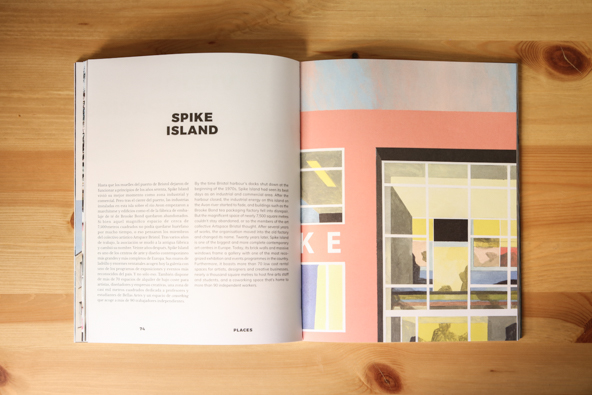
    To choose our destinations we certainly do a lot of research. The recommendation for Bristol came from different channels, so we created a list with subjects we would like to talk about and we got surprised by how many amazing topics we were able to assemble. So when we compared it to our other options, Bristol just appeared as the logical choice. Then we started working on the content production and wow… It really is an amazing place with loads of amazing people living and working there.

    Can you tell our readers what they can find inside this issue?

    We believe that the content in this second issue will give our readers a proper vibe of what happens in the city. Bristol is a very community-focused place, so there are a lot of initiatives and projects that intend to create opportunities and connections within the city and its neighbours. We talk a lot about the ‘consume local’ movement, new ways to use old spaces and fighting to maintaining what makes them special, we offer a sneak peak into the fantastic food scene… And of course, in this issue our readers will find a lot of creativity. It is one of the attributes that stands out most here and, for us, you can see that it’s present in almost every aspect of the daily life: from the most obvious and well known street art scene to the way people work, create and consume.

    How do you see FAIM growing and evolving in the future? What can readers expect in the third issue?

    We see it as growing community. We want to keep on going out there to find those people who share a way of connecting and inspiring each other and tell their stories to the world. We think we all need to hear more of those. That’s why we would like to expand the project, try new formats and involve more people (contributors in different areas, members of our community, participants in each issue…). For now we are going to focus on the paper review and the website, but we have very cool plans for the future.

    And for the third issue, all we can say is that the creation rhythm for these two firsts issues has been a little crazy, so we haven’t chosen a destination yet. However, we think our readers from issue 1 might be able to tell that several things have changed for the better with the second issue, since we keep questioning ourselves and trying to find new ways to convey our message. And this is definitely something that will be found in issue 3. We keep evolving and having fun in the process, and we hope that’s something that is reflected in the magazine.


    What are the main challenges you’ve faced since you started FAIM? What’s the advice you’d give to someone who’s thinking about starting their own magazine?

    People who start their own projects often joke saying that, if they had known everything that they were going to need to do at the beginning, they might have never started. And even if now we don’t see ourselves doing anything else, well, we say that too! Because having your own project is something absolutely great and extremely satisfying, but it also means a lot of work that is not mentioned that often. And that has probably been the most difficult part of the whole process: we all think that creating a magazine is writing some cool content and creating a beautiful layout (we did too, so naive!), but then there’s business models, taxes, marketing and communication work, distribution…

    So if we were to give advice on starting a magazine, we would tell you to get as much information as you can before starting, talk to other people in the sector, read books and websites. And after all that, if you have a concept you’re happy with and an idea of how you want to achieve your objective, just launch it yourself. Assume that you probably won’t be ready enough and that you’ll make mistakes. That’s fine, no one starts being a master. And enjoy the process, it’s really worth it.

    Can you share some of your favourite independent magazines?

    Sure! We are big fans of French magazines Encore and Les Others, Spanish Fuet and Canadian Dinette. Some of our favourites also use this one-city format like Fare, Boat or Hamburger Gentle Rain. There are dozens of super inspiring projects out there, the independent magazine world is living a really interesting moment.


  • Assembly Hotel, London

    Assembly Hotel, London

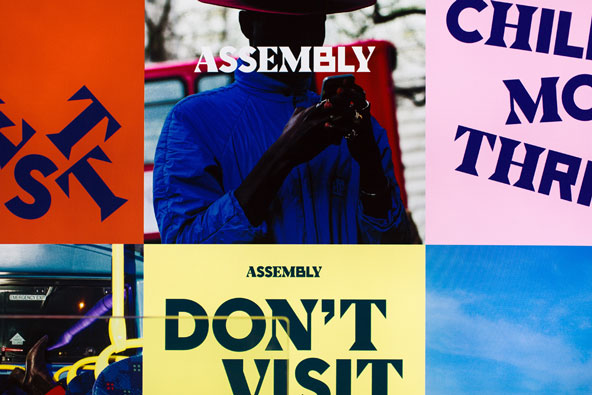
    On our recent trip to London we were invited to stay at Assembly, a new hotel connecting guests to the heart of the city through its mantra ‘Get Up and Go’. If you love feeling the energy of London and being nearby to the main attractions keep on reading to find out why Assembly Hotel is the perfect place to stay.

    www.assemblyhotels.com


    Located in the West End, just next to Leicester Square underground station, and with Soho and Covent Garden on the doorstep, Assembly is designed for curious travellers who want to explore the city and experience London like a local.

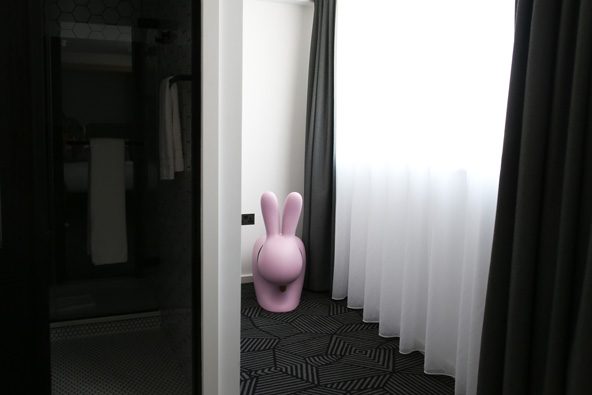
    The moment you walk into the hotel you can feel the urban vibe. The pink bunnies in the reception area – a recurring theme in the rooms and the rest of the hotel – and the friendly staff greet the guests and provide all the information you might need about the city and its secret spots. That’s why Assembly is perfect for those individuals who want to explore London and then have a place with all the essentials to spend the night, and get ready for another day of exploring.


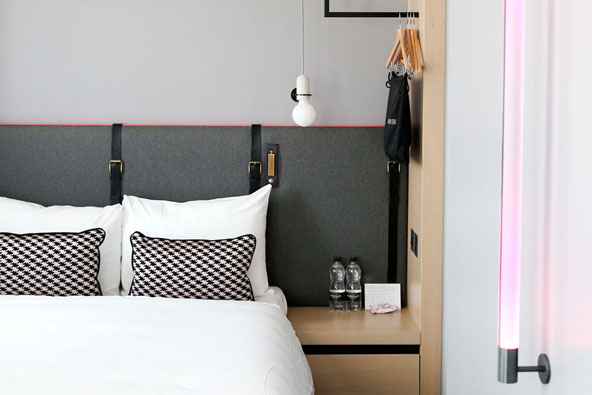
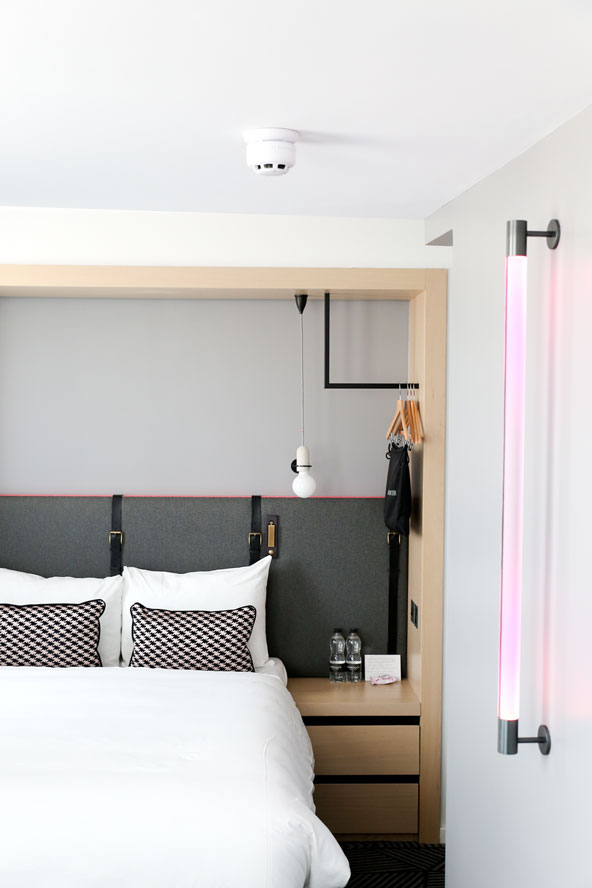
    The striped back rooms have been created to recharge. Designed by architects Scott Brownrigg, the 4 different types of rooms (Snug, Nest, Pad and Den) are inspired by iconic London fashion designers Alexander McQueen, Stella McCartney and Gareth Pugh, with recognisable elements from their designs incorporated into the rugs, beds and other details of the space.


    Assembly doesn’t have unnecessary room amenities like overpriced mini bars or telephones but you will find comfortable beds, different pillow sizes and walk-in showers – everything you need for a good night’s rest. The stunning views from the rooms will make you feel even more immersed in London’s bustling streets but without the noise thanks to the incredible sound proofing.


    The hotel experience is completed with a rooftop terrace that will open really soon and that also offers great views of London’s skyline and its iconic landmarks such as the London Eye or The Shard.

  • A visit to IED Innovation Lab in Carabanchel, Madrid

    A visit to IED Innovation Lab in Carabanchel, Madrid

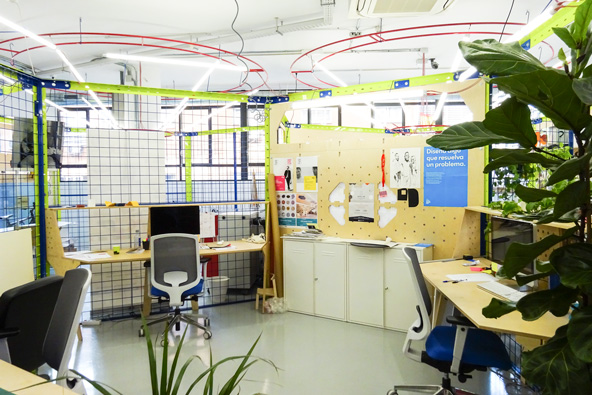
    We recently visited the new space of Istituto Europeo di Design (IED) in the up-and-coming neighbourhood of Carabanchel, Madrid. IED Innovation Lab is conceived as a design playground for transformation projects – whether it is exploring new food possibilities with a Michelin-starred chef or engaging with local businesses and neighbours.

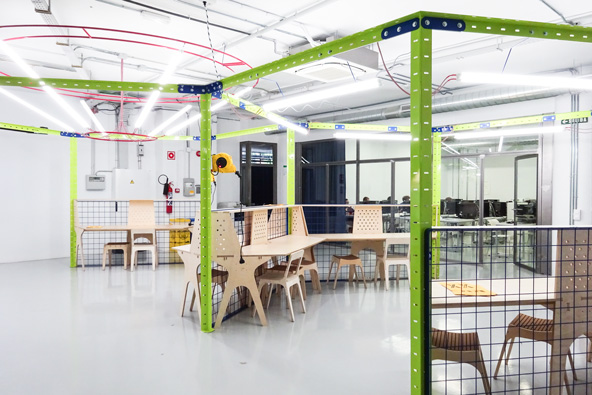
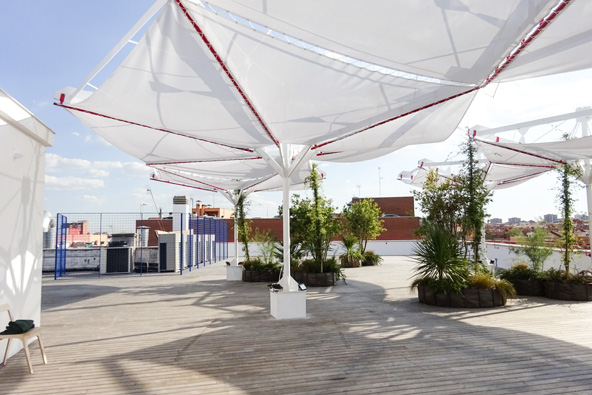
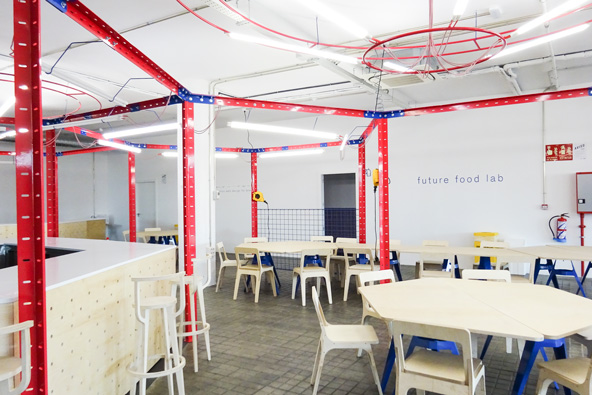
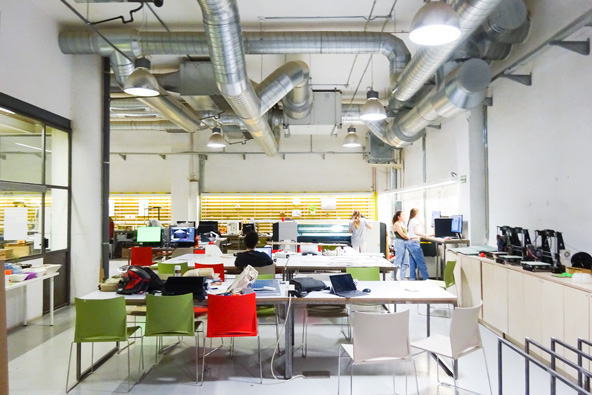
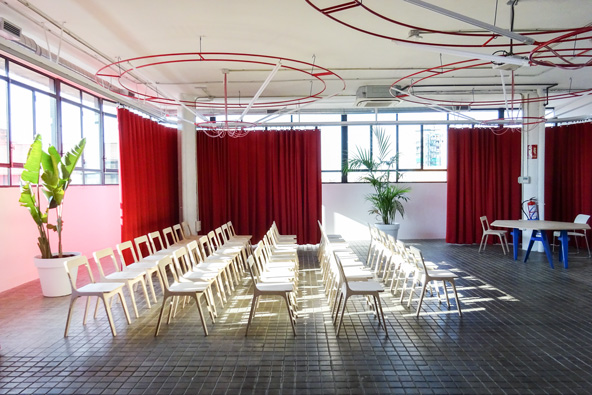
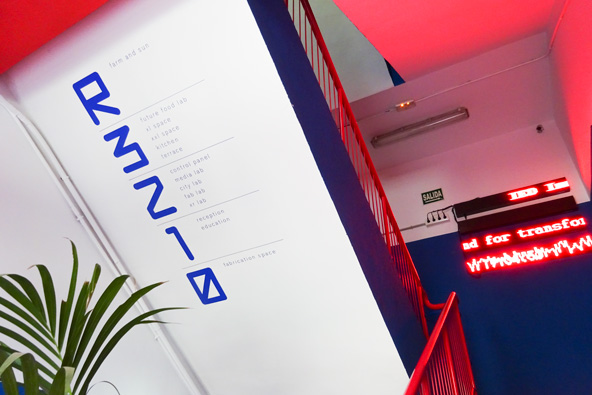
    IED Innovation Lab provides new design experiences and tools for companies, public institutions, neighbours, students and creatives to come together and work on their projects revolving around transformation. This space, located in a former furniture factory, has been renovated to host meeting areas, a fabrication workshop that students from IED can use to complete their assignments, a canteen which will soon be open to creatives working nearby too, a rooftop with amazing views of Madrid’s skyline and 6 labs dedicated to exploring ideas around different topics: Fab Lab, Media Lab, VR Lab, Green Lab, City Lab, Business Lab and Food Lab.

    IED Innovation Lab operates on the basis of 6 principles, all conceived under a holistic approach in order to tackle design problems from a new perspective.

    Matchmaking: IED Innovation Lab provides access to the largest creative community in Madrid, facilitating collaborative projects between people and organisations with similar goals.

    Empowering: Design should be accessible to everyone, that’s why IED Innovation Lab works to put it into the hands of the people and businesses that need it the most.

    Playful: Creative, fun and messy exploration are some of the key elements when approaching a design project.

    Unbound: As an unresolved and self-organising place, the roles shift and transform based on the personalities, relationships and ideas that inhabit the space.

    Humanistic: The sense of community and the relationship between the individual and society are strong at IED Innovation Lab, bringing a new dimension to design and the way problems are solved.

    Formative: Everyone is a student at IED Innovation Lab, helping each individual to grow their multidisciplinary knowledge and develop new areas in which they can apply their skills.

    Still at its early stages, IED Innovation Lab will open its doors officially in early autumn 2018. You can find more information about the current projects and plans for the upcoming months on its website:
    www.iedinnovationlab.com

  • Paraíso Festival 2019: Our Highlights

    Paraíso Festival 2019: Our Highlights

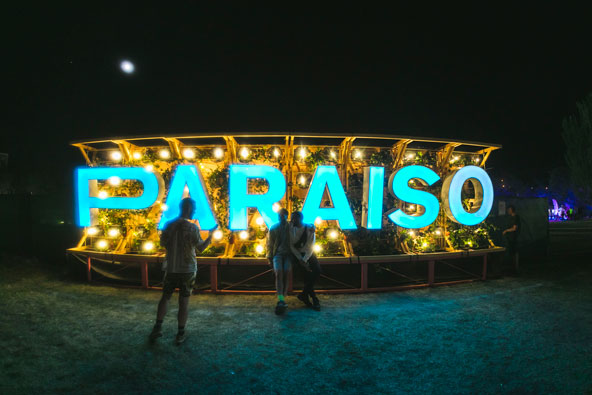
    We recently talked about Paraíso Festival, an electronic music festival taking place in Madrid that has become one of the best music experiences in the city due to its carefully curated line-up, its connection to art and sustainability and its goal to serve as a platform for local DJs, producers and artists.

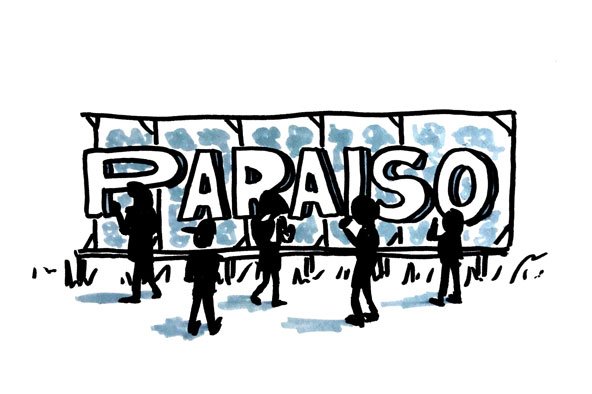
    We attended its second edition on 14-15 June and asked illustrator Laura Flores to join us and do live drawings of some of our highlights from the festival.

    Illustrations by Laura Flores and photographs by Sharon Lopez, Rodrigo Mena and Arturo de Lucas.

    The atmosphere

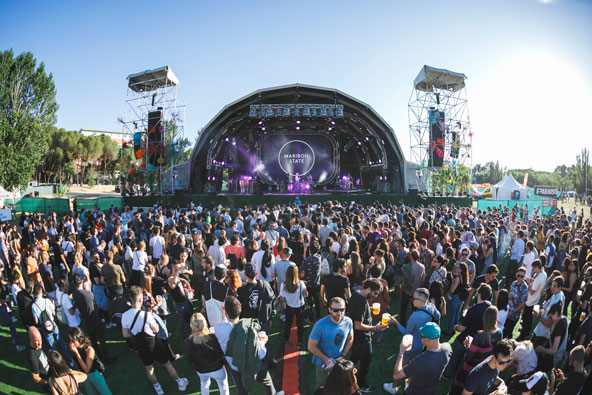
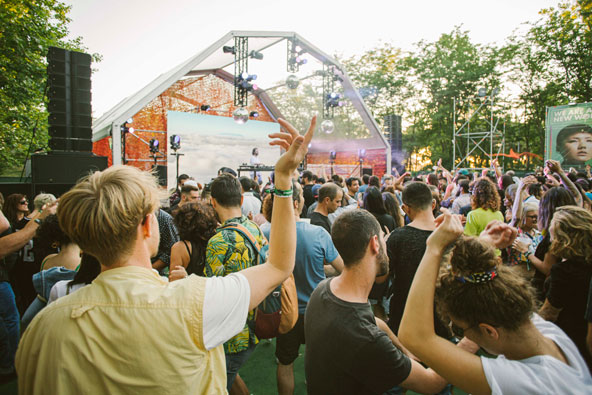
    Even though 25.000 people attended Paraíso, 40% more than last year, the festival didn’t feel crowded and it was easy to find a seat to eat or some free space at the multiple relaxation areas. The complex where the festival takes places is also pretty compact, which makes it easier to move from one stage to another if you want to make the most out of the line-up.

    The diverse line-up

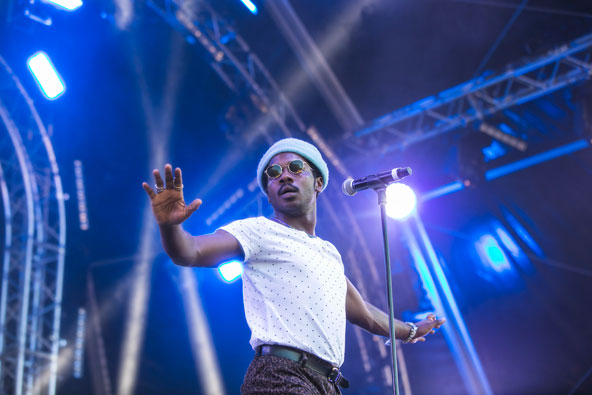
    Paraíso is mainly an electronic music festival but this year’s line-up felt much more diverse, with a variety of genres especially at the main stage, Escenario Paraíso, with performances by the likes of Rhye, Charlotte Gainsbourg, Maribou State, Mount Kimbie or Channel Tres.

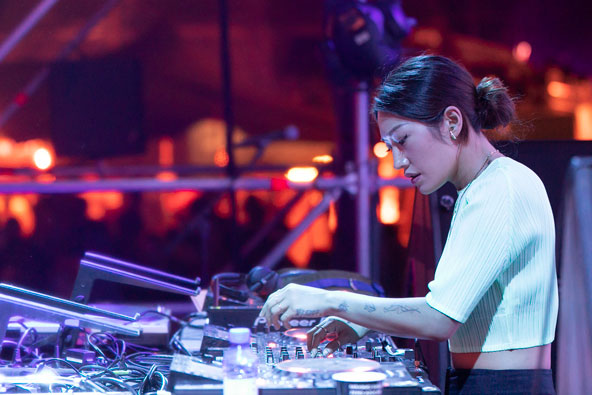
    The Escenario Club was home to live sets and performances by artists like Peggy Gou, IAMDDB and Jacques Greene. Whilst Escenario ABSOLUT brought to Madrid an eclectic mix of performers from South America, Africa and Europe such as Nicola CruzKampire, Young Marco and Kalabrese.

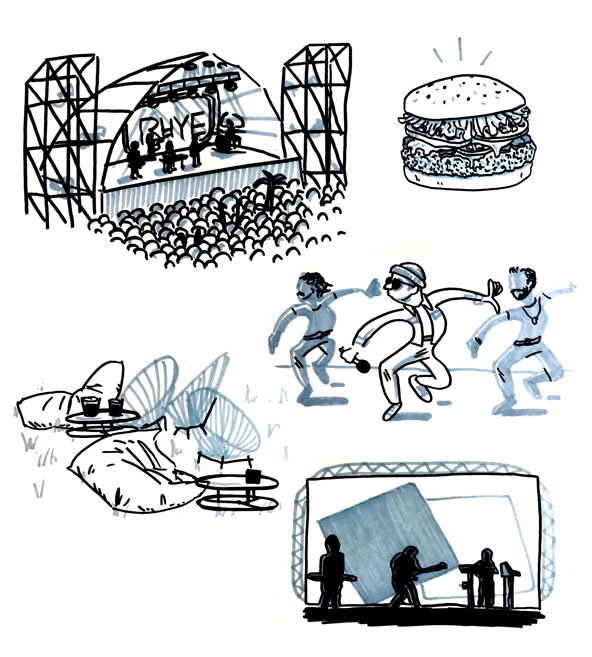
    Rhye playing at Escenario Paraíso, food prepared with seasonal and local produce, Channel Tres performing, one of the many relaxation areas and Mount Kimbie on the stage

    The art

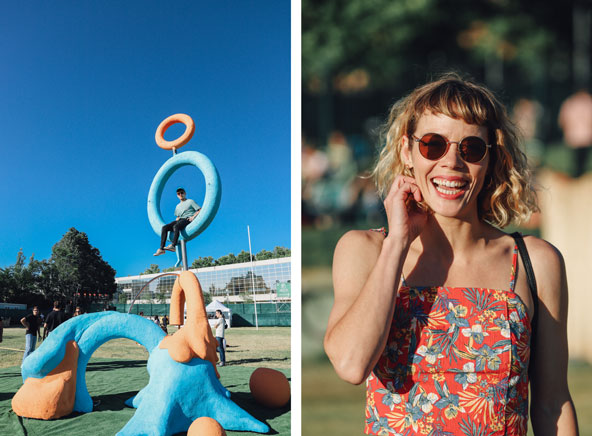
    Several art installations took over the festival space, creating ephemeral pieces that questioned our relationship with the environment. English artist and mathematician Paul Friedlander created a 5 metre light installation called Dancing Wave, architecture studio Terrario Arquitectura built a piece made of 180kg of inflatable beach mattresses, Argentinian artist Melisa Zulberti engaged attendees with her performance Dentro, architectural group TEXTWO created a modular structure called Urban Espora that served as a seating area and Fine Arts students from Universidad Complutense designed the Paraíso Totem.
    Escenario Nido

    For its second edition, Paraíso Festival has decided to give more visibility to local and emerging artists, DJs and producers. Escenario Nido (Nest Stage) served as a platform to discover electronic sounds from Madrid with sets and sessions by Dos Doggos, El Cuerpo del Disco, Estatua de la Libertad or Guacamayo Tropical.

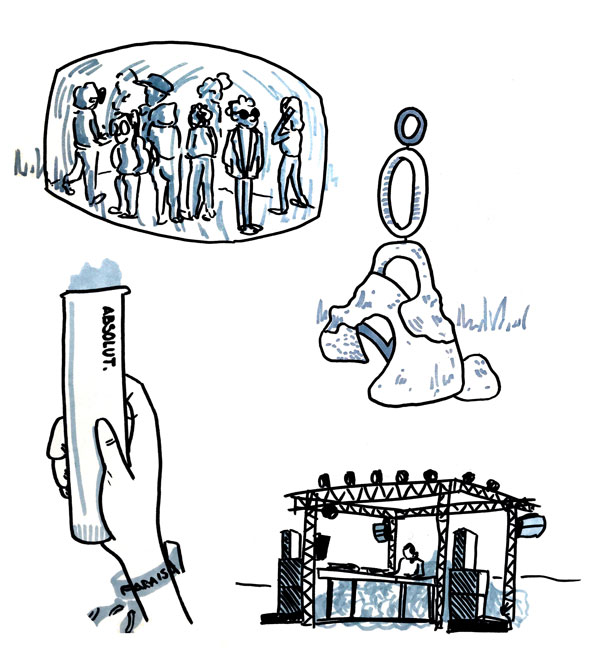
    Melisa Zulberti’s installation ‘Dentro’, the Paraíso Totem, ABSOLUT’s ice cocktails and Escenario Nido

    The Food

    Festival food doesn’t have to be bad or unhealthy. Following its sustainable ethos, Paraíso Festival collaborated with award-winning chef Rebeca Hernández to curate 14 food trucks offering a delicious menu based on seasonal and local produce. Burgers, tacos or pizza were just a few of the many food offerings that we could try during this 2-day festival.