
Many people are excited to introduce a dog to their children however, this event must be planned carefully. The first time that your dog meets your children will determine how they interact with one another for many years to come. Dogs and children have different forms of communication. In many cases, the way in which dogs and children attempt to communicate may lead to confusion as to what the other intends.
Therefore, the primary purpose of a safe introduction is to create opportunities for both the dog and the child to have positive experiences while becoming comfortable around each other at their own rate.
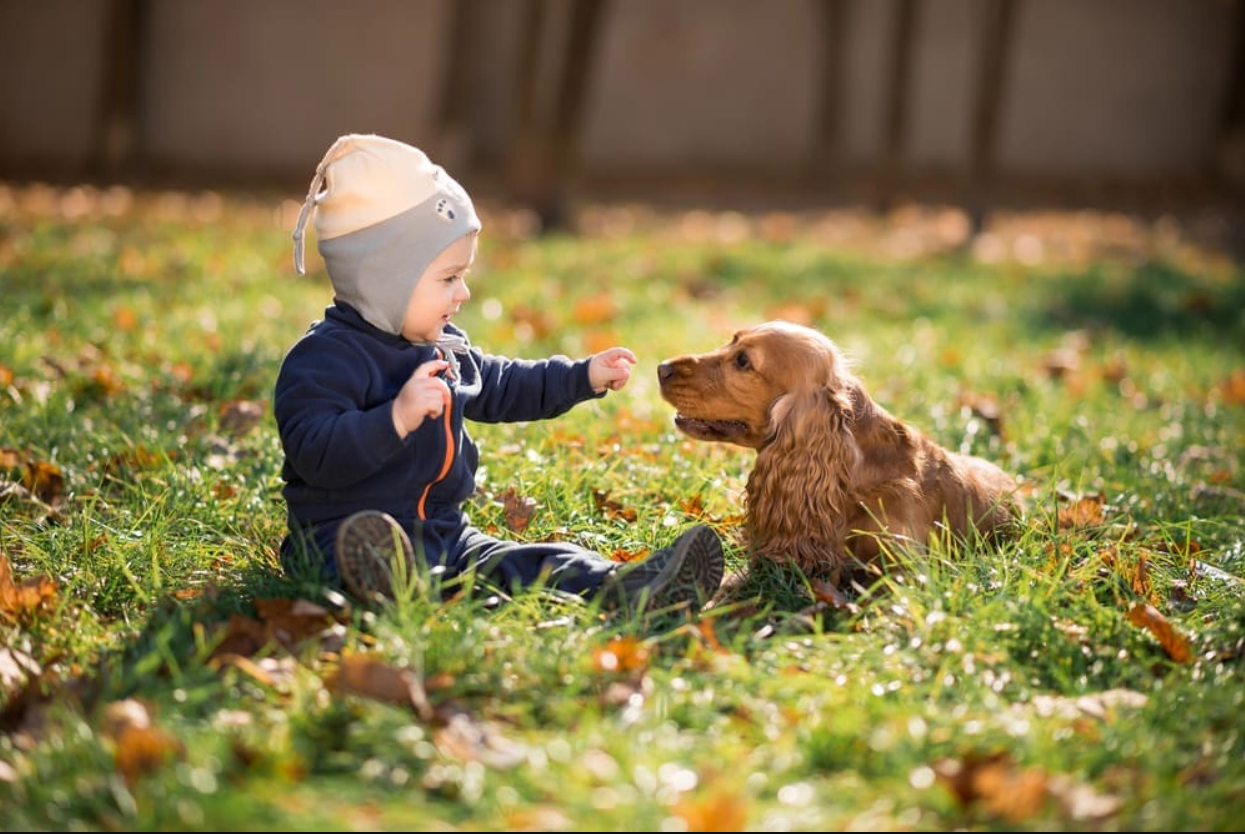
Prepare Before the First Meeting
Before the actual encounter between the dog and the child, preparation is important. It would be ideal if you were able to continue the routine of the dog prior to the introduction. For example, maintaining regular eating times, providing adequate opportunity for regular exercise and ensuring that the dog has sufficient sleep all contribute to reducing stress caused by unusual events and help to promote relaxation in the dog.
In addition to establishing a routine, the environment in which the introduction takes place is also very important. A loud and busy environment (e.g., noise from visitors, excitement) could potentially hinder the ability of the dog to focus on processing a new experience and may result in increased anxiety.
It is beneficial to ensure that the dog has received some form of exercise prior to meeting the child. However, it is equally important not to exhaust the dog before meeting. An exhausted dog will likely exhibit inappropriate behaviors due to lack of energy.
Keep the First Introduction Calm
The initial meeting should be short and free of pressure. Do not force your dog to physically touch or be touched by the child until your dog indicates it is ready. Many dogs find comfort in initially viewing or noticing a child from a safe distance before approaching them. Similarly, when introducing the two, discourage children from rushing towards the dog or placing their arms around its neck or head.
Using calm tones and making slow movements can assist in decreasing apprehension exhibited by both animals.
Let the Dog Choose the Interaction
Most dogs are at ease in social situations when they have an element of control over their environment and those with whom they interact.
Rather than placing the dog immediately into contact with the child, allow the dog to initiate contact based upon apparent relaxation and curiosity. The following are examples of body language which suggest the dog is comfortable approaching: loose body position, soft eyes and gentle movement of the tail. If the dog elects to disengage from interaction, this choice should be honored. Providing dogs with the opportunity to establish distance reduces the likelihood of experiencing anxiety or fear due to perceived pressure.
Teach Children How to Interact
Youngsters typically do not recognize when behavior that seems friendly to them will appear threatening or even frightening to a canine. Basic rules of thumb can significantly decrease the potential danger in interacting with dogs:
• Interact with the dog very gradually
• Talk softly
• Gently pet the shoulder or chest if the dog appears relaxed and chooses to interact
• Delay touching the dog’s ears, tail or fur
• Never climb onto, nor sit near, a resting dog without first being granted permission to do so by the owner
Children should also understand that dogs require personal space (especially when consuming food, napping or sleeping or chewing toys). Establishing these basic expectations can help foster a culture of respect around animals and greatly diminish the potential for miscommunication.
Understanding Dog Body Language
One of the best ways for adults to protect children from potentially aggressive canine behavior is through understanding canine body language. A general rule of thumb is to assume that a relaxed dog displays loose muscle tone; has soft facial expressions; and moves normally. However, signs of discomfort may be less obvious.
Possible signs of discomfort may be lip licking, yawning when not tired, turning the head away, freezing, tucking the tail under itself, pinching back the ears or repeatedly retreating. Recognizing these early warning signs enables adults to remove children from the situation prior to the dog feeling compelled to communicate further.
Expert Recommendation from Dr. Rami Mdawar, Modern Vet
Dr. Rami Mdawar of Modern Vet recommends paying particular attention to any sudden change in a dog’s behavior around children. Increased irritability, avoidance, growling, reluctance to be touched, or a lower tolerance for interaction may sometimes be associated with pain or an underlying medical condition rather than a behavioral problem alone.
If a dog that was previously comfortable around children begins reacting differently, a veterinary examination can help rule out issues such as dental pain, ear infections, joint discomfort, skin irritation, or other conditions that may make physical contact unpleasant.
Dr. Mdawar also advises against punishing warning signals such as growling. These behaviors are an important form of communication and may indicate that the dog needs more distance. Instead, calmly end the interaction, give the dog space, and seek veterinary or behavioral advice if the behavior is persistent, escalating, or appears suddenly.
Why Supervision Is Essential
Even the most friendly of dogs should never be allowed to remain unattended around a small child.
Both children and dogs have their own time of unpredictability. The child could trip on top of the dog, pull on something (a toy) or make a sudden, very loud noise. Also, the dog could become startled by the noise made by the child and react in a way that will cause unintended harm to the child.
Supervising your child while they are interacting with the dog requires you to give your complete attention, rather than just being in the same room. This allows you as an adult to help control how the two animals interact, intervene if necessary for either animal and allow each one to leave the interaction if they choose.
Respect the Dog’s Safe Space
All dogs need a safe place away from everyone else that they can go to relax and get some peace.
You can use crates, beds, etc., but you can even designate a separate room for your dog to retire to when they want to be alone. When you tell children about this space, they need to know that this is off limits until there is an adult nearby and the dog decides to initiate interaction.
Giving your dogs personal space gives them less stress so they don’t feel like they’re going to be locked down forever while doing fun things with your family.
Common Mistakes to Avoid
There are many mistakes people make that can increase the likelihood of problems during introductions.
One big mistake is forcing your child into physical contact with the dog before the dog feels relaxed. Forcing the child into physical contact with the dog will only add extra anxiety. Another example of a mistake is encouraging children to hug or kiss unknown dogs. These types of actions put the dog into an uncomfortable situation.
Another big mistake people make is assuming that because a dog wags its tail, it means the dog likes children. Wagging tails indicate the level of emotional arousal the dog is experiencing, which means that you must read the entire body language of the dog along with what its tail is saying.
Building a Positive Relationship Over Time
Building trust and developing strong bonds between dogs and young children occurs through repetition of positive interactions, but these should be in short and peaceful intervals, as opposed to long periods of high energy interactive play.
As a result of building upon this trust, both the dog and the child will feel increasingly confident when interacting with one another.
Engaging in activities such as walking quietly together with an adult present or participating in low key game activities that are suitable to the dogs developmental stage and temperament can aid in strengthening their relationship while still providing a safe environment for them to interact in.
There is rarely urgency in this situation; simply allow the development of their relationship to occur slowly over time.
Conclusion
To allow a dog and a child to develop a safe and healthy relationship takes both preparation and care. A dog should be allowed to go to the child as it feels comfortable.
The child needs to learn how to act with the same level of respect for the pet as they would their family member. The first signs of discomfort or stress by either the child or dog are indicators that things have gone too far and an end to the interaction is needed.
This will allow you to keep interactions positive from day one and build a relationship based upon trust and safety through the development of your child’s understanding of dogs and their behaviors.